From over 100,000 films, discover the handful you'll love.
Free or premium access to the world's largest documentary library.
7535 films(Page 18 of 157)
The golden eagle, the largest bird of prey in the Alps, is showcased through stunning wildlife footage that captures its life and the surrounding indigenous animals.
A 200-meter cargo ferry is extended by 30 meters at a German shipyard, increasing its cargo capacity by 25% and reducing operating costs for shipping companies.
In South Tyrol, the Alpine ibex, a wild goat species once nearly extinct, thrives in the mountains after successful reintroduction efforts from Gran Paradiso National Park.
In Memphis, Louisiana, and Texas, grassroots leaders Justin J. Pearson, Roishetta Ozane, and Sharon Wilson confront the fossil fuel industry and its environmental impacts.
The Deepwater Horizon disaster in April 2010 resulted in the largest oil spill in history, significantly impacting the Gulf of Mexico and surrounding communities.
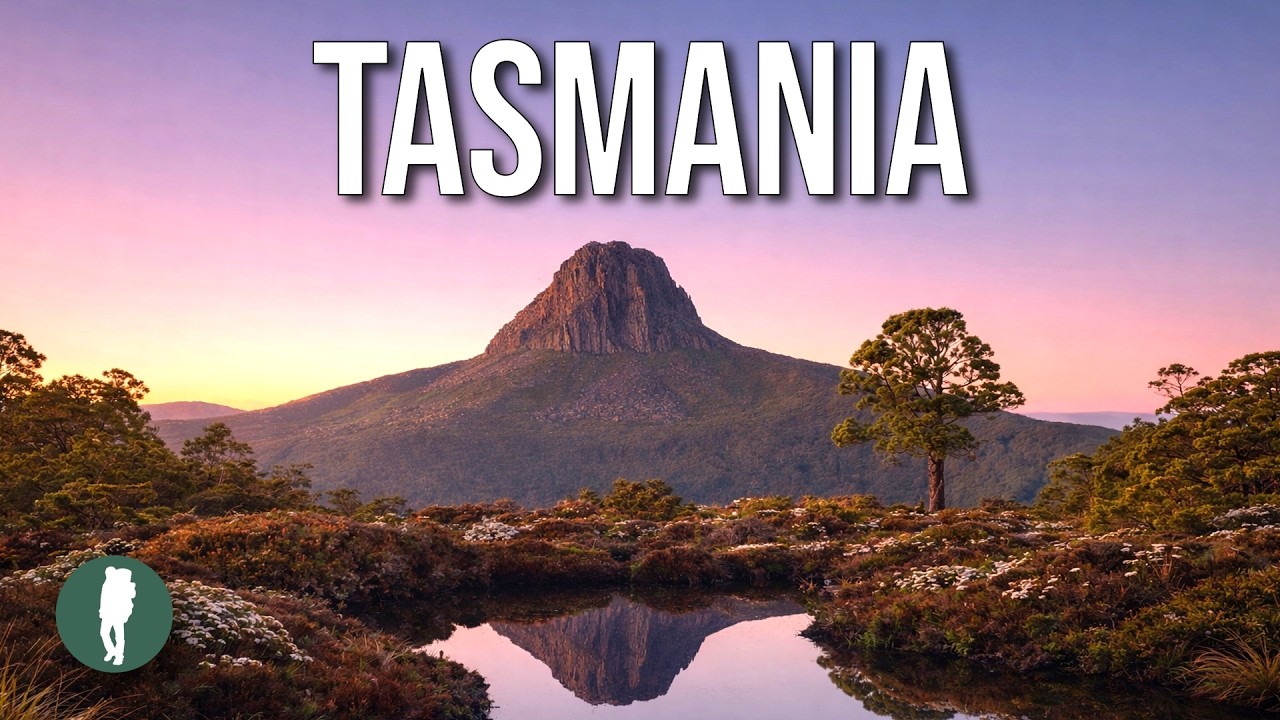
Tasmania's unique wildlife, including Tasmanian devils, white wallabies, and golden echidnas, has evolved over 12,000 years of isolation from mainland Australia.
Oysters first appeared on Earth 200 million years ago, and humans have gathered them as a food source since the Neolithic Age.
Wildlife footage narrated by Sir David Attenborough highlights an iguana's escape from snakes and the resilience of the mantis in nature's challenges.
Afghanistan's diverse landscapes, from the Bamiyan Buddha niches to the remote Wakhan Corridor, reveal a resilient culture shaped by ancient history and geography.
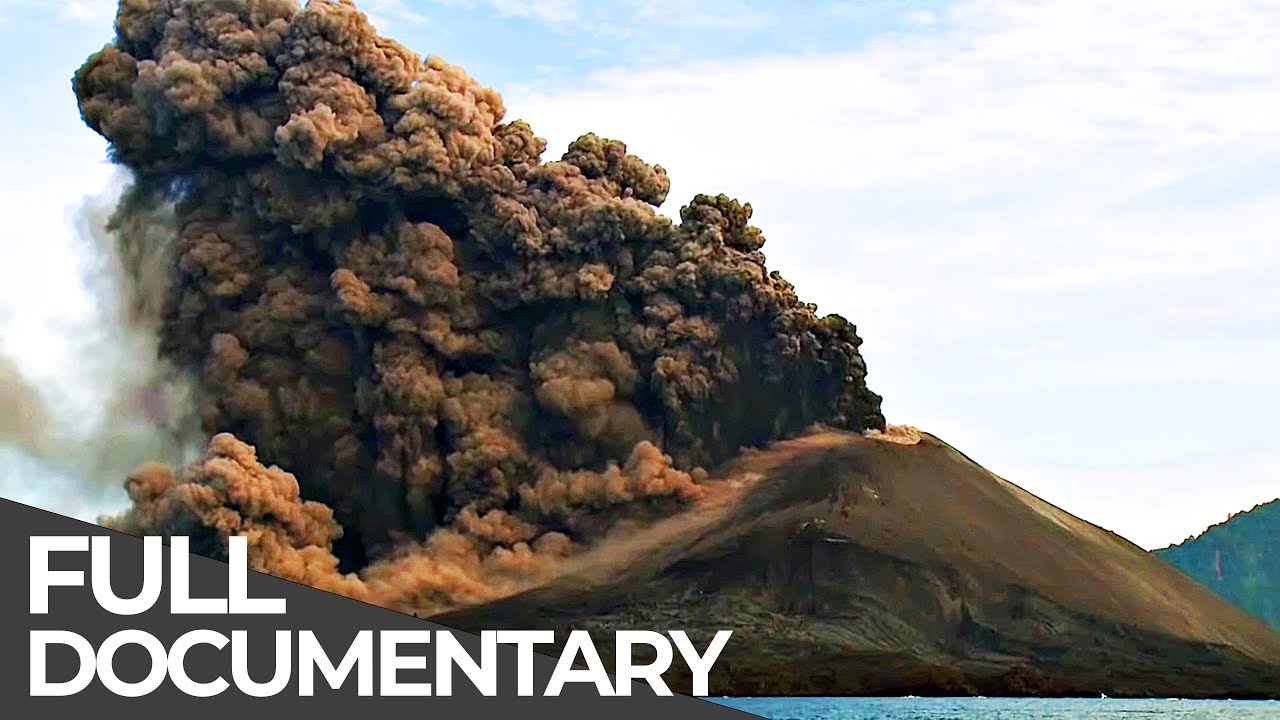
This disaster documentary highlights volcanic eruptions and earthquakes' devastating impacts.
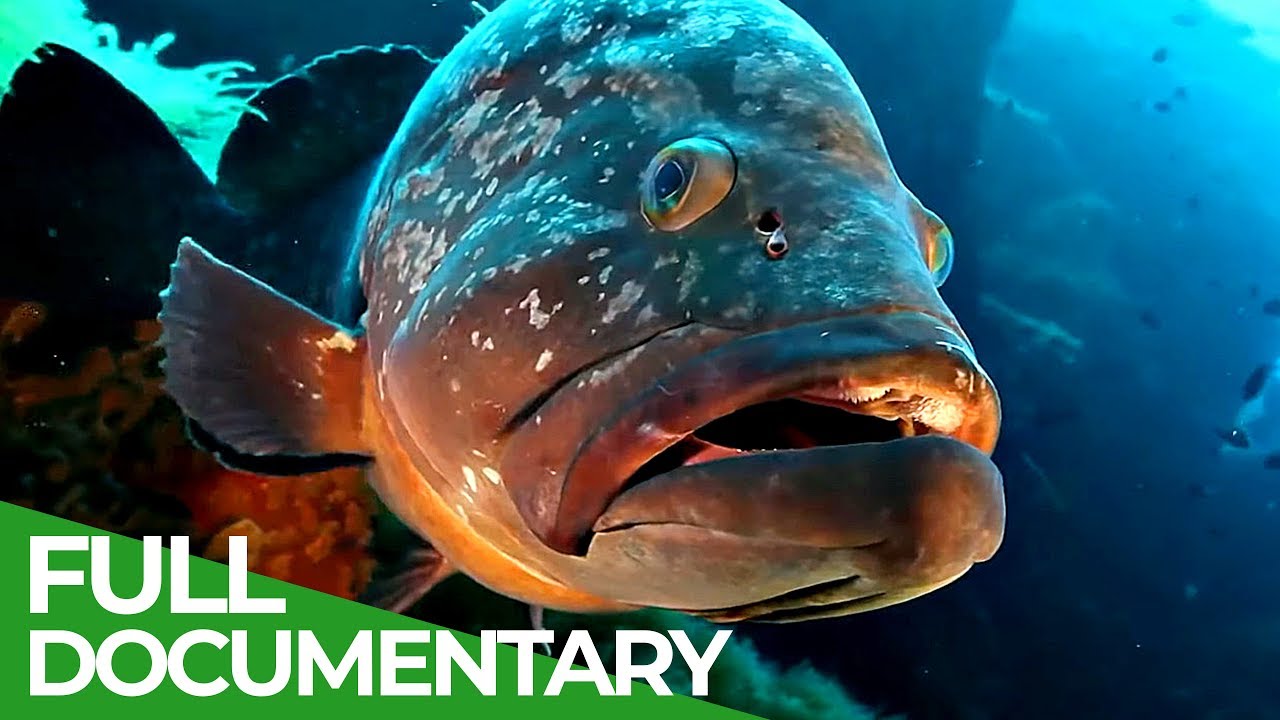
Sardinia's diverse ecosystems feature unique wildlife, including pilot whales, flamingos, and luminous beard worms, set against a backdrop of stunning landscapes.
Tewet, an expert explorer in the Marang Mountains, faces challenges as the prized swallows' nests he trades become increasingly scarce due to deforestation.
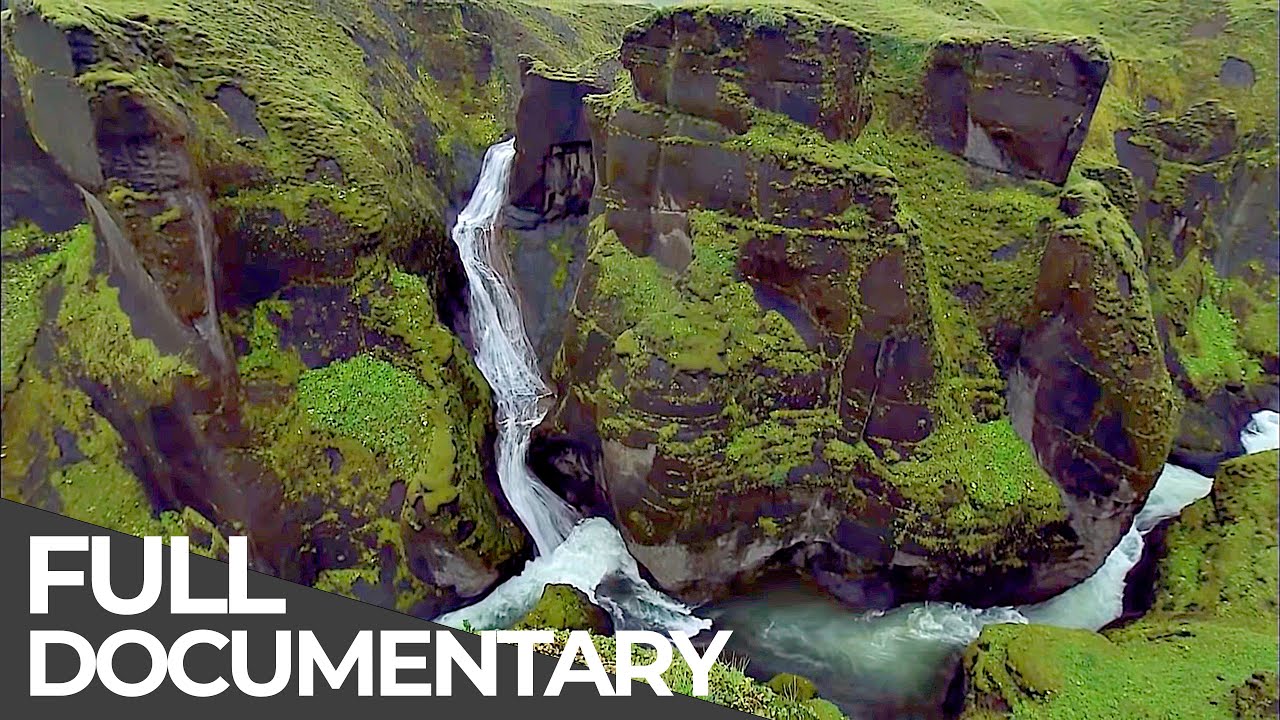
Iceland sits on the world's most active hotspot, where scientists observe the formation of the planet in real time.
38 species of wild cats inhabit various environments across the globe, from high-altitude mountains to arid lands and dense forests.
The F60 conveyor bridge, measuring 500 meters, has transported up to 90,000 tons of overburden per shift since its completion in 1974.
Planet Earth, with its 5 billion years of history, continues to reveal astonishing scientific discoveries about itself and the solar system.
Sharks, often misunderstood, exhibit a range of behaviors from serene gliding to rapid predatory strikes, showcasing their role in marine ecosystems.
Container ships transport about 90 percent of all global trade, with nearly two billion goods traveling the seas in containers each year.
The Volga River, stretching over 1,300 km, flows through Central Russia and Kazakhstan before branching into the Caspian Sea delta.
Gesäuse National Park, Austria's largest canyon, showcases its dramatic landscapes and wildlife through the lens of renowned nature filmmaker Michael Schlamberger.
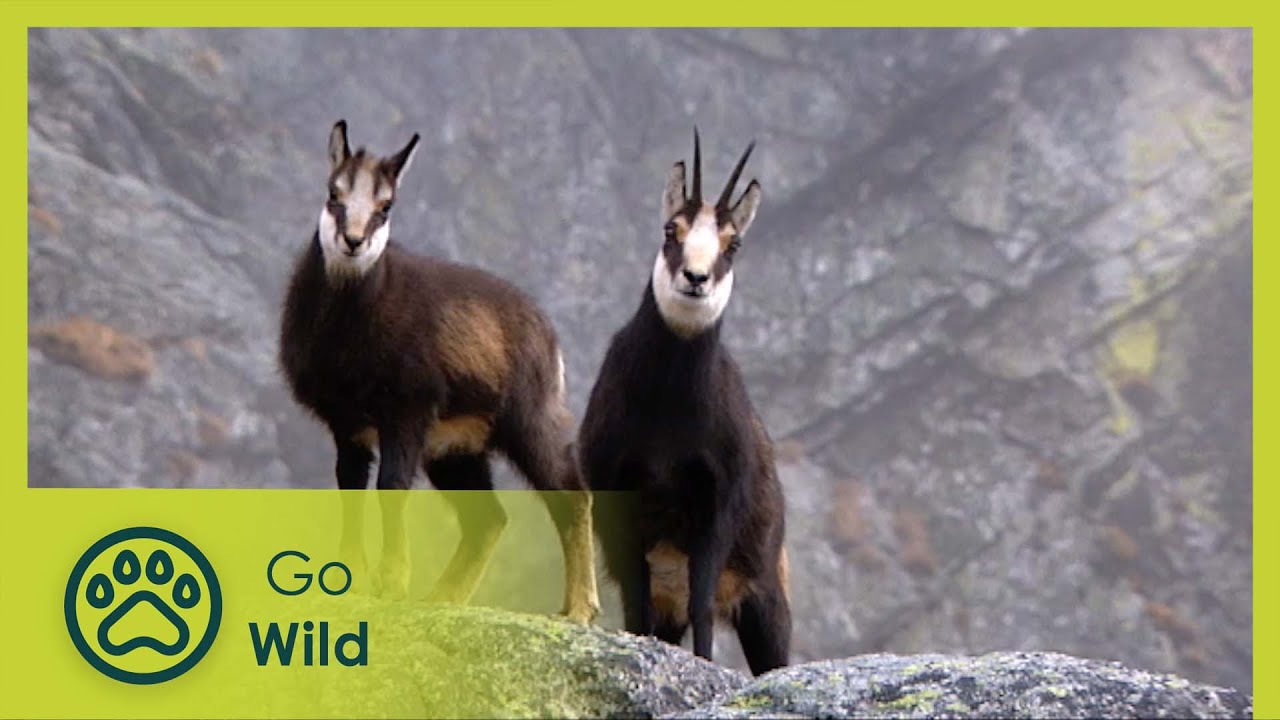
The High Tatras National Park in Slovakia features over three hundred peaks, pristine valleys, and diverse wildlife including wolves, bears, and lynxes.
A herd of 300,000 reindeer in Swedish Lapland faces increasing threats from rising temperatures and unpredictable winter weather conditions.
In Tanzania, a newly constructed waterhole equipped with remote cameras reveals the behaviors of iconic African wildlife such as lions, elephants, and giraffes.
Almería, Spain, has greenhouse plantations covering an area equivalent to 45,000 soccer pitches, raising concerns about the sustainability of tomato farming.
In Arizona's Glen Canyon, filmmaker Taylor Graham and his team kayak 350 miles to document the impacts of the 1963 dam that created Lake Powell.
Mountains have shaped human experience as sites of spiritual retreat and extreme endurance, influenced by geological forces and the passage of time.
Pigeons now account for up to 40% of the catfish's diet in the River Tarn, illustrating new predator-prey dynamics in urban environments.
Honey bees, with over 2,000 species in Europe, exhibit remarkable abilities in pollination, color perception, and scent detection that extend beyond common knowledge.
Captive and wild elephants around the world have increasingly exhibited aggressive behavior, raising questions about their treatment and the circumstances leading to such incidents.
The Loire River, one of Europe's last free-flowing waterways, showcases a unique ecosystem as it adapts to seasonal changes, droughts, and flooding.
The crew of the fishing trawler "Iris" catches 28 to 30 tons of pollock every 24 hours while facing dangerous conditions at sea.
In the inner Alm Valley, the largest permanent settlement of ravens in central Europe gathers around a wild animal park, showcasing their remarkable intelligence and behaviors.
More than two-thirds of people across the world go to sleep dehydrated, facing daily struggles to access clean water.
Bangladesh faces an existential threat from rising sea levels and extreme pollution, with millions displaced and a struggling economy adapting to climate change.
In Brazil's Pantanal, Art Wolfe explores diverse wildlife including Caiman, Giant Otters, and Toucans, while also highlighting the Baja Peninsula's dolphins and hummingbirds.
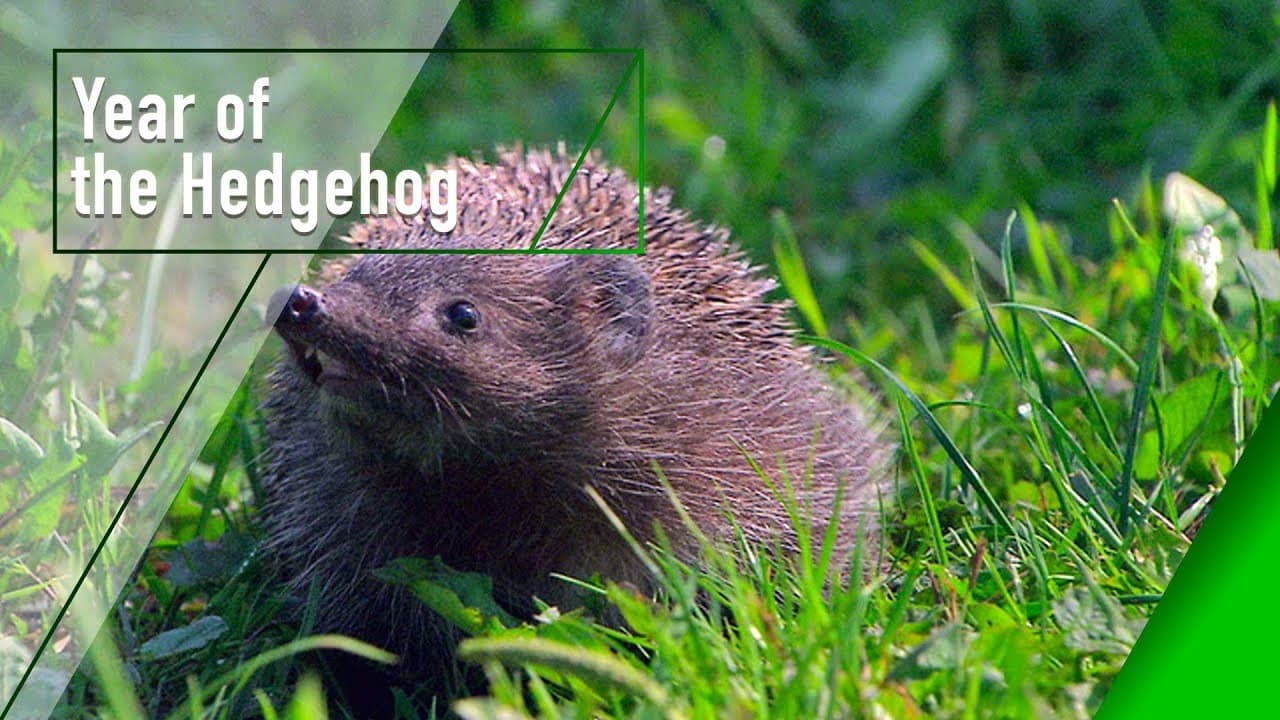
Hedgehogs emerge from hibernation in spring, searching for food and mates in their natural habitats across Europe.
Bay houses, established in the late 1800s, represent a unique lifestyle cherished by families for generations along the South Shore of Long Island, New York.
Jacques Cousteau's documentary helped raise the manatee population in Florida to around 5,000 by inspiring efforts to protect these animals from human threats.
Around 500 Swedish prefab houses are built each year in a factory in Sweden, with each house costing approximately 350,000 euros including installation.
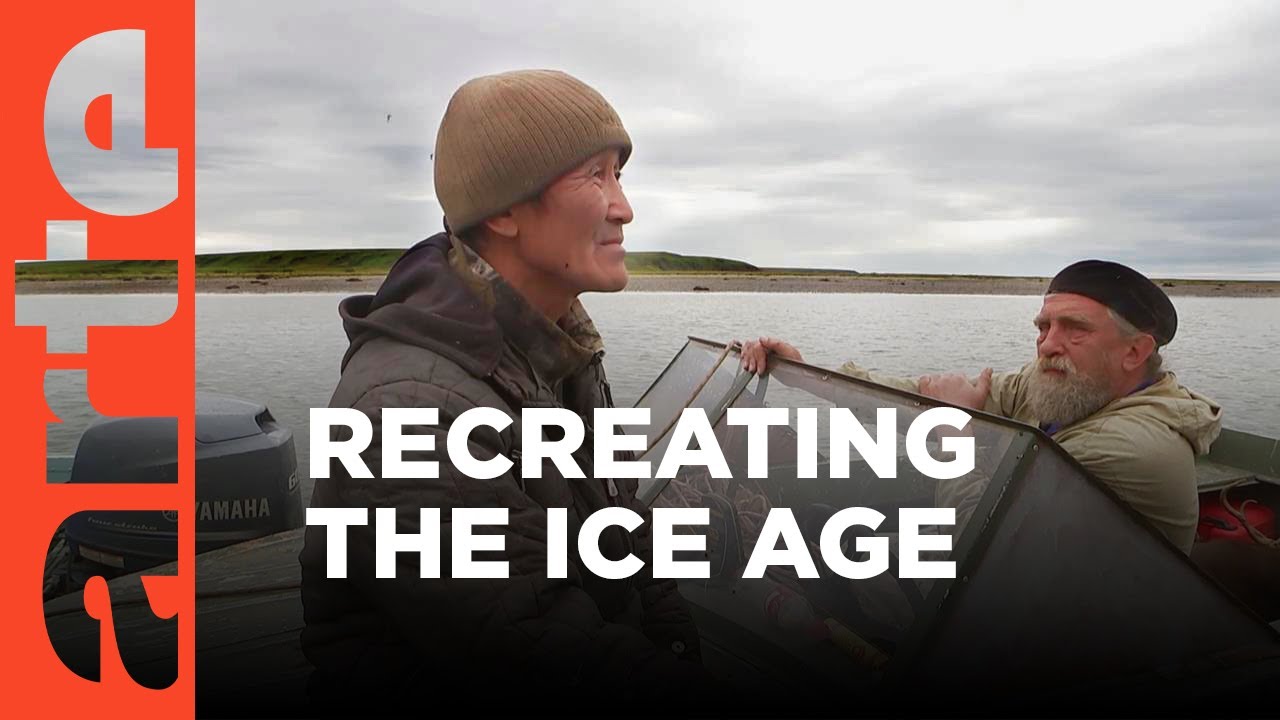
Russian geophysicist Sergei Zimov and his son Nikita investigate methods to recreate a Pleistocene ecosystem in Siberia to combat melting permafrost.
Salt is an essential mineral for all life forms, with organisms extracting it from water through various biological processes or evaporation methods.
Only 150 desert elephants remain in Namibia's Namib Desert, where temperatures can exceed 120 degrees Fahrenheit and water is scarce.
Tigers prowl in Central India, endangered pandas feed in the Wolong Reserve, and orangutans play in Sumatra, showcasing Asia's diverse wildlife.
An estimated three million feral cats live in Los Angeles, with one pair potentially producing 70,000 kittens in just ten years.
In the African savannah, sociable weaver birds, aardvarks, and termites create complex living environments that host a variety of other species, highlighting the benefits and challenges of communal living.
Planet Earth faces a critical decline due to various factors, prompting urgent discussions about its future and the theories surrounding humanity's potential extinction.
A hectare of Neptune grass meadows in Corsica supports a diverse range of marine life, including the world's largest shellfish, the noble pen shell.
Scandinavia's diverse landscapes, from Swedish Lapland's moose to Finland's rare seals, showcase the vital efforts of conservationists protecting these hidden paradises.