From over 100,000 films, discover the handful you'll love.
Free or premium access to the world's largest documentary library.
7535 films(Page 67 of 157)
Kim and Tanja Langens release ten bears into the wild while caring for two new cubs, one of which requires urgent veterinary attention.
Raimundo and the fishermen of Fortaleza strive to preserve their traditional practices while tourists ride camels across the Genipabu dunes near Natal.
Approximately 1,000 operating satellites in Earth's orbit are essential for monitoring climate change and advancing technology to protect the planet.
In Santa Rosa, volunteers use fire to restore deforested areas and train new recruits.
PFAS, known as forever chemicals, have contaminated the environment and human bodies due to their widespread use in products like non-stick cookware and firefighting foam.
Angelika rescues a moose calf injured by a barbed wire fence while Kim and Tanja work to save an orphan bear cub with a possible brain injury.
Monte Sarmiento, described by Charles Darwin as the "most sublime spectacle of Tierra del Fuego," is the destination for a three-man German mountaineering expedition.
Tanja faces a critical situation when a bear escapes during a remote release, prompting a conservation officer to risk the animal's life for its safe recapture.
A team of scientists studies the transfer of energy through the desert ecosystem, examining interactions among plants, insects, and animals.
The Baltic Sea's unique ecosystems, rich in both marine and freshwater species, face increasing threats from human activity, highlighting our responsibility for their survival.
In Georgia, the Enguri hydroelectric dam, a significant Soviet-era engineering feat, faces structural risks as German and Georgian scientists assess its aging infrastructure.
Pioneers in the climate movement advocate for a revolutionary economic system that prioritizes sustainability amid the ongoing climate crisis.
Shadow, a highly aggressive grizzly bear, poses a significant challenge for Peter and conservation officers during her trapping and release on a remote mountainside.
Stellar sea lion populations have plummeted over 80% since the 1970s, prompting scientists to study these intelligent mammals in a unique floating laboratory.
In Québec, a farm prepares for spring as ice melts from the stream, signaling the time for cleaning, ploughing, and planting.
Mana Pools National Park hosts a diverse array of wildlife, including elephants, hippos, and wild dogs, as observed during a safari with Zambezi Expeditions.
Exotic animal ownership raises ethical concerns as professionals train apex predators like Kodiak bears and lions, while efforts to save the endangered Tasmanian devil continue.
Continental drift may lead to the formation of Amasia, a new supercontinent, as explored by leading geologists in this documentary.
When the tide recedes, a microcosm of thousands of inhabitants, including worms and crustaceans, emerges on beaches where turtles arrive annually.
Lightning strikes the Earth approximately 300 million times each year, creating essential ozone while also causing around 4,000 fatalities globally.
In the Kenyan grasslands, two young cheetah sisters learn the importance of strategy in hunting while facing the global crisis threatening their species.
Beaches around the world serve as bustling culinary hubs, offering a diverse menu of seafood, meats, and local delicacies to millions of tourists daily.
In remote landscapes and urban centers, Simonette Rossi explores extraordinary destinations and peculiar customs that highlight the planet's unique diversity.
High-altitude livestock grazing in the Grisons region of the Swiss Alps is essential for maintaining the fragile alpine meadows threatened by invasive species and changing farming practices.
Andreas Kieling travels from the Amazon rainforest to Siberia and China in search of rare animals, including the giant anaconda and the endangered Siberian tiger.
Thailand's elephant tourism industry reveals harsh training methods used to control elephants, contrasted with the efforts of ethical advocates working for their rescue.
In the Borneo rainforest, expert tracker Ian Maxwell employs high-tech camera traps and traditional methods to locate the critically endangered Sumatran rhino.
Australia's diverse landscapes are showcased from above, featuring the Great Barrier Reef, Uluru, Sydney, the Blue Mountains, and the Australian Alps.
Volcanoes around the world serve as critical habitats for unique wildlife, showcasing the complex interplay between fire and life in extreme environments.
In the forests of Sri Lanka and the urban landscape of Mumbai, a young female leopard and her mother navigate challenges while showcasing the adaptability of their species.
Nick The Snake Master explores the La-un estuary in Ranong province and nearby islands off Phuket in search of poisonous coral snakes and mangrove pit vipers.
Beneath the Iberian Peninsula lies a 100-meter deep canyon that has evolved into a unique ecosystem, home to species like the Eagle Owl and Wolf Spider.
In a wildlife documentary series, Steve Backshall assists at a hedgehog hospital while Miranda Krestovnikoff checks on a pregnant slow loris and Lindsey Chapman reports with Coco the cat.
During an exceptionally harsh winter at a wildlife shelter, a bear cub suffers a severe injury while moose calves face bullying and predation, leading to one calf's disappearance.
Leto, a yearling bear, must gain thirty-four pounds in three weeks under volunteer Sally's care, while otters Buddy and Honey learn to catch fish before their release.
Around the Masaya Volcano in Nicaragua, diverse wildlife and vegetation struggle to thrive amidst the challenges posed by volcanic activity and toxic gases.
Between 1980 and 2045, the planet is projected to lose more species of plants and animals than in the last 65 million years.
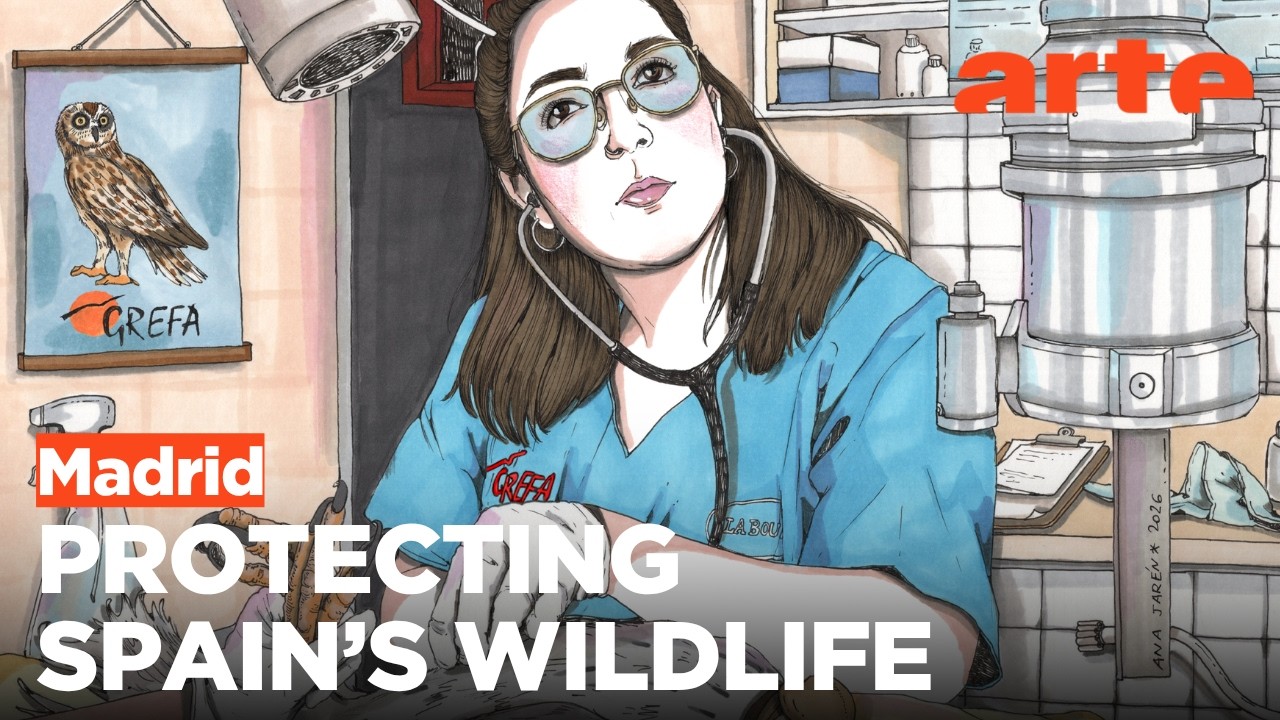
In the hills above Madrid, Grefa operates the largest wildlife hospital in Europe, treating over 10,000 animals annually for rehabilitation and release.
William Canning's 1973 film highlights the natural beauty and wildlife of the Canadian Rockies and Garibaldi Park, stressing the need for conservation.
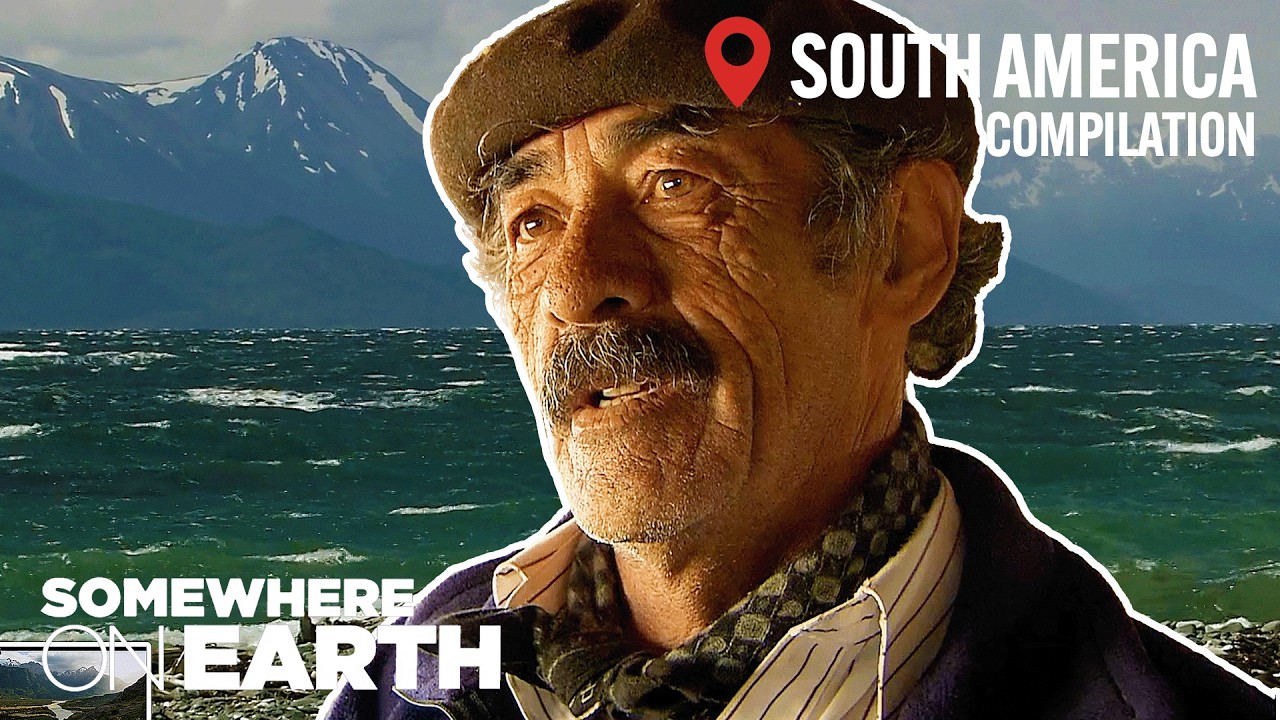
Patagonia, Peru, and Chile showcase breathtaking landscapes and resilient communities, where nature thrives and human activity remains a distant echo.
180 pigeon lofts remain in Villafafila, a special protection zone in Spain that supports various bird species and unique ecosystems.
Peter Kalmus reduced his fossil fuel use to one-tenth of the average American, prompting a personal and societal examination of climate action.
In 2019 and 2020, record-breaking global temperatures highlighted the alarming rise of heat waves, driven by human-induced carbon emissions and climate change.
315 meters long and 65 meters high, the Meraviglia weighs 80,000 tons and can accommodate several thousand passengers as a self-sufficient floating city.
Cliffs along the coastline provide a vital habitat for various bird species, offering both fishing opportunities and protection from predators.
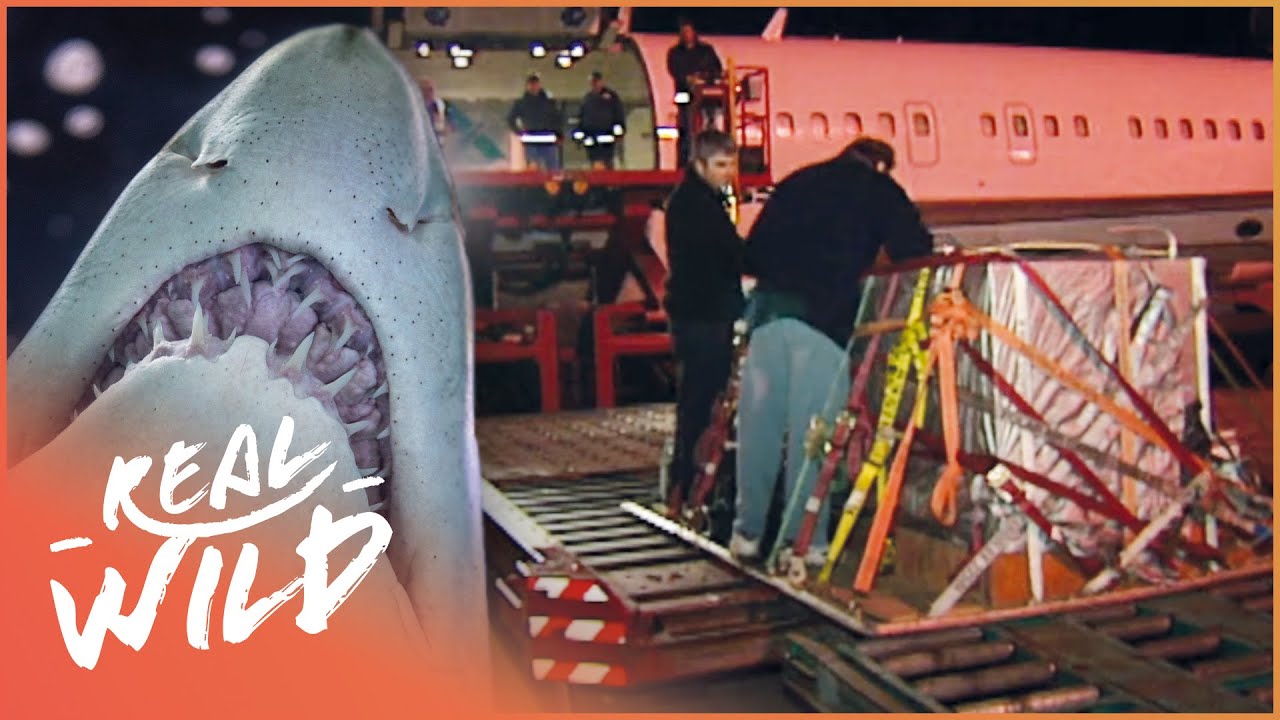
Ian Gordon transports a female grey nurse shark over 1,000 miles by air to Melbourne, Australia, in an effort to boost its declining population.
A group of thinkers and students reimagine the abandoned Milan Expo site as a platform to address contemporary challenges in a global village.
Hawaii's endangered Nene goose faces threats from habitat loss and climate change, highlighting the urgent need for conservation efforts in the region.