From over 100,000 films, discover the handful you'll love.
Free or premium access to the world's largest documentary library.
7520 films(Page 50 of 157)
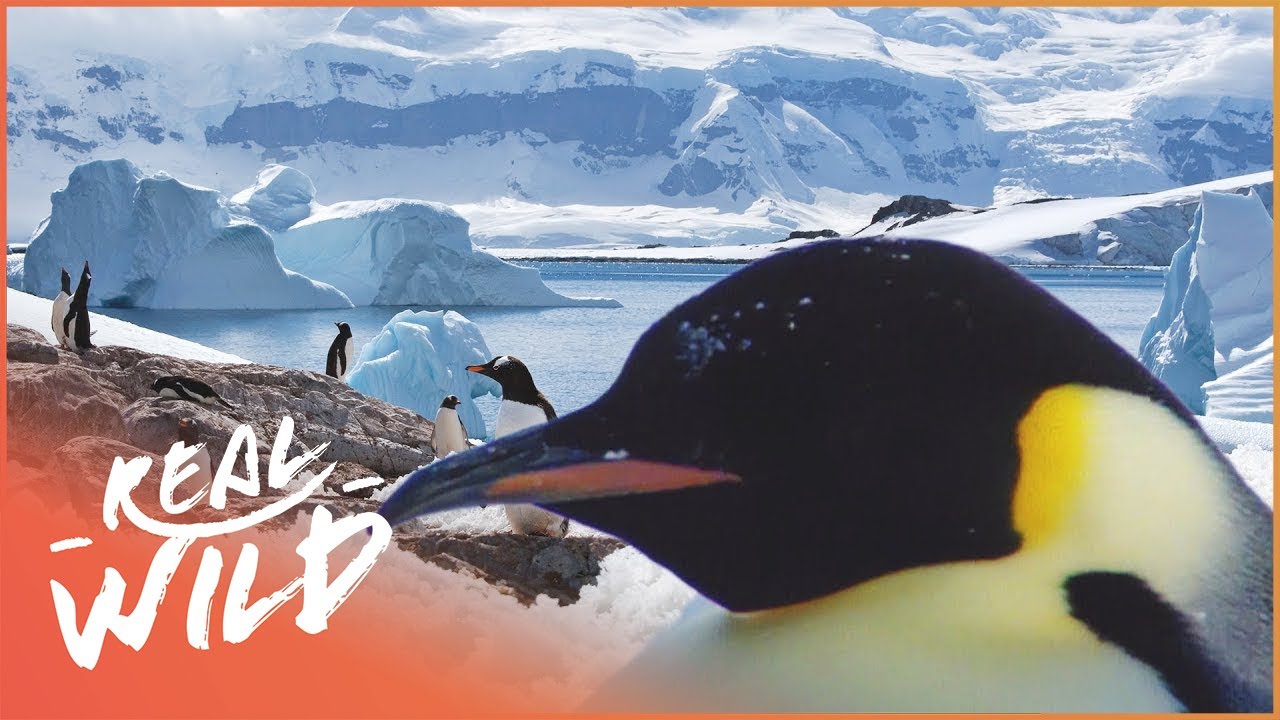
A team of marine scientists conducts an unprecedented expedition across the Great Southern Ocean to study the unique ecosystems of Antarctica.
The Namib Desert, home to the last 150 desert elephants, faces extreme drought, challenging the survival of its resilient wildlife and ecosystems.
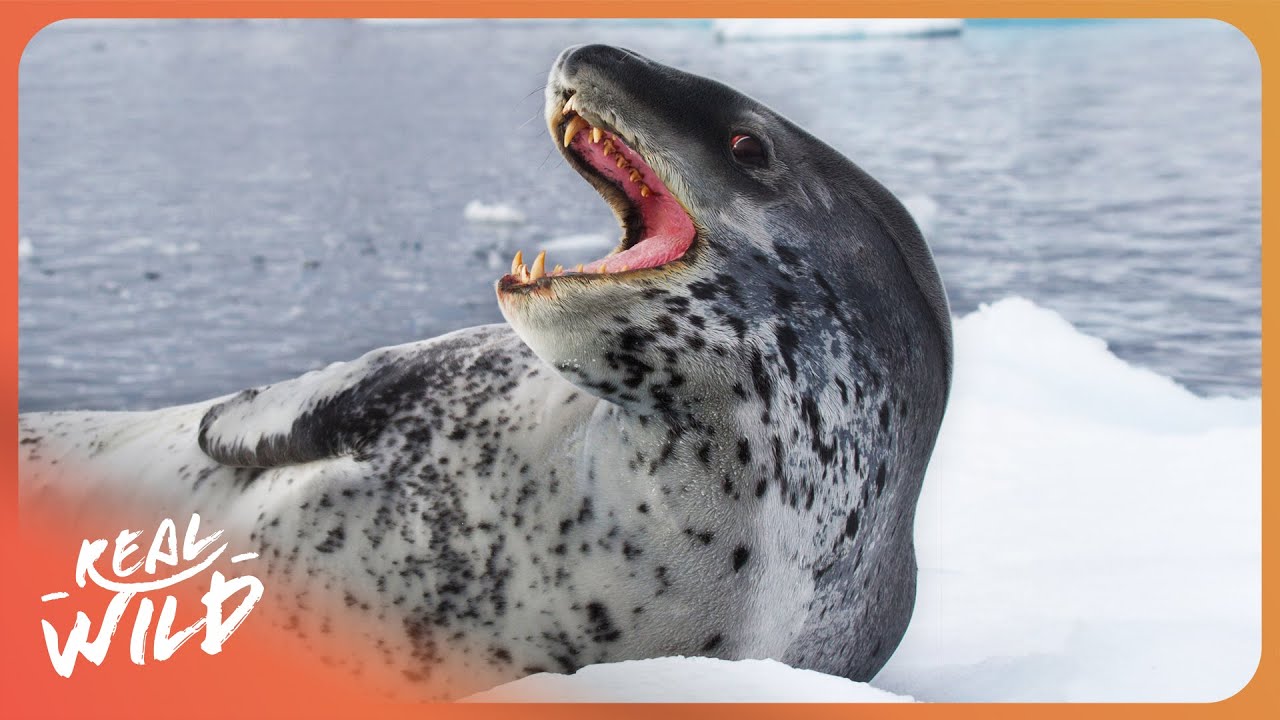
Antarctica covers an area of over 14 million square kilometers, home to leopard seals that hunt penguins in a harsh and unforgiving environment.
A 320-ton magnet is transported over 100 kilometers through southern France for the world's largest nuclear fusion reactor, set to begin operations in 2025.
Rising global temperatures are causing significant changes in alpine landscapes, with permafrost retreating and increased snowmelt impacting ecosystems by the end of the 21st century.
Disney Cruise Line plans to open Lookout Cay at Lighthouse Point, a new destination on Eleuthera, after five years of development and collaboration.
Hurricane Hazel and Hurricane Hugo, two of the deadliest storms in U.S. history, devastated Charleston, South Carolina, causing significant destruction and loss of life.
In Africa's rivers, hippos, crocodiles, and fish eagles dominate the landscape, creating a perilous environment for both wildlife and humans.
In Europe, Asia, and Africa, the dairy industry is examined through the perspectives of farmers, scientists, and politicians, revealing its health implications and economic impacts.
Albania, often misunderstood due to its history of isolation and conflict, boasts stunning landscapes, rich cultural diversity, and a harmonious coexistence of Christians and Muslims.
In Kwazulu-Natal, giraffes and their calves navigate the bush, engaging in feeding, drinking, and facing off against lions.
More than half of the over 500 shark species are less than a meter long, many of which are harmless and often misunderstood.
Construction of the Korean Jang Bogo Antarctic Station in Antarctica faces extreme conditions and challenges over five years of site investigations and building efforts.
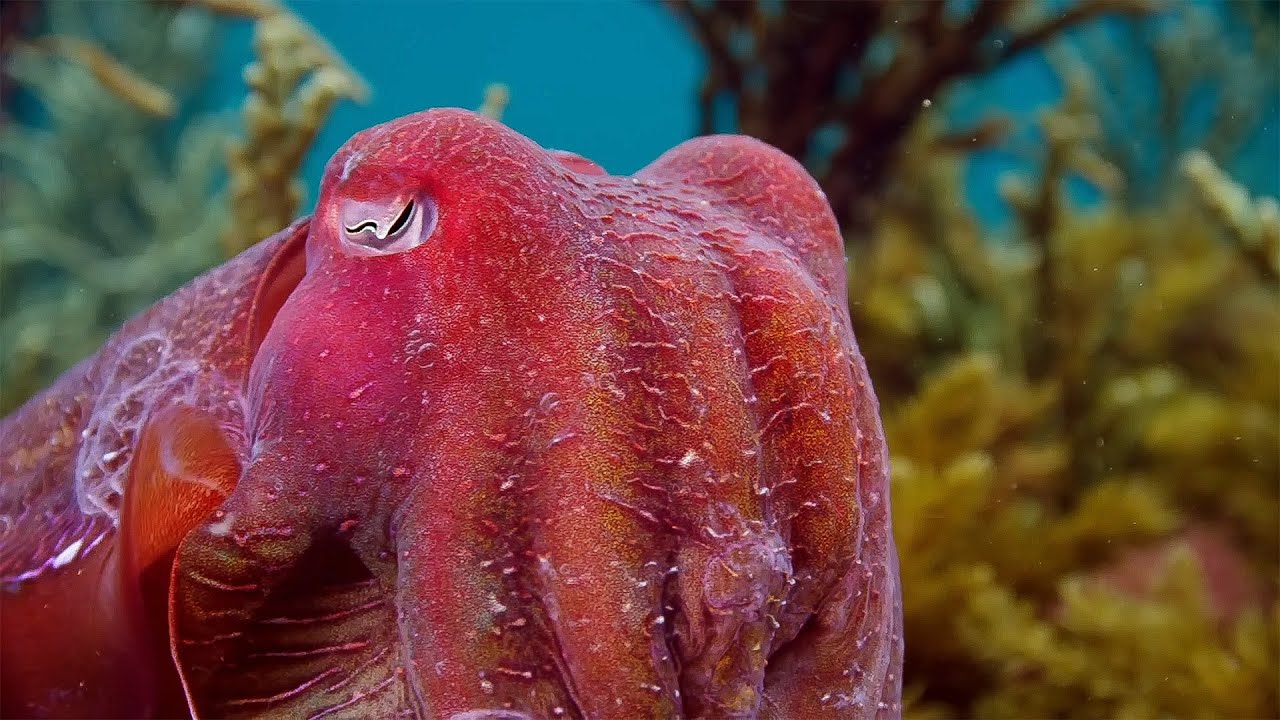
Australia's marine wilderness showcases a vibrant array of life, from sharks and seabirds to giant cuttlefish and whale sharks, highlighting fragile ecosystems.
Alpine streams in Tasmania provide a serene backdrop in this one-hour film featuring looped footage captured during a 2019 expedition amid the Covid-19 lockdown.
In northern Tanzania, the Hadzabe tribe exemplifies a traditional hunter-gatherer lifestyle, engaging in hunting, foraging, and communal living without modern influences.
Andreas Kieling encounters gorillas in the Congo, Rwanda, Uganda, and searches for crocodiles in Australia.
Glyphosate, a widely used herbicide in Europe, faces scrutiny over potential health risks, including hormonal disruption and cancer, amid conflicting claims from scientists and agribusiness.
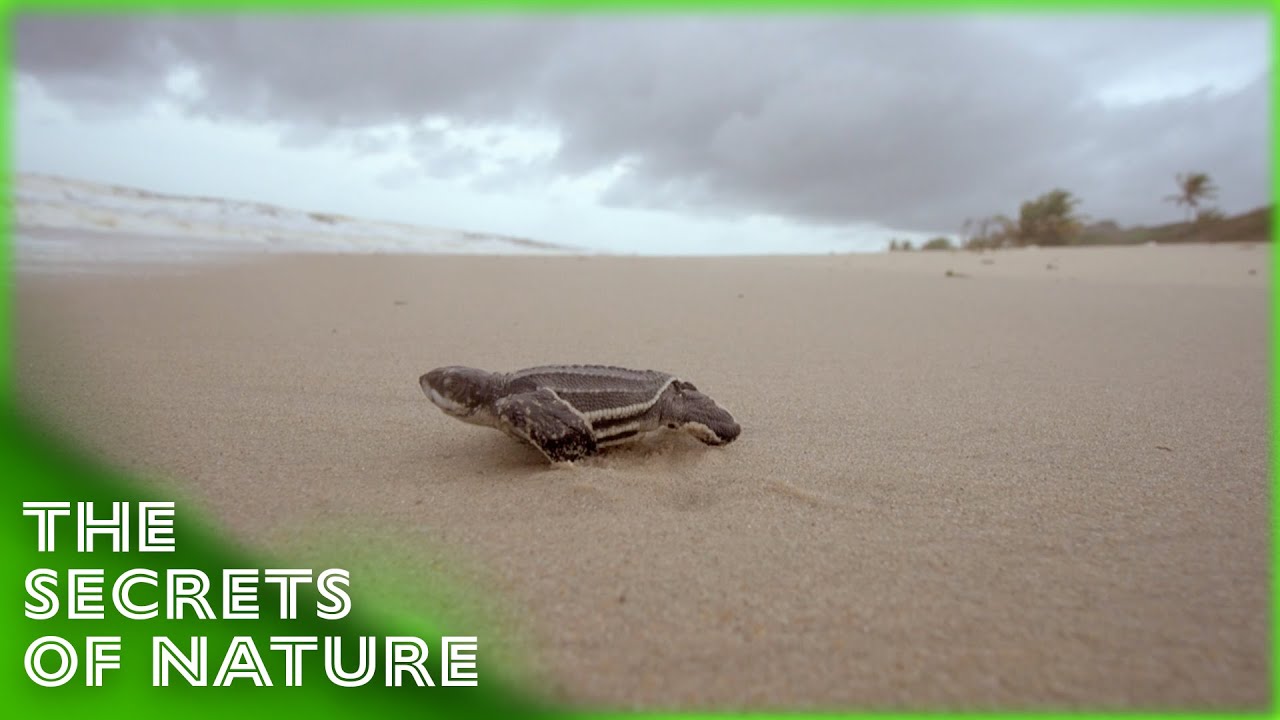
Leatherback turtles, once believed to be tropical, are shown by Canadian scientist Dr. Mike James to have a much broader range across the world's oceans.
On March 28, 2005, the first litter of Iberian lynxes was born in captivity, marking a significant step in efforts to prevent their extinction.
California's San Andreas Fault, a 1,300 km seismic zone, poses a 70% risk of a major earthquake by 2032, prompting extensive research and community preparedness efforts.
Recycling, particularly cradle-to-cradle methods, is proposed as a potential solution to mitigate the environmental and health impacts of plastic pollution.
Rising water pollution and increasing temperatures in the Nile region echo the Biblical plagues, highlighting urgent contemporary environmental challenges.
The scuttling of the Italian man-of-war Umbria in 1940 near Port Sudan led to its transformation into a thriving underwater reef, documented by Hans Hass and Erich Proell.
Fiji's Shark Reef Marine Reserve in Beqa Lagoon hosts over 30 shark species, highlighting the threats they face from overfishing and climate change.
Kites and harriers, the lightest birds of prey, showcase their acrobatic aerial displays while facing threats from habitat changes and declining prey populations.
Equatorial African forests, home to iconic species like gorillas, chimpanzees, and okapi, boast immense biodiversity, including millions of undiscovered insects and mammals.
Many animals employ unique adaptations, such as acute senses and powerful limbs, to execute remarkable escapes from predators in their environments.
In Mexico's Guadalupe Island and the Bahamas, thrill-seekers engage in cage-free shark diving, raising concerns from advocates like Dr. Erich Ritter and Chuck Anderson.
Eric and Matthew track gorillas in Gabon, release giant pandas in China, and follow Andean Condors in Argentina, highlighting 30 years of wildlife reintroduction efforts.
In Africa, lions and cheetahs form coalitions to secure territory, while black-backed jackals adapt to desert life in Namibia and polar bears face challenges from climate change.
Carbon emissions reduction strategies demonstrate that addressing climate change can enhance economic growth, national security, and public health.
Ground pangolins and elephant matriarchs thrive in Namibia's diverse ecosystems, showcasing the remarkable resilience of life in the Kalahari desert.
In Vienna's Prater, diverse wildlife such as badgers, foxes, and Mandarin ducks thrives in the meadows and waterways surrounding the Euro 2008 stadium.
Natural forces such as volcanic activity in Hawaii and the impact of tsunamis have shaped Earth's dramatic landscapes over billions of years.
Nomadic fishermen in Bangladesh's Sundarbans rely on trained otters for survival, facing ecological challenges and dangers in their unique fishing tradition.
In the Himalayas, a relentless struggle for survival unfolds as predators and prey navigate extreme conditions and shifting alliances in their ecosystem.
In the animal kingdom, iconic species such as lions, elephants, and rhinos face unique adaptations and urgent conservation challenges amid habitat loss and poaching.
64,660 hectares of the Picos de Europa National Park in northern Spain protect diverse ecosystems and wildlife, including the endangered Iberian bear.
Italy's diverse landscapes, from the Dolomites to the Amalfi Coast, showcase ancient cities, unique wildlife, and rich regional traditions often overlooked by tourists.
In the Arctic, encounters between humans and polar bears, including those experienced by Sonny Voyce and John Bykerk, highlight the challenges of coexisting in a changing environment.
In Sumatra and Borneo, conservationists from WWF and Kalaweit work to protect Sumatran elephants and rehabilitate gibbons amid ongoing habitat loss.
The Monarch Butterfly's lifecycle and ecological connections between Massachusetts and Mexico highlight its vital role in various habitats, from migration to pollination.
In Kenya, conservationists are exploring the use of chili peppers as a non-lethal method to mitigate the growing human-elephant conflict amid rising populations.
Volcanoes, responsible for shaping over 80 percent of Earth's surface, pose a deadly threat to millions, raising critical questions about predicting their eruptions.
More than 1.3 million deaths worldwide in one year resulted from automotive crashes, revealing the hidden dangers of an auto-centric culture.
In 2014, a storm caused 100 percent mortality of harp seal pups in the Arctic, illustrating the severe impact of climate change on marine life.
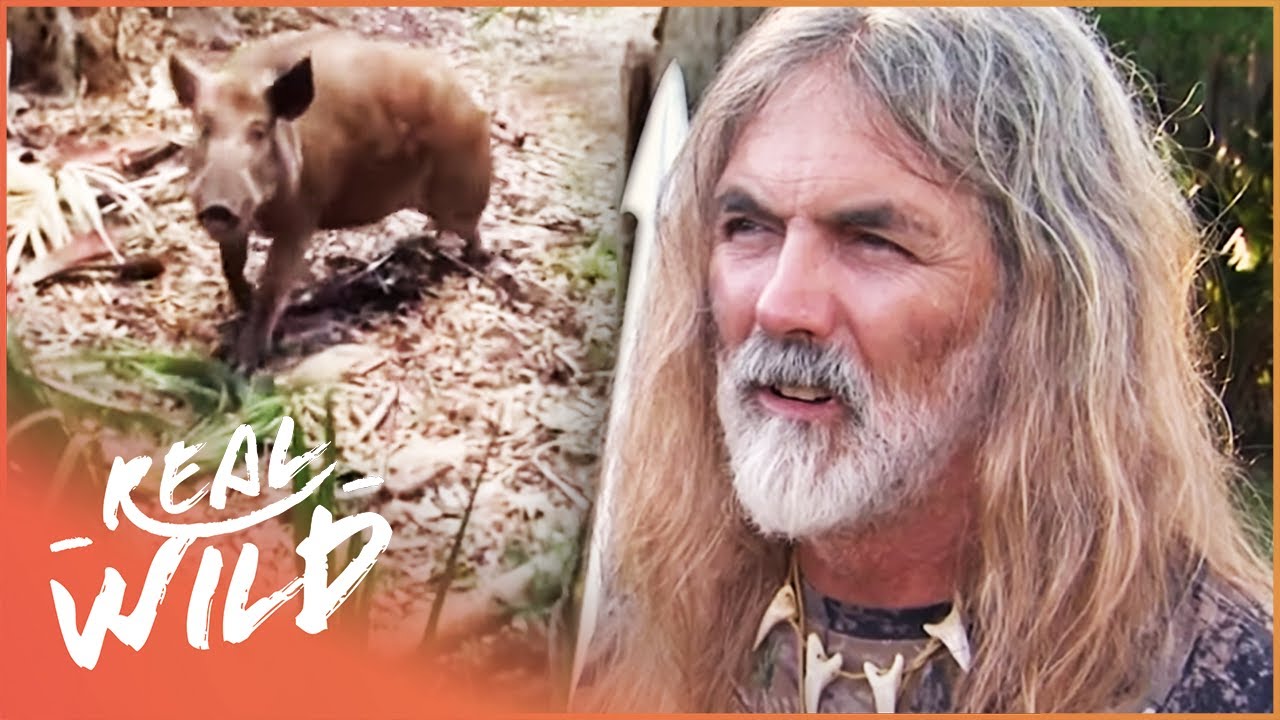
Manny confronts the challenges posed by wild boars in their natural habitat during an episode of Savage Wild set in a dense forest.