From over 100,000 films, discover the handful you'll love.
Free or premium access to the world's largest documentary library.
7534 films(Page 30 of 157)
The ice around the North Pole has shrunk by seven percent over the past 30 years, threatening the survival of polar bears in their natural habitat.
Dioxin, a highly toxic substance linked to severe health issues, highlights the chlorine industry's negligence in addressing its dangers during the 1990s in Britain.
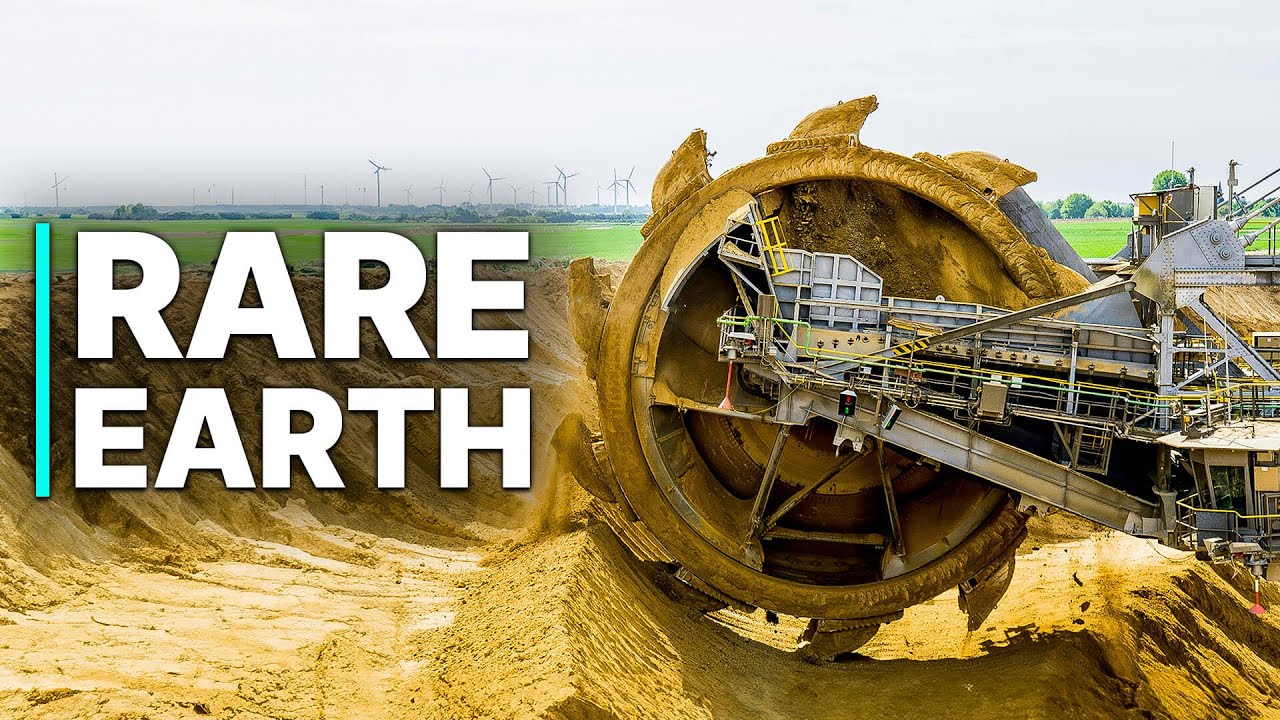
97% of the world's supply of rare earths is mined in China, where these elements are crucial for producing smartphones, electric vehicles, and wind turbines.
In Brazil's Pantanal, the jaguar, a powerful apex predator, faces threats from habitat destruction and livestock conflict while playing a crucial role in its ecosystem.
The Spiny Forest of Madagascar, home to unique species like sifakas and radiated tortoises, showcases a remarkable ecosystem adapted to thorny plants and drought.
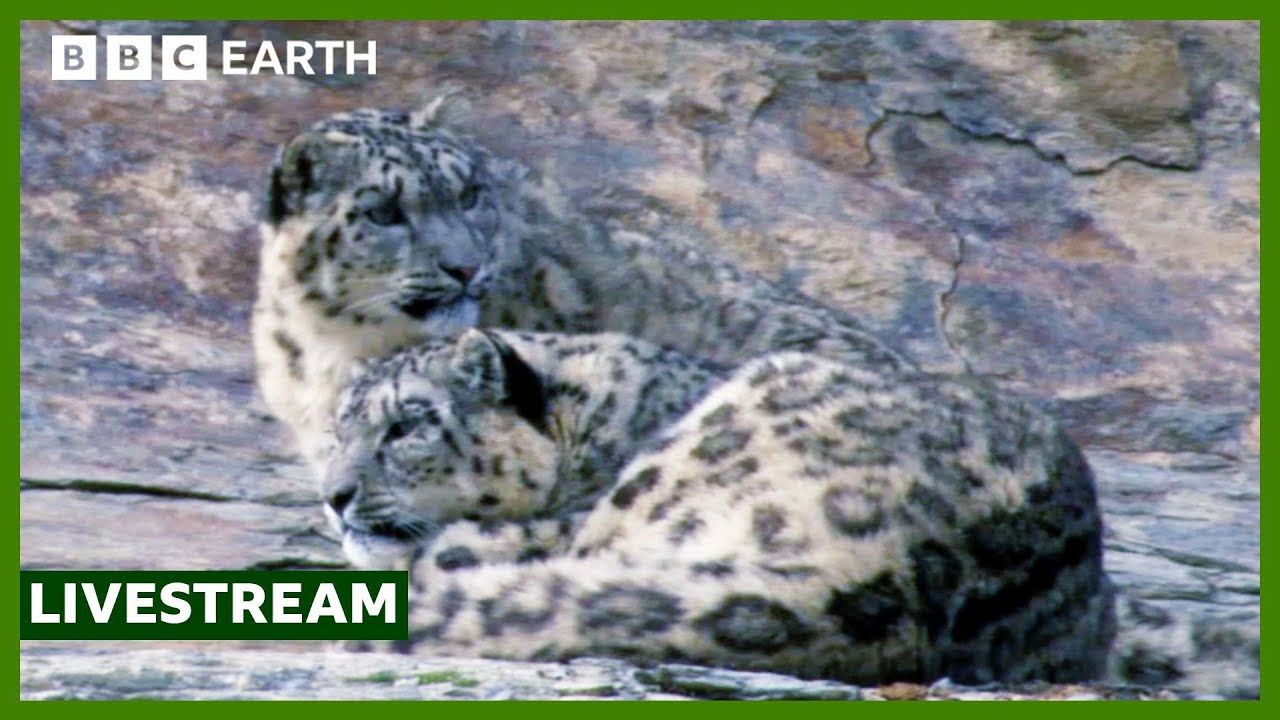
Snow leopards, elusive big cats from Central and South Asia, are filmed in detail, highlighting the challenges of capturing them in their natural habitat.
Half of Belize's territory is covered in jungle, and its shores host the world's second largest barrier reef, making it a key ecological area.
Globalisation threatens the tribes of the Omo Valley and their traditional lifestyles.
Only 120 leopards and 500 Siberian tigers remain in the wild, prompting a team to capture their elusive movements in the Russian Far East.
This full documentary immerses us in the lives of The Huaorani tribe in Ecuador's Amazon jungle.
Chemfab, a fabric manufacturer in Vermont, left a toxic legacy by polluting the town's soil with the harmful chemical PFOA.
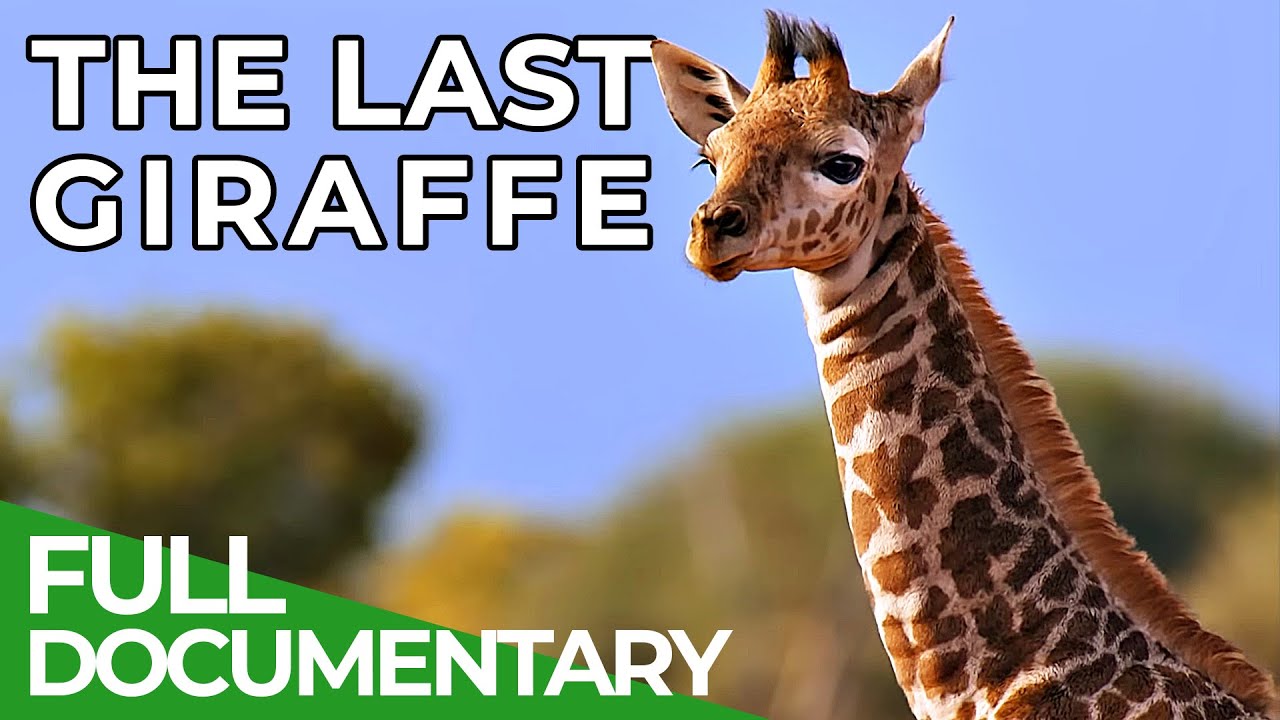
Only 80,000 giraffes remain in Africa today, a sharp decline from millions at the beginning of the 20th century, primarily due to poaching and habitat loss.
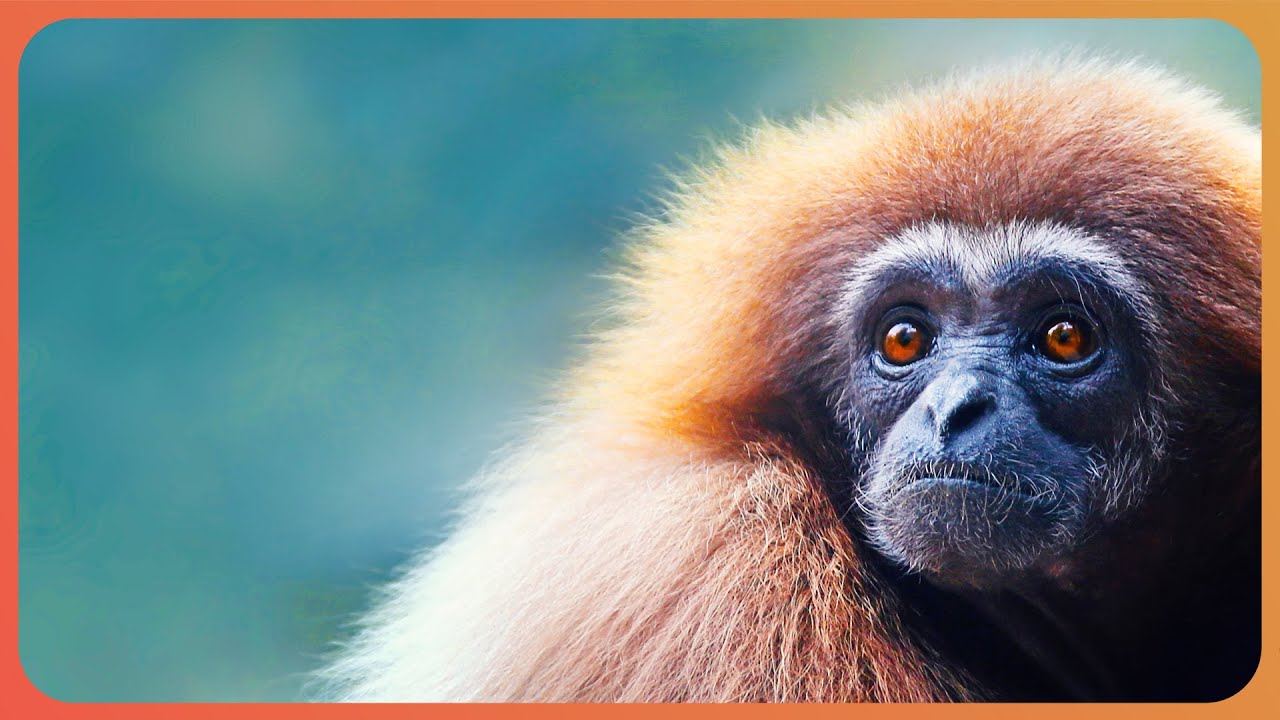
Aurélien Brulé's efforts in Indonesia focus on saving gibbons from habitat destruction caused by oil palm production and the illegal pet trade.
Indigenous peoples such as the Kalahari Bushmen, Australian Aborigines, and Arctic Inuit utilize traditional tracking skills for hunting and wildlife conservation.
Winter temperatures in Lapland can drop to 40 degrees below zero, forcing wildlife to adapt to one of the harshest climates on Earth.
In the Falkland Islands, unique flora and fauna thrive, including diverse penguin species that inhabit this windswept archipelago in the southern Atlantic Ocean.
BBC Earth showcases ten significant wildlife moments from 2025, featuring a baby elephant's lessons and nature's most intense mating rituals.
The Andes mountain range, spanning over 7500 kilometres from Tierra del Fuego to the Bolivian Altiplano, showcases diverse ecosystems and dramatic landscapes.
A temperature drop to minus 40 degrees Celsius in winter poses challenges for nomadic life in Mongolia, as shown through Saruul Fischer's experiences.
German forester Peter Wohlleben and scientist Suzanne Simard explore the complex communication and relationships among trees, supported by recent forest science research.
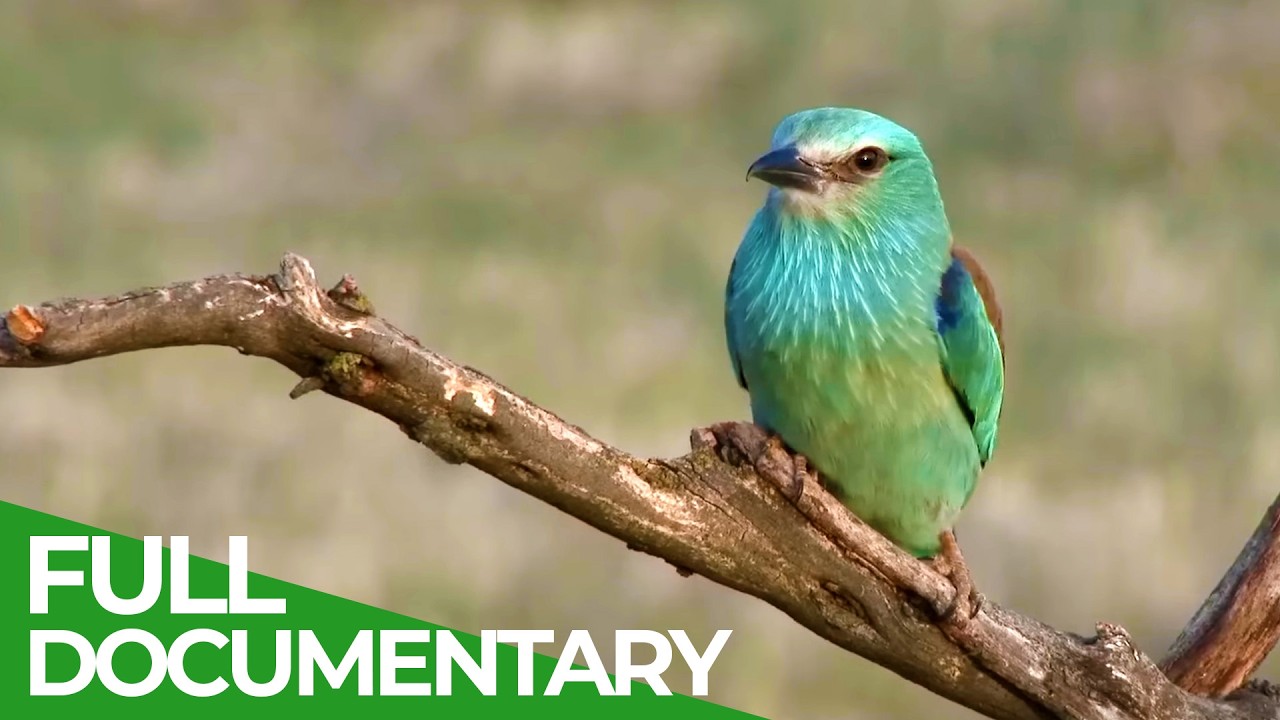
Spain's unique geographical position between Europe and Africa, along with its diverse climates, creates an ideal habitat for a rich variety of migratory bird species.
Burning a ton of coal releases up to 4 tons of carbon dioxide into the atmosphere, a fact Shell Oil acknowledged in a 1991 documentary on climate change.
In 2009, drought devastated northern Tanzania, leading to the death of one-third of the Maasai village's cattle and threatening their way of life.
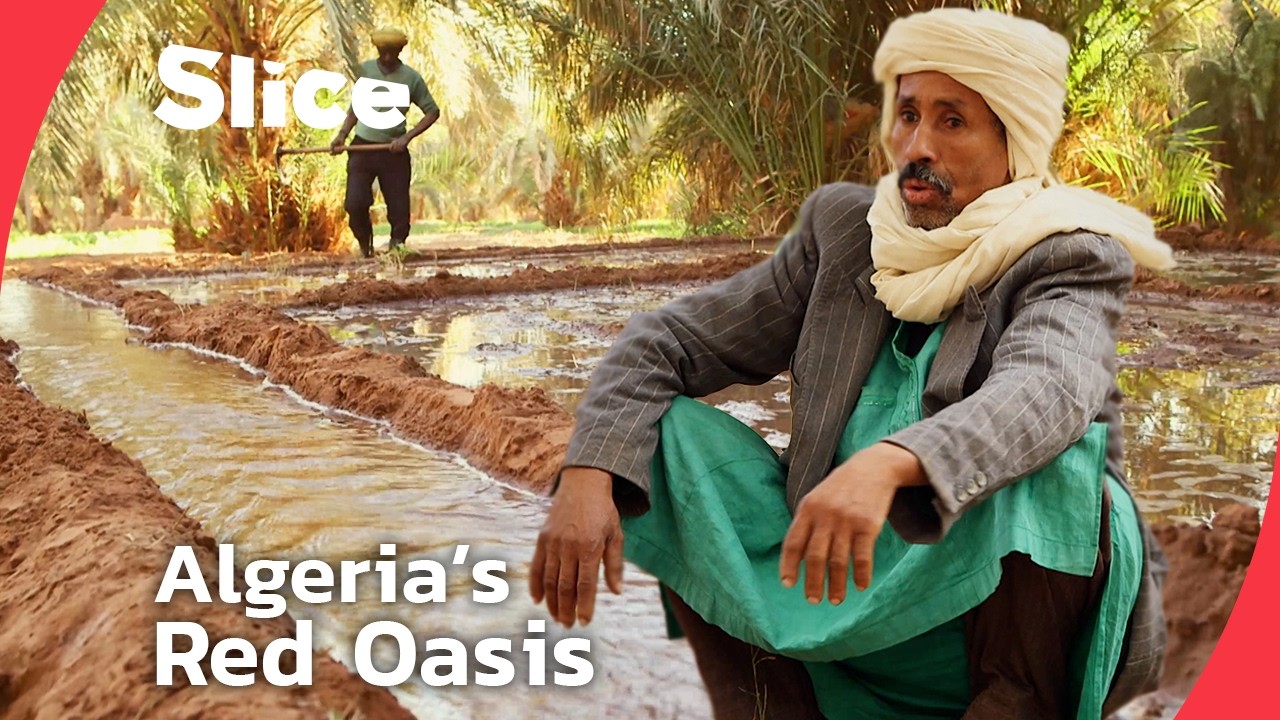
Timimoun, Algeria's vibrant oasis, faces threats from modern irrigation methods, prompting its residents to fight for the preservation of their ancient foggara system.
At 80 years old, biologist Bruce Means embarks on an expedition to the Weiassipu tepui in Guyana to document rare frog species and study its unique ecosystem.
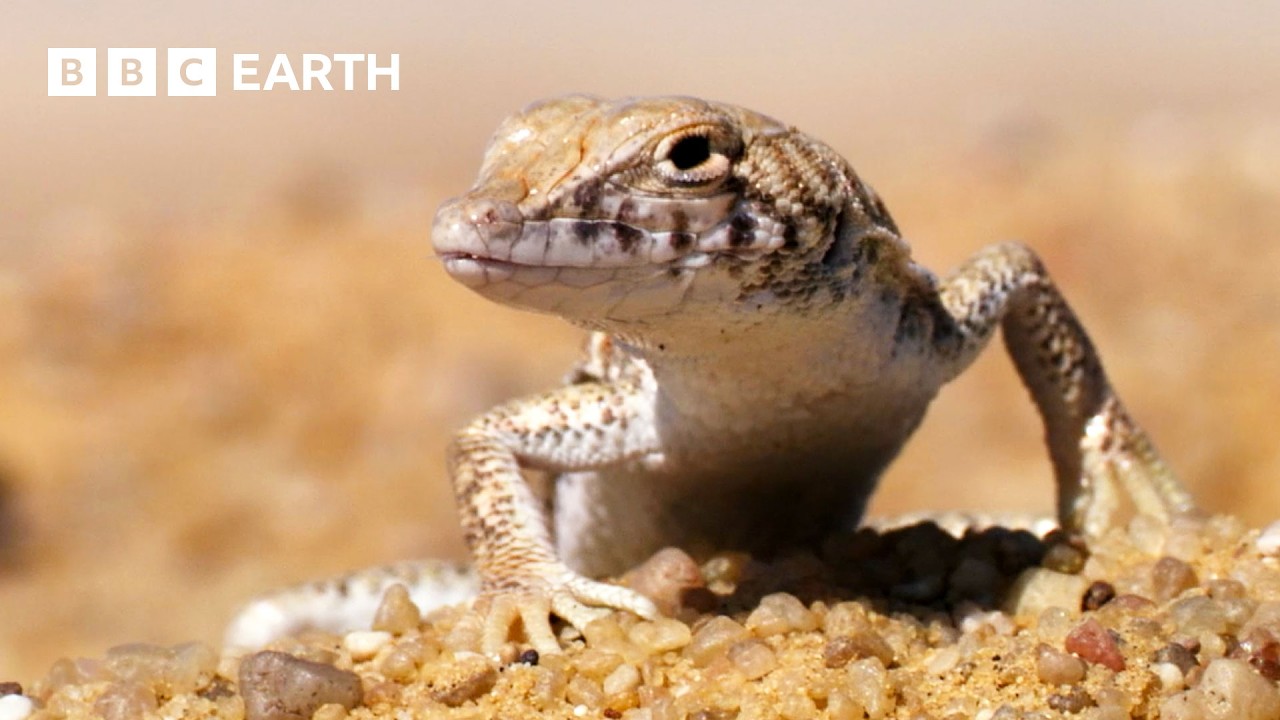
In the world's deserts, extreme wildlife adaptations are showcased, featuring ants enduring intense heat and giraffes engaging in fierce confrontations.
The Black Mountain region in Wales serves as a stunning backdrop for exploring diverse wildlife and the importance of conservation efforts in natural habitats.
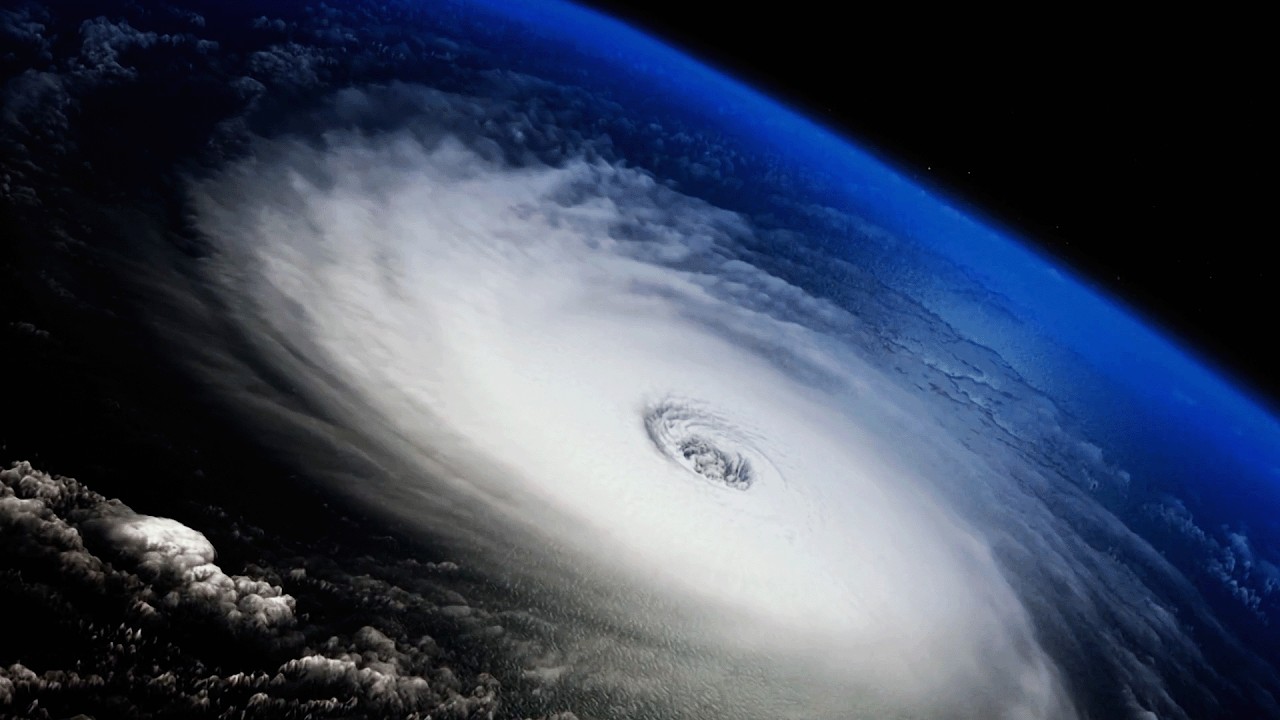
Hurricane Sandy caused an economic loss of over $68 billion in the United States, illustrating the severe impact of these powerful storms.
In Assam, Dieter Plage documents the final operation to capture elephants for forestry work, a practice now prohibited by the Indian government.
Polar bears in the Arctic face extinction within 50 years as climate change rapidly diminishes their sea ice habitat, impacting their survival and health.
In Zambia's Lower Zambezi Valley, the story of Big Boy, an iconic elephant bull, highlights the impact of poaching and the efforts of safari operators Boet and Chris Liebenberg in conservation.
In northern Ukraine, personal stories from Chernobyl disaster survivors, including a senior engineer, highlight the ongoing human and environmental impact of the 1986 nuclear accident.
Temperatures in the region can reach up to 50°C, making the maintenance of the khettara system a dangerous task for local farmers.
Eighty thousand barnacle geese rest by the lower Elbe each year, making up one-fifth of their world population before migrating to the Arctic.
In Alaska's Glacier Bay and Katmai Coast, Art Wolfe explores the habitats of humpback whales, orcas, and the world's largest population of grizzly bears.
The whale hunting industry faces increasing scrutiny as marine conservationists and scientists advocate for sustainable practices to protect these majestic creatures.
The May 18, 1980, eruption of Mount St. Helens in Washington's Gifford Pinchot National Forest is recounted through reenactments and personal recollections.
Almost one in five herds in northern Kenya are orphan herds, led by inexperienced young elephants like 13-year-old Habiba, who faces constant danger.
Nine families in Pembrokeshire National Park live independently, sourcing fuel, water, and food from their eco-homes while practicing sustainable agriculture.
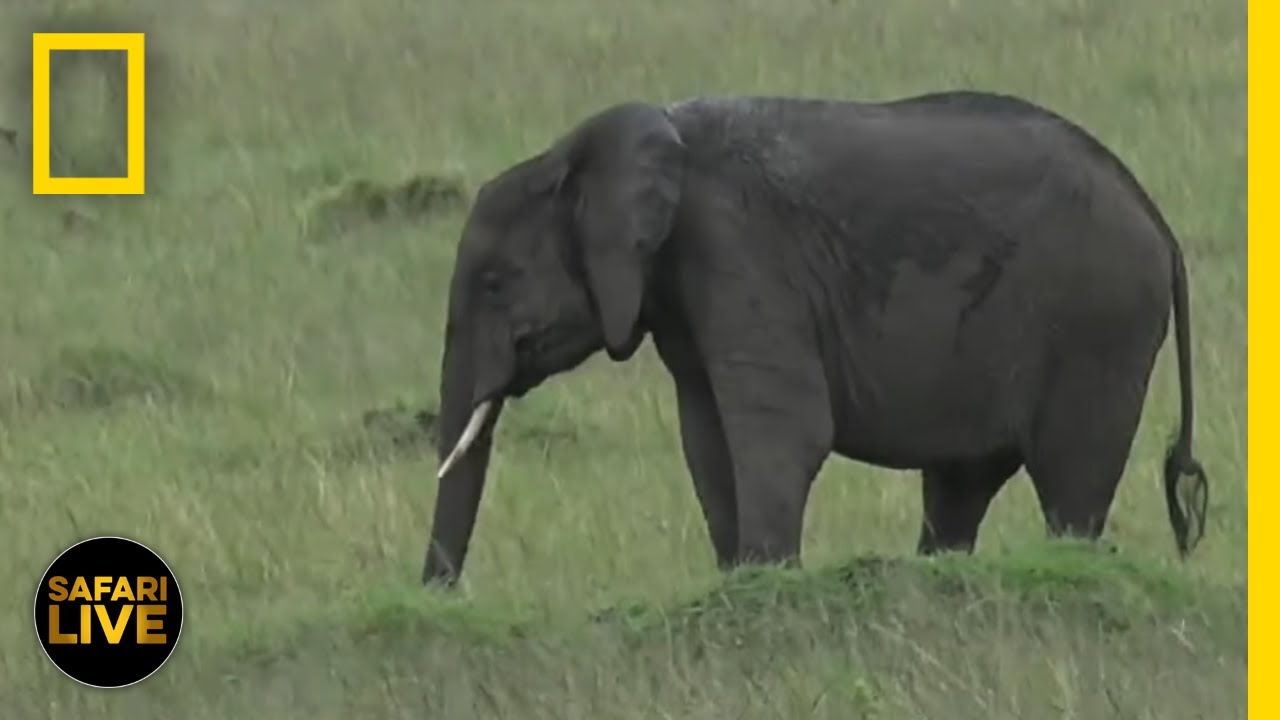
A birthday celebration for Scotty 2 Hotty takes place during a live safari in the Juma Game Reserve, featuring interactions with local wildlife.
In the icy North Atlantic and stormy Bering Sea, industrial fishing vessels like the Northern Eagle and Northern Leader process vast quantities of seafood at sea.
Clemson University Experimental Forest in South Carolina, restored over 70 years, serves as a biodiversity hub, featuring migratory birds and unique plant species.
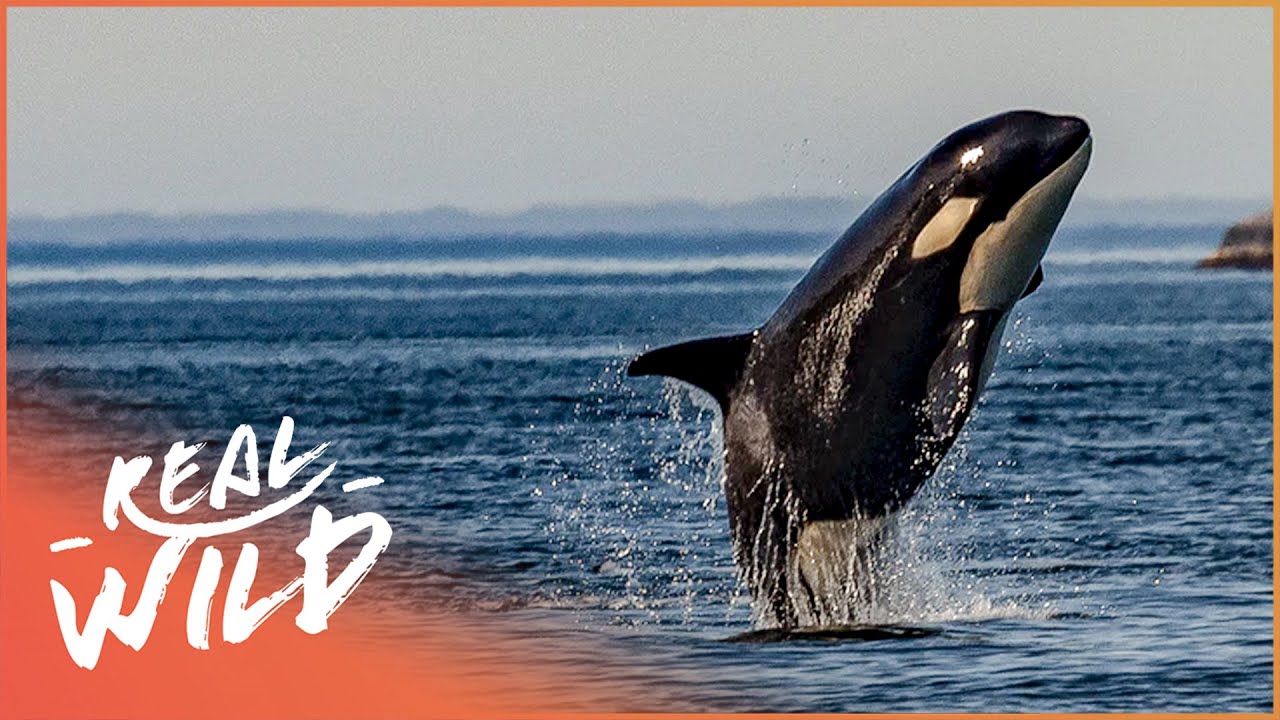
Killer whales along the Pacific coast of North America are facing severe threats from ocean pollution, as ongoing studies reveal alarming impacts on their health and survival.
Over 300 chimpanzees live at Chimp Haven in Louisiana, a sanctuary for animals retired from biomedical research.
On the Iberian Peninsula, the endangered Iberian lynx faces survival challenges due to habitat fragmentation while conservation efforts aim to restore its environment.
About 80% of Guyana is covered by pristine forests, which are home to diverse wildlife including jaguars, giant otters, and the harpy eagle.
In Mumbai, glowing wildlife coexists with urban life, while elusive red pandas and snow leopards inhabit the remote Himalayas and Mongolia's vast landscapes.
Elephant shrews, tiny mammals endemic to Africa, are endangered and serve as mascots for Arabuko National Park in Kenya, supporting local education through tourism.



















![Documentary backdrop image for Clemson's Extraordinary Experimental Forest [4K] (2022)](https://i.ytimg.com/vi/f6JmiuEMoIc/maxresdefault.jpg)


![Documentary backdrop image for The Tiny Endangered Elephant Shrews of Africa [4K Animal Documentary] | Elephant Shrew (2021)](https://i.ytimg.com/vi/r_8qzrZY9io/maxresdefault.jpg)