From over 100,000 films, discover the handful you'll love.
Free or premium access to the world's largest documentary library.
7535 films(Page 42 of 157)
In Namibia's Skeleton Coast, black-backed jackals adapt to a new coastal environment by developing cooperative hunting skills to catch prey like fur seals.
In the Siberian Taiga, filmmaker Werner Herzog explores the lives of the indigenous people who adapt to the harsh natural landscapes throughout the year.
Great Barrier Island's small community faces challenges of sustainability as a 30% increase in new arrivals during the pandemic strains its off-grid lifestyle.
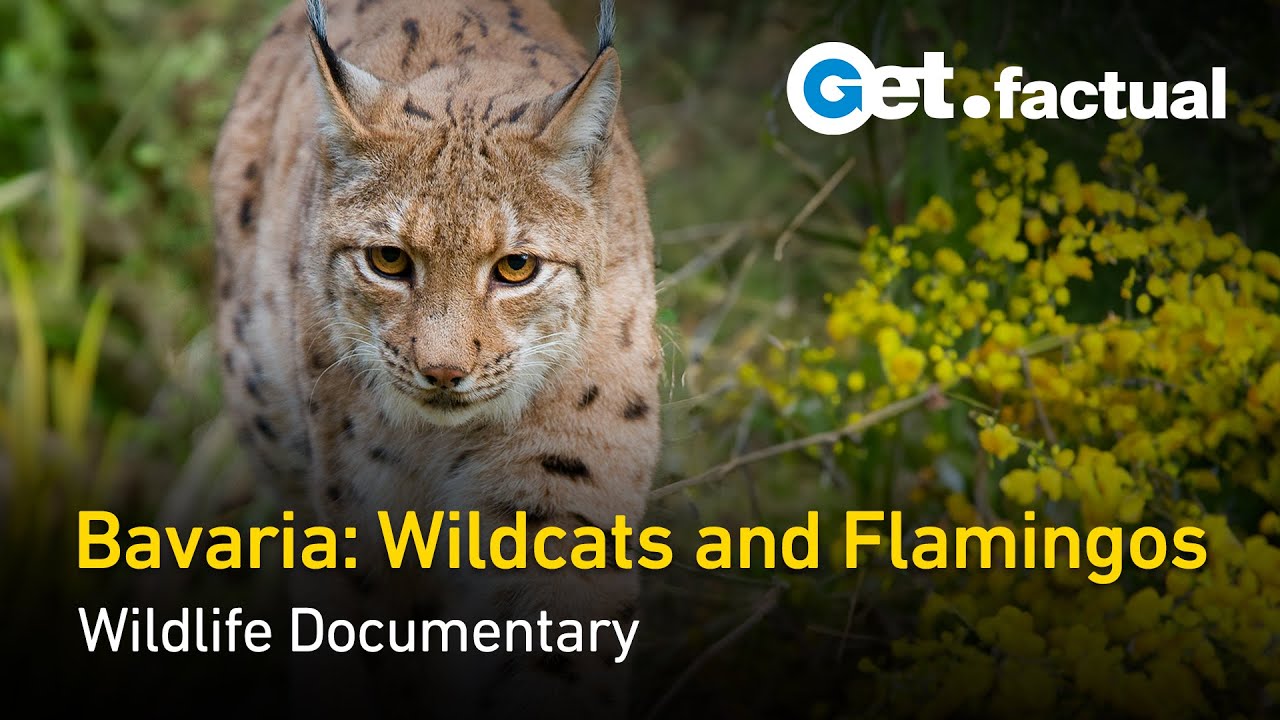
Lynx in Bavaria have thick fur that protects them from the cold, allowing them to thrive in winter's harsh conditions.
Lions, tigers, leopards, and cheetahs exhibit their hunting skills and territorial behaviors across the African savannah and other habitats.
Lord Howe Island, a world heritage site, relies on conservation efforts led by Ian Hutton to protect its unique wildlife and fragile ecosystems.
In Indonesia, nearly two million hectares of tropical forest are lost annually due to palm oil production, endangering orangutans and other wildlife.
India's wildlife, including the Asiatic wild buffalo and Indian rhinoceros in Kaziranga, adapts to the extreme conditions of the monsoon season.
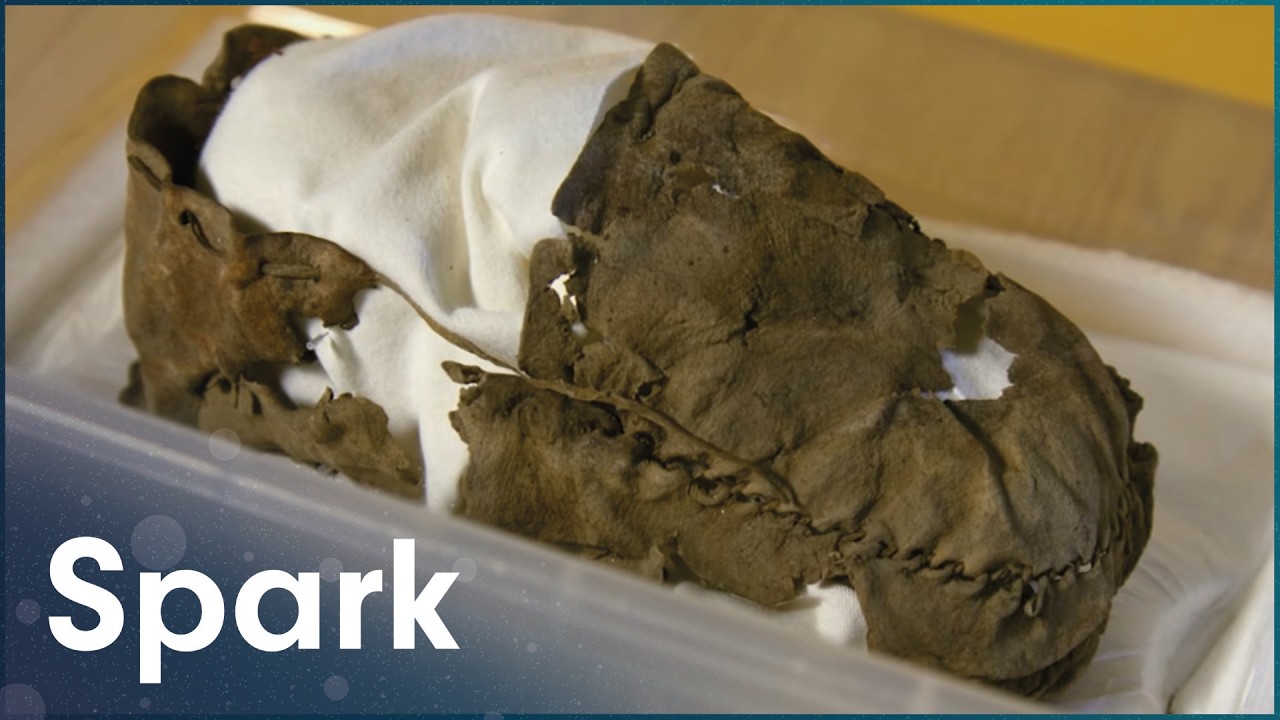
Ancient ice patches in the Yukon and Norway are revealing well-preserved artifacts and human remains, offering insights into the lives of early peoples.
Steller sea lion populations have declined over 80% since the 1970s, prompting researchers at the University of British Columbia and Vancouver Aquarium to study their behavior and the North Pacific food chain.
A man attempts a world record tightrope walk at 3,500 metres without safety gear, while researchers in Northern Australia study the most venomous sea snakes.
A football field of land disappears every hour in Louisiana due to erosion and rising sea levels, threatening homes and communities in the Bayou.
In Northwest Germany's Senne, a military training area for over 130 years, rare wildlife thrives in a largely undisturbed natural habitat.
Rani and the Galta Gang navigate the challenges of temple handouts while Bipin and his splinter group seek refuge in the suburbs of Jaipur.
A female rhino named Ratu was rescued in 2005 after drought forced her from the forest into a nearby village, marking the start of a breeding program.
In Zimbabwe’s Malilangwe Game Reserve, lioness Manyari faces threats to her cubs and pride, forcing her to flee and protect her young from rival males.
The Canary Islands, shaped by volcanic activity, host a diverse array of unique flora and fauna, including legendary marine giants and resilient plant species.
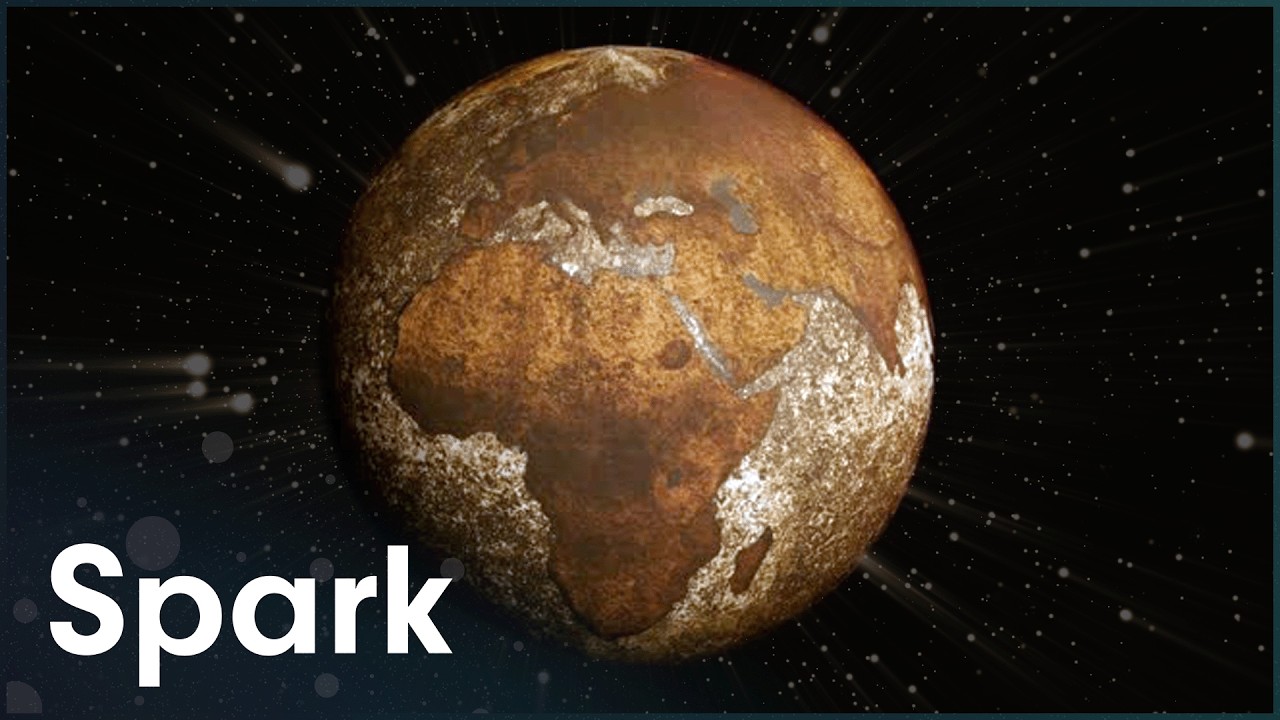
Earth's landscapes would transform dramatically without oceans, revealing hidden natural formations and altering ecosystems and climate patterns.
South Georgia, an isolated island at the edge of the Antarctic, hosts diverse wildlife thriving in its harsh climate while reflecting on its turbulent human history.
Geological forces such as volcanic activity, erosion, and tectonic shifts have shaped iconic landscapes like the Grand Canyon, Hawaii's islands, and the Rocky Mountains.
Bighorn sheep in the Rocky Mountains confront significant threats from habitat loss and climate change, underscoring the critical need for conservation initiatives.
Barro Colorado Island in Panama hosts 72 bat species, prompting scientist Elisabeth Kalko and her team to investigate their coexistence and specialization.
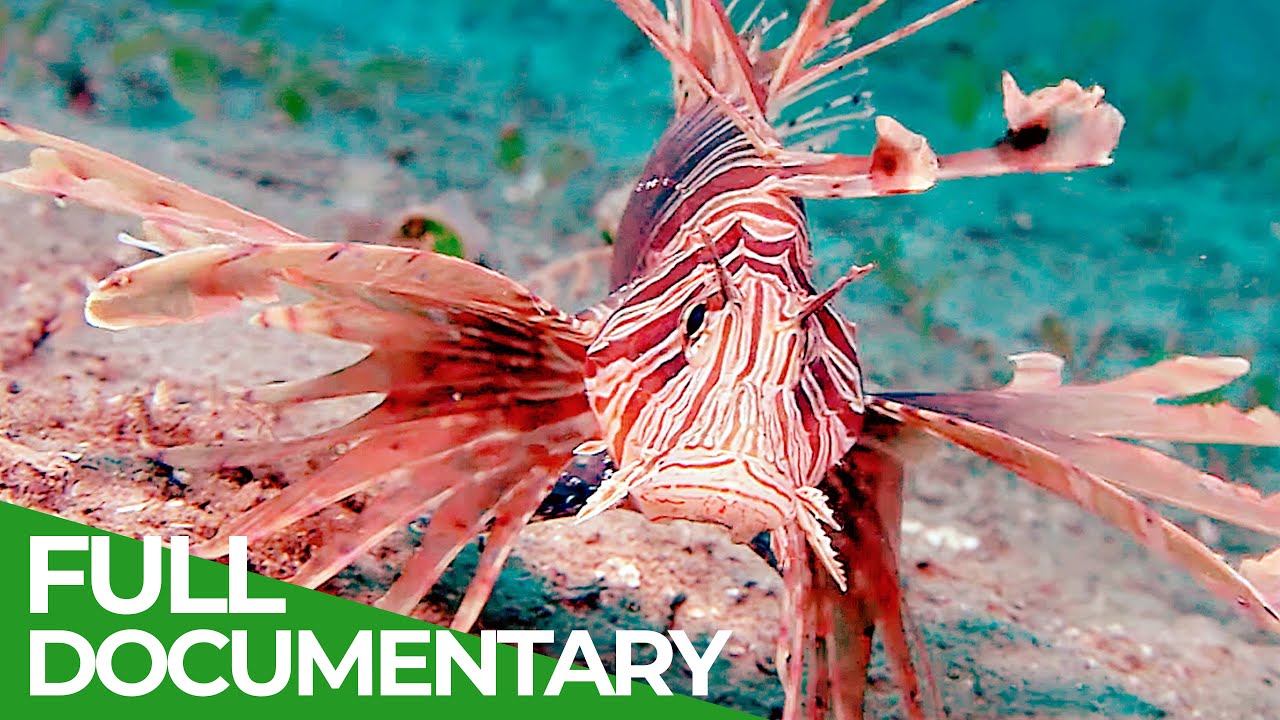
Lionfish, an invasive species in the Caribbean and Atlantic, threaten native fish populations and coral reefs, prompting urgent eradication efforts in the Florida Keys.
Poaching and wildlife trafficking are driven by international cartels and fueled by demand for animal products in Asia, threatening the survival of endangered species.
In the south of the Iberian Peninsula, cranes migrate alongside native species like the Iberian pig and griffon vulture, highlighting a vibrant winter ecosystem.
A juvenile monkey navigates the complexities of forest life and family dynamics, while a red-legged crake secretly raises a chick and tiny stingless bees face formidable challenges.
Paula Kahumbu, CEO of WildlifeDirect, addresses the threats facing savanna elephants in Kenya, including poaching, habitat destruction, and human-wildlife conflict.
Swiss biologist David Bittner has spent seven years living among wild brown bears in Alaska's 'grizzly maze', the site of Timothy Treadwell's fatal encounter.
Nicaragua's diverse ecosystems, from volcanic landscapes to lush mangrove forests, host unique flora and endangered species across its varied terrains.
Frederic Buyle and Christian Petron explore marine ecosystems off the Mexican coast and Fakarava in Polynesia, focusing on great white sharks and reef sounds.
The total value of the pollination service provided by bees is estimated at $200 billion, nearly 8% of the total agricultural output on Earth.
The Mofu people rely on Jaglavak, a fierce army ant, to drive away invading termites that threaten their millet granaries during a severe drought.
Ticino, Switzerland's sunniest and rainiest region, features stunning lakes like Lago Maggiore, diverse wildlife, and remnants of its challenging past.
Around 2,000 kilometres north of Anja, the dry deciduous forest of Kirindy hosts unique species that have adapted to Madagascar's harsh conditions.
Sungei Buloh's wetlands and Singapore's hidden wilderness host a diverse array of wildlife, including local otters, colugos, fiddler crabs, and crocodiles.
In Erindi Game Reserve, Namibia, wildlife expert Steve Leonard examines the behaviors and habitats of cheetahs and leopards in their natural environment.
Corsica's Mediterranean coastline features unique marine ecosystems, showcasing a diverse array of sea creatures found nowhere else in the world.
In South Africa, dedicated rangers and conservationists combat the rhino poaching crisis, employing high-tech methods to protect these endangered animals from extinction.
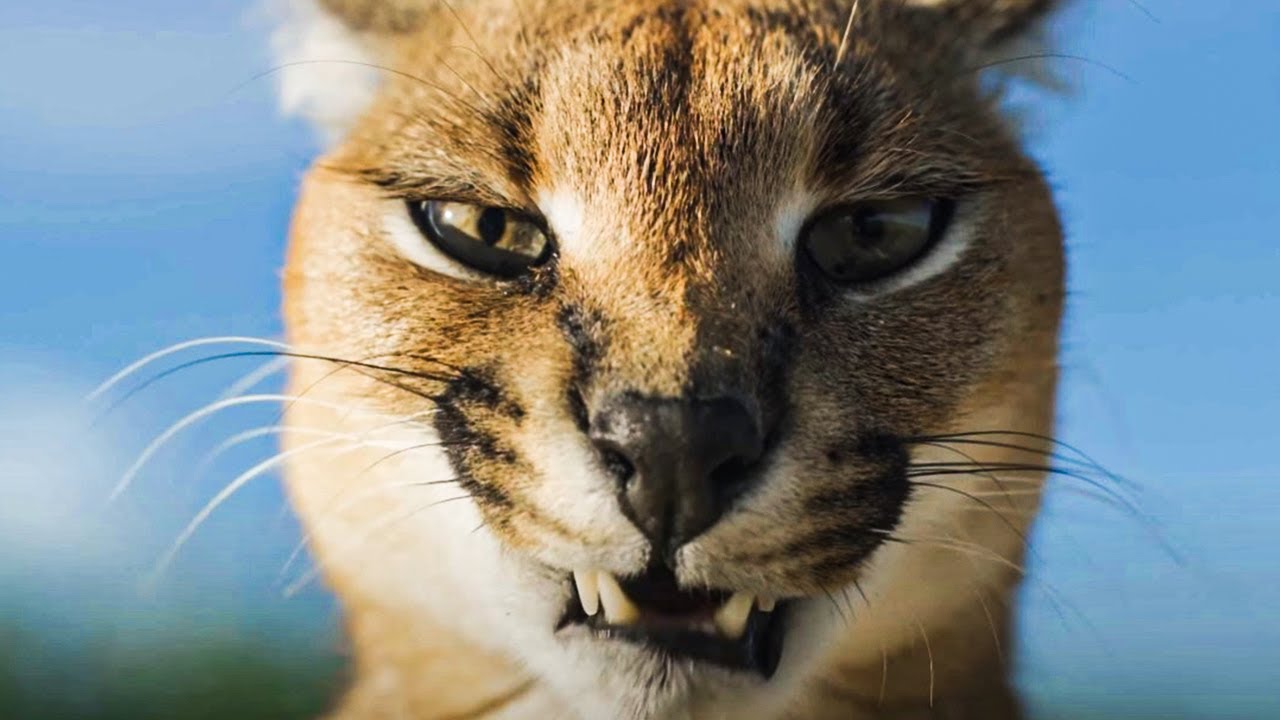
Wild cats adapt to diverse environments, thriving in Mediterranean islands and virgin forests.
Ranger Jal Tumursukh works to protect Mongolia's wilderness while fostering a sustainable coexistence between local communities and endangered wildlife.
Mongolia's boreal forests, vital to nomadic cultures for millennia, face significant threats from exploitation and environmental challenges, including the plight of the Hell Miners of Potosí.
Masdar, a city in Abu Dhabi, aims to house 50,000 people in a 2.3 square mile area, powered entirely by renewable energy by 2030.
A newborn giant panda cries out for its mother, risking rejection after a long separation due to different smells and bonding challenges.
The Danube River flows through diverse landscapes, highlighting the interplay between natural beauty and human impact across its banks.
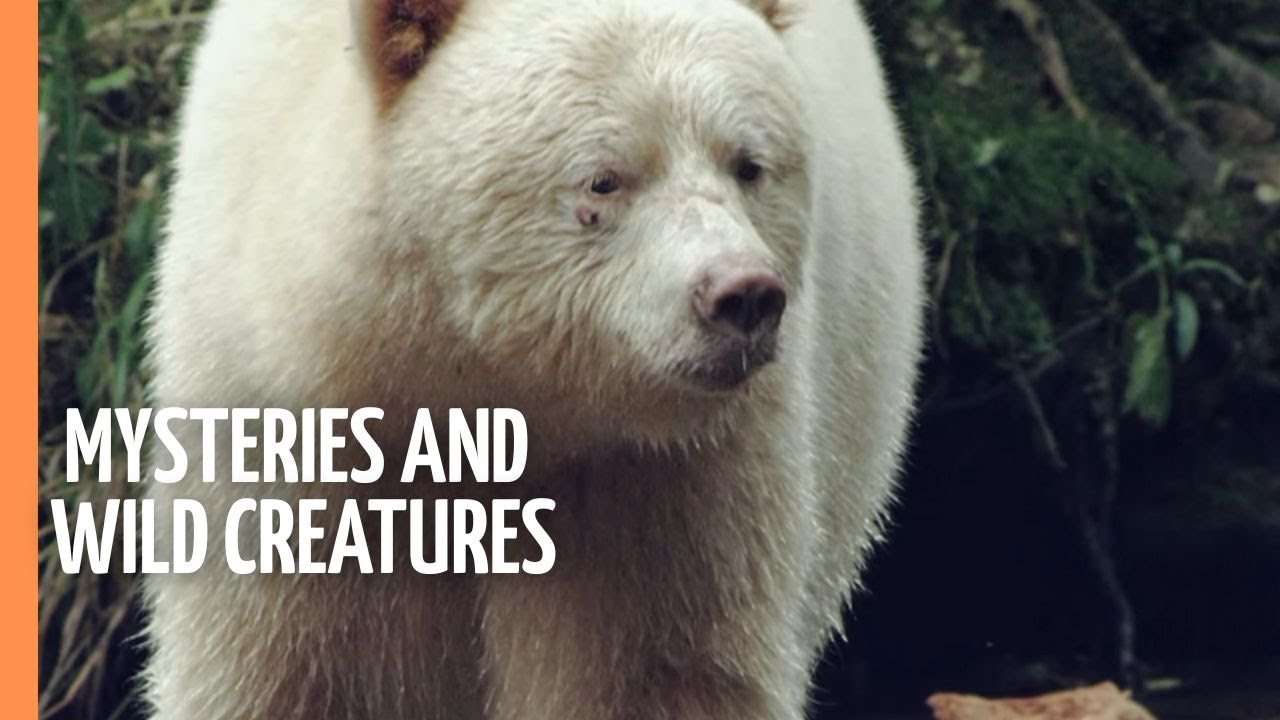
In British Columbia's mystical rainforest, diverse species like wolves, ravens, and the Spirit Bear thrive within a complex ecosystem that demands conservation efforts.
A sea eagle can weigh up to five kilograms and has a wingspan of nearly two and a half meters, making it a formidable predator in Europe.
A mother bear can gain up to 3 kg a day as she prepares for winter hibernation in the harsh conditions of Europe's far north.
Sea level has been rising at an average rate of 3.2 millimeters per year since the 1990s, with recent acceleration pushing it above 4 millimeters annually.