From over 100,000 films, discover the handful you'll love.
Free or premium access to the world's largest documentary library.
7535 films(Page 68 of 157)
Kakapo, the world's rarest parrot native to New Zealand, faces infertility challenges, but conservation efforts are underway to restore their population.
Carolina, Bertha, and Maxima exemplify the fight against corporate exploitation and environmental degradation, facing threats and violence in their activism.
In Spain and Portugal, the Dehesa ecosystem showcases a rich biodiversity shaped by seasonal changes, including the arrival of common cranes and the deer rut.
Chinook, a yearling bear with a severe injury, faces bullying from other bears while Tanja attempts to rescue a cornered cub and a fawn with broken legs.
Arrernte country in Central Australia serves as the backdrop for Aaron and Holly's exploration of Indigenous culture with Traditional Owners and astrophysicist Karlie Noon.
Fenuahu, a remote sanctuary in New Zealand, is the site of urgent conservation efforts to save the critically endangered Kakapo parrot from a deadly fungal outbreak.
Beluga whales, revered in ancient legends like that of Seawoman, are studied by scientists using advanced technology to understand their complex communication methods.
In the Snowy Mountains-Ngarigo country of New South Wales, Aaron and Holly kayak with a river guide and engage with the land's cultural significance.
Australia's diverse wildlife, including sharks, crocodiles, snakes, and Tasmanian devils, poses significant dangers, as explored through survivor stories and expert analysis.
Urban environments like Times Square drive rapid evolutionary changes in species, revealing how plants and animals adapt to urbanization and pollution.
Lake Iseo in Italy's Alps faces environmental challenges as conservationists combat poaching and local farmers adapt to climate-induced crop losses.
Dumps around the world serve as buffet-style restaurants, offering an abundance of food to opportunistic diners seeking variety and convenience.
In Northern Europe's harsh wilderness, newborn apex predators and prey face life-threatening challenges, including a mother brown bear protecting her cubs from male threats.
In the Himalayas, Tashi, a single mother red panda, navigates bamboo thickets with her cub, showcasing their bond in a challenging environment.
The Caribbean Sea hosts a diverse ecosystem where alligators, jaguars, manatees, and unique species like axolotls thrive along its pristine shores.
Tanja rescues fragile newborn moose calves, while Yukon and Taku, two brawling yearlings, navigate the challenges of survival in the bear pen.
Izzu the Lion's introduction to his four new cubs highlights the complex social structures of apex predators, alongside efforts to save critically endangered species like the Greater One-horned Rhino.
Nature's delicacies range from common herbs and marine algae to rare and sought-after foods like forest berries, bamboo worms, and hidden treasures of the sea.
In Antarctica, elephant seals and various penguin species rely on isolated islands as critical nurseries for breeding and teaching survival skills.
More than 170 species of fish inhabit the reefs around the archipelago of Fernando de Noronha, a key area for the spinner dolphins that visit daily.
In Florida's coastal rivers, a West Indian manatee named Hamilton endures life-threatening challenges, including a boat propeller injury and environmental threats.
In the North Atlantic and Germany, the sea eagle, with its nearly eight-foot wingspan, exemplifies adaptability and intelligence as it scavenges and hunts in harsh environments.
More than 15,000 letters have been written advocating for the preservation of Canada's wilderness and national parks for future generations.
In Iran's Ilam province, rare reptiles like the spider-tailed horned viper thrive in a unique ecosystem, showcasing the region's remarkable biodiversity.
The Awá tribe, one of the last hunter-gatherer communities in Brazil, faces imminent extinction as illegal logging threatens their forest and way of life.
Dr. Dave Ebert and Luke Tipple discuss undiscovered shark species and their ocean importance.
In Germany's Ruhr Valley, nature has transformed abandoned industrial sites into the Iron Forest, where red deer, foxes, and apex predators thrive amidst remnants of industry.
Oceans, covering over 70% of the Earth, contain vast currents that regulate climate and ecosystems, raising concerns about their stability amid climate change.
Aaron and Holly explore Wurundjeri country near Melbourne, examining the significance of Hanging Rock-Ngannelong and an ancient quarry.
The People’s Climate March, featuring voices like Bill McKibben and Naomi Klein, highlights the urgent need for a popular movement to address the climate crisis.
Ancient baobabs of Madagascar, resilient birches of boreal forests, and venerable oaks of Europe illustrate the interdependence of trees, animals, and fungi amid climate change threats.
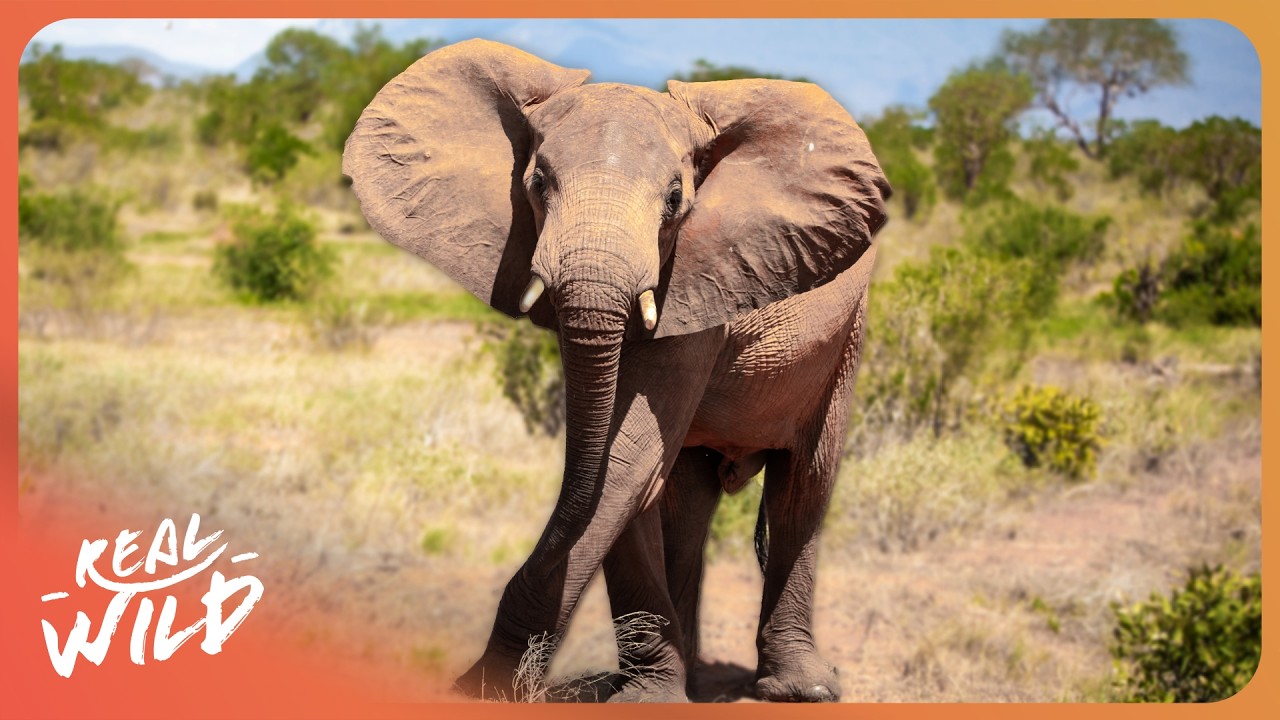
Namibia covers an area of over 300,000 square miles, most of it desert and bush, where Ian Max Maxwell tracks the elusive desert elephant.
Tanja must lure three unruly yearling cubs into transport boxes while Kim fights to save a moose named Dante from a deadly disease.
Air transport faces a crisis as it grapples with environmental pressures, rising costs, and changing passenger expectations in a post-pandemic world.
In the Wolong Nature Reserve, Sichuan, veterinary teams employ innovative techniques to save giant panda cubs from extinction through complex care methods.
Chile's Atacama Desert, the driest in the world, hosts rich marine biodiversity along its coasts, including sea lions, sharks, and unique inland species like Fabian's lizard.
Endangered manatees and dugongs face critical threats from human activity and environmental challenges, prompting urgent conservation efforts to prevent their extinction.
In Namibia's bushlands and Australia's shark-infested waters, wildlife captures its own stories through hidden cameras placed on various animals.
In Texas, conservationist Ivan Carter leads efforts at the Rolling Plains Quail Research Ranch to restore habitats for the Bobwhite Quail using advanced wildlife management techniques.
Britain has experienced unprecedented weather extremes in 2023, including the Beast from the East and a record-breaking heat wave, raising questions about climate patterns.
In Fukushima, five cattle farmers struggle to care for their radioactive livestock, which have become symbols of the ongoing consequences of the 2011 nuclear disaster.
In Tanzania, over a million wildebeest and a quarter of a million zebras face perilous challenges during their thousand-kilometer migration across the Serengeti.
The Pacific Ocean births huge, heavily-laden clouds that counterattack the rugged Olympic Peninsula with a ceaseless barrage of rain.
Australia's diverse birdlife is showcased through vibrant species, including colorful parrots, unique courtship behaviors, and the world's largest kingfisher.
Vatnajökull, Iceland's largest glacier, is rapidly melting, reshaping landscapes, revealing ancient life, and prompting scientific inquiry into emerging ecosystems.
In South Australia's Mount Lofty Ranges, hosts Aaron Pedersen and Holly Ringland meet a senior Kaurna man to learn about the creation giant Nganno and walk with artist Poh.
Volcanologists in countries like the Philippines, Colombia, and Italy monitor active volcanoes to protect communities from potential eruptions and hazards.
Seafood, including crustaceans like crabs and prawns, and shellfish such as oysters and octopus, is a nutritious food source rich in proteins, vitamins, and minerals.