From over 100,000 films, discover the handful you'll love.
Free or premium access to the world's largest documentary library.
7535 films(Page 61 of 157)
Wildfires in British Columbia's Okanagan Valley prompt Indigenous voices, firefighters, and evacuees to share their experiences and insights on fire stewardship and resilience.
Pygmies in central Africa face a precarious future as logging and conservation efforts encroach on their land, leaving them with limited options for survival.
Madagascan deciduous forests, characterized by their leaf-shedding trees and unique wildlife like ring-tailed lemurs and chameleons, thrive in the island's dry, mountainous interior.
Tanya and Peter search the coast for an orphaned grizzly cub while Angelika prepares to relocate 40 black bears at the shelter.
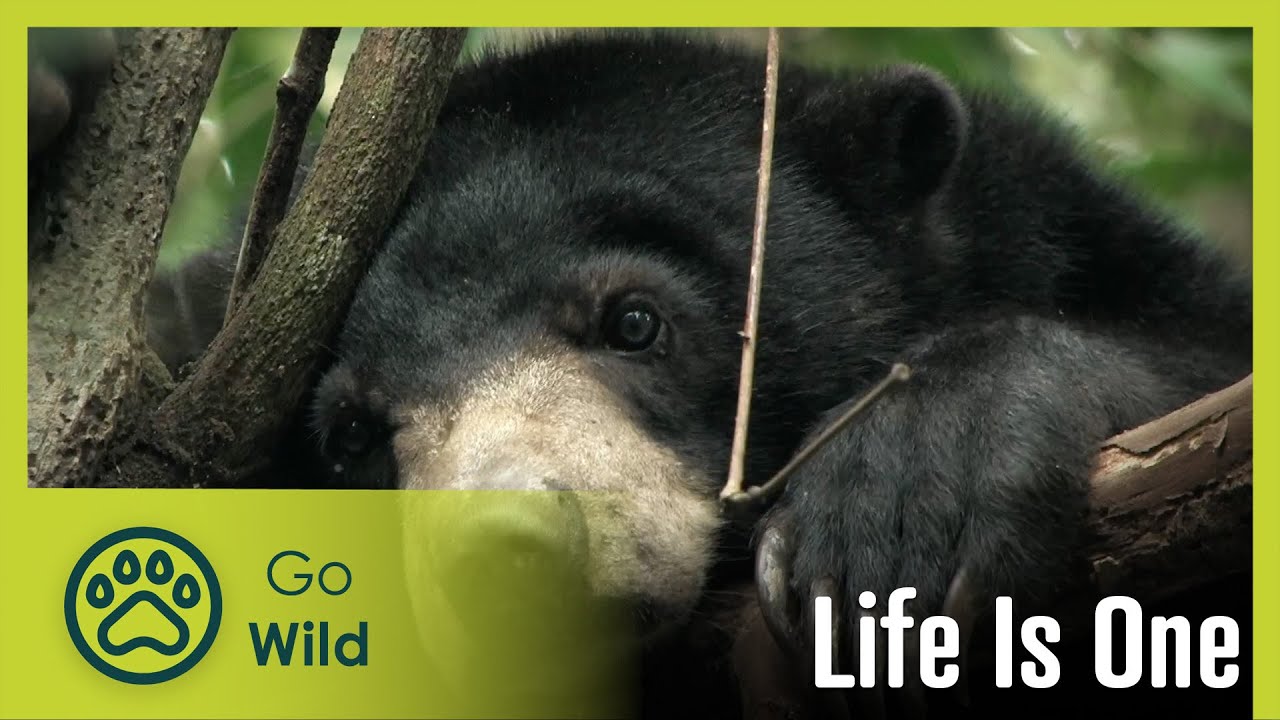
In the rainforest of Indonesia, Bernie the cub bear and two other captive sun bear cubs transition to life in the wild under the guidance of their foster parent.
In the heart of urban environments, wildlife adapts and thrives, showcasing the resilience of nature amidst human development.
The 2018 Attica wildfires in Greece claimed 99 lives, exposing failures in crisis management, infrastructure, and the impact of climate change and austerity.
Across Thailand's diverse ecosystems, wildlife navigates the constant struggle for survival, balancing the hunt for food with the threat of becoming prey.
Colombia's Amazon faces severe threats from illegal logging, prompting soldiers to combat deforestation and protect the nation's rich biodiversity.
El Niño's impact in late 1997 led to unprecedented flooding in East Africa, displacing thousands and transforming wildlife habitats across the region.
A 44-minute examination reveals how environmental changes threaten the floating gardens of Inle Lake, a vital source of income for local farmers.
Female indigenous leaders in Brazil are leading the fight to protect the Amazon rainforest from destruction fueled by Jair Bolsonaro's policies.
In zoos around the world, scientists are freezing reproductive and skin cells to establish a "frozen zoo" for the preservation of endangered species.
In Zimbabwe's Kavinga Safari Camp, a lone lion confronts rival males while hunting an elephant calf, showcasing the harsh realities of survival in the wild.
Guatemala's unique cultural heritage, shaped by Maya spiritual beliefs and rich ecosystems, faces threats from population growth and environmental changes.
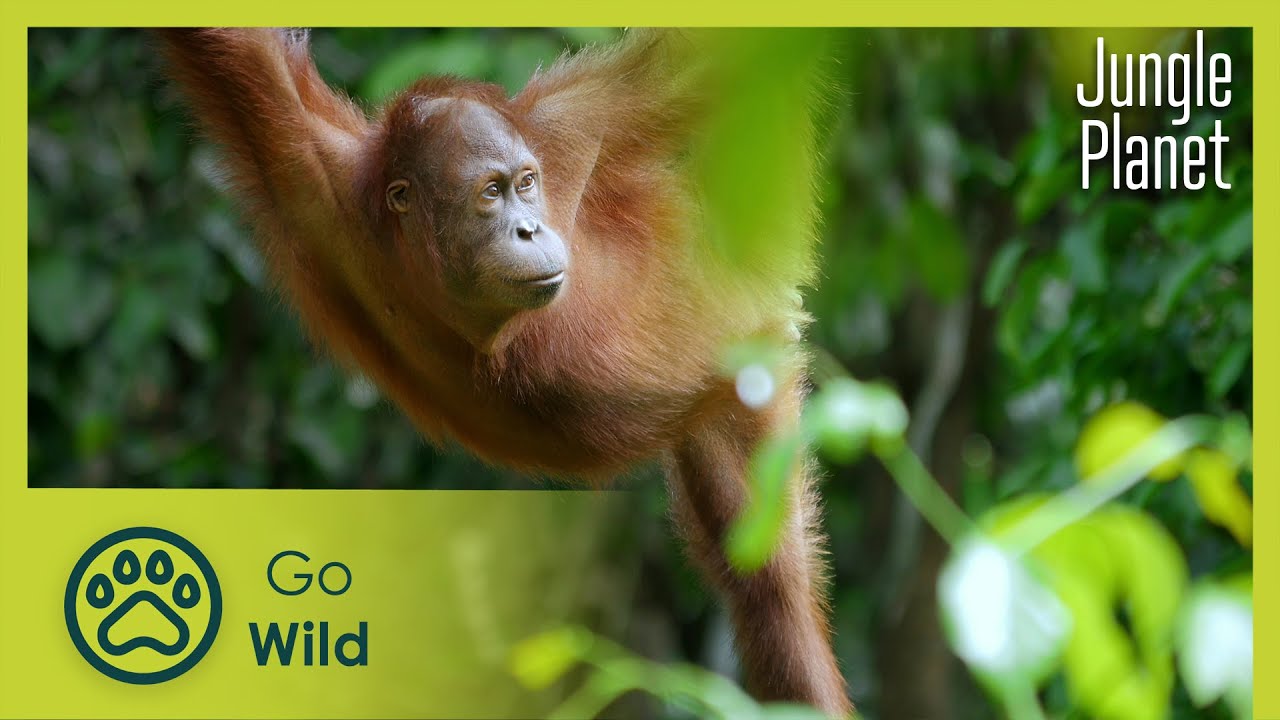
Borneo and Southeast Asia's ancient jungles, nearly 15 million years old, host unique wildlife including orangutans, sun bears, and giant rafflesia flowers.
The Energy Internet presents a transformative approach to energy consumption, aiming to achieve zero carbon emissions and combat climate change effectively.
Historical climate shifts, such as the Permian-Triassic extinction event, reveal complex interactions between biodiversity and environmental changes.
Canadian wildlife specialists work to preserve endangered species such as whooping cranes, bighorn sheep, and polar bears in wilderness areas across the country.
Florida's extreme winter weather is assessed for its effects on the Burmese python population, alongside encounters with invasive species and native threats.
20,000 years ago, the first humans arrived in North America, coexisting with wolves and other wildlife before significant ecological disruption occurred.
Six puppies born in a wolf pack face the challenges of survival in the wild, highlighting the complexities of nature and animal behavior.
The high Andes mountain range, known for its unique flora and fauna, offers a breathtaking landscape that is among the closest points on Earth to the stars.
In the 1950s, figures like Ruth Bader Ginsburg, Harry Hay, and Rachel Carson challenged societal norms, laying the groundwork for movements in civil rights, feminism, and environmentalism.
In Spain, dedicated conservationists have successfully increased the Iberian lynx population from fewer than 100 individuals to over 1,000 through breeding and reintroduction efforts.
The volcanic arc of Central America, part of the Pacific Ring of Fire, extends over 1,500 kilometers from Guatemala to Panama.
Dr. Riley Elliott successfully tagged the first baby great white sharks in New Zealand, revealing an emerging population in a previously unrecorded area.
Géraud Burin des Rosiers explores the Amazon rainforest on the Ecuador-Peru border, engaging with the Huaorani Indians through hunting, shamanic rites, and survival challenges.
Every year, more than 150,000 people are injured in road accidents in Canada, with severe winter storms often causing these incidents.
Tornadoes, particularly in Tornado Alley, are increasingly frequent and destructive, prompting storm trackers Val and Amy Castor to enhance public safety through advanced forecasting.
More than 90 percent of Okinawan corals are dead, reflecting a global trend where one-third of the world's coral reefs may die within 20 years.
In the Thelon River Basin, an extraordinary ecosystem thrives despite harsh conditions, showcasing the interdependence of species and the role of technology in conservation efforts.
China's coral reefs, particularly in the South China Sea, face threats from overfishing and coral bleaching, prompting scientists to restore these vital ecosystems.
Dolphins encounter various threats in their natural habitats, as illustrated by footage that captures their behavior and interactions with other wildlife.
In the Zambezi Delta, Ivan Carter and a conservation team work to restore African lions to their natural habitat after a 40-year absence.
Treffen Sie verschiedene Pinguinarten in der Antarktis und erleben Sie ihr Überleben.
In northern Colombia, vast plains transform between seasons, supporting diverse wildlife including capybaras, anacondas, and Orinoco crocodiles in one of Earth's most biodiverse regions.
Venus, Earth's hellish counterpart, features a lethal atmosphere of carbon dioxide and acid rain, prompting scientists to explore the potential for similar conditions on Earth.
Urban evolution reveals how nature adapts and thrives within the extreme habitats created by cities, challenging the notion that urban sprawl destroys ecosystems.
Angelika moves her healthy bear cubs into the hibernation pen for winter, while Sophie, a disabled cub, struggles to fit in and Digger, a nervous cub, awaits hibernation weight.
In Biebrza National Park, Poland, a master tracker searches for Gray Wolves, navigating harsh winter conditions and utilizing local expertise to analyze their tracks.
Max Maxwell, a Kenyan big game tracker, investigates reports of phantom panthers in the UK, analyzing evidence and interviewing witnesses to determine their existence.
In Durango, Colorado, researchers from Colorado Parks and Wildlife study the increasing conflict between humans and bears as urban development encroaches on their habitats.
Big Cat Initiative grantees Shivani Bhalla and Krithi Karanth, along with Boone Smith, provide insights into the challenges of big cat conservation during 's Big Cat Week.
Kenya's rich cultural heritage, marked by unique historical sites, is at risk, prompting the nation to seek UNESCO protection for preservation efforts.
Gran Canaria faces ecological challenges due to an invasive snake population, prompting local residents and environmentalists to implement control measures.
Iceland's volcanic landscape, shaped by eruptions like Eyjafjallajokull in 2010, poses significant risks as more powerful volcanoes lie dormant and ready to erupt.
Fire salamanders have thrived in the urban environment of Oviedo, Spain, since the 8th century, despite the absence of permanent water bodies essential for amphibian reproduction.