From over 100,000 films, discover the handful you'll love.
Free or premium access to the world's largest documentary library.
7535 films(Page 49 of 157)
Andreas Kieling has five weeks to film giant grizzlies in the Bering Sea before the storm season begins.
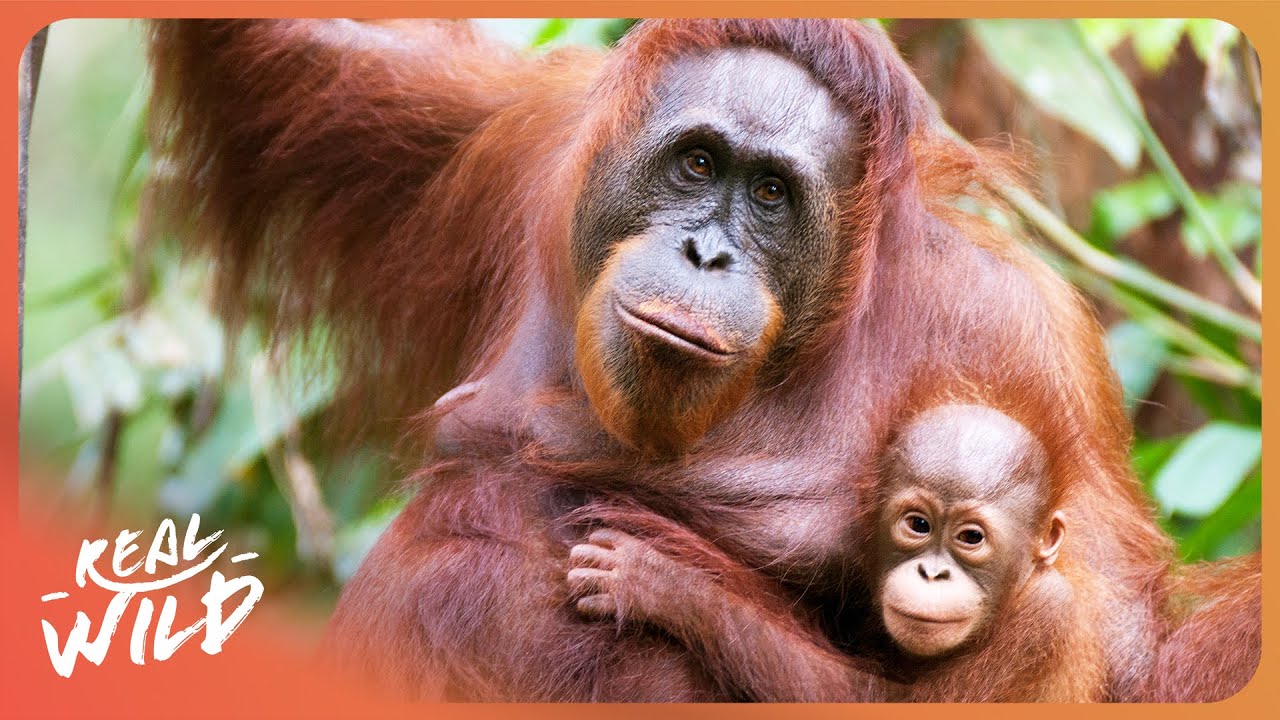
In the rainforests of Borneo and Sumatra, orangutans exhibit remarkable intelligence and complex social structures while facing threats to their survival.
During a snowstorm, the deer population in the national park can decrease by 10%, creating challenges for wolves and bears as they hunt for food.
The Great Barrier Reef in Australia faces significant threats from Crown of Thorns starfish invasions, cyclones, and human development activities.
Expert hunter Manny Puig pursues wild boar through Florida's treacherous swamps, encountering diverse wildlife along the way.
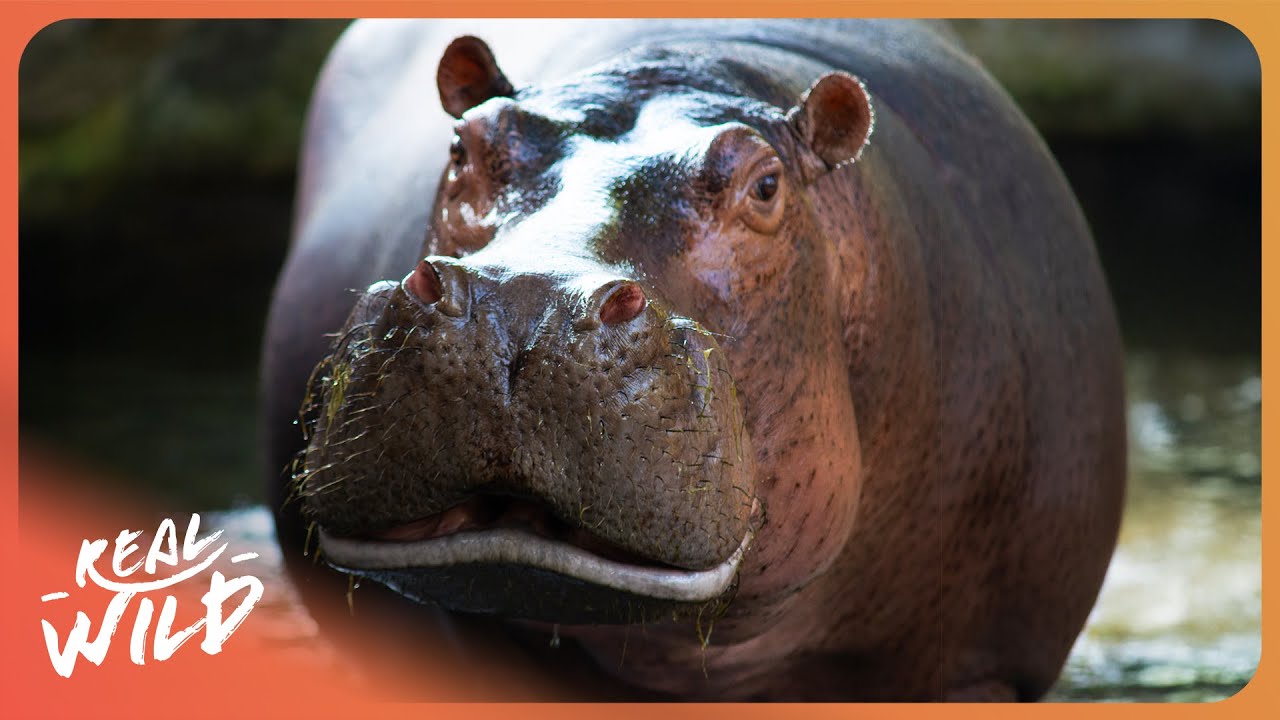
Hippos can wander up to 32 miles at night in search of food, often resorting to eating the droppings of fellow hippos during the dry season.
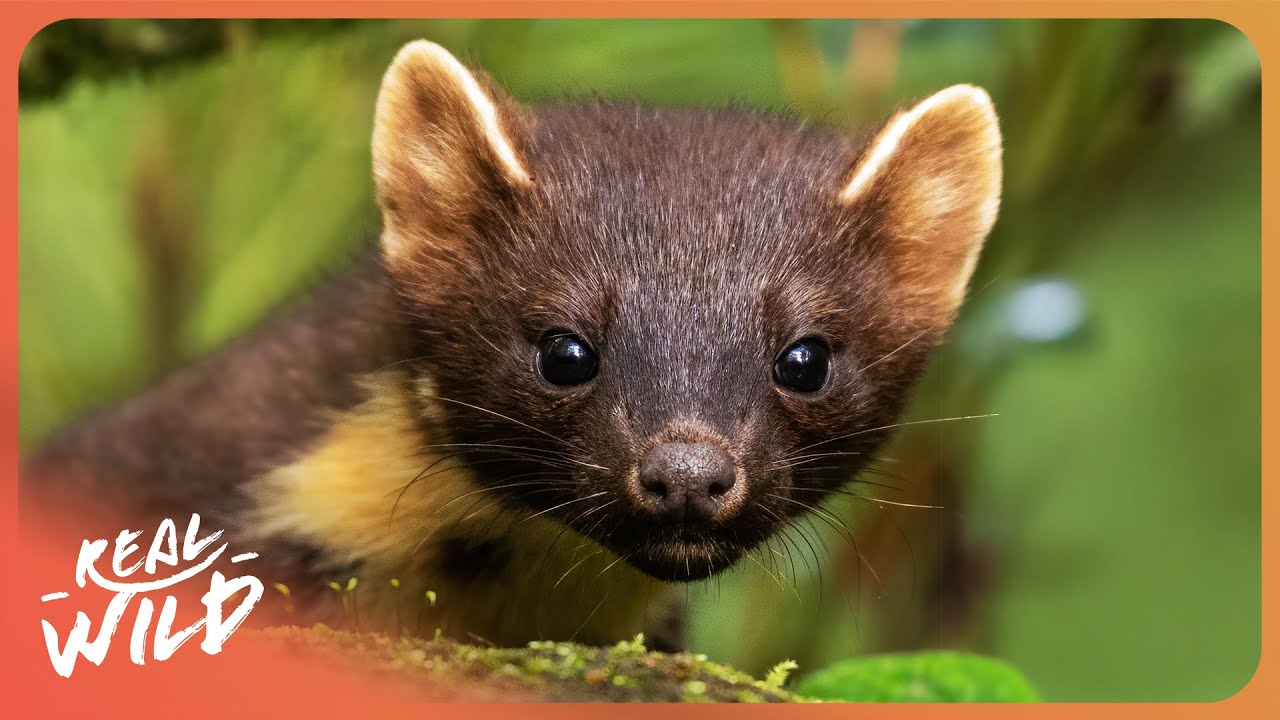
In North America, Marty Stouffer examines the ecological roles and behaviors of mustelids like the pine marten, mink, and otters, alongside wild canids.
In Rajasthan's semi-deserts, nomadic pastoralists utilize centuries of ecological knowledge to navigate harsh landscapes while addressing modern agricultural challenges.
Natural disasters in 2017, including hurricanes, earthquakes, and wildfires, caused widespread destruction and loss of life, highlighting their increasing intensity.
Brazil's indigenous tribes face increasing threats from President Bolsonaro's policies that prioritize mining, logging, and dam-building over environmental preservation.
Cancun's rapid hotel development threatens the unique ecological environment of the Yucatan Aquifer, raising concerns among environmentalists about sustainability.
NASA has collected high-definition data on Earth's land, oceans, and atmosphere over the past 20 years, revealing complex interactions across the planet.
In the Bissagos archipelago off Guinea-Bissau, a unique population of hippos thrives in coastal saltwater while green turtles return to breed on protected shores.
More than 10 million macaroni penguins were counted in the latest survey, reflecting their stable population amid ongoing conservation efforts.
In January 2016, 30 sperm whales stranded on the North Sea coast, prompting marine biologist Florian Graner to investigate the causes of these events.
Animal migrations, from elephant herds in Africa to seabird colonies in the Arctic, demonstrate the significant ecological impact of collective movement across ecosystems.
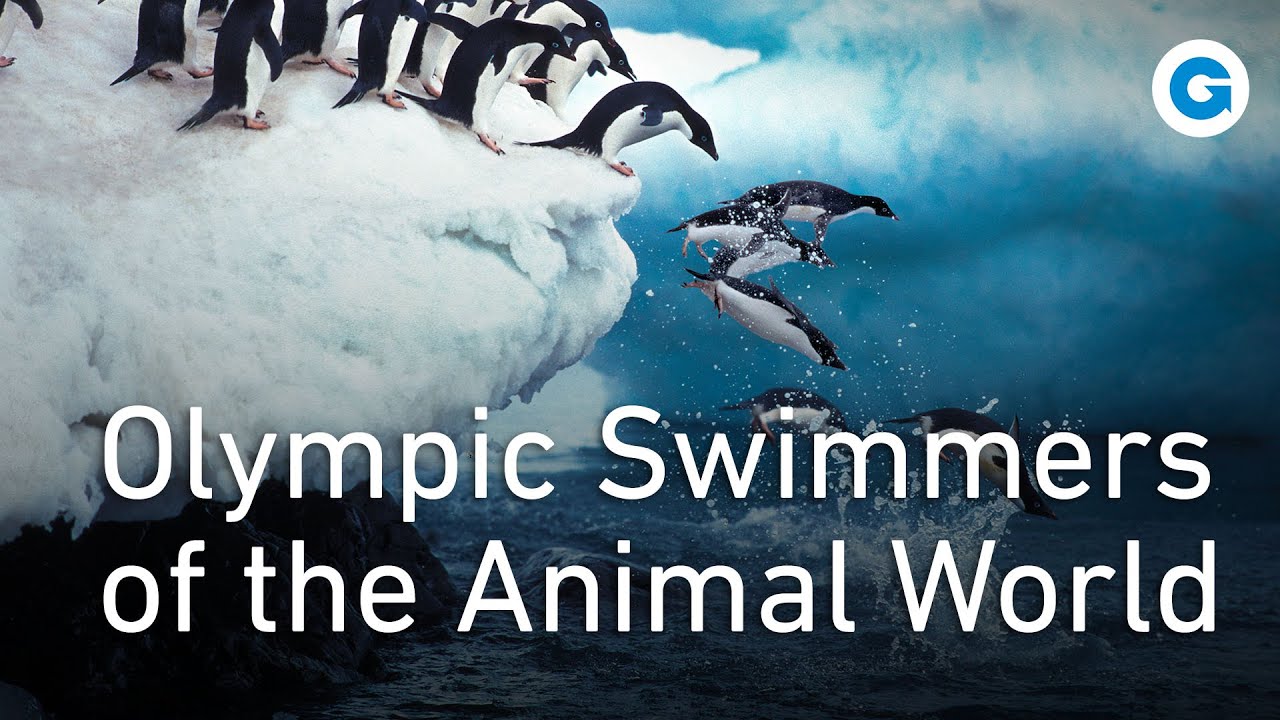
Temperatures in Antarctica can fall to -60° F, yet the continent supports a diverse range of wildlife, including four penguin species that breed there.
Siberian smokejumpers, porpoise paramedics, and inmate educators represent some of the world's most unique and challenging professions, showcasing their skills and motivations.
For three years, no rain has fallen in Shaba, a region in northern Kenya where drought and floods create extreme challenges for wildlife and survival.
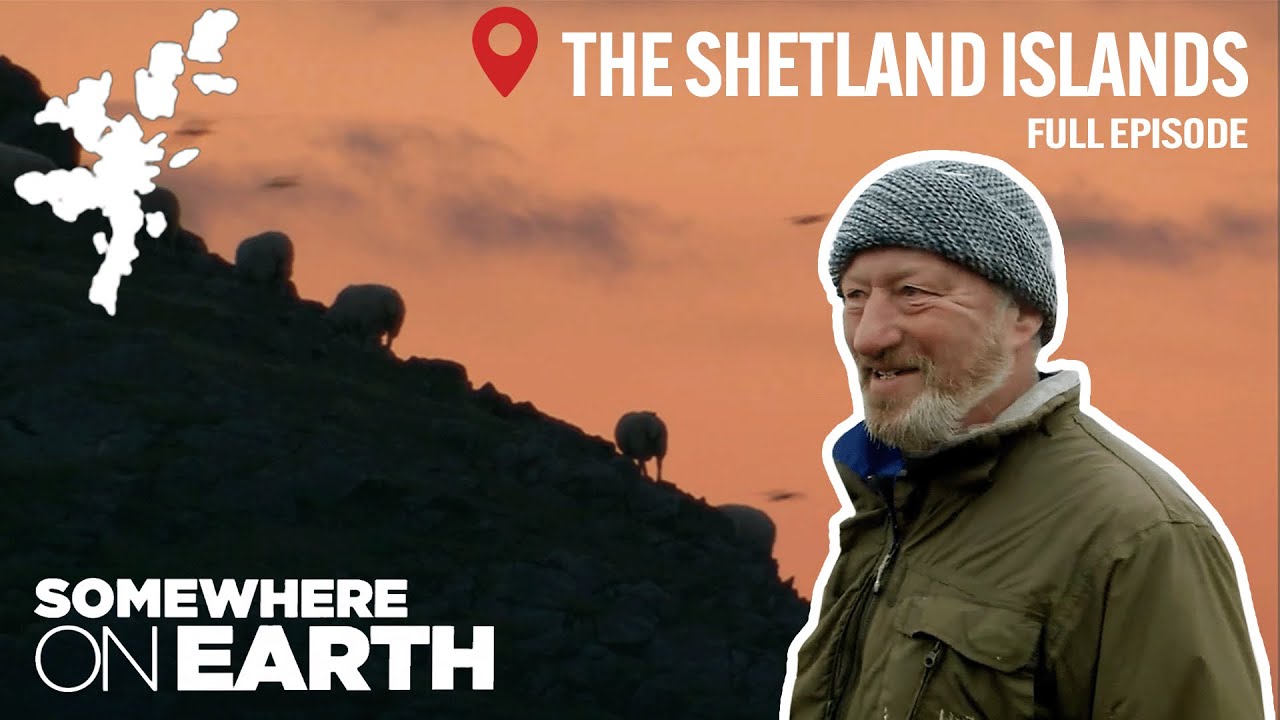
Shetland's rural community relies on helicopters for vital connections during winter storms, showcasing resilience amid the Atlantic's fierce oceanic forces.
The Colorado River, after flowing through the Rocky Mountains and the Grand Canyon, faces severe depletion due to high demand, prompting conservation efforts to restore its estuary in Mexico.
Yellowstone National Park's diverse wildlife, including bighorn sheep, bison, and wolves, faces seasonal challenges that shape their survival and interactions.
In the Amazon rainforest, diverse species like harpy eagles and woolly monkeys navigate seasonal floods and unique challenges to survive in a complex ecosystem.
The Serengeti's wildlife faces relentless challenges as predators and prey adapt to the harsh realities of survival amid shifting ecosystems and human encroachment.
In arid regions plagued by dust storms, communities engage in extensive reforestation efforts to combat desertification and protect their livelihoods.
In the ancient rainforests of southern Asia, a complex ecosystem thrives, showcasing unique adaptations among wildlife like Sumatran tigers and orchid mantises.
In the diverse ecosystems of Africa, predators like cheetahs, lions, and crocodiles showcase their evolved hunting tactics and survival skills across various terrains.
Manny Puig hunts wild boar in the wilderness of Florida, utilizing traditional techniques and the skills of his trained dogs.
Humpback whales and other migratory species in the Atlantic Ocean face threats, while conservation efforts in the Azores and Anuta highlight biodiversity and traditional livelihoods.
Global warming is projected to shift the global wine map, threatening traditional regions like southern Europe and California with rising temperatures and altered grape characteristics.
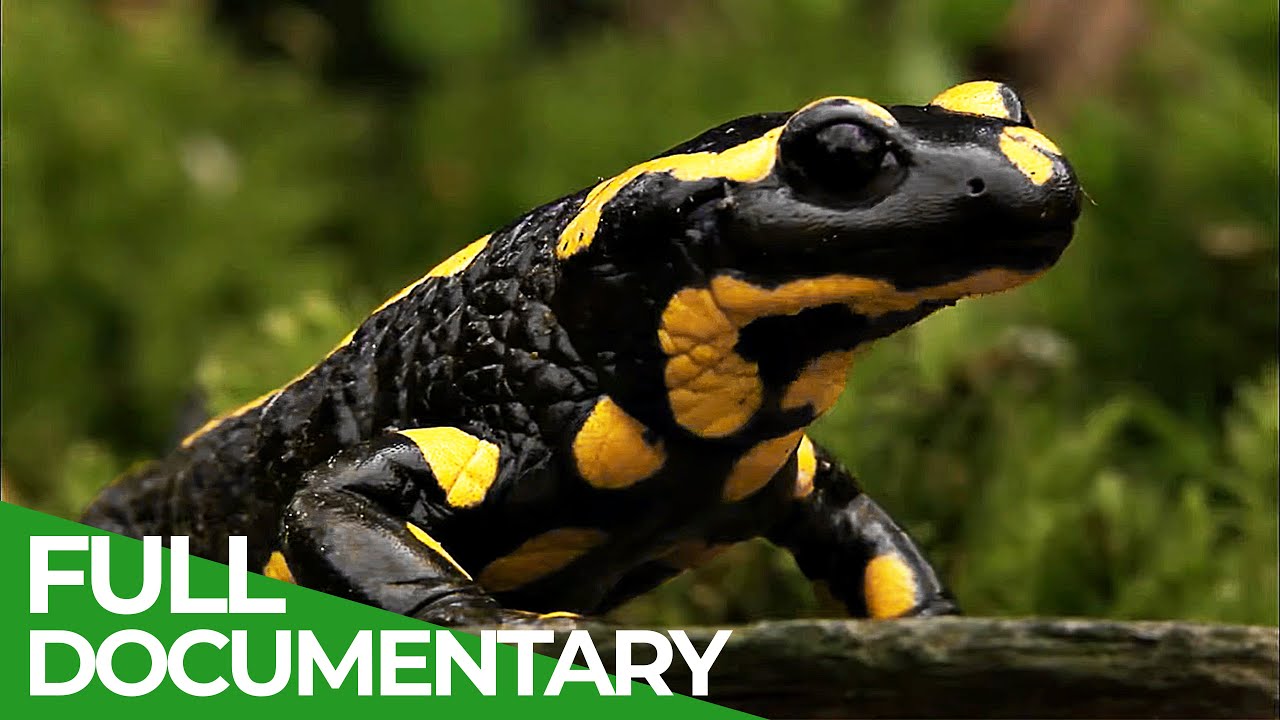
The fire salamander, a colorful inhabitant of German beech forests, is documented in detail, revealing its elusive nocturnal life and the challenges faced by its larvae.
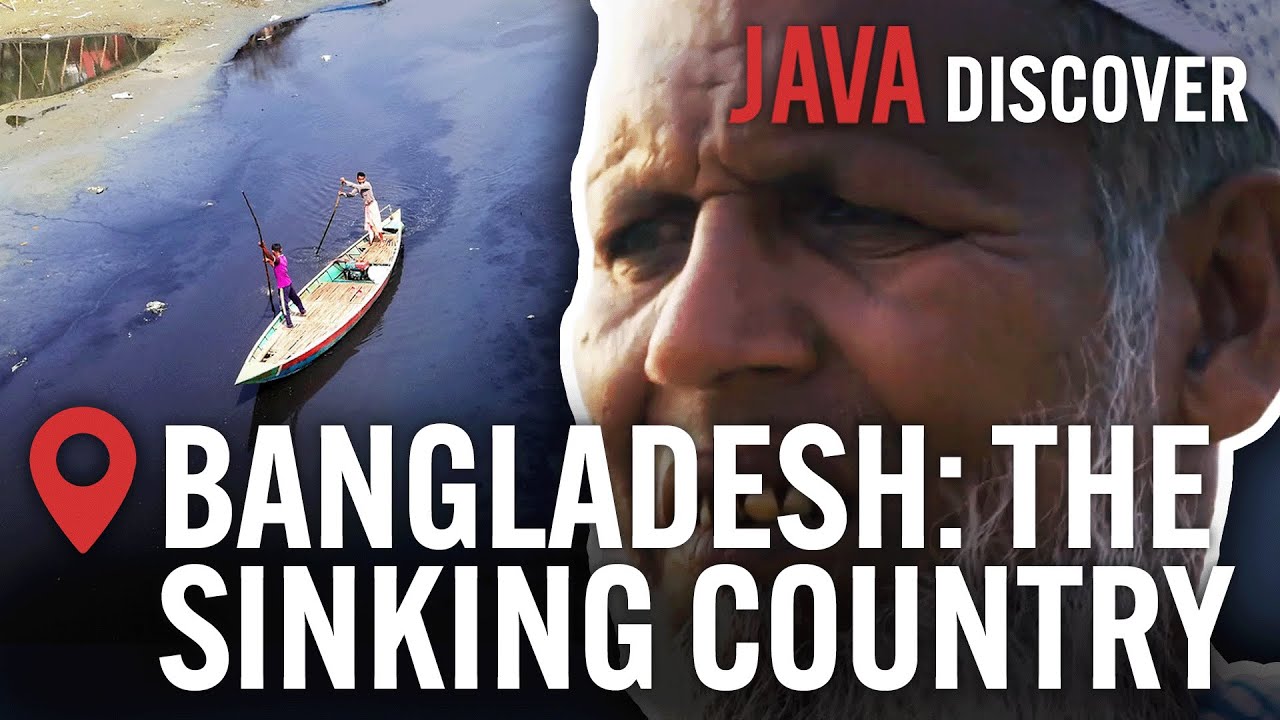
Bangladesh faces a dire future as rising waters threaten 30% of its land and 60 million people.
Extraordinary animal encounters showcase a mother eland defending her calf against hyenas, a black-backed jackal attacking a vulture, and a Nile crocodile battling a lioness.
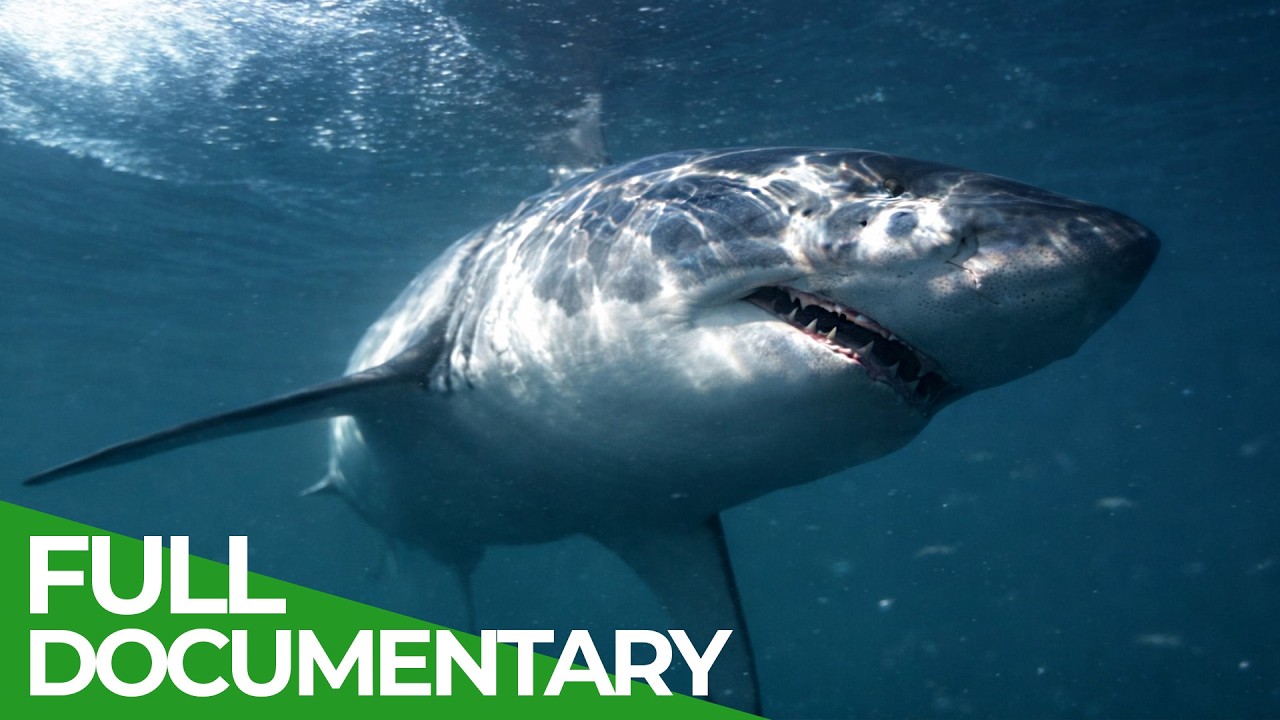
A team of free divers, including world champion Frederic Buyle, approaches great white sharks in their natural habitat without diving tanks or safety cages.
Villagers in Borneo, Indonesia, seek swallow's nests, a declining delicacy in Asian cuisine.
In the Bahamas, where shark populations are highly protected, entrepreneur Stuart Cove promotes shark advocacy and tourism while collaborating with researchers on species studies.
Only 7,000 cheetahs remain in the wild today, down from around 100,000 a century ago, as they face threats from predators and habitat loss.
Extreme weather events, including storms, earthquakes, and tornadoes, are examined through scientific explanations and data-driven insights.
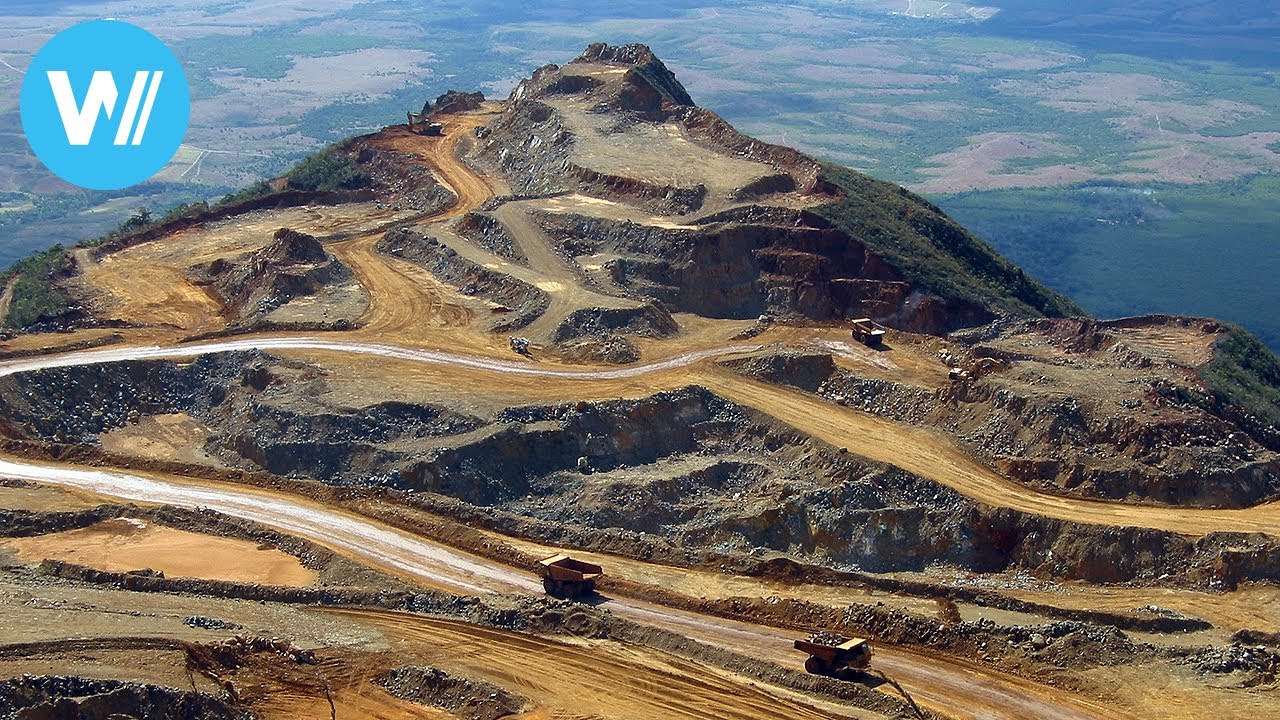
Nickel, referred to as "green gold" in New Caledonia, constitutes 90 percent of the region's exports, highlighting its critical role in modern industry and environmental concerns.
Christmas Island, an Australian territory near Java, faces a crisis as invasive yellow crazy ants threaten the annual migration of sixty million red land crabs.
Sharks, having evolved over hundreds of millions of years, exhibit remarkable adaptations and hunting strategies across diverse habitats from southern Africa's rugged shores to tropical waters.
Wildlife along the southern coast of Africa, from the Cape Peninsula to the Mozambique wetlands, adapts to diverse climates and prepares for tropical storms.
Africa's grasslands host some of the largest wildlife gatherings on the continent, showcasing the intricate relationships within these ecosystems.
In August 2016, a violent Atlantic storm forced the Transocean Winner oil rig onto the Isle of Lewis, prompting a two-month salvage operation to prevent environmental disaster.
Marine experts Trevor Long and David Blyde respond to critical cases involving sick, injured, and orphaned marine animals along Australia's east coast.
The Anthropocene epoch highlights humanity's profound impact on Earth, marked by agricultural practices and industrialization that threaten natural ecosystems.
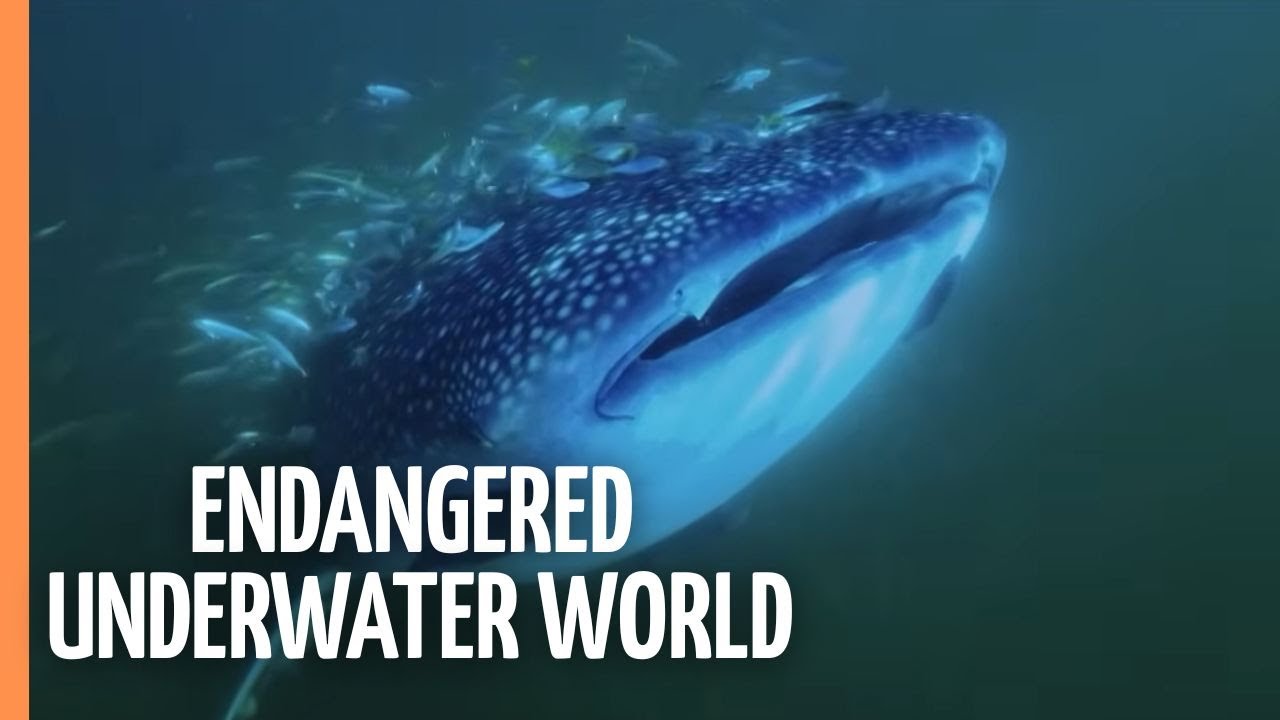
Whale sharks, the largest fish in the world, can grow up to 13 meters long and visit the Gulf of California every summer to feed on plankton.
In the Blue Mountains, Dr. Pel studies the ecological role of dingos as apex predators and their complex social structures, highlighting their impact on Australia's ecosystem.