From over 100,000 films, discover the handful you'll love.
Free or premium access to the world's largest documentary library.
7535 films(Page 70 of 157)
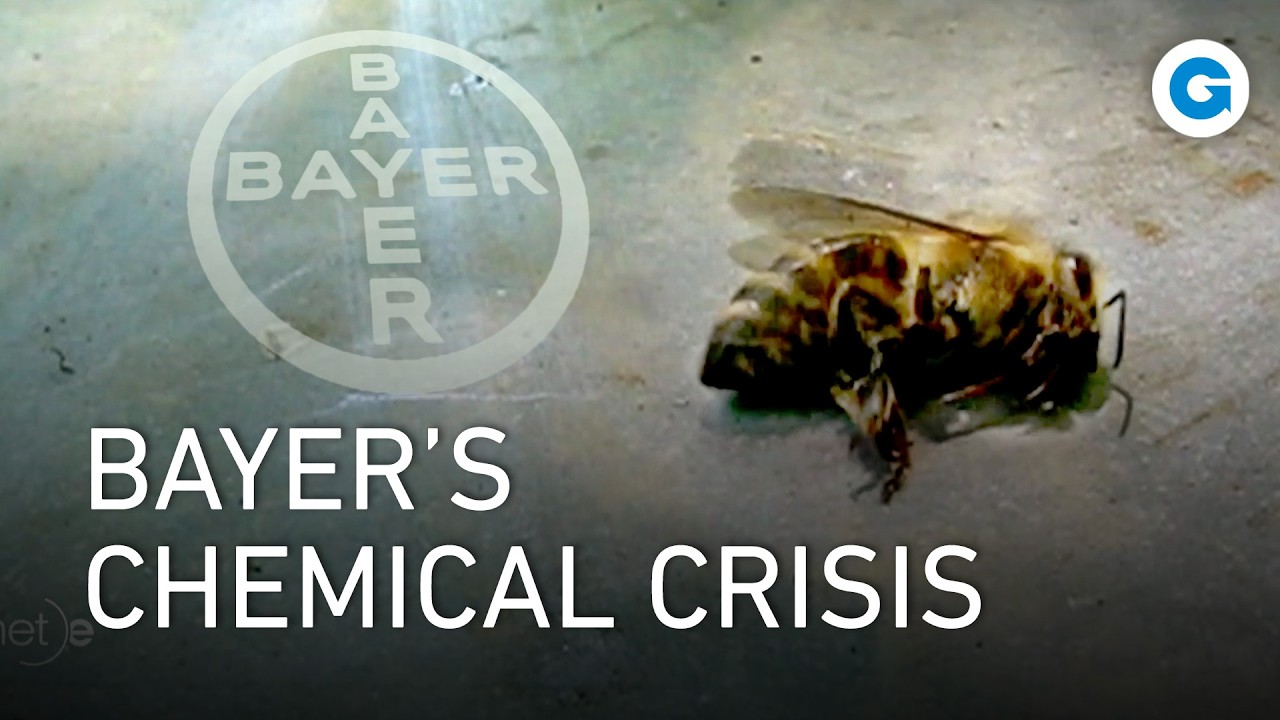
Bayer's pesticides, long criticized for their harmful effects on bees and the environment, face scrutiny as threadworms emerge as a safer alternative.
A snow leopard has killed a quarter of the young yaks in a Tibetan village this year, threatening the traditional way of life for local herdsmen.
Animal adaptations, such as the fog basking beetle's water collection and camels' moisture conservation, provide innovative solutions for human environmental challenges.
Humans have created agro-ecosystems that rely on monocultures, which are vulnerable to shifts in climate affecting food availability.
Dairen Simpson, known as the Davy Crockett of the 21st century, traps large predators like jaguars and bears for conservation projects while ensuring their safety.
In the Otways-Gadubanud country, hosts Aaron Pedersen and Holly Ringland explore nature's healing power alongside singer Missy Higgins and Wathaurung man Barry Gilson.
In Amazonia, the ongoing gold rush, highlighted by activists Raoni Metuktire and Marco Arana, poses severe threats to indigenous communities and the environment.
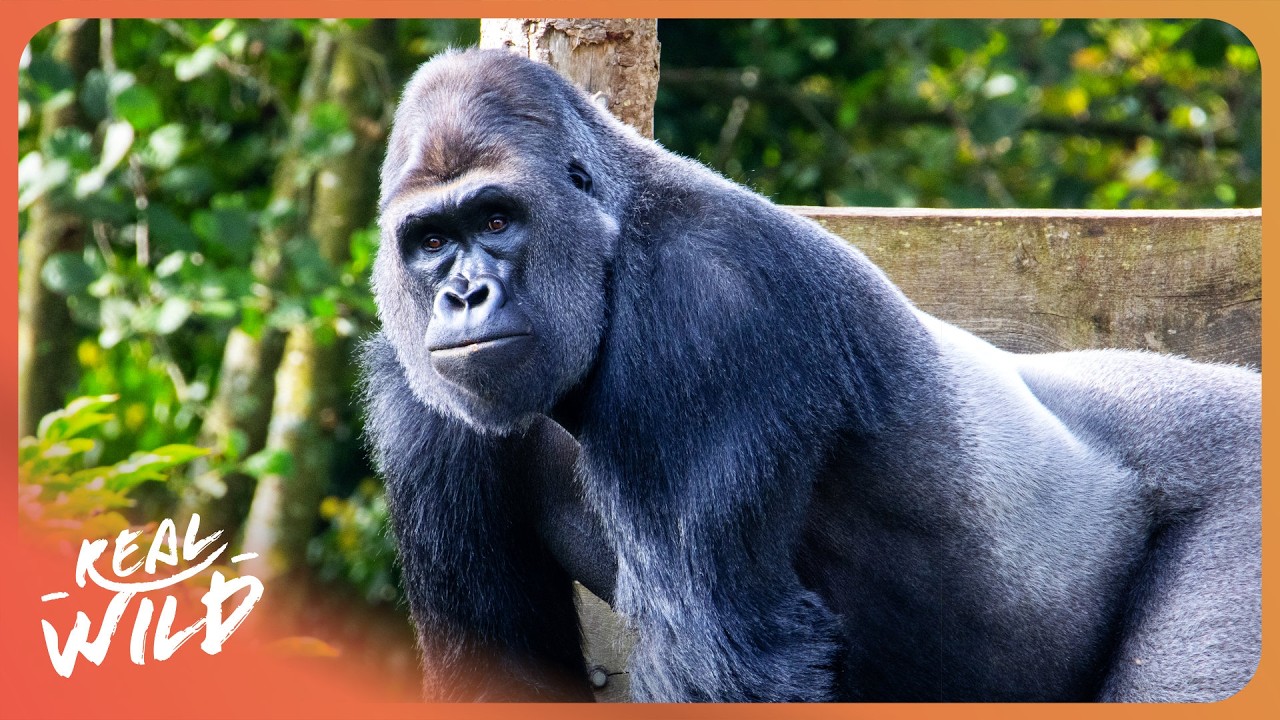
In the northern Republic of the Congo, a unique partnership between local communities and commercial logging has led to the thriving population of 70,000 western lowland gorillas.
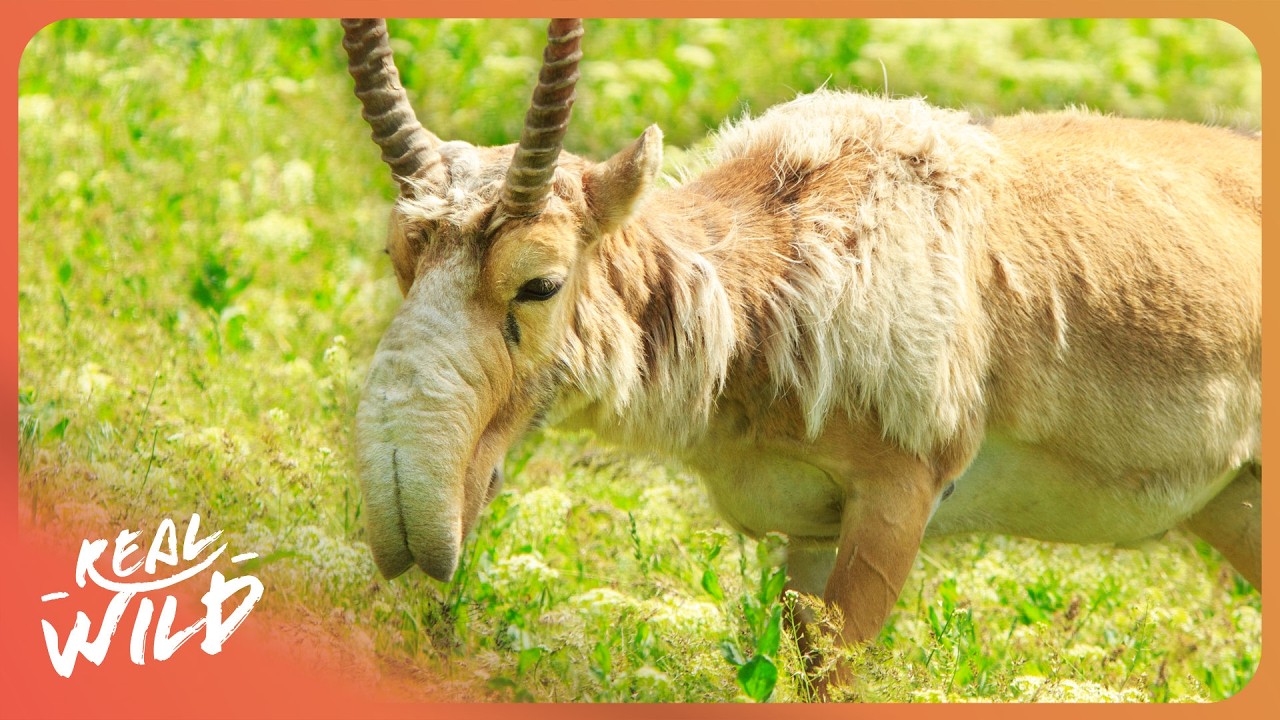
The Saiga antelope, an ancient species in Central Asia, faces extinction due to human activity, prompting scientists and conservationists to protect its remaining herds.
Lake Como's fragile ecosystems face threats from pollution and human activity, prompting local conservationists to protect its unique biodiversity.
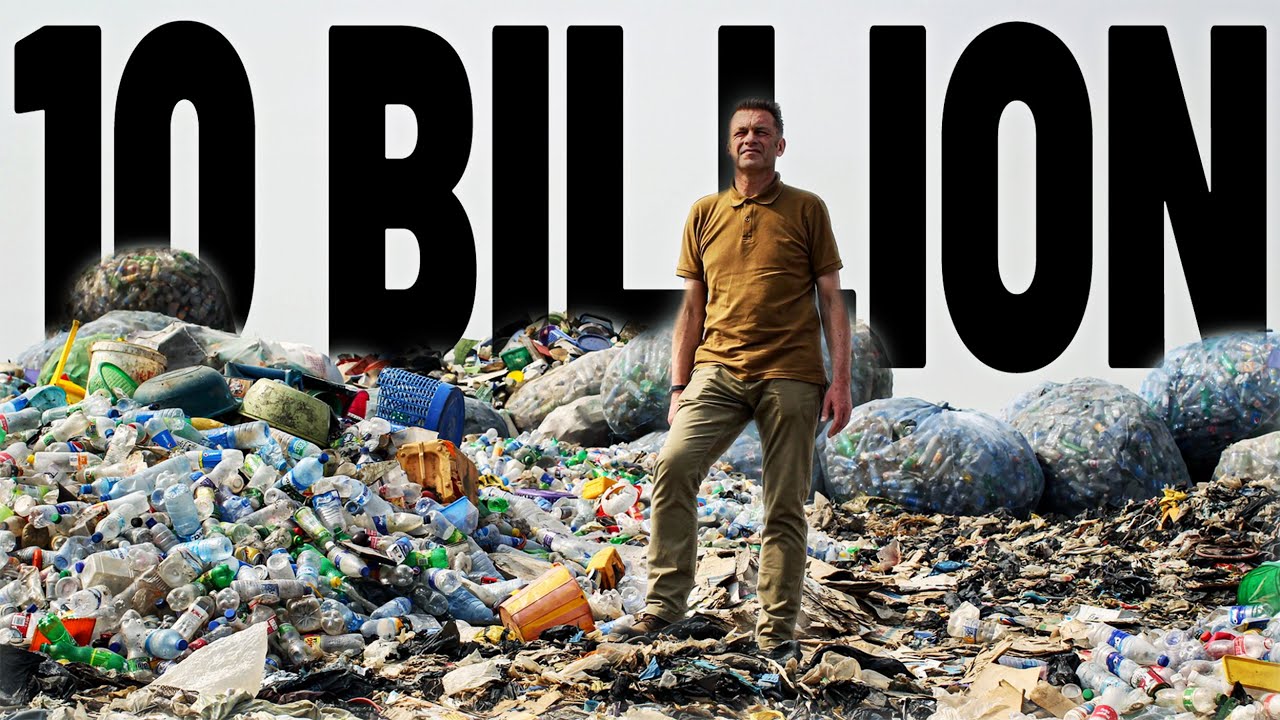
Global population growth, projected to reach 10 billion by 2050, raises urgent questions about sustainability, resource depletion, and climate change impacts.
Ikea harvests only 1% of the forest each year while replanting two trees for every tree cut down, raising concerns about its environmental impact.
Cocoa producers in Ghana face challenges from global warming, illegal mining, and pest infestations, prompting innovative solutions for a sustainable chocolate industry.
Filming wildlife often involves innovative techniques and significant risks, as showcased by the team behind the striking visuals of "Water Life."
In the dark jungles of Tamil Nadu, the Irulas, an ancient tribe of hunter-gatherers, continue their millennia-old tradition of snake hunting.
In the equatorial region, diverse wildlife such as gibbons, orangutans, cheetahs, and lions adapt to extreme conditions shaped by the sun's intensity.
New England faces significant climate challenges, as highlighted by experts like David Hughes and Susanne Moser, emphasizing urgent environmental and social issues.
Juarez and the Munduruku people face existential threats to their language and culture due to the construction of a hydroelectric power station in the Amazon basin.
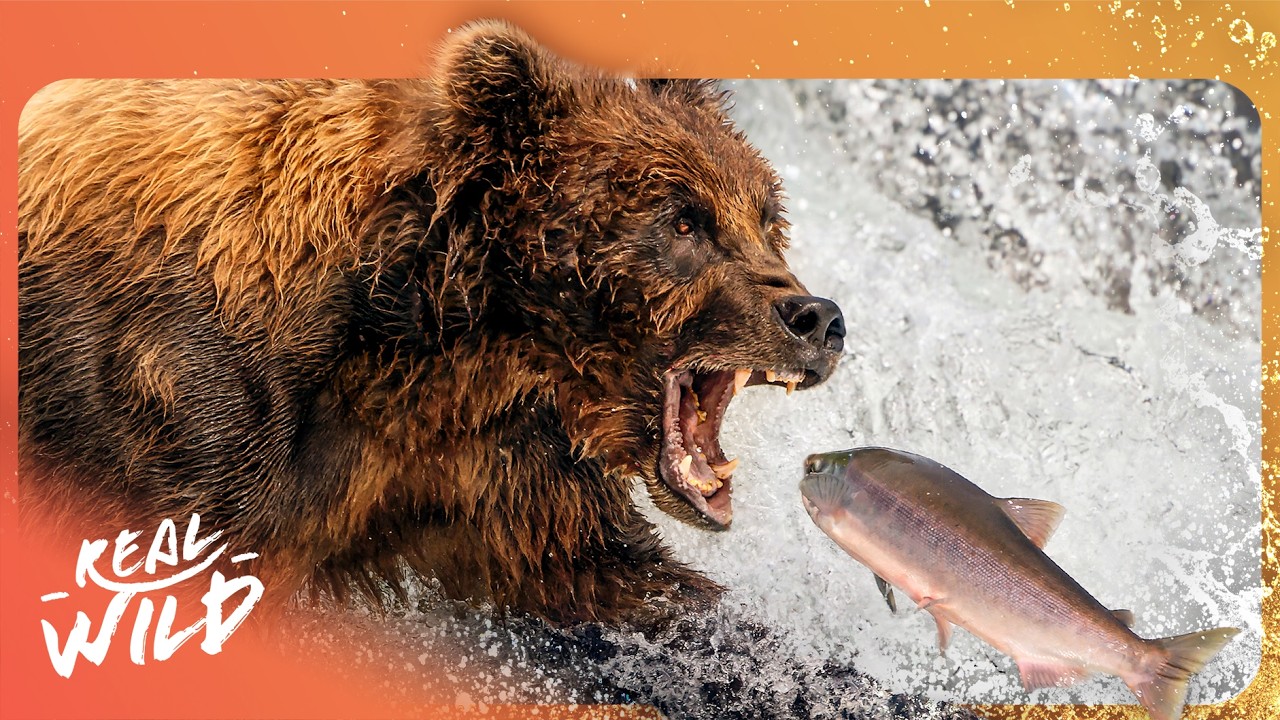
In British Columbia's Great Bear Rainforest, over 100,000 salmon return to spawn each autumn, attracting apex predators like bears that consume vast quantities to prepare for winter.
Water scarcity in Chile is exacerbated by the extensive consumption of resources by data centres built for tech giants like Google near Santiago.
Moose are increasingly appearing in urban areas of Poland, adapting to human environments and expanding their range into the Berlin region since their protection in 1995.
Lake Constance faces a wildlife crisis as conservationists, led by ornithologist Peter Berthold, implement ambitious projects to restore bird populations and ecosystems.
In Florida's Ocilla River, Manny Puig tracks alligators navigating a unique ecosystem where fresh and saltwater converge, revealing diverse wildlife interactions.
Melting glaciers in the Alpine region are revealing centuries-old artifacts, prompting urgent preservation efforts by archaeologists from the University of Innsbruck.
Australia's diverse wildlife, including koalas, dingoes, and red kangaroos, showcases remarkable adaptations to extreme environments and unique survival strategies.
In Old Saybrook, Connecticut, Nick Kessler explores local efforts to revive oyster beds, prepares sea scallops, and searches for oystercatchers along the shore.
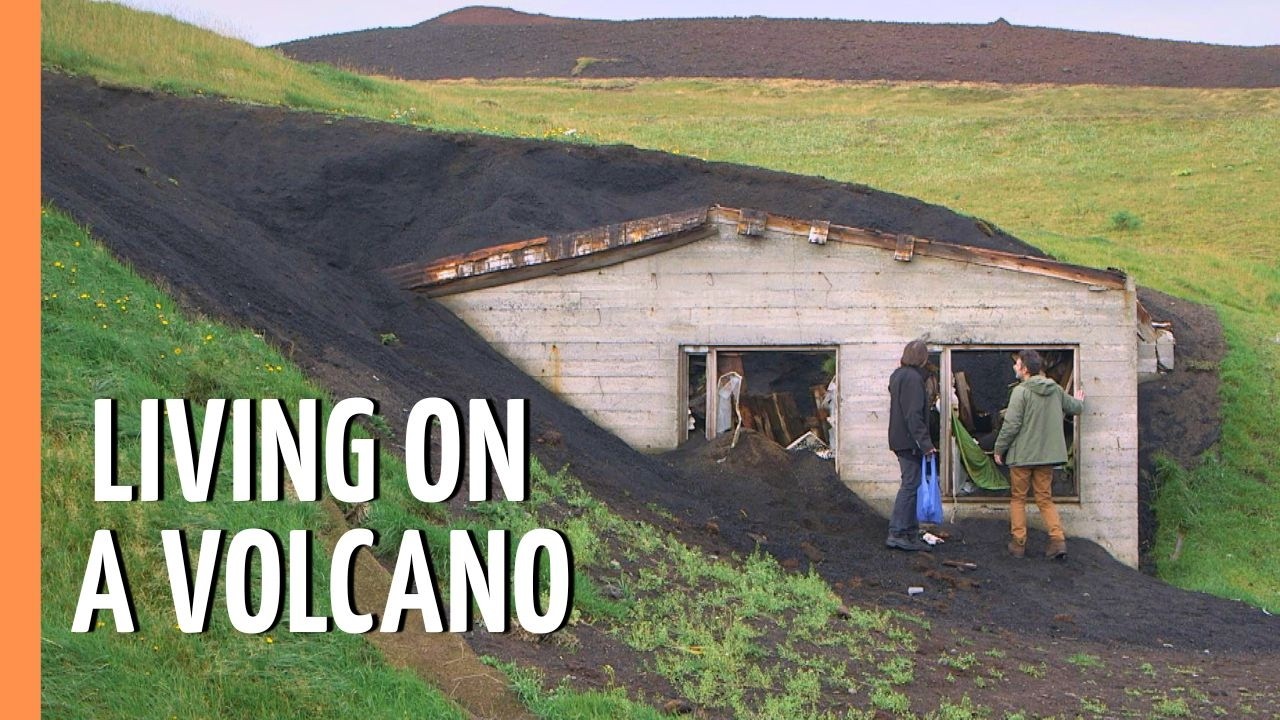
Heimaey, the only inhabited island in the Vestmann Islands of Iceland, is home to 4,500 residents who choose to live alongside the ever-present threat of volcanic eruptions.
In Val Grande National Park, Alpine Ibex and Shamoa goats endure extreme winter conditions while local families maintain medieval traditions amidst a dynamic alpine landscape.
San Diego's wildlife conservation efforts highlight the challenges faced by endangered species like the California Condor and Pangolin, showcasing the critical role of zookeepers.
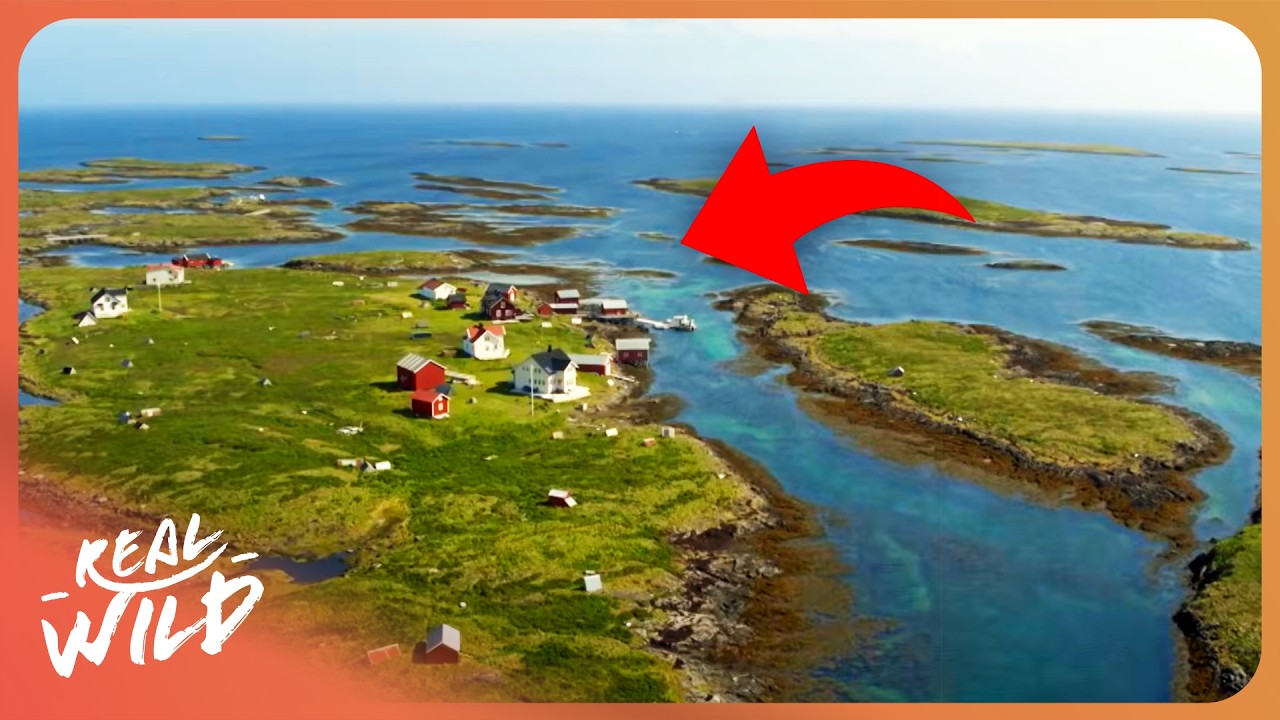
In the Vega Archipelago of northern Norway, islanders construct seaweed shelters for eider ducks, fostering a unique bond that supports both wildlife and local traditions.
Atlantic puffins in Iceland face declining populations due to hunting and environmental challenges, prompting local conservation teams to rescue stranded chicks.
Multinationals' claims of achieving 'net zero' often rely on questionable carbon offsetting practices, raising concerns about greenwashing and environmental impact.
The Boteti Channel in Botswana has not received flood water for seven years, forcing hippos and local communities to rely on dwindling resources.
America's public lands encompass approximately 614 million acres, representing 25% of the nation's soil and raising ongoing debates about their use and protection.
Microbiologist Jennifer Gardy examines the scientific significance of feces, revealing its potential insights into health, environmental monitoring, and sustainable technology.
Arctic National Wildlife Refuge, believed to hold vast oil reserves, faces environmental concerns and political debates over drilling rights and conservation.
Greenland's stunning landscapes and resilient communities face urgent challenges from climate change, as vanishing glaciers and shifting ecosystems reshape the environment.
Inle Lake, a vital ecosystem in Myanmar, faces ecological threats from modern agricultural practices as local farmers use pesticides and fertilizers on floating gardens.
Wrangel Island, a UNESCO World Heritage Site in the Russian Arctic, hosts a unique ecosystem with around 400 female polar bears and numerous endemic species, now threatened by climate change.
Banded kraits, revered and feared in Southeast Asia, are studied by herpetologist Nick during an expedition in Thailand's bat-filled caves and local waterways.
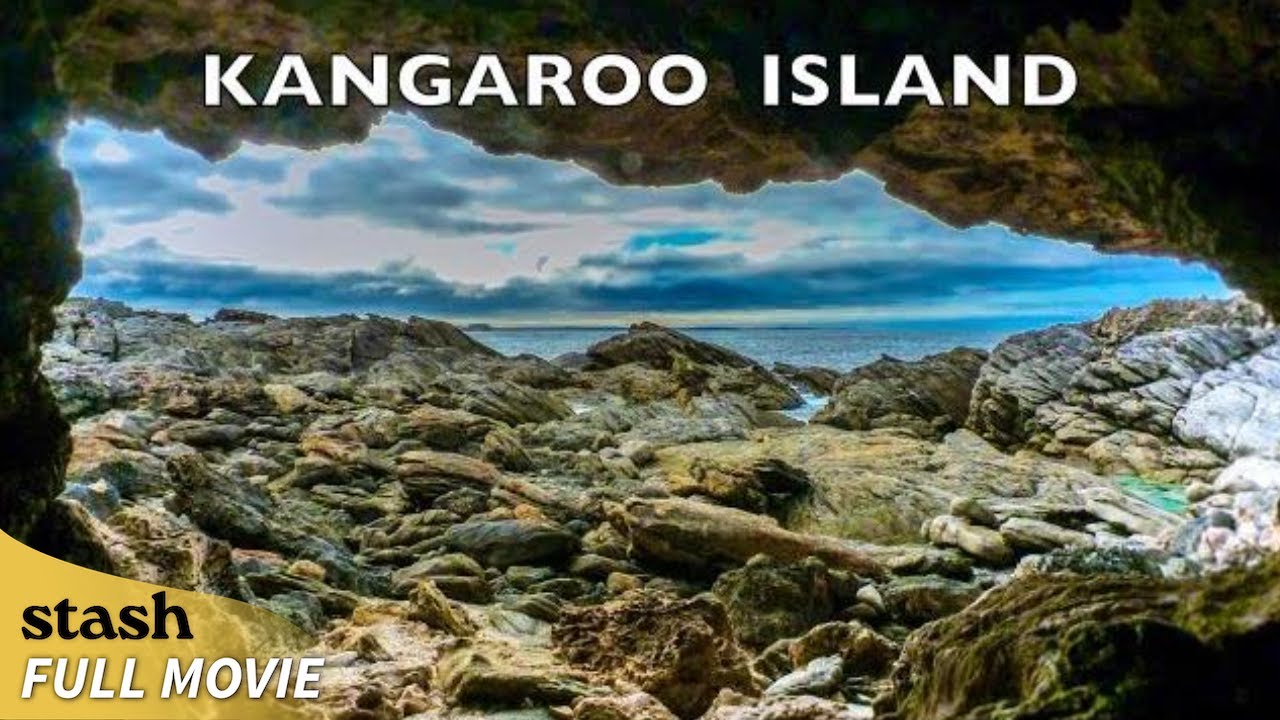
Kangaroo Island, an Australian destination known for its pristine beaches and diverse wildlife, showcases extraordinary landscapes through stunning photography and narration.
On December 14, 1990, the cargo ship Rosso washed ashore in Calabria, revealing a history of toxic waste trafficking linked to organized crime.
Pierre Girard investigates how integrating cows and sheep into sustainable agriculture can enhance crop yields and reduce carbon emissions in farming practices.
Sir David Attenborough celebrates his 100th birthday in 2026, reflecting on his influential career in natural history broadcasting and conservation efforts.
Giant manta rays in the Socorro Archipelago are studied by biologists using satellite tracking and DNA sampling to combat threats from gill netting and poaching.
Dr. Ruth Patrick received the National Medal of Science in 1996 for her work on freshwater ecology and the effects of pollution on river systems.
In the sub-Arctic town of Dawson City, Yukon, a diverse group of farmers cultivates crops in the harsh boreal forest, showcasing their resilience and connection to the land.
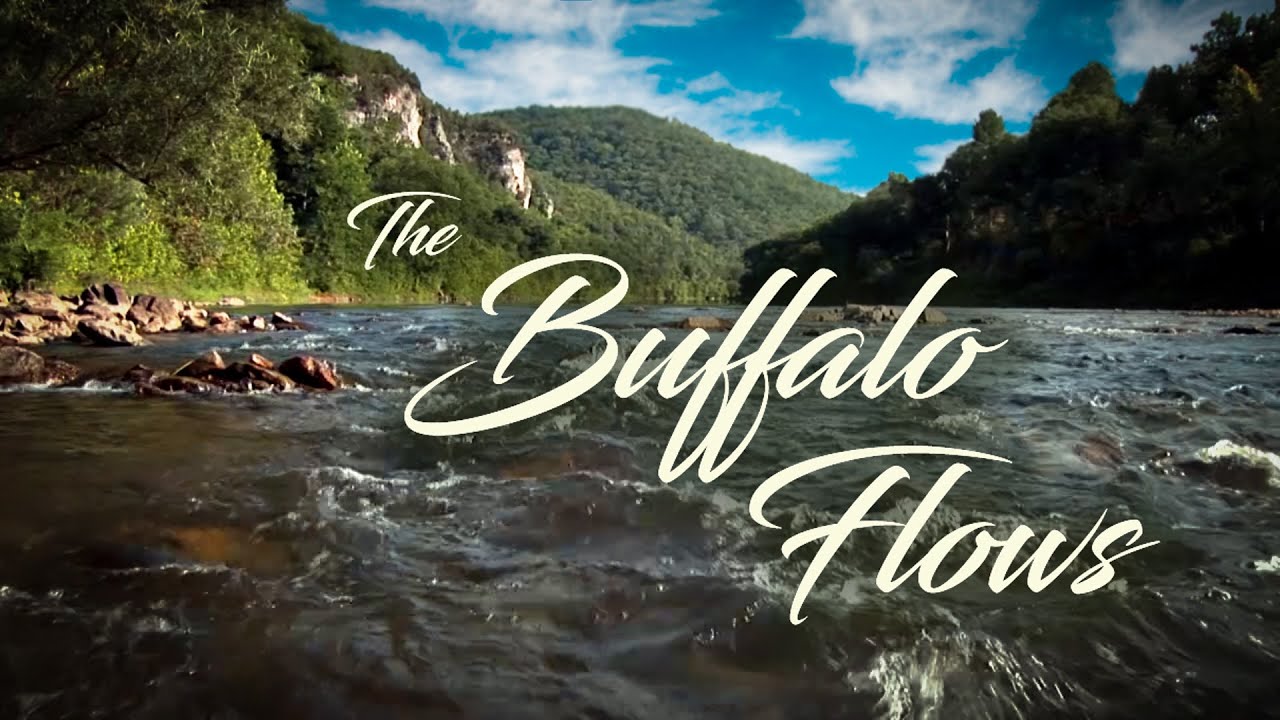
In the Ozarks, environmental advocates successfully fought to protect the Buffalo River, a 135-mile stream renowned for its canoeing and natural beauty.