From over 100,000 films, discover the handful you'll love.
Free or premium access to the world's largest documentary library.
7535 films(Page 73 of 157)
Shark populations have declined by more than 90% globally due to overfishing, but the Bahamas has outlawed all forms of commercial shark fishing since 2011.
Florida's diverse landscapes, from the Everglades to Miami's beaches and theme parks, are showcased through aerial views and cultural insights.
In northern Manitoba, a mother polar bear teaches her cub survival skills amid extreme temperatures and threats from starving adult males.
In Antarctica, the newest generation of polar inhabitants faces extreme temperatures and relentless winds as they adapt to one of the planet's harshest environments.
Germany's exit from nuclear energy in 2022 raises critical issues surrounding the management of radioactive waste and the lengthy dismantling of aging power plants.
Innovative technologies and sustainable practices are reshaping industries worldwide, demonstrating that economic growth can coexist with environmental responsibility.
Investors are increasingly prioritizing sustainability, aiming to reshape business and finance to combat the rapid effects of global warming.
Pacific oysters (Crassostrea gigas) have proliferated in the Wadden Sea, displacing native blue mussels (Mytilus edulis) and challenging local fishing industries.
In Katmai National Park, Alaska, rare blue-tinted glacier bears and elusive white ghost bears inhabit a landscape dominated by brown bears.
A family traveled to ten countries over five years to examine how different cultures perceive and interact with wilderness and wild nature.
New Zealand's Kakapo parrot, once thought extinct, faces ongoing threats from invasive species and disease, prompting urgent conservation efforts to ensure its survival.
Time travel theories, the social structures of skunks, and nuclear waste management are examined through scientific and environmental lenses.
In the vast landscapes of the Masai Mara and Kalahari Desert, baby animals like cheetah cubs and hippo calves navigate the challenges of survival in Africa.
In the dairy industry, male calves are often seen as by-products, but a farmer, researcher, and butcher are promoting sustainable livestock farming by raising them in meadows and mountain pastures.
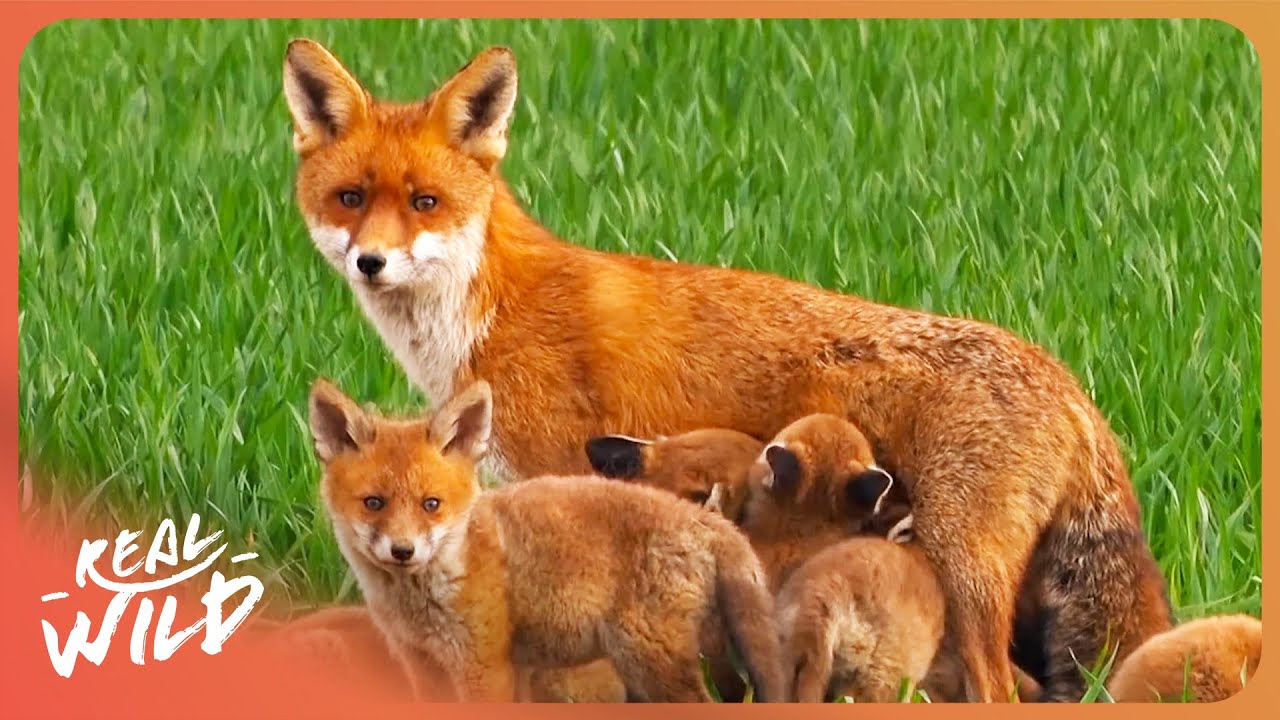
In the Swiss Alps and Russian birch forests, young wildlife face the challenges of survival as they transition from playful youngsters to dominant predators.
In the Florida Everglades, ancient apex predators like alligators and crocodiles face competition from invasive Burmese pythons, threatening the delicate ecosystem's balance.
In Quebec, ordinary citizens mobilize to challenge oil companies and halt the expansion of pipelines, highlighting the accessibility of power in democratic processes.
Animal courtship strategies are examined, highlighting various techniques from displays of beauty to elaborate rituals and even aggressive behaviors to attract mates.
Two researchers from the Paris Natural History Museum retrace the steps of polar explorer Jean-Baptiste Charcot in Greenland, examining Arctic marine life and climate change impacts.
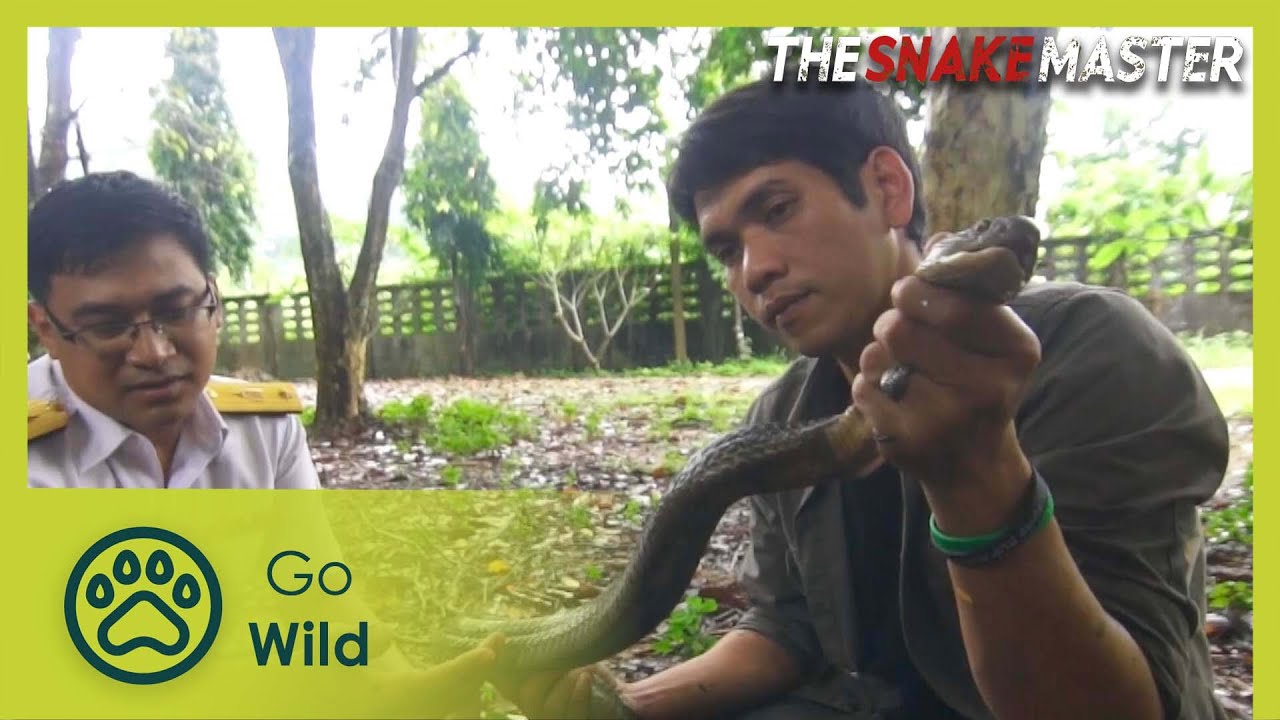
In southern Thailand, herpetologist Professor Montri Sumontha guides Nick into an ancient cave where they encounter a nest of pythons while searching for beauty rat snakes.
In Suriname, conservationist Monique Pool works to rehabilitate Kesha, a two-fingered sloth, amid the threats of illegal wildlife trafficking and habitat loss.
Animal communities rely on teamwork and hierarchical structures for survival, demonstrating that unity is essential for both predators and prey.
In Oymyakon, Siberia, children like eight-year-old Aljosha navigate extreme cold, attending school in temperatures that can drop below minus 65° Celsius.
In the Himalayas, acro-pilots Horacio Llorens and Veso Ovcharov attempt a world record by performing 281 full revolutions during a 5,300-meter plunge.
Some of the world's most dangerous animals are small creatures that have evolved lethal toxins for hunting and defense, including venomous plants and immune species.
Indoor environments host a surprising array of wildlife, from insects to microbes, showcasing the complex ecosystem that thrives alongside humans.
In Malawi's Phirilongwe mountains, American pastor Kurt Dahlin leads a community effort to build a road that will enable access to clean drinking water.
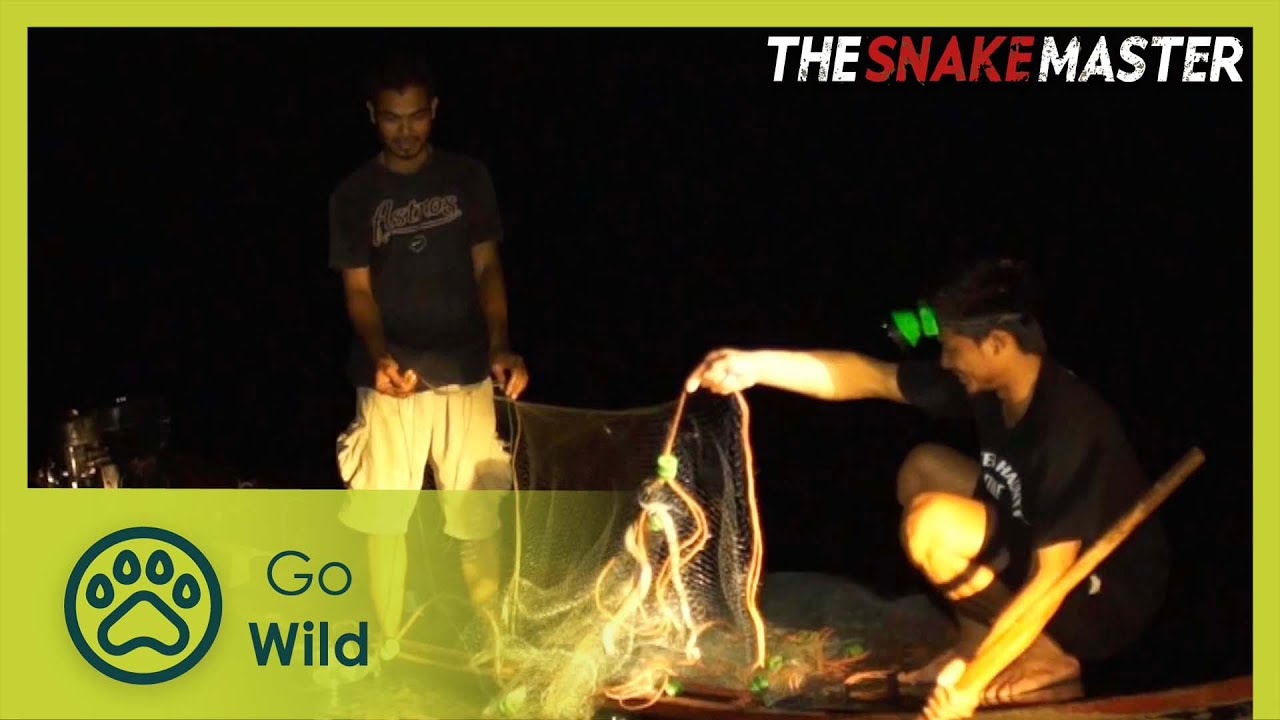
Nick Nirut explores the coastal waters of Ranong, Thailand, in search of various native snake species, including the dog-faced water snake.
Beavers, weighing just 30kg, may hold the key to solving Las Vegas' looming water crisis as Lake Mead faces unprecedented low levels.
Acid mine drainage in South Africa's Witbank region has led to severe environmental pollution and health risks, prompting local farmers to confront mining companies.
Bee populations are declining due to Colony Collapse Disorder, pesticides, and habitat loss, threatening global food security and ecosystems.
Stefan Frey, a diving master and underwater welder from Hamburg, coordinates complex underwater construction tasks in northern Germany under time pressure.
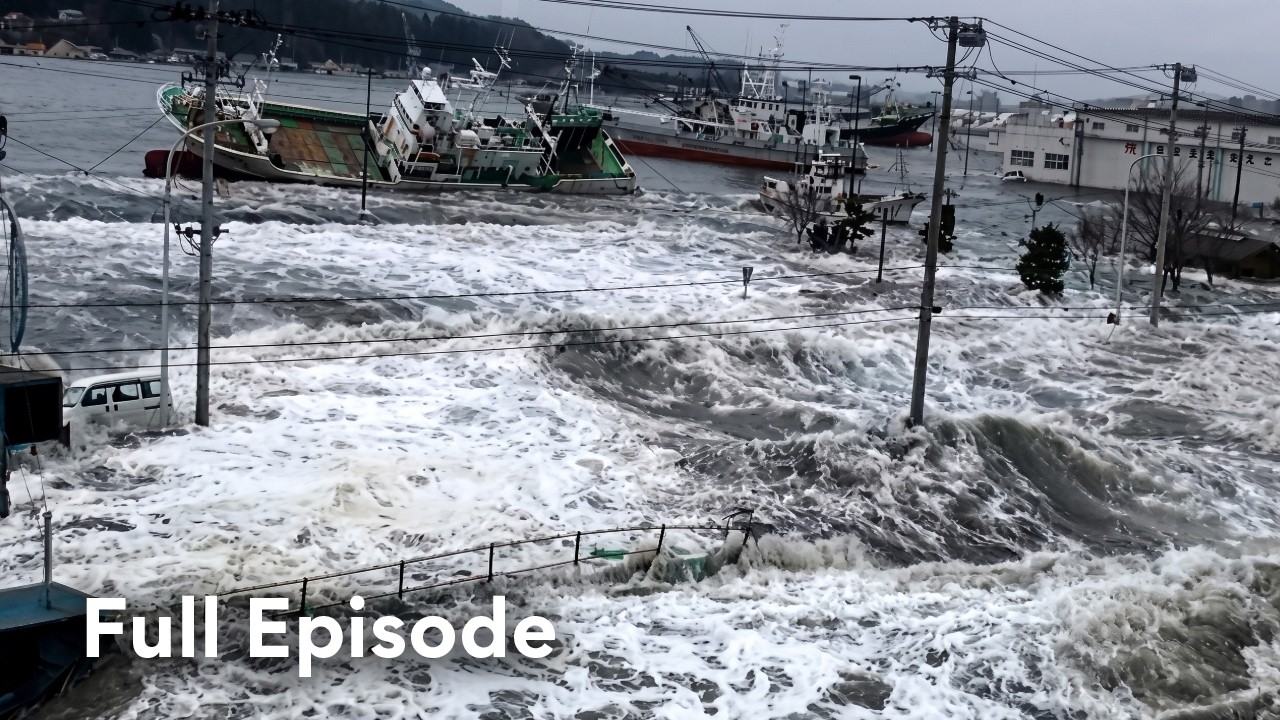
Survivors of tsunamis in Japan, Thailand, Indonesia, and California recount their experiences while researchers explain the science and technology behind these oceanic disasters.
Frac sand mining in rural communities has surged due to increased demand from fracking operators, leading to conflicts among neighbors over this valuable resource.
Paradise, California, devastated by the Camp Fire in November 2018, lost 18,000 buildings and 85 lives, highlighting the ongoing challenges of wildfire recovery.
In the Anthropocene epoch, Simon Beaulieu's film essay explores humanity's response to climate change and information overload through a sensory experience.
Only 3% of clothing sold in the United States is now made domestically, with the remaining 97% produced in developing countries.
In the majestic wilderness of the Alps, golden eagles navigate their territory while competing with the formidable bearded vulture for survival.
Villagers in Turkey rally against an Australian mining company, fighting to protect their land and water from the toxic impacts of gold extraction.
In Belarus, Norway, and Japan, communities continue to navigate life in contaminated territories decades after the Chernobyl and Fukushima nuclear disasters.
Vesuvius, with a history of 30 eruptions and a population of over 3 million in its vicinity, poses a catastrophic risk due to inadequate urban planning and evacuation routes.
Homo sapiens' impact on global biodiversity is examined alongside technological solutions like genome editing and synthetic biology for wildlife conservation.
Greenland's changing environment is explored through Stewart McPherson's expedition, highlighting the effects of climate change on its wildlife, landscapes, and communities.
Mount Etna, Europe's largest volcano, shapes the fertile agricultural landscape of Catania, where local communities adapt to its eruptions while cultivating renowned oranges and wines.
In Louisiana, Indigenous women like Cherri Foytlin and Sharon Lavigne mobilize against fossil fuel companies to protect their land and way of life.
Venice faces a precarious future as it sinks by 6mm annually, exacerbated by frequent flooding that challenges the city's enduring bond with the sea.
Frontline leaders worldwide risk their lives to advocate for climate action, highlighting the urgent need for a sustainable future amid escalating environmental crises.
In the United States, the aging power grid faces modernization challenges that require collaboration among the utility, auto, tech, and defense industries to enhance energy security and environmental performance.