From over 100,000 films, discover the handful you'll love.
Free or premium access to the world's largest documentary library.
7535 films(Page 116 of 157)
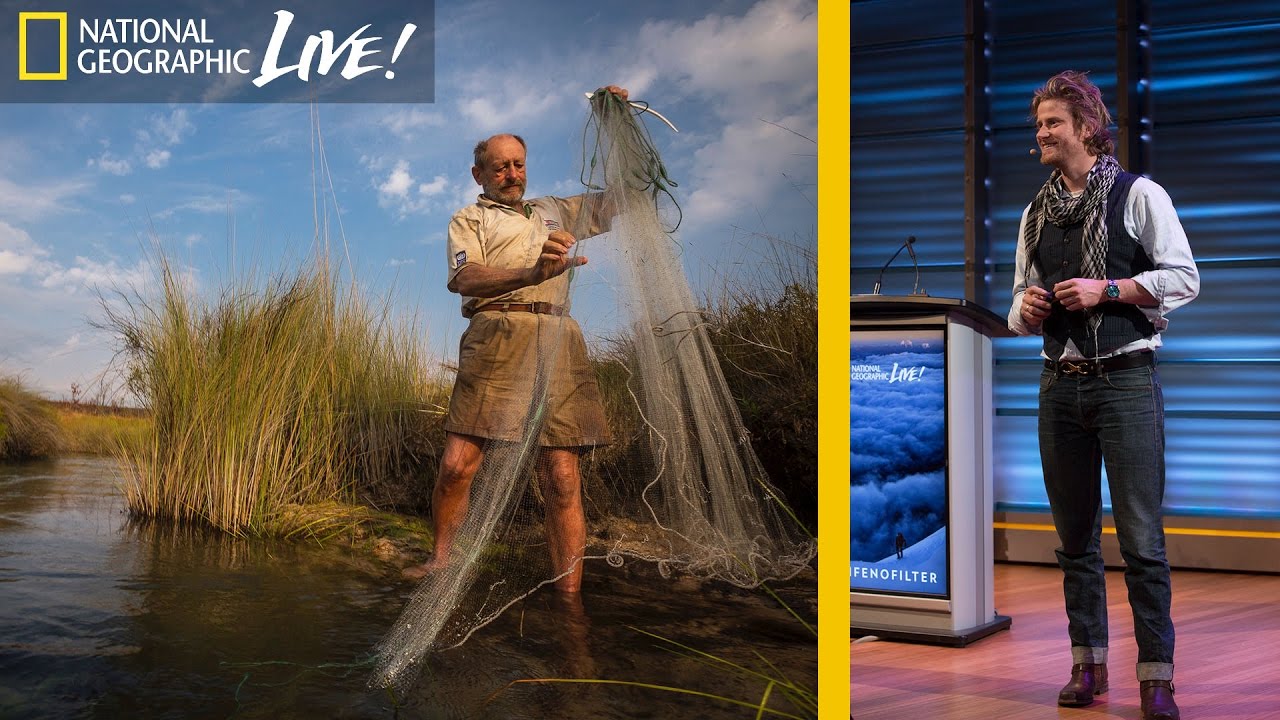
In Botswana's Okavango River, conservationist Steve Boyes travels over 200 miles in dugout canoes to track and preserve the region's endangered wildlife.
In several African countries, foreign investment in agriculture has enhanced infrastructure and living standards while also causing environmental harm and threatening small farms.
11 cubic kilometers of water flood the Okavango delta each year, a vital ecosystem for southern Africa, as Cory Richards navigates his recovery from PTSD.
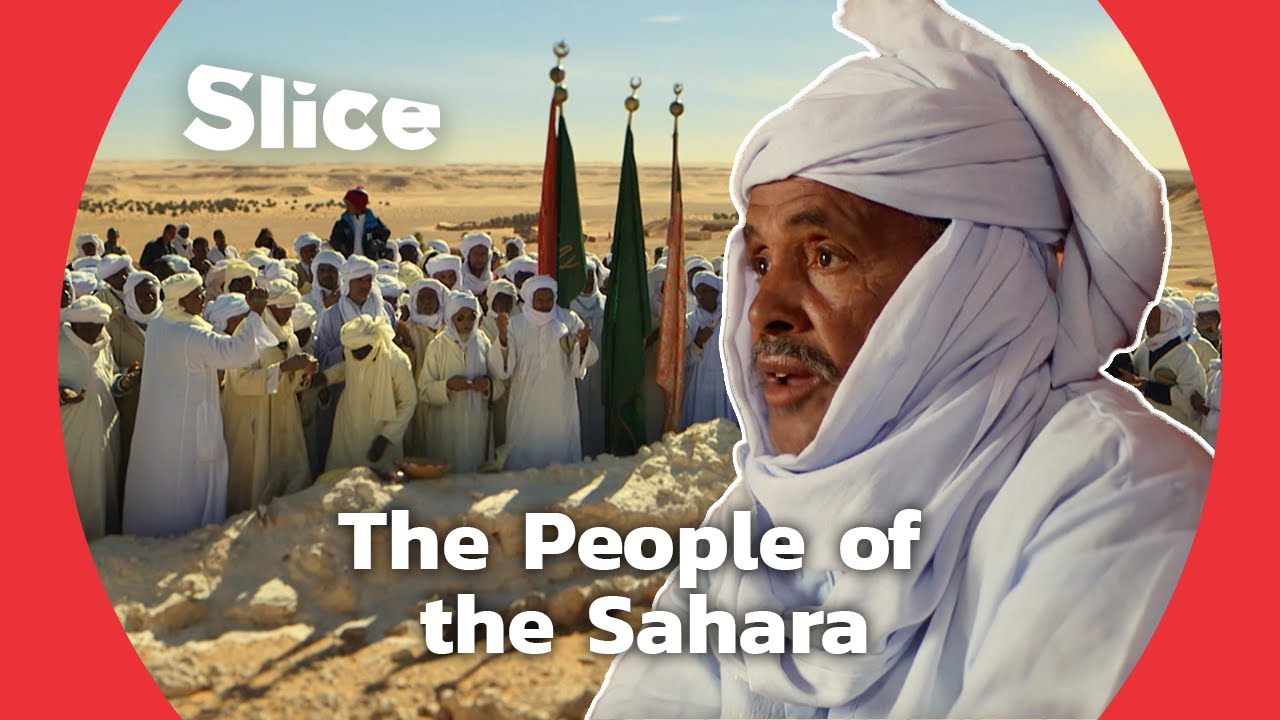
Berber culture thrives in southern Algeria's Timimoun oasis, where traditional foggaras irrigation systems face challenges from modern techniques.
Four unproven survivalists attempt a 21-day challenge in the wilds of South Africa, divided into teams of men and women.
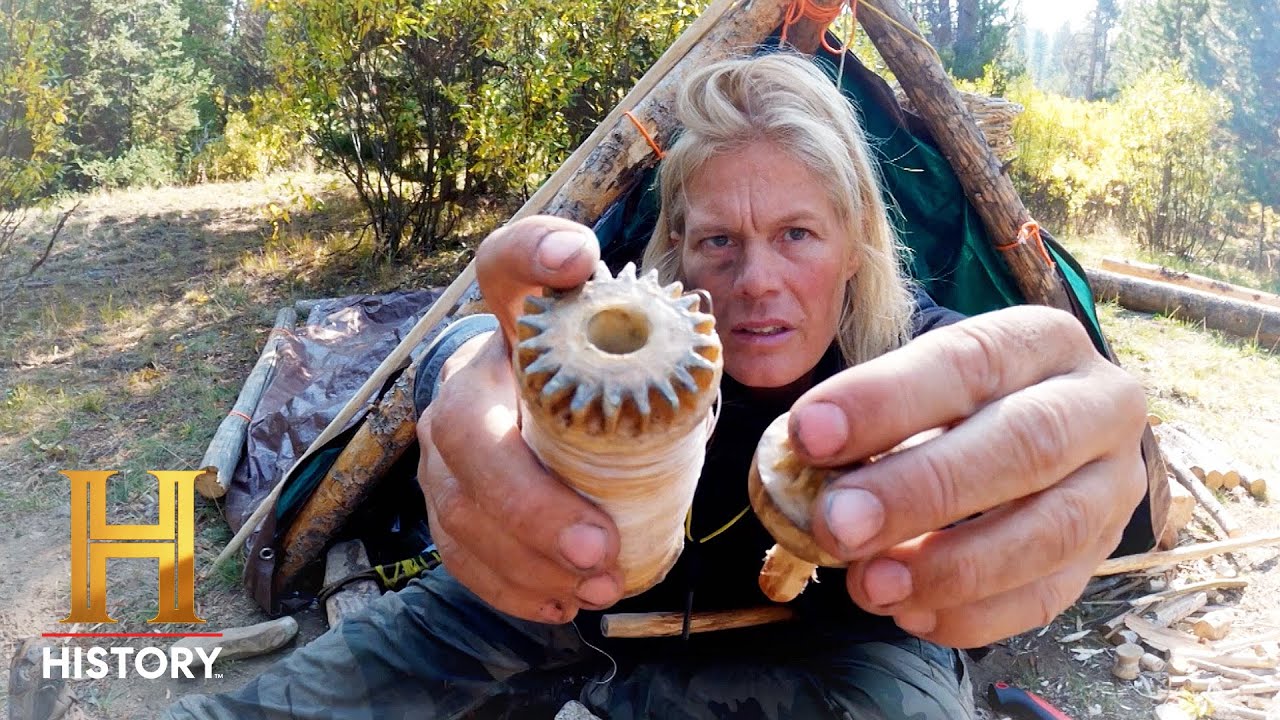
Jodi, a competitor in Season 10 of Alone, outlines her survival strategy and log cabin construction plan while demonstrating resilience after a serious injury.
The Aare River, Switzerland's longest river, flows from the Bernese Alps to the Rhine, showcasing a diverse and rich natural environment along its course.
Rising sea levels are already causing population displacement, especially in Japan.
Orcas, known for their intelligence and social behavior, exhibit complex hunting techniques, including coordinated attacks on sea lions and strategic interactions with fishing boats.
Only around 350 Siberian tigers remain in the wild, prompting filmmakers to capture the release of one orphaned cub back into its natural habitat.
Fifty contestants compete in the Miss Earth USA pageant, where environmental advocacy and personal challenges intersect in Orlando, Florida.
In 2020, renewable energy sources in the United States surpassed coal in energy production for the first time, highlighting a significant shift in the energy landscape.
The Raneys build an automated homestead for a firefighting couple in Alaska.
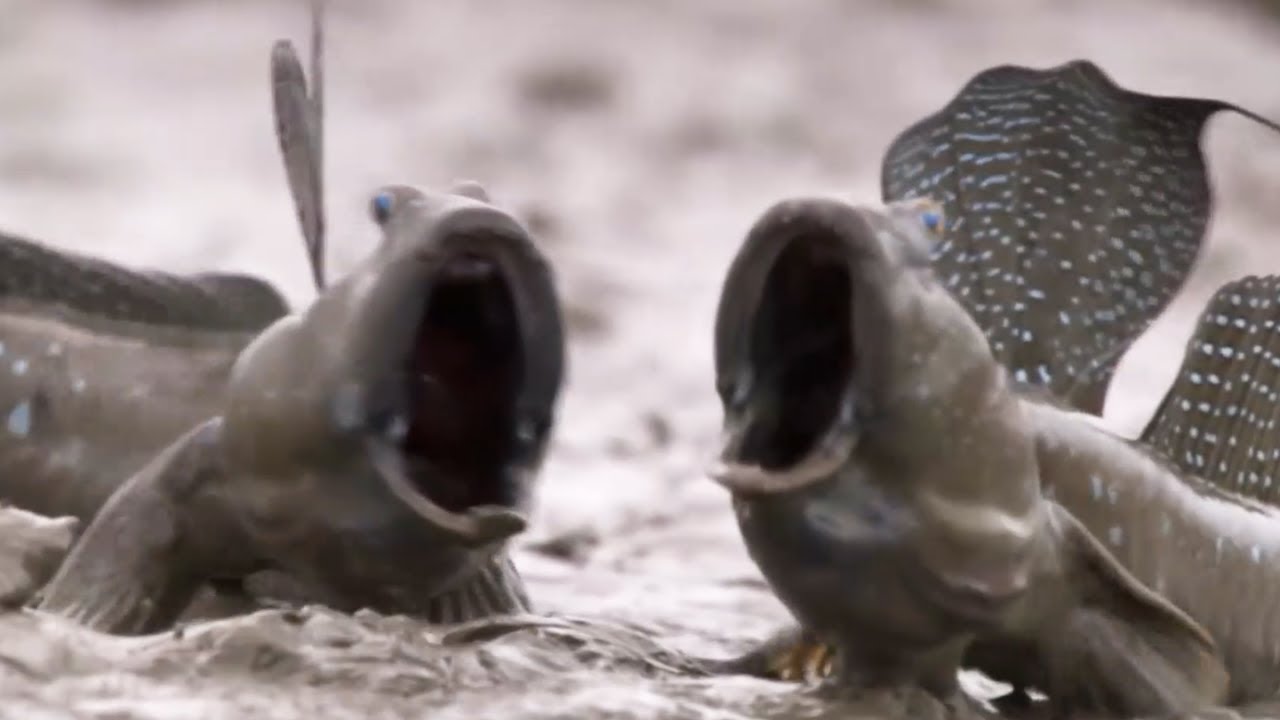
In the Ganges, giant Asian honeybees pollinate mangrove flowers while mudskippers consume detritus left by receding waters, highlighting the river's unique ecosystem.
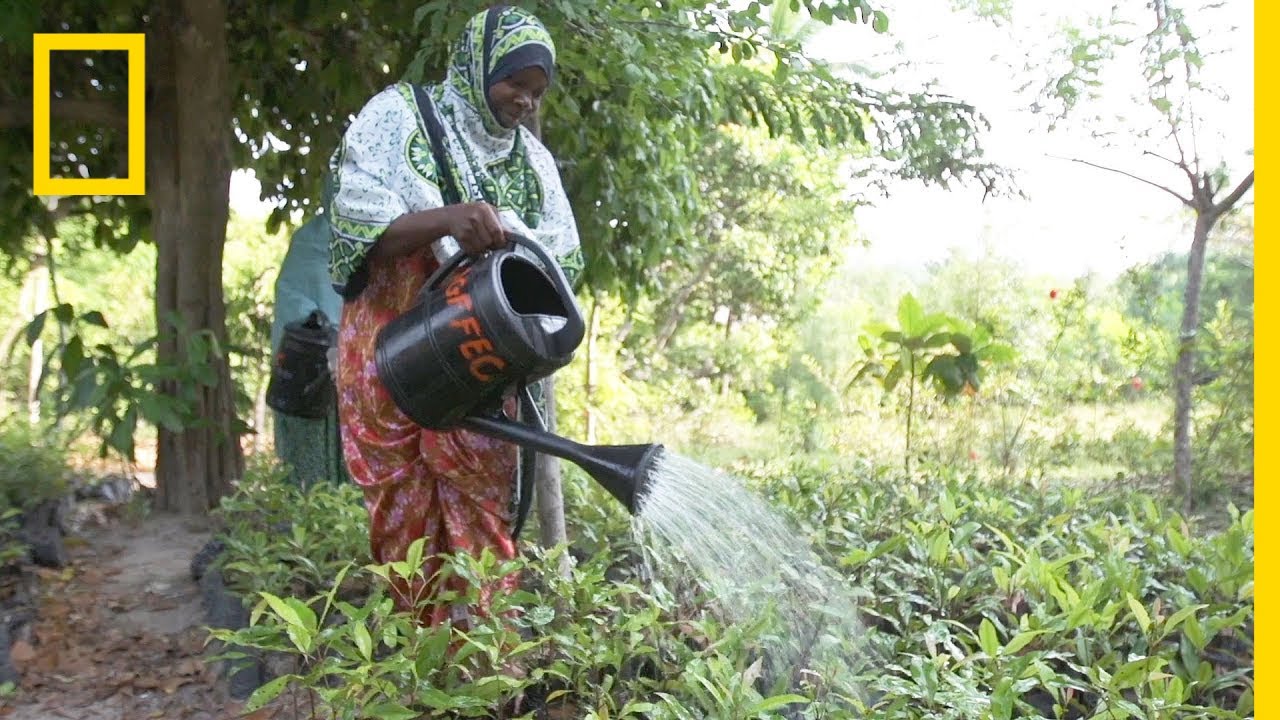
In one year, local residents grew 100,000 seedlings on Kokota, a tiny islet in the Zanzibar archipelago, to combat deforestation and climate change.
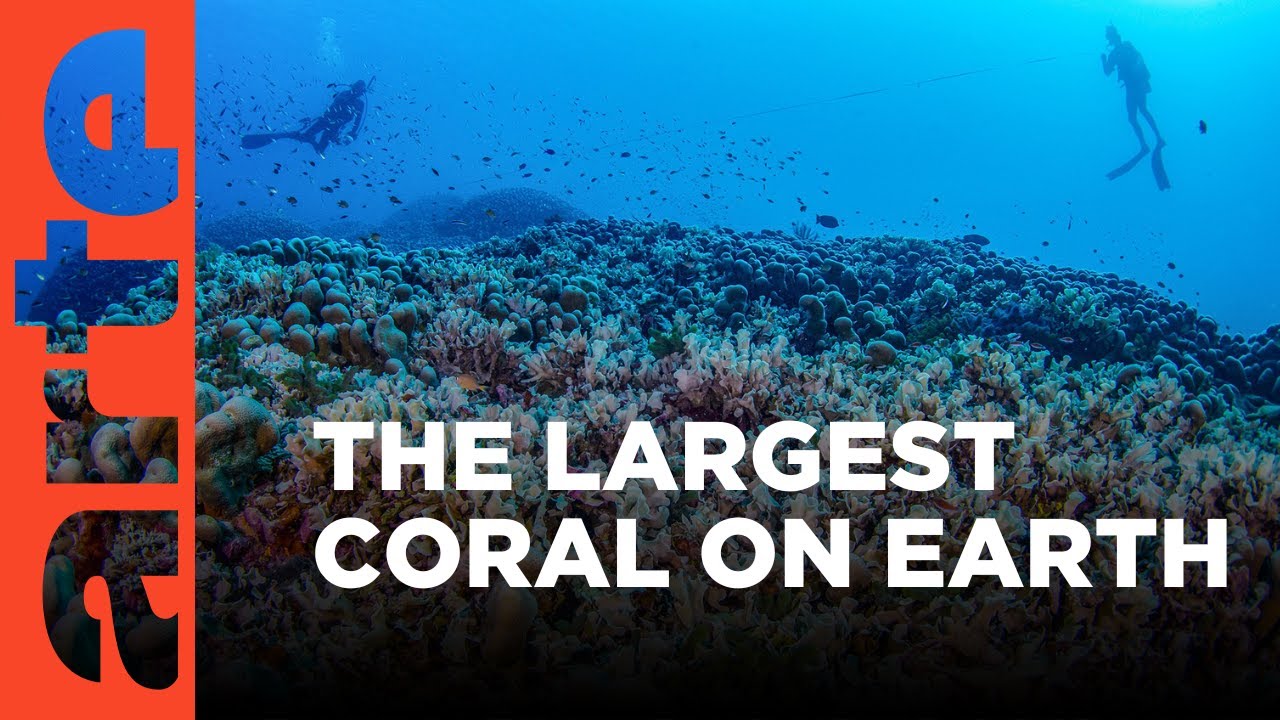
In October 2024, photographer and marine biologist Manu San Félix documents the discovery of the largest coral ever found in the South Pacific.
In the Okavango Delta, big cats are observed in their natural habitat through a 360-degree immersive experience showcasing their behaviors and interactions.
Andrea Marshall's research on manta rays reveals critical insights into the behavior and ecology of these ocean giants, contributing to marine conservation efforts.
In Erindi Game Reserve, Namibia, wildlife expert Steve Leonard explores the behaviors and habitats of hyenas and rhinos in their natural environment.
Female lions typically give birth to a litter of two to four cubs after a gestation period of about 100 days.
In Canada, recent scientific advancements are being implemented to enhance forest conservation, including transforming Newfoundland bogs and inoculating Ontario elms against pests.
Up to 40,000 king penguins gather on South Georgia's beaches during the Antarctic summer to breed and raise their young.
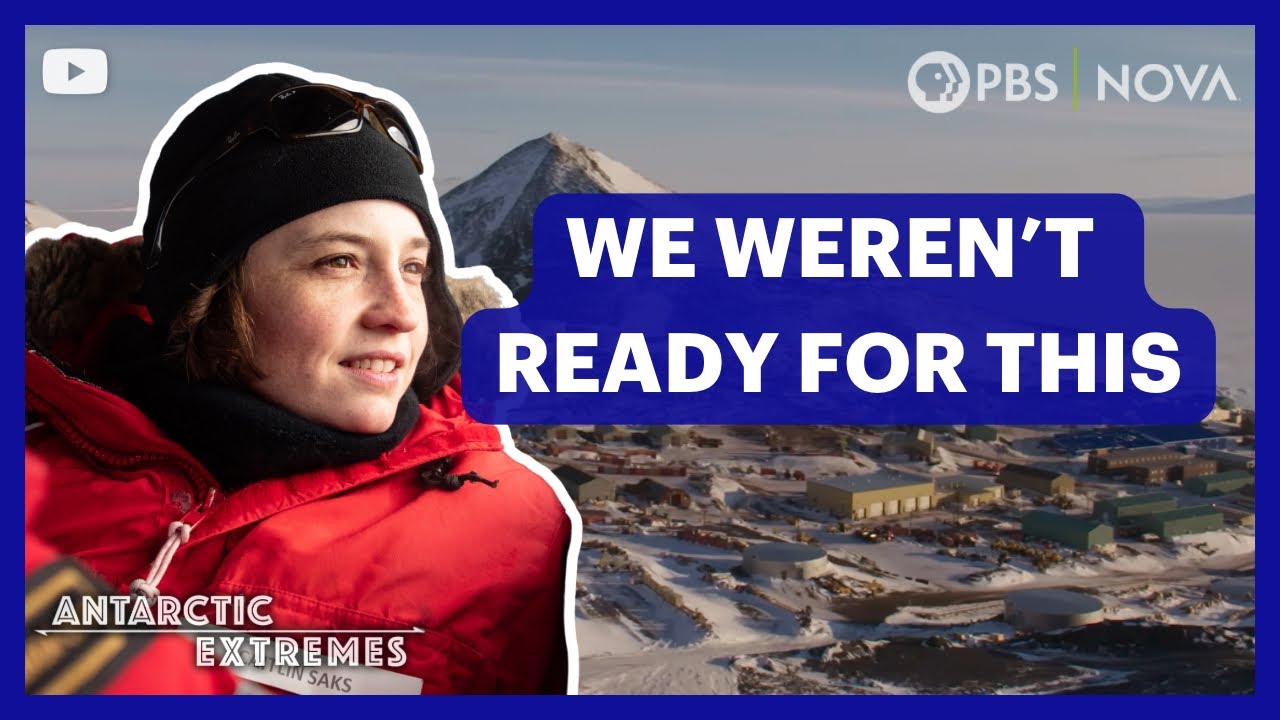
In Antarctica, hosts Caitlin Saks and Arlo Pérez undergo survival training and explore the unique research environment of McMurdo Station while documenting scientific endeavors.
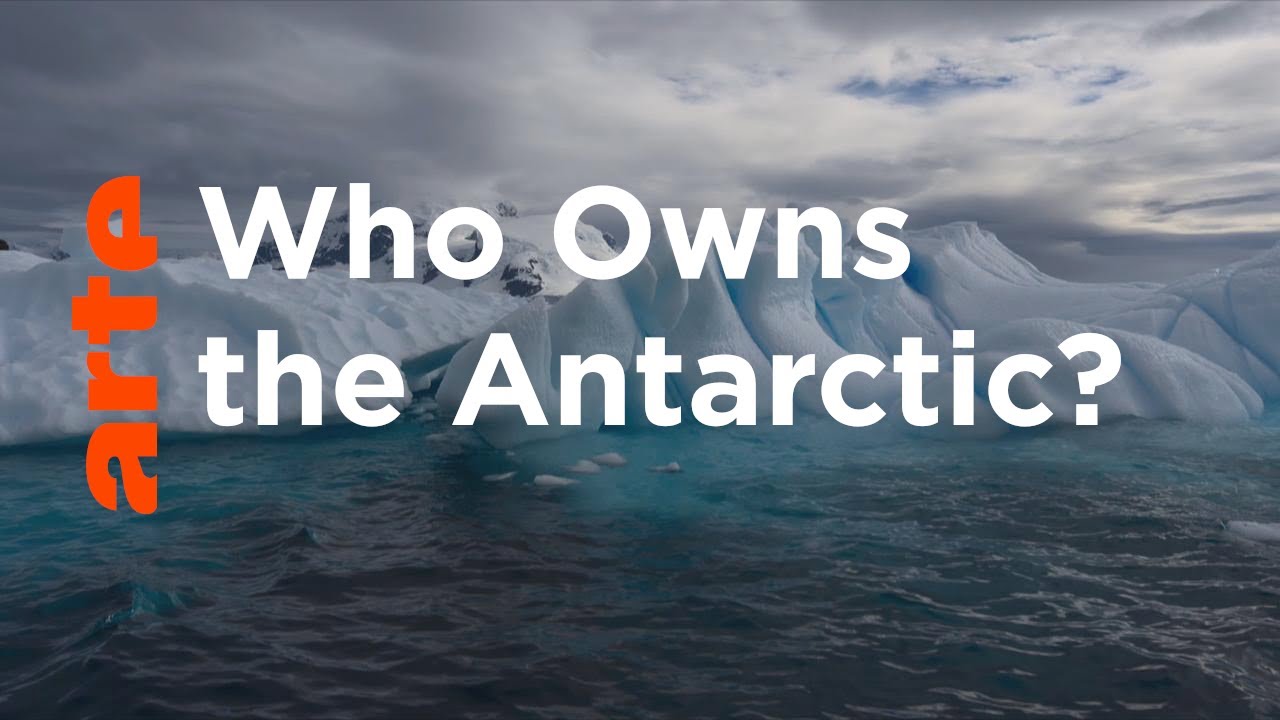
Antarctica's unique governance under international law faces challenges from geopolitical interests of nations like the United States, Russia, and China amid climate change threats.
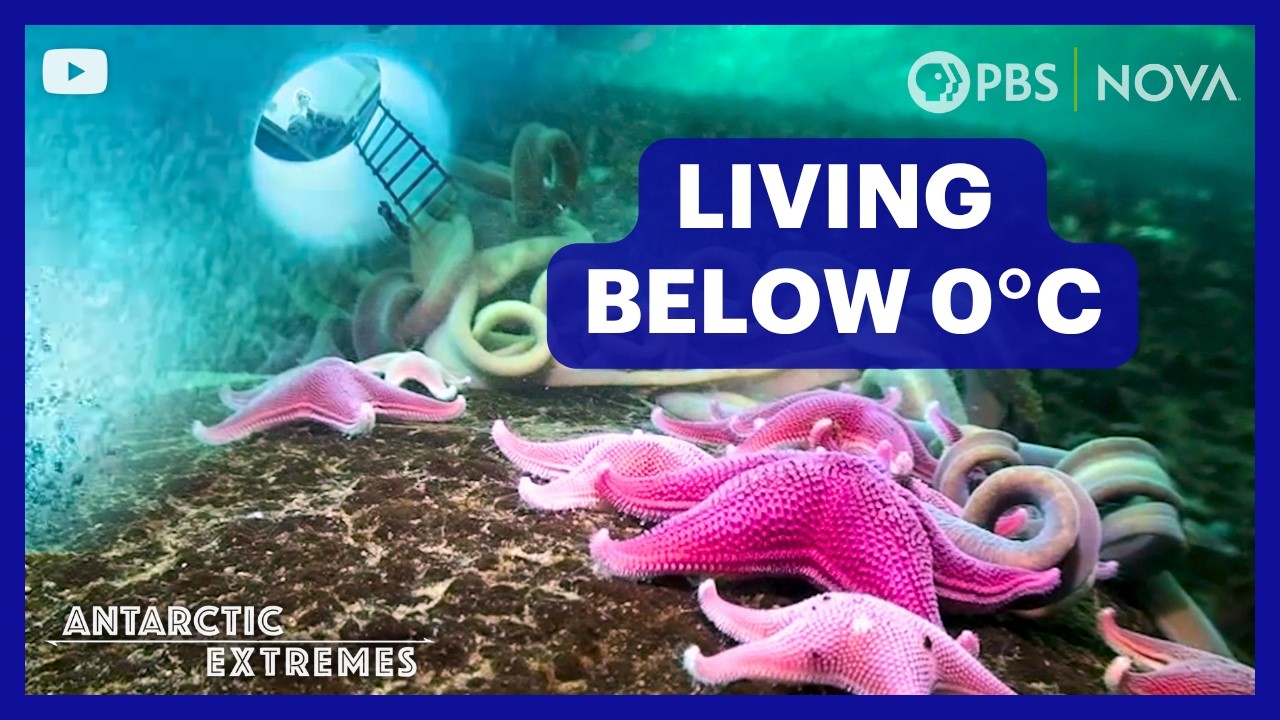
Antarctica's underwater ecosystem features unique species like ancient sponges, gigantic jellyfish, and notothenioid fishes that thrive in sub-zero waters.
Frogs and crabs adapt to land environments, developing unique traits for hunting, mating, and survival as they transition from aquatic habitats.
Defoliation levels caused by pine processionary caterpillars can reach as high as 100%, leading to the death of adult pine trees within a month.
Male humpback whales are known for their complex songs, which they can memorize and share among their species, highlighting their unique communication abilities.
Bren Smith, a former fisherman, advocates for regenerative ocean farming as a sustainable solution to food production and climate change challenges.
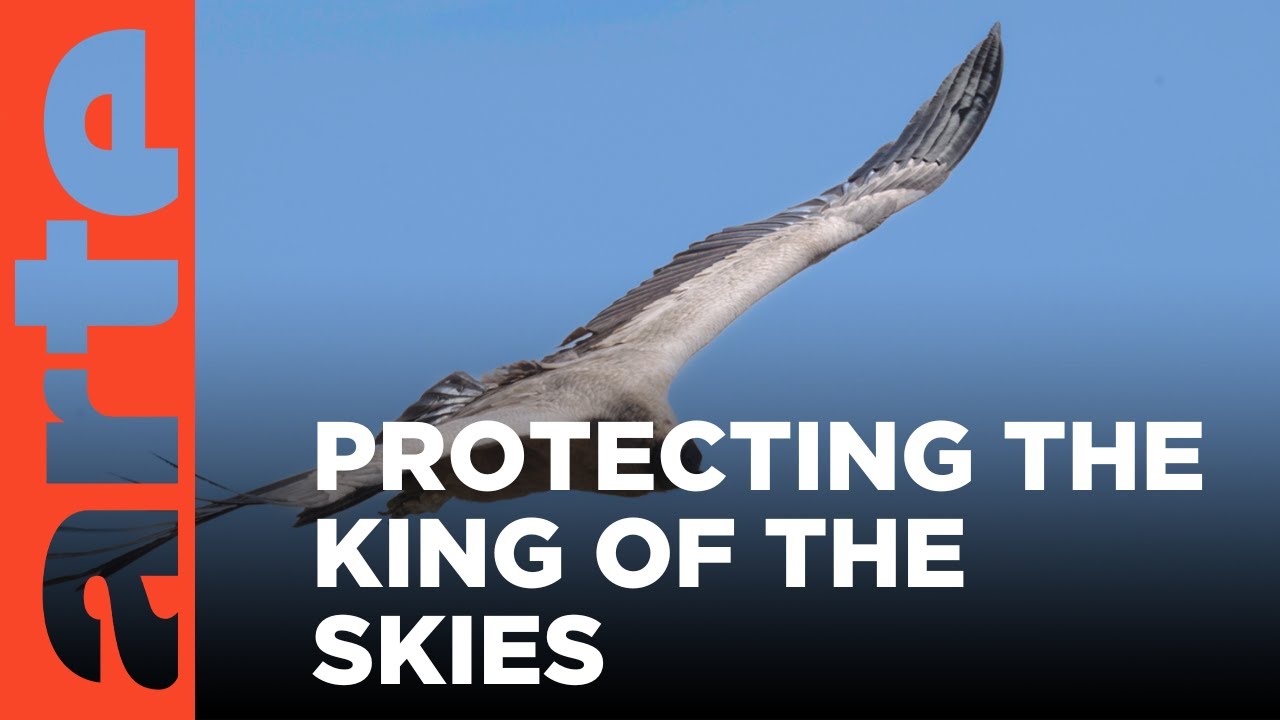
Biologist Luis Jácome investigates the conservation efforts for the critically endangered Andean Condor along the Andes Mountain Range in Argentina.
Relaxing deep sea sights and sounds from 's OceanXplorers provide a tranquil escape for viewers seeking to alleviate stress and anxiety.
Creative conservationist Asher Jay uses her art to advocate for the protection of wildlife, addressing issues like blood ivory and endangered big cats.
Artist and activist Asher Jay employs creative concepts and striking designs to highlight the severe impacts of wildlife trafficking on global ecosystems.
Auroville's community, founded in 1968, now includes around 2,000 residents who practice sustainable living and reject property ownership.
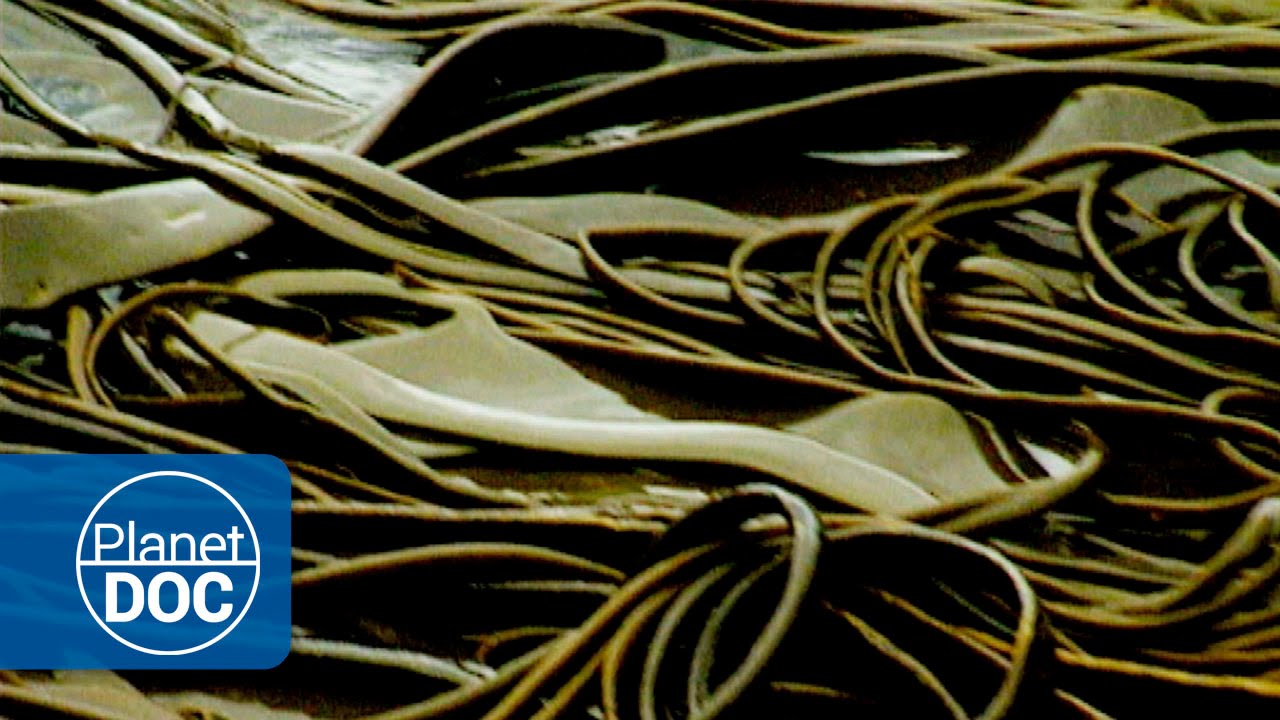
Brown algae form veritable kelp forests, providing safe breeding grounds for seals and sea lions.
This Spanish video details Australia's human history and its ecological impact since 50,000 years ago.
Northeast Australia features the Great Barrier Reef, a vital ecosystem formed by millions of corals.
Australia's southern waters connect its past with the Antarctic and support diverse marine life.
Wittenoom, an Australian ghost town, became uninhabitable due to severe asbestos contamination, leading to its removal from maps and public records.
In Australia, the invasive red fox has become a leading threat to native wildlife, significantly impacting ecosystems and biodiversity.
In the South Atlantic, albatross chicks being blown from their nests profoundly impacted BBC wildlife filmmaker Abigail Lees.
In Kruger National Park, orphaned baby rhinos receive critical care and protection from dedicated guardians as part of the United for Wildlife programme.
A lioness hesitates to kill a newborn wildebeest calf, which mistakenly treats her as a mother figure in the Serengeti's harsh environment.
The population of Maripasula has nearly doubled from 5,500 in 2010 to 9,700 today, intensifying the pressure on local agricultural practices and forest resources.
Latvia, Lithuania, and Estonia disconnected from the Russian electricity network on 9 February 2025, marking a significant step towards energy independence and security in Europe.
Residents of the Sundarbans work to protect their mangrove forest and coexist with Bengal tigers.
Harold Bate produces methane gas from a mixture of pig manure, poultry manure, straw, and water, powering his car with this sustainable fuel source.
Lithium ion battery recycling is examined in relation to the environmental challenges posed by the impending battery revolution.