From over 100,000 films, discover the handful you'll love.
Free or premium access to the world's largest documentary library.
7534 films(Page 8 of 157)
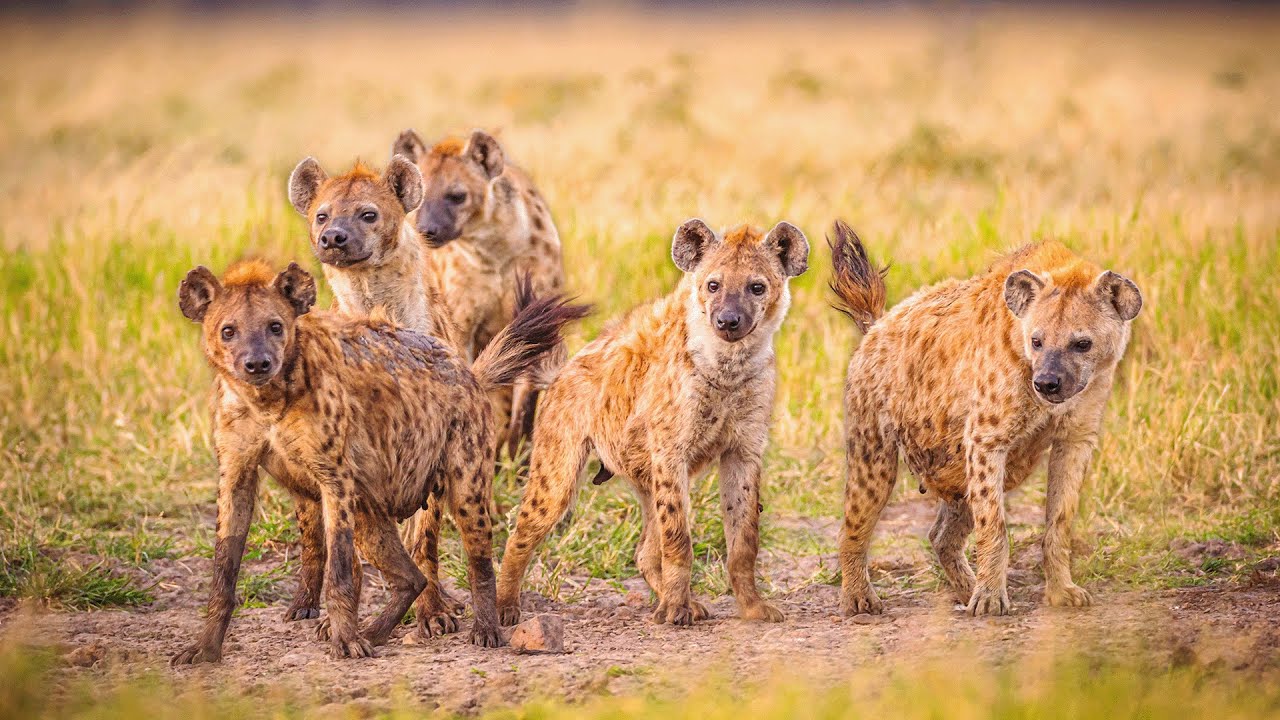
Chief's Island in Botswana spans 500 square miles and is home to endangered wild dogs that thrive in larger packs than anywhere else in Africa.
A 27.5 meter search and rescue cruiser, the Hermann Hems, operates in the North Sea, responding to emergencies in severe weather conditions.
National Park spans 244,000 acres and is home to the American bison, which weighs up to 2,000 pounds and engages in annual rutting battles.
The Tennessee Valley covers an area of 40,000 square miles, nearly as large as England, and faced severe economic challenges before the TVA's intervention.
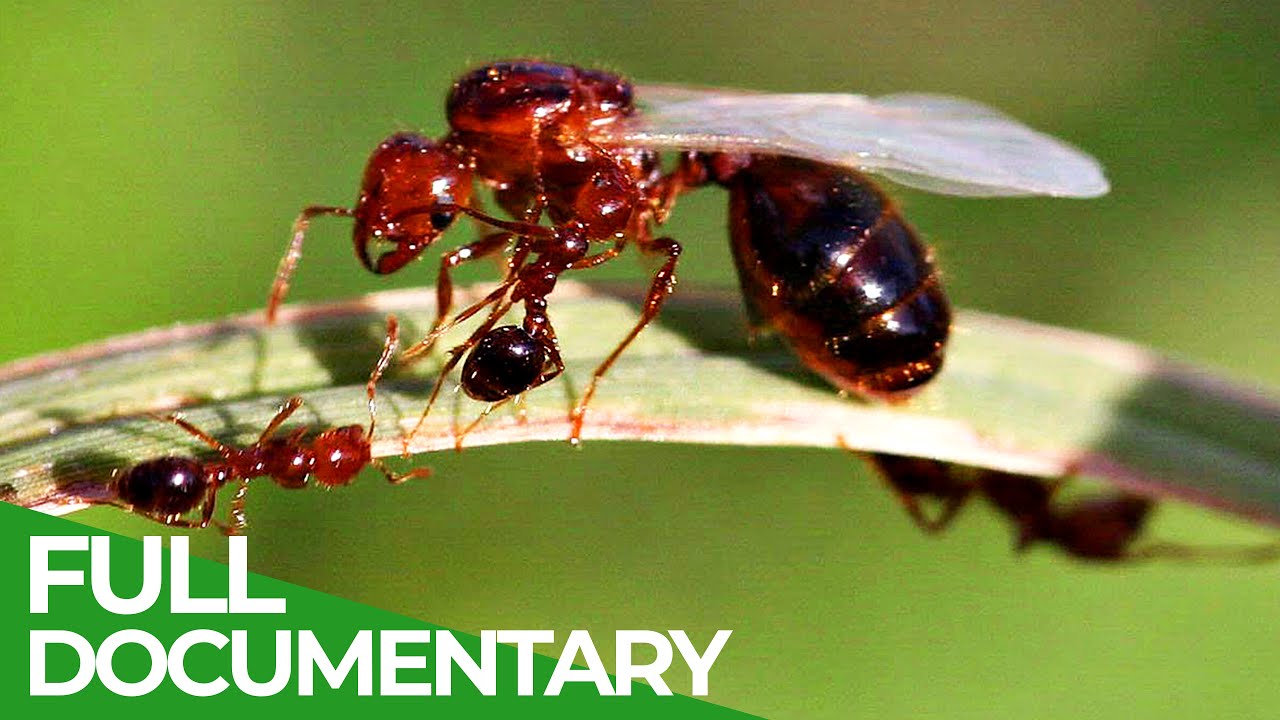
Red imported fire ants, an invasive species in the United States and other countries, cause over $5 billion in annual damages and affect millions of residents.
Fabiola Baeza-Tarin monitors the Florida Grasshopper Sparrow population, which dwindled to just over 100 birds in the wild.
Insects are facing a dramatic decline due to factors such as pesticide use and habitat loss, threatening ecosystems and food chains worldwide.
A team at Berlin's Big Rep designed a prototype electric motorcycle using 3D printing, completing it in just 12 weeks from initial sketches to finished product.
Pumas reproduce every two to three years, raising their cubs in the safety of Torres Del Paine National Park, where they face numerous survival challenges.
250,000 people in Germany lost electricity for four days during a winter storm in 2005, prompting many to consider emergency preparedness.
More than four million visitors each year are drawn to the Greater Blue Mountains, a World Heritage Area spanning over one million hectares.
In Liuwa Plain, Manyari, a lioness and queen of her pride, risks everything to protect her starving cubs from rival males threatening their survival.
In Orange County, California, the Frank R Bowerman Landfill, one of the largest in the U.S., processes thousands of tons of waste daily using advanced technology.
On May 18, 1980, Mount St. Helens erupted in Washington State, resulting in 57 fatalities and raising questions about volcanic monitoring and disaster preparedness.
Everglades National Park spans 1.5 million acres and protects a unique ecosystem that includes the only dolphins known to hunt by creating muddy nets.
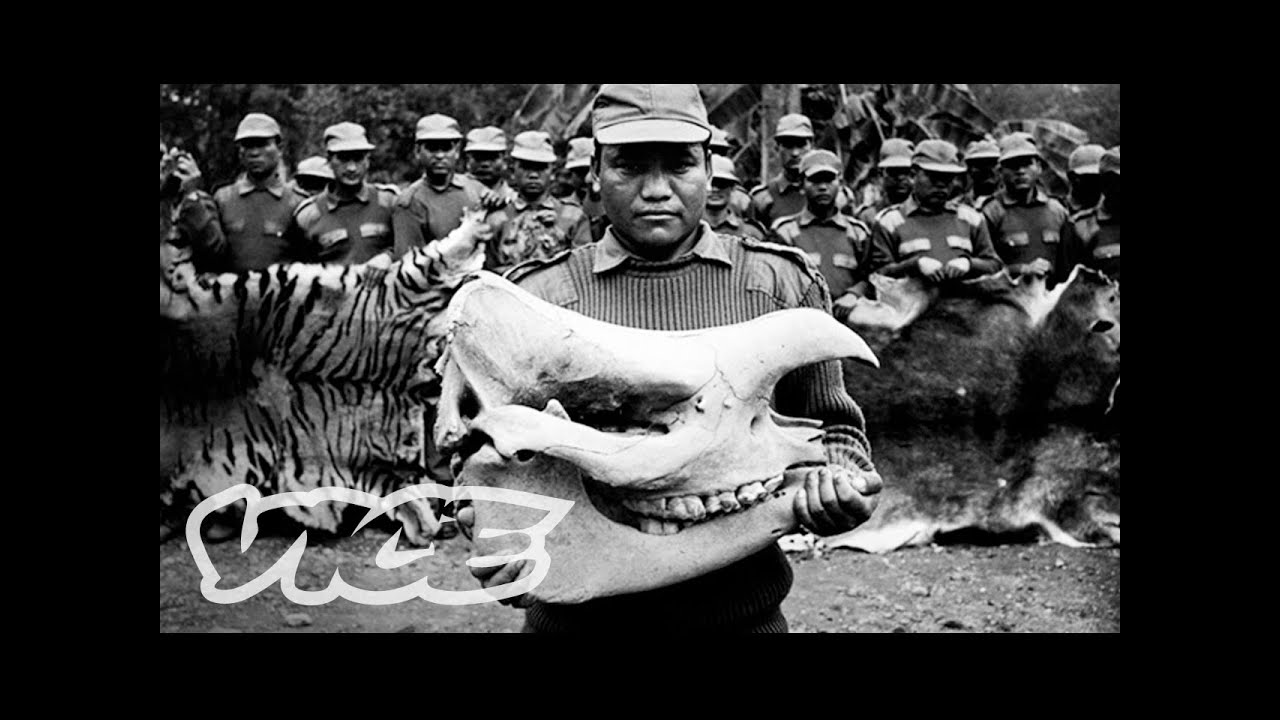
Patrick Brown's decade-long project highlights the illegal trade of endangered animals in Asia, culminating in his book, Trading to Extinction.
BBC Earth and Ocean X Media showcase a 10-hour visual experience of the serene oceanic landscapes and ice formations of the Arctic and Antarctic regions.
At least 10,000 aircraft would be needed to inject sulfur particles into the stratosphere every two years to reflect sunlight and cool the planet.
Five million visitors come to Grand Canyon National Park each year to experience its mile-deep gorge and diverse ecosystems.
More than a million Earths could fit inside the Sun, which will eventually become too hot for life, melting the planet's surface and evaporating its oceans.
A combine harvester equipped with a 12-meter header can harvest fields with precision down to the last centimeter using GPS technology.
A category five typhoon intensified from tropical storm strength in less than 24 hours, causing record-breaking flood damage in Japan.
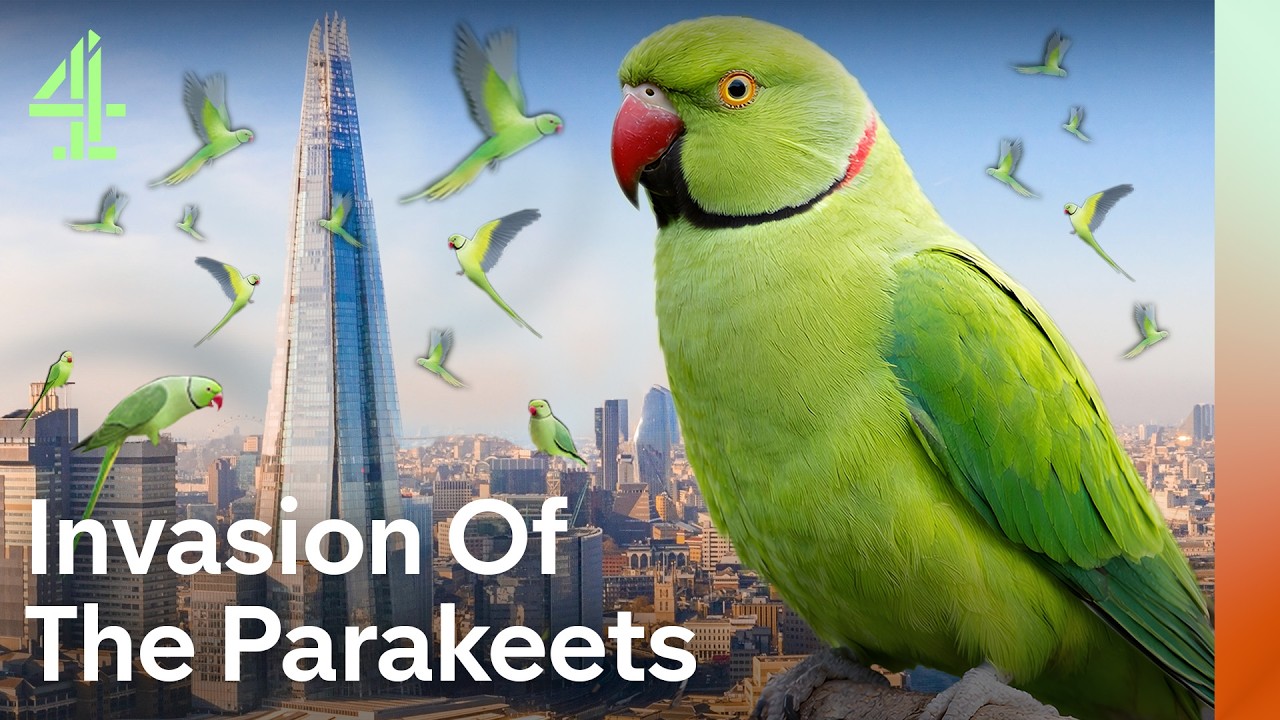
Ring-necked parakeets, now prevalent in cities like Manchester and London, spark debate over their impact on native wildlife and agriculture in Britain.
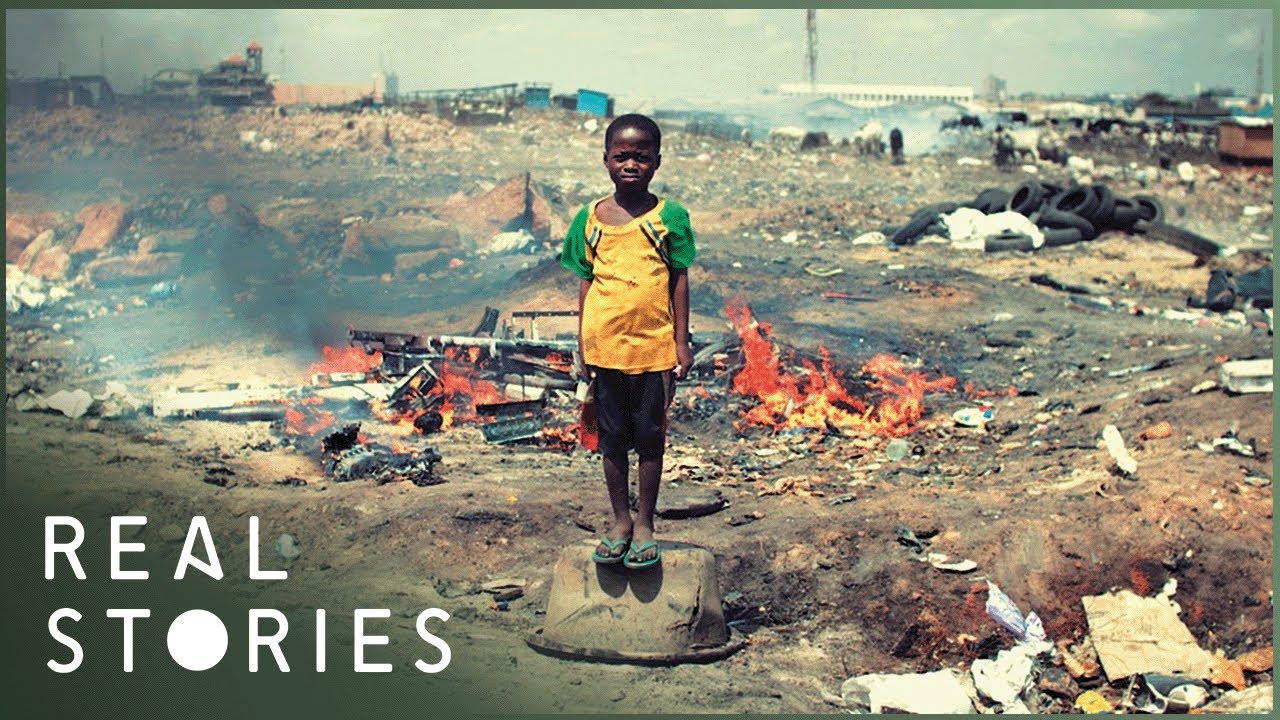
Ghana's Agbogbloshie, one of the largest electronic waste dumps globally, reveals the harsh realities faced by those working in its toxic environment.
Adam hikes to the summit of Jamaica at over 2,200 meters, a trek he has made for more than 20 years.
In Kenya's David Sheldrick Wildlife Trust, orphaned baby elephants like Olari receive care and rehabilitation as they prepare for a return to the wild.
Afaz Akand, a 75-year-old farmer in Hijli, cultivates jute, a crop that could potentially replace plastic and improve local farmers' incomes.
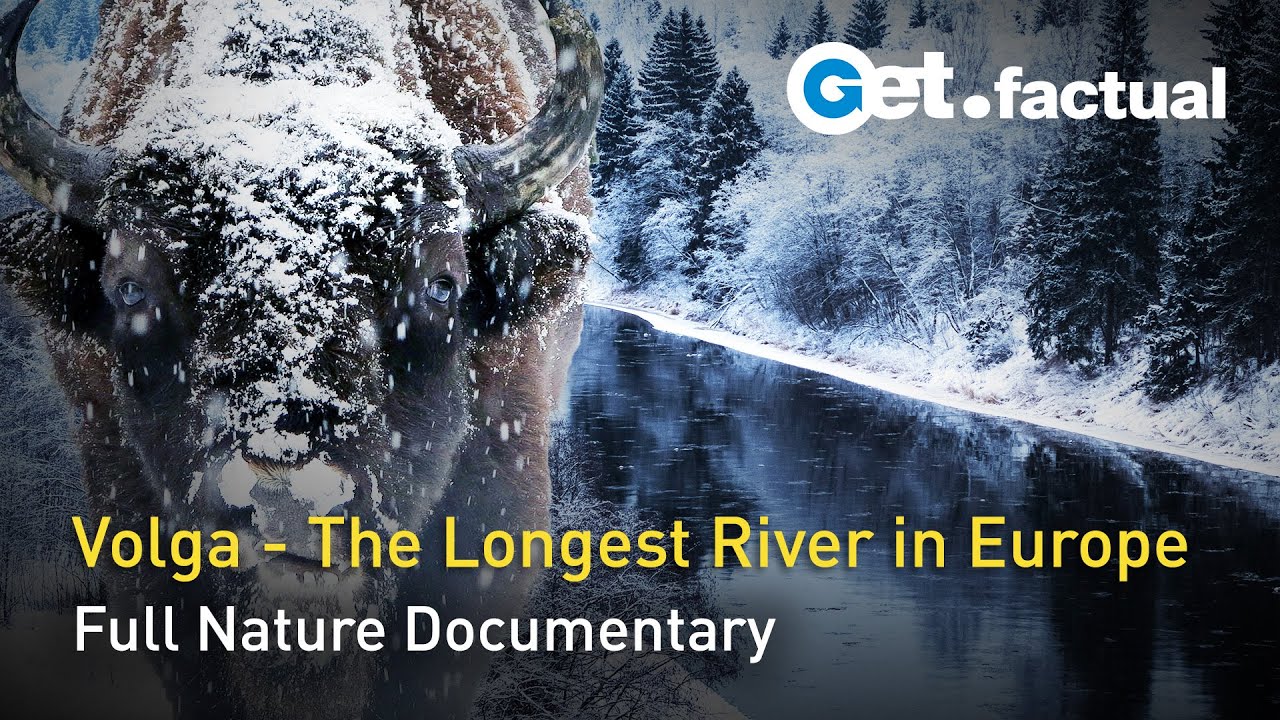
The Volga River flows 2,000 miles from its source in the Valdai hills to create the world's largest inland sea, supporting diverse wildlife along its path.
Nearly 1,000 sperm whales gather every summer off the Azores, where a team uses advanced technology to study their behavior and interactions with giant squid.
David Attenborough narrates two hours of wildlife scenes, highlighting survival struggles such as snakes hunting iguana hatchlings and fish targeting birds.
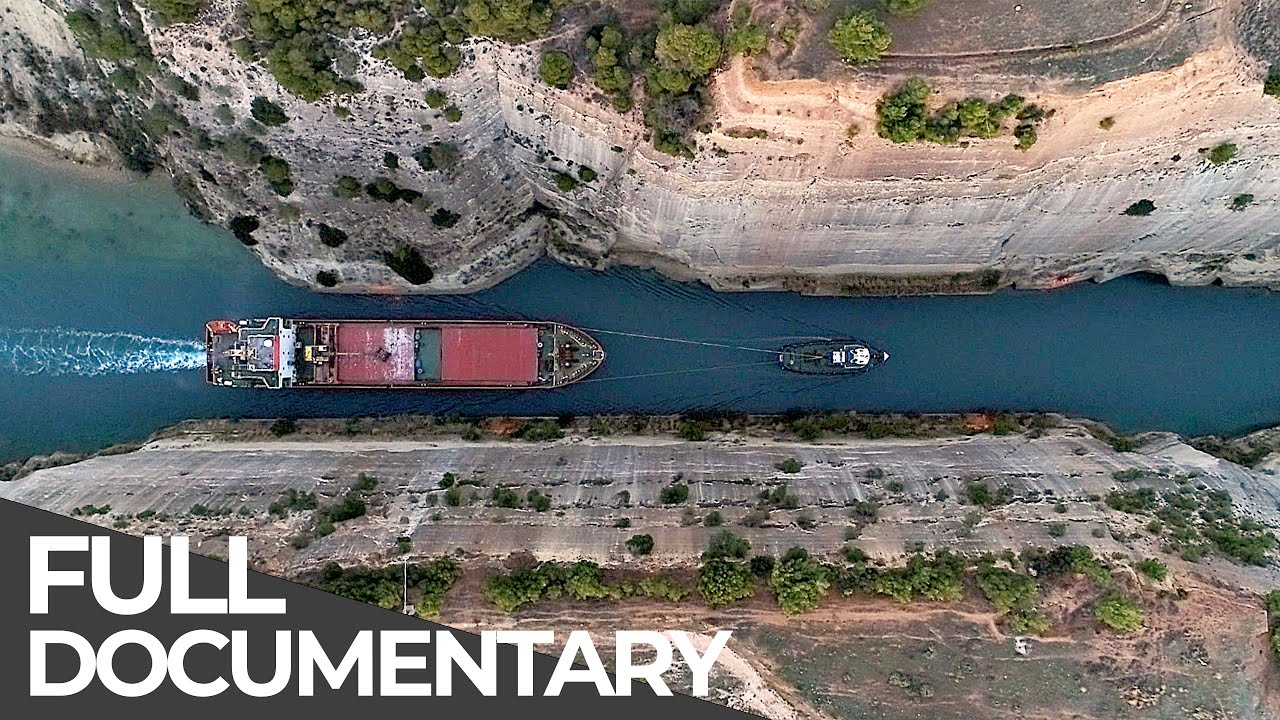
Innovative water engineering techniques are transforming landscapes and energy production through the construction of mega dams and advanced canal systems.
3 million people live on the shifting islands known as 'chars' in Bangladesh, adapting their lives to the seasonal flooding of the Jamuna River.
2,000 rivers and streams flow into the Wupper, creating a diverse ecosystem that supports wildlife such as wolves, wild boars, and red deer.
Lions can produce roars that reach volumes of 114 decibels, comparable to the sound of a rock concert.
Temperatures in the polar regions can drop as low as -120°F, creating one of the harshest environments for wildlife on Earth.
Thousands of Olive Ridley turtles arrive on the beaches of Odisha, India, each year to nest, facing threats to their habitats and survival.
Hurricane Dorian formed in the Atlantic and made landfall in the Bahamas, causing 90 mph winds and a 20-foot storm surge that devastated local communities.
Winter temperatures in Yakutsk can drop to -64°C, making it the coldest city on Earth, where 300,000 residents adapt to extreme conditions.
The fossil fuel industry’s efforts to delay climate action are examined, highlighting the U.S. oil and gas boom and the consequences of inaction on methane leaks.
New Zealand's kakapo, the world's heaviest parrot with only 154 individuals remaining, faces extinction as researchers work to preserve its dwindling population.
BBC Earth highlights key wildlife events, including the courtship of the Bird of Paradise and a chick's leap from a cliff in "Life Story."
From October to January, around 100 drivers wait for days to load their trucks with cotton, which represents about 40 percent of Benin's exports.
A bus with 20 years of service travels the Kalinga Road, which takes almost a day to cover its 90 kilometres through the Cordillera Mountains.
More than 120 mountains in the Alps rise over 13,000 feet, creating a unique environment for diverse wildlife and hidden ecosystems beneath icy surfaces.
Fewer than 300 Cross River Gorillas remain in the wild, and their extinction could occur in the next few years if conservation efforts do not improve.
In Chile, over 4,500 kilometers of diverse landscapes showcase unique wildlife moments, from cougars in Patagonia to blue whales in the ocean.
Whales exhibit complex social structures and communication methods that reveal their unique adaptations to life in the ocean.
The United States aims for a 50% reduction in greenhouse gas emissions by 2030 as part of its goal to achieve net-zero carbon emissions by 2050.