From over 100,000 films, discover the handful you'll love.
Free or premium access to the world's largest documentary library.
7535 films(Page 45 of 157)
Saliega, a female Iberian lynx, played a crucial role in a conservation project that successfully increased the population of this critically endangered species in the Iberian Peninsula.
Millions of young spiders produce gossamer flight threads to travel hundreds of kilometers in search of new habitats before winter arrives.
Laurent Soulier, a marine mammal parasitologist, aims to save humpback whale populations by studying their lice in New Caledonia's waters.
Giant Oarfish, the largest bony fish, is studied in the Mediterranean as researchers investigate its unique biology and behaviors, including self-mutilation and social interactions.
The Cat Ba langur, one of the world's most endangered primate species with only 50 individuals remaining, is the focus of an international rescue operation to ensure its survival.
In the Sonoran Desert, summer monsoons from the nearby Sea of Cortez support a rich biodiversity, including iconic saguaros and diverse marine life like blue whales.
In Louisiana swamps, Troy Landry collaborates with local experts to confront the threat posed by an invasive species known as the swamp shark.
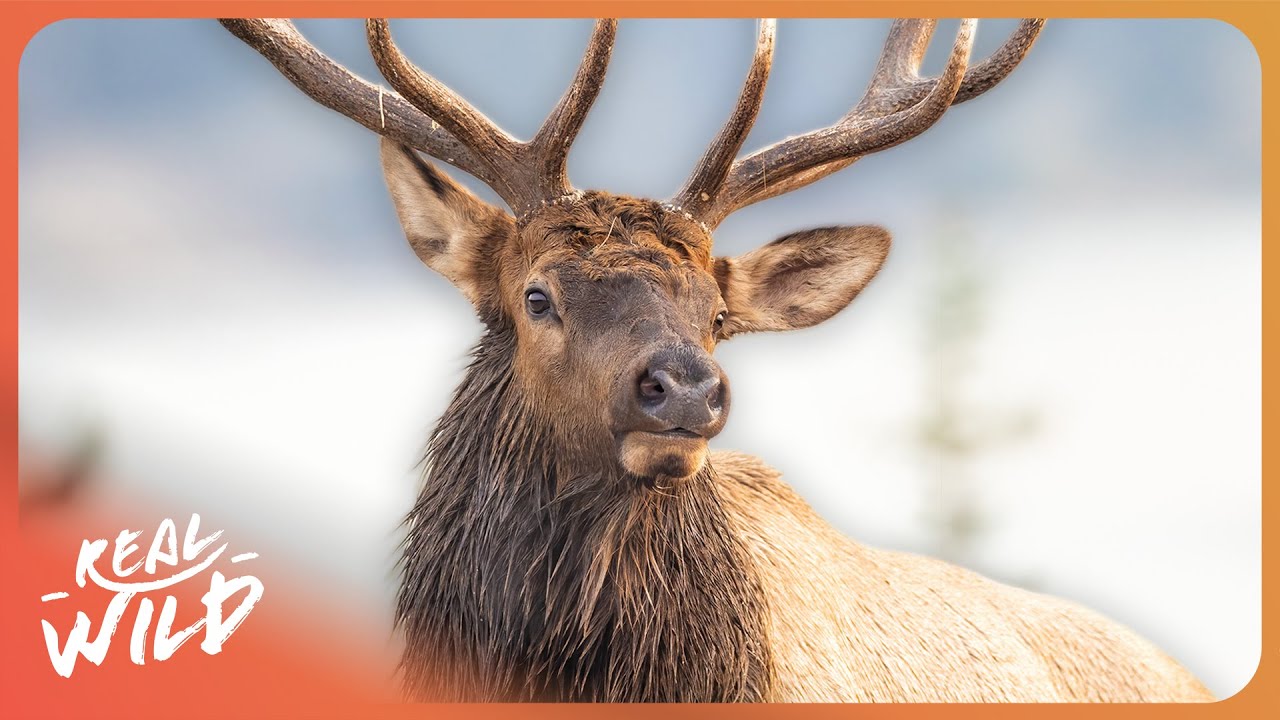
In Jackson, Wyoming, the National Elk Refuge plays a crucial role in the survival of North America's largest elk population amid ongoing debates over hunting and human development.
Australia's diverse ecosystems are home to formidable predators, including Wedge-Tailed Eagles, Tasmanian devils, and venomous snakes like the Death Adder and Red Bellied snake.
Aerial footage showcases Tasmania's stunning coastlines, sea-cliffs, waterfalls, temperate rainforests, and mountain ranges in a serene visual experience.
Parque Natural da Ria Formosa, one of Europe's largest lagoon conservation areas, hosts over 20,000 wintering birds and a significant seahorse population.
In the Netherlands, innovative strategies such as the Delta Works and the Sandmotor Experiment are being implemented to manage rising sea levels and climate change impacts.
In Guyana, reptile hunter Mark O'Shea explores the dangers posed by the endangered black caiman while promoting coexistence with local communities.
Fifteen percent of the continental United States has been leased by oil and gas companies, raising concerns about environmental and social impacts.
Sperm whales can dive deeper than 10,000 feet for over an hour, hunting in complete darkness using advanced echolocation techniques.
La Jayona, an abandoned iron mine in Spain, has transformed into a thriving ecosystem, supporting unique vegetation and diverse wildlife, including the eagle owl.
Eriberto Gualinga, a filmmaker from the Kichwa community of Sarayaku, documents his people's fight against oil companies threatening their land and culture.
Only 2,500 manatees remain in the West Indies, including Cuba, where the mangrove forest conceals biological mysteries and dangerous wildlife.
A day on Mercury lasts 58 Earth days, with temperatures ranging from minus 300°F to 840°F, making it an inhospitable candidate for human life.
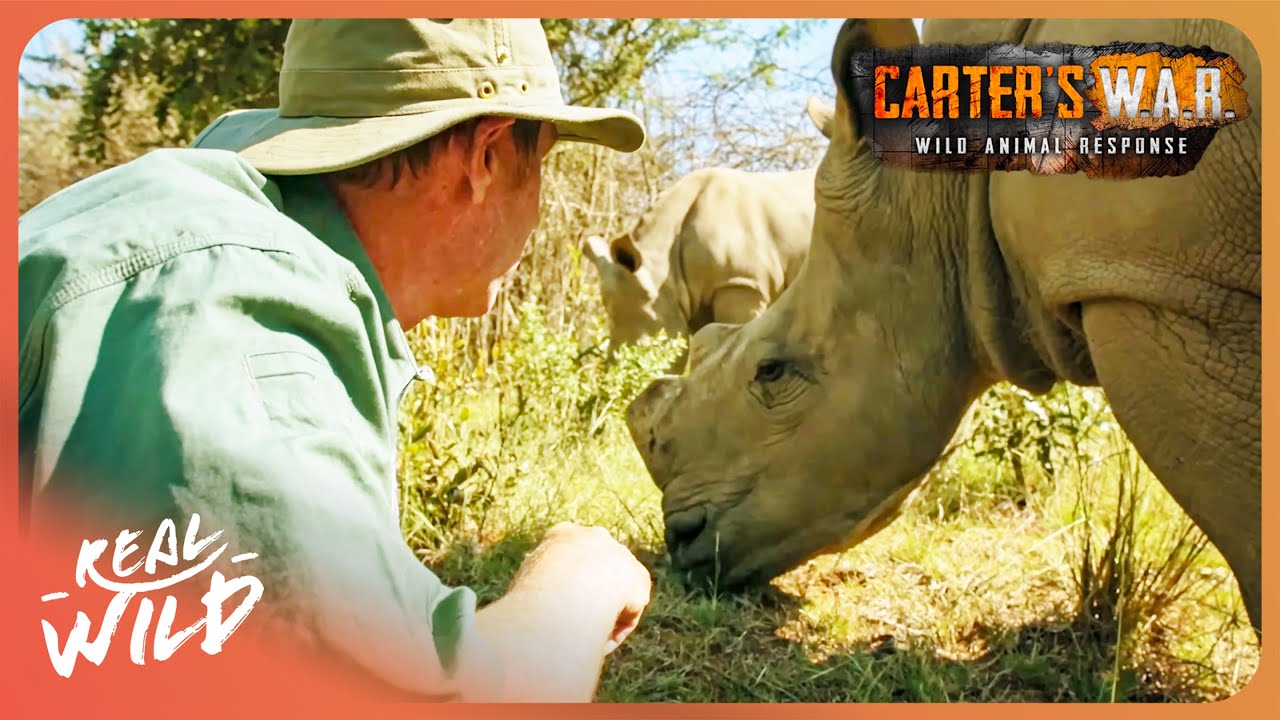
A rhino with bullet wounds receives urgent care from a dedicated anti-poaching team in South Africa's Kruger National Park.
In Africa, predators such as crocodiles, lions, wild dogs, and hyenas demonstrate lethal efficiency through coordinated hunting strategies.
In the Pacific Ocean, Rocka Partida and the Socorro Islands serve as a vital sanctuary for sharks, manta rays, and dolphins, while facing threats from illegal fishing.
Eric Bairao Ruivo leads Beauval Nature's global efforts to reintroduce endangered species, including giant pandas in China and Andean condors in Argentina.
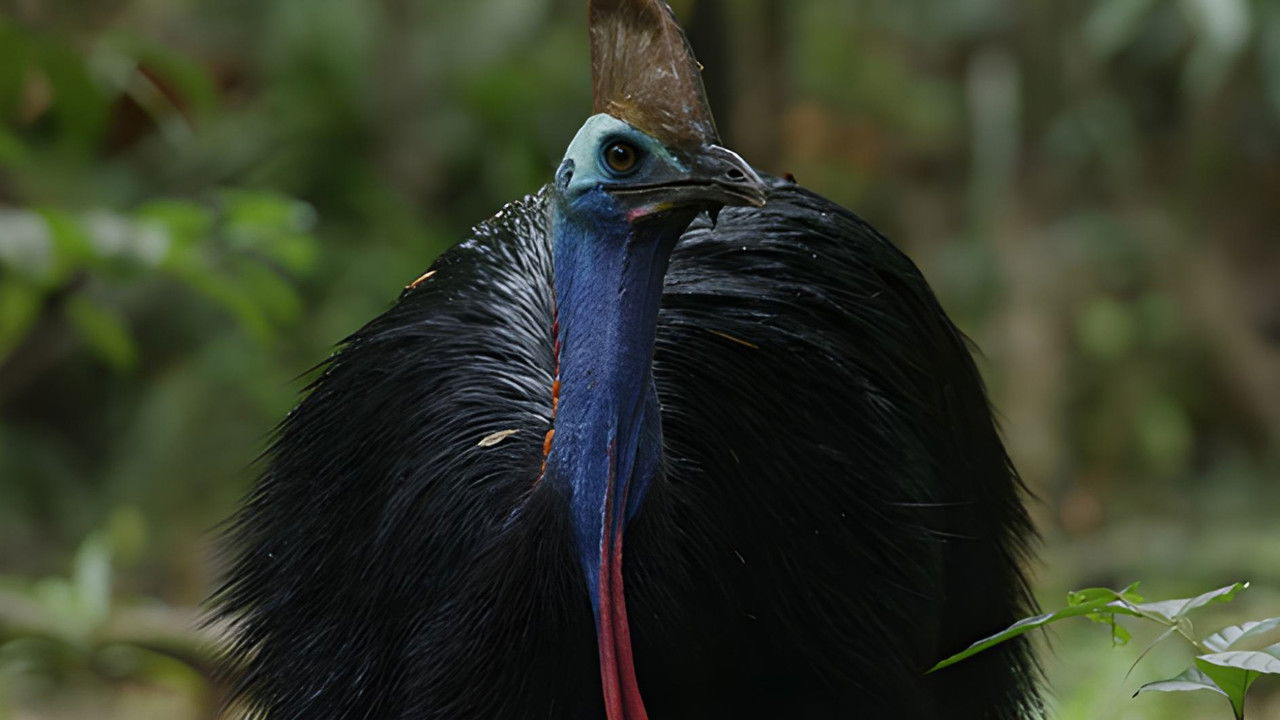
One southern cassowary matriarch, Bertha, faces numerous threats as she protects her chicks in the tropical rainforests of northern Queensland, Australia.
Hilarion Kassa Moussavou, a Punu traditional healer, strives to protect Gabon's sacred forests through indigenous medicine and the establishment of a Forest School.
Florida's Everglades face ecological threats from invasive Burmese pythons, as biologist Sean Halleck and experts Greg Graani and Michael Cole work to control their population.
Salamanders exhibit remarkable adaptations and behaviors, revealed through advanced imaging techniques like thermal cameras and magnetic resonance tomography.
Climate change is causing the spread of non-native species, such as malaria-carrying ticks from Africa, into Central Europe, altering local ecosystems.
Shark populations have declined by over 90% globally due to overfishing, yet the Bahamas remains a sanctuary where killing sharks is illegal.
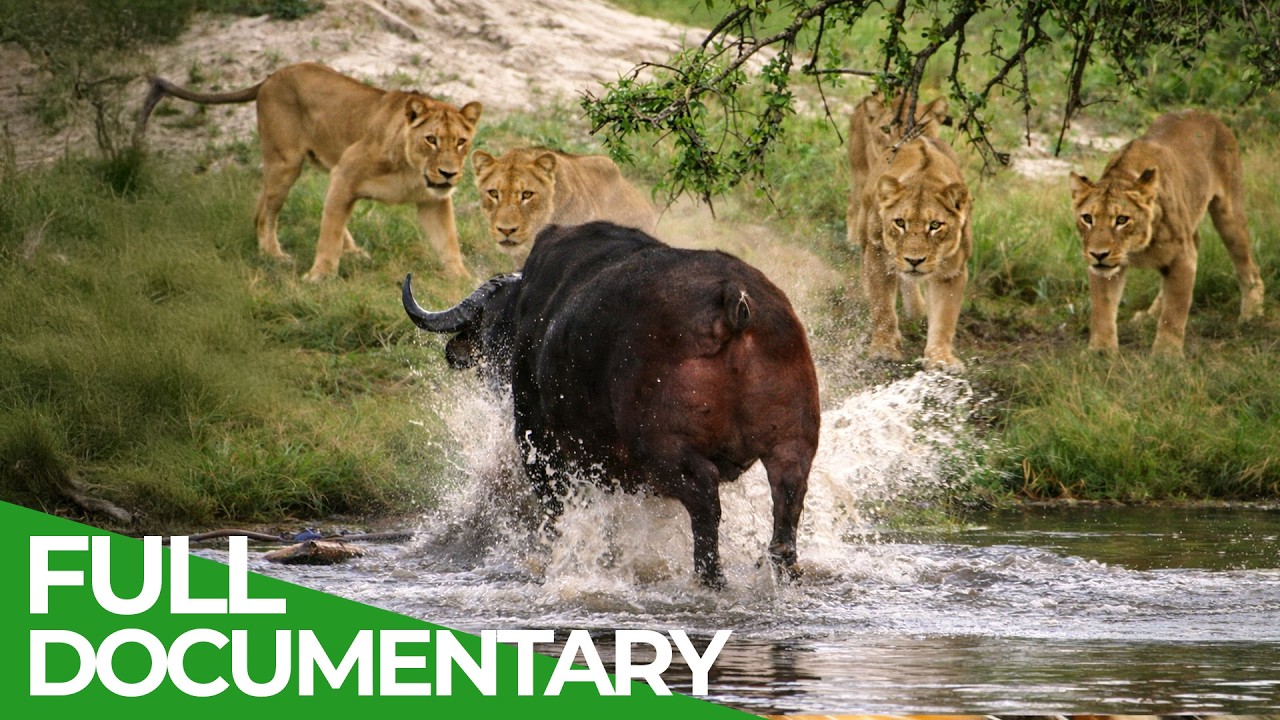
Lions in Africa exhibit complex social dynamics and natural behaviors, while conservation efforts aim to protect their habitats amid human-wildlife conflicts.
Gabonese sentinels protect their culture and rainforest from modern challenges.
Manny Puig collaborates with dog experts on large farmland in Florida to manage the growing population of feral hogs through specialized hunting techniques.
Extreme habitats around the world, from polar regions to tropical swamps, showcase the remarkable adaptations of species that survive in harsh environments.
People in Indonesia and India adapt their lifestyles for survival in a world of water.
In Louisiana's swamps, alligator hunters face rising floodwaters and increasing danger as they strive to secure their catch during the critical hunting season.
In Malaysia, snake guardian Osman and his family work to change perceptions of the reticulated python and king cobra while protecting them from threats.
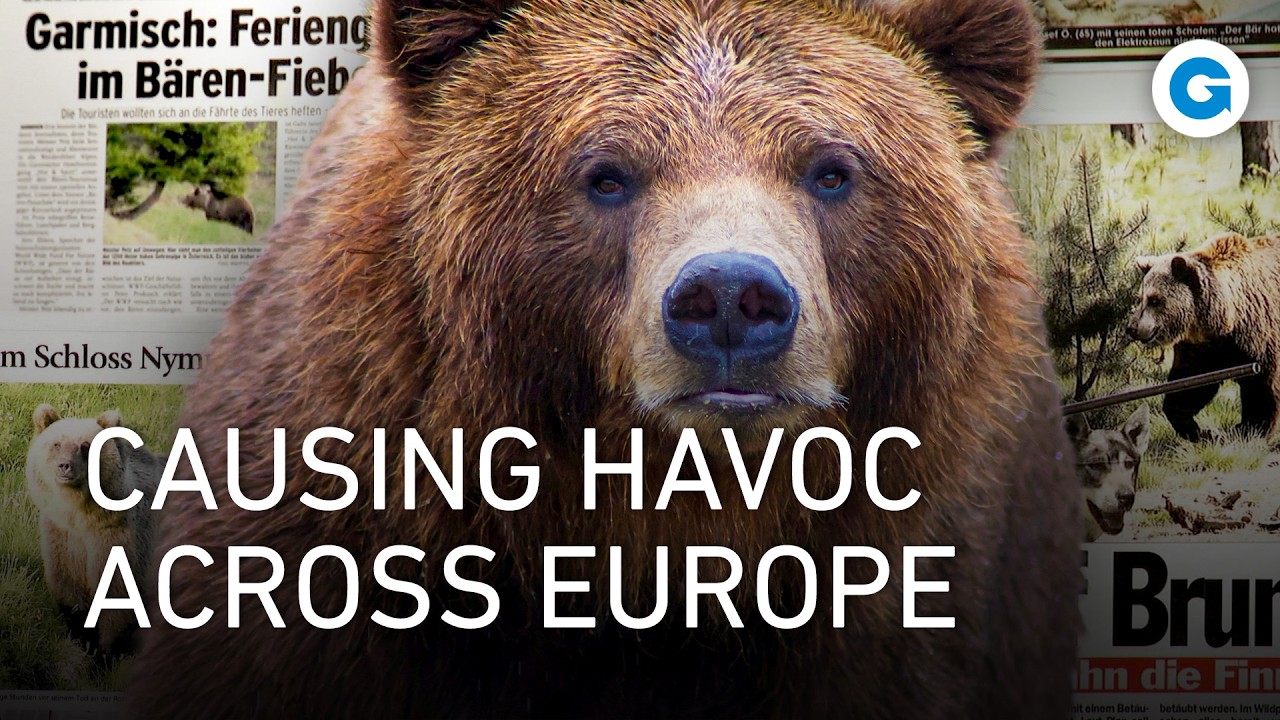
Bears are reclaiming their habitats across Europe, prompting a complex dialogue about coexistence between wildlife and human communities.
Sea levels are currently rising at a rate of 3.6 centimeters a decade, putting 3 million people at risk of annual coastal flooding.
Toba's eruption 74,000 years ago released nearly 3,000 cubic kilometers of ash and rock, causing a volcanic winter that may have nearly wiped out humanity.
Greenland's Inuit communities face the challenges of modernization and climate change as they navigate life in a landscape dominated by ice and shifting ecosystems.
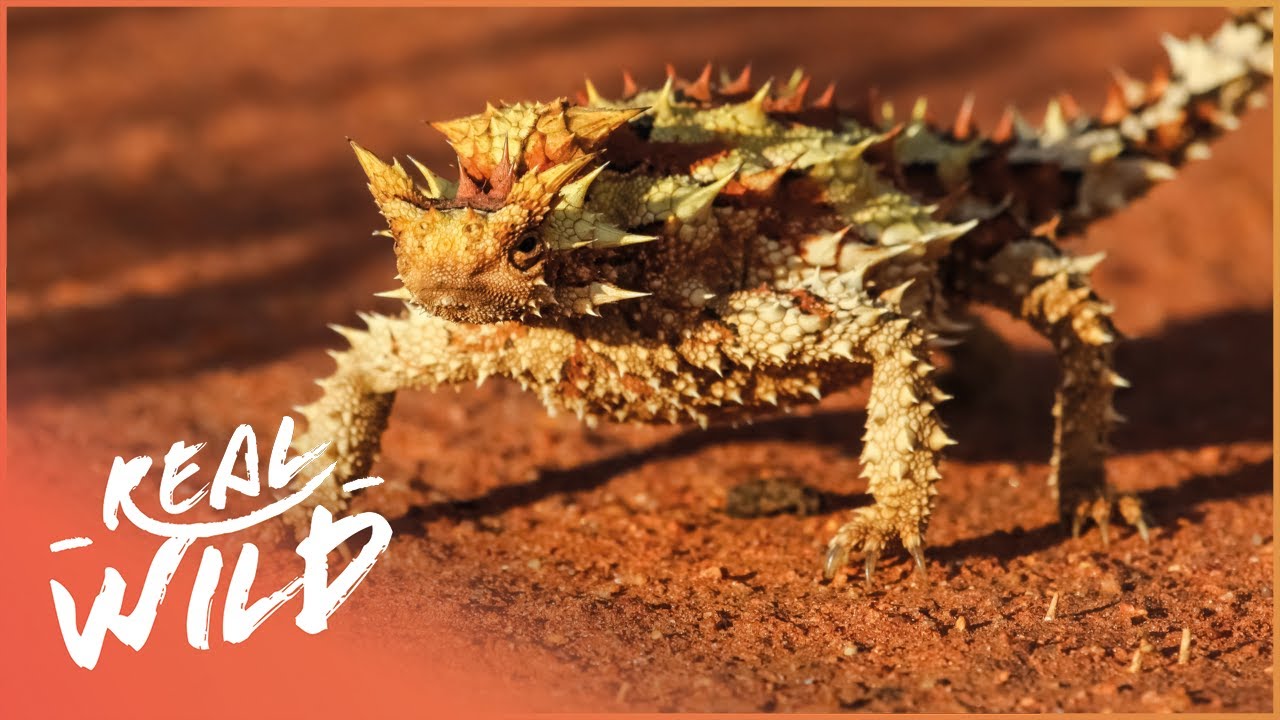
In New Zealand, unique wildlife such as the Thorny Devil and intelligent parrots must adapt to survive in environments shaped by volcanic activity and earthquakes.
The Kinabatangan River stretches 560 kilometers from its source in the highlands of Sabah to the Sulu Sea, supporting a diverse range of wildlife.
More than 5,000 female turtles dig nests on the beach, each laying over 100 eggs in a race against predators and the elements.
10 billion emails are sent every hour, consuming energy equivalent to the output of 50 nuclear power plants for one hour.
Hurricane Irma, a Category 5 storm, caused catastrophic damage from Cape Verde to New England in September 2017, resulting in over 130 fatalities.
In Langkawi, Malaysia, a World Champion in Snake Handling navigates the complexities of coexistence between humans and wildlife in the rainforest.
Society's Explorers Festival on June 16, 2017, featured presentations on conservation, citizen science, and the impact of human conflict on wildlife.
Nearly 2,000 years ago, a population of salmon was forced to abandon their natal river due to volcanic eruptions that poisoned their habitat.