From over 100,000 films, discover the handful you'll love.
Free or premium access to the world's largest documentary library.
7535 films(Page 99 of 157)
Every year, almost 4 million tons of electronic waste arrives at Karachi's harbor, contributing to a toxic recycling industry that employs around 150,000 people.
Every year, the Dutch government spends 6 million euros on clean-up operations for toxic waste from illegal drug production.
Kiribati, a nation of 115,000 people, faces the imminent threat of disappearing due to rising sea levels caused by climate change.
West Africa's fishing grounds face overexploitation from global fleets, impacting local communities.
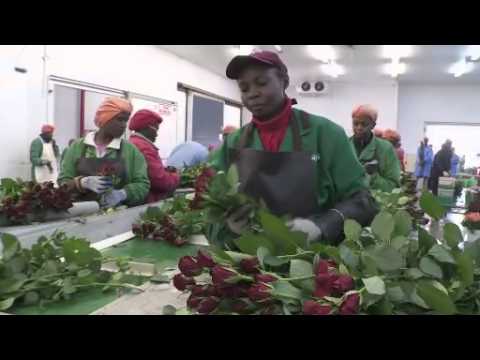
Over 1.2 billion pounds of flowers are sold in the UK each year, raising questions about the economic benefits for local communities in Kenya's flower industry.
Over 120 billion garments are produced worldwide each year, contributing to significant textile waste and questioning the fashion industry's claims of sustainability.
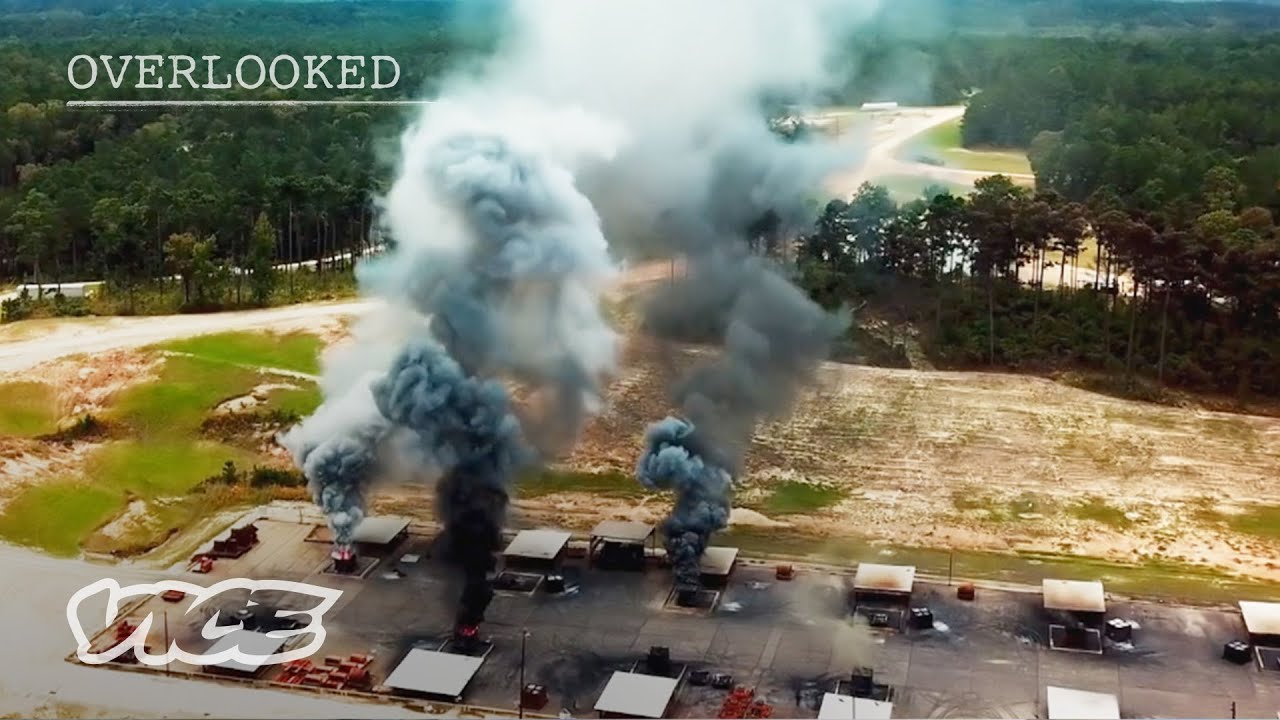
Colfax, Louisiana, faces environmental risks from military contracts with Clean Harbors.
Residents of Juliette, Georgia, drink from wells that tap into an aquifer containing an ash pond storing decades of waste from the nearby coal plant.
Human interference with the environment raises ethical questions about the feasibility of geo-engineering as a solution to the climate crisis.
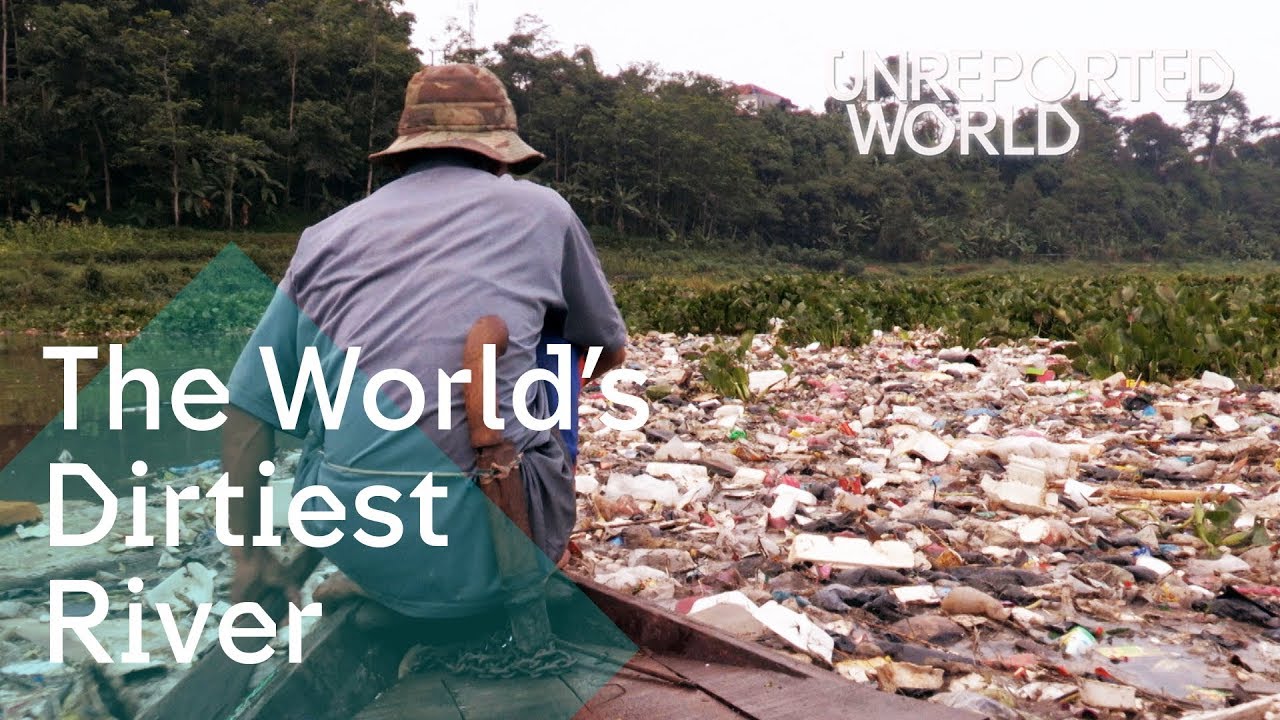
The Citarum River in Java, Indonesia, serves 35 million people but has become heavily polluted, posing severe health risks to the local population.
Fast fashion leads to textile waste flooding into India, impacting health and the environment.
Over five million cattle in California consume nearly half of the state's water supply, prompting a satirical campaign to skip showers for beef.
A population estimate of over 29,000 bladderwort plants has been achieved after successful reintroduction efforts in South Lancashire.
Barron Partlow documents the wastewater crisis at Goat Canyon affecting the United States.
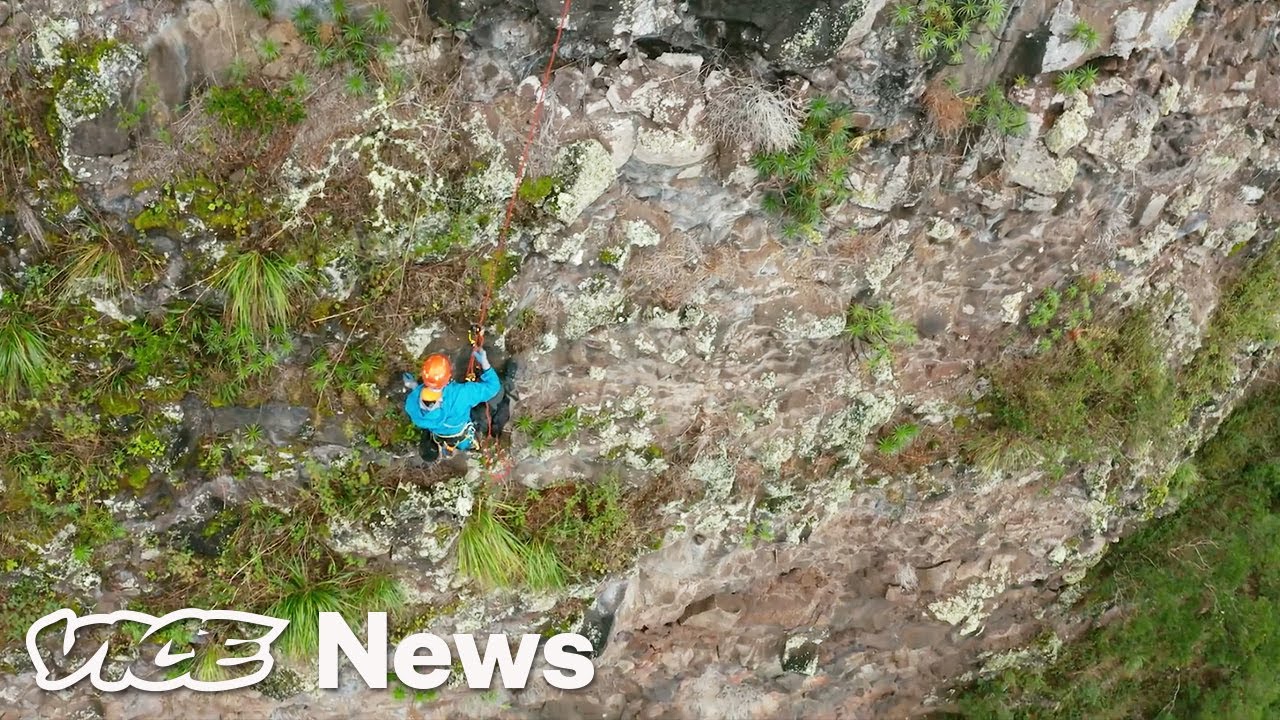
Botanists in Hawaii use drones to save endangered plants from extinction.
A group of environmental activists employs drones and FLIR cameras to document corporate polluters in an effort to enforce accountability and protect ecosystems.
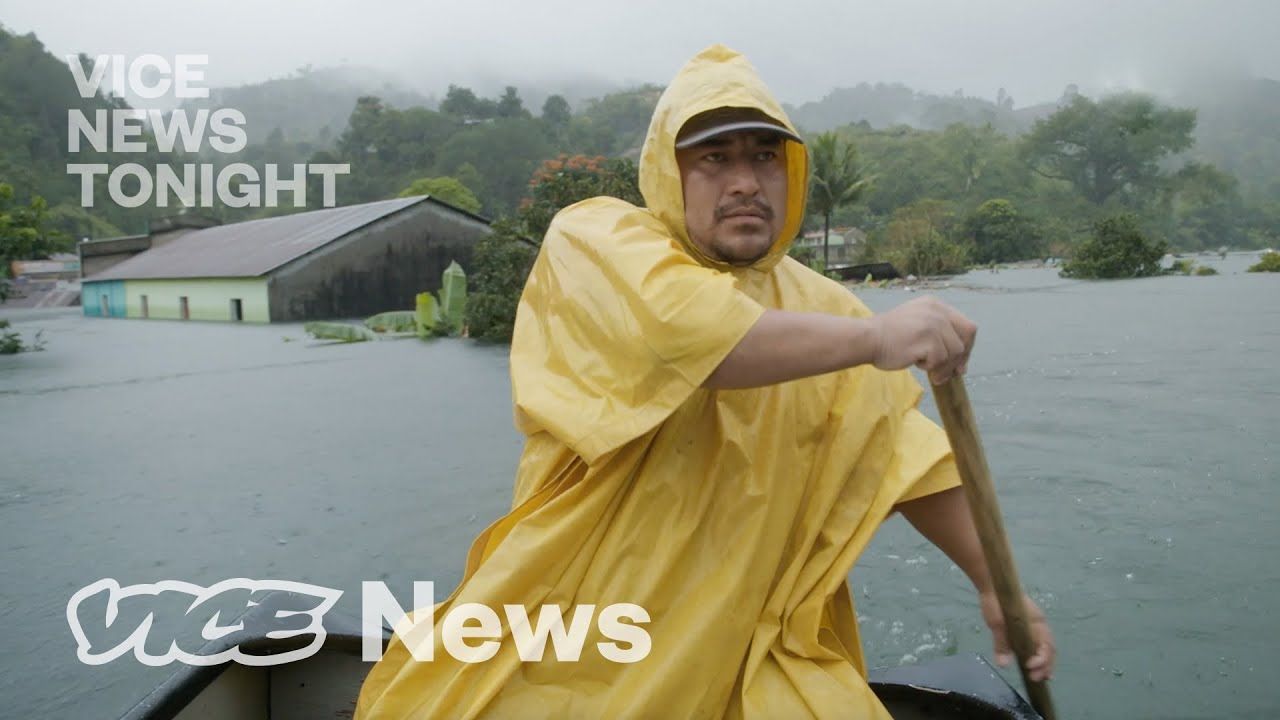
After Hurricanes Eta and Iota devastate their Guatemalan hometown, a family faces dangers from cartels and corrupt authorities while migrating to the U.S.
Micah and 15 others sue Montana for failing to protect their environment from fossil fuels.
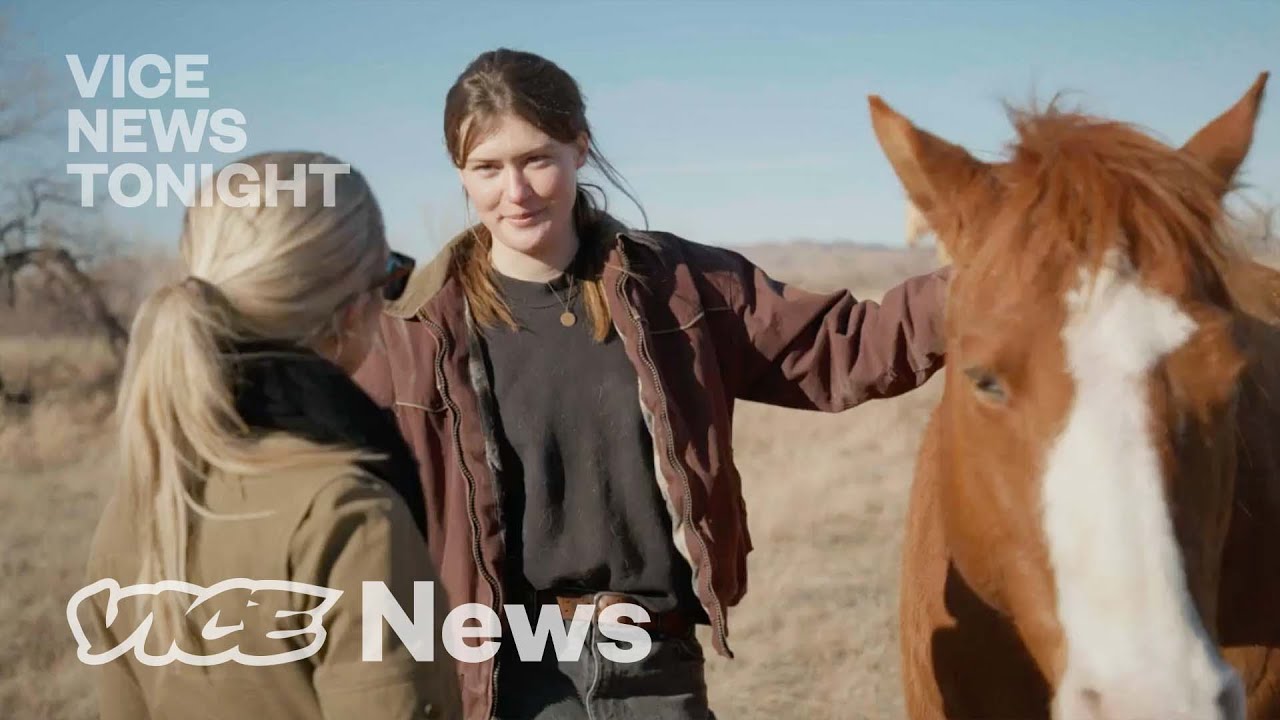
Ranchers in Owens Valley battle LA over water access and rights amid climate change.
$22 billion a year from oil sands development flows into the Canadian government, reflecting the deep ties between wealth, power, and environmental degradation.
Three days after Hurricane Laura, residents return to Lake Charles to find their homes damaged, with fallen trees and significant roof leaks.
Operation Avalanche highlights efforts to keep the Alps safe for tourists in Austria.
Curtis Shuck, a retired oil executive, leads efforts to plug abandoned wells in north central Montana through the Well Done Foundation to reduce methane emissions.
The Chicago river's recovery leads to a lawsuit against the Trump Organization in Illinois.
France faces early wildfires exacerbated by a record-breaking heatwave, prompting evacuations and raising questions about climate change adaptation across Europe.
An endangered Indochinese tiger is skinned for its fur after being shot in Myanmar, revealing the dangers of illegal poaching.
Four young women, including Alexandria Ocasio-Cortez, lead the fight for climate change legislation.
Extreme weather impacts tourism, as seen in the Ahr Valley's post-flood challenges today.
Yellowstone National Park faces increasing threats from reckless tourist behavior, as documented by Jen Minyard and Lisa Cords on their Facebook page highlighting dangerous actions.
Cobalt mining in the Democratic Republic of Congo, particularly in Kolwezi, raises significant health concerns as it fuels the global demand for electric vehicles.
Natasha Simona measures air pollution on her school run along London's Marylebone Road.
Every day, tanneries in Bangladesh discharge 22,000 cubic liters of toxic waste into the main river, severely impacting local health and the environment.
Activists from ATTAC closed off a major French bank during COP21, unfurling a banner that read 'tax evasion zone' to protest hidden funds for climate action.
2,000 miles separate the Alberta tar sands from Chicago, yet petroleum coke dust from a nearby facility impacts the city's Southeast side neighborhoods.
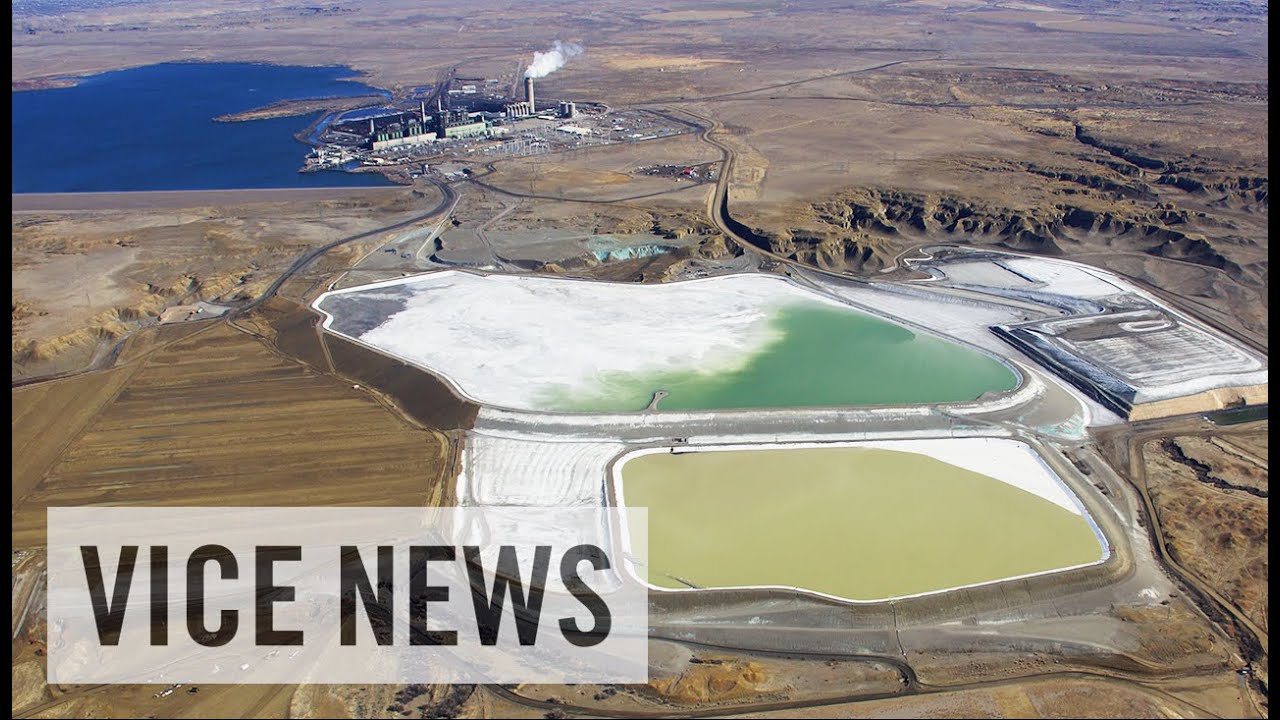
The Dan River spill reveals the dangers of coal ash and its impact on North Carolina's water supply.
The Dongria Kondh tribe fights against Vedanta Resources to protect their sacred lands.
The Okefenokee Swamp faces threats from mining due to environmental rollbacks by the Trump administration.
In the 1990s, the fossil fuel industry employed public relations tactics to create doubt about climate change, significantly influencing environmental discourse.
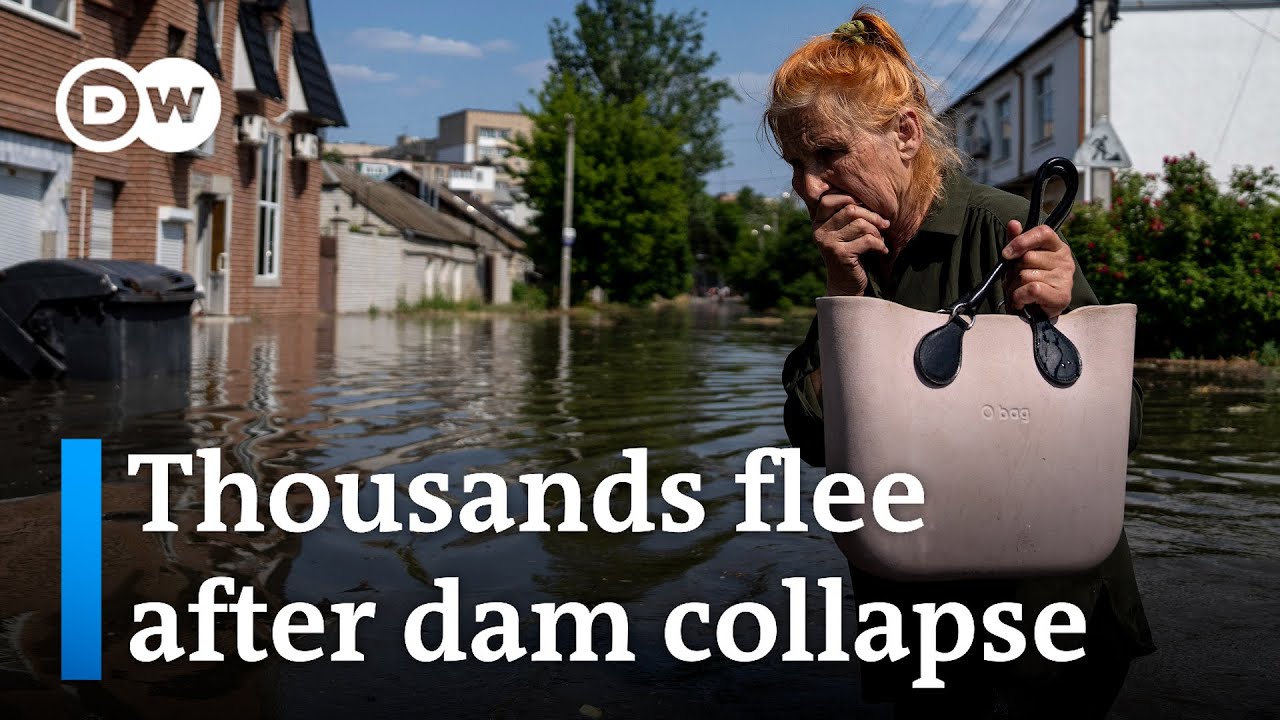
A humanitarian emergency in southern Ukraine follows the Kakhovka dam's destruction by Russia.
Bird poaching in China, led by conservationist Gu Xuan, threatens migratory species and results in the deaths of tens of thousands annually.
Cancun Cancer reveals the dark side of Spring Break and its impact on local communities.
China's investment in Latin America and the Caribbean reached nearly 16 billion dollars last year, significantly impacting Guyana's natural resources.
In Central America's Dry Corridor, extreme weather conditions driven by climate change are forcing farmers to migrate, often falling prey to drug cartels and smugglers.
Urban areas are experiencing temperature increases of up to 8 degrees, prompting UN-Habitat chief Anaclaudia Rossbach to call for urgent political action to address heat-driven inequality.
Over 93% of land in seven Western states faces drought, prompting farmers to yield only 20% of their crops this year.
In 2026, a joint investigation by 101 East and Lighthouse Reports reveals the failures of the Philippines' National Greening Program to restore forests and protect Indigenous lands.
Farmers in the Netherlands use innovative methods to produce more food with less water.
At least a dozen people died during one of the widest spread weather crises in Texas history, prompting community volunteers to respond rapidly.