From over 100,000 films, discover the handful you'll love.
Free or premium access to the world's largest documentary library.
7535 films(Page 29 of 157)
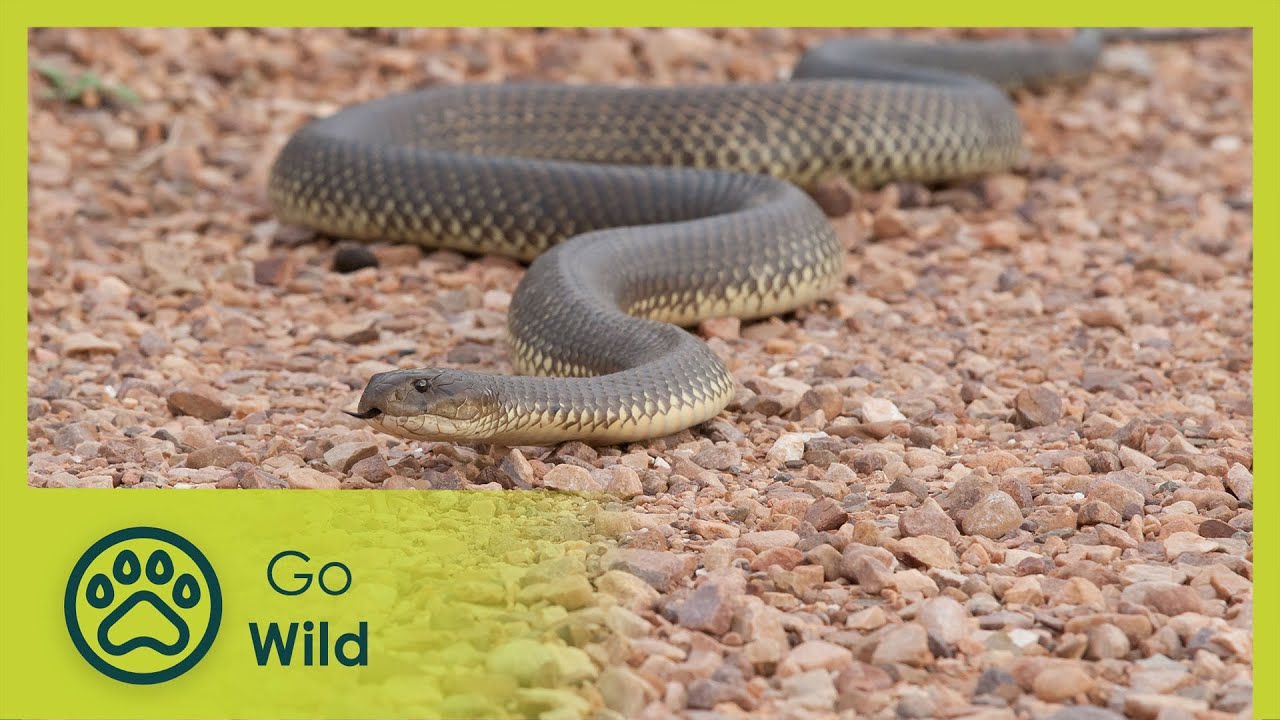
Australia's interior hosts a fierce evolutionary battle among predators and prey, featuring venomous snakes, feral cats, and formidable dingoes.
In India and Nepal, the tiger population faces critical endangerment, with only an estimated 10,000 individuals remaining in the wild.
Scotland's coastal regions, influenced by the Atlantic's warm currents, support diverse wildlife, including sea otters and starfish, across stunning landscapes.
In a luxury golfing estate in South Africa, Vervet Monkeys confront the Sugar Cane Gang as they struggle to defend their territory and home.
A probe with a nuclear warhead 800 times more powerful than the atomic bomb dropped on Hiroshima has been launched to deflect an incoming comet.
Kangaroo Island, located off the coast of South Australia, is home to unique wildlife such as the Kangaroo Island Kangaroo and endangered species like the Australian Sea Lion.
In the Arctic, a camera team travels from Canada to Norway, documenting the lives of polar bears, harp seals, and the impacts of climate change on their fragile ecosystem.
Italy's diverse landscapes range from the icy Dolomites, where Ibex adapt to winter, to Sardinia's Mediterranean shores and Sicily's unique wildlife sanctuaries.
Manganese nodules, found at depths of four kilometers in the Pacific, are considered a potential new source of metals for modern technology.
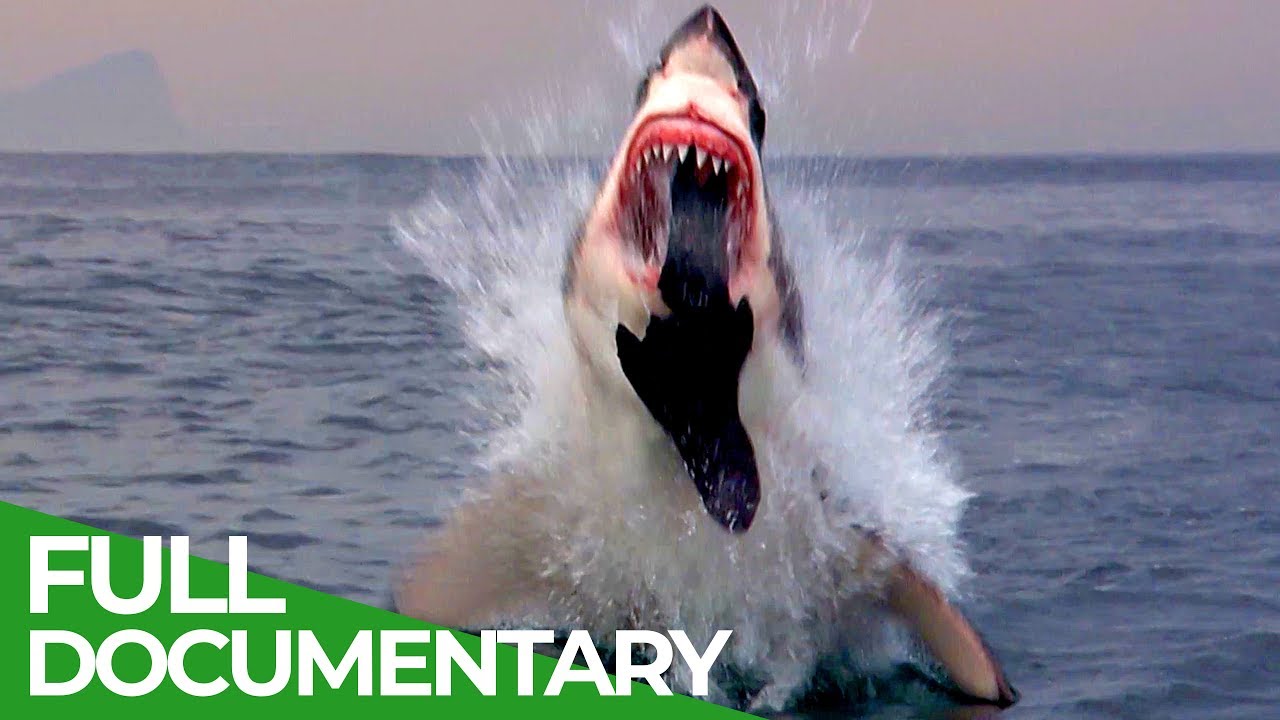
Controversial behaviorist Dr. Erich Ritter tests shark-human interactions with lemon, bull, and great white sharks in locations like the Bahamas and Gansbaai, South Africa.
In Japan's coastal bay, white-spotted bamboo sharks gather each summer to mate and lay camouflaged eggs, while facing threats from potential predators.
A snake can go without food for weeks or even months, relying on its ability to detect prey through its sense of smell.
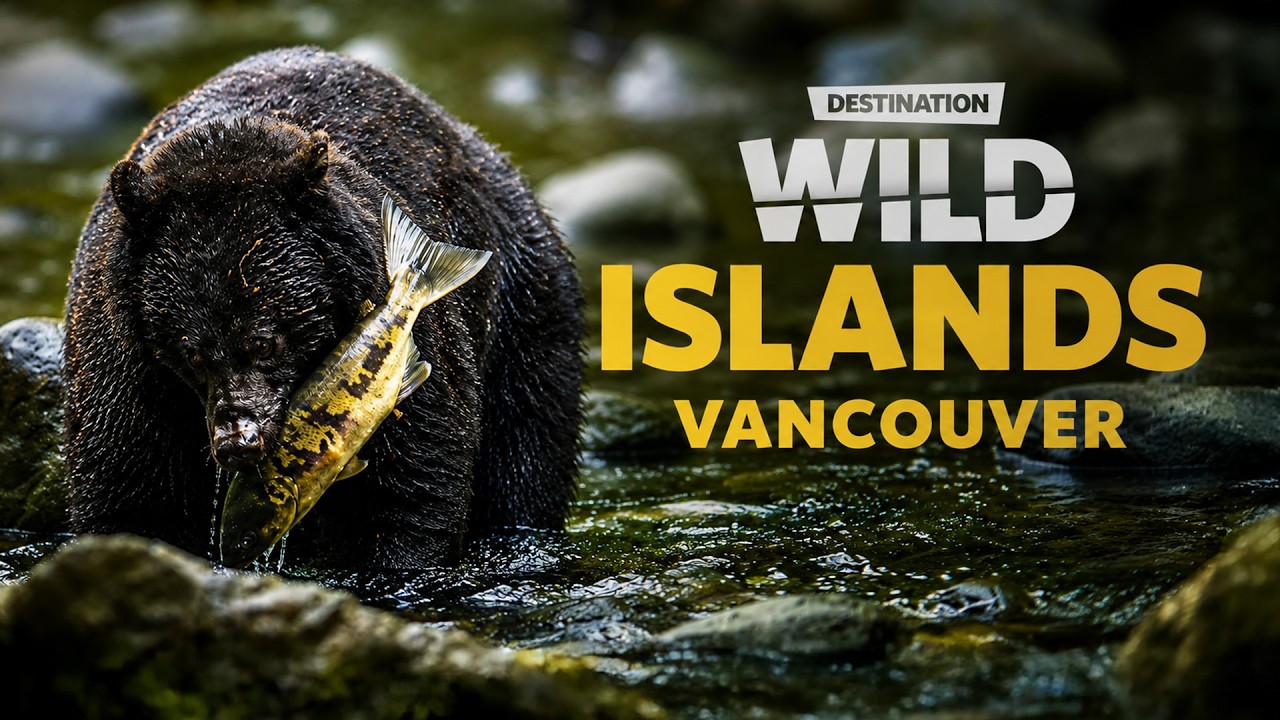
Vancouver Island's diverse ecosystems, including ancient rainforests and glacial peaks, showcase the adaptations of black bears, orcas, and humpback whales through seasonal changes.
Humpback whales, measuring up to 45 feet long, gather in the Caribbean each winter to mate and give birth, revealing critical aspects of their lives.
Kenya's majestic landscapes and wildlife are showcased, highlighting the urgent conservation needs of the Northern White Rhino and the challenges faced by baby turtles.
Toads migrate to wetlands at night, guided by the Earth's magnetic fields and stars, challenging long-held beliefs about their nature.
Innovative engineers are developing advanced machines that harness tidal and solar energy, promising to revolutionize clean energy in the maritime industry and beyond.
Weighing over 2,000 kilograms and measuring ten meters long, whale sharks feed exclusively on plankton, which can be abundant at seasonal hotspots.
Kate Humble and Dr Helen Czerski explore Earth's orbit around the sun from January to the March equinox, highlighting its environmental impacts.
Cornfields in western industrial nations serve as vital habitats, revealing a diverse ecosystem of inhabitants, including a family of hamsters navigating seasonal challenges.
Ice ages, including the Snowball Earth phenomenon, are examined through Earth's geological history, highlighting their causes and future implications.
In the Arctic tundra, extreme conditions challenge survival for hardy species, while climate change threatens to alter this frozen ecosystem irreversibly.
Eddie Stobart delivers a quarter of a million tonnes of biomass fuel each year, using their iconic green and red trucks across the UK.
A group of ravens returns to the Canary Islands after decades, finding food and competing for survival in harsh, high-altitude conditions.
Vultures return to Europe after near extinction, facing ongoing threats in Germany, Spain, and France.
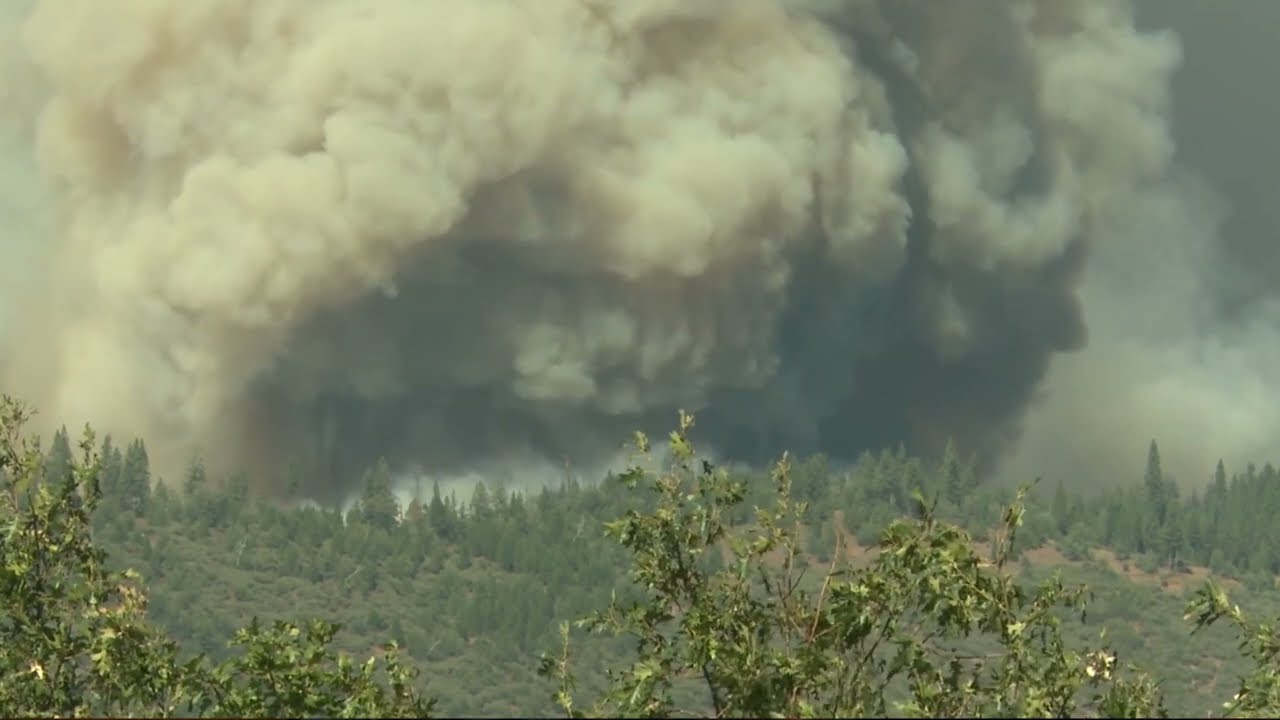
Extreme wildfires threaten communities and forests, but experts present a clear path forward despite climate change and escalating fire risks.
A lone male wolf follows the Druid pack, scavenging for food while vying for the attention of a female during the harsh winter of Yellowstone.
A wedge-billed hummingbird pierces the base of flowers to access nectar, bypassing competition from other birds in its quest for food.
In Central Europe, only one in a thousand vital creek ecosystems remains intact, highlighting the urgent need for conservation efforts to protect these habitats.
Liz Bonnin travels over 7,000 miles to the Galápagos Islands, where she encounters unique wildlife and emphasizes the need for conservation efforts.
Grizzly bears are increasingly entering European towns in search of food, prompting biologists to explore strategies for coexistence that minimize human-bear conflicts.
Brazil's River-in-the-Sky, a vital atmospheric phenomenon, sustains ecosystems and agriculture across the country, relying on the Amazon rainforest's health.
Brazil's vast landscapes, including wild forests and a labyrinth of lakes, showcase its unique biodiversity and lesser-known habitats shaped by summer thunderstorms and fire.
Wildfires rage in Southern California every year, fueled by the hot, dry Santa Ana winds that sweep down from the desert.
Bissagos people, skilled navigators and guardians of Guinea-Bissau's Archipelago, maintain their deep-rooted traditions while protecting their fragile ecosystem.
Abrupt climate change could lead to catastrophic winters in North America and parts of Europe, raising concerns among experts about a potential "big chill."
Mongoose parents defend their vulnerable cubs against a dangerous Adder snake, showcasing the challenges young animals face in their development.
The Bissagos Islands, a UNESCO Biosphere Reserve, serve as a unique ecosystem for biologists like Raúl León, showcasing diverse wildlife in West Africa.
Marine iguanas in the Galapagos Islands face a critical decline in population, prompting scientists and park rangers to investigate the causes of their mortality.
Phuntsho Tshering, Bhutan's sole glacier specialist, records video diaries for his daughter while measuring the rapid melting of sacred Himalayan glaciers.
During research expeditions in Cameroon, Martin Cheek's team identifies over 200 previously unknown plant species in the Bakossi forests.
In La Palma, the Cumbre Vieja eruption has destroyed over 3000 homes, prompting volcano expert Chris Horsley to assess the human and environmental impact.
A young Weddell seal gains two kilos per day from its mother's high-protein milk during the first six weeks of life in Antarctica's icy waters.
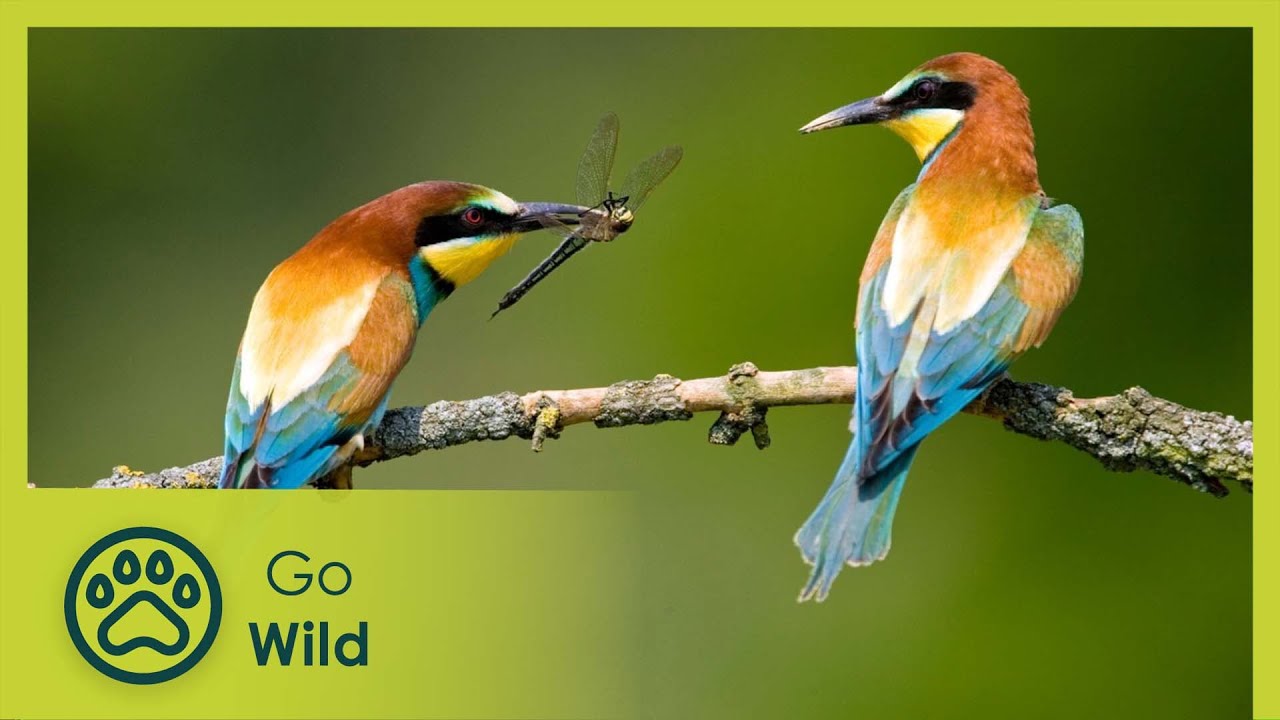
The Danube River in Lower Austria creates unique microclimates that support diverse flora and fauna, including rare species like the Aesculapian snake and the bee-eater.
BBC Earth presents a compilation of memorable wildlife scenes that showcase the beauty and drama of the natural world over two hours.
Golden lion tamarin numbers were once as low as 200 in the wild, but conservation efforts have increased their population to around 2,500.
Vienna's forests, including the Vienna Woods and the Danube wetlands, serve as vital green spaces that enhance urban life and biodiversity in the city.
More than a quarter of Norway lies at over 1,000 metres above sea level, creating a unique habitat for wildlife like reindeer and musk oxen.