From over 100,000 films, discover the handful you'll love.
Free or premium access to the world's largest documentary library.
7535 films(Page 56 of 157)
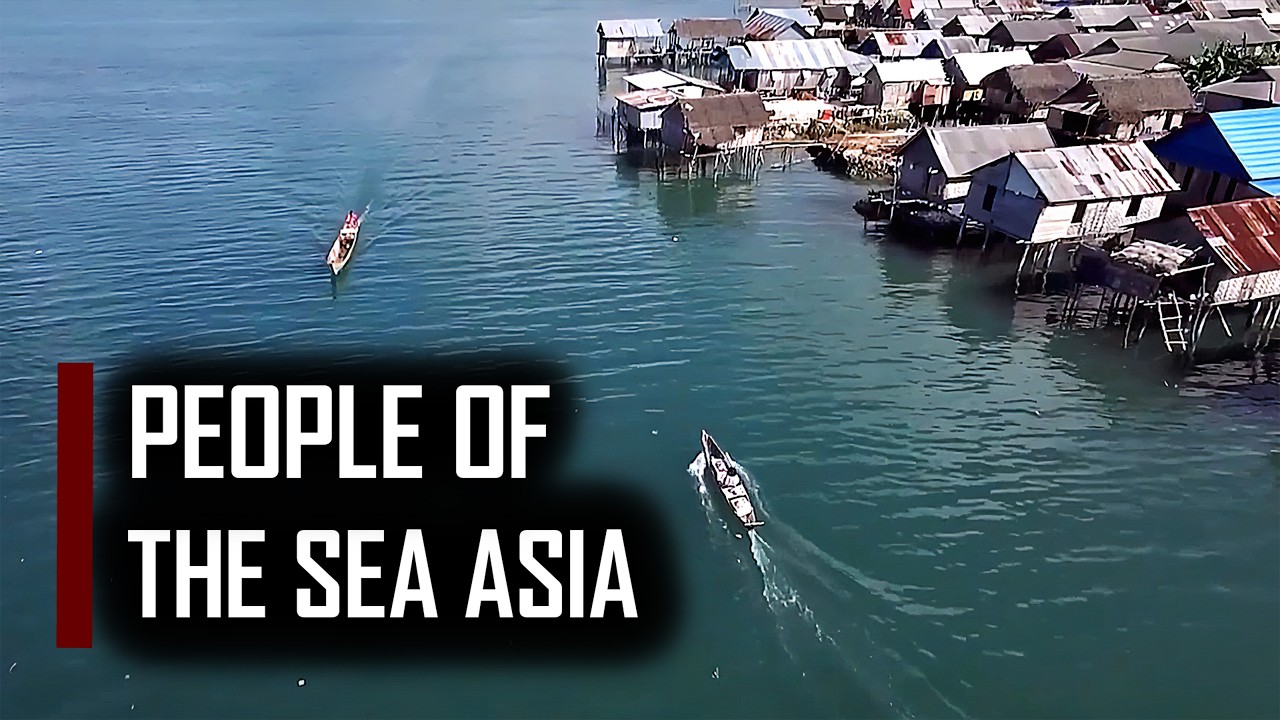
In coastal Asia, communities have adapted their lifestyles to thrive in environments shaped by the sea, passing down their unique knowledge through generations.
Autumn brings a vivid display of colors as fallen leaves blanket the ground, while animals prepare for the impending challenges of winter.
Luxury yachts, from Gdansk to Cannes, are examined through the perspectives of owners, manufacturers, and environmental activists highlighting their ecological impact.
Patagonian Toothfish, prized as 'White Gold', faces potential extinction due to unregulated fishing amid rising global demand and dwindling fish stocks.
Bears around the world, including grizzly and spectacled bears, adapt to challenges such as food scarcity, raising cubs, and habitat loss.
Great apes face severe endangerment due to habitat loss, hunting, and the illegal pet trade, highlighting the urgent need for conservation efforts.
Three harrowing accounts from the African savannah illustrate the terrifying reality of human encounters with apex predators, including a conservationist's lion attack and the Man-Eaters of Tsavo.
In Yakutsk, the coldest city on Earth, rising temperatures are causing permafrost to melt, threatening the stability of buildings and infrastructure.
The southern Carpathians feature Peles Castle, Cozia Monastery, and the Danube Delta, highlighting both natural beauty and environmental threats.
European forests face severe health declines due to climate change, prompting initiatives to reintroduce climate-resistant tree species and restore ecosystems.
Fisherman Zosimo struggles to support his family in Oslob while facing typhoons and overfishing.
Bottlenose dolphins in the Red Sea reveal their social behaviors, mating rituals, and interactions with corals through the unique research methods of Angela Ziltener and Michael Stadermann.
Wetlands and deserts are examined for their unique ecosystems, showcasing species like saltwater crocodiles, camels, and the adaptations that enable their survival.
Innovations in clean electric aircraft and autonomous sky taxis signal a potential end to the traditional jet age in the aviation industry.
Seasonal streams in the mountains fill with algae and reach high temperatures, creating a unique habitat for various animal species during spring.
In southern Florida, Ryan Bolton and Kristen Martyn investigate the invasions of Burmese Pythons and Nile Monitor Lizards, while Adam Henkel explores urban monkey populations in India.
In the African savannah, a pride of lions, crocodiles, and other wildlife are observed engaging in natural behaviors such as hunting and relaxing.
In Langtang National Park, Ian Max Maxwell investigates the Yeti legend while confronting the real threat of the Asiatic Black Bear, a known man-eater.
In the animal kingdom, species such as bees, lions, and dolphins demonstrate how teamwork is essential for survival amid challenges like habitat loss and climate change.
A fragile strip of tropical woodland along Australia's east coast serves as a unique habitat for endemic species like cassowaries and tree kangaroos.
Fifteen percent of the continental United States has been leased by oil and gas companies, raising concerns about environmental and public health impacts.
Nature's deadliest predators, including cheetahs, leopards, and snow leopards, play vital roles in ecosystem balance while facing threats from climate change and habitat loss.
Guadeloupe features a rich tapestry of cultures, music, and religions shaped by African, Indian, English, French, and Caribbean influences.
In the Scottish Highlands, a variety of wildlife, including red deer, salmon, and pine martens, navigate the challenges of survival across the seasons.
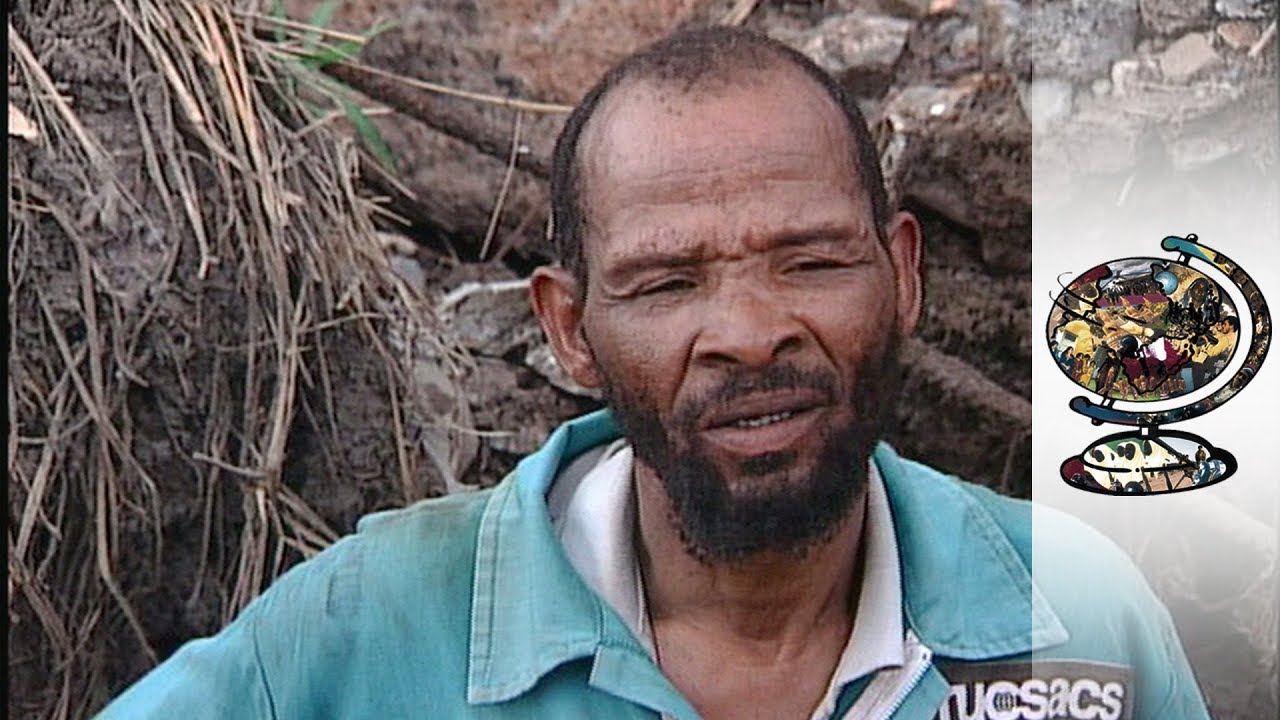
South African mining dumps create severe health risks for nearby communities, leading to heavy metal poisoning and respiratory diseases amid complex ownership issues.
Climate change solutions are explored through the lens of innovative actions and strategies already being implemented by individuals and communities worldwide.
Human activity profoundly reshapes the Earth, marking the Anthropocene era and its consequences.
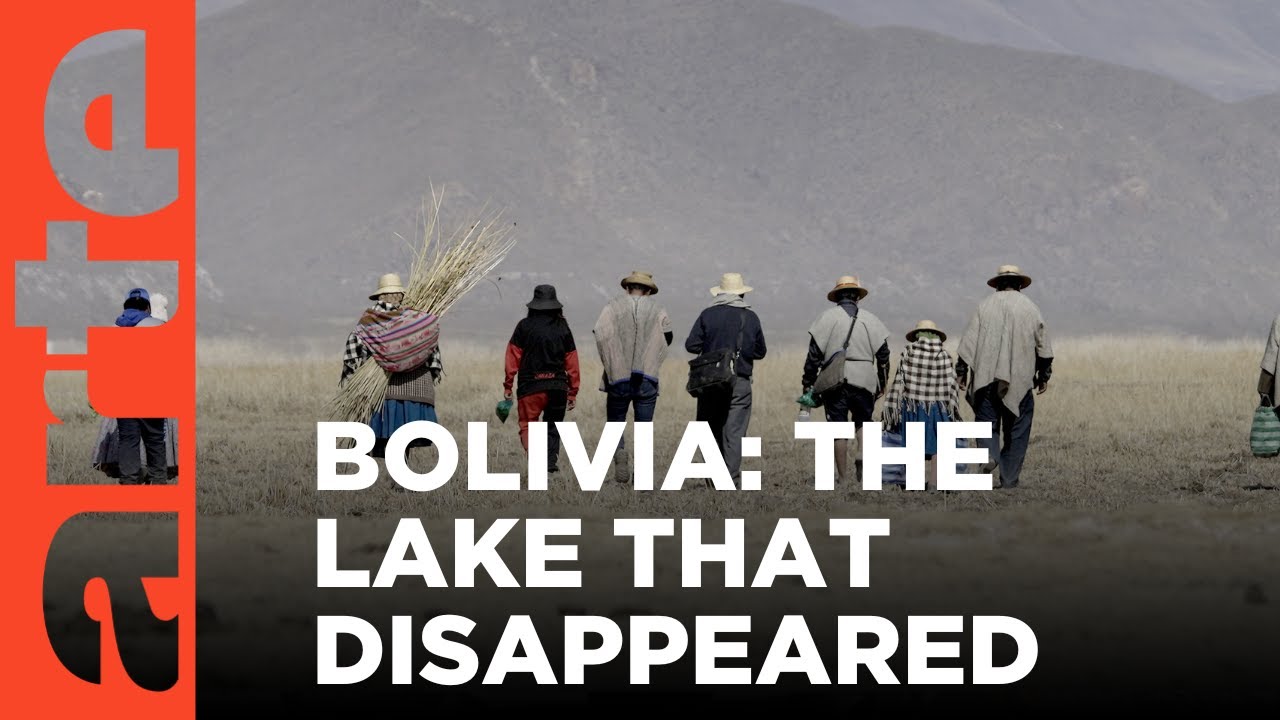
Lake Poopó in Bolivia has transformed into a salt desert, severely impacting the Aymara people's livelihoods and highlighting the effects of climate change and water mismanagement.
British anti-road protesters occupy a towering pine tree to halt a new road construction in Newbury, facing escalating confrontations with authorities.
Iberian oak forests in southern Europe and North Africa support over 300 animal species, including the critically endangered imperial eagle and the rare Iberian lynx.
500 years after Martin Luther's Reformation, young innovators are pushing for sustainability and generational equality in a rapidly changing world.
Orangutans face imminent extinction due to the destructive palm oil industry, which devastates their rainforest habitat and contributes significantly to carbon emissions.
In Puerto Rico's swamps, a team searches for spectacled caimans, the largest invasive species on the island, during Florida's winter freeze.
Innovative firefighting strategies in Portugal, developed after the catastrophic megafires of October 2017, aim to mitigate future wildfire risks and offer lessons for Europe.
Global shipping, responsible for the sixth largest share of greenhouse gas emissions, is innovating with wind-powered technologies to enhance sustainability.
Efforts to save the Iberian lynx in Doñana National Park highlight the challenges faced by this endangered species and the conservation measures implemented to protect its habitat.
Le Prix Goldman, souvent considéré comme le Prix Nobel de l’Environnement, honore chaque année des héros écologiques du monde entier depuis 1990.
Nick Nirut explores the River Mae Klong, examining the lives of locals reliant on the waterway and the declining population of elephant trunk snakes.
In the Brazilian Pantanal, a lack of rainfall alters the behavior of alligators, howling monkeys, and diverse wildlife in a fragile ecosystem facing severe threats.
70 percent of Iceland's power comes from clean and renewable sources, primarily geothermal energy harnessed from deep underground steam reservoirs.
In the volcanic forests of Central Africa, veterinarians work tirelessly to protect mountain gorillas like Mutu Regger from environmental threats and disease.
Indonesia faces an ecological crisis marked by rampant deforestation, pollution, and the threat of rising sea levels, endangering both its environment and communities.
Traditional mixed orchards in central Europe are rapidly disappearing due to industrial farming, threatening diverse ecosystems and species like nuthatches and migratory birds.
Nuclear waste poses dangers that have remained hidden for thousands of years, as communities confront the consequences of past energy decisions.
The Dogon people of Mali have developed sustainable agricultural practices in the harsh landscape at the edge of the Sahara, deeply rooted in their cosmological beliefs.
Bluefin tuna, once abundant, now faces extinction due to sushi demand, prompting efforts to balance industry jobs with sustainable fishing practices.
In the aftermath of the 2019-2020 bushfires in Australia, communities and rescuers mobilized to rehabilitate the estimated 35,000 koalas affected by the crisis.
Georges Mougin and a team of glaciologists aim to tow a 7-million-ton iceberg from Canada to the Canary Islands, harnessing its ancient water resources.