From over 100,000 films, discover the handful you'll love.
Free or premium access to the world's largest documentary library.
7535 films(Page 124 of 157)
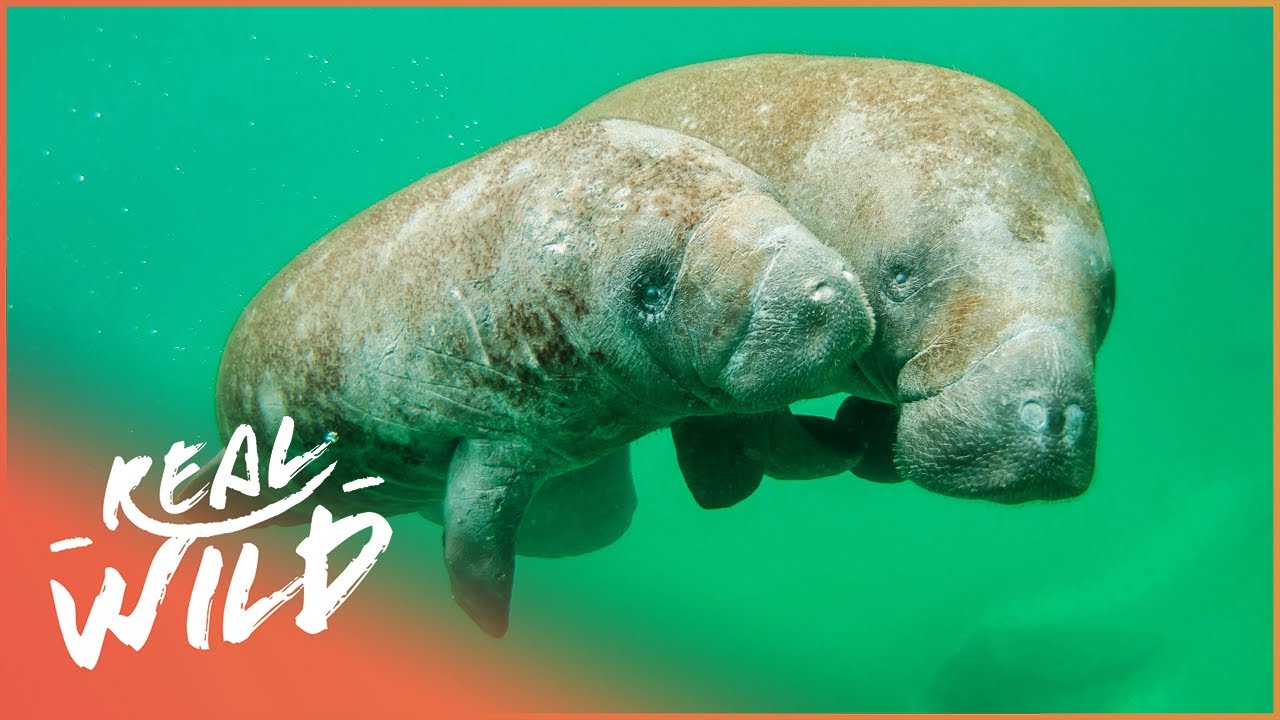
In murky waters, Manny encounters a manatee, highlighting the unexpected interactions between humans and wildlife in their natural habitats.
In India, coal mines face frequent explosions, highlighting energy independence issues.
In 2024, India faced its longest heatwave on record, with temperatures exceeding 50°C in New Delhi and reaching 56°C in Nagpur.
Indonesia, the world's largest Muslim-majority country, navigates its transition to democracy while addressing radical Islam, economic growth, and environmental challenges.
The Amazon basin spans over 7 million square kilometers, accounting for 25% of South America's total surface area.
Fourteen years may pass in the Namib Desert without a single drop of rain, creating one of the most extreme ecosystems on the planet.
Mist descends almost weekly in the Namib Desert, providing 50 liters of water per square meter per year, double the amount of rain.
Over 1 million seals gather along the Namibian coast each year to give birth, but their survival is threatened by overfishing and reduced sardine populations.
In the Himalayas, Bhutan's unique Gross National Happiness philosophy and ancient traditions thrive in an isolated kingdom largely untouched by mass tourism.
Wildlife tourism accounts for 10-20% of the global tourism industry, yet many animals suffer in captivity under harsh conditions.
In London, Dan O'Neill investigates the illegal wildlife trade by touring the Metropolitan Police's 'Dead Shed' with Detective Constable Sarah Bailey, examining confiscated items.
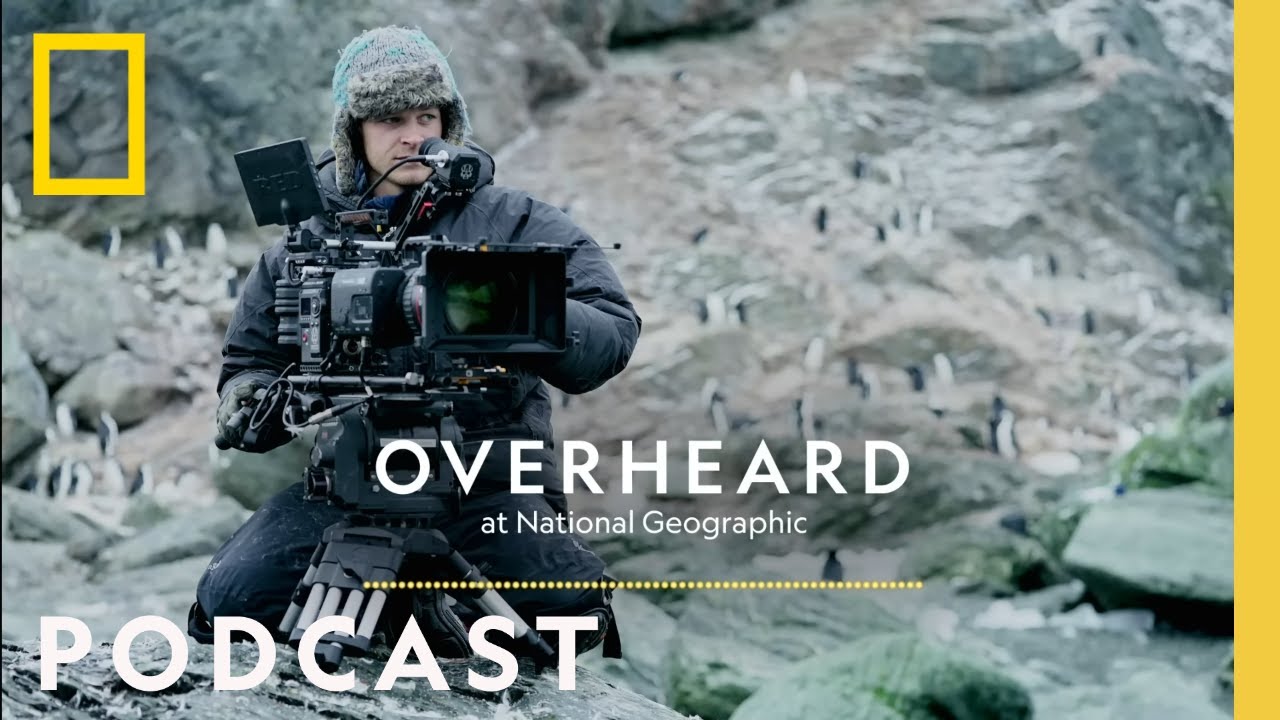
Bertie Gregory shares his experiences filming wildlife in extreme environments, including encounters with lions in Zambia and hammerhead sharks in Costa Rica.
A sound technician records audio continuously for 14 hours each day while following big cats in the Okavango Delta.
Troy and Tes hunt pythons after a prescribed burn in this Swamp People clip.
Photographer Brian Skerry discusses his career, inspirations, and memorable adventures in marine photography for National Geographic.
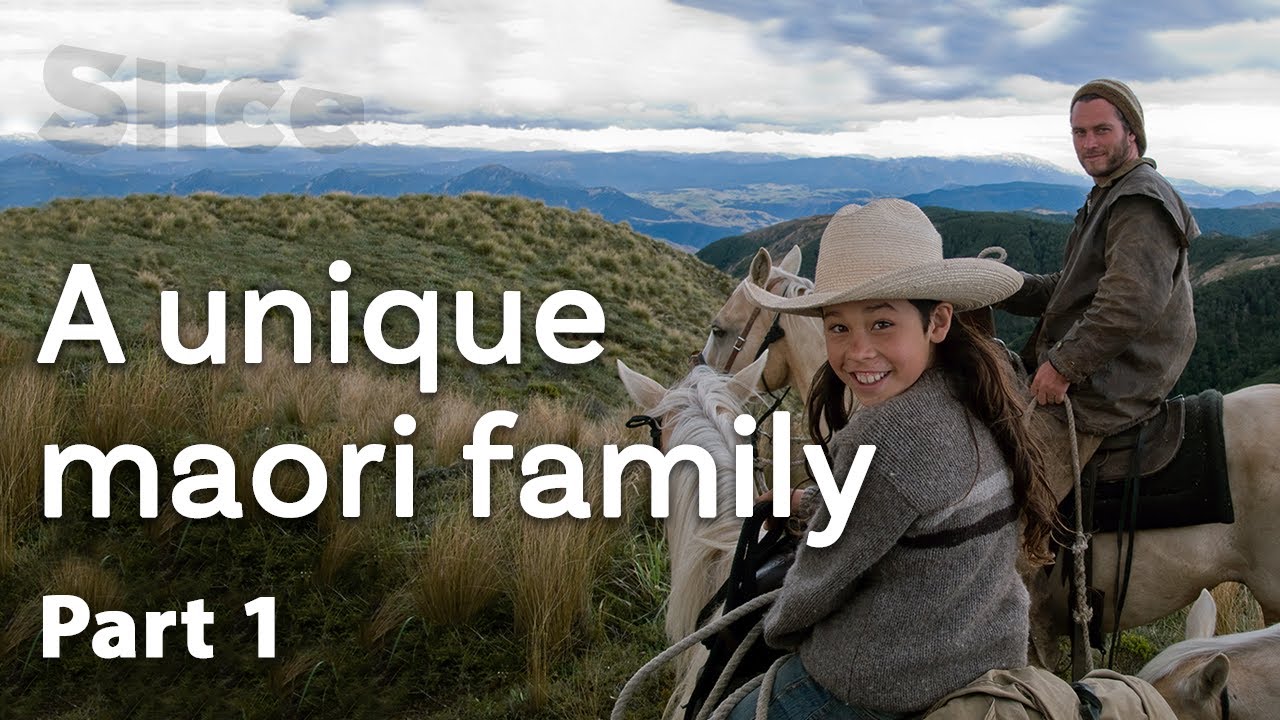
Peter and Colleen Karena raise their family in a self-sustaining home in New Zealand.
An entire Japanese fisheries dock, over 60 feet long and weighing 180 tons, washed ashore in Newport, Oregon, covered with more than a hundred tons of marine organisms.
Two survivalists must build a bamboo hammock and a fire while managing rising tensions over communication and teamwork in the jungle.
Justin Schmidt has been stung by insects at least 1,000 times to study the pain levels of various stinging species.
Oud, a highly valued ingredient in perfumery, raises concerns about environmental sustainability and the implications of its trade on endangered species.
500,000 acres of farmland on Prince Edward Island face economic pressures and climate change, challenging local farmers to adapt their practices.
Australia's isolation from the continental landmass millions of years ago allowed marsupials and monotremes to thrive, leading to its unique wildlife today.
A man in London cuts the UK's largest hedge, which spans approximately 15,000 square meters and includes a 55-foot tall section.
A fire in Châteauneuf-les-Martigues spreads rapidly, creating its own wind and threatening nearby homes as firefighters struggle to contain the blaze.
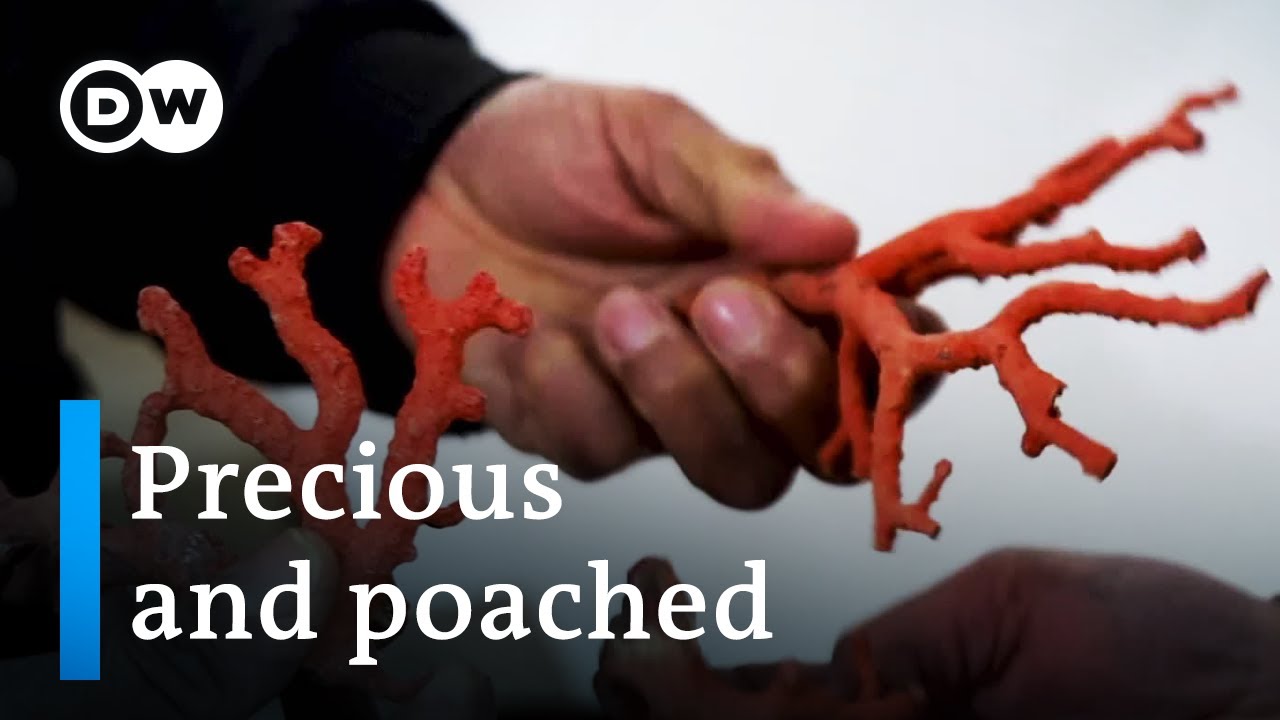
A recent study found that several million euros worth of red coral is sold illegally every year, often via southern Italy.
Izembek National Wildlife Refuge, a vital habitat for migratory birds, hosts the largest eelgrass beds on Earth and supports numerous endangered species.
Jake Porway connects nonprofits with data scientists to leverage statistical skills for addressing community and environmental challenges.
Jake commands the Time Bandit and faces challenges, losing two pots in the Bering Sea.
Ji Wook-cheol advocates for restoring Korea's seagrass forests after personal tragedy.
Fellow Jason Clay discusses how social media can address global challenges such as water scarcity.
In Namibia, photographers Frans Lanting and Christine Eckstrom explore the region's unique wildlife and striking desert landscapes.
Photographer Joel Sartore captures images of endangered species, including whooping cranes and wolves, highlighting their plight before potential extinction.
A single elephant tusk can weigh up to 80 kilos and is valued at 800,000 US dollars, more than gold.
Josh Jespersen advocates for public lands and environmental stewardship in Colorado, addressing climate change and the bark beetle crisis with organizations like Western Resource Advocates.
A mysterious green blob raises questions about environmental responsibility and the water cycle, illustrating the consequences of waste disposal decisions.
Around four million bats leave the Volcan de las Murcielagos each evening, playing a vital role in pest control and pollination in Mexico's ecosystems.
Joyce Poole utilizes citizen science and Web technology to advance elephant conservation efforts through her work with ElephantVoices.
Juliana Machado Ferreira addresses the illegal wildlife trade in Brazil, where poachers remove 38 million animals annually, through science, politics, and education.
Juliet Eilperin, an environmental reporter, profiles the historical views of sharks and their crucial role in maintaining healthy marine ecosystems.
Over half of the original forests on Earth have been destroyed, with 45% of rainforests now classified as wasteland.
A set of stairs from old machinery fits perfectly into a composting toilet project, demonstrating the potential of repurposing discarded materials.
Kakani Katija explores the impact of jellyfish on ocean currents and their potential influence on global weather patterns.
Twenty-five new Kakapo chicks have increased the global population to 86, as conservationist Allan Munn seeks a mate for the legendary Richard Henry.
Josephine Brennan Kuss rescues injured kangaroos in Coober Pedy, South Australia.
In Northern California, the Tolowa Dee-ni' Nation reclaims authority over traditional fisheries, integrating community and culture into marine science practices.
In Central America's biodiverse forests, the illicit cocaine trade is causing significant social and ecological destruction, as explored by Kendra McSweeney.
Half a million birds from over 350 species rely on the 29-square-kilometer Keoladeo Ghana National Park as a vital stop during migration.
Keoladeo Ghana National Park is a vital bird sanctuary near Delhi and Agra's Taj Majal.