From over 100,000 films, discover the handful you'll love.
Free or premium access to the world's largest documentary library.
7535 films(Page 35 of 157)
Ancient upland forests in Western Europe serve as vital ecosystems, supporting diverse plant and animal species influenced by the daylight cycle.
310 days of sunshine a year make New Mexico one of the best locations for solar installations in North America, yet challenges remain for widespread adoption.
Costa Rica, covering only 0.03% of the world's landmass, is home to 5% of global biodiversity and has achieved nearly zero deforestation since 2005.
Six months of no rain on Santa Cruz Island force giant tortoises to migrate in search of food, pushing them to their limits.
The Western Hoolock Gibbon, Bangladesh's only native ape species, faces rapid population decline due to habitat destruction and urgent conservation efforts are needed.
One solar flare can release energy equivalent to over 200 million hydrogen atomic bombs, posing a significant threat to life on Earth.
Herpetologist Nathaniel Maury tracks rare reptiles and amphibians in Sri Lanka's wild spaces, emphasizing the urgent need for conservation of these species.
Unchecked global warming threatens to drive into extinction one out of every two creatures on Earth, according to the film's analysis of climate change impacts.
Masked mammals such as raccoons, badgers, and red pandas showcase their intelligence and adaptability while navigating diverse environments from European forests to the Amazon.
In the Australian outback, diverse wildlife such as kangaroos, lizards, and wild horses adapt to extreme heat and the threat of uncontrollable fires.
In the Mediterranean maquis, diverse plant and animal species adapt to the region's unique climate, showcasing the intricate balance of nature.
Oil and gas operations are occurring in 32 states, with the Rocky Mountain region experiencing the majority of the expansion near residential areas.
Tagus International Park, established in 2006, is home to over 400 vertebrate species and more than 1,000 plant species along the Tagus River.
Biologist Tomas Hulik spent over 300 days observing a family of beavers in the riverine forest along the March River, capturing unprecedented footage with an ORF camera team.
In Trás-os-Montes, Portugal's most remote province, two small mountain ranges harbor a rich natural heritage, including unique flora, fauna, and geological features.
In Alaska's remote wilderness, veteran photographer Michael Melford explores the conflicting futures faced by local residents amid environmental changes.
In the remote Alaskan wilderness, Andreas Kieling explores the habitat of giant Kodiak bears, examining their size, behavior, and the ecosystem that supports them.
The English Channel and North Sea region serves as a vital migratory hub for numerous bird species, providing essential resting and feeding grounds along Europe's west coast.
In Tornado Alley, a construction industry veteran critiques building practices and highlights the urgent need for homes that can withstand extreme weather events.
Peneda-Gerês National Park, Portugal's only national park, spans nearly 700 square kilometers and features diverse ecosystems, including oak forests and wild Garrano ponies.
Thomas explores the wild landscapes of his local mountains, guided by environmentalists, as he seeks to understand the intricate relationship between nature and modernity.
In South Australia, the intricate relationship between native marsupials and poisonous plants is threatened by invasive species like foxes and rabbits.
Ifrane National Park, covering 50,000 hectares, is home to one of the largest populations of Barbary macaques in the world.
Vienna, the only major city with a vast forest area nearby, is home to the Vienna Woods, which boasts a rich diversity of wildlife and plant species.
Giant Nomura jellyfish are invading Japan's coastal waters, with rising sea temperatures leading to a population surge that threatens local fishing industries.
Yunnan province in southwestern China, known for its diverse landscapes and rich biodiversity, is home to endangered species like the white-cheeked gibbon and China's elephants.
Wild horses in the Australian outback, descendants of British settlers, have adapted to survive extreme heat, drought, and predators in their harsh desert environment.
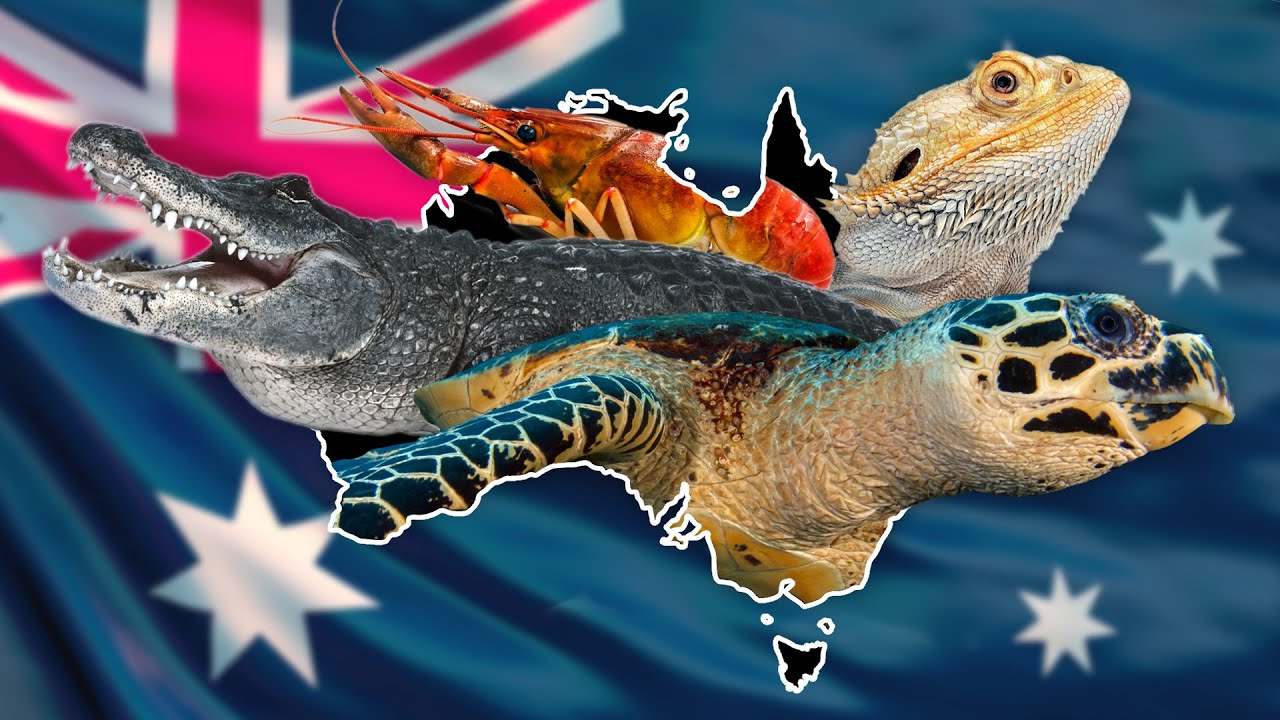
In Australia's wildlife oasis, diverse species such as lobsters, bearded dragons, turtles, and alligators thrive in their natural habitats.
500 millimeters of rain fell on Taiwan in 24 hours during a record-breaking typhoon, marking one of the extreme weather events of 2015.
Nearly 6,000 satellites orbit Earth, with about half classified as dead, contributing to a growing risk of collisions in space.
Timber skyscrapers like Norway's Mjøstårnet and Milwaukee's Ascent are setting new architectural standards while promoting sustainability and climate protection.
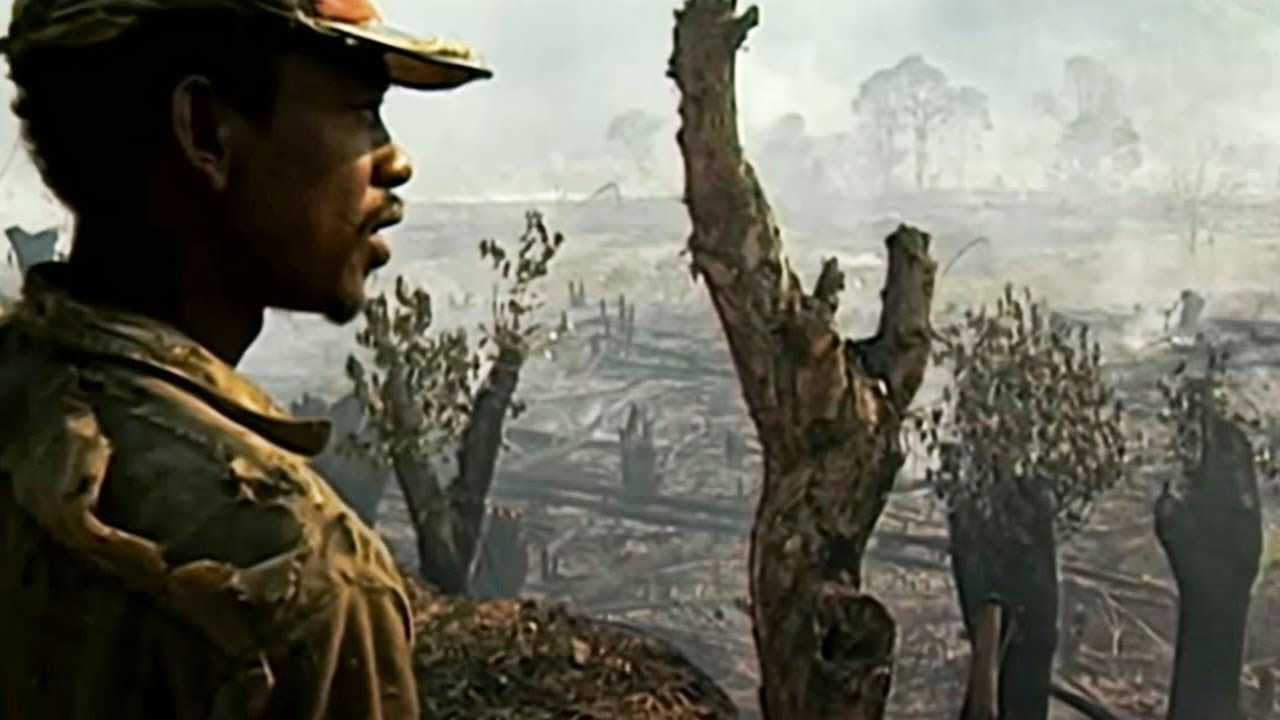
In the equatorial jungles of Africa, the Pygmies, one of the world's oldest cultures, face existential threats from logging that endangers their traditional way of life.
The great auk, a flightless bird hunted for its fat, eggs, and feathers, became extinct by the mid-19th century due to overhunting and environmental changes.
In Earth's most extreme environments, animals like elephants, wolves, and orangutans exhibit remarkable adaptations to survive brutal conditions such as wildfires and icy winters.
A $500 million drilling rig, the West Bollsta, is towed by the ALP Striker across unpredictable waters from South Korea to the Canary Islands over 90 days.
Autumn showcases the vibrant transformations in wildlife, highlighting red deer's mating rituals, crane migrations, and the preparations of squirrels and hedgehogs for winter.
Four young people in Northern Ireland, the Lake District, Sussex, and Buckinghamshire work with the National Trust, preserving heritage through diverse roles.
In 1994, a volcano on New Britain erupted, forcing residents to flee as ash rained down and reshaped their environment.
Java became separated from mainland Asia just 10,000 years ago, leading to unique adaptations among its wildlife, including monitor lizards.
African penguins, the only penguin species native to Africa, are facing extinction despite conservation efforts on their breeding islands.
In four parallel stories from Asia, Greenland, Siberia, and the Gulf Stream, the vital role of oceans in climate regulation and their connection to human life is explored.
Great hammerhead sharks, studied by marine biologist Dr Johan Mourier in Rangiroa Atoll, face significant threats as their population has declined by 80% in 25 years.
Danielle Lee studies how field mice thrive in urban parks, revealing that many wildlife species live unnoticed in neglected spaces.
Madagascar and the South Pacific showcase diverse island wildlife through breathtaking scenes that highlight their unique ecosystems and inhabitants.
Kemp's Ridley sea turtles, an endangered species, are rescued annually by the Mass Audubon Wellfleet Bay Wildlife Sanctuary and the New England Aquarium in Cape Cod.
Hummingbirds must consume more than twice their body weight in food each day, competing fiercely for limited nectar supplies from flowers.
In the Mediterranean, overfishing of octopuses, driven by high demand and illegal fishing practices, threatens marine ecosystems and local livelihoods.
Frederic, a freediver, collaborates with researchers like Sandrine Ruiton and Dr. Pierre Chevaldonne to assess and protect the fragile marine biodiversity of the Mediterranean Sea.