From over 100,000 films, discover the handful you'll love.
Free or premium access to the world's largest documentary library.
7535 films(Page 74 of 157)
Extinction rates are now comparable to those of the greatest mass extinction in Earth's history, driven by human activity and environmental impact.
In rapidly expanding Middle Eastern megacities, the quest for green urban spaces reveals how gardens transform lives amidst challenging climatic conditions.
Wildfires in Sicily, largely ignited deliberately, devastated around 5,000 square kilometres in 2024, raising questions about the motives behind these destructive acts.
Bataan's ecotourism initiatives highlight the region's stunning landscapes and rich cultural heritage, promoting sustainable travel in the Philippines.
Alain Philoctète, a Haitian artist and activist, pursues a permaculture project in Haiti while battling cancer, as documented by Will Prosper.
Climate change is increasing the frequency of catastrophic flooding worldwide, prompting scientists and meteorologists to develop advanced technologies for disaster mitigation.
In the Masai Mara nature reserve, a cheetah mother named Maleika raises six cubs, showcasing the challenges and dynamics of wildlife parenting.
Aerial footage captures the stunning landscapes and coastal beauty of the downeast region of Maine, highlighting its unique natural features and charm.
Latin America's diverse ecosystems, from the Amazon River Basin to the Andes, shape the survival strategies of species like the Jaguar and Andean Condor.
A 50-pound sea trout was once caught in the River Towy, known for its exceptional fishing opportunities in South Wales.
The hamburger patty industry, driven by aggressive marketing, significantly contributes to deforestation in tropical regions while impacting local communities in the Global South.
Dr. Jennifer Gardy tests popular weather myths, examining the science behind storms, lightning, and snow through experiments and expert insights.
In a community near a landfill, parents and teachers at an elementary school raise concerns about a mysterious illness and deaths affecting children.
In Peru's Amazon rainforest, illegal gold mining led by biologist Enrique Ortiz and journalists Ron Haviv and Donovan Webster results in severe environmental destruction.
Refurbished wind turbines are reshaping Europe's renewable energy landscape, as companies like Nordex and Siemens Gamesa repurpose older models to meet sustainability goals.
Climate change is increasing the risk of wildfires in Europe, prompting experts to develop innovative firefighting strategies across the continent.
Invasive species like raccoons, tiger mosquitoes, and grey squirrels pose significant challenges to agriculture and public health while also offering unexpected benefits in ecosystems.
In the vast wilderness of the Tahltan First Nation, miners, hunters, and Indigenous peoples navigate the challenges of preserving their land amidst natural beauty.
In the foothills of the Appalachians, Dr. Billy Campbell advocates for green burials as a means to fund land conservation and establish wildlife preserves.
Customers of the Anderson Cottonwood Irrigation District have gone without water for the first time in over 100 years due to a historic drought.
In southern Botswana, Thato Cooper and the Modisa Wildlife Project address conflicts between local farmers and lions that threaten livestock.
In the Pine Barrens of New Jersey, off-road vehicle damage on public lands is examined through the lens of environmental advocacy and community impact.
Barack Obama's administration launched the Green New Deal, a significant green energy initiative aimed at reducing America's carbon footprint through renewable energy sources and corporate commitments.
Barack Obama's administration implemented the ambitious "Green New Deal," prompting a nationwide shift towards renewable energy and corporate sustainability efforts.
Highly intelligent animal species utilize complex communication, problem-solving skills, and emotional depth to navigate survival and dominance in their ecosystems.
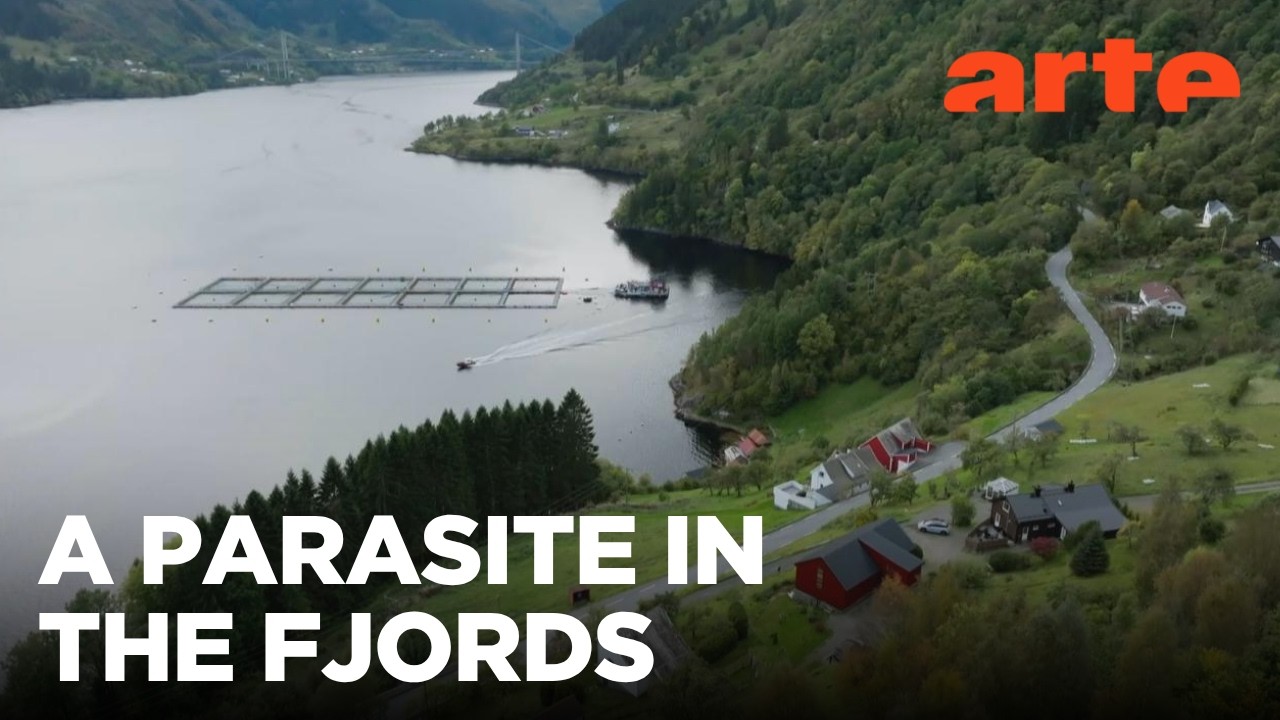
Intensively farmed salmon in Norway's fjords faces a crisis as an outbreak of sea lice threatens both farmed and wild fish populations, prompting collaboration between scientists and anglers.
Lake Superior, the largest of the Great Lakes, is explored for its vast freshwater resources and the unique wildlife of the surrounding Canadian Shield.
Lanzarote, the easternmost island in the Canary Islands, features a dramatic landscape shaped by volcanic activity, fertile vineyards, and a thriving surfing culture.
In the Himalayas, Father Latak prepares his children for the perilous Chadar route over ice to reach a prestigious boarding school, relying on weather predictions and traditional prayers.
In the wild, animals engage in fierce battles for survival, territory, and mating rights, with male rivals often fighting to impress females and secure reproduction.
Wildfires in Alberta and Australia are intensifying due to climate change, prompting researchers and firefighters to study their causes and impacts.
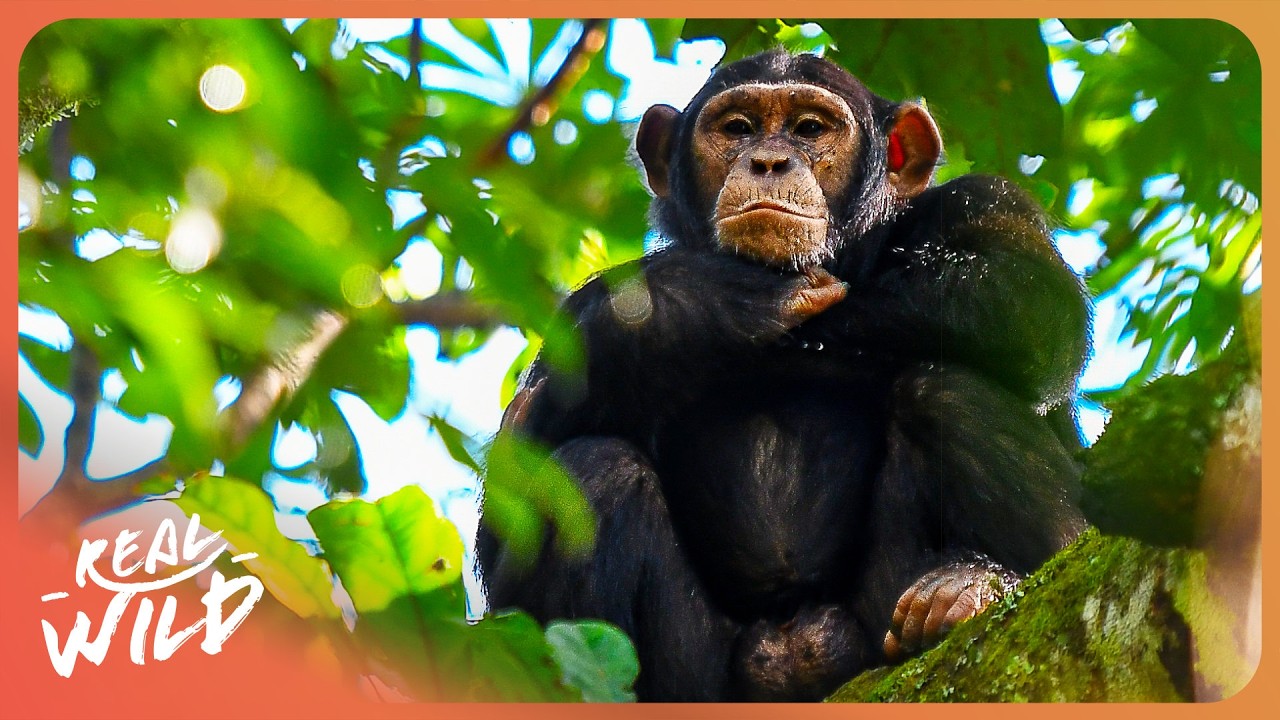
In Uganda, Ben Fogle explores innovative conservation efforts that balance the needs of local communities with the protection of endangered chimpanzees.
Anak Krakatoa, known as "The Child of Fire," enters a violent phase, raising concerns about a potential repeat of its ancestor Krakatoa's catastrophic eruption.
Amboseli National Park, home to over 50 mammal species, faces increasing threats from human encroachment and climate change, impacting wildlife and local farmers.
Smart technology's environmental impact is examined alongside the resistance against Europe's last dictator in this episode of Vice Around the World.
In the wild ocean waters off the Azores, a team of scientists and cameramen attach micro-cameras to devil rays, revealing their deep-sea feeding behaviors and more.
Each year, 1.3 million wildebeest undertake a 600-kilometer migration across East Africa in search of fresh grasses that follow seasonal rains.
South Africa's West Coast presents a harsh environment shaped by icy Atlantic waters and fierce winds, showcasing the resilience of its unique wildlife.
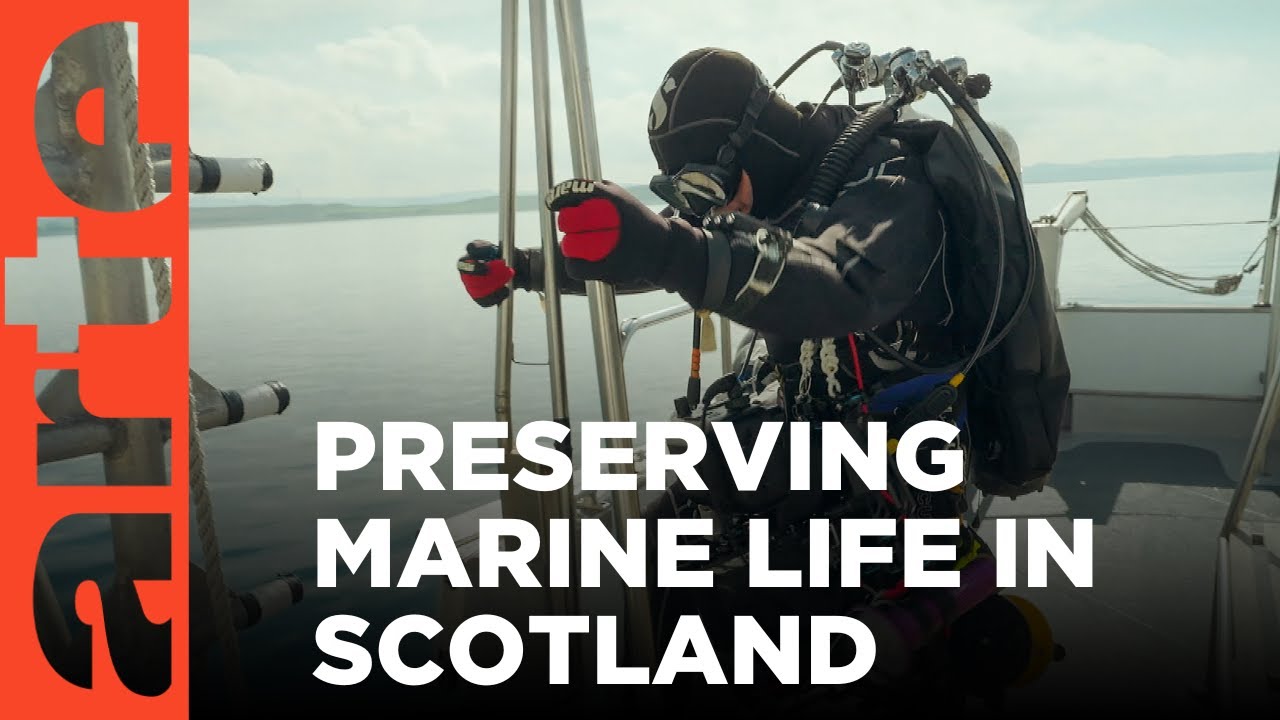
Marine biologist David Ainsley and campaigner Rachel Mulrenan investigate the impact of overfishing and salmon farming on Scotland's coastal biodiversity.
In Guéthary, local surfer François Verdet investigates the alarming rise of plastic pollution in the ocean, highlighting surfers' role in advocating for cleaner marine environments.
In the diverse ecosystems of Africa, smaller predators like the caracal, honey badger, and porcupine showcase their unique survival strategies in the wild.
Innovative facilities like the San Diego Zoo and Berlin Zoo are reshaping animal welfare by creating habitats that prioritize the natural behaviors of wildlife.
Abu Dhabi's Masdar project aims to create the world's first zero carbon, zero waste, car-free city, housing 40,000 residents and a solar power manufacturing hub.
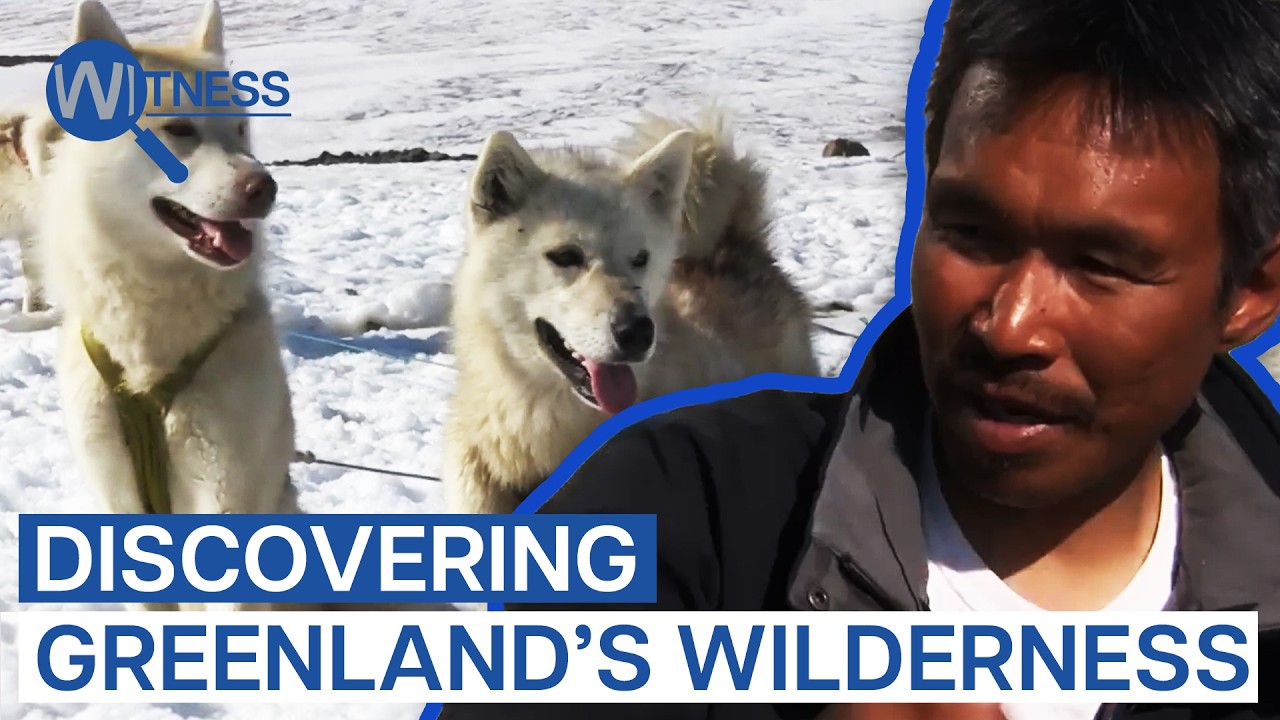
Greenland's rapidly changing environment, marked by vanishing glaciers and shifting ecosystems, poses significant challenges for its wildlife and resilient inhabitants.
Three trainees in Washington, D.C., participate in a paid 12-week green job training program focused on urban forestry and community improvement.
Declining populations of pollinating insects prompt scientists and researchers to explore innovative alternatives like bubble guns to sustain agriculture and biodiversity.
In maritime logistics, 90% of global goods are transported by sea, highlighting the roles of crew members, environmental impacts, and inherent dangers.
Balloon releases create jellyfish-like shapes that pose a threat to sea turtles, while the balloon industry has engaged in greenwashing to obscure this issue.