From over 100,000 films, discover the handful you'll love.
Free or premium access to the world's largest documentary library.
7535 films(Page 13 of 157)
Saffron cultivation in the Sahara Desert is examined through the experiences of local expert Abdullah, nurse Julia, and guides Ali and l’Hô against the High Atlas Mountains.
K’gari, the largest sand island in the world, showcases its diverse ecosystems, including rainforests, lakes, and unique wildlife like dingoes and humpback whales.
100 million people lived in complex societies across the Americas in 1491, a world transformed by the arrival of European settlers.
Yellowstone National Park, home to the world's largest volcanic system, experienced a catastrophic eruption 6,000 years ago that covered 3,000 square miles in ash and lava.
Five snowy owlets hatch in the Arctic tundra, where their parents face challenges due to low lemming numbers and extreme seasonal conditions.
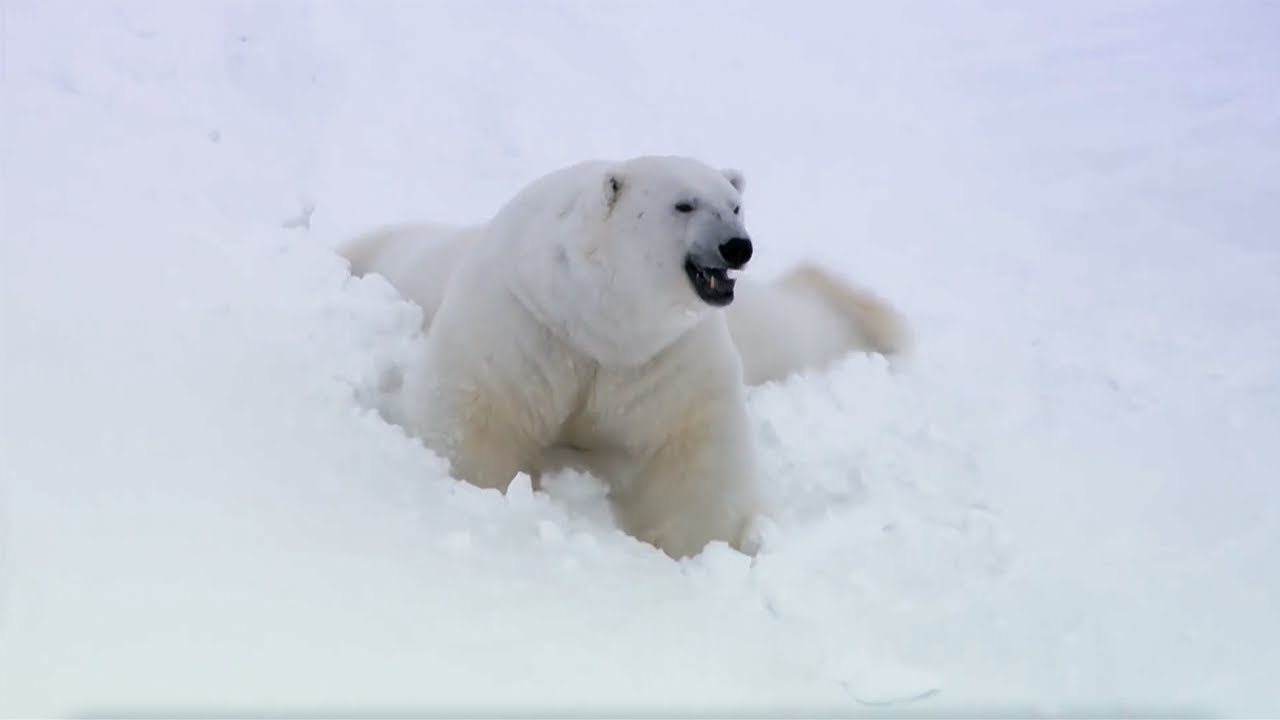
Polar bears' courtship rituals and reindeer pulling sleighs are featured among winter scenes from diverse ecosystems in the BBC Earth archive.
In the Bohemian Forest, a lynx is monitored by 15 cameras set up by local rangers to document its hunting behaviors and mating activities.
152 tons of CO2 have been captured and stored in the fields of Austrian farmer Josef Nagl through sustainable humus farming practices.
Over 100,000 metric tons of nuclear waste have been buried in various oceans by countries using nuclear energy, with the British responsible for 80 percent of that total.
In the Masai Mara Region of Kenya, the annual migration from the Serengeti showcases the dynamic interactions between predators and prey along the Mara River.
An 8 by 8 by 8 concrete pod, called an urban foxhole, is built by a family in secret to survive potential disasters and societal collapse.
Cape Verde, an archipelago off the coast of Senegal, features individuals like George, a conservationist on Sao Vicente, and Mitu, a kiteboarding champion from Sal.
In the high-altitude reserves of the Alps, five fox cubs navigate a harsh environment filled with challenges from predators and territorial disputes.
Venice, a city built on a marshy lagoon, has developed innovative architectural techniques over 1,500 years to combat rising sea levels while preserving its unique heritage.
Over 1,400 species of reptiles and amphibians inhabit Colombia, with 500 of those species found nowhere else in the world.
Colombia's diverse ecosystems, from the Andes to the Amazon, host a remarkable variety of unique plants and extraordinary wildlife.
Coastlines worldwide are presented in high-definition visuals, highlighting their natural beauty and ecological importance.
Two million bats take to the skies at dusk in the Indonesian jungle, where predators await their chance to strike.
Roses, celebrated for their beauty and fragrance, are explored through their cultivation, cultural significance, and ecological roles across various regions.
South America, home to a quarter of all bird species on Earth, showcases its diverse avian life from Patagonia's icy peaks to the Amazon rainforest's vibrant ecosystems.
Yellowstone National Park, established in 1872, features its vibrant hot springs, majestic waterfalls, and diverse wildlife in serene visuals and sounds.
In the Sava floodplains of Croatia, a unique ecosystem thrives, featuring 100,000 hectares of meadows and pastures that support diverse wildlife.
Ten predictions made by the Gaia hypothesis have been confirmed, including the role of algae in cloud formation and climate regulation.
Yosemite National Park is home to towering cliffs, giant sequoias, and diverse wildlife, including coyotes, black bears, and bobcats.
In the tropical forests of Australia, the Yowie, a legendary hairy creature, is believed to instill fear in those who encounter it.
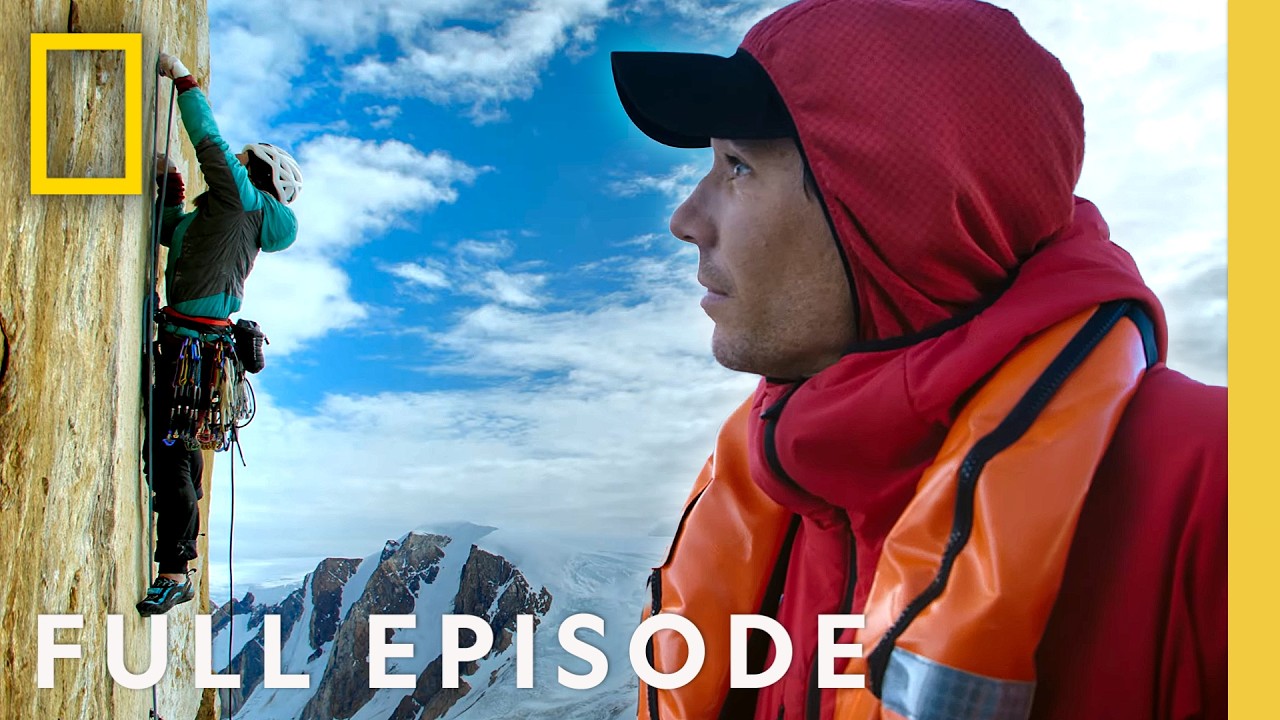
In eastern Greenland, Alex Honnold and his climbing team face deadly ice falls while attempting a first-ever traverse of the Renland Icecap.
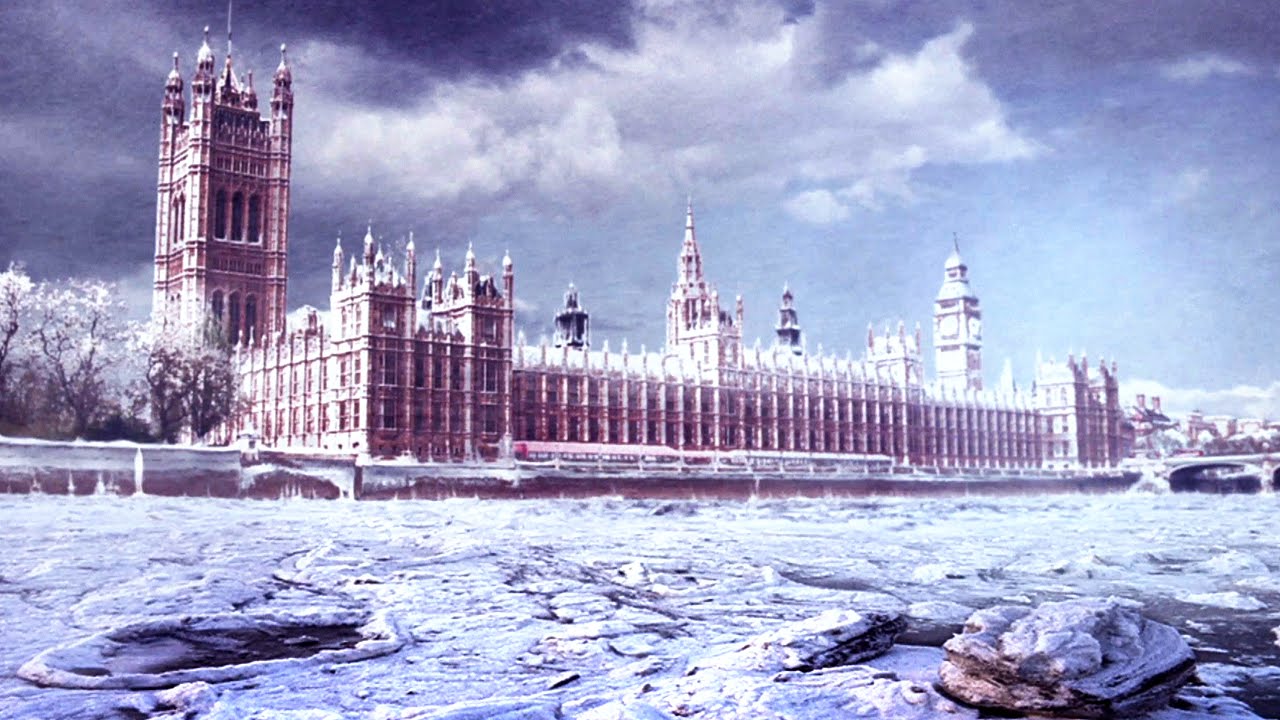
Evidence shows that massive volcanic eruptions can cause significant global temperature drops for up to two years, raising concerns about future cold periods.
Over 20,000 elk migrate across an area five times larger than Yellowstone National Park, connecting ranch lands and high-alpine meadows.
Yellowstone National Park, established in 1872, is renowned for its diverse wildlife and geothermal features, including the iconic Old Faithful geyser.
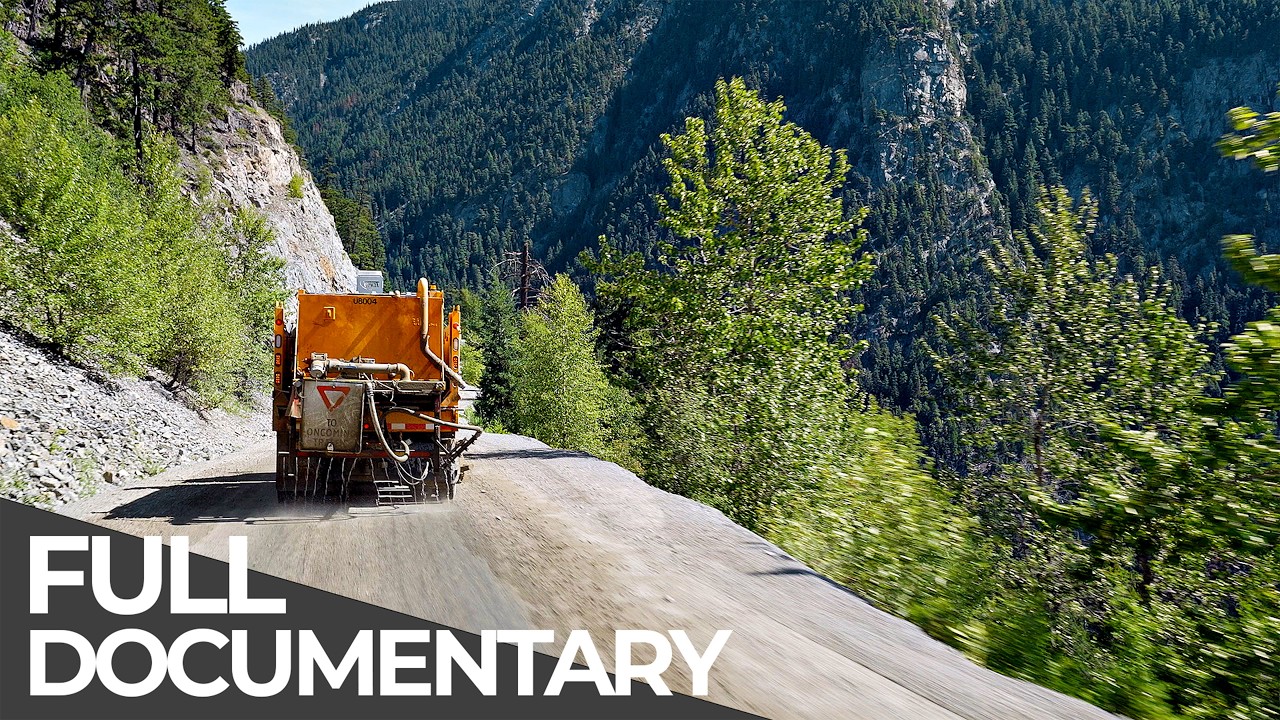
In British Columbia, the Bella Coola Highway presents significant challenges with its gravel roads, narrow hairpin bends, and steep mountain slopes.
Sir David Attenborough narrates a series showcasing the hidden behaviors and survival strategies of plants in various ecosystems, including deserts and rainforests.
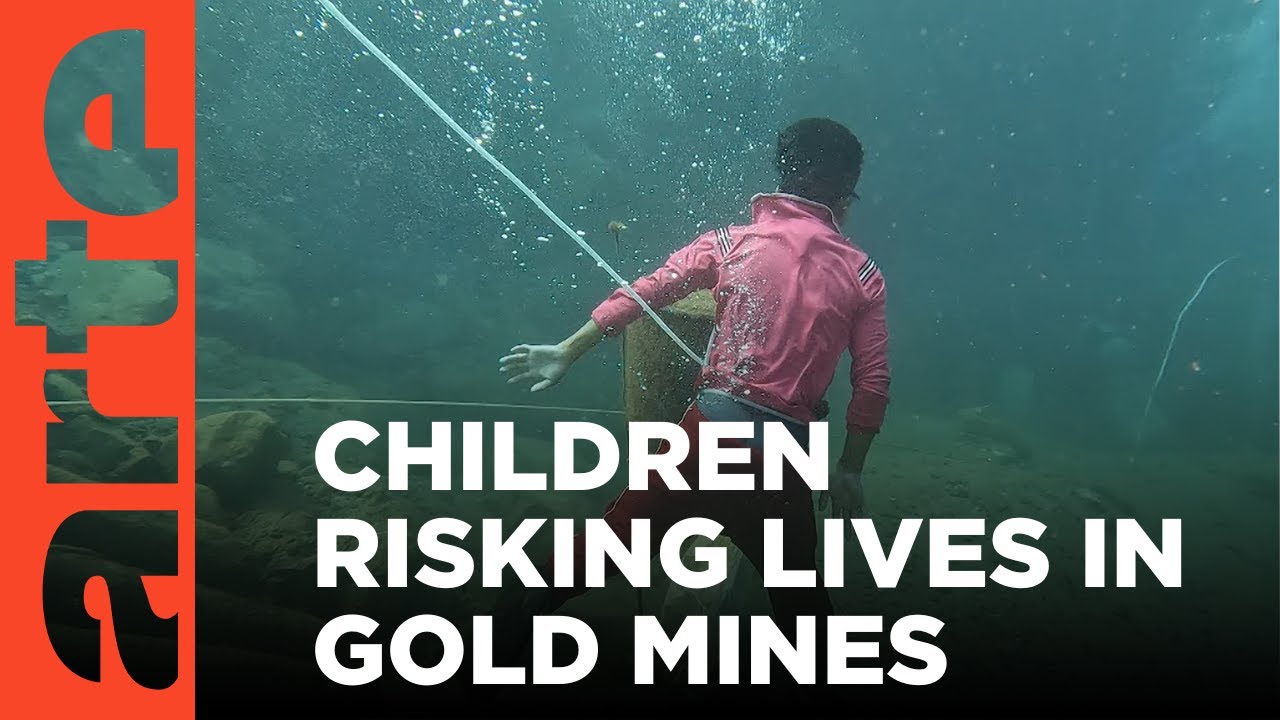
Two grams of gold can yield 3,600 pesos for a group of divers in the Bol Sea, where children often work in hazardous underwater conditions.
In the Arctic region, extreme contrasts of polar night and day shape the lives of resilient animals and plants that have adapted to survive harsh conditions.
In Patagonia, viewers can explore the serene beauty of kelp forests, the Southern Ocean, and the intimate moments of a southern right whale and her calf.
200 cubic meters of water can be held in a cistern built to collect moisture from cloud catchers in Morocco, addressing severe drought conditions.
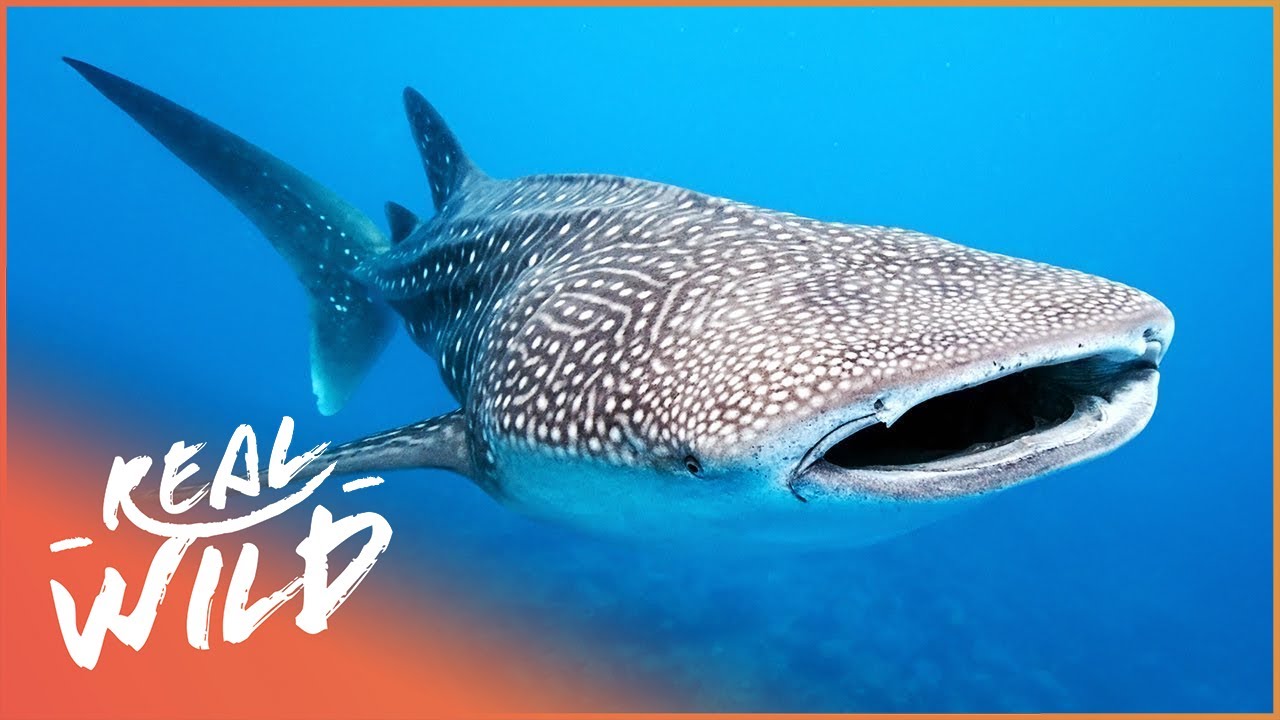
Scientists are using NASA technology to identify, catalogue, and track individual whale sharks in a critical effort to protect these gentle giants.
A great hammerhead shark measuring 14.5 feet long and weighing 1,282 pounds is the largest specimen ever caught and donated for scientific research.
Aquaculture is now producing more fish than wild catch, raising questions about its role in addressing overfishing and its impact on biodiversity.
Every year, about ten small transporters die on the roads while carrying illegal petrol in Nigeria's Niger Delta, a region rife with danger and pollution.
Grand Teton National Park receives over 40 feet of snow in a single season, creating a unique habitat for wildlife like otters and coyotes.
In the BBC Earth archive, a compilation showcases winter wildlife moments, featuring caribou, penguins, wolves, and polar bears in their natural habitats.
Extraordinary interactions among diverse species are captured across various ecosystems, highlighting the importance of wildlife conservation and biodiversity.
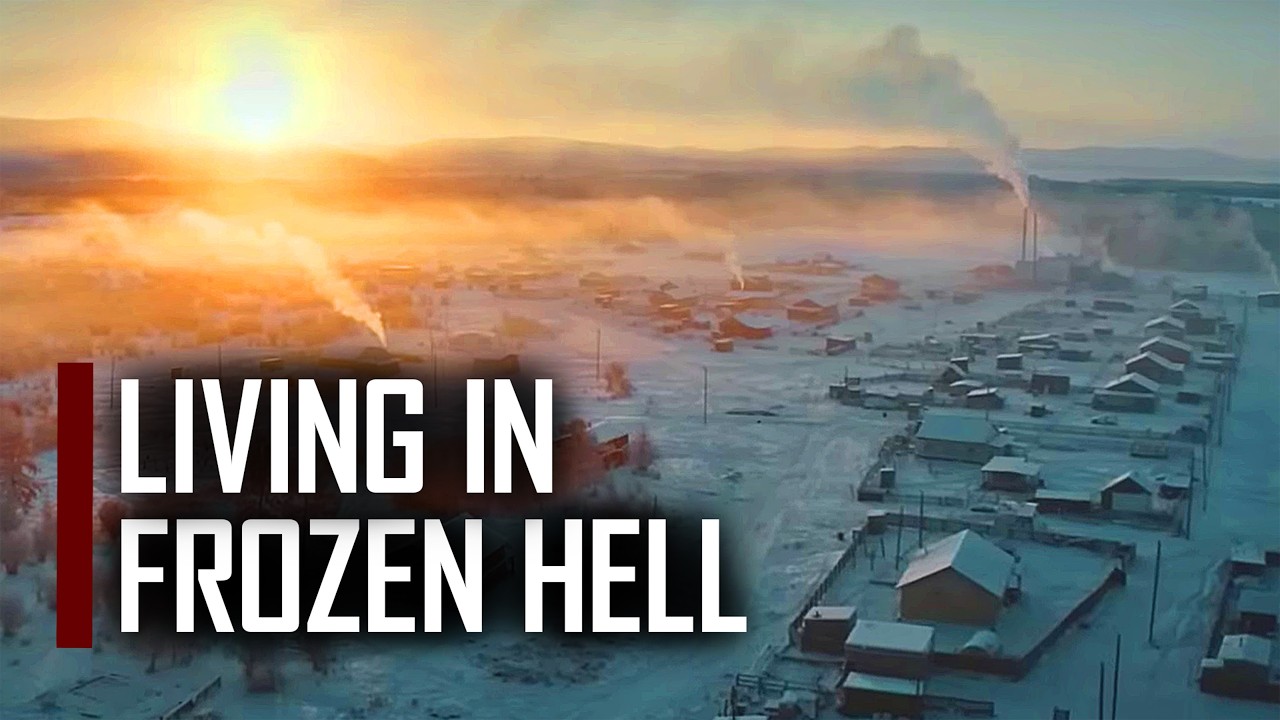
In the Republic of Sakha, Oymyakon is recognized as the coldest inhabited town on Earth, where residents endure extreme temperatures averaging -58° F during winter months.
In the aftermath of the 2004 Indian Ocean earthquake and tsunami, survivors in Southeast Asia unite to provide aid and support amid widespread devastation.
For three years, not a single drop of rain has fallen on the cracked lands of Kenya's Northern Frontier District, testing the limits of survival in Shaba.
Around 180,000 soldiers died on the icy front of the Alps during World War I, where melting glaciers now reveal artifacts from that brutal conflict.
Over half a million terns crowd during the dry season, while various species employ survival strategies against predators in their environments.
The Skandi Arctic, a cutting-edge diving support vessel, facilitates high-stakes saturation diving operations to maintain offshore oil platforms in Norway's frigid waters.