From over 100,000 films, discover the handful you'll love.
Free or premium access to the world's largest documentary library.
7535 films(Page 65 of 157)
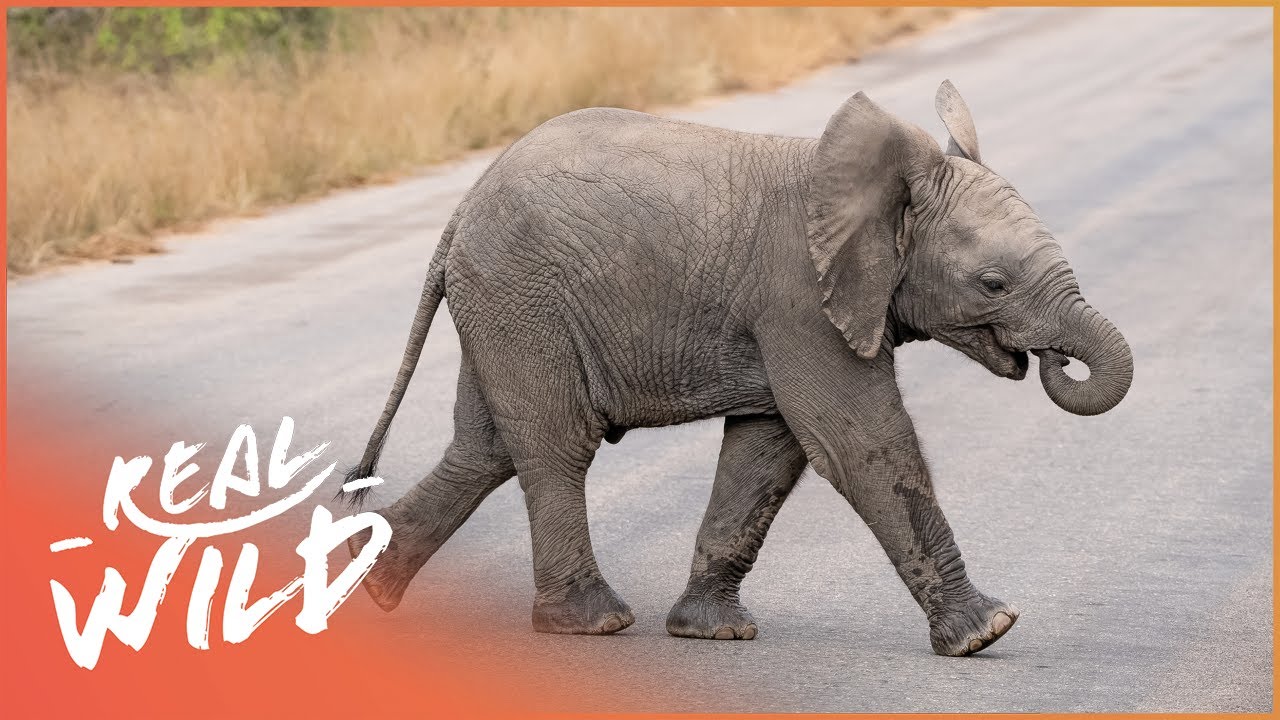
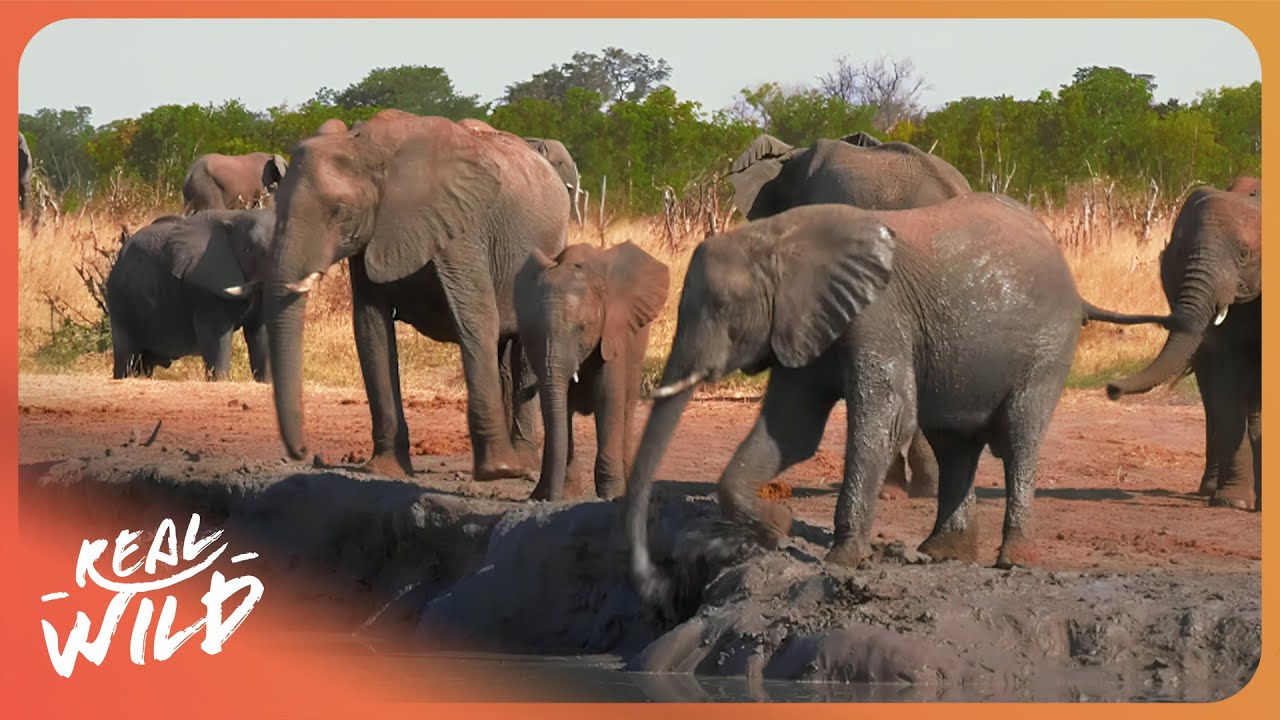
In Kenya's Maasai Mara, Brittany Bristow and ranger Bruce Hedges observe elephant herds with young calves learning to use their trunks and interacting with baboons.
The meatless meat industry is projected to reach $1.5 billion by 2022, driven by innovations from companies like Impossible Foods and Quorn.
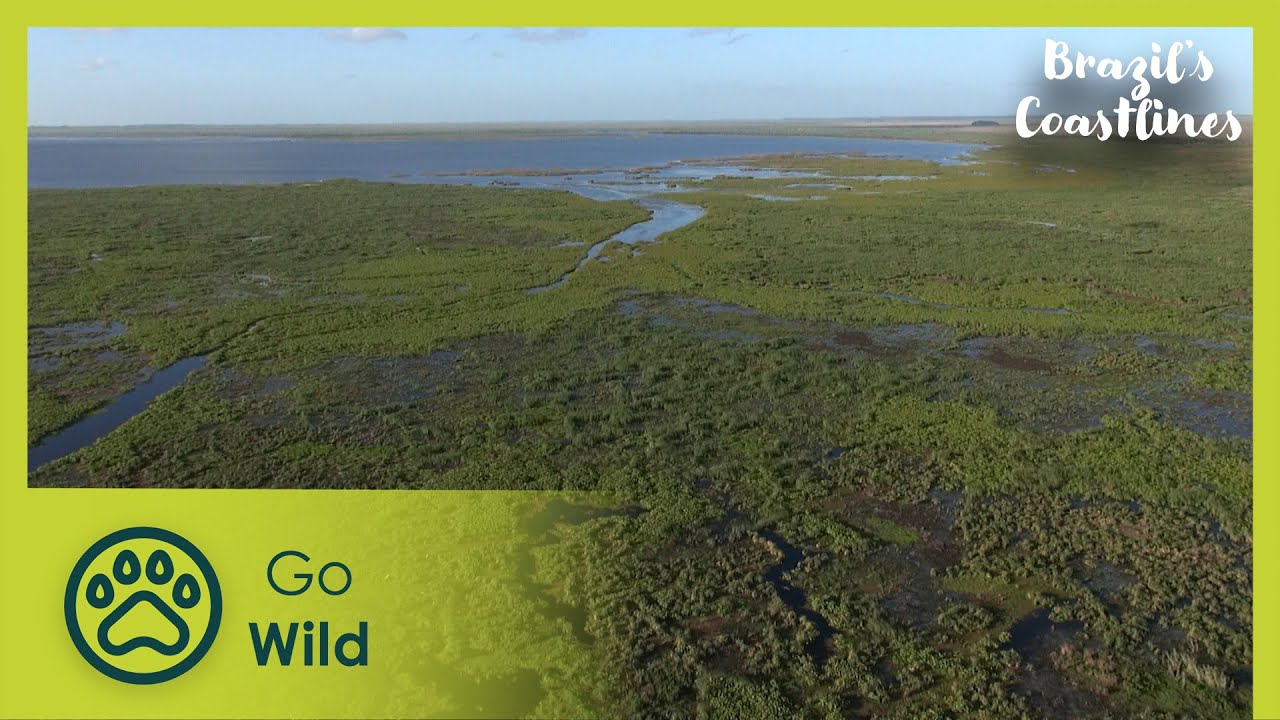
In Superagui National Park, Tise and her team care for parrots, while Joinville is known for its sugarcane marmalade and Florianopolis features Jaime's popular oyster restaurant.
Hydrogen is examined as a sustainable energy source, exploring production methods, environmental impacts, and applications with insights from the International Energy Agency.
One million species of insects inhabit Earth, and innovative technologies developed by Austrian entomologist Andreas K. will reveal their hidden world.
Elephants are viewed as competitors for land in Africa, where habitat loss and poaching threaten their survival and could lead to extinction within 50 years.
In the face of rapid global warming, wildlife such as polar bears and orcas are adapting their behaviors to survive as their habitats change dramatically.
Botswana's Okavango Delta, home to the largest elephant population on Earth, was recently designated as UNESCO's 1,000th World Heritage Site.
In extreme environments from the Arctic to the Amazon, animals like meerkats and mountain goats exhibit remarkable survival strategies that showcase nature's resilience.
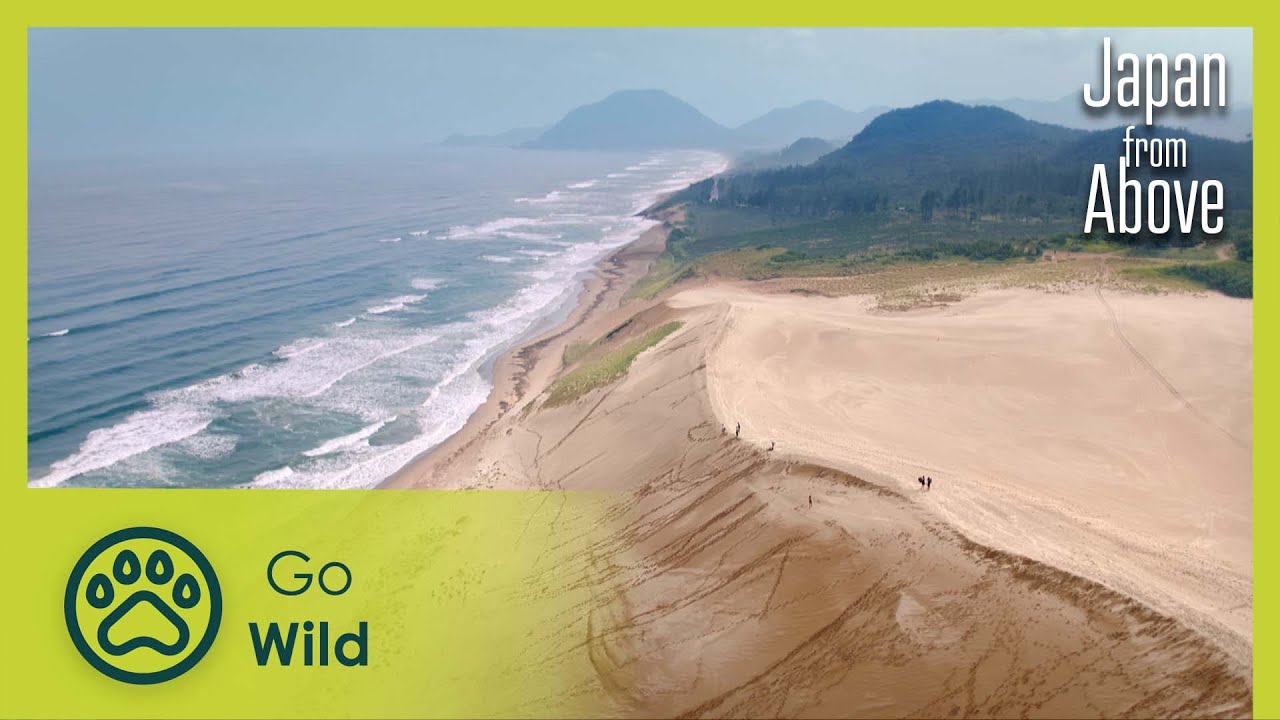
Chūgoku and Shikoku, two regions of Japan, showcase a rich cultural history, vibrant cities like Hiroshima, and significant spiritual sites such as the pilgrimage dedicated to Kobo Daishi.
In South Africa's KwaZulu-Natal region at the Pinda Reserve, zebras are examined for their unique behaviors and the challenges they face in the wild.
Jan Gehl advocates for urban design that prioritizes human needs over cars, aiming to create sustainable, pedestrian-friendly cities worldwide.
Walking safaris with cheetahs, elephant encounters at Somalisa Camp, and helicopter views of Victoria Falls highlight the diverse wildlife experiences in Zimbabwe.
Intensive livestock farming in Spain raises concerns about animal welfare and environmental impacts while highlighting the importance of acorns in producing high-quality Iberian ham.
A male common frog clasps a female for three days until she lays her eggs, illustrating the cycle of life in the Oostvaardersplassen ecosystem.
Nick, known as the Snake Master, investigates the elusive legendary snake of the Phetchabun mountains, last seen a century ago, starting at the Natural History Museum.
In Haida Gwaii, Angelika and Peter release two aggressive bear siblings by boat, while Kim collaborates with conservation officers in Smithers to rescue orphaned cubs.
One farmer reports receiving an average of a couple calls a day for support, a significant increase from just a few calls a month a decade ago.
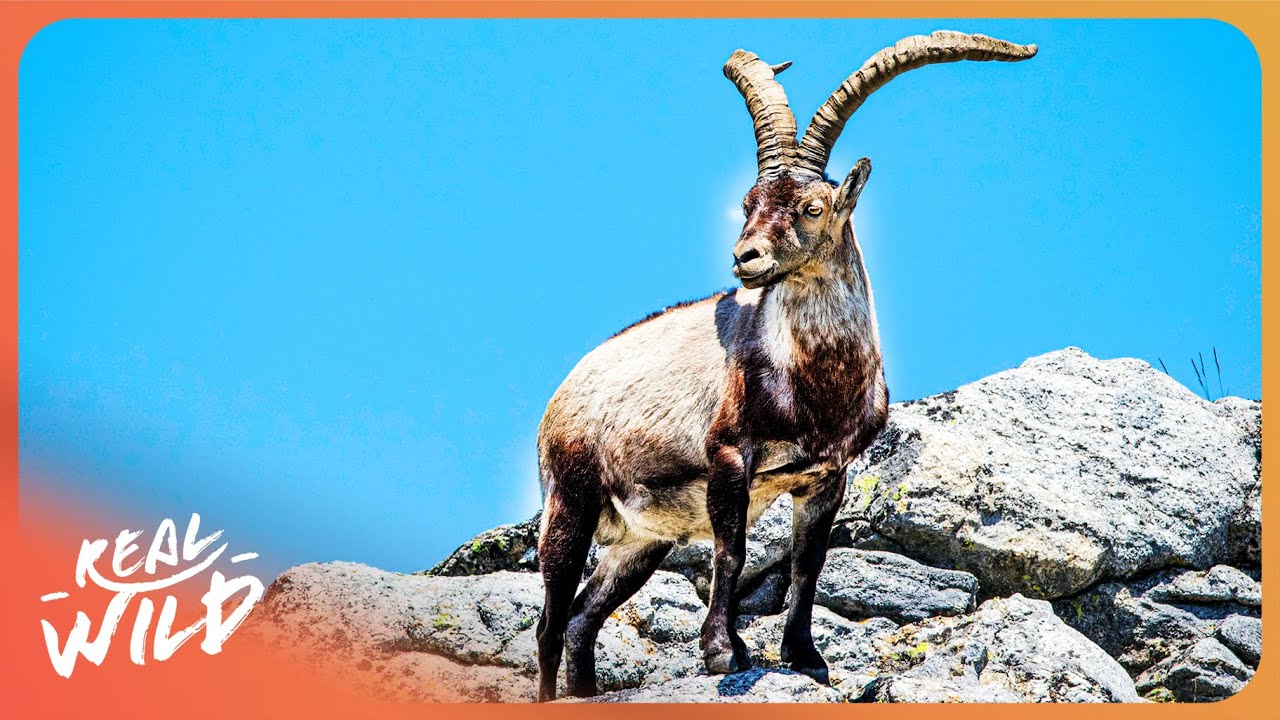
Winter in the Iberian Peninsula tests the endurance of formidable species like vultures and wild cattle, while migratory birds find sanctuary in ancient oak forests.
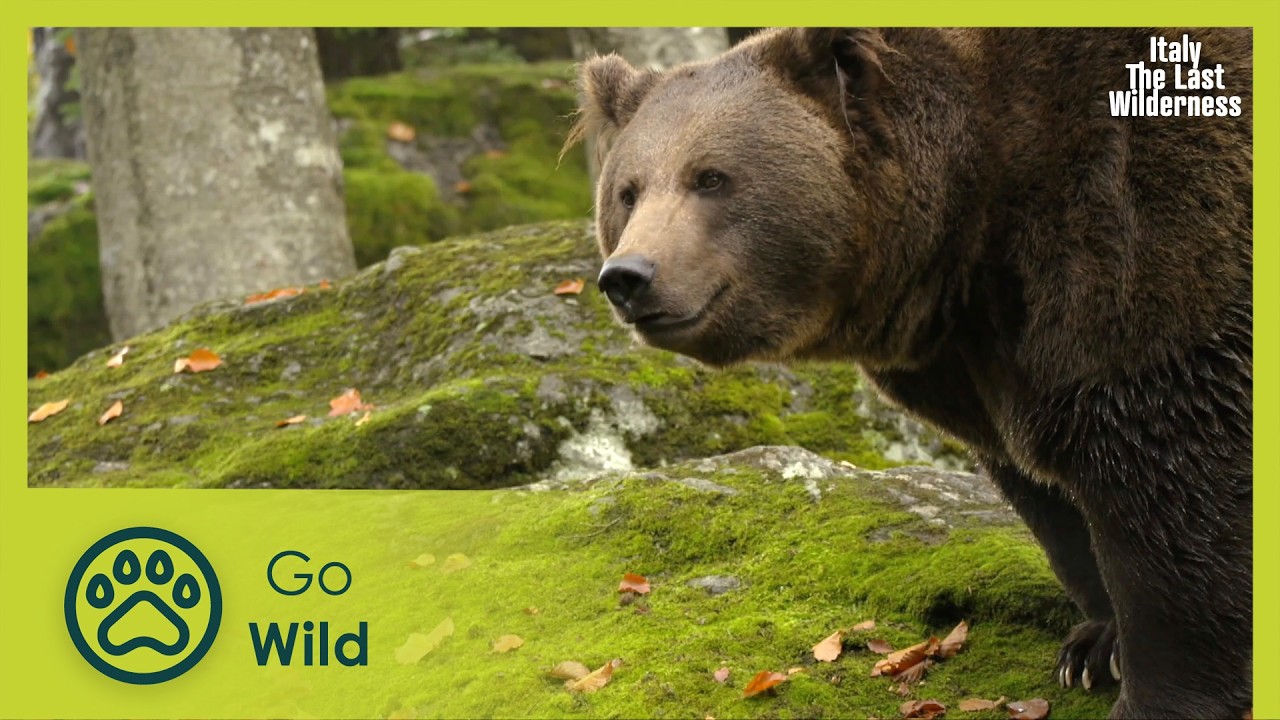
Mediterranean beech woods in Central Italy serve as a vital habitat for endangered species like the Brown Bear, facing threats from climate change.
In eastern Botswana, the Swapong Hills serve as a sanctuary for diverse wildlife, including black eagles and Cape vultures, protected by local tribal traditions.
In Shanxi Province, China, a landscape photographer reveals the severe human impact of industrialization, highlighting birth defects linked to pollution.
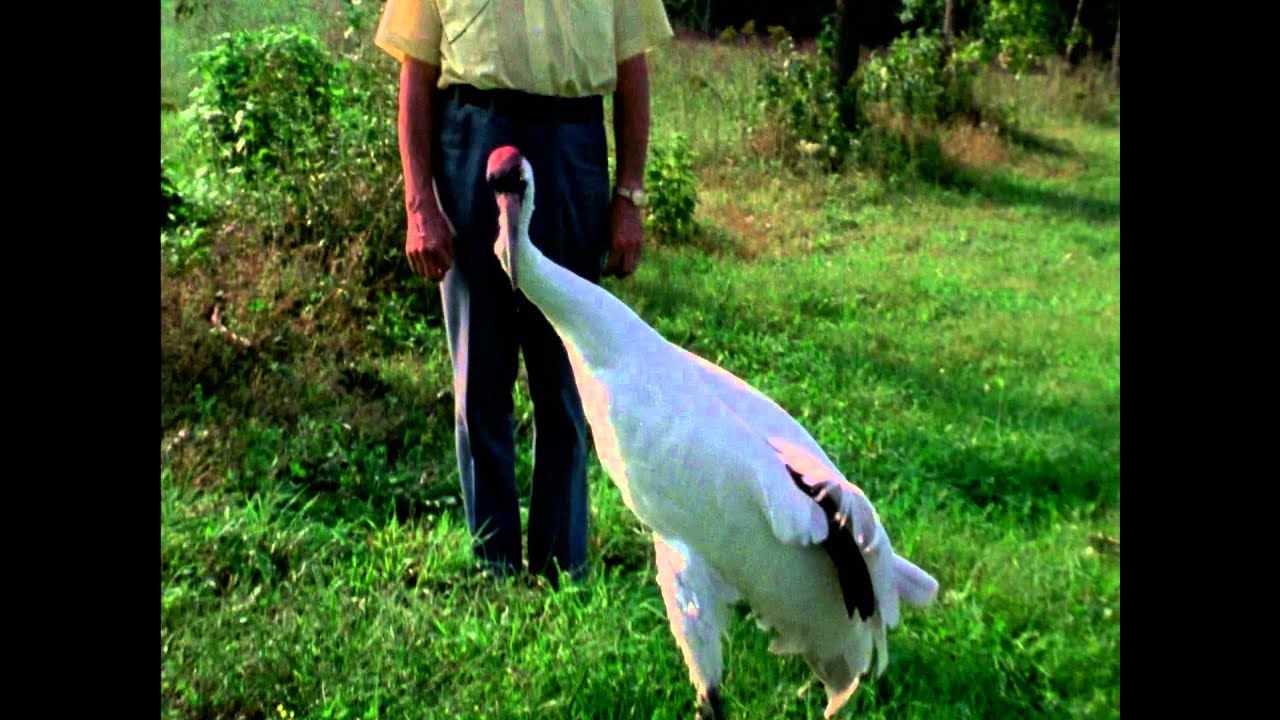
Only 60 wild whooping cranes remain today, a stark increase from just 18 counted in 1937 at the Aransas National Wildlife Refuge in Texas.
In a remote area of Peru, four communities unite annually to renew the Q'eswachaka Bridge, the last remaining suspension bridge made of vegetal fibers in the Andes.
Aspiring RSPCA inspectors undergo rigorous training, facing physical tests and learning animal welfare laws to protect animals in distress across the UK.
In Texas, a population of African Black Rhinos and Asian Axis Deer highlights the complex consequences of introducing exotic species, leading to ecological and economic challenges.
The looming renewable energy crisis poses significant challenges for humanity as the global population is projected to nearly quadruple in 150 years.
Freetown, Sierra Leone faces an impending environmental disaster as rapid population growth and outdated sewage systems strain the city's infrastructure.
In the Jerte Valley of southwest Spain, two million cherry trees bloom annually, supporting diverse wildlife including Iberian mountain goats and Potoka wild horses.
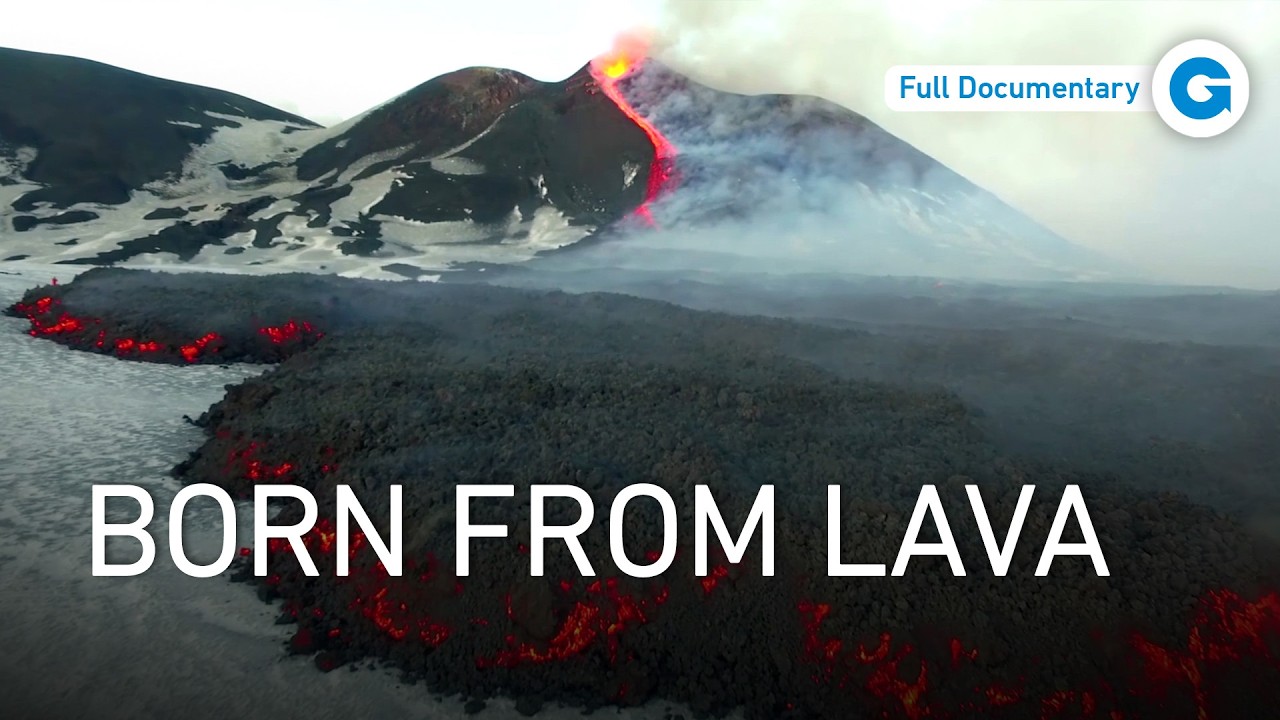
Volcanoes, despite their destructive power, play a crucial role in supporting life on Earth, as explored through a groundbreaking expedition to Vanuatu's lava lakes.
Wild animal attacks, such as a chimpanzee breakout in West Africa and a Siberian tiger incident at a charity dinner, highlight the dangers of captivity failures.
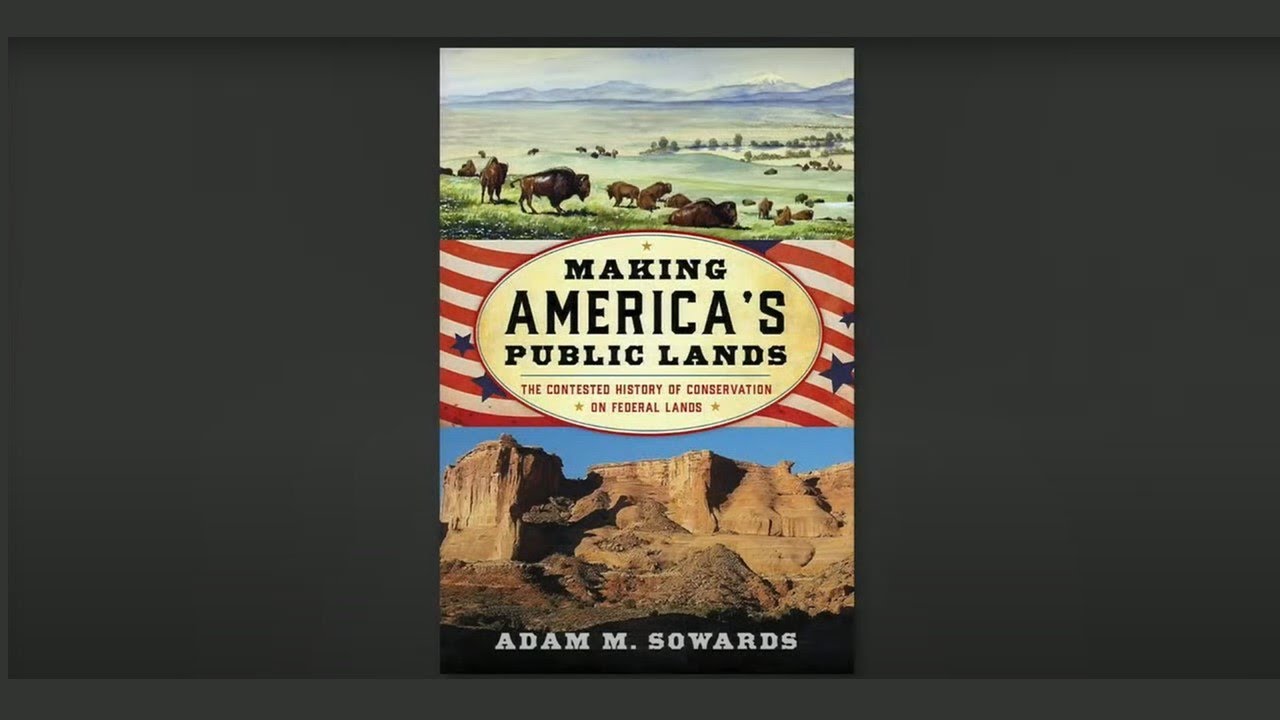
Over 640 million acres of federal land in the United States are managed by four key agencies, shaping the economy and national identity.
Temporary pools and lagoons formed by rain in arid regions support a vibrant ecosystem of fish, crustaceans, amphibians, and birds during the dry summer months.
Coral reefs off the islands of Comoros have suffered severe bleaching due to pollution and global warming, prompting filmmakers Peter and Stefania to raise awareness.
In South Africa's Kruger National Park and Alaska, wildlife interactions reveal the fierce territorial battles among elephants, grizzly bears, lions, orcas, and crocodiles.
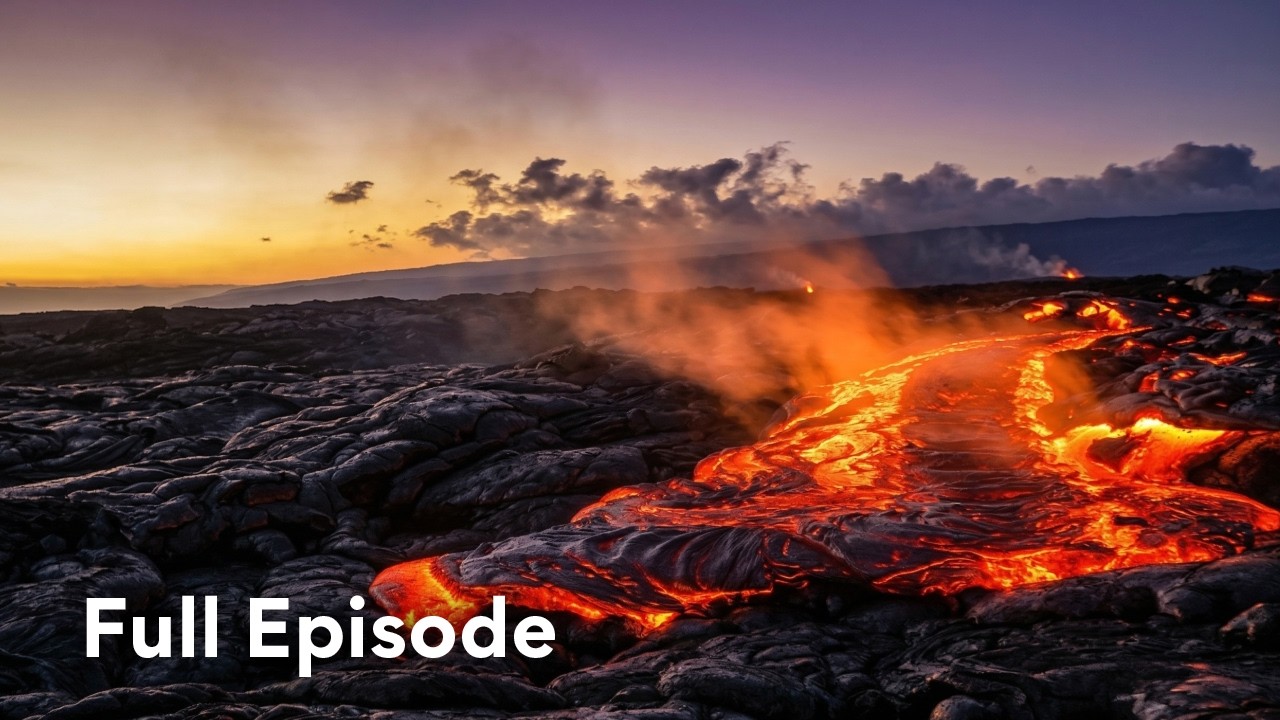
Kilauea, one of the world's most active volcanoes in Hawaii, experiences a sudden collapse of its crater floor, leading to a significant lava drainage and new exploration opportunities.
Craig Potton explores the River Clarence in New Zealand, highlighting the rich history and cultural connections of the local people to the landscape.
BP's 2010 oil spill in the Gulf of Mexico resulted in devastating environmental, economic, and health impacts on local communities, raising questions about corporate accountability.
Mountaintop mining in Appalachia faces intense scrutiny due to its environmental impact, pitting local miners against ecologists and new regulations.
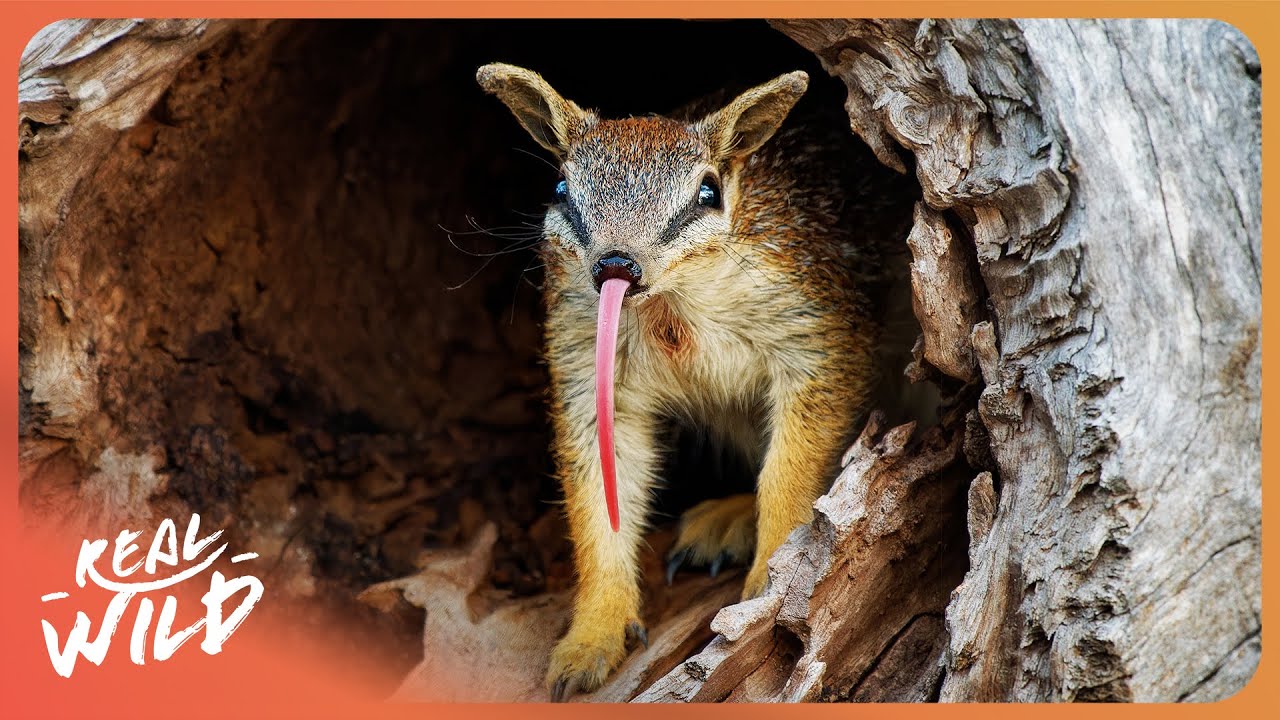
Carnivorous marsupials like numbats, quolls, and dibblers in Australia face extinction due to invasive species such as feral cats and foxes, prompting urgent conservation efforts.
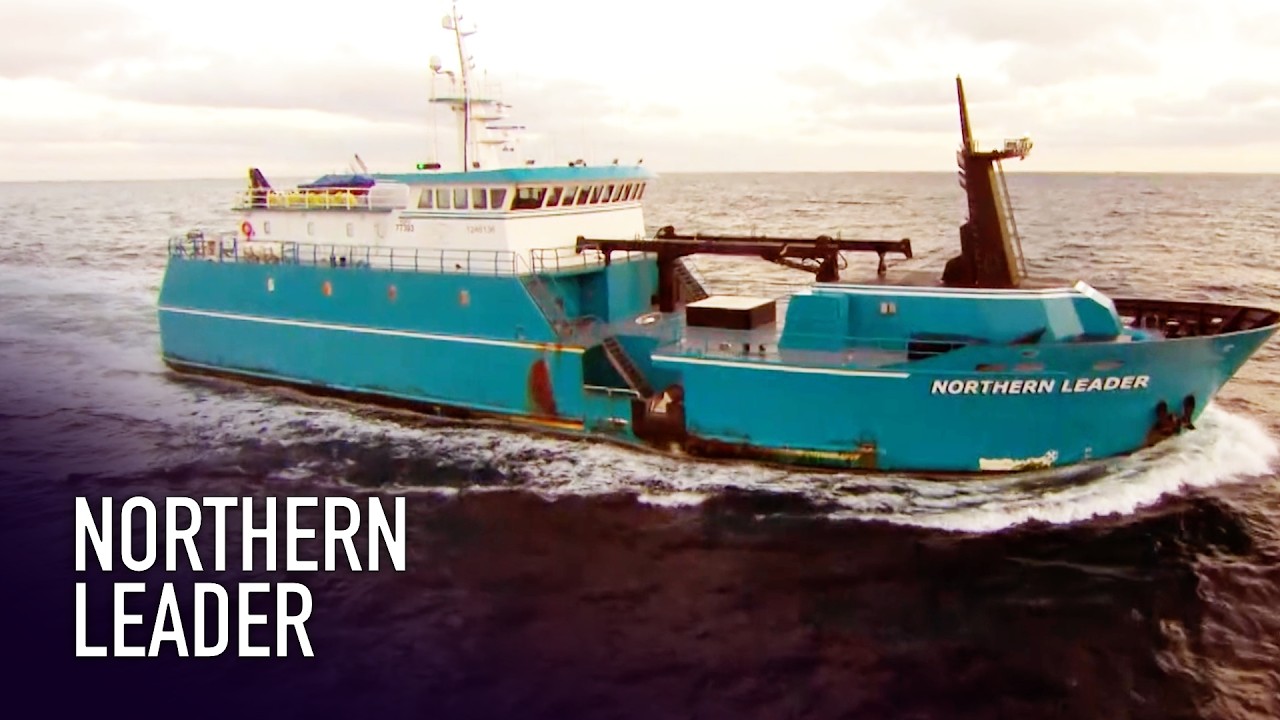
Alaska's longline fishing ships confront treacherous conditions, including high waves and hurricane-force winds, to secure substantial cod catches.
In Argentina, the reintroduction of Jaguars aims to restore ecological balance, while efforts in Mozambique and the Netherlands highlight global rewilding initiatives.
Corruption in the Solomon Islands' logging trade leads to environmental devastation and local communities receiving little to no benefit from the industry's profits.
Humpback whales, along with monarch butterflies and snow geese, are featured in an informative study showcasing their remarkable animal migrations and behaviors.
Sa Kaeo province, known for its venomous Siamese Russel's vipers, hosts a mission by the Queen Saovabha Memorial Institute to collect specimens for antivenin production.
Five men, led by Dr. Joe McGinnis, lower themselves into the Arctic Ocean for the first time in history to study its underwater environment.
Food sustainability is examined through diverse diets and expert insights, highlighting the ethical implications of food production on humans and ecosystems.
In Michigan's breeding grounds, a pair of sandhill cranes exemplifies the intricate relationship between wildlife advocacy and the natural behaviors of these ancient birds.