From over 100,000 films, discover the handful you'll love.
Free or premium access to the world's largest documentary library.
7520 films(Page 125 of 157)
The Landes forest, covering one million hectares, faces extreme climate threats today.
Las Vegas is reclaimed by the desert as humans vanish, igniting buried power sources.
Barrier islands in Louisiana are eroding at rates of up to 60 feet per year, threatening the stability of the coastal ecosystem and communities.
Dr. Alex Kolker studies land loss in Louisiana with the Louisiana Universities Marine Consortium.
Louisiana's fishing industry faces threats from rising seas and habitat loss affecting livelihoods.
345 orphaned orangutans are cared for at a center in Borneo, many of them rescued after their mothers were killed by poachers.
3.5 million acres of grassland habitat are being developed in northern Montana to create a continuous wildlife reserve and reintroduce bison to the area.
90% of the animal population in Gorongosa National Park disappeared during Mozambique's civil war, but conservation efforts are now helping it recover.
Iberá National Park in Argentina is undergoing a conservation effort to reintroduce extinct wildlife species while preserving local cultural heritage.
Lauren MacCallum highlights climate change impacts and plans to meet Ryan Furman in March.
Wildlife adventurer Gordon Buchanan trains sled dogs in Svalbard to retrace the routes of historic Arctic explorers and explore the bond between humans and dogs.
Lençóis Maranhenses national park covers over 1,500 square kilometers and features a unique ecosystem of sand dunes and freshwater lakes in northeast Brazil.
In Venezuela's Orinoco River basin, breeding efforts for the critically endangered Orinoco crocodile aim to restore its population through captive rearing and release programs.
Levee construction along the Mississippi River near Arkansas City in September 1936 involved tree and debris removal from the levee basin prior to building efforts.
A great bustard, weighing up to 18 kg and standing a meter high, is one of the many species thriving in Extremadura's diverse habitats.
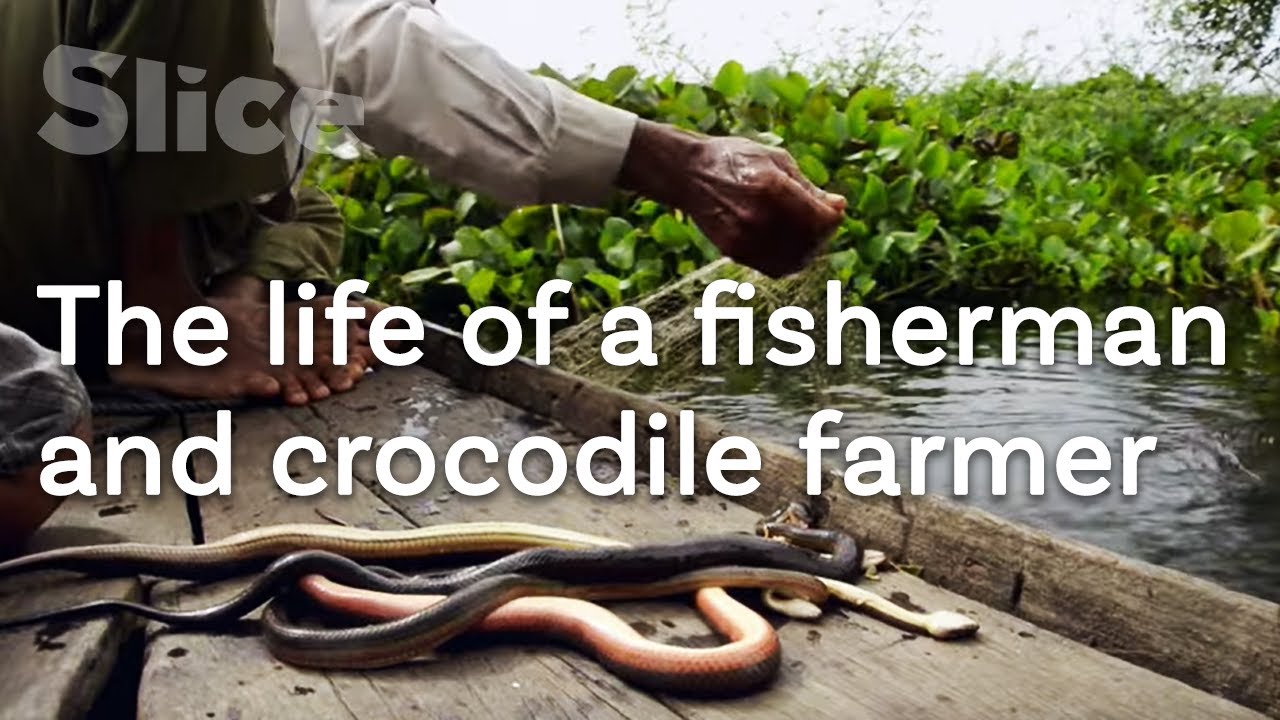
Ku Yann lives with his family on Tonlé Sap, a bounteous lake in Cambodia, managing a crocodile farm.
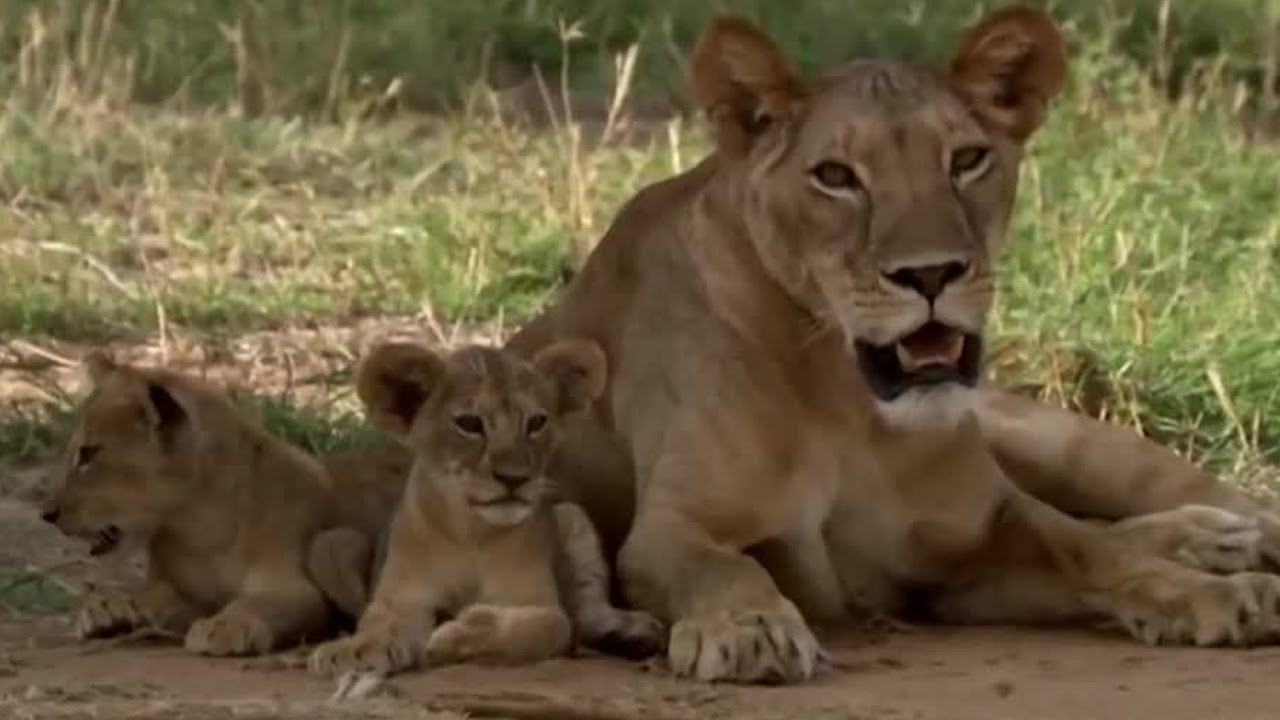
Lions grow from playful cubs into apex predators, navigating the challenges of survival in their natural habitats across Africa.
In Gujarat, India, the Little Rann Desert's unique ecosystem supports endangered species like blackbuck antelopes and wild asses, highlighting critical conservation efforts.
Less than 25,000 blackbuck antelopes remain in the Little Rann Desert, a significant decline from their population of 4 million in the past.
Smokey Bear's life story is chronicled from his rescue as a cub in the Capitan Mountains to his residence at the National Zoo in Washington, D.C.
The Raneys tackle livestock challenges, building shelters and helping families recover from disasters.
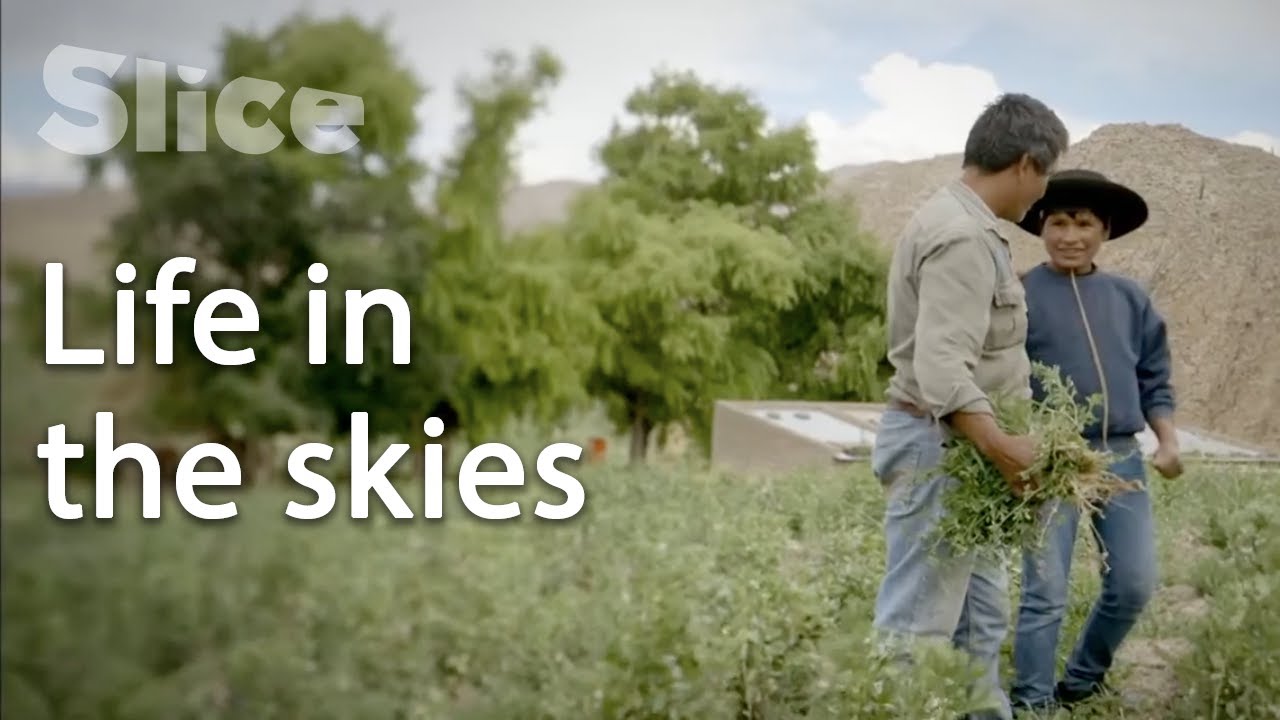
Life thrives above flat Patagonia in the Andes Cordillera, showcasing unique ecosystems.
90% of the food consumed in Hawaii is imported, prompting some residents to return to traditional methods of living off the land and ocean.
Paula Kahumbu advocates for the conservation of urban lions in Nairobi, highlighting the importance of preserving wildlife and habitats amidst growing urbanization.
The population of Orinoco crocodiles in the Los Llanos region of Venezuela has begun a slow recovery due to conservation efforts on cattle ranches.
In a serene blend of nature sounds and chill lo-fi beats, presents a 12-minute escape featuring the tranquil lives of penguins.
400 pounds of explosives are used to blast through solid rock, allowing loggers to build roads to access timber in remote areas.
A young boy journeys to the spirit world after his village's carelessness leads to ravens blocking the Sun, plunging the community into darkness.
Los Angeles, a city historically designed for cars, is witnessing a growing movement among cyclists advocating for safer roads and protected bike lanes.
Surfistas buscan las olas más grandes en la isla de Alejandro Selkirk y descubren tesoros.
Ancient mountain lakes in Canada are losing their vibrant blue hues due to climate change, highlighting the environmental impact of this phenomenon.
Water loss in irrigation systems due to seepage and inefficiency is addressed by the Bureau of Reclamation through various conservation measures.
60 butterflies take flight in Louisiana as Indigenous women fight against fossil fuel companies threatening their land and way of life.
Zoologist Lucy Cooke advocates for the importance of often-overlooked and misunderstood species, highlighting their critical role in Earth's biodiversity.
Half of Madagascar's jungles have disappeared since the arrival of humans 2,000 years ago, leading to the extinction of at least two dozen large animal species.
Madagascar has lost half of its vegetation cover in the last 60 years, with local communities facing increasing wildfires during the annual fire season.
Fifteen full viscolaris lemurs were relocated to a reserve in Madagascar last year, with only three returning to their original habitat.
Madagascar showcases the unique lemurs and wildlife of the Indian Ocean island.
Madagascar is home to nearly 85 species of snakes, including the agile Ithycyphus, known for its tree-climbing abilities in the island's jungles.
Madagascar, an island in the Indian Ocean, is home to unique lemurs and diverse wildlife.
Madagascar features ring-tailed lemurs in the Indian Ocean's Berenty Private Reserve.
Madagascar, an island in the Indian Ocean, is home to unique lemurs and diverse ecosystems.
Dinga-dinga, a prized sea cucumber in Madagascar, drives local divers like Amad to brave dangerous depths, seeking ancestral protection for their harvest.
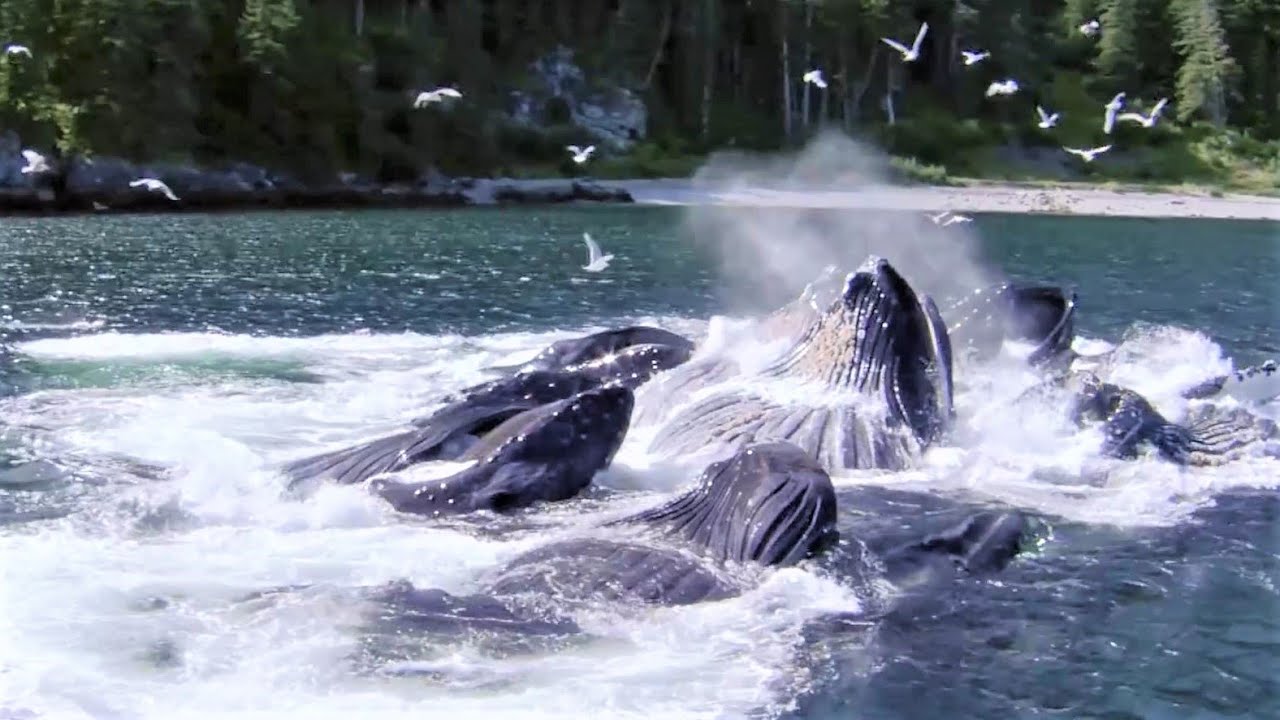
Magnificent moments featuring whales from the BBC Earth archive showcase the beauty and complexity of these marine mammals in their natural habitats.
A tiger shark can grow between 12 and 14 feet in length and is often found in the shallow waters of Tiger Beach in the Northern Bahamas.
Temperatures in the Hudson Bay need to drop significantly for the sea ice to freeze, allowing polar bears to hunt seals 200 miles away.
More than 1,500 people once lived in Lützerath, but most have relocated as a lignite mine operated by RWE encroaches on the village.
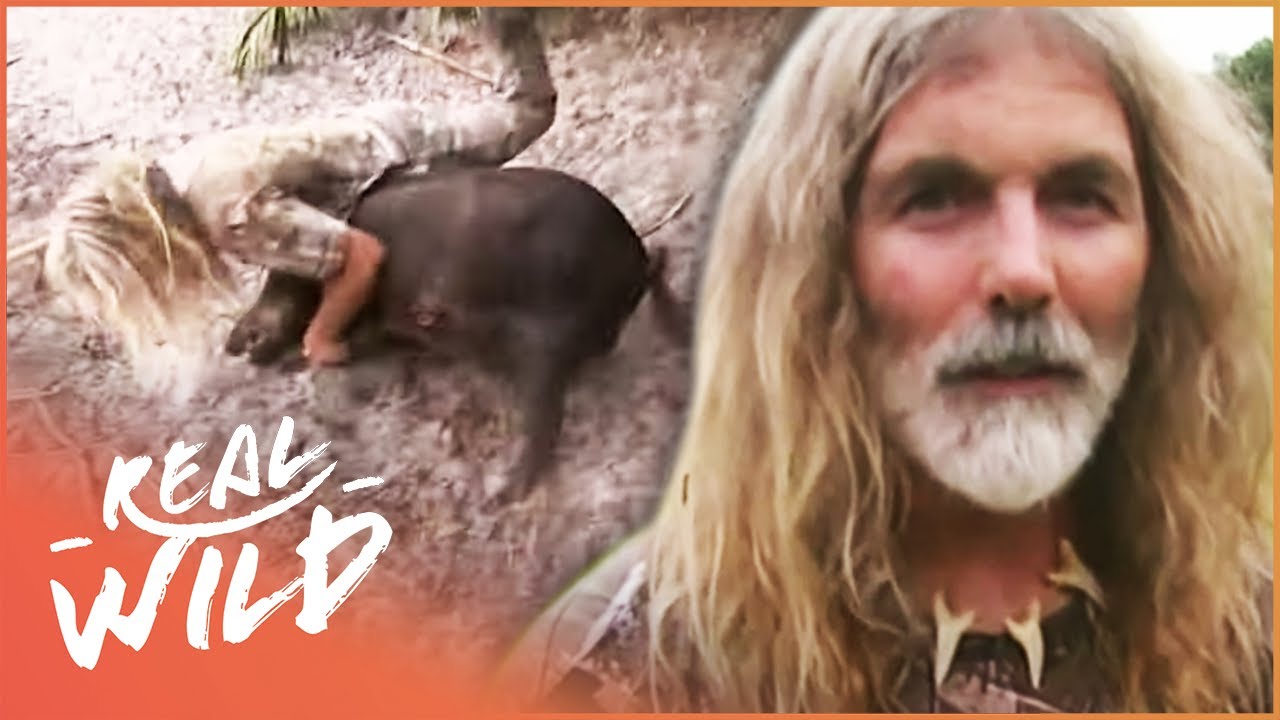
In the deep jungle, Manny encounters a dangerous wild boar, illustrating the unpredictable nature of wildlife in remote environments.