From over 100,000 films, discover the handful you'll love.
Free or premium access to the world's largest documentary library.
7535 films(Page 111 of 157)
Hydrogen could supply up to 20 percent of global energy needs by 2050, a significant increase from nearly zero today.
More than 600 tankers currently transport liquefied natural gas (LNG) worldwide, as demand surges amid geopolitical tensions and energy crises.
Columbia University has logged more than 100 efforts by the Trump administration to scale back federal climate measures since January 2025.
The Kunene River contrasts the barren Namib desert with its emerald green hue.
Hawaii, formed 40 million years ago, features the most active volcano on Earth since 1983.
In 2024, Taiwan's election is crucial as threats emerge from China and conflicts rumble on.
In Arctic Svalbard, Norway, Svalbard Brewery produces high-quality beer using 2,000-year-old glacier water, following the repeal of brewing restrictions in 2015.
These insects have munched through Smithsonian specimens for over 70 years, aiding decomposition.
Xinjiang in Hainan province is a major fish exporter with innovative fish farms in open water.
Clouds play a crucial role in the Earth's climate system, influencing weather patterns and challenging common misconceptions about their formation and behavior.
In Spain, pilots undergo rigorous training, including crash-landing drills and low-altitude water drops, to prepare for the dangerous task of fighting wildfires.
The wild pigs of the Bahamas swim and adapt to island life in surprising ways.
A 110-foot-high precipitator at a power plant is dismantled over three days using an excavator with a 100-foot arm to control the process.
Methane heats the planet more than 80 times more than CO2 over a 20-year period, yet fossil fuel companies often ignore emissions from their facilities.
Over 90% of hyacinth macaw nests are located inside the hollows of manduvi trees, where the birds dig out their cozy shelters.
A quarter of a million tons of nuclear waste are stored worldwide, with Finland's Onkalo facility set to begin operations in the next few years.
The crown-of-thorns starfish eats coral, threatening the guard crab's home in the Great Barrier Reef.
Rare Earths Norway plans to extract 10,000 meters of core samples from the Fen deposit, which contains Europe's largest known source of rare earth elements.
Logging and fishing companies have plundered the Solomon Islands, endangering unique species and altering the role of scientists into advocates for conservation.
The Global North has emitted 92% of the CO2 that pushed the planet beyond safe levels, while Asia, Africa, the Middle East, and Latin America contributed just 8%.
Martha, the last passenger pigeon, died at 1:00 p.m. on September 1, 1914, marking a definitive moment in the history of extinction.
Safa Ezel Kaya protects Bukavu Bay in the Mediterranean from illegal fishing activities.
One in five public charging stations in the U.S. do not work, creating significant barriers for electric vehicle users, especially in rural areas.
1.1 trillion dollars in annual investment is needed worldwide to modernize power grids for a successful transition to renewable energy by 2050.
Quad mom, a celebrated bear in Yellowstone National Park, plays a crucial role in the ecosystem and the recovery of the bear population after being endangered.
Chronic workplace stress significantly impacts both physical and mental health, leading to various symptoms and long-term consequences for employees.
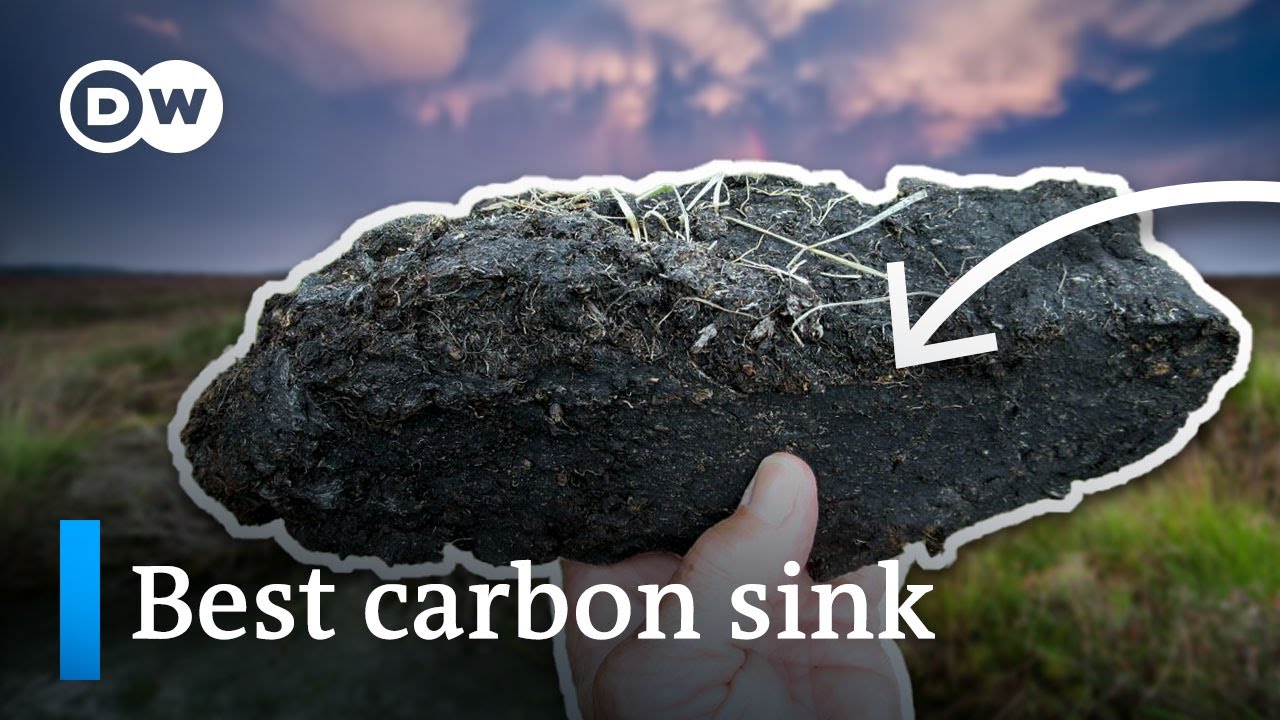
300,000 square kilometers of cropland worldwide need rewetting to reduce greenhouse gas emissions from damaged peatlands.
Liz Bonnin highlights the playful Galápagos sea lion in this Nat Geo Original series.
The British Antarctic Survey's center withstands extreme cold and relocates in danger.
30 million pounds of trash are targeted for removal from the ocean by a robot and a team of volunteers in a competition against time.
Migrating elephants gather at a clearing for minerals and reunions in Wild India.
Forrest Galante travels to Stream Island to study Walking Sharks and highlight the importance of marine conservation and biodiversity.
Burmese pythons, released into the wild by pet owners, have become an invasive species threatening the ecosystem of the Everglades in Florida.
A female golden dart frog seeks a mate while her toxin coating poses a deadly threat.
Volunteers at Tortugranja on Isla Mujeres care for green turtle hatchlings to help them survive against threats from predators and humans.
Less than 400,000 homes worldwide are powered by existing tidal power plants, despite the potential to supply all U.S. homes twice over.
The U.S. first commercial nuclear power plant began in 1958, leading to a nuclear energy future.
In 1978, the Love Canal disaster in Niagara Falls, New York, highlighted the dangers of toxic waste exposure and sparked a national environmental movement.
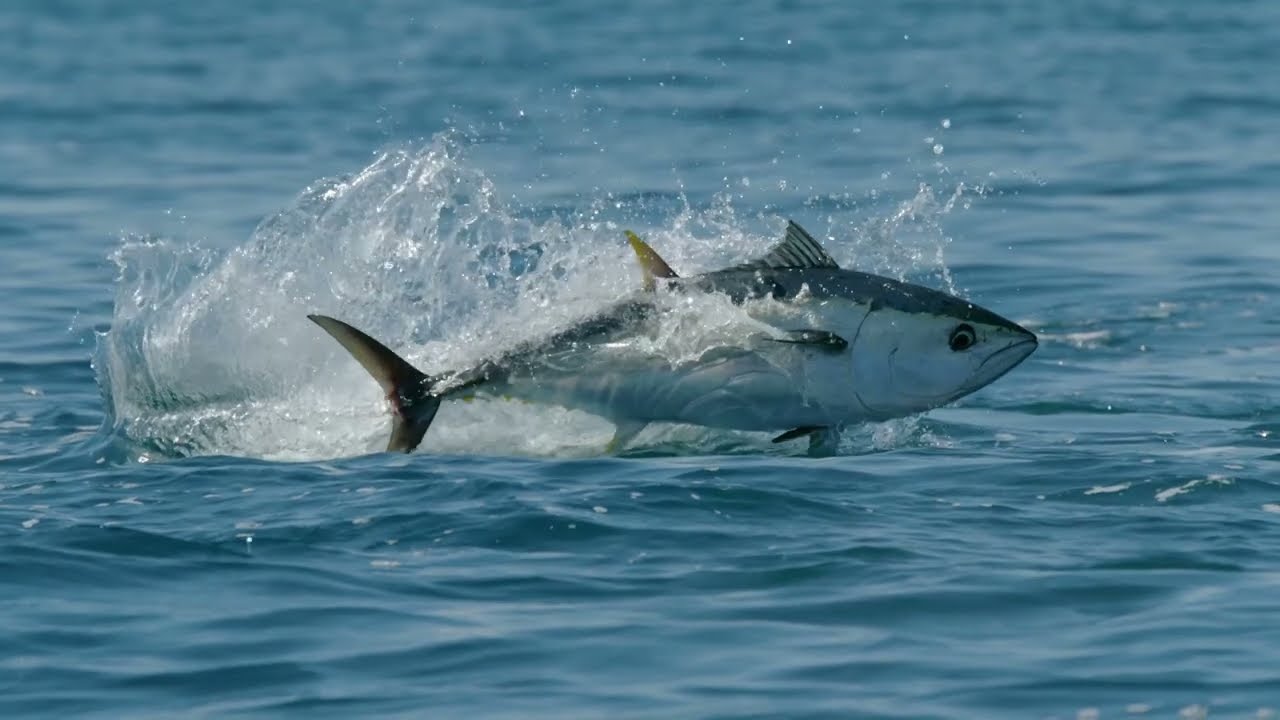
Bluefin tuna can reach over 800 pounds and 10 feet in length by the age of 20, preying on schools of anchovies in open water.
Artisan builders at Uhuru furniture workshop in Brooklyn use reclaimed bourbon barrels and Coney Island boardwalk wood to create unique furniture pieces.
Old Faithful, located in Yellowstone National Park, is renowned for its reliable eruptions and is part of a geothermal system that raises concerns about the supervolcano beneath.
In the Mendip Hills of the UK, paleo climatologist Gina Mosely studies calcite crystals in Shatter Cave to reveal climate changes over the last 600,000 years.
Sloth bears in India target hard termite nests, showcasing their unique foraging skills as they access this vital food source.
Colossal Biosciences aims to bring back the woolly mammoth as part of a larger effort to restore ecosystems impacted by human activity.
The Exxon Valdez oil spill and the Deepwater Horizon explosion highlight significant gaps in the oil industry's preparedness for environmental disasters.
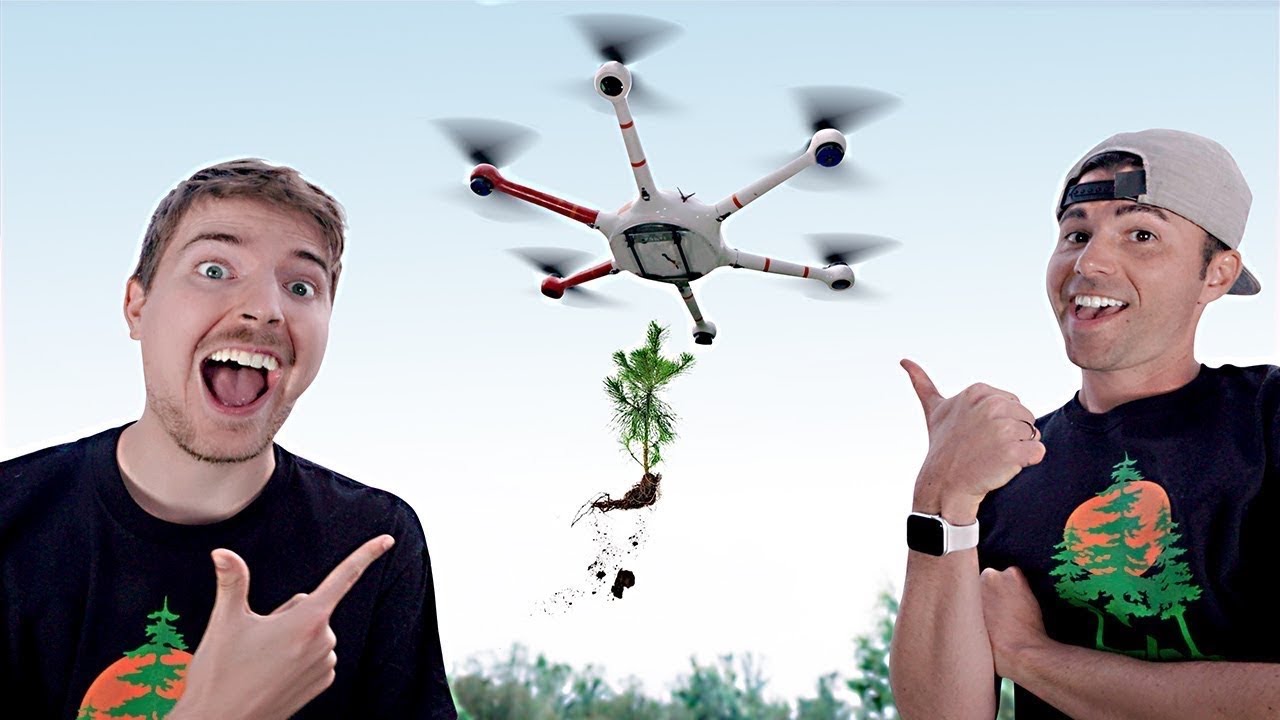
An initiative by Arbor Day and DroneSeed aims to plant 20 million trees using drones, showcasing innovative technology to combat climate change.
Vampire bats feed on feral hogs, increasing disease risks in Brazil's ecosystem.
Vienna's initiative to reclaim urban space from parked cars aims to address the city's parking problem and enhance its climate strategy.