From over 100,000 films, discover the handful you'll love.
Free or premium access to the world's largest documentary library.
7520 films(Page 123 of 157)
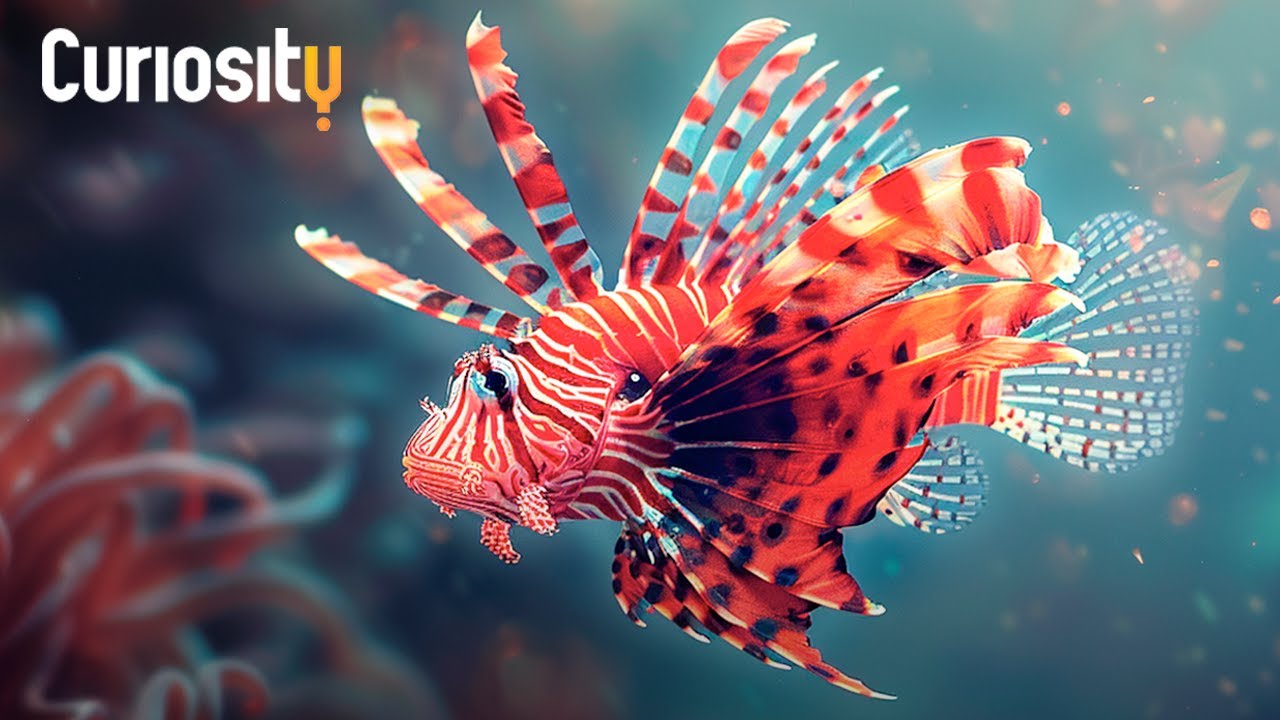
A single red lionfish can reduce native plant-eating fish populations by 79%, leading to unchecked algae growth on coral reefs.
Creating a closed terrarium involves assembling an airtight container with layers of gravel, activated carbon, soil, and native plants to establish a self-sustaining ecosystem.
Nunalleq, a village in southwest Alaska, thrived during the Little Ice Age, prompting exploration of its survival strategies and the climate change causes of that era.
Over 600 million years ago, Earth experienced two significant glaciation events known as Snowball Earth, which left evidence of ice coverage on every continent.
By the year 2100, the range for valley fever fungus is predicted to expand as far as Kansas and North Dakota due to climate change.
Large-scale tree planting programs face challenges, as seen in Israel's Yatir Forest.
In 2003, Majete Wildlife Reserve in Malawi was nearly devoid of wildlife, but now hosts lions, leopards, elephants, and rhinos due to conservation efforts.
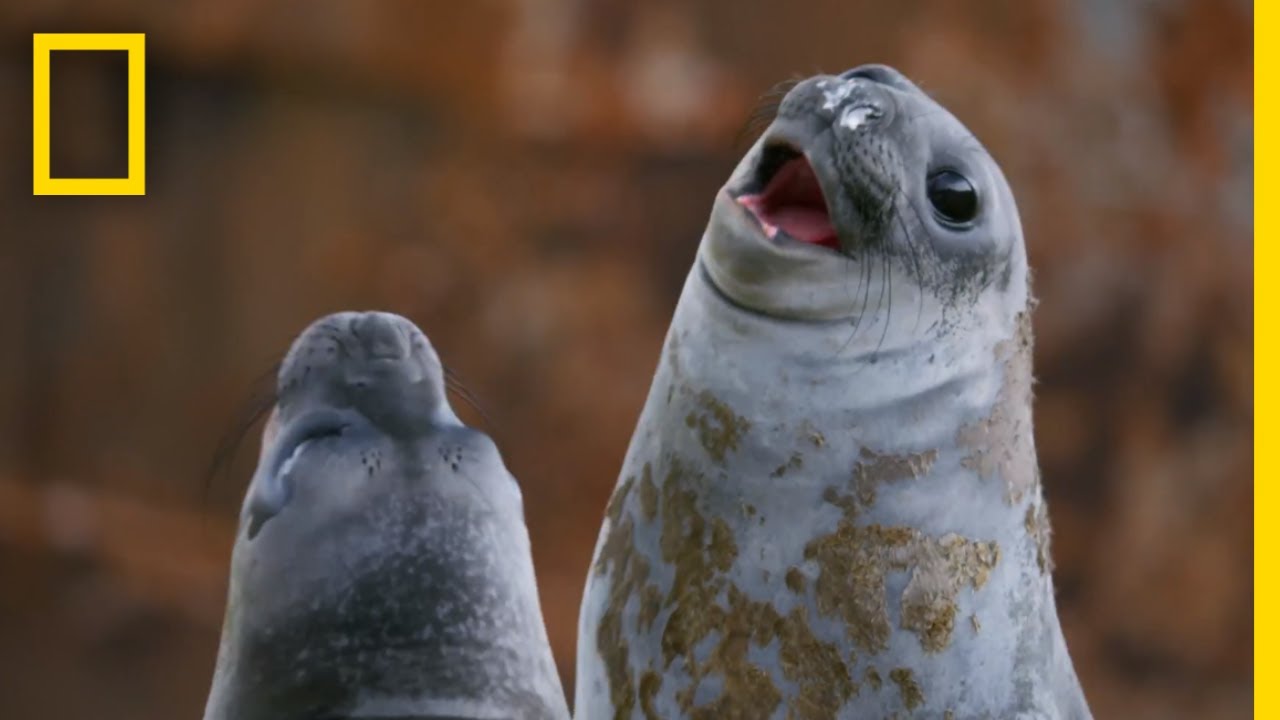
Bertie Gregory and his team explore South Georgia Island, highlighting the recovery of fur seals from 400 to over 3 million after its whaling past.
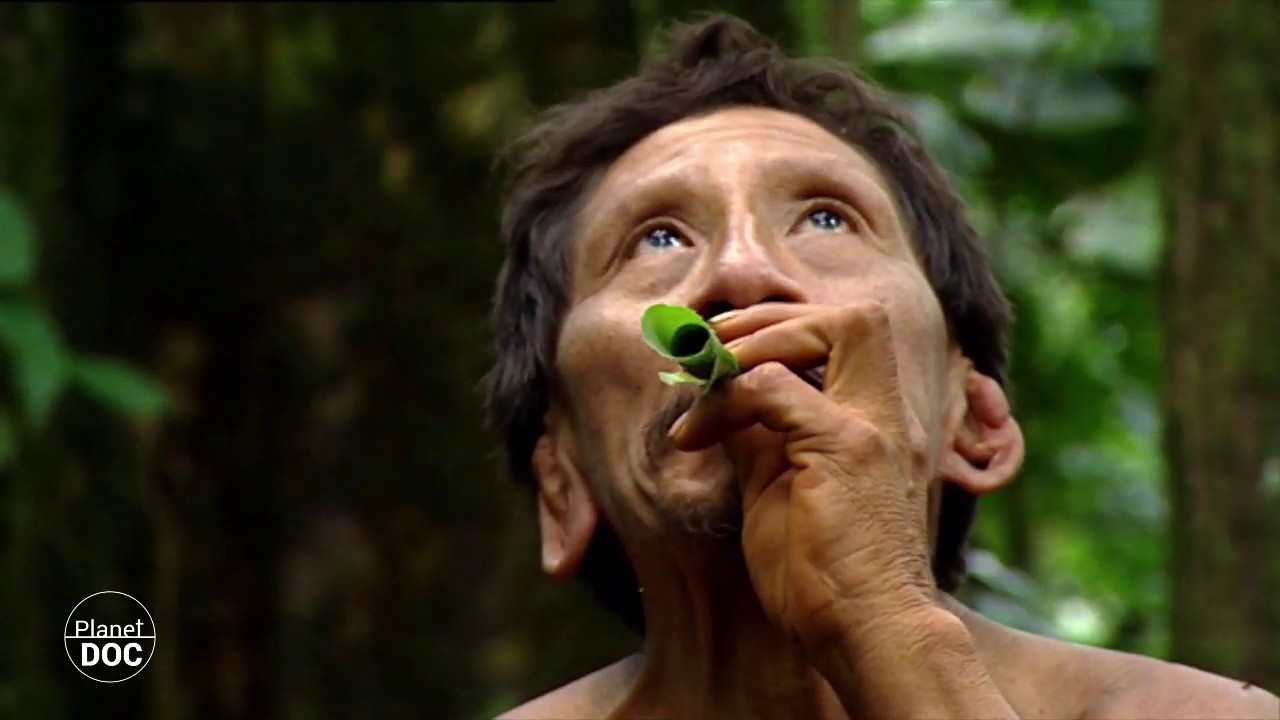
The Huaorani live in Yasuni National Park, showcasing their culture and traditions in this Spanish video.
The Huaorani, an indigenous group of 1,500 members in Yasuni National Park, navigate their traditions and environmental challenges in the Amazon rainforest.
This Spanish video highlights the Huaorani's life in Yasuni National Park, Ecuador.
The Orinoco Basin is home to 250 different species of mammals and over 100 reptiles, many of which face threats from habitat loss and human activity.
Komodo dragons feed on dead bodies left by locals, showcasing their predatory behavior.
In the Plains of Venezuela, over twenty bird species employ unique fishing techniques to coexist and thrive in a competitive ecosystem.
In Shaba, young warthogs engage in playful activities like wrestling and playing football with elephant dung to develop the skills necessary for survival.
Hunters push past exhaustion in Season 5, Episode 7 while hunting pythons in panther country.
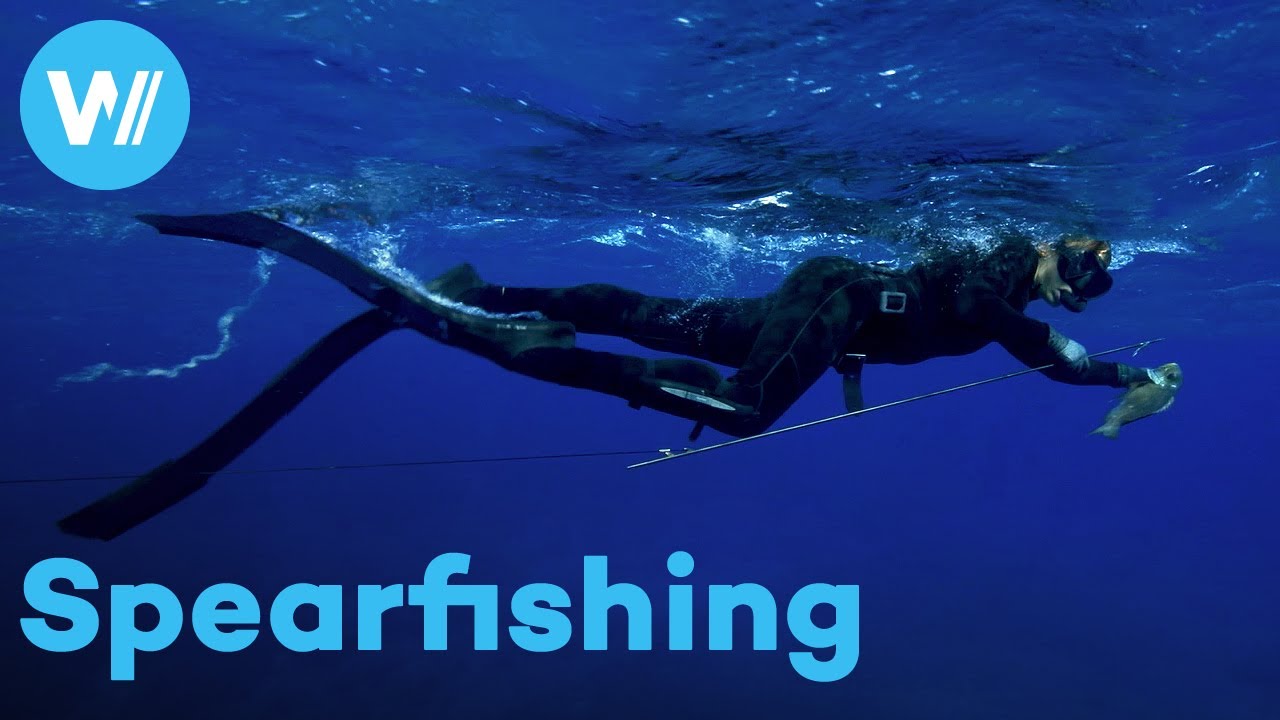
In French Polynesia, Léa Brassy explores spearfishing and apnoea diving while highlighting the environmental challenges faced by local communities.
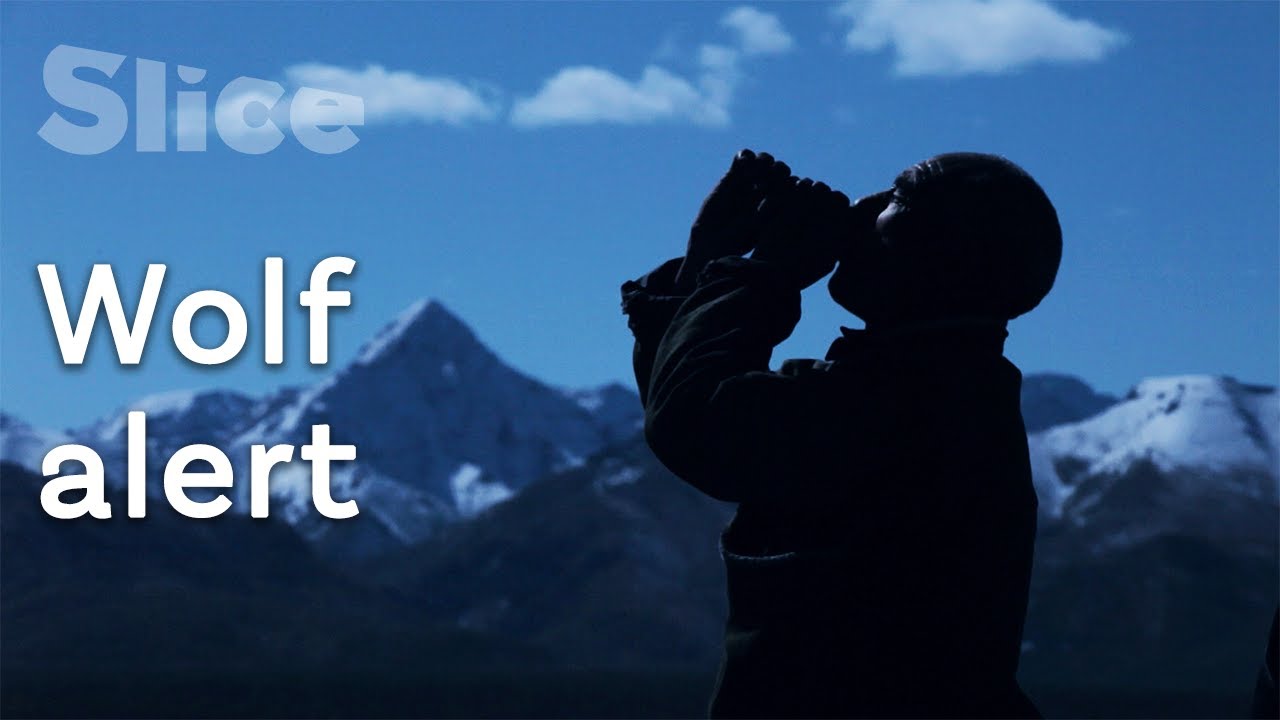
Purevjav captures several wolf cubs to sell their pelts, driven by the need to replace livestock lost to winter storms in Mongolia's harsh wilderness.
Hurricane Otis, which devastated the Mexican coast in 2023, exemplifies the increasing intensity of storms linked to climate change and the role of satellite imagery in public awareness.
Hydroponics offers a solution for growing plants without soil in cities of tomorrow.
Hydrothermal vents, first discovered in 1977 near the Galapagos Islands, are unique ecosystems where chemosynthesis supports diverse marine life at extreme ocean depths.
In the African savanna, an elephant herd fiercely defends baby Binti from a hyena clan, highlighting the challenges of wildlife survival and ecosystem dynamics.
In Peru's Manú National Park, photographer Charlie Hamilton James navigates the complexities of rain forest conservation after purchasing land threatened by illegal logging.
In Brazil, Charlie Hamilton James confronts the complexities of conservation while living with illegal loggers and exploring sustainable solutions for the Amazon rainforest.
In the rugged landscapes of Utah, Ivan Carter and a team of experts track and manage wild bison to gather health data and attach satellite collars.
Young climate activist Noga Levy-Rapoport led a protest in London that attracted 5,000 participants, demanding urgent action on climate change from global leaders.
A program approved in February 2001 aims to achieve a population of 70 Iberian lynxes in captivity for reintroduction into the wild.
The King Crab species dominates new territories with impressive and scary abilities.
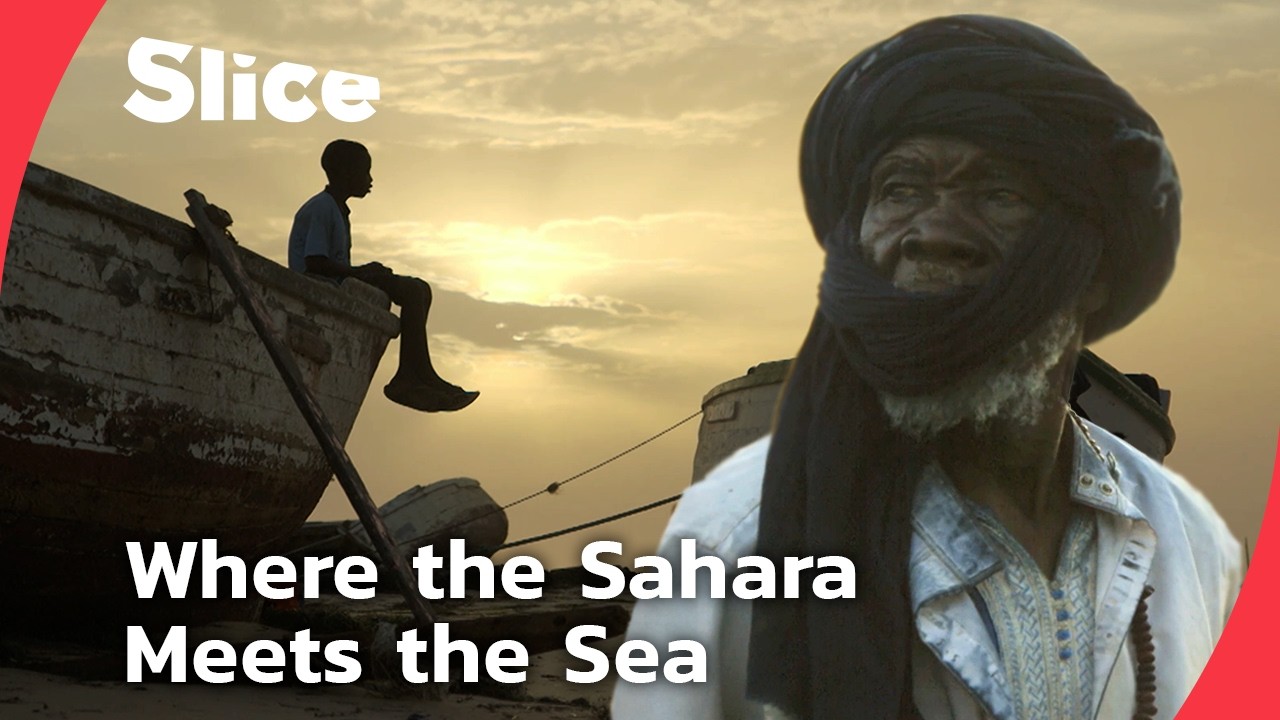
A fishing boat in the village of Eek can carry up to seven tons of fish, reflecting the Imraguen people's reliance on the sea for survival.
In Yuma, Arizona, the community's deep spiritual connection to the Colorado River intertwines with their role as the winter vegetable capital of the United States.
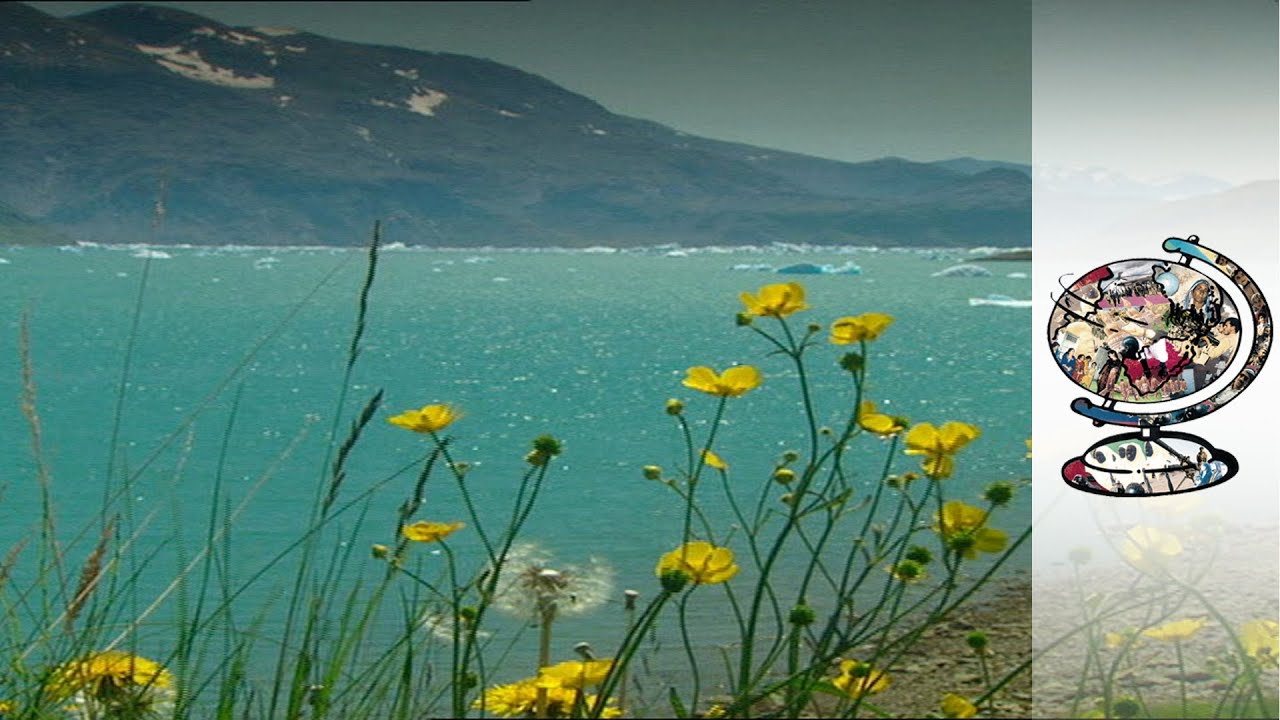
Since the mid-1990s, the average temperature in Southern Greenland has risen by nearly 2 degrees Celsius, leading to longer growing seasons for farmers.
In the Mustang District of Nepal, the Gurung family navigates the challenges of climate change by splitting their livelihoods to secure a sustainable future.
Orangutans are showcased through a selection of the best clips from the BBC Earth archive, highlighting their behavior and habitat.
A compilation of clips from the BBC Earth archive showcases the intelligence and social behaviors of orangutans in their natural habitats of Borneo and Sumatra.
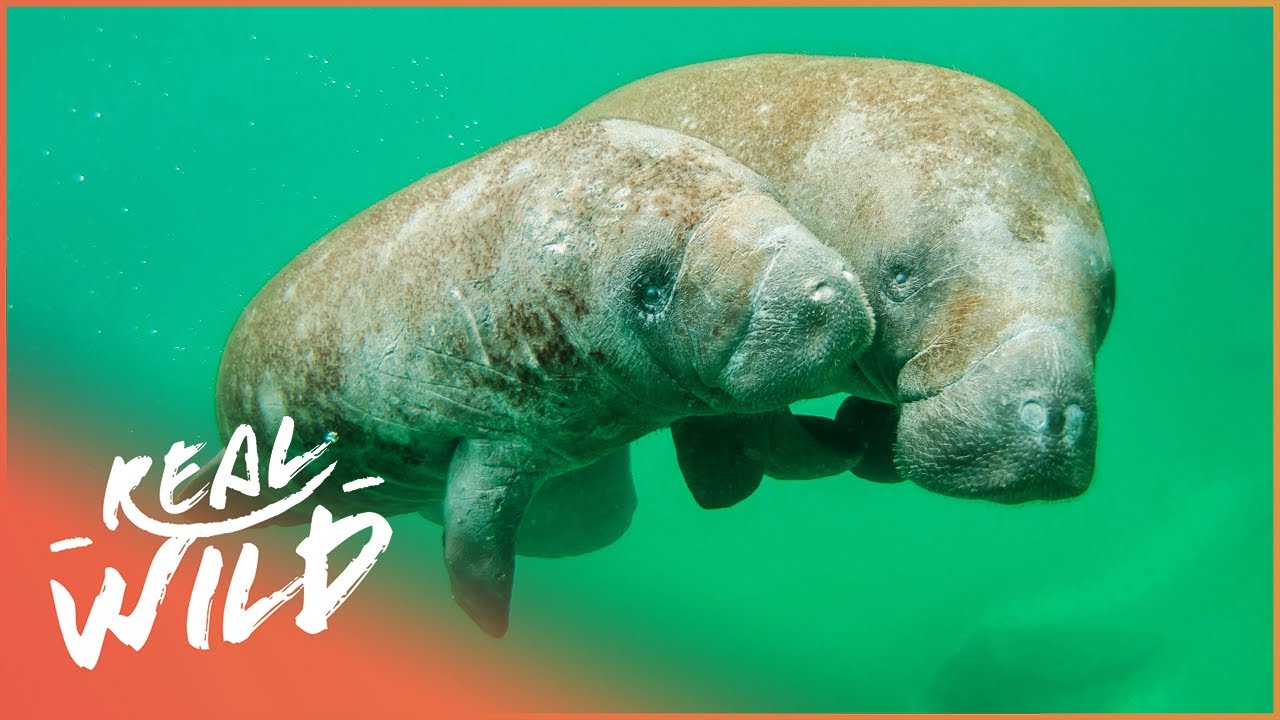
Manny encounters a manatee in murky waters, showcasing the surprising interactions between humans and wildlife in their natural environments.
In India, coal mines face frequent explosions, highlighting energy independence issues.
In 2024, India faced its longest heatwave on record, with temperatures exceeding 50°C in New Delhi and reaching 56°C in Nagpur.
Indonesia, the world's largest Muslim-majority country, navigates its transition to democracy while addressing radical Islam, economic growth, and environmental challenges.
The Amazon basin spans over 7 million square kilometers, accounting for 25% of South America's total surface area.
Fourteen years may pass in the Namib Desert without a single drop of rain, creating one of the most extreme ecosystems on the planet.
Mist descends almost weekly in the Namib Desert, providing 50 liters of water per square meter per year, double the amount of rain.
Over 1 million seals gather along the Namibian coast each year to give birth, but their survival is threatened by overfishing and reduced sardine populations.
In the Himalayas, Bhutan's unique Gross National Happiness philosophy and ancient traditions thrive in an isolated kingdom largely untouched by mass tourism.
Wildlife tourism accounts for 10-20% of the global tourism industry, yet many animals suffer in captivity under harsh conditions.
In London, Dan O'Neill investigates the illegal wildlife trade by touring the Metropolitan Police's 'Dead Shed' with Detective Constable Sarah Bailey, examining confiscated items.
Bertie Gregory shares his experiences filming wildlife in extreme environments, including encounters with lions in Zambia and hammerhead sharks in Costa Rica.
A sound technician records audio continuously for 14 hours each day while following big cats in the Okavango Delta.
Troy and Tes hunt pythons after a prescribed burn in this Swamp People clip.