From over 100,000 films, discover the handful you'll love.
Free or premium access to the world's largest documentary library.
7535 films(Page 114 of 157)
A 50% gap exists between current food production and the amount needed by 2050 to adequately feed the global population.
Half of all industrial greenhouse gas emissions since the industrial revolution come from the fossil fuel industry, raising questions about the role of natural gas.
Around 150 grams of sulfur are found in the human body, yet its toxic emissions from fossil fuels contribute to millions of deaths each year.
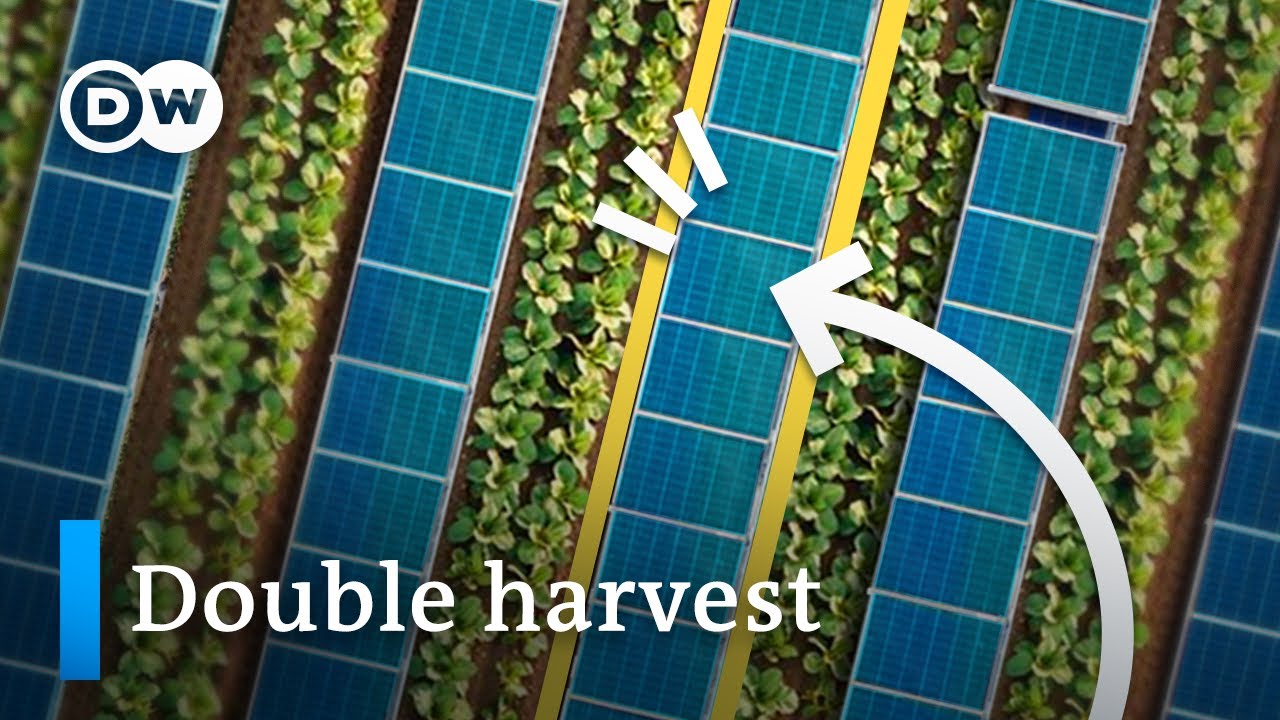
Solar still only accounts for 3.7 percent of worldwide energy production, prompting calls for innovative solutions like agrivoltaics and floatovoltaics.
One module can be built in about twelve hours at a factory in the Netherlands, offering a faster and more efficient approach to housing construction.
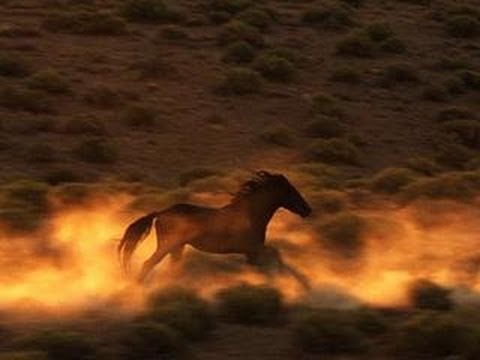
A herd of Mustangs can double in size every four years, leading to thousands more than the land can support in Nevada's high desert.
Several generations of mosquitoes and black flies hatch in a single season, creating a significant challenge for Arctic wildlife during summer months.
People normally use between 10 and 17 personal care products every day, many of which contain petrochemicals derived from fossil fuels.
By 2050, suitable land for coffee production could shrink by half due to climate change, threatening the livelihoods of 125 million people worldwide.
Each year, night herons visit the Smithsonian's National Zoo and then mysteriously vanish.
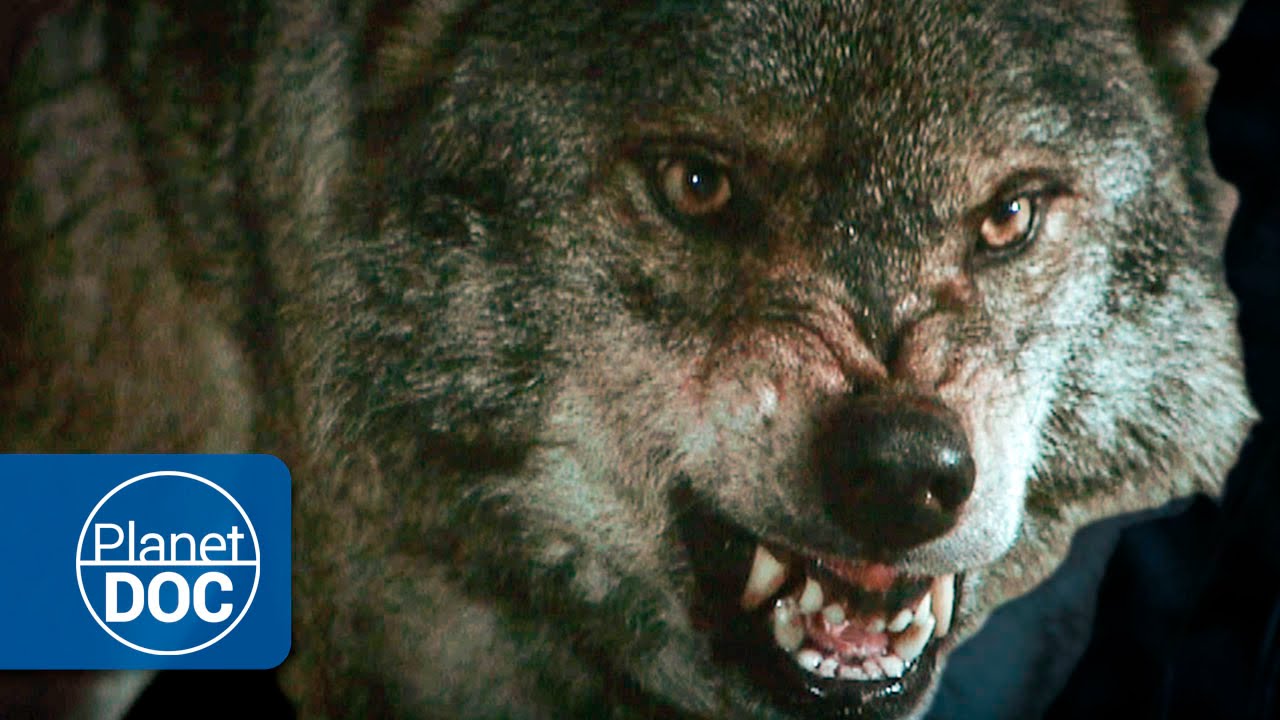
Wild wolves hunt tactically, targeting weak deer while avoiding domestic livestock.
The human body cannot survive without water, raising concerns for 2050's water availability.
In the Amazon rainforest, a sloth navigates its environment while searching for a mate, showcasing unique behaviors and the ecosystem's beauty.
One blue mussel can filter several liters of water an hour, playing a vital role in the unique ecosystem of the Baltic Sea.
By 2050, the world will need to feed 10 billion people, and insects may provide a sustainable protein source to help meet this demand.
By 2050, an estimated 43 million metric tons of retired wind turbine blades will need to be managed, with most currently ending up in landfills.
The 2018 Winter Olympics in Pyeongchang face challenges from climate change and declining popularity.
Each flower spike of dockweed can produce about 30,000 seeds, making it a challenging weed to manage in winter gardening.
Wooden skyscrapers offer an innovative solution to urbanisation and carbon footprint issues.
Wolves were reintroduced to Yellowstone National Park in 1995 to restore biodiversity.
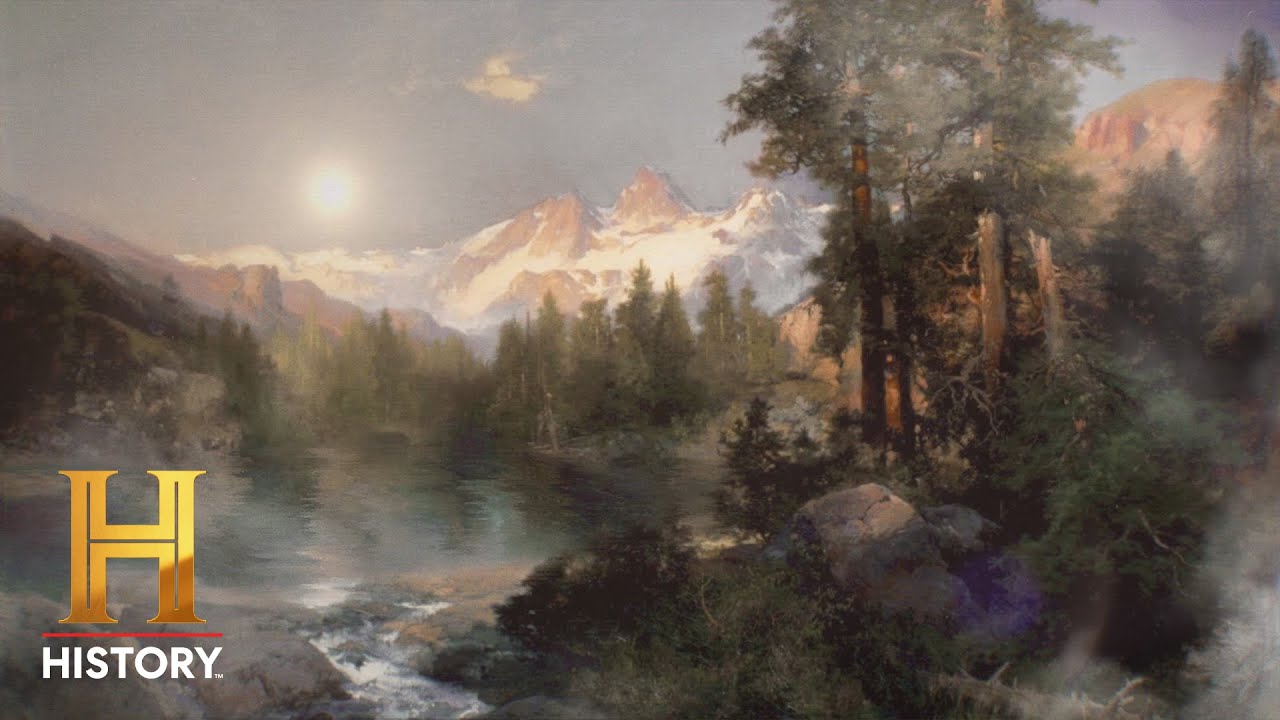
In 1872, President Ulysses S. Grant signed the Yellowstone National Park Protection Act, establishing the world's first national park.
The emerging battery industry is explored, highlighting its potential impact on technology and sustainability in the modern world.
Yosemite National Park's stunning landscapes and unique wildlife are highlighted through Jeff Corwin's exploration of America's natural beauty and rich history.
Less than 9% of all plastic ever produced has been recycled, revealing the failures of the global plastic waste management system.
In the 1970s, the west coast of Scotland was home to a thriving fishery with hundreds of trawlers, but now fish stocks have collapsed.
In Elsipogtog, Indigenous journalist Ossie Michelin revisits the community ten years after a historic protest against oil giant SWN, reflecting on its lasting impact.
Geese, capable of navigating by Earth's magnetic field and thriving in diverse environments, are explored in Karsten Wall's film essay on their daily lives and connections.
Two individuals search for missing members of their Indigenous community along the Red River in Winnipeg, addressing ongoing social issues in Canada.
A mother and child engage in candid conversations about gender identity over the course of 19 minutes, addressing challenges and support.
An Indigenous boy carves a man and canoe, named Paddle to the Sea, and sets it on a frozen stream, leading to its journey from Lake Superior to the ocean.
Human beings and their interconnection with the planet are explored through visual imagery from 50 years of productions.
Lydia, a soil microbiologist in Tucson, engages with fellow runner Alfred Urbina to address environmental damage from mining and its impact on Native communities.
Glaciers shaped the rugged land of Pukaskwa National Park about 10,000 years ago, leaving behind unique features like cobblestone beaches and rounded hills.
Glacier Bay, Katmai National Monument, and Mount McKinley National Park are showcased through stunning visuals of Alaska's diverse landscapes and natural beauty.
A female squaretail grouper witnesses the disappearance of her home reef and the loss of her companions due to fishing pressures and environmental changes.
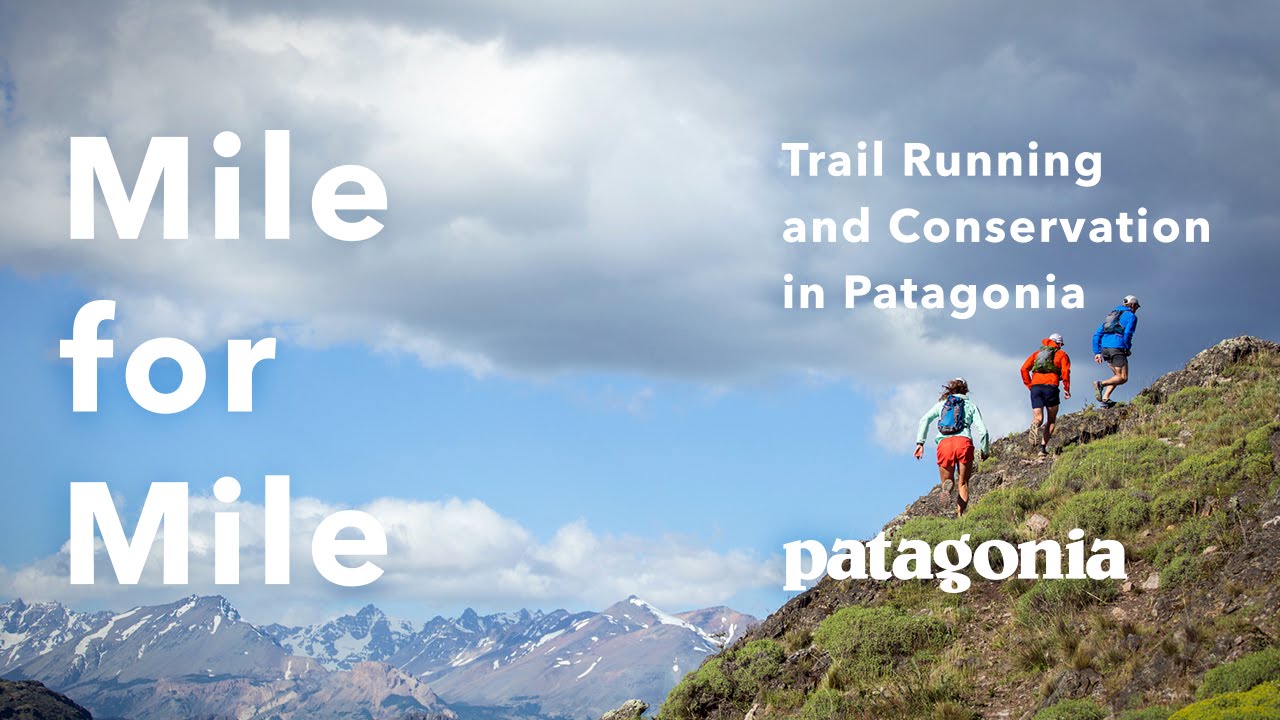
106 miles are covered by ultrarunners through Patagonia National Park to support conservation efforts and raise awareness for the region's natural restoration.
Over 15 species of wild birds thrive in Vancouver's urban environment, adapting to city life among concrete and steel.
Overfishing and pollution threaten the livelihoods of the Bajo people in Southeast Sulawesi, Indonesia, as they fight to preserve their traditional fishing practices.
An ammonia leak on the Titan Explorer forces the crew to abandon ship while fishing for king crab in the dangerous waters near Adak Island, Alaska.
Spain's changing policies threaten the future of solar energy in Europe's sunniest country.
Melissa Lott states that achieving affordable, reliable, zero-carbon power requires a combination of variable renewables, energy storage, and firm dispatchable power.
In Gujarat, India, Sanabhai and his family harvest salt in a seasonal saline desert, employing traditional methods passed down through generations.
OceanXplorers features high-definition footage of whales and jellyfish accompanied by relaxing ocean sounds, showcasing the beauty of marine life.
130 million years ago, the rise of flowering plants was linked to a series of catastrophic fires that reshaped Earth's ecosystems.
The BBC Earth team presents 15 minutes of serene footage featuring diverse ecosystems and wildlife from Planet Earth III, showcasing nature's beauty.
In Muzo, Colombia, emerald miners endure perilous working conditions for a meager salary, raising ethical concerns about the human and environmental costs of the industry.
Venice, with its sinking wooden foundations, faces an uncertain future as journalist James Cameron explores the city's precarious situation.
Worthing's innovative waste management strategies focus on salvaging materials from incineration and landfill, potentially influencing UK waste policies.