From over 100,000 films, discover the handful you'll love.
Free or premium access to the world's largest documentary library.
7535 films(Page 48 of 157)
Human activities have significantly accelerated extinction rates, threatening biodiversity and prompting urgent calls for sustainable practices to mitigate long-term consequences.
The Great Barrier Reef, a UNESCO World Heritage site, is experiencing significant degradation due to climate change and human activities, threatening its rich biodiversity.
Stags, badgers, foxes, bats, and magpies are authentically filmed in their natural habitats, highlighting their behaviors and ecological roles while debunking myths.
In the Chiemsee region, recent flooding has prompted changes in the landscape and animal survival strategies, highlighting the resilience of nature compared to human vulnerability.
In Singapore, nearly 30,000 animal species, including banded bullfrogs and predatory mantises, thrive unnoticed alongside the city's bustling human population.
Bison can reach charging speeds of over 60 km an hour, making them one of the fastest animals on the Great Plains despite their massive size.
Yellowstone, home to the largest magma reservoir on Earth, poses a significant threat of eruption that could have catastrophic global consequences, as studied by volcanologists and NASA engineers.
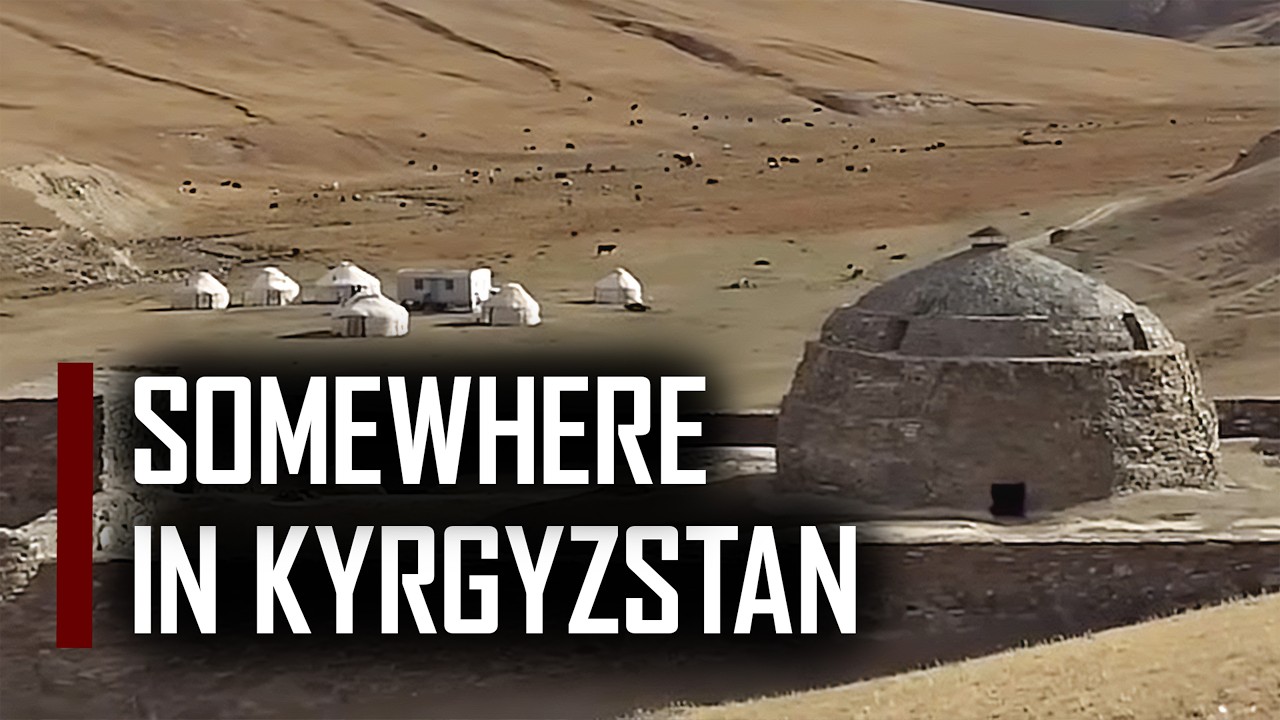
In Kyrgyzstan, semi-nomadic horsemen like Muscat Boruchev work to revive the endangered Kyrgyz horse breed while organizations like eBilim provide education in remote areas.
Extreme energy extraction, including Arctic drilling and fracking, poses significant risks to the environment and local communities while raising questions about renewable energy's future.
In various ecosystems around the globe, species have developed cooperative strategies to enhance survival, demonstrating that unity can be a powerful force in nature.
The Jet Stream's weakening due to Arctic warming is causing extreme weather events worldwide, including intensified hurricanes, floods, and droughts threatening food security.
In Cambodia, the Bunong indigenous people face the dual challenge of preserving their cultural heritage and protecting elephants as their natural habitat diminishes.
Venomous snakes and spiders, including the King Cobra and inland taipan, have evolved potent toxins for survival, yet face threats from habitat loss and human activity.
Ten pairs of sea eagles nest in the Lauenburg Lake District, a region where their population has stabilized after facing extinction 30 years ago.
Today, there are around 2,000 Przewalski's horses roaming free in Mongolia, a species brought back from the brink of extinction through conservation efforts.
Trillions of sticks of gum are chewed worldwide each year, making it the second most common form of litter after cigarette butts.
Wildlife adapts to disasters, using unique strategies to survive and thrive in harsh conditions.
One out of every two species on Earth faces extinction due to unchecked global warming, according to experts featured in the film.
A local salt scraper in Lac Rose earns a living by collecting salt, a task he describes as "slave labor" but views as essential for his family's survival.
Cree and Inuit communities in the Hudson Bay and James Bay regions are advocating for the protection of their vital waters, essential for their way of life.
Communities in Belarus, Japan, and Norway confront the long-term effects of the Chernobyl and Fukushima nuclear disasters, navigating life on contaminated land.
In the Mediterranean forests, the Iberian red deer engages in a month-long ritual of mating, marked by distinctive vocalizations and territorial battles.
Invasive species like raccoons, Asian tiger mosquitoes, and hogweed in Germany disrupt native ecosystems, threaten health, and cause significant economic damage.
Fulani shepherds across West and Central Africa face increasing challenges to their sustainable pastoral lifestyle due to climate change, land expansion, and local conflicts.
Forests showcase complex mechanics, where plants need water to adapt and thrive globally.
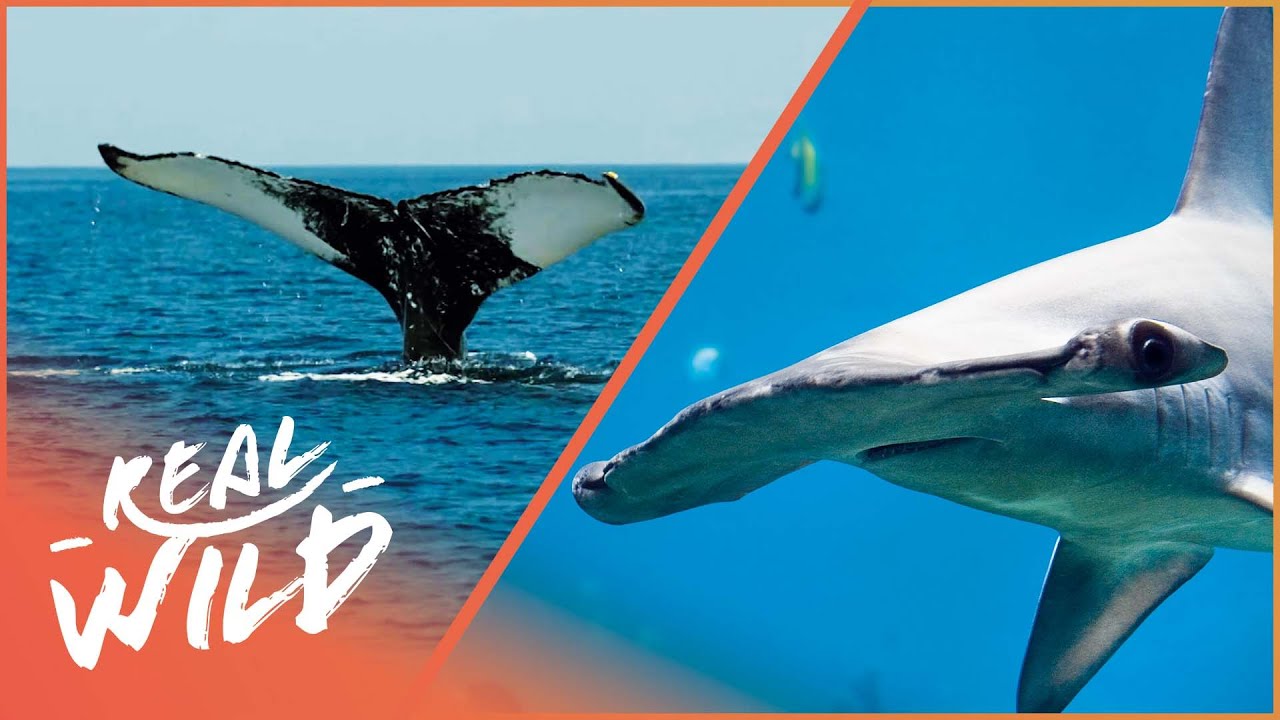
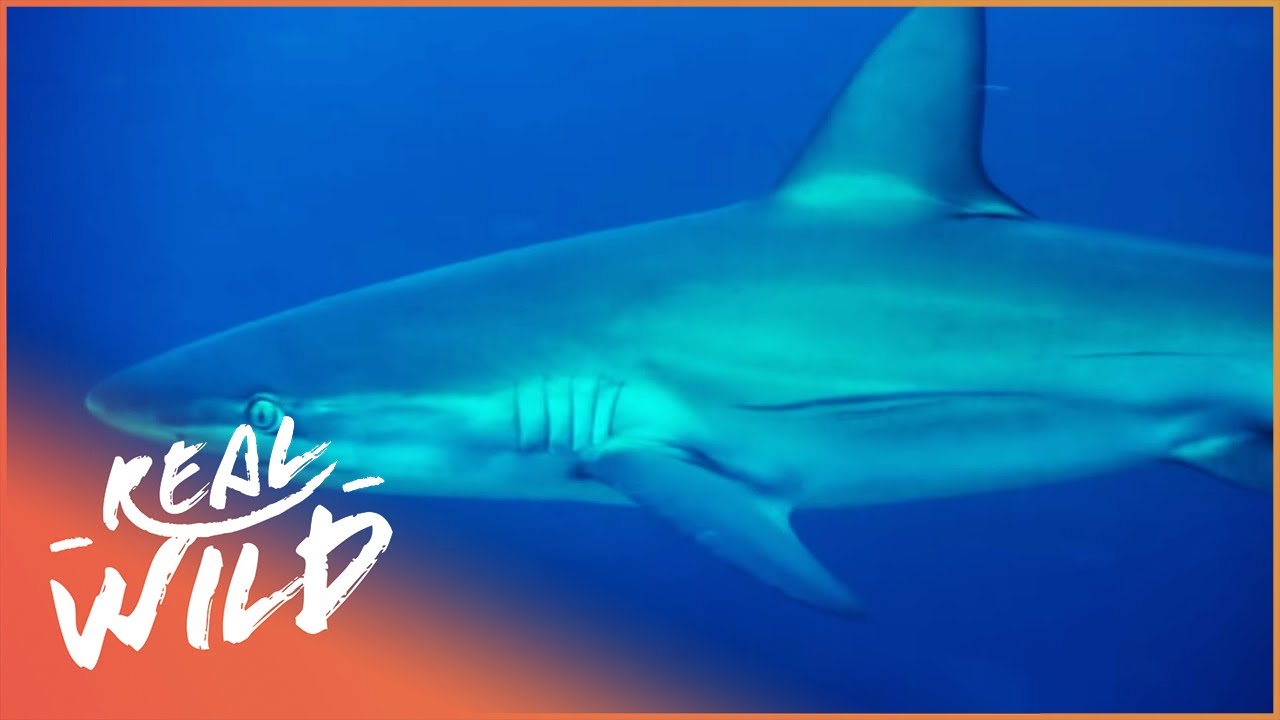
In the Azores and Cocos Island, the Sedna 4 team installs satellites on endangered hammerhead sharks, while studying humpback whales in Silver Bank, Dominican Republic.
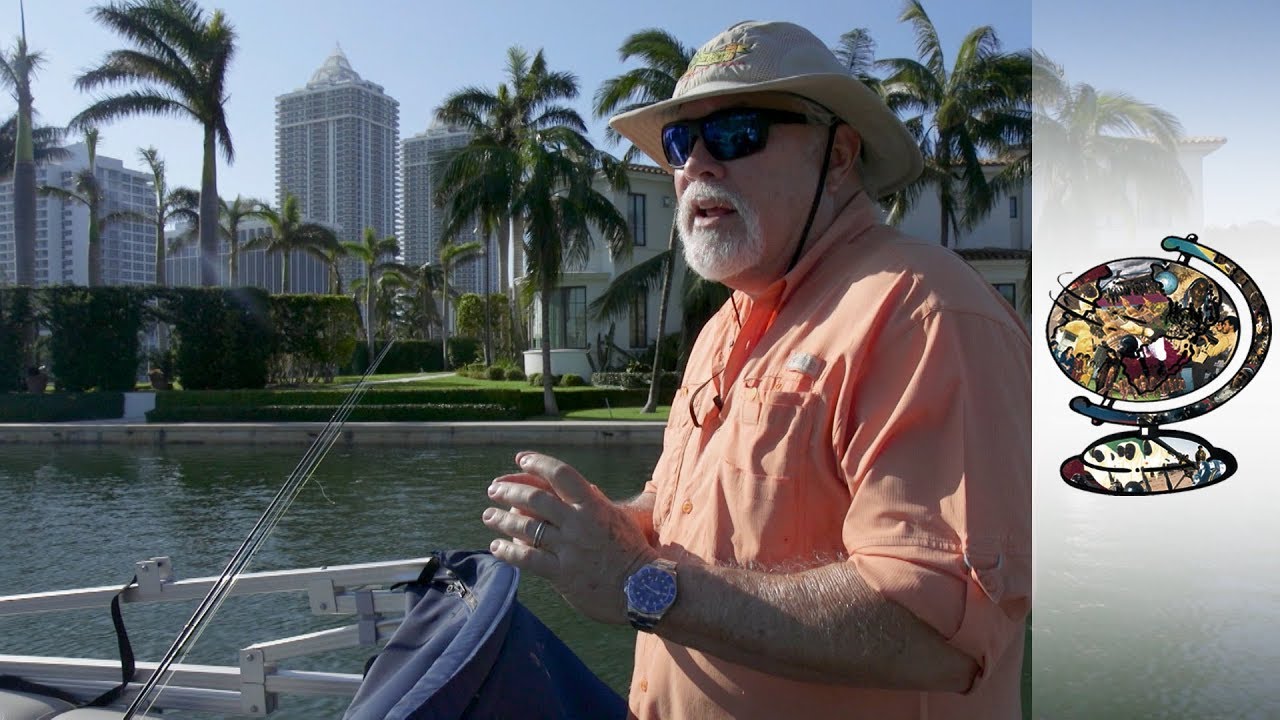
Rising sea levels and melting ice are forcing communities in Miami and Alaska to confront the harsh realities of climate change amid political inaction.
In the Serengeti, a lioness struggles to protect her cubs from drought while a solitary male cheetah navigates the challenges of finding a mate.
Kamal attempts to restore his reputation by leading a hospital raid to save electric shock victim Teejay, while Zamir seeks to reunite with Rani and his old troop.
Salmon navigate treacherous waterfalls, wildebeest cross crocodile-infested rivers, and monarch butterflies migrate thousands of miles in search of survival.
Aaron, a materials performance engineer at Patagonia, explains the functions and types of shell layers in outdoor clothing for protection against the elements.
In Jaipur city center, the Galta Gang faces internal strife as Langur monkeys dominate the area, while master thief Zamir reemerges from the forest.
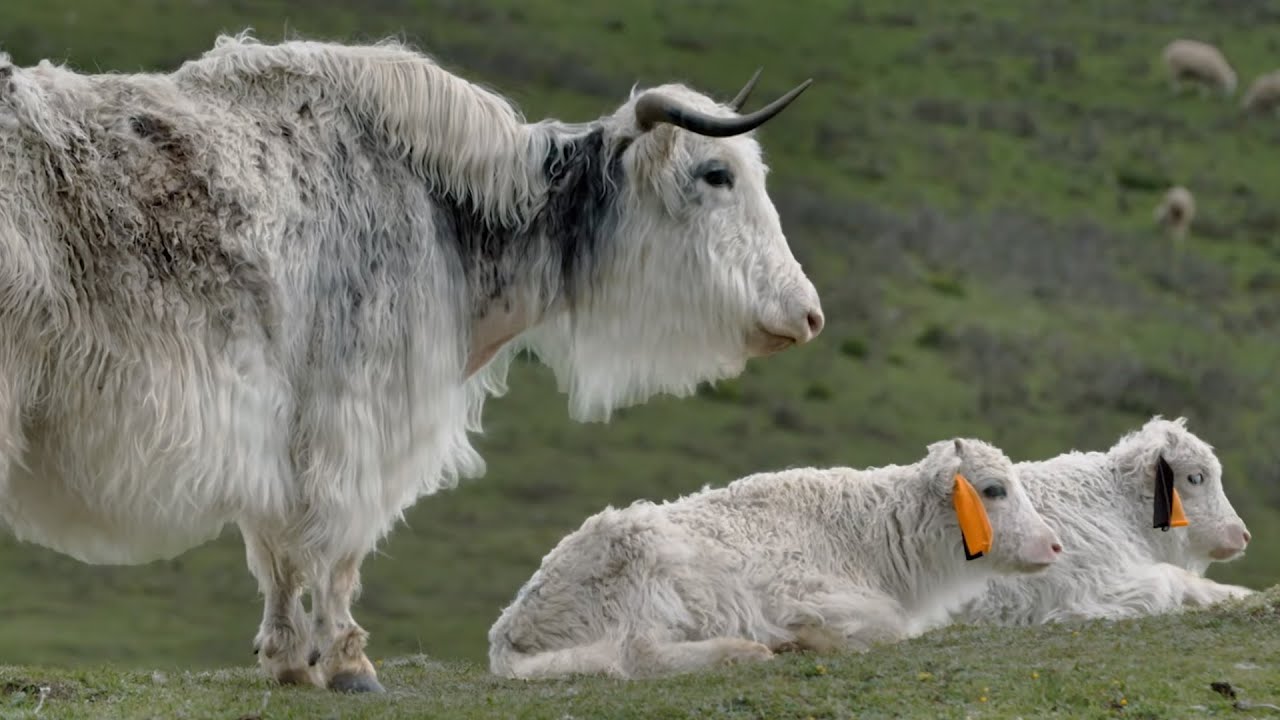
In China's western regions, scientists from China and Germany are breeding wild yaks with domestic yaks at the Datong farm to enhance food production amid urbanization.
Animals across diverse environments, from deserts to frozen tundras, exhibit remarkable adaptations that enable their survival in extreme conditions.
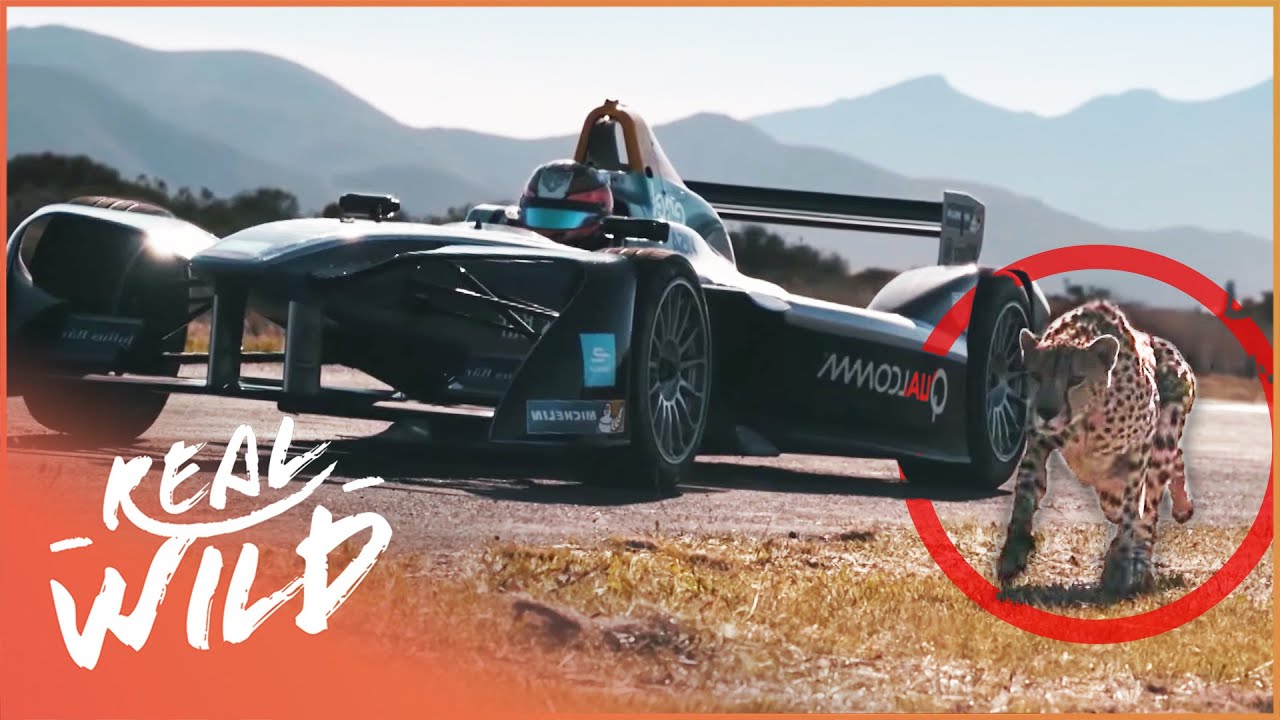
A cheetah races a race car to illustrate how innovative technology can support the conservation of endangered species and improve wildlife survival efforts.
In the isolated mountains of Spain, equine ethologist Lucy Rees studies the social dynamics and survival challenges of the endangered Pottoka horse breed.
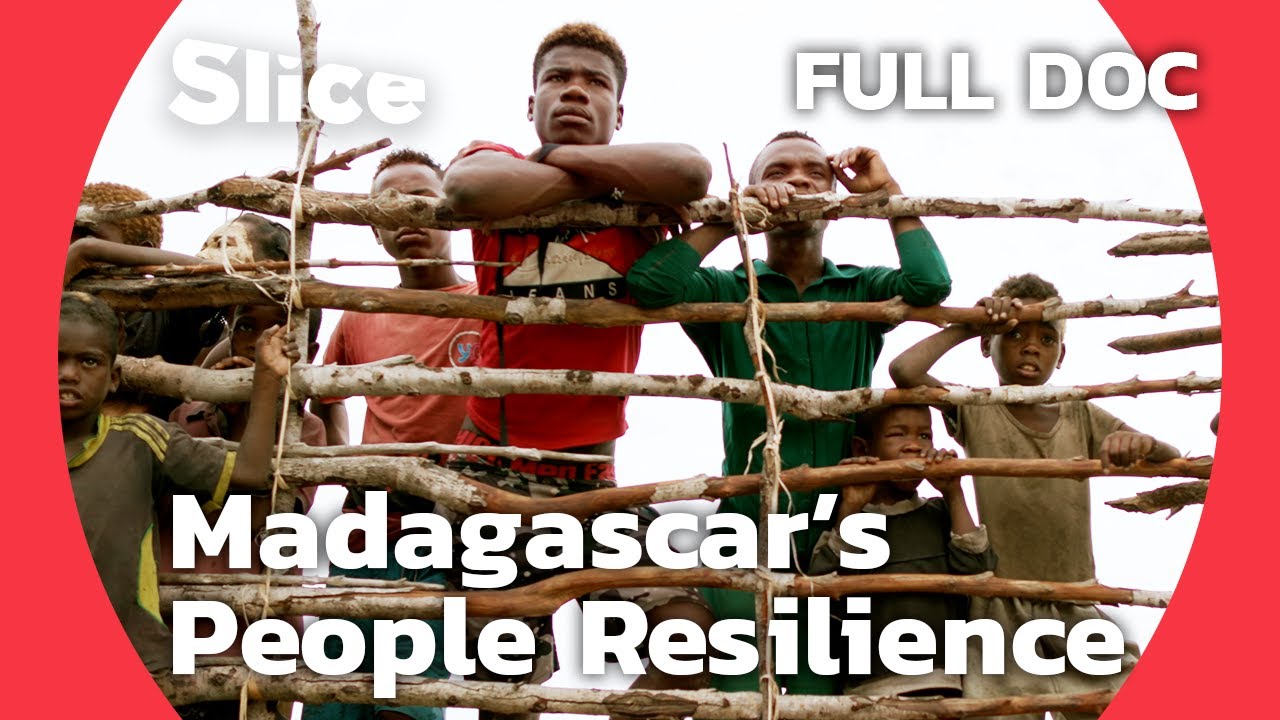
Only about 100 Mikea remain in Madagascar, facing displacement from their ancestral forests as they struggle to preserve their traditional way of life.
75% of Americans live close to the coast, facing increasing threats from hurricanes and rising sea levels due to climate change.
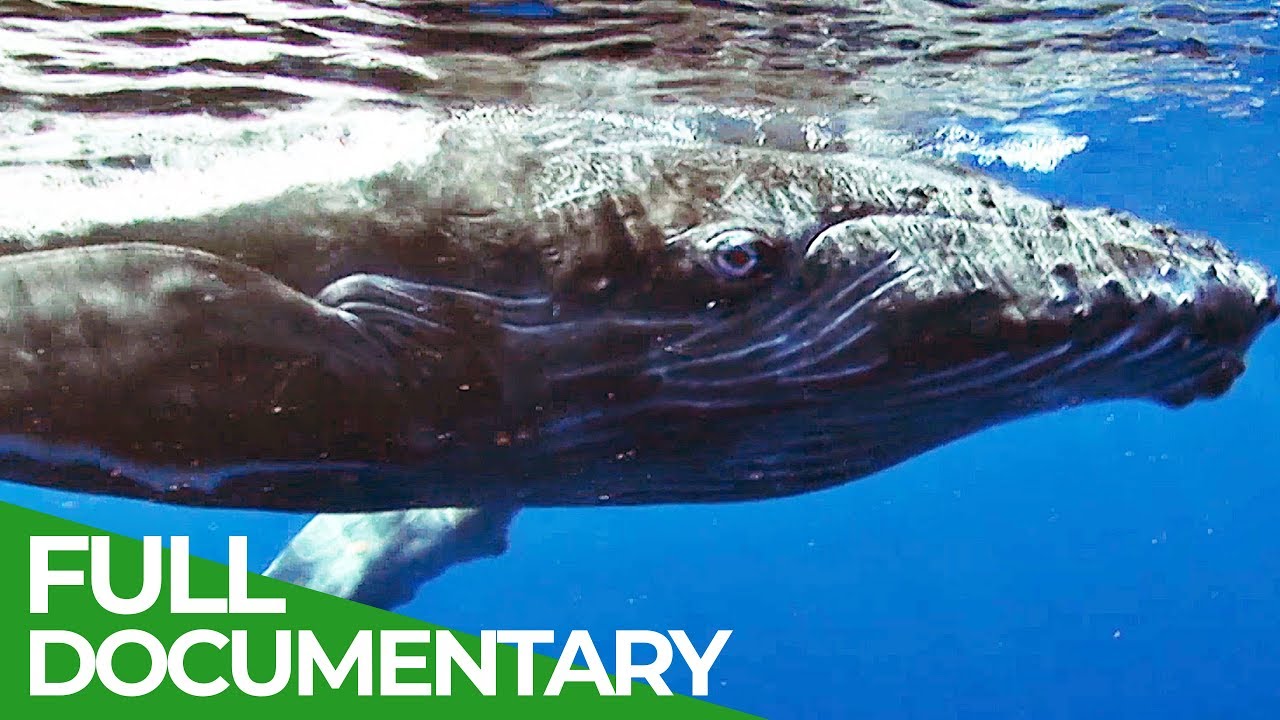
Humpback whales, once nearly extinct due to whaling, now face renewed threats from Japan and potential hunting in Tonga as conservationists, including Paul Watson, advocate for their protection.
The Nature of Life presents solutions to Global Climate Change and promotes sustainable living.
CCGS Amundsen, Henry Larsen, MS Fram, and G.O. Sars navigate the Arctic Ocean, conducting vital research and resupplying remote communities in extreme conditions.
Schoenbrunn Zoo in Vienna showcases the daily lives of zookeepers who care for a diverse array of animals, experiencing both joy and sorrow in their work.
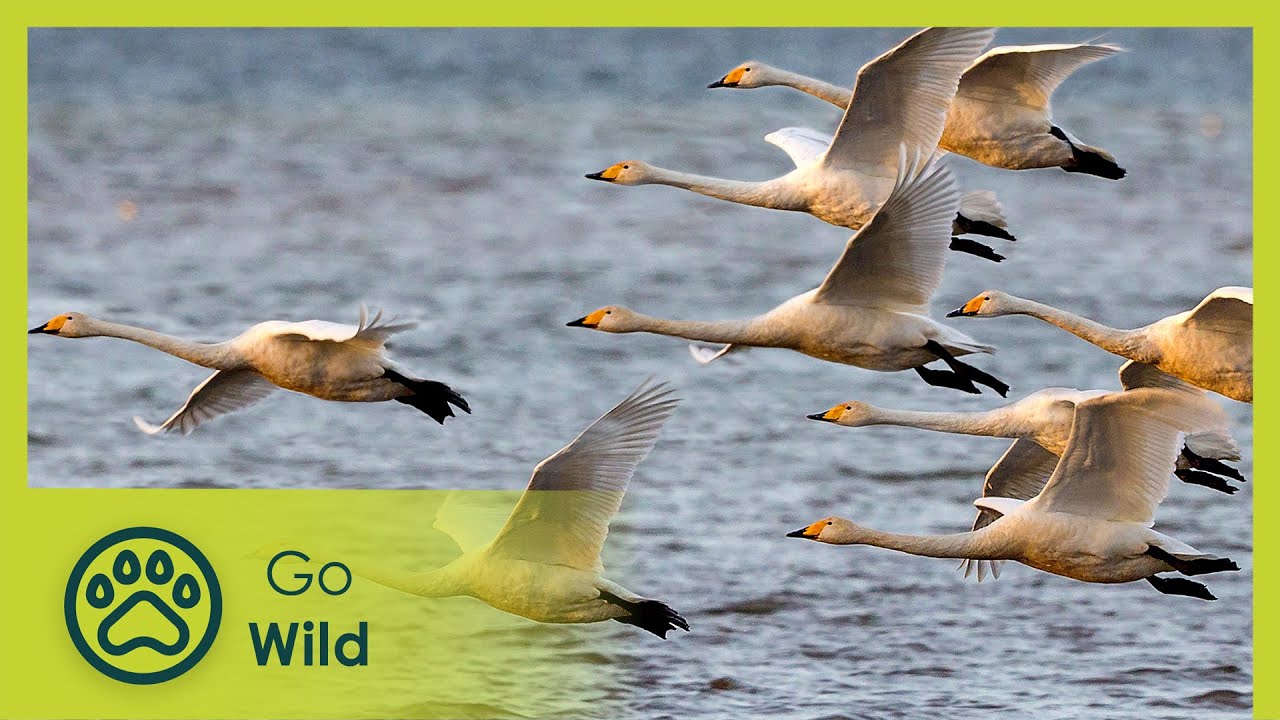
800 years of tradition continue as swans are marked on the River Thames, a practice that began when the King claimed ownership of all mute swans.
Frost quakes and microscopic ice shards pose significant engineering challenges as the Arctic experiences unprecedented changes in its climate and stability.
Cocos Island, a protected marine reserve in Costa Rica, faces illegal fishing threats that endanger its shark population, prompting urgent conservation efforts.
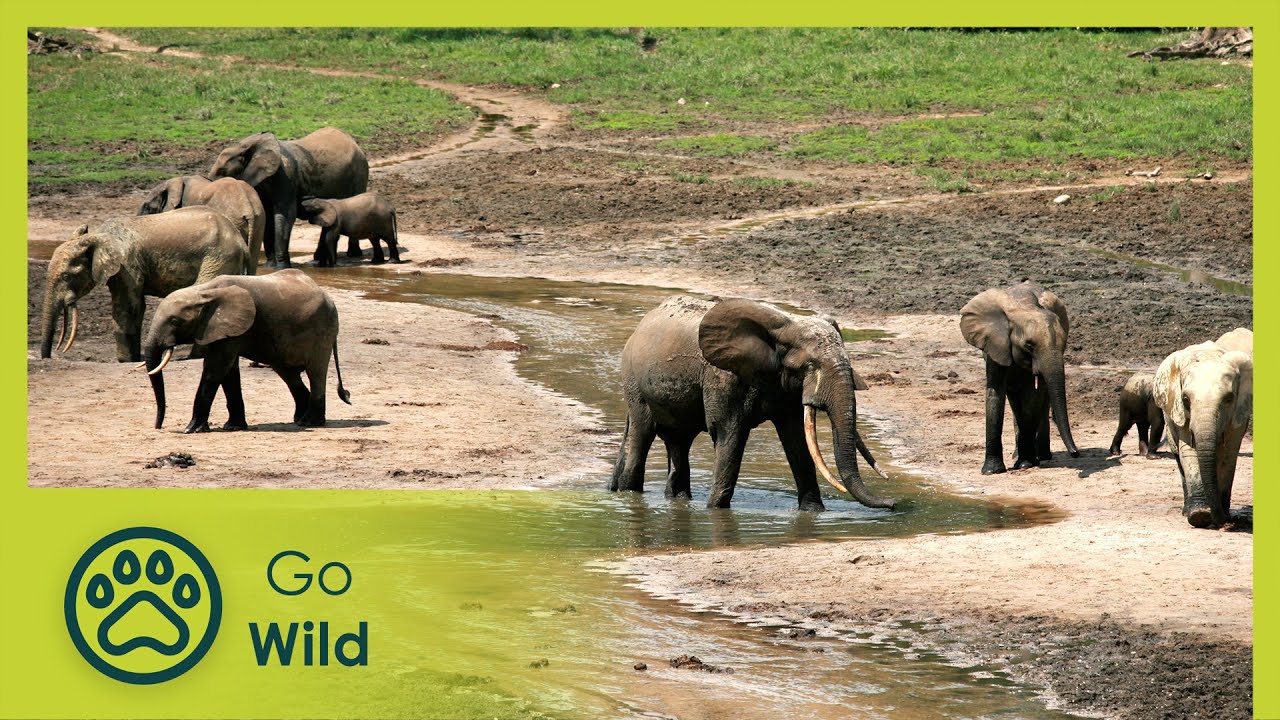
Africa's rainforests, second only to the Amazon, host diverse wildlife including chimpanzees, gorillas, and forest elephants within their complex ecosystems.
In Antarctica, a team of scientists conducts groundbreaking research to understand the continent's unique ecosystem and its implications for global survival.
Wild cats face significant survival challenges due to habitat fragmentation and human-wildlife conflict, as illustrated by the rehabilitation of Duke the caracal and conservation efforts for cheetahs and Iberian lynx.