From over 100,000 films, discover the handful you'll love.
Free or premium access to the world's largest documentary library.
7535 films(Page 27 of 157)
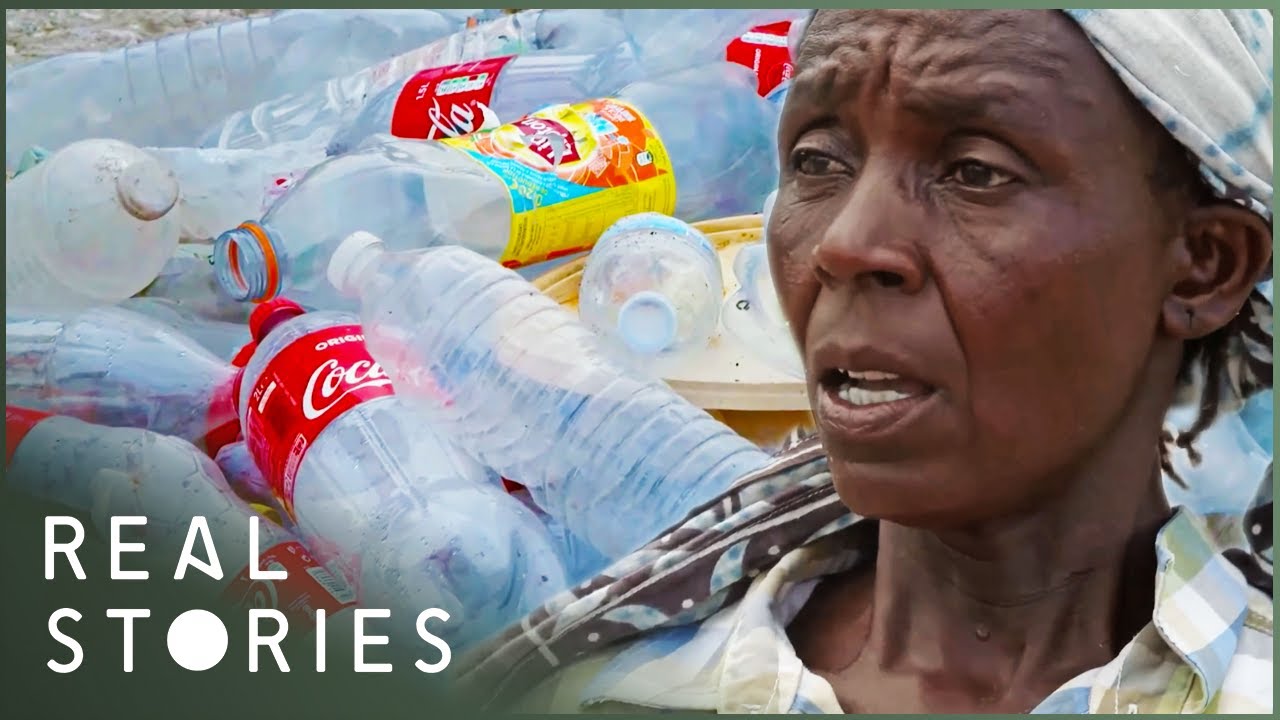
Coca-Cola's extensive plastic production and recycling promises raise critical questions about the effectiveness of corporate commitments in combating ocean pollution.
Shepherds guide sheep over steep climbs and glaciers, reaching altitudes of nearly 3,000 meters in the Alps during the spring season.
Madagascar's ring-tailed lemurs, living in family groups of one to two dozen, face habitat loss and inbreeding as their environment rapidly disappears.
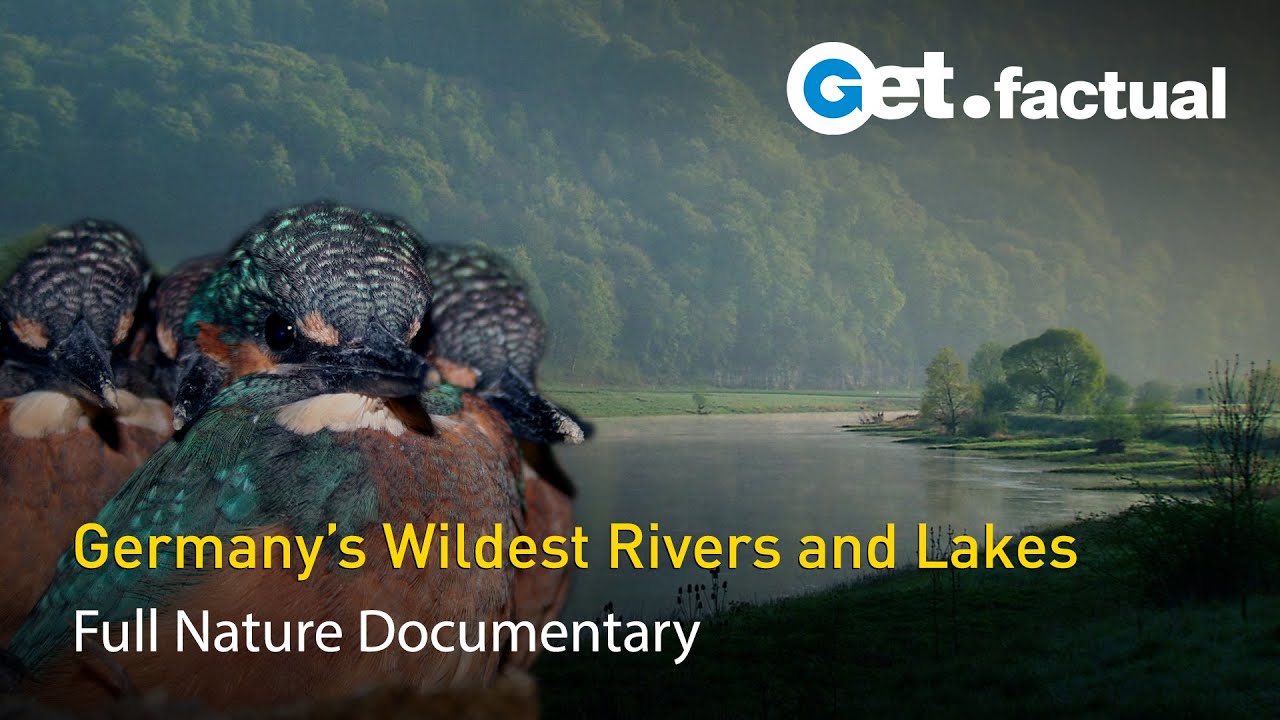
In the Bohemian Forest, the Vltava River, known as the 'Golden River', flows through the Czech Republic, inspiring artists and supporting diverse wildlife along its banks.
35,000 head of cattle are mustered on a million-acre farm in Queensland, where helicopters assist in managing the vast grazing land.
Chris Horsley investigates a dangerous fracture in Congo after Mount Nyiragongo's eruption.
In Germany's forests, Jan Haft reveals how dead trees and human impact create new habitats that support the resurgence of diverse wildlife species.
Vatnajökull National Park in southeastern Iceland, home to Europe's largest glacier and active volcanoes, showcases the interplay of natural beauty, scientific research, and local mysticism.
About 80% of Guyana is covered by pristine rainforests, home to diverse wildlife including jaguars, harpy eagles, and black caimans.
Over the course of three days, 200,000 turtles lay their eggs on a beach, facing numerous predators as they make their first dash to the sea.
The Mekong River's dynamic landscape in central Cambodia transforms during the dry season, revealing islands and tiny villages amidst cracked, dusty fields.
In Katmai National Park, wildlife tracker Casey Anderson documents the behaviors and interactions of brown bears during the salmon run and tidal foraging cycles.
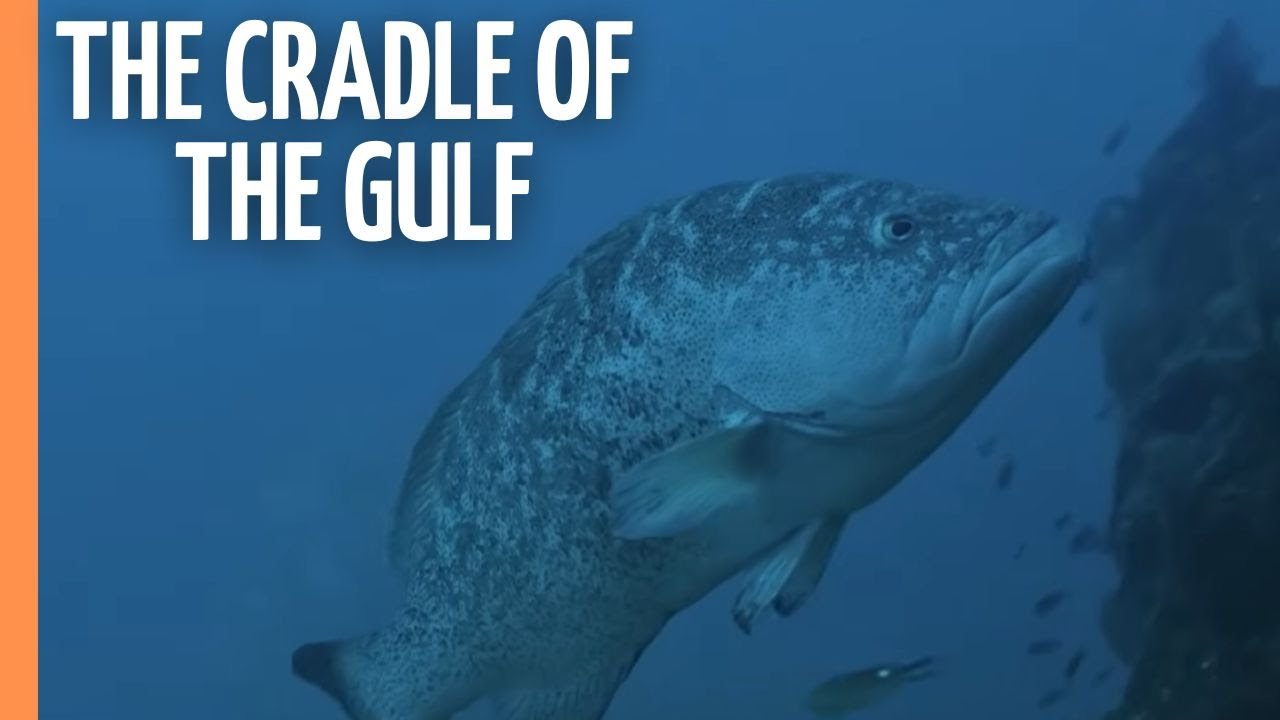
Jacques Cousteau calls this region the 'aquarium of the world' in northwest Mexico.
Less than 250 millimeters of rain falls annually on the Valdés Peninsula, a vital refuge for marine mammals in Argentina.
New Zealand's marine environments showcase the interactions of native ocean animals, including great white sharks, dusky dolphins, and orcas, across six unique habitats.
Every year, a nomadic community in Mongolia travels over 400 kilometers to reach their spring pastures, facing challenges from climate change and modernization.
In various ecosystems, animals navigate the constant threat of predators, showcasing the intricate balance of survival in nature's stunning 4K visuals.
Around 150,000 cranes use Germany as a stopover on their migration north to breeding grounds in Scandinavia each year.
In diverse ecosystems from the Iguazu Falls to the Arctic, animals demonstrate remarkable intelligence and adaptability through hunting, camouflage, and teamwork.
In African wildlife, matriarchal societies among elephants, hyenas, and mongooses highlight the significant leadership roles of females in their social structures.
Animal populations in Gorongosa National Park increased from 10,000 to 100,000 over the last decade, demonstrating successful wildlife restoration efforts.
An injured zebra calf struggles to keep up with its herd in the African savanna, while its mother remains steadfastly by its side during its final moments.
On September 23, 2014, the United Nations hosted a historic climate summit, prompting a global rally that drew hundreds of thousands of participants.
Floods, as one of the deadliest natural disasters, are examined through catastrophic events in the Mississippi River, New York City, and Germany's Elbe River, featuring insights from Dr. Christian Reinhardt-Imjela.
Up to half a million Olive Ridley sea turtles arrive at Ostional Beach in Costa Rica during the "arribada," a synchronized nesting event each September.
Bison in North America, giraffes in Africa, and koalas in Australia illustrate the essential roles wild creatures play in maintaining their ecosystems.
In the Klamath Basin, Indigenous groups are reviving traditional cultural burning practices to manage wildfires exacerbated by climate change.
Snakes, lizards, and the Tuatara of New Zealand are examined in detail, highlighting their unique adaptations and behaviors within the reptile family.
The Humboldt Current along South America’s Pacific coast supports diverse marine life, from blue whales to penguins, while sustaining the Atacama Desert's ecosystem.
Borneo's rainforests face significant threats from deforestation and development, as documented by Fellow Mattias Klum over two decades.
Chernobyl and Pripyat's abandoned landscapes reveal the catastrophic aftermath of the 1986 nuclear disaster, alongside other eerie sites like the Terrifying Asylum.
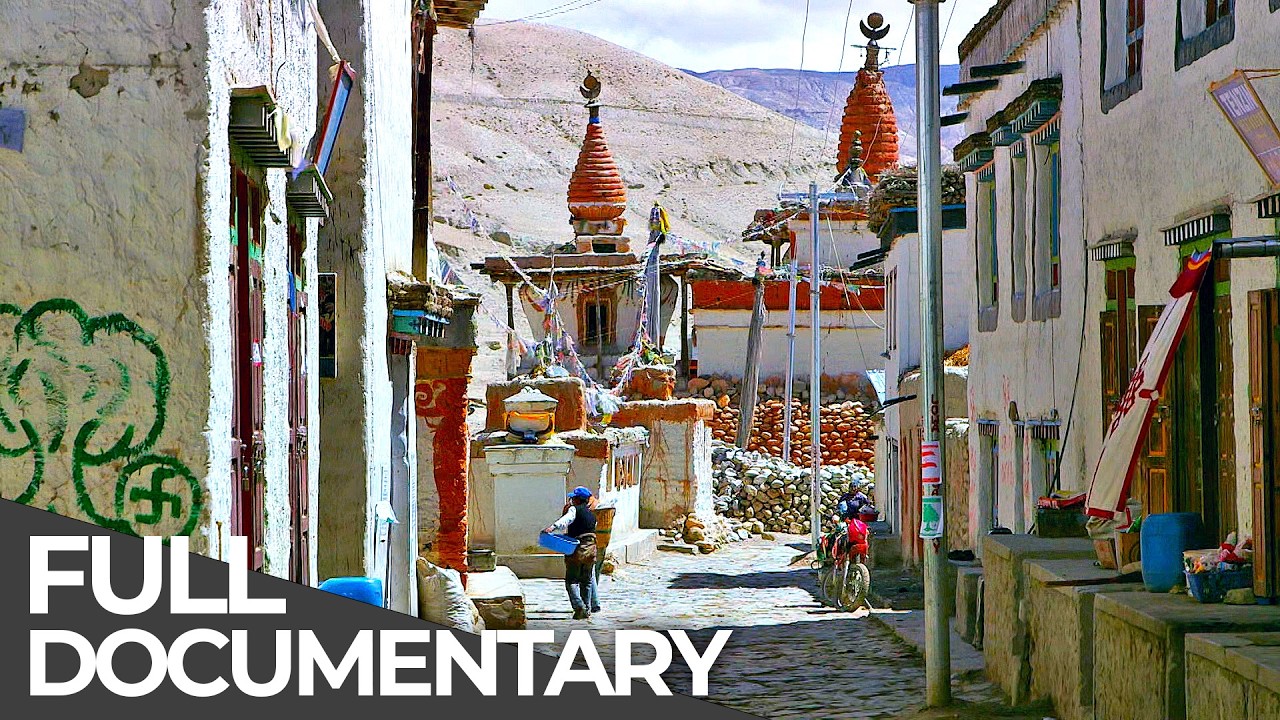
Lo Manthang in Nepal showcases ultra-high altitude life and unique habitats in the clouds.
Coastal wolves in the rainforests of Canada's west coast exhibit rare behaviors and interactions within their unique habitat, captured in stunning 4K imagery.
By the turn of the millennium, poachers had reduced the Tatra chamois population to 200, but strict protection has since increased their numbers to 1,500.
In Vienna, disused urban areas serve as vital habitats for over two thousand plant species and numerous threatened animals, including crested larks and firebellied toads.
In Agusan Marsh, Philippines, a giant crocodile over 20 feet long poses a threat to the local community while attracting ecotourism, prompting conservation efforts by experts like Marc Gansuana.
Less than 100 Asiatic cheetahs remain in the wild, prompting wildlife photographer Benny Rebel to advocate for their conservation in Iran.
Filipino Gold Divers risk their lives in Paracale's Deadly Pits to earn a living through illegal mining.
In the Democratic Republic of Congo, wildlife investigator Ivan Carter joins park rangers in their efforts to combat illegal poaching of Grauer’s gorillas.
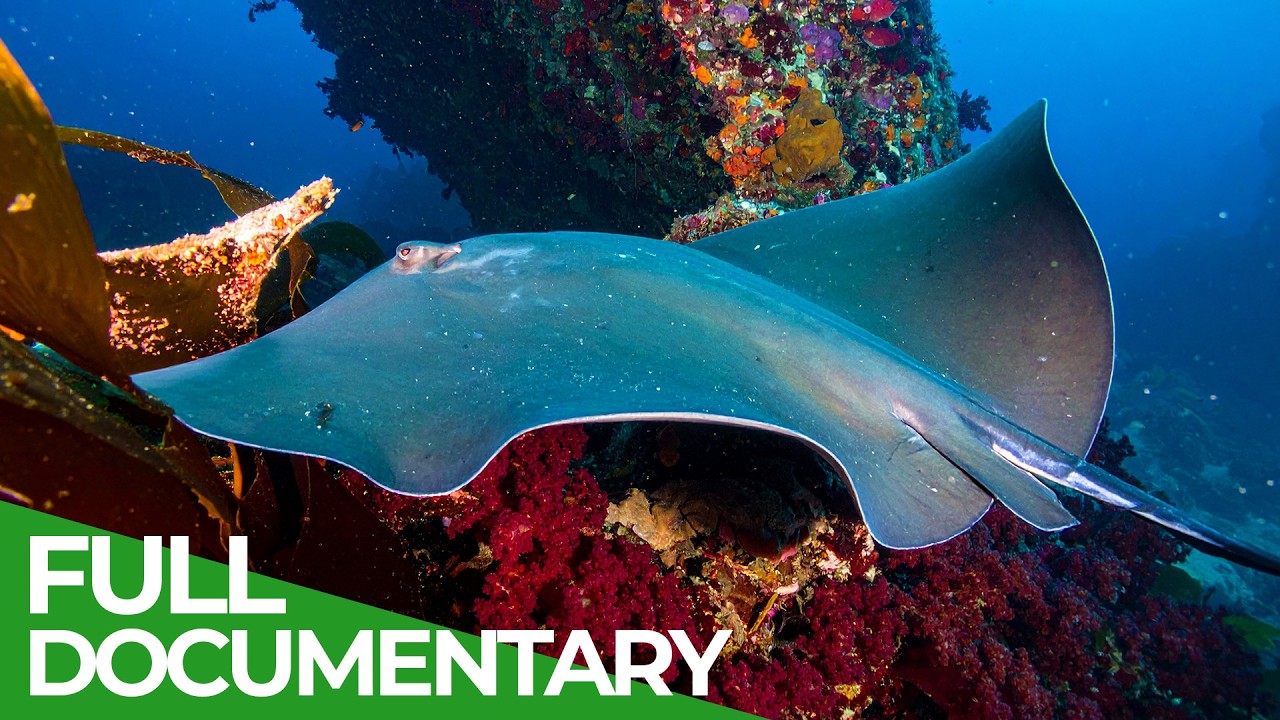
Giant manta rays in the Socorro Islands off Mexico's Pacific coast are studied by Dr. Robert Rubin, highlighting their interactions with divers and marine life.
Divers in New Zealand's Foveaux Strait dive up to 75 feet on a single breath to harvest sea urchins, a delicacy worth nearly half a billion dollars annually.
In the Kalahari Desert, seasonal rains transform arid landscapes into vibrant fields of flowers, highlighting the adaptations of local wildlife.
Daniel Opitz films humpback whales in Hawaii, focusing on their complex songs and conservation efforts.
Maud Galant prepares to move from North to South Brehat while Jacques Jolibois manages Paimpol Harbour.
Santiago Mayanz hunts invasive Cuban lizards in Tenerife while Juana Cabreira enhances goat milk production and Carlos Guevara creates wine from banana waste.
Seventy percent of all clothing is made from plastic, primarily polyester, contributing to significant environmental challenges linked to the fashion industry.
Brazil's Mata Atlântica and Pantanal regions showcase a rich biodiversity, featuring species like muriqui monkeys, jaguars, and unique coastal wildlife amid environmental challenges.
A polar bear, having lost half her body weight, struggles to hunt walruses while her cubs await their first meal in a harsh Arctic spring.