From over 100,000 films, discover the handful you'll love.
Free or premium access to the world's largest documentary library.
7535 films(Page 32 of 157)
Female mosquitoes, which require human blood for egg incubation, are influenced by body odor and genetics, determining why some individuals attract more bites than others.
Animal rights activists along South Africa's Garden Route engage in diverse protection projects for endangered species, including penguins, lemurs, and great white sharks.
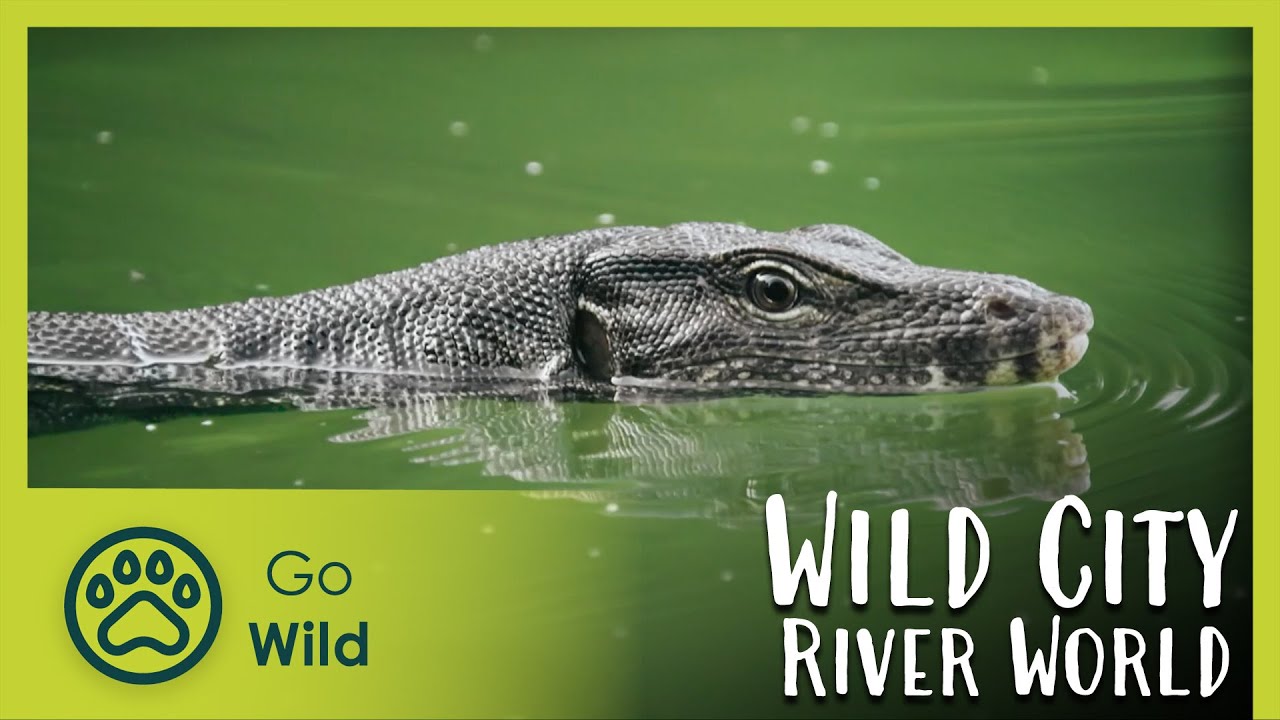
In Singapore's waterways, otter families, macaques, pythons, and stingrays adapt and thrive amidst the city's complex water networks.
Menorca, a Spanish island designated as a biosphere reserve over 25 years ago, showcases its unique wildlife and landscapes that are home to endemic species.
Wildlife filmmakers encounter a range of experiences, from polar bears in Siberia to sharks off South Africa, highlighting the dangers and emotions of nature.
Yusei Ikariyama, a former delinquent turned pro surfer, leads a community movement to protect Amami Ōshima's coastline from industrial development.
Oyster farmers in Arcachon Bay have decreased from 1,000 to 300 in the past 30 years, facing challenges from climate change and theft.
The Cat Ba Langur Conservation Project helps increase the critically endangered langur population.
The compilation features a baby penguin's first steps in Antarctica and crocodiles attacking thirsty bats in Africa, highlighting diverse animal behaviors.
Fishing in Alaska presents extreme dangers, as local fishermen navigate treacherous waters while remaining committed to their perilous profession.
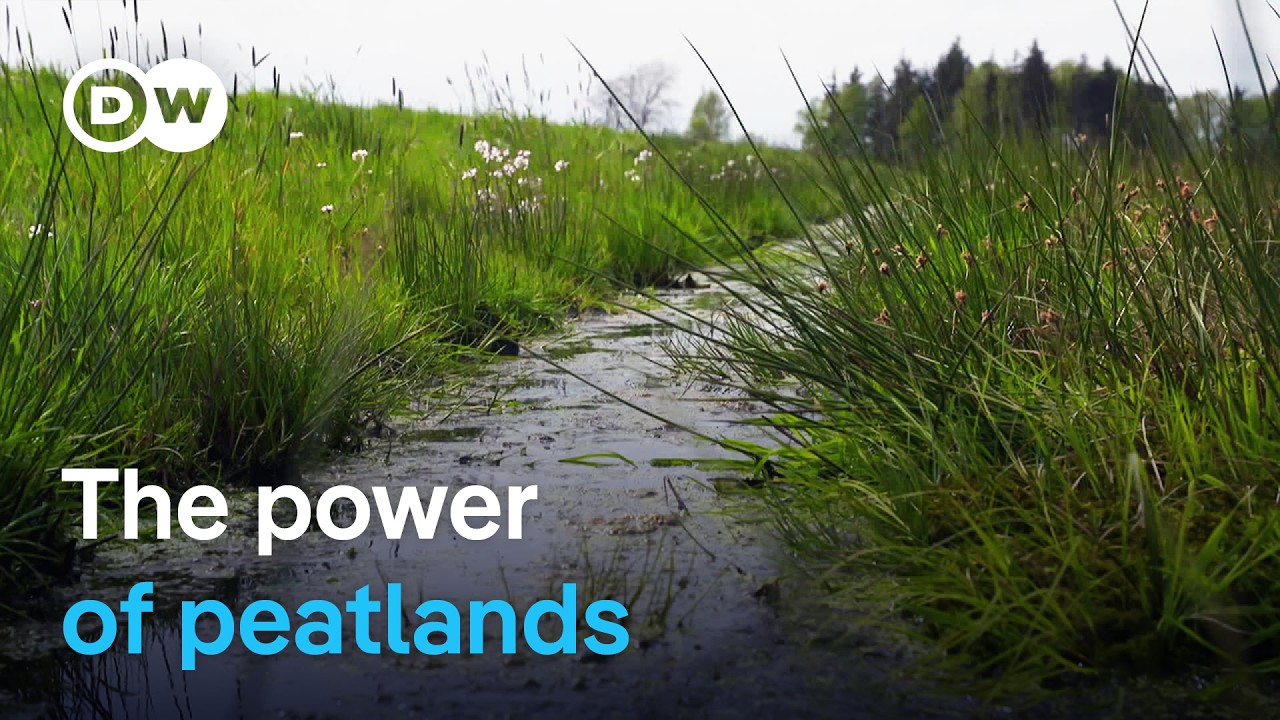
Germany's drained peatlands emit greenhouse gases while efforts to rewet them continue.
Madagascar was settled around 700 A.D. by people from what is now Indonesia, later joined by Africans and colonized by the French in 1895.
Four times more weather-related disasters have occurred in the last 50 years than in the previous century, driven in part by animal agriculture.
12,000 chamois now thrive in the Tatra Mountains, a significant recovery from just 200 at the turn of the millennium due to strict conservation efforts.
Charlie Ottley explores the Carpathian Mountains, highlighting their rich biodiversity, cultural history, and the conservation efforts led by figures like HRH The Prince of Wales.
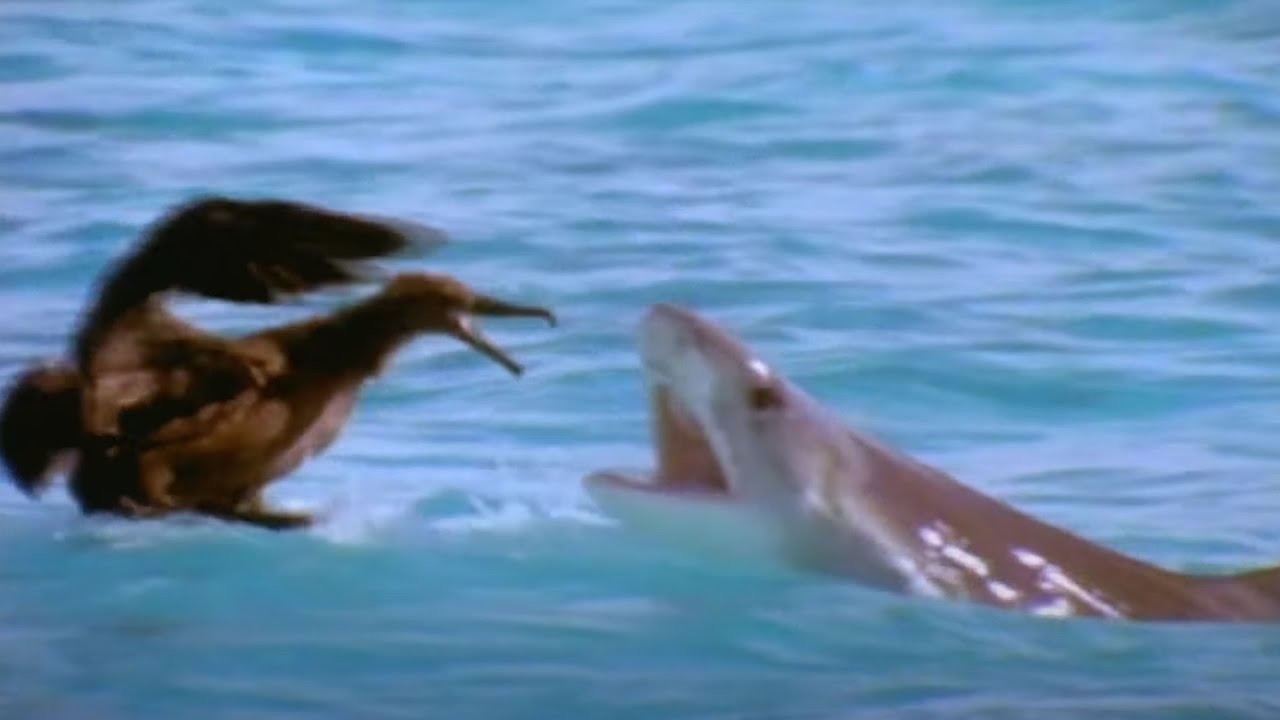
A sooty tern can spend the first four years of its life entirely on the wing, avoiding water to prevent drowning in the Pacific Ocean.
Dr. Glen Burns studies sea snakes, whose venom is far more potent than that of most terrestrial snakes, with just a few drops enough to kill a human.
Animal migrations and survival strategies illustrate how wildlife adapts to the challenges of a constantly changing environment.
Costa Rica's rain forests and ocean waters showcase the diverse wildlife and ecosystems that thrive in one of the world's most biodiverse regions.
Eve gave a speech in front of 2,000 people, sharing her thoughts on living sustainably and connecting with nature.
As global temperatures rise, tornadoes are increasingly striking densely populated areas outside Tornado Alley, posing greater risks to communities and industries.
At 4,800 meters above sea level, Baltazar Ushca, at 68 years old, is the last ice gatherer on Chimborazo, cutting glacier ice twice a week.
Up to 30% of the world’s harvest is lost to plant diseases and pests, leaving less than half of crops available for consumers.
Extraordinary landscapes around the globe reveal the remarkable adaptations of their inhabitants and highlight nature's solutions that inspire modern technology and medicine.
More than 700 grizzly bears live in Yellowstone, foraging for food during the summer months while facing the challenges of a changing environment.
In central Spain, 80 kilometres from Madrid, an ancient forest supports a diverse ecosystem where species like golden eagles and barn owls thrive.
Moorlands across Europe, from Norway to Portugal, showcase a unique ecosystem where diverse flora and fauna coexist in a challenging coastal environment.
Firefighter turnout gear contains toxic PFAS chemicals linked to cancer, revealing a decades-long corporate deception that endangers public health and safety.
Life couldn't survive without water, and creatures here are born to swim and thrive underwater.
Rapidly melting ice sheets in the Arctic and Antarctic reveal critical climate change indicators, prompting scientists to study their ecological impacts and ancient secrets.
Human-leopard conflict in Sri Lanka is examined through historical cases of man-eating leopards, including the infamous 'Man-eater of Punanai' from the 1920s.
In 2013, 's Pristine Seas team, led by Enric Sala, explored New Caledonia's reefs, contributing to the protection of 28,000 km of marine ecosystems in 2018.
In Indonesia, the Sedna 4 team collaborates with biologists Achmad and Denny to conduct a population census of Komodo dragons while exploring local coexistence.
A 300-liter stomach allows the Pacific sleeper shark to consume large amounts of food, illustrating the scavenging habits of marine life in the ocean.
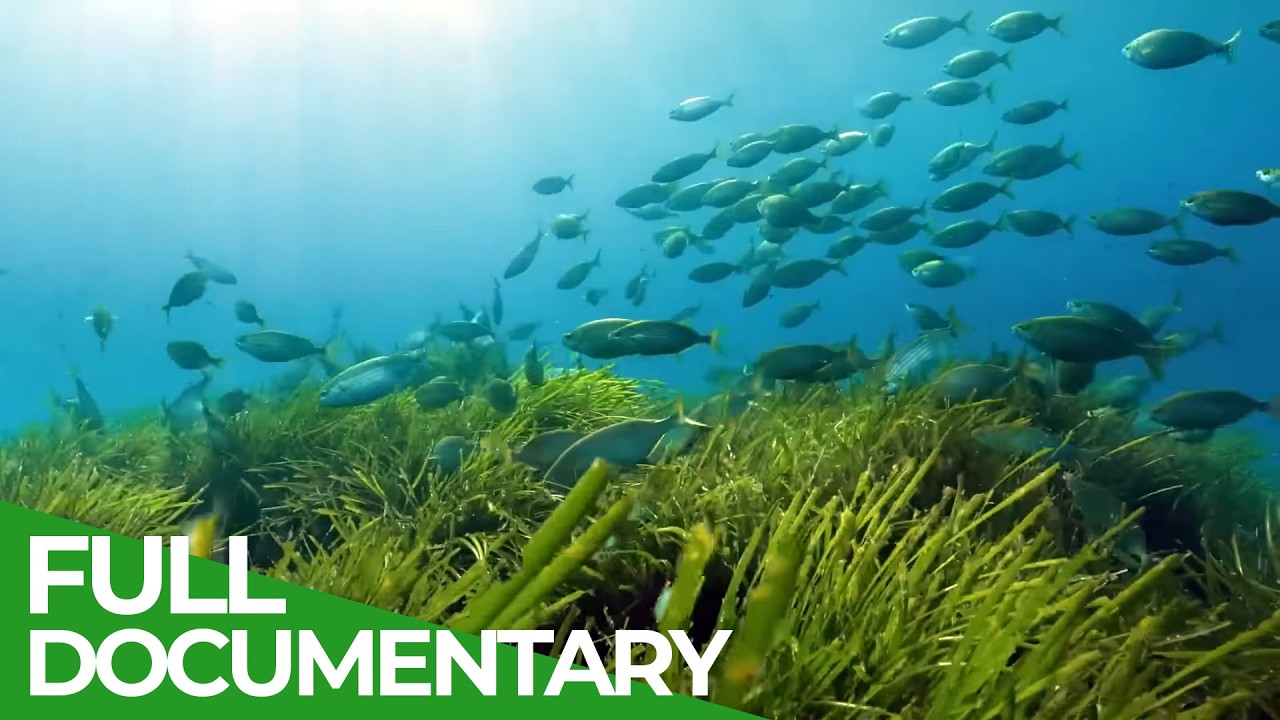
Underwater communication among fish is explored through advanced video and audio technology in the Mediterranean Sea's coral reefs and ancient shipwrecks.
Colombia's Chocó region and Serranía de la Macarena showcase some of the planet's most biodiverse ecosystems, featuring species like leatherback turtles and jaguars.
In Rühstädt, known as "Europe's Stork Village," white storks face fierce competition for nesting sites and survival while attracting bird-loving tourists.
In the Maasai Mara, experts guide a live safari experience focused on observing wildlife, including a new baby elephant, lions, and buffalo.
The Mediterranean Basin, a biodiversity hotspot, showcases unique ecosystems and highlights the urgent need for conservation amid human impact over 8,000 years.
In the Maasai Mara, experts guide a live safari experience, showcasing the region's diverse wildlife, including lions, elephants, and buffalo.
Japanese macaques in the temperate forests of Japan exhibit complex social dynamics and remarkable adaptability to seasonal changes.
In the Australian Alps, Mt. Kosciuszko stands as the continent's highest peak, home to unique species like wombats and wild horses adapted to its cold climate.
In Uruguay, diverse ecosystems such as the Pampas, Atlantic Forest, and Gran Chaco host a variety of wildlife, including giant rheas, river otters, and endangered pampas deer.
David Diley traveled over 10,000 miles from England to Fiji to film the thriving population of Bull Sharks at Shark Reef and promote marine conservation.
In Newfoundland, moose collisions result in more fatalities and injuries than all other wildlife species combined, highlighting the animal's significant danger in Canada.
The Gulf of California was created 6 million years ago, splitting the Sonoran Desert into two and generating a unique ecosystem rich in biodiversity.
Earth's formation is explored through key events from the Big Bang to the development of natural resources like the Great Lakes and super diamonds.
Crowned lemurs, unique to Madagascar, live in family groups led by a female, with one-eyed queens guiding their troops through a harsh environment.