From over 100,000 films, discover the handful you'll love.
Free or premium access to the world's largest documentary library.
7535 films(Page 127 of 157)
A single mother transforms her barren field into six self-watered garden beds, ensuring a sustainable food source for her family.
BBC Earth revisits some of the most tense moments in nature, featuring injured elephants and critical life-and-death scenarios across various ecosystems.
Sir David Attenborough shares soothing moments from nature, including the world's smallest lemur and the hatching of chicks, in a 26-minute compilation.
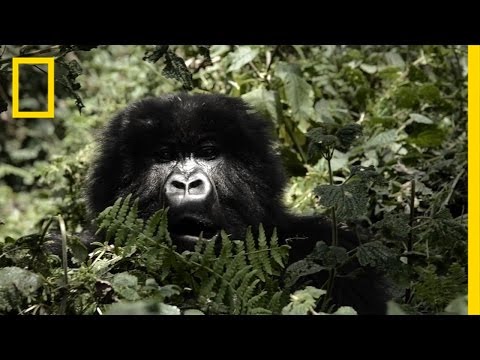
In 2010, a census counted 480 mountain gorillas in Rwanda, marking the only increasing population of apes in the world due to conservation efforts.
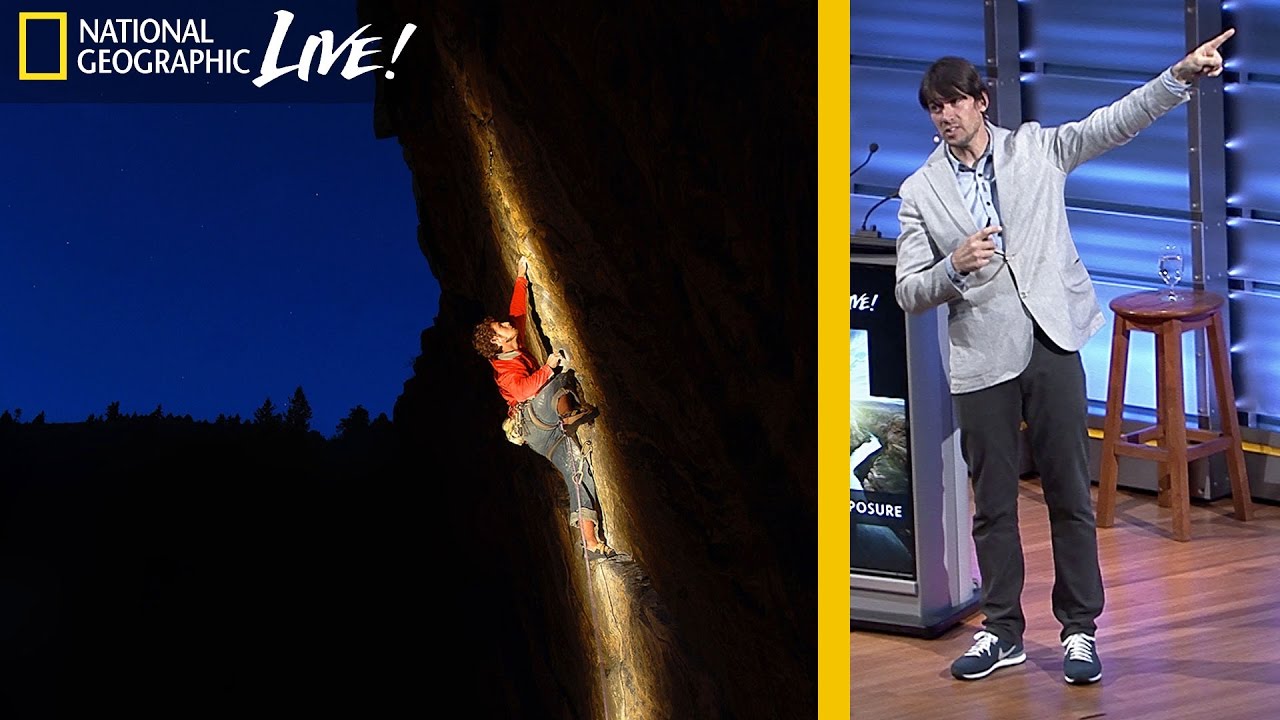
Award-winning photographer and filmmaker Keith Ladzinski captures the beauty and climate change impacts in America's national parks, alongside his global adventures.
Halifax gardener Carol Bowlby shares practical tips for urban gardening, addressing challenges like soil quality and limited space in small plots.
Beneath Antarctica's glaciers, a 12-foot-long robot named Icefin conducts explorations in areas inaccessible to boats or divers.
BBC Earth compiles the top five leopard moments from its natural history archive, highlighting their hunting techniques and interactions in diverse habitats.
Forest ecologist Nalini Nadkarni collaborates with diverse groups, including artists and prisoners, to highlight the vital connection between nature and human life.
In the Ansel Adams Wilderness of the Sierra Nevada, photographer Peter Essick captures the region's stark beauty, honoring the legacy of the iconic American artist.
Nobel Laureate Martin Chalfie and Nat Geo Explorer Beth Shapiro analyze the factors influencing species survival and extinction.
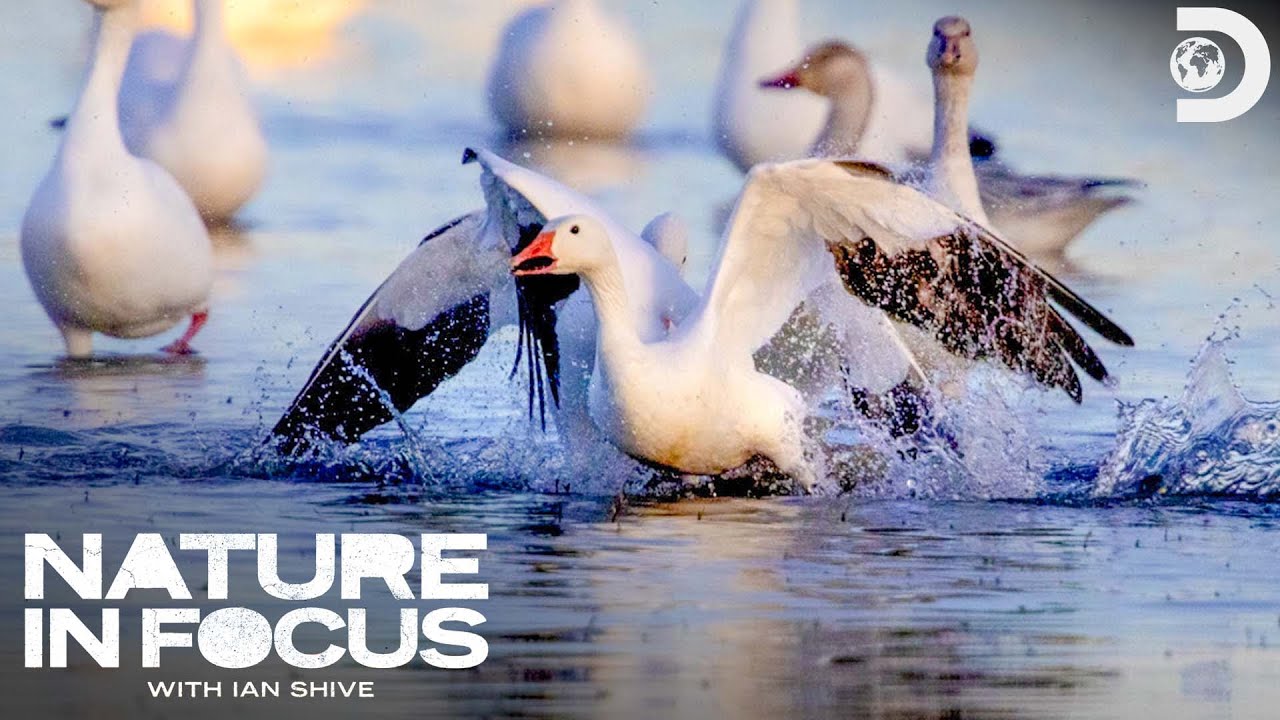
Approximately 4 billion birds migrate south for winter, with key locations like Bosque del Apache National Wildlife Refuge and Aransas National Wildlife Refuge featured.
Wildfires play a crucial role in various ecosystems, providing hunting opportunities for species that adapt to these natural events.
Biodiversity on Earth showcases a variety of distinctive and quirky animals, highlighting the unique adaptations that enable their survival.
Neom, a $500 billion initiative in northwestern Saudi Arabia, aims to create a sustainable urban environment as part of the Vision 2030 economic diversification plan.
A shark attack survivor from Kauai, Hawaii, shares how the ocean has shaped his life and led to innovations in underwater agriculture.
Manhattan's steam system produces 27 billion pounds of steam each year, heating over 1,500 buildings and serving more than 3 million people.
Ocean School is a free online learning experience launched by Dalhousie University and the National Film Board of Canada to enhance ocean literacy among young people.
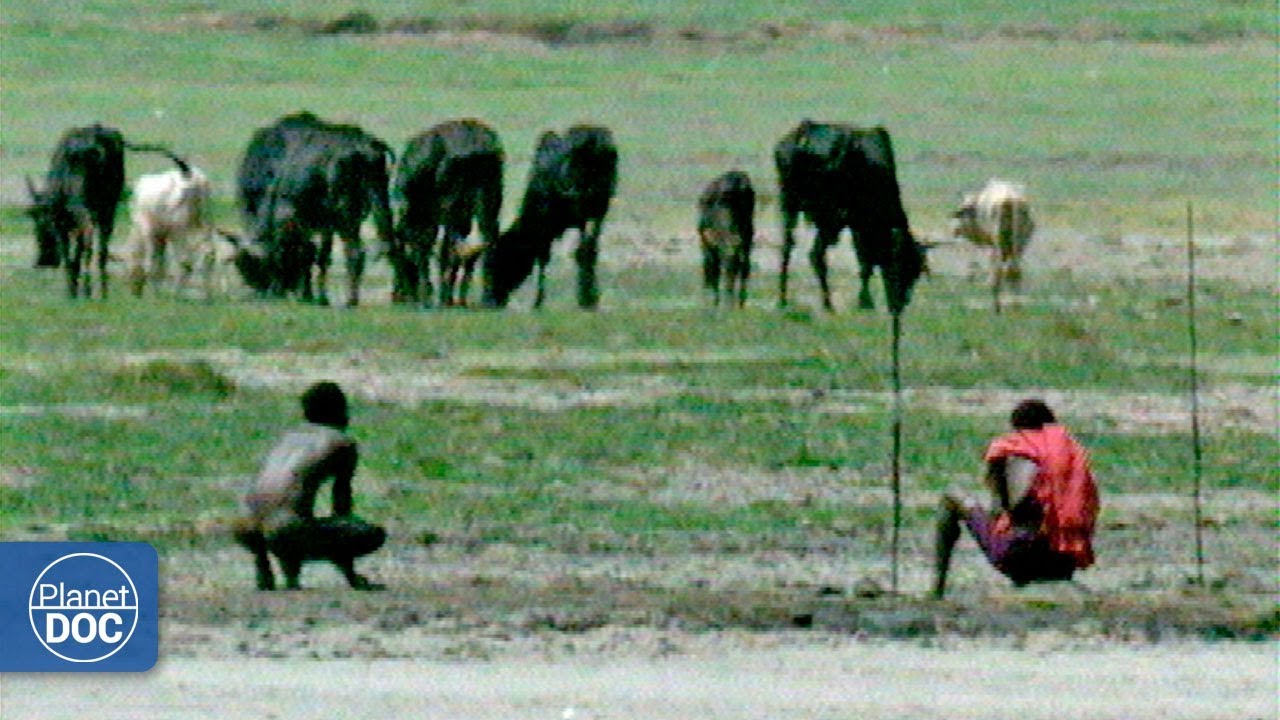
More than 25,000 large mammals inhabit the Ngorongoro Crater during the rainy season, thriving in its unique ecosystems and abundant resources.
More than 25,000 large mammals inhabit the Ngorongoro crater during the rainy season, attracting one of Africa's highest concentrations of predators.
Two species of flamingos, the greater and lesser, flock to Lake Magadi in Ngorongoro each year to feed on algae and crustaceans.
An adult male African elephant can weigh as much as six tons and consume around 300 kilos of food daily, impacting the fragile larai forest ecosystem.
Six pangolins are rescued from a market in Nigeria, where poaching has surged due to rising demand for their scales and meat.
Ten million years ago, the Mediterranean Sea basin transformed from a desert valley into a thriving marine environment following the collapse of the rock dike in the Strait of Gibraltar.
Fishermen at Lake Balkhash are allowed to catch up to 100 tons of fish a year, but many return home with nearly empty boats.
Nico Brinkmann uses artificial snow to attract skiers to Winterberg amid climate change challenges.
Seven meters of rock will be removed in a single day at the deepest mine in western Europe, located on the northeast coast of England.
Five family members lived in an outpost camp on Nathan Island for 11 years, relying on traditional practices to sustain their way of life.
100 years after people left, homes in Mesa, Arizona, have crumbled into dust, leaving behind a barren wasteland overtaken by nature.
China's growing influence in the Pacific, particularly in Fiji, Papua New Guinea, and the Solomon Islands, raises questions about geopolitical power dynamics amid climate change.
An average 250 percent increase in marine biomass has been recorded in Misool's protected waters over the past six years.
Cannonball, North Dakota, cut energy costs by $30,000 in two years after launching a solar farm on the Standing Rock Reservation in 2019.
By 2030, scientists predict that there may be no sea ice left in the Arctic Ocean during the summer, threatening the survival of local communities.
The Coast Guard cutter Healy, measuring 420 feet, conducts scientific research in the rapidly changing Bering Sea environment.
An unprotected person might last three minutes in the icy waters of the Bering Sea, while survival time increases to a few hours in a protective suit.
David Milarch's mission to archive the genetics of Northern California's redwood trees aims to combat the impacts of climate change on these ancient giants.
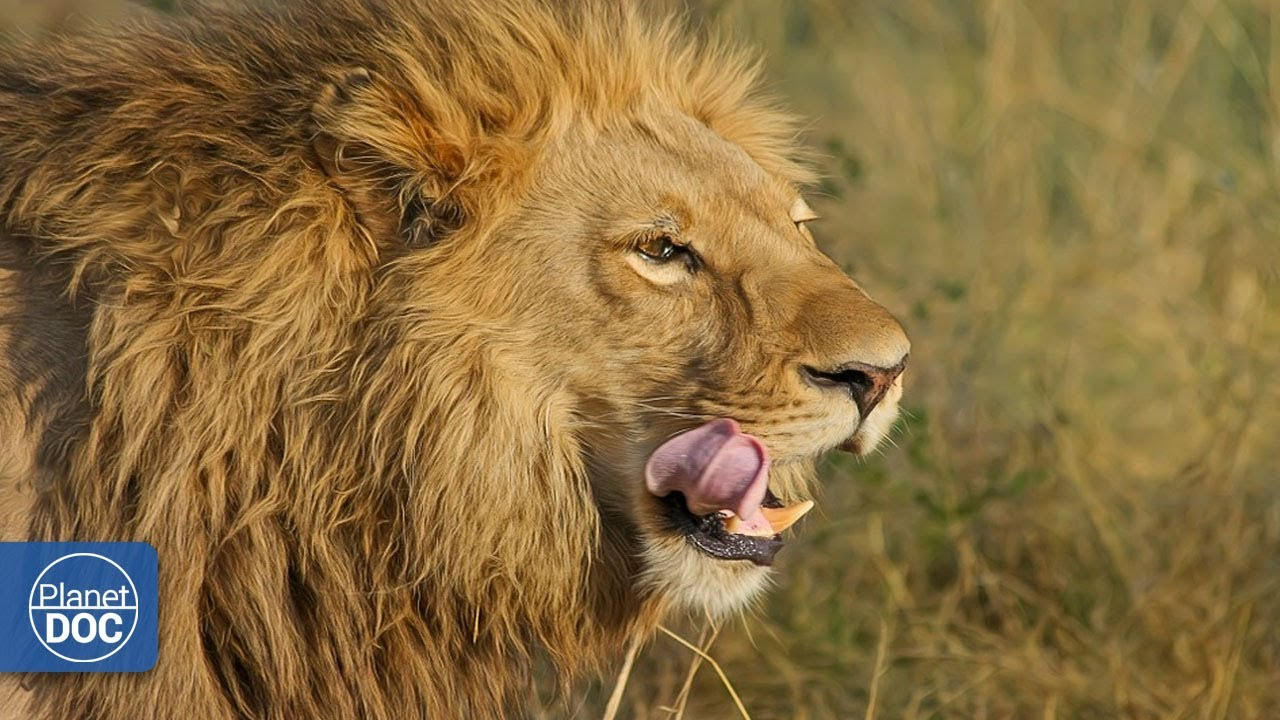
In 2015, Moreangels Mbizah tracked Cecil the Lion, a 13-year-old male known for his distinctive black mane, before he was killed by hunters in Zimbabwe.
The Spanish video reveals how jungle destruction threatens orangutans in Borneo with extinction.
Massive extinctions reshape life on Earth, revealing humanity's role in ongoing species loss.
The Orinoco Basin covers an area of 300,000 square kilometers and supports more bird species than the entire United States.
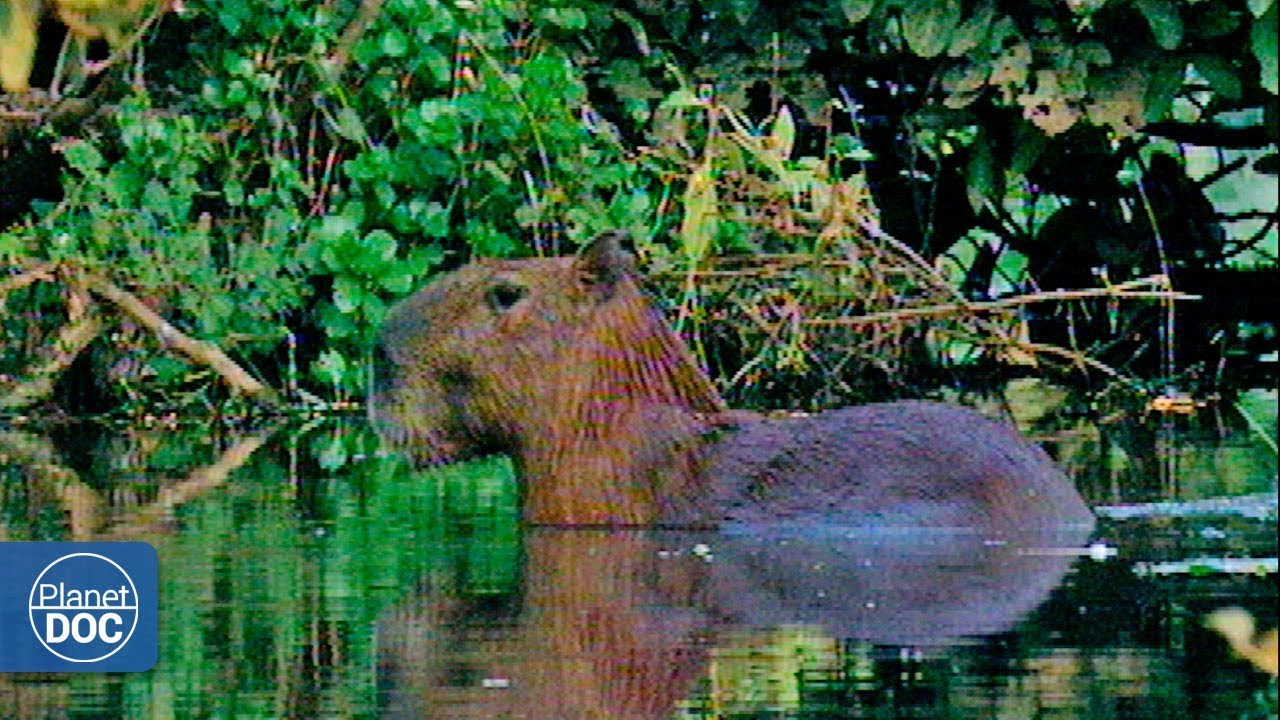
A capybara, weighing up to 50 kilos, is the largest rodent on earth and spends hours in the water eating aquatic plants before moving to grass at dusk.
Venezuela's Orinoco Basin reveals a unique ecosystem between the Andes and Guyana.
Debbie works to improve conditions for orphan chimps in Uganda and advocates for more sanctuaries.
African elephants and rhinoceroses face critical threats from poaching and the ivory trade, prompting local initiatives aimed at conservation and ecosystem preservation.
450,000 plastic bottles have been collected on Prince IPE Island as part of efforts to achieve a plastic-free environment by 2020.
Osvel Hinojosa Huerta leads initiatives to restore the Colorado River, which has been significantly depleted by human consumption and no longer reaches the sea.
A full-time activist reflects on the destruction of their childhood river, which sparked their involvement in climate activism and the fight for the Amazon rainforest.
370,000 enrollees worked on state park improvements across the U.S. in 1935, with many contributing to New Jersey's conservation efforts.