From over 100,000 films, discover the handful you'll love.
Free or premium access to the world's largest documentary library.
7535 films(Page 24 of 157)
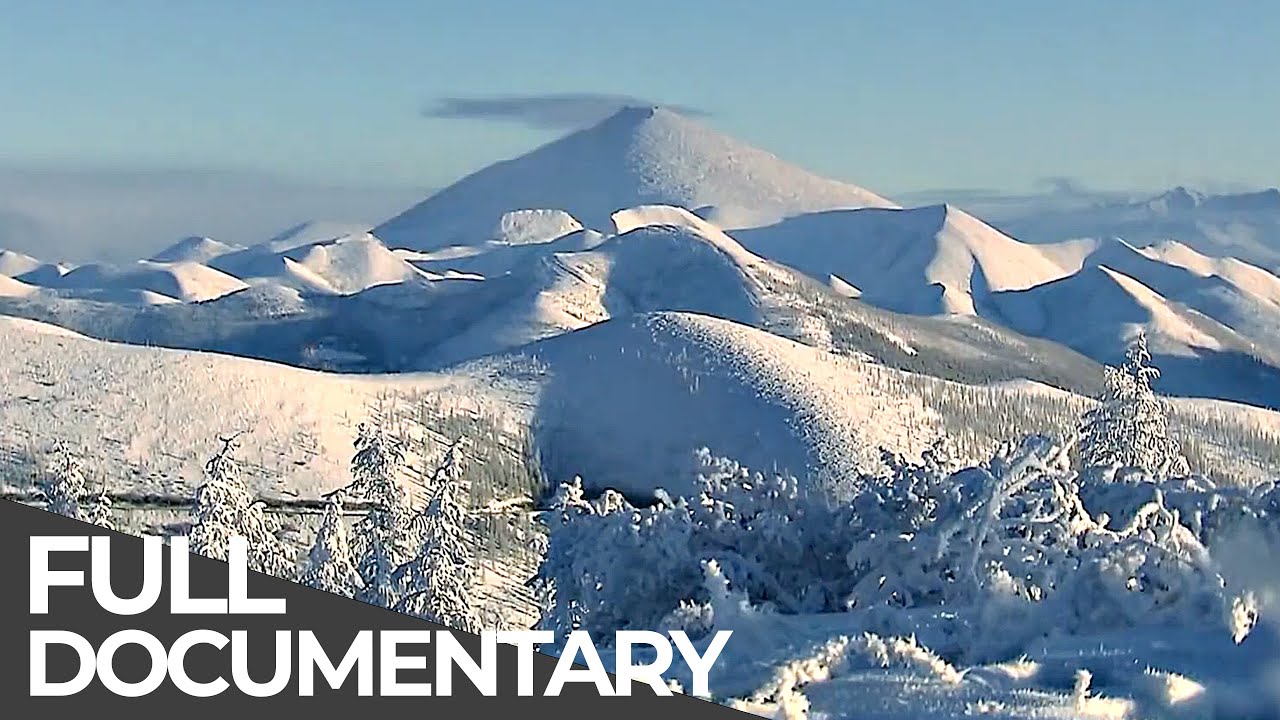
In Oymyakon, Siberia, 8-year-old Aljosha navigates daily life in the coldest inhabited place on Earth, facing extreme temperatures and survival challenges.
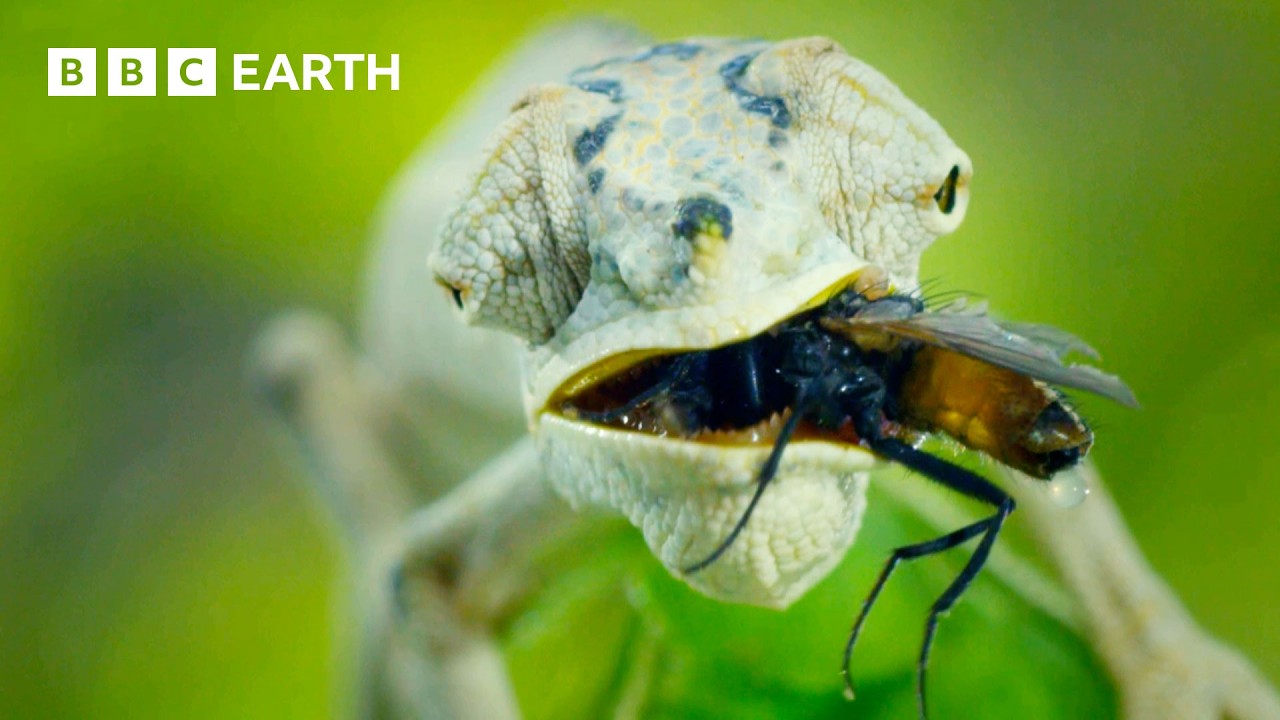
In Madagascar, a chameleon races against time for survival while a vulnerable family of lemurs navigates treacherous peaks to stay alive.
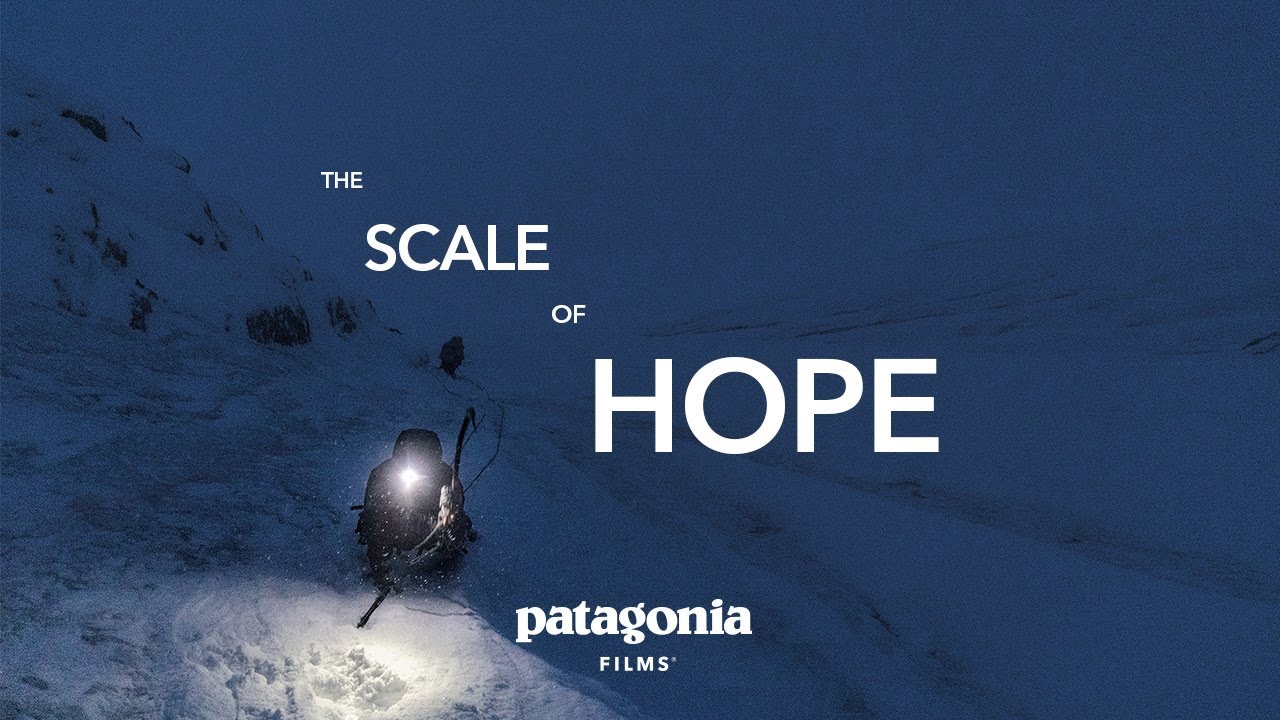
Molly Kawahata, a former climate advisor, emphasizes the need for hope in the climate movement while reflecting on her experiences with mental illness and alpine climbing.
Kyrgyzstan's semi-nomadic population, rich cultural heritage, and stunning Tian Shan mountains highlight a unique harmony between people and nature.
Less than 500 Ethiopian wolves remain in the highlands, where a young wolf named Megeti struggles to find a new pack after losing her own.
Every four years, lemmings experience a population boom, providing essential food for snowy owls that can lay up to eleven eggs in a single season.
During the length of the film, nearly 13 million bottles of plastic will have been sold by the Coca-Cola group throughout the world.
Plants play a crucial role in ecosystems, yet they are often overlooked and mistreated, highlighting their remarkable capabilities and importance.
Volcanoes, including Sinabung in Indonesia and Mount Etna in Europe, continue to pose significant threats to human life and infrastructure through unexpected eruptions.
In Indonesia's remote islands, a three-part series explores unique wildlife, including the Komodo dragon and ancient ecosystems shaped by volcanic activity.
Bangkok faces severe environmental challenges from rising sea levels, land subsidence, and extreme weather, threatening its livability and survival.
In diverse ecosystems around the globe, from the deserts of Namibia to the Pacific Ocean, remarkable natural events are showcased by BBC Earth.
In Jaipur, the Galta Gang of rhesus macaques faces food scarcity and internal conflict as their luxury lifestyle is threatened by a declining economy.
In Zambia's Bangweulu wetlands, the shoebill hunts fish, while in Brazil's Amazon, unique river monsters lurk, showcasing the world's most unusual wildlife.
Catastrophic avalanches, such as the 2015 Mount Everest disaster that killed twenty-five climbers, highlight the deadly nature of these unpredictable natural events.
The Meraviglia, an 80,000-ton cruise ship, is built at the St. Nazaire construction site.
In the Ashio Mountain Range of Japan, mother Moon bears and their cubs navigate the challenges of survival after emerging from winter hibernation.
In Romania, a young wolf named Slava leaves his pack and travels over 1,000 kilometers across Europe, facing numerous challenges in search of a new home.
Chris Horsley inspects Katla in Iceland to install an early warning system for the volcano.
Otters are shown engaging in essential life skills, such as swimming and hunting, while being guided by their parents in various natural habitats.
Over 90% of the warming from climate change is absorbed by the oceans, impacting coral reefs and local communities in Australia and beyond.
Elusive ocean predators like sperm whales and monk seals are highlighted alongside profound human connections with marine life in this captivating exploration.
The Channel Islands, located off the coast of California, are home to unique wildlife such as the Island Fox and are recognized as one of America's National Parks.
Sabah, in Malaysian Borneo, features unique wildlife and dense rainforests accessible by boat.
A 25,000-mile arc of tectonic activity stretches from the glaciers of Alaska to the deserts of Chile, shaping the Earth's surface through earthquakes and volcanic eruptions.
Chernobyl and Fukushima exclusion zones illustrate the enduring impact of nuclear disasters on the environment and the lives of communities in contaminated areas.
3,500 people with severe disease are still waiting for a trial related to chemical exposure from companies like Dow and Dupont.
Zena, a tiger recovering from surgery, and Rambo, a new arrival, highlight the challenges faced by the zoo team at Tiger Island in caring for these big cats.
A massive chamber in Dragon's Breath Cave descends 60 meters and contains the world's largest underground lake, filled with ancient fossil water.
In the Middle East, diverse habitats host unique wildlife, from Desert Ants in the Sahara to endemic fish species in the Red Sea.
River flows 560 kilometers from its source in Borneo's highland rainforests to the Sulu Sea, supporting diverse wildlife and ecosystems.
Gold production in Latin America reveals a stark contrast between luxury retail and the horrific conditions faced by miners, highlighting urgent ethical concerns.
In Siberia, the harsh living conditions of the world's coldest inhabited place are examined alongside the mysteries of the San Bernardo mummies in Mexico.
Matsalu National Park in Estonia hosts a large moose colony, showcasing the lives of yearling moose as they navigate independence and adult society.
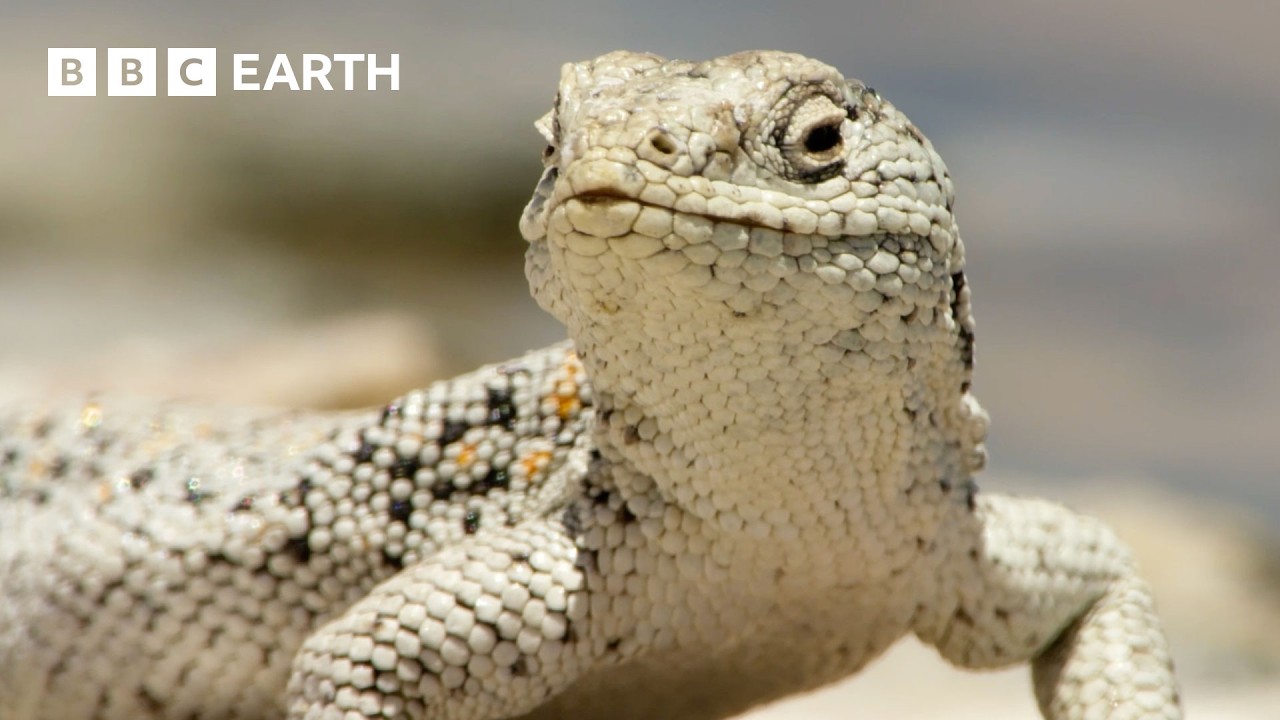
In the Sahara Desert, heat-tolerant ants and resilient desert spiders exemplify the extraordinary adaptations of wildlife to survive extreme temperatures.
2,000 liters of gasoline and three tons of diesel oil are loaded into a canoe to support a gold mining expedition deep in the Amazon jungle.
Alan Rabinowitz, known as the "Indiana Jones of wildlife protection," dedicates his efforts to safeguarding the endangered jaguar population across its natural habitats.
A mother otter must find food while her pup struggles to stay safe on a raft of ice as temperatures drop and the sea begins to freeze.
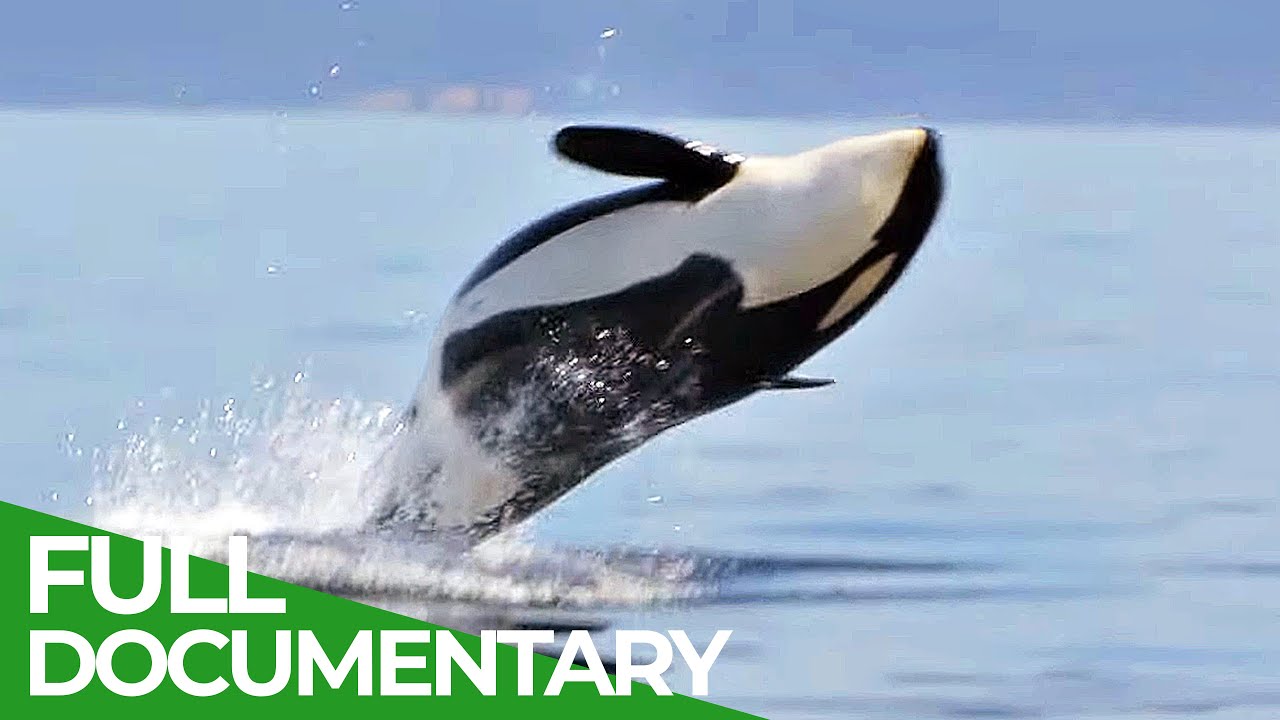
Ken Balcomb's research on the declining population of orcas in the Pacific Northwest highlights the urgent need to remove four dams to restore Chinook salmon numbers.
Crocodiles can exert over 2,000 kilos of pressure in their bite, making them formidable predators in the wild.
Freediver Frederic Buyle collaborates with underwater cameraman Christian Petron and scientists to explore marine life and its mysteries using silent diving techniques.
Natural history and science are explored through a series of engaging documentaries that highlight the wonders of the natural world.
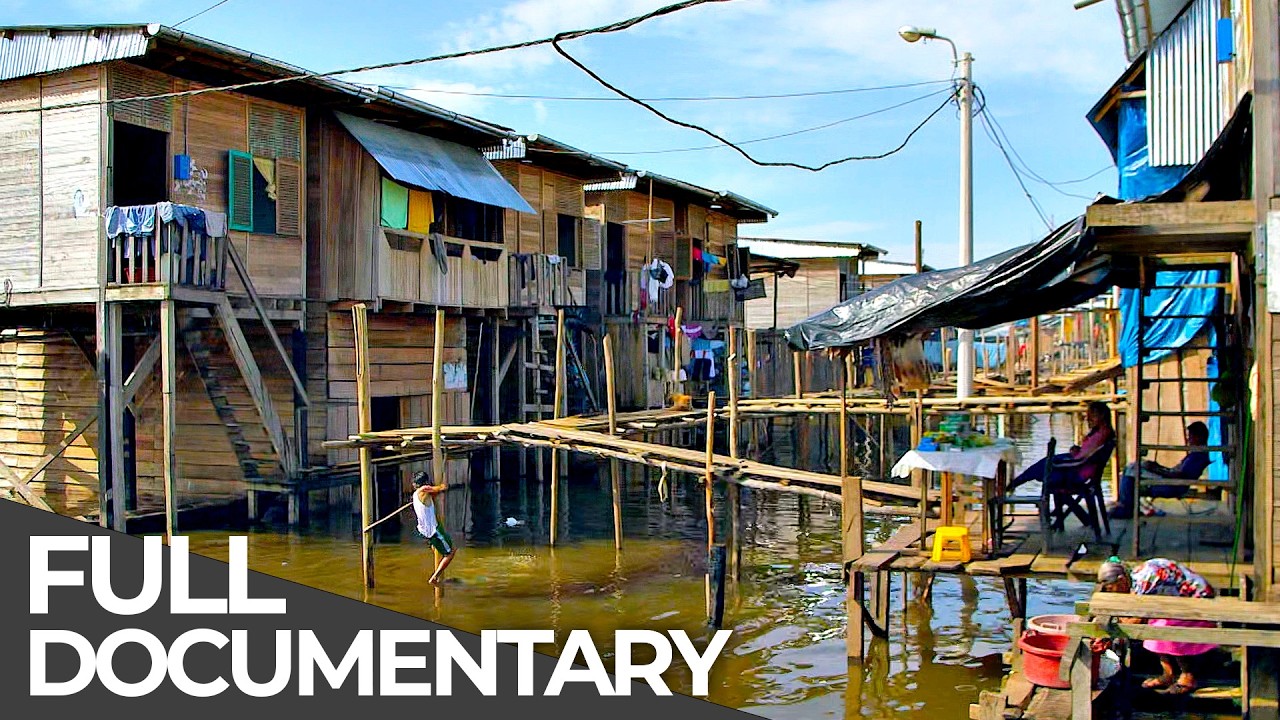
Iquitos, the largest city in the world without road access, showcases a unique lifestyle shaped by its Amazonian environment and reliance on river transport.
In Northern Canada’s Wapusk National Park, newborn polar bears are filmed alongside the turquoise cascades of Croatia’s Plitvice Lakes and the biodiversity of Australia’s Great Barrier Reef.
In Xishuangbanna, Yunnan province, Grace Gabriel campaigns for the conservation of China's dwindling elephant population, now reduced to just 250 individuals.
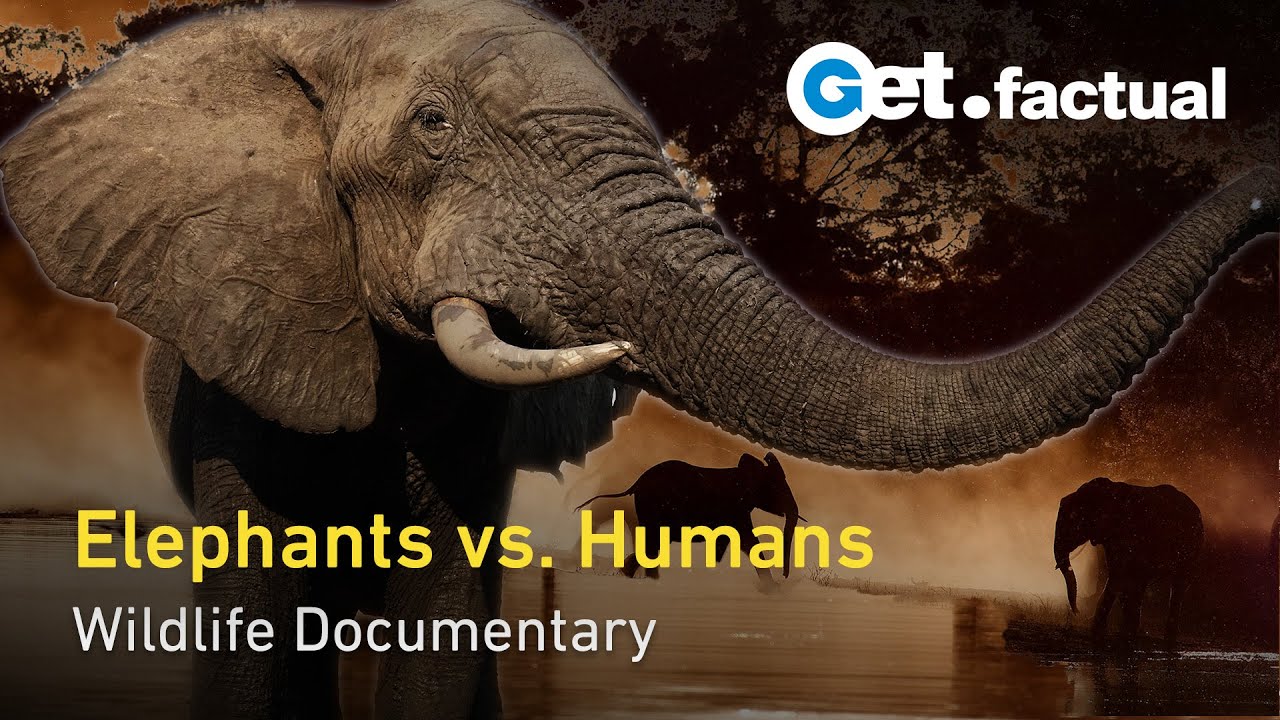
Botswana is home to 130,000 elephants, primarily in the northern regions along the Okavango, Kwando, Linyanti, and Chobe river systems.
In Mali, Siberia, Norway, and India, treacherous roads challenge drivers with extreme weather, unpredictable conditions, and unique landscapes.
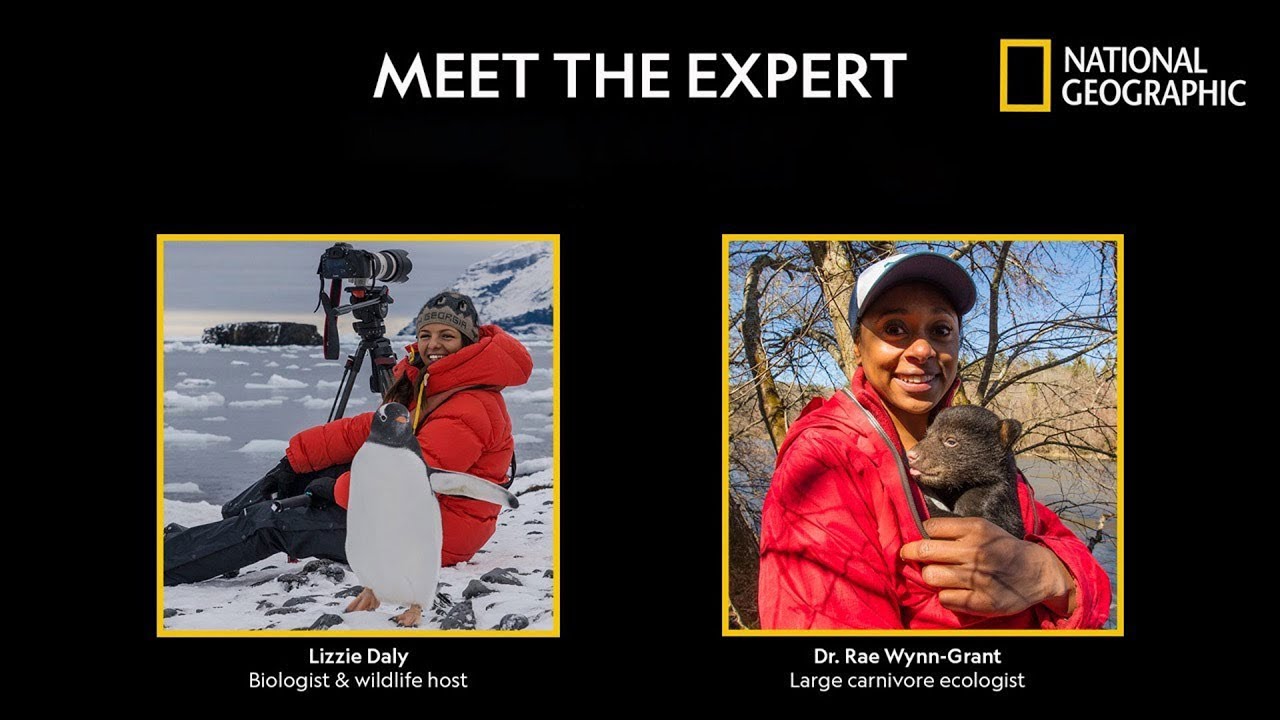
Dr. Rae Wynn-Grant studies black and grizzly bears in Montana, focusing on wildlife corridors to improve conservation efforts for these species.