From over 100,000 films, discover the handful you'll love.
Free or premium access to the world's largest documentary library.
7535 films(Page 113 of 157)
Baboons in Zambia help tamarind trees grow by dispersing seeds through their dung.
$100 million was spent by BP to market the concept of carbon footprints, shifting focus from corporate emissions to individual responsibility.
New bike lanes in cities around the world aim to reduce car reliance amid the climate crisis.
Carbon capture and storage (CCS) technology has failed to meet its promises, with many companies still relying on it two decades after its introduction.
Major polluting companies are increasingly relying on carbon offsets to meet climate pledges, raising questions about the legitimacy and effectiveness of these practices.
Deception Valley's harsh climate creates a pristine wildlife habitat in the Kalahari.
During the Permian period, climate changes and declining oxygen levels contributed to the extinction of the giant centipede Arthropleura, highlighting environmental impacts on prehistoric life.
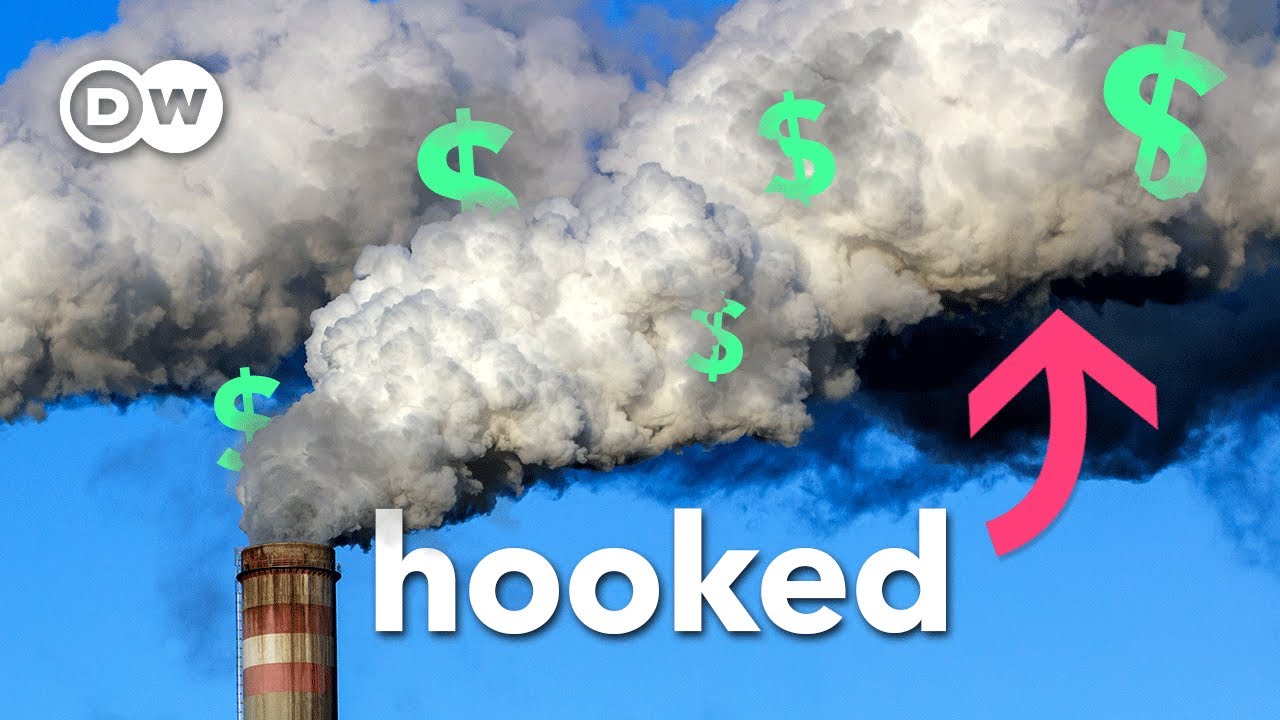
Trillions of dollars are invested in the fossil fuel sector each year, despite widespread commitments to reduce carbon emissions.
400,000 metric tons of waste are processed annually at a garbage incineration plant in Copenhagen, generating energy and heat for the city.
Almost 30 countries worldwide have implemented a form of carbon tax to address pollution from fossil fuels and combat climate change.
Roughly one-third of offices are vacant in San Francisco, a city facing a severe housing crisis and exploring the conversion of these spaces into homes.
By 2050, more than 5 billion people could face water shortages globally, prompting cities like Windhoek to adopt innovative water recycling methods.
More than 70 percent of car sales in Norway are now electric, reflecting a significant shift in the global automotive market.
Over 90 percent of spruce trees in Germany's Harz region are dead or dying, prompting a shift towards a more diverse forest ecosystem.
Farmers inadvertently poison vultures, threatening their survival in the wild.
A 25% reduction in greenhouse gas emissions by 2020 was mandated by the Dutch Supreme Court in a landmark climate litigation case.
Ridership in Tallinn dropped from 42% to 30% after the introduction of free public transport, while car use increased by 5%.
Conservationists attempt to approach gorillas in Gabon, risking aggression from a male silverback.
Jakarta is sinking at a rate of up to 25 centimeters a year, prompting Indonesia to build a new capital city called Nusantara on Borneo.
The world uses 40 billion tonnes of sand each year, but reserves are running low.
"Miracle houses" that withstand hurricanes, floods, and wildfires are examined for their resilience and the construction strategies that contribute to their survival.
Decommissioning the Greifswald Nuclear Power Plant in Germany is projected to cost ten times the original estimate and take decades longer than planned.
US news networks dedicated 212 minutes to Jeff Bezos's space flight in 2021, nearly matching the 267 minutes spent on climate change coverage that year.
High-altitude wind power presents a vast, untapped energy resource, with companies racing to harness its potential for sustainable energy solutions.
Only 30 orcas live along the 90 miles of beaches on the Valdes Peninsula, forming four distinct clans that exhibit unique hunting strategies.
With 60% of the global population expected to reside in cities by 2030, the building industry faces urgent challenges in adopting sustainable practices.
Lithium is so valuable that it is referred to as 'white gold', essential for powering devices and transitioning away from fossil fuels.
Hemp cultivation began 12,000 years ago in China, providing food, oil, and textiles before facing decades of prohibition and misinformation.
OpenAI's GPT-5 model consumes enough electricity for a three watt LED light bulb for 20 minutes and less than a teaspoon of water per prompt.
More than 80% of internationally traded goods are transported by cargo ships, which currently emit nearly as much CO2 as Japan each year.
More than 80 startups and projects have pursued small modular reactors, yet only one has been built to date.
At the end of September, Hurricane Helene caused blackouts in North Carolina, but some electric vehicle owners powered their homes using car batteries.
Political inaction on climate change is examined through the lens of global institutions and the challenges faced by both developed and developing nations.
Red ovenbirds build heat-retaining nests in Brazil, featured in Brazil Untamed: Bird Paradise.
Transistors have shrunk to the size of one atom, pushing the limits of silicon in electronics and solar technology.
Steel production contributes over 7% to climate change, prompting exploration of solutions like hydrogen and carbon capture to create greener alternatives.
Around two thirds of the floodplains along Germany’s 79 major rivers can no longer store excess water due to human alterations to their landscapes.
Since 1990, Sweden has reduced its net greenhouse gas emissions by 80 percent while doubling its economy, becoming a leader in climate action.
The Arabian Oryx recovers from extinction due to successful conservation efforts in the UAE.
Fifteen million GIs clamored for new homes after World War II, leading to a housing boom that favored white families and contributed to urban disinvestment.
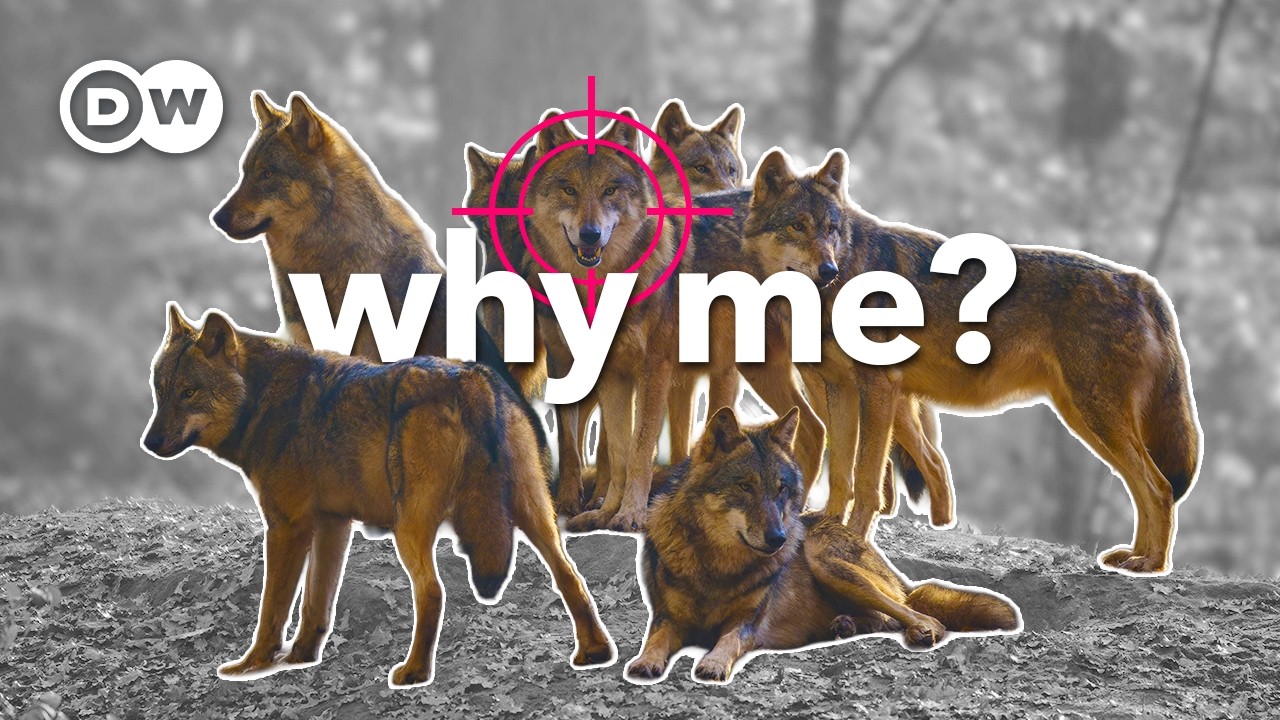
Currently, there are around 1,600 gray wolves in Germany, a population that has led to renewed calls for hunting regulations by the European Union.
The Green New Deal aims to tackle climate change and economic inequality in America and the UK.
Over 1,000 villages in Uttarakhand, India, are abandoned as residents leave due to changing monsoon patterns and the impacts of climate change.
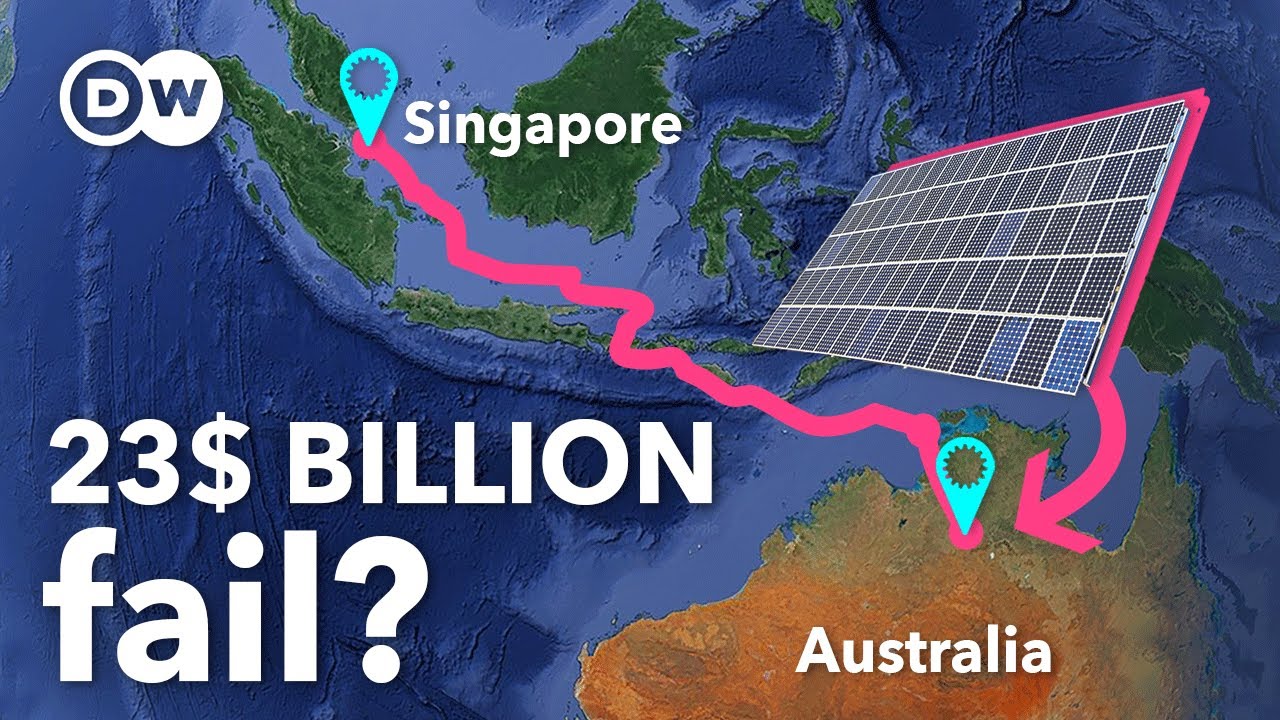
In 2018, David Griffin proposed generating solar power in northern Australia to sell to Singapore, which relies heavily on fossil fuels for energy.
Herring in Okhotsk lay eggs at 40°F, crucial for Steller’s Sea Eagles' survival.
A controlled forest fire in Jasper National Park promotes ecosystem health and prevents emergencies.
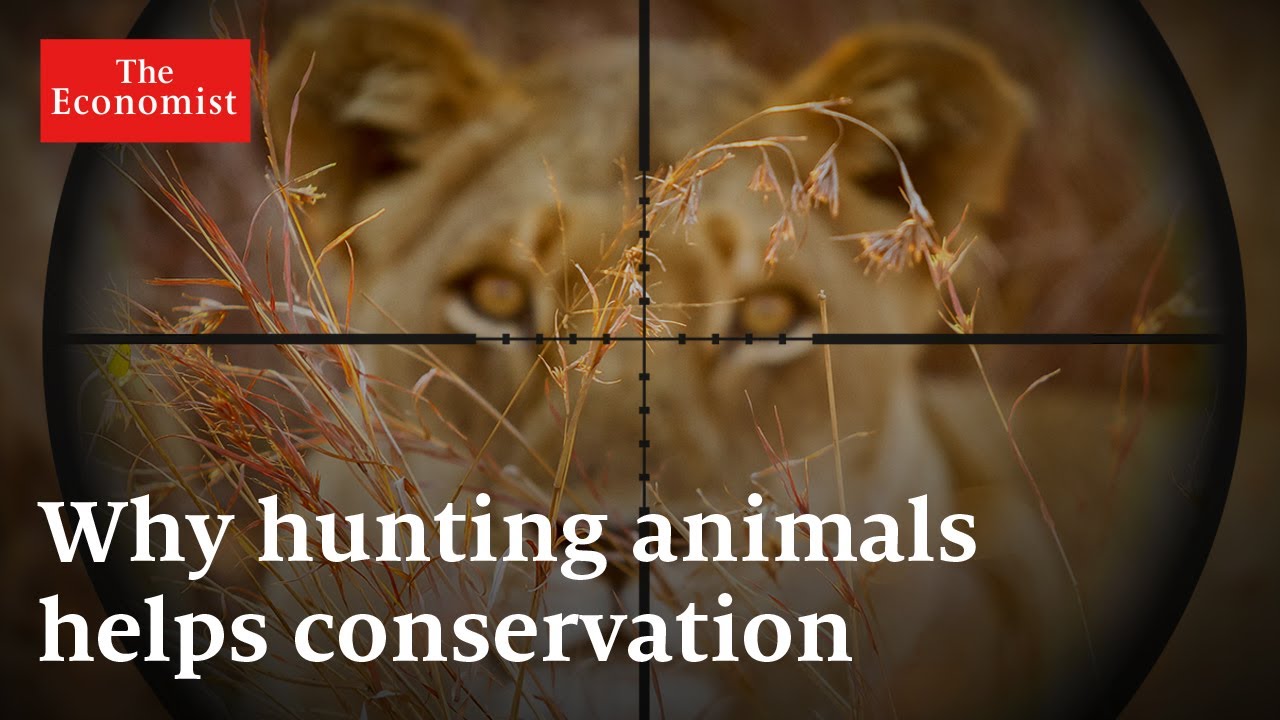
Over 30,000 mammal trophies were imported by Americans in 2017, raising questions about the role of trophy hunting in wildlife conservation.
Over a thousand patents for wave energy devices have been filed in the last 200 years, yet global energy production from waves remains minimal.