From over 100,000 films, discover the handful you'll love.
Free or premium access to the world's largest documentary library.
7535 films(Page 44 of 157)
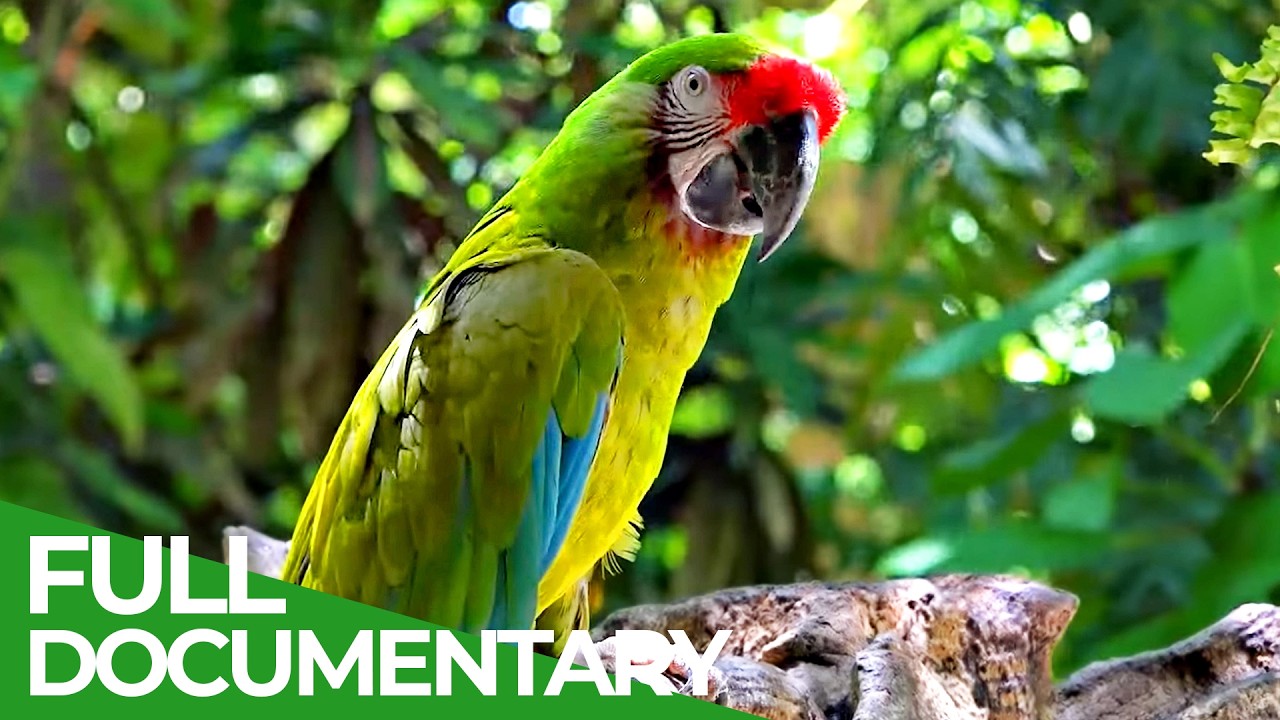
Earth's biodiversity, featuring over 1.6 million animal species from soaring birds to majestic elephants, highlights the interconnectedness of ecosystems worldwide.
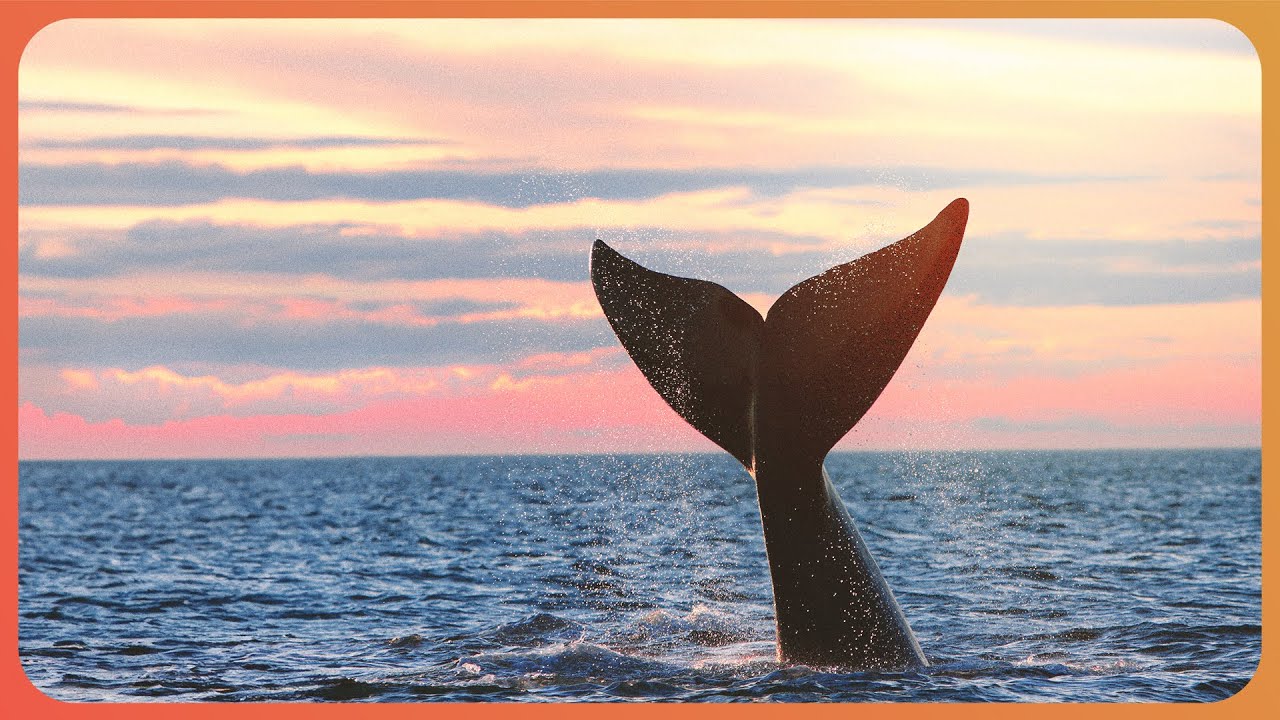
With fewer than three hundred individuals remaining, the Northern Right Whale faces significant threats during its dangerous migration to the Bay of Fundy each summer.
The Wupper River, once overworked by industrialization, is now a thriving ecosystem thanks to one of Germany's most successful renaturation projects.
Freediver Frederic Buyle collaborates with underwater cameraman Christian Petron and scientists to explore marine life behavior in the ocean's depths.
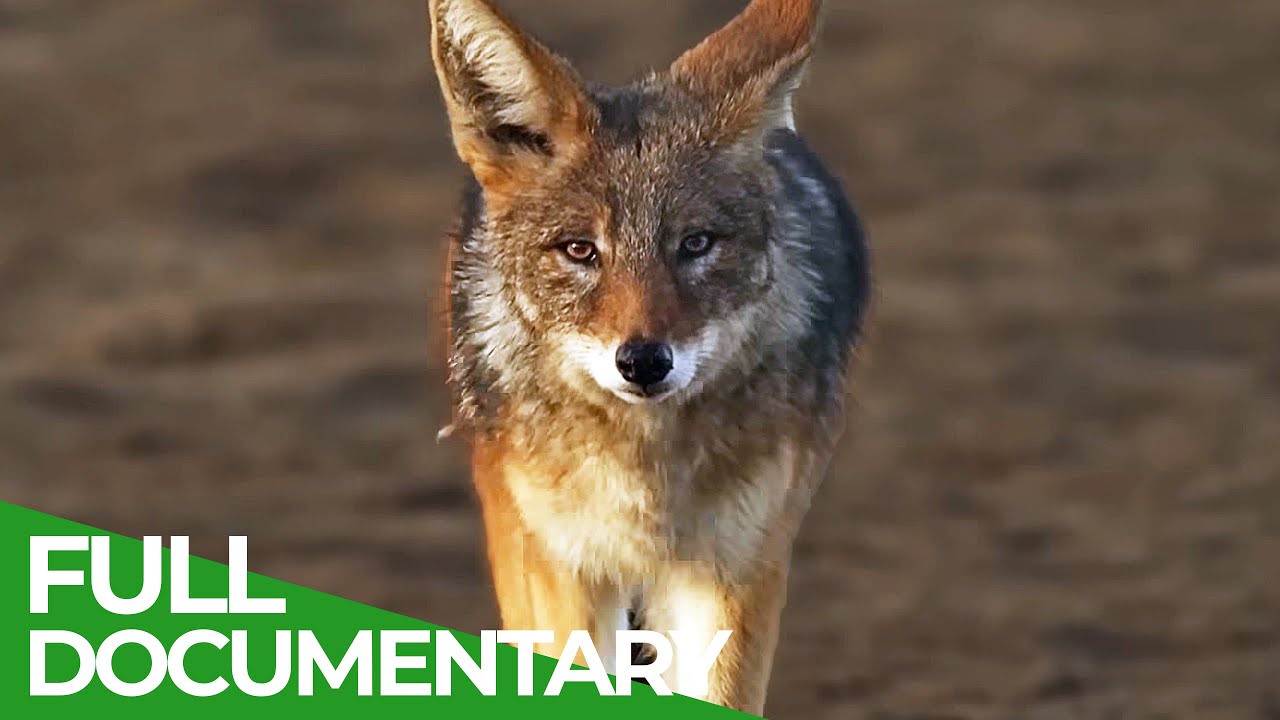
In Namibia's Skeleton Coast, black-backed jackals adapt to a harsh environment by developing cooperative hunting strategies to catch coastal prey like fur seals.
Tanzanian journalist John Waluye confronts the aggressive strategies of the tobacco industry in Africa, highlighting the environmental and health impacts of smoking.
In post-Hurricane Katrina Louisiana, Python Hunters collaborate with a biologist to address the challenges posed by invasive reptiles in the region's wildlife.
In Botswana's Okavango Delta, Randall Jay Moore works to rehabilitate orphaned elephants, navigating the challenges of their integration into the wild.
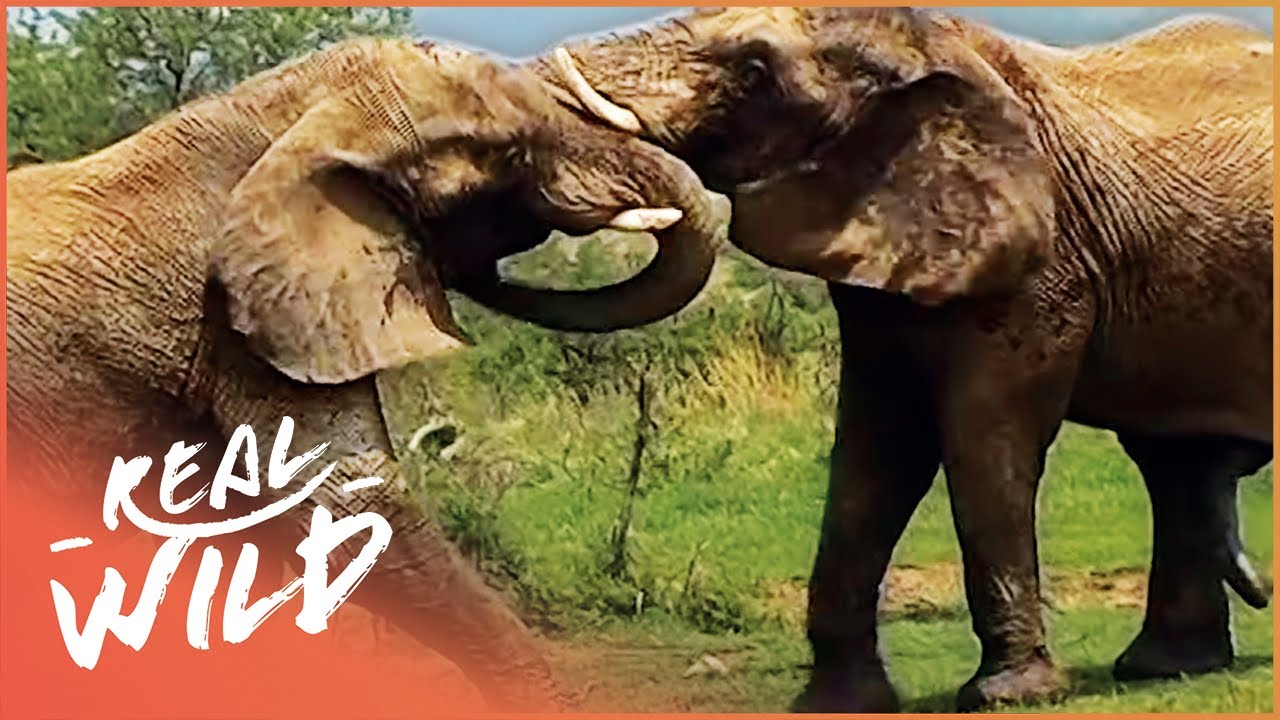
In the African savannah, a young elephant navigates the challenges of survival and social dynamics within its herd.
More than a million Earths could fit inside the sun, which will eventually become too hot and bright, making life on Earth impossible.
Spain's unique geographical position between Europe and Africa creates a vital habitat for millions of migratory birds, making it a key area for avian biodiversity.
Australia's tropical Top End is home to Saltwater Crocodiles, Box Jellyfish, and Stonefish, which dominate the ecosystem as apex predators.
In the mountainous region of Bergisches Land, the Wupper River has undergone a significant regeneration project, revitalizing its ecosystem and supporting diverse wildlife.
In Bali, activist Daru confronts Indonesia's ecological crisis driven by plastic pollution, illegal waste imports, and aggressive industrialization threatening local communities.
Lamma Island offers a tranquil escape from Hong Kong's densely populated urban life.
In the highlands of Germany, wildlife transitions from winter dormancy to spring activity, featuring eagles, pike, toads, and beavers in their natural habitats.
Hispania, the ancient name for the Iberian Peninsula, highlights the crucial role of rabbits in sustaining the region's iconic predatory wildlife.
Three sun bear cubs, Bun Bun, Bernie, and Wawa, are rehabilitated in Indonesia's rainforests before being released into their natural habitat.
America's national parks, including the Grand Canyon, Yellowstone, and Yosemite, showcase diverse wildlife and stunning landscapes across the United States.
In one of Africa's last great wilderness areas, the actions of a single elephant transformed the local ecosystem and improved the lives of surrounding communities.
Six full-time workers manage a cattle ranch in the Nebraska Sandhills, tending to the animals every day of the year, regardless of holidays.
Hooved mammals, including Giraffes, Zebras, and lesser-known species like Tapirs and Okapis, are explored for their unique adaptations and behaviors.
Climate change is transforming the lives of millions in the Global South, turning fertile land into desert and displacing communities through rising sea levels and natural disasters.
Eleven workers died in the 2010 Deepwater Horizon disaster, which leaked millions of barrels of oil into the Gulf of Mexico and devastated local ecosystems.
Color in nature plays a crucial role in survival and communication, influencing behaviors in species from vibrant birds to bioluminescent marine life.
In the Florida Keys National Marine Sanctuary, the invasive worm snail, known as the Vandy, threatens to spread from the sunken ship Vandenberg to other coral reefs.
A village of 256 people relies on agriculture and fishing for sustenance, with limited access to electricity and healthcare along the Amazon River.
A 6-ton orca can strip a giant bluefin tuna in minutes, taking advantage of fishing boats to enhance its hunting success.
In U.S. waters, hundreds of critically endangered manatees are threatened by boats, disease, and cold weather, with only a few thousand remaining in the wild.
Traditional orchards serve as vital ecosystems, supporting diverse wildlife such as foxes and butterflies while enhancing agricultural landscapes with fruit-bearing trees.
13% of the Earth's surface is protected, yet challenges remain for wildlife in Banff National Park as human activity increases.
In the polar region above the Arctic Circle, unique animal and plant life has adapted to survive the extreme contrasts of perpetual light and darkness.
Director Guillaume Lenel discusses asteroid mining as a solution for rare metals from disposable electronics.
Earth's deserts, characterized by extreme heat and aridity, host a remarkable array of resilient wildlife and plant life that have adapted to survive in harsh conditions.
Birds of prey in North America exhibit a remarkable variety of species, each with unique adaptations for hunting and survival.
Northern Lights Shelter faces an influx of black bears as Angelika works tirelessly to save an injured cub, while volunteer Thomas cares for a fawn born via C-section.
Ethiopia's diverse ecosystems, from the Simien Mountains to the Danakil Depression, host unique wildlife including Ethiopian wolves, geladas, and leopards.
The Pantanal, the world's largest marsh located in Brazil, and the Iguaçu Waterfalls on the Brazilian-Argentinian border showcase diverse ecosystems and unique wildlife.
Deserts, from the Sahara to the Namib, showcase unique survival strategies of flora and fauna while facing threats from climate change and human activity.
Bavarian Forest National Park showcases the transformation from a devastated spruce monoculture to a thriving, diverse ecosystem teeming with wildlife across the seasons.
The P-3 Orion, a former Cold War submarine tracker, now serves as a storm-hunting aircraft, gathering critical data from hurricanes like Sandy.
A leopard can mate as often as every 15 minutes during a five-day period with a female, marking his territory to defend against rivals.
Kenya's remote landscapes feature towering sand dunes, ancient lava tubes, mist-shrouded rainforests, and hidden coastlines, showcasing the country's lesser-known natural wonders.
Survivors of deadly tornadoes in Oklahoma, Kentucky, and Alabama share their experiences alongside scientists developing technology to predict tornado formation.
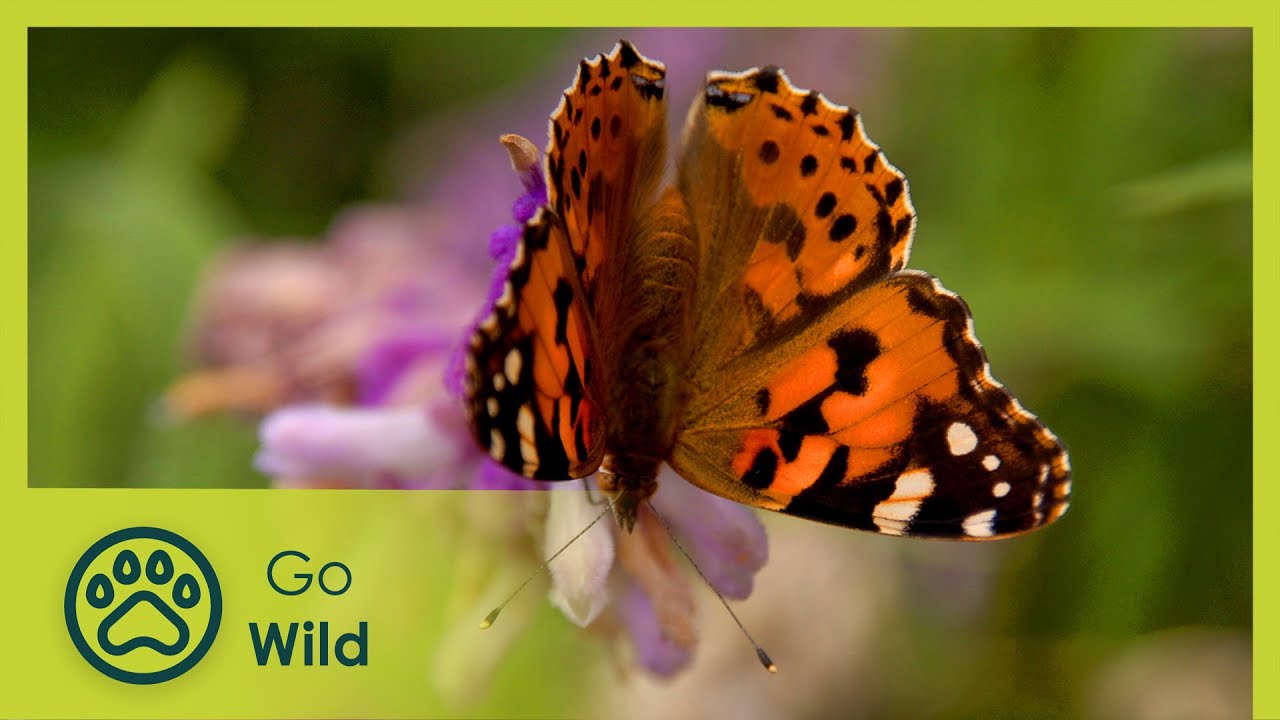
Nearly 4,000 species of butterflies exist, many of which are endangered due to habitat loss and environmental changes affecting their survival.
In the marshes of Australia, wildlife expert Manny confronts venomous snakes and crocodiles, highlighting the dangers of these formidable creatures.
An unsuspecting hotrod ant falls into an antlion's deadly trap while a remarkable spider demonstrates her strength by overpowering prey three times her size.
More than 50 people died and damages exceeded 3 billion euros when a powerful cyclone struck Oman on June 5, 2007.