From over 100,000 films, discover the handful you'll love.
Free or premium access to the world's largest documentary library.
7535 films(Page 47 of 157)
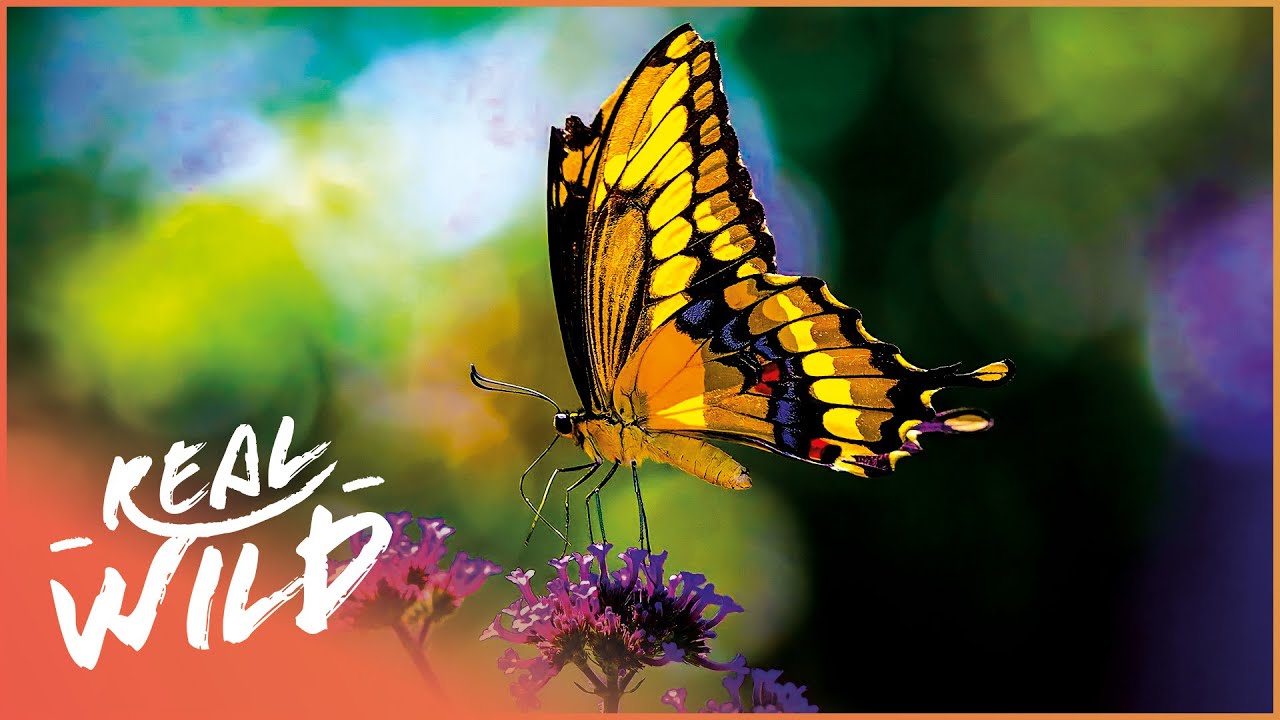
Butterflies undergo four distinct life stages-egg, caterpillar, chrysalis, and adult-showcasing their evolution as one of nature's most remarkable insects.
At Cape Agulhas, the contrasting fates of Cape Gannets on Malgas Island and Bird Island highlight the impact of dwindling sardine stocks on marine ecosystems.
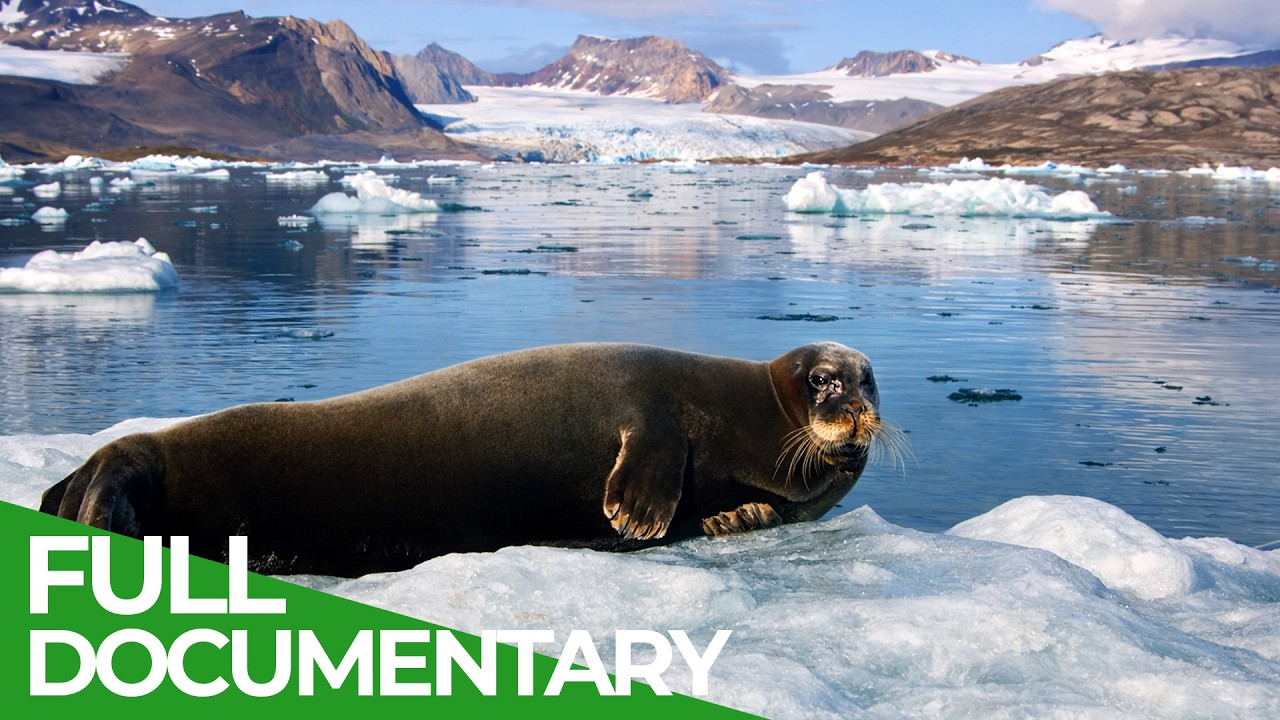
Icy coastlines, from the Arctic to the Southern Ocean, support diverse marine life, highlighting their crucial role in the health of the world's oceans.
Graveyards come alive at night as martens, bats, and wild cats navigate the eerie landscape, challenging perceptions of the world of the dead.
Madagascar's unique biodiversity is highlighted through the exploration of its extreme chameleons, while addressing the impact of illegal wildlife trade on local communities.
In the ancient walled city of Harar, Ethiopia, a family of hyena men feeds wild hyenas by hand, fostering a unique bond that promotes conservation efforts.
In Jaipur, Rani and the Galta Gang face homelessness after langurs seize their temple, while Kamal struggles to lead them on the perilous streets.
In the Adamello woods of Trentino, the introduction of Slovenian bears has led to their population growth and migration across the Alps, while the Abruzzo bear faces extinction.
The "Sentinel 6 Michael Freilich" satellite, launched by SpaceX from California, aims to enhance ocean observation and measure sea level rise.
Every year, millions of wildebeest, zebras, and other animals traverse the Serengeti and Maasai Mara, facing predators and harsh landscapes in search of survival.
In South Africa, diverse ecosystems like the Okavango Delta and Etosha savanna desert highlight the essential role of water for wildlife survival and reproduction.
In Clermont-Ferrand, the Puys volcano range, a UNESCO World Heritage site, poses a significant risk of eruption, with potential lava flows threatening the surrounding region.
Urban ecosystems in cities like Beijing, Chongqing, and Guiyang are evolving as wildlife, including macaques and long-eared owls, adapt to coexist with humans.
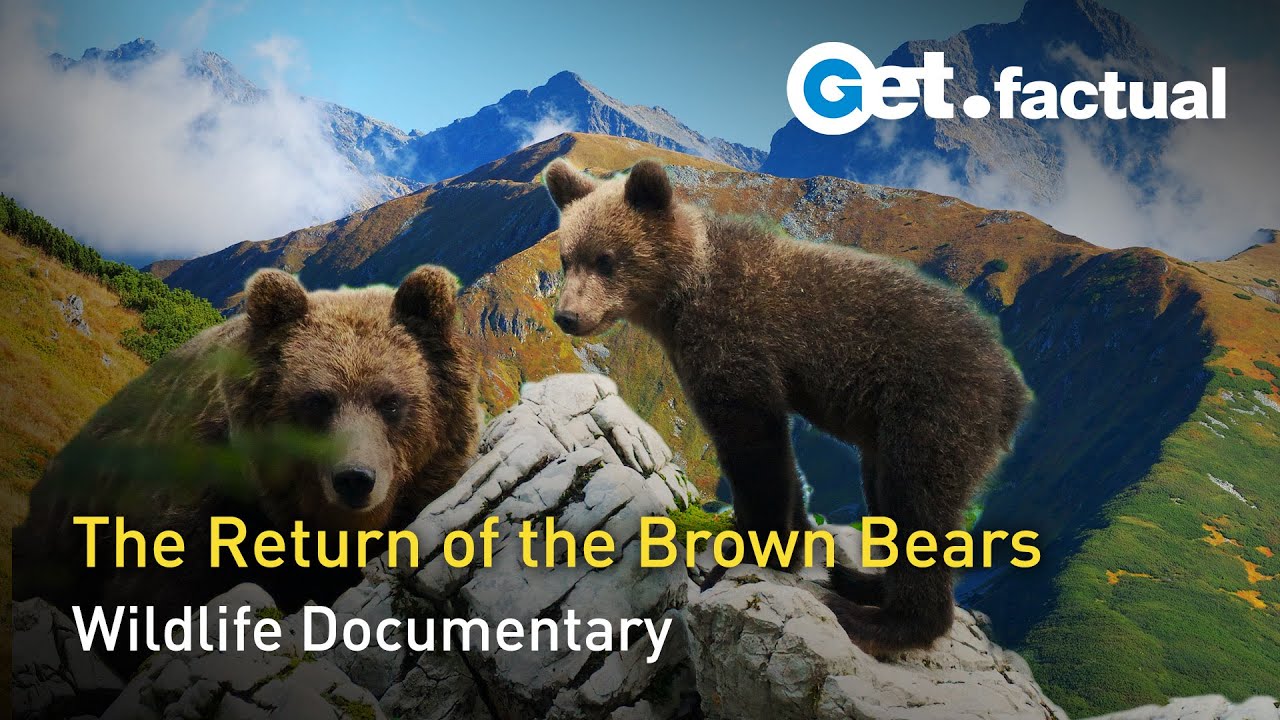
The reintroduction of brown bears in Europe highlights the complexities of wildlife conservation and the challenges of coexistence with local communities.
Renowned cameramen Jason Isley and Roger Munns capture formidable sharks in the ocean while navigating the challenges of their high-pressure photography mission.
In a luxury golfing estate in South Africa, Vervet Monkeys face territorial challenges from the invading Sugar Cane Gang as they fight to protect their home.
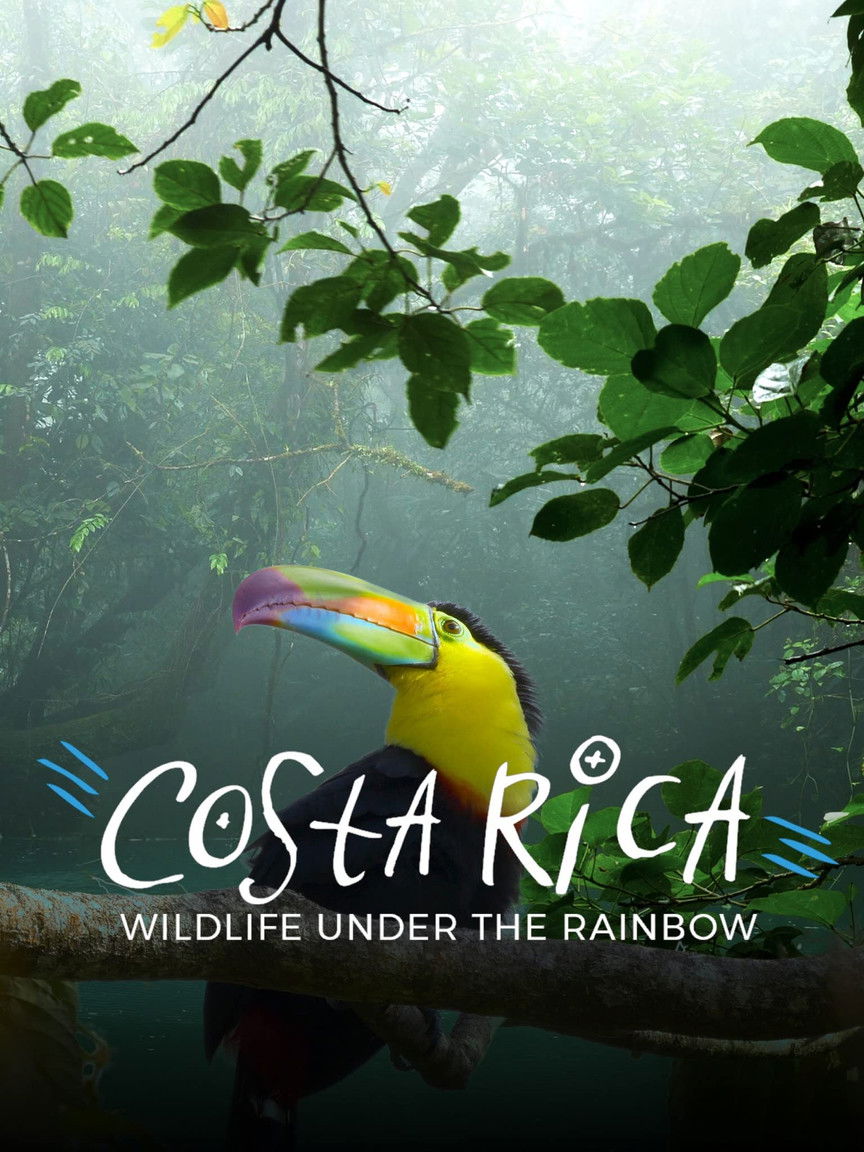
Costa Rica's diverse ecosystems, from volcanoes to coastal shores, host a wide array of mammals, birds, and reptiles competing in a beauty contest.
Trinidad's capuchin monkeys have learned to crack snail shells, adapting to a changing habitat where large predators have mostly disappeared.
In the Highlands of Costa Rica and Panama, conservationists work to protect the endangered jaguar and combat a deadly fungus threatening amphibian species.
Denmark leads in wind technology, exploring energy solutions for Europe and beyond.
Golden Eagles and Short-toed Eagles navigate survival and reproduction in Mediterranean mountain ecosystems, facing threats from human activities.
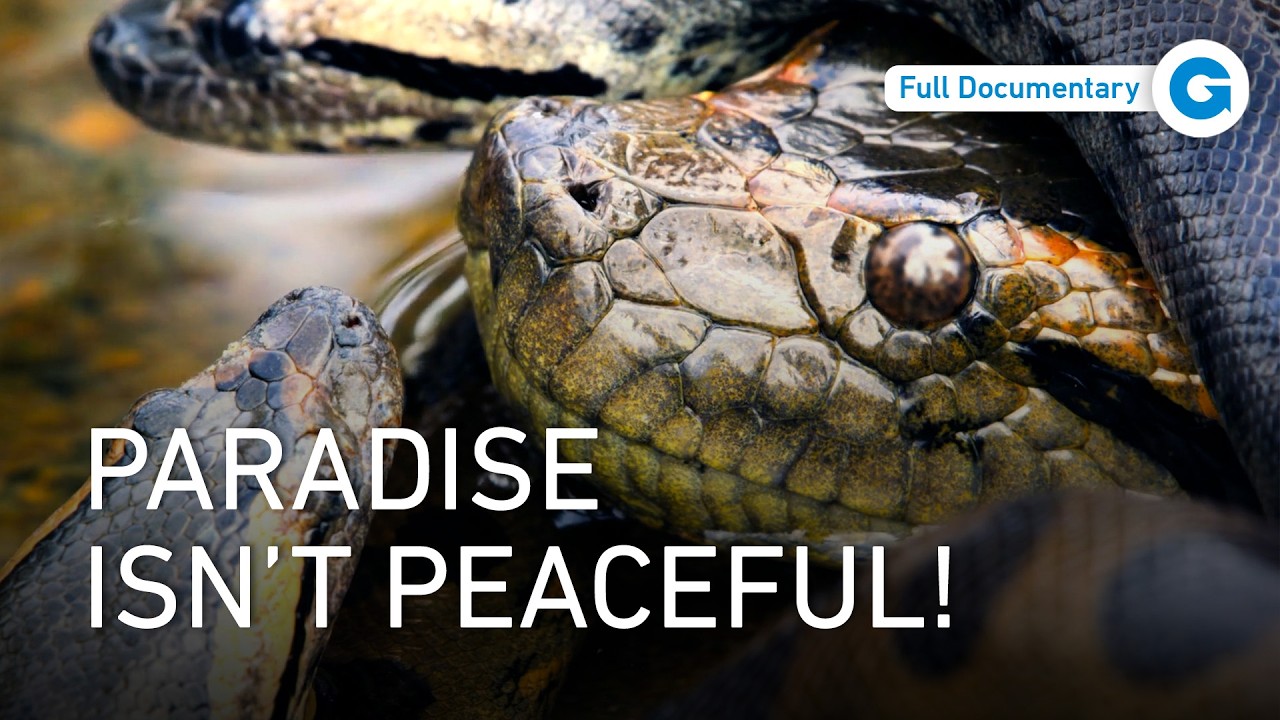
In the marshlands of Florida, Manny searches for the invasive Burmese python while encountering various wildlife along the way.
In Arctic regions, wildlife filmmaker Gordon Buchanan explores the survival strategies of snow-dwelling animals, including polar bears, owls, and penguins.
Greta Thunberg, a young climate activist, and Billy Barr, a dedicated weather observer, exemplify how individuals can significantly impact the fight against climate change.
Earth contains 330 million cubic miles of water, yet the origins of this vital resource remain one of science's greatest mysteries.
Green Turtles, once on the brink of extinction in Mayotte, are now thriving under the protection of scientist Ali, who patrols Saziley lagoon against poachers.
Estimates suggest there are fewer than 3,000 pygmy hippos left in the wild, primarily due to habitat loss, pollution, and hunting.
NASA launched twin satellites in 2006 to study solar storms and sunspots, which affect Earth's climate and technological systems.
America's endangered species, including lesser-known birds and fish, face significant survival challenges, with some never before captured on film.
Malmö's offshore wind farm provides electricity for half the city, marking a significant step in its transition to sustainable urban living.
Germany's rivers, including the River Rhine and the glacial streams of Berchtesgaden National Park, host a diverse array of wildlife in their hidden ecosystems.
Gold mining in the Amazon rainforest of Bolivia leads to severe deforestation and mercury poisoning, impacting local communities in Potosí and La Paz.
Naked Science examines past mass extinctions and their implications for humanity's future.
In the Arctic tundra, resilient species like lemmings, musk oxen, and Arctic foxes navigate a fragile ecosystem threatened by climate change.
Remote Atlantic islands, from Iceland to Antarctica, are formed by volcanic activity along the mid-Atlantic Ridge and host unique wildlife found nowhere else.
Arid desert landscapes challenge various species, including the desert elephant and shovel-snouted lizard, showcasing their remarkable adaptations for survival.
Extreme habitats around the globe, from polar regions to deserts, showcase the remarkable adaptations of wildlife that survive in harsh environments.
Predatory animals across various regions of the Earth exhibit diverse hunting behaviors, employing tactics ranging from teamwork to ambush strategies and camouflage.
Giants of the Pacific adapt their feeding strategies for survival in diverse environments.
Marine turtles in Mayotte face endangerment due to poaching, but scientist Ali's protective efforts in Saziley are helping their population recover.
Planet Earth's formation involved significant geological events, including the Collision Zone in Asia, the American Rift, and tectonic shifts in Europe.
In the wild, baboons and warthogs exemplify the importance of family bonds as young animals learn to navigate challenges and develop survival skills.
Along Africa’s eastern coast, billions of sardines migrate annually, prompting a massive feeding frenzy involving dolphins, sharks, gannets, and seals.
Dangerous animal encounters are highlighted through various incidents, including a bear confrontation on a TV set and interactions between species like grasshopper mice and scorpions.
Fish play vital roles in ecosystems and human diets, showcasing their remarkable abilities and contributions to life on Earth over the course of a year.
The Galapagos Archipelago faces ecological decline due to climate change and disrupted ocean currents, as documented by a team aboard the Sedna IV.
Vienna's Danube Island, a recreational retreat, hosts a diverse array of wildlife, including stone martens, beavers, and black kites, thriving amidst urban life.
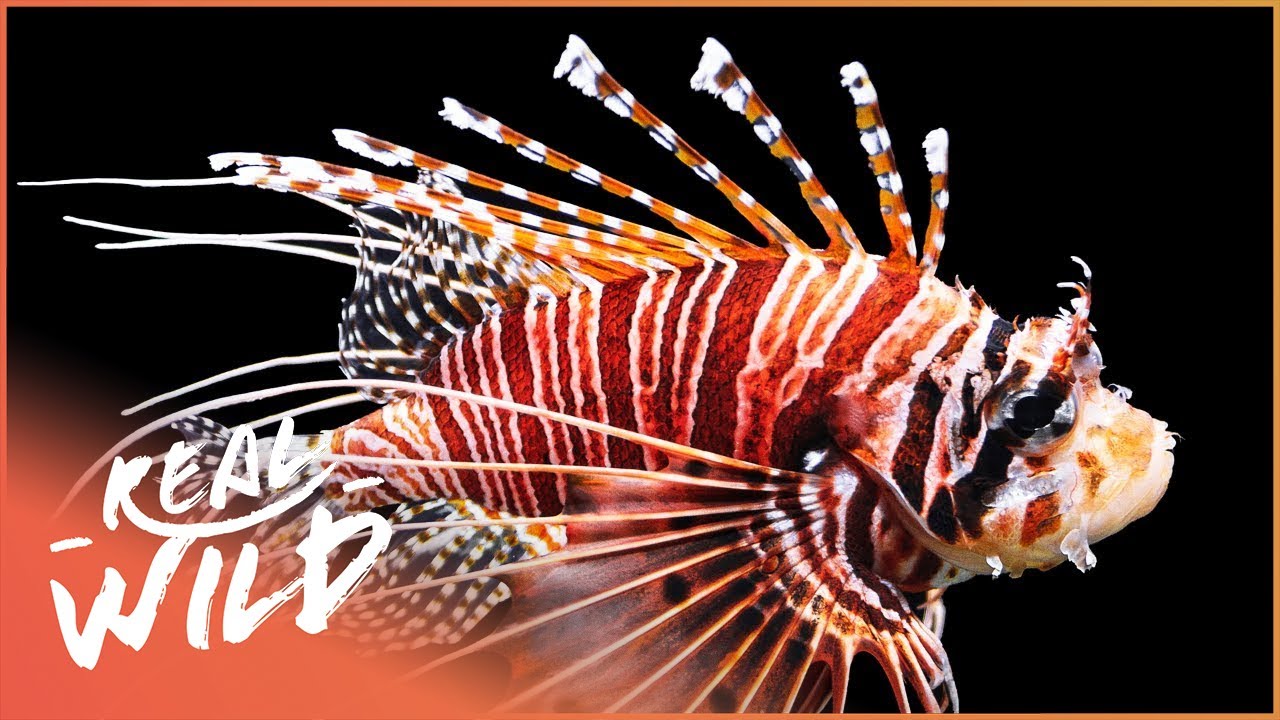
In the Cayman Islands, the invasive red lionfish disrupts coral reef ecosystems, prompting a team aboard the Sedna IV to address urgent conservation challenges.