From over 100,000 films, discover the handful you'll love.
Free or premium access to the world's largest documentary library.
7535 films(Page 5 of 157)
Two million king penguins return to South Georgia each summer to reunite with their chicks after months spent at sea.
Hurricane Helene serves as a stark warning about America's increasing vulnerability to climate change-related storms and the inadequacies in disaster preparedness.
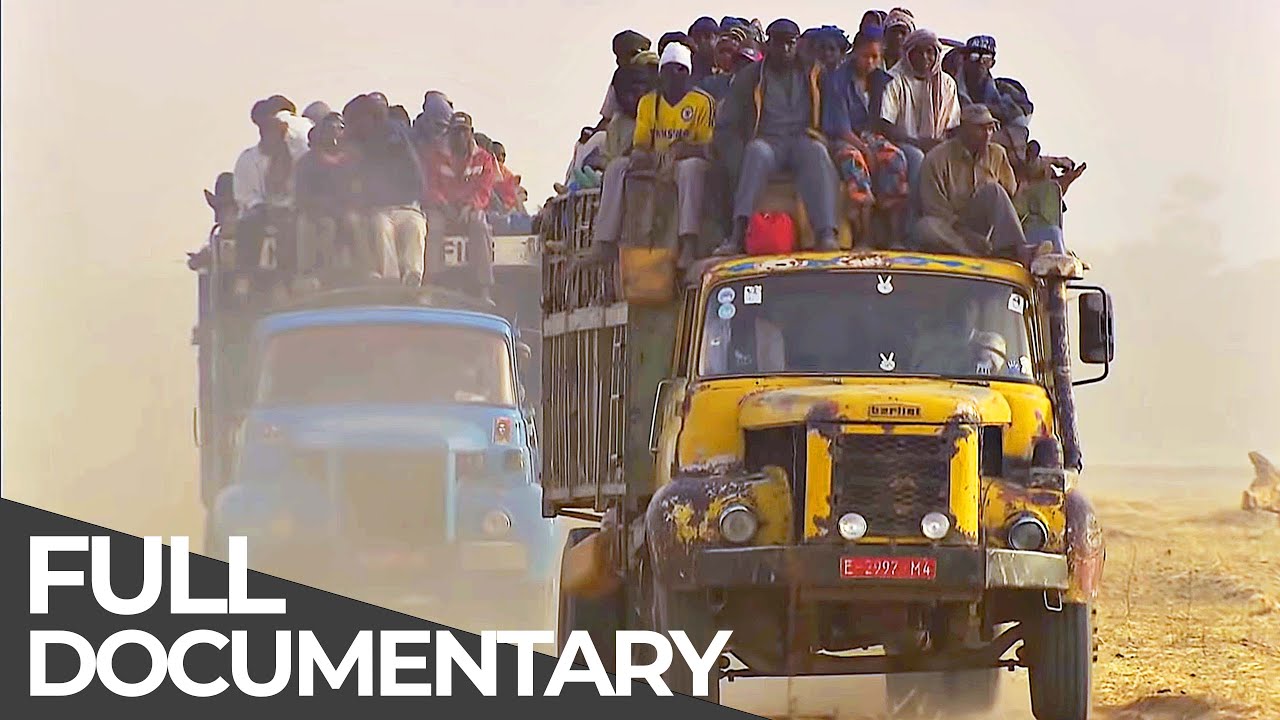
Temperatures in Mali soar above 50°C in March and April, complicating travel on unmarked dirt tracks that often become impassable during the rainy season.
Scientists aim to plant over a trillion trees as part of a broader strategy to combat climate change and reduce carbon dioxide levels in the atmosphere.
Miss Marple, a rat, detects land-mines in Mozambique after training in Tanzania.
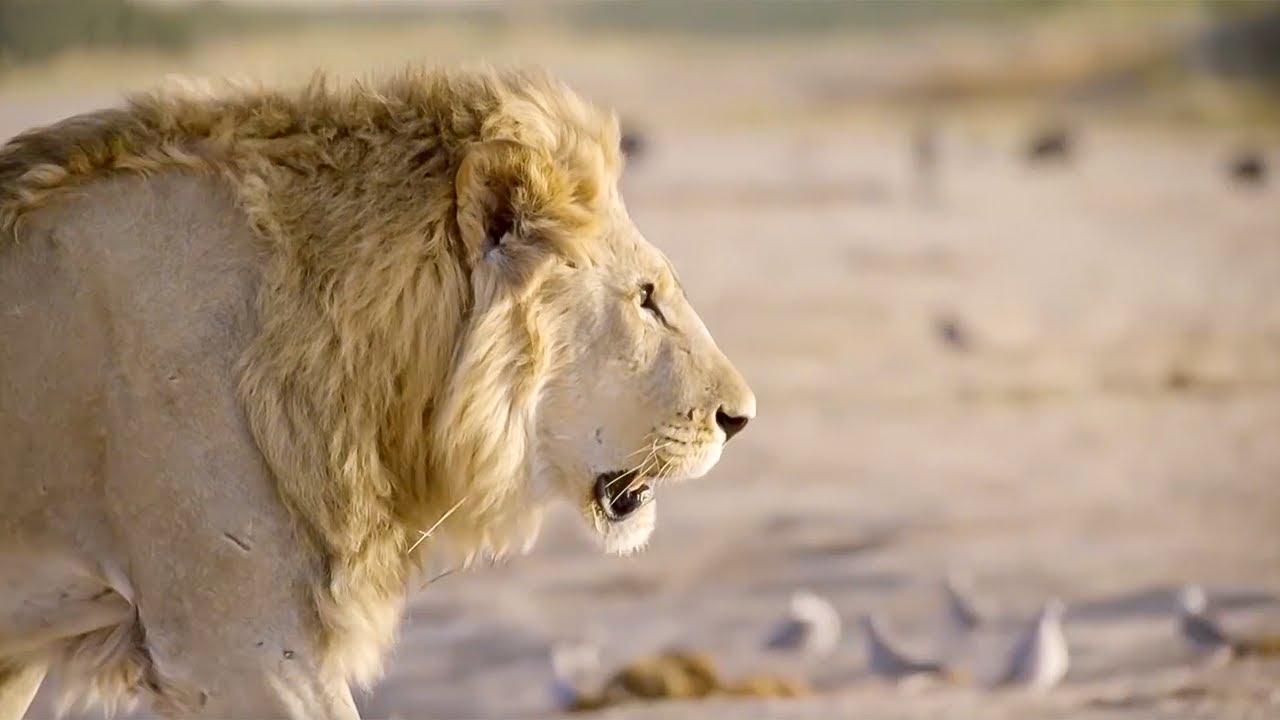
Nineteen lions make up the Ombika pride in Etosha National Park, led by two dominant males each weighing 550 pounds.
In Baia Mare, Romania, a pride of lions faces euthanasia after years of captivity until Dr Adin Miclaus and FOUR PAWS International intervene to rescue them.
A Portuguese man of war can have tentacles that extend up to 30 meters long, armed with thousands of stinging cells capable of paralyzing fish.
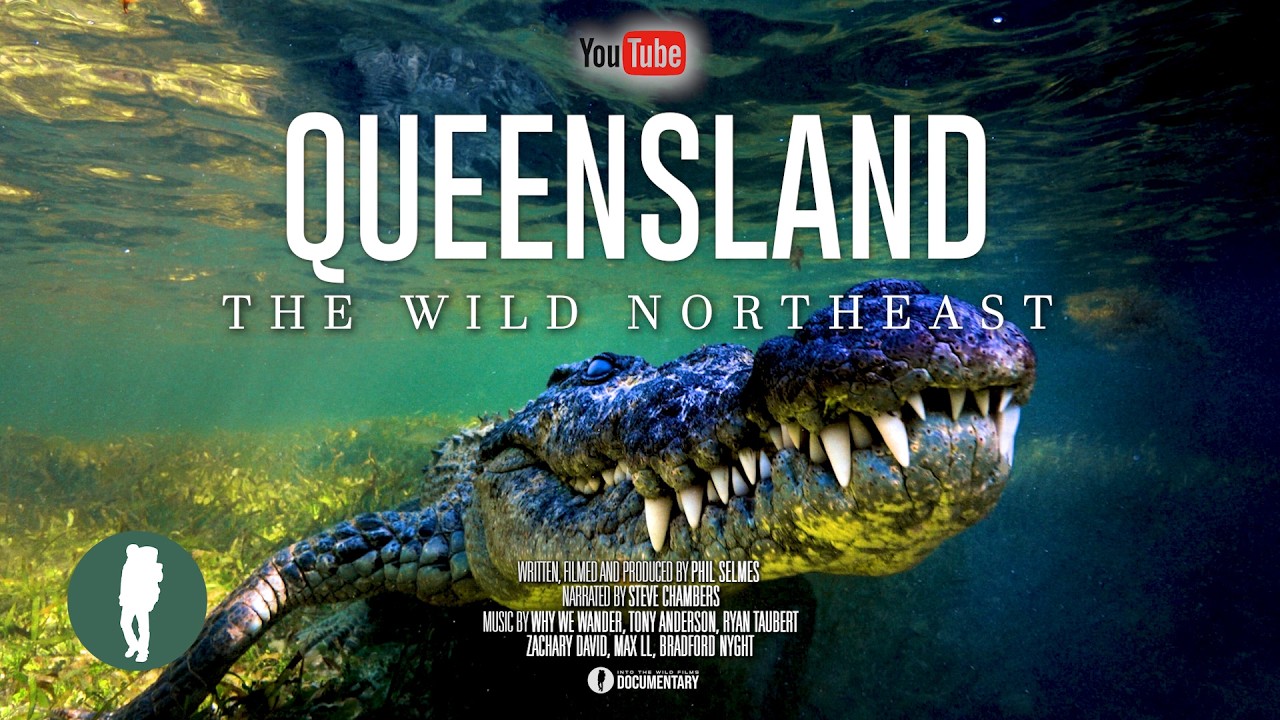
Queensland's diverse ecosystems, from the Daintree rainforest to the Simpson Desert, showcase unique wildlife including Southern Cassowaries, Lumholtz Tree Kangaroos, and Green Turtles.
Eastern Kentucky's climate activists, including a former coal miner, advocate for the Green New Deal as a sustainable alternative to coal mining.
20 tons of amasal are loaded onto a truck in Tidjikja as sand dunes frequently block roads, complicating supply deliveries in Mauritania.
In Canada's far north, ice roads are constructed each winter to connect remote villages, facilitating essential supply deliveries until they melt in spring.
In Katmai National Park, Alaska, brown bears fish for salmon and grizzly bears forage for berries along the Douglas River amid volcanic landscapes.
Earth has experienced five major extinction events, and experts discuss whether human activity is driving the planet toward a sixth mass extinction.
Christian Moullec teaches geese forgotten migratory routes by flying alongside them in a microlite, aiming to restore their natural instincts.
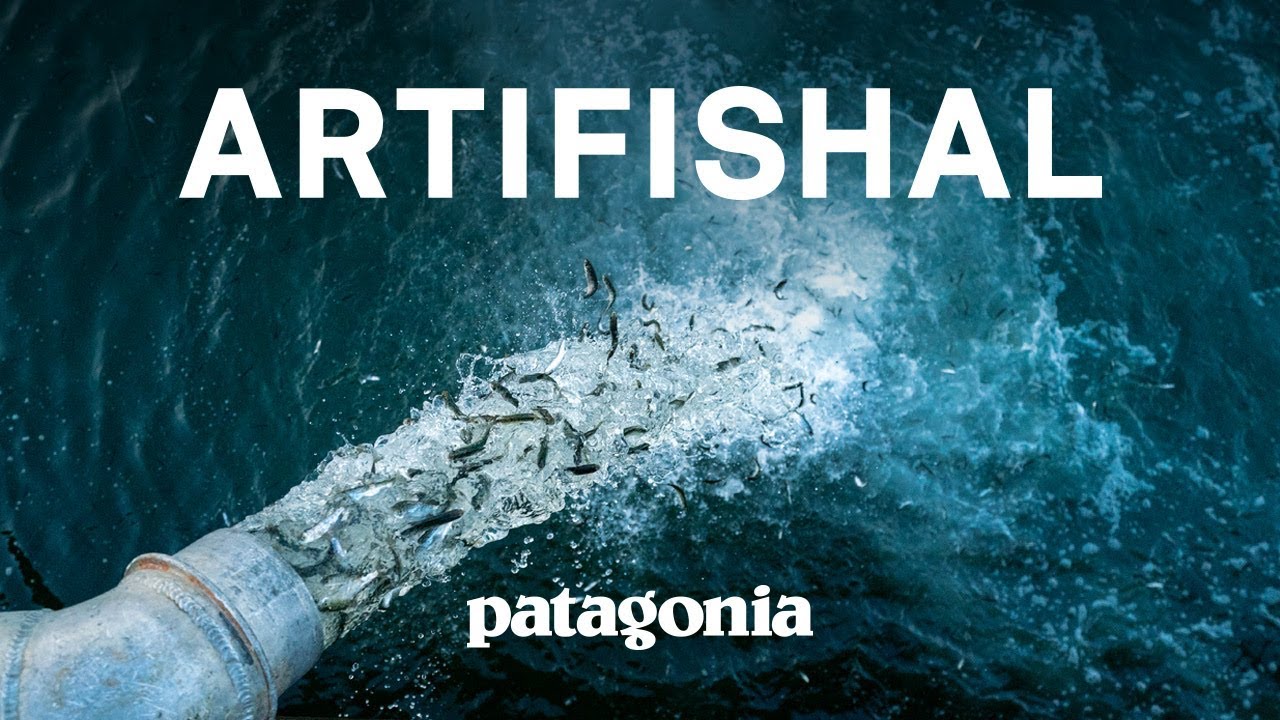
Workers at the Pullman National Fish Hatchery release 12 million salmon each year to compensate for habitat loss caused by the Shasta Dam.
The Lembeh Strait in Indonesia's Sulawesi is a marine biodiversity hotspot, showcasing unique behaviors of creatures like Anglerfish and Mantis shrimp through groundbreaking macro photography.
40,000 men work along 10 kilometers of beach in Alang, India, dismantling decommissioned ships under hazardous conditions for their survival.
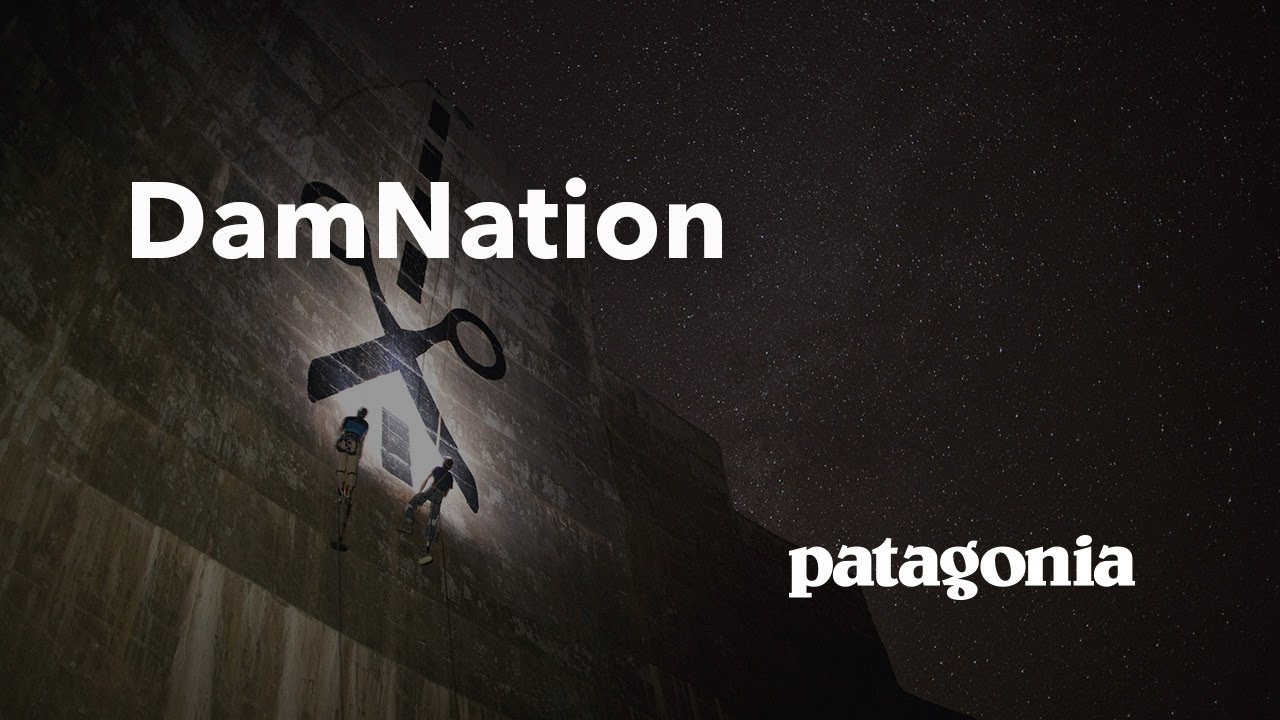
There are 75,000 dams over three feet high in the United States, raising concerns about their ecological impact and the future of free-flowing rivers.
Seals, Emperor penguins, and various seabirds thrive in Antarctica's extreme conditions, adapting to one of the harshest environments on Earth.
Around 253 million years ago, a massive volcanic event began in what is now Siberia, leading to the Great Dying and the largest mass extinction in Earth's history.
A community in the mountains of Oregon faces life's challenges while living among horses, dogs, and a mix of ex-cons, ex-addicts, and dreamers.
Three-quarters of a black bear's food comes from the beach during spring, as a mother bear searches for crabs to feed her cubs.
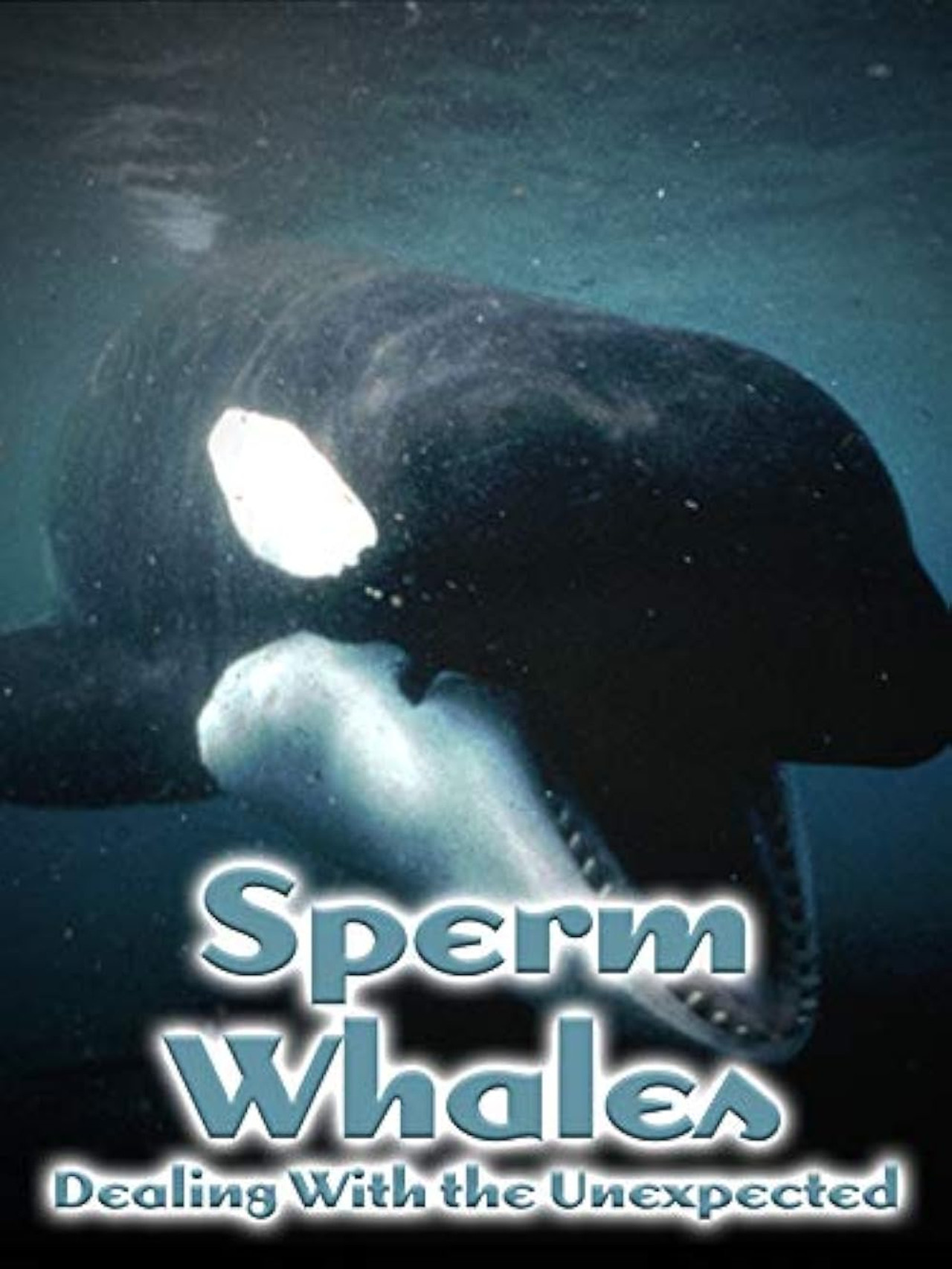
Around the Crozet Islands, a family of Sperm Whales navigates environmental changes and human interactions, revealing their complex lives and challenges.
4,000 tons of herring were caught during a 21-day fishing expedition before a total rudder failure forced the Maartje Teodora to return to port.
British Columbia's climbing community faces a critical challenge as logging threatens their beloved old-growth forests, igniting a passionate debate on conservation.
A 50-day expedition aboard the RV Tangaroa resulted in the collection of 88 different fish species, with at least five believed to be new to science.
Two million baby salmon swim out of nets in Alaska, attracting humpback whales that have traveled thousands of kilometers to feed on them.
Cruising through the Arctic Ocean at 20 knots an hour, a large cruise ship takes tourists from Svalbard to Eastern Siberia.
Temperatures in Ethiopia's Danakil desert can reach up to 50 degrees Celsius, forcing salt workers to endure extreme conditions for just 2 Euros a day.
A family of Saddle black clown fish works together to create a safe nursery for their eggs among the tentacles of a carpet anemone.
Sea levels have risen by about 20 centimeters since the 19th century, with projections of up to three meters by the end of the century.
The ice pack reaches a maximum cover of 14 million square kilometers by the end of winter, crucial for polar bears hunting seals beneath the surface.
Lobsters, equipped with armor and specialized appendages, navigate the ocean's depths while facing significant threats to their survival.
Australia's arid landscapes, including Uluru and the Simpson Desert, showcase unique wildlife adaptations over seven years of exploration in the Outback.
A female rockhopper penguin embarks on a thousand-mile swim, facing 20-foot waves and strong currents to reach the Falkland Islands for breeding.
A hippo can hold its ground against lions, forcing them to allow it a share of water in the dangerous Okavango delta.
California's ongoing water crisis, highlighted by the Salton Sea and Owens Lake, raises critical questions about the state's future water supply.
In the Canary Islands, unique microclimates foster the evolution of diverse species, including eccentric birds and majestic whales, shaped by wind and water.
Agitu Ideo Gudeta started with 15 goats and grew her herd to 180 while building a goat cheese business in northern Italy after fleeing Ethiopia.
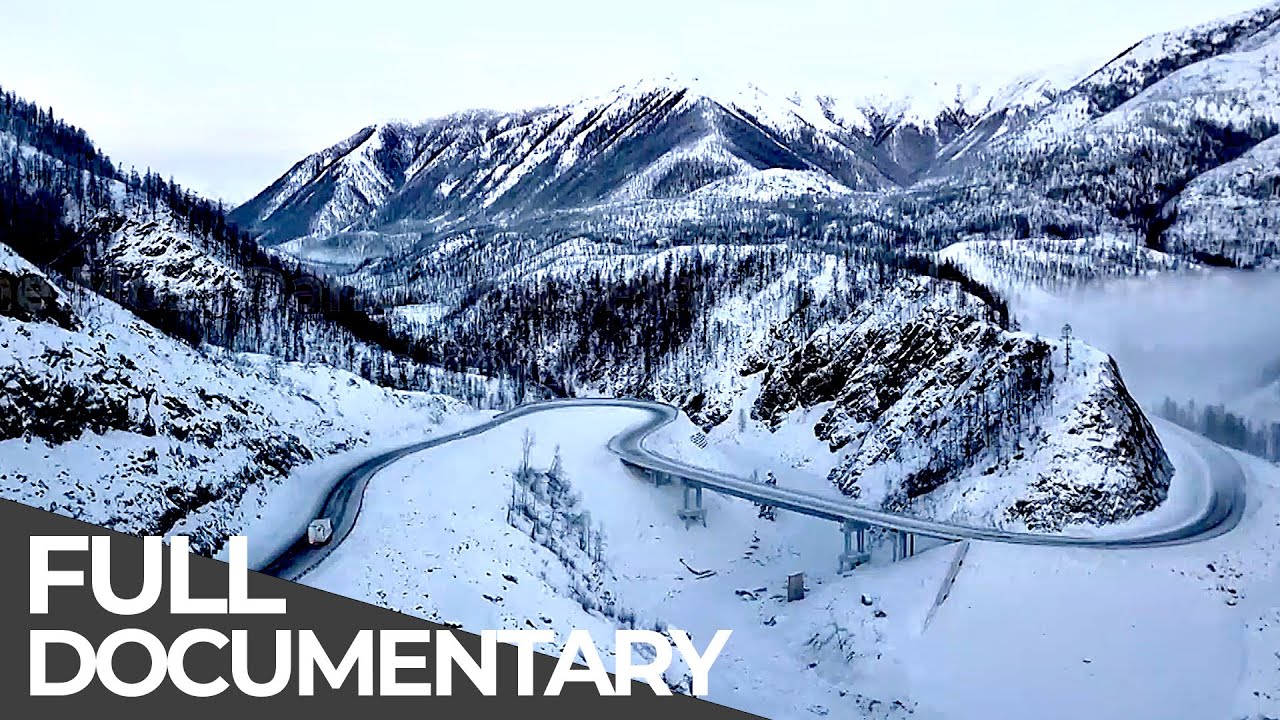
A five-ton truck must cross a frozen ice sheet on the world's coldest road, where temperatures can drop to minus 50 degrees Celsius.
The Oriental Dwarf Kingfisher, one of the world's rarest birds, is documented over a year as it navigates monsoons, droughts, and predators to raise its young.
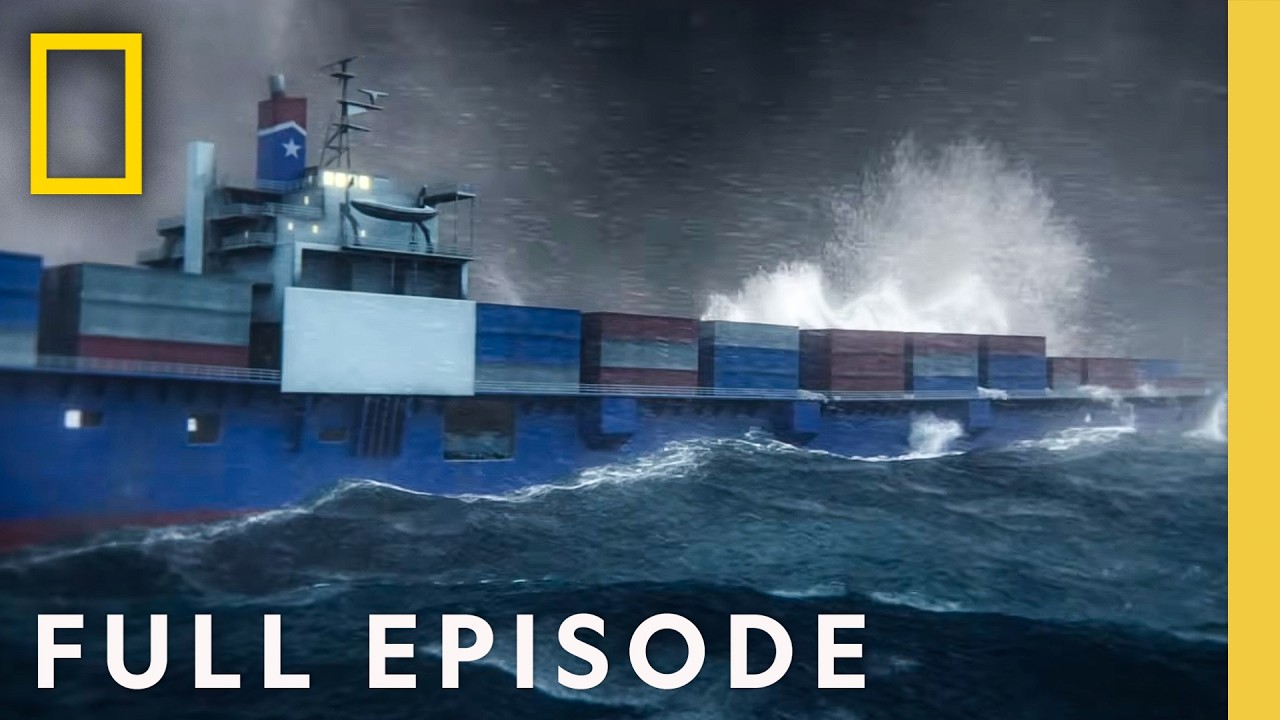
On October 1, 2015, the cargo ship El Faro disappeared in the Bermuda Triangle during Hurricane Joaquin, prompting investigations into maritime safety and weather forecasting.
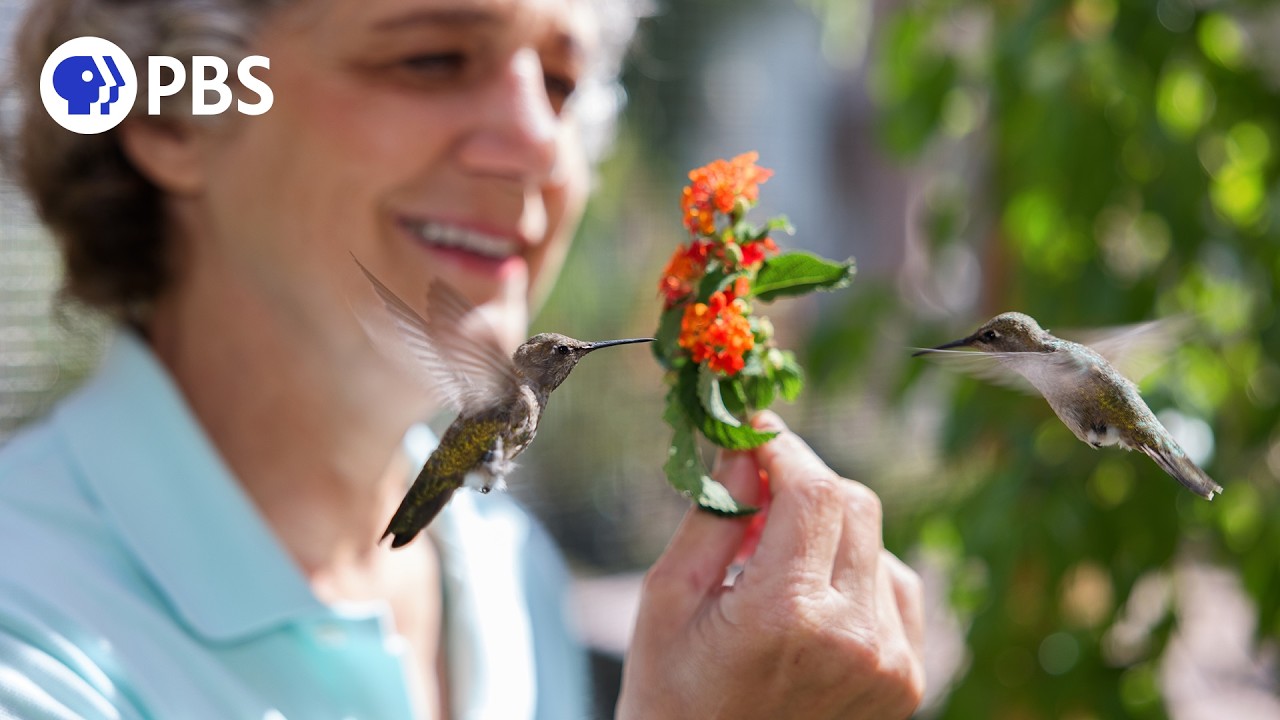
In Hollywood, a woman cares for injured hummingbirds, highlighting themes of compassion and the fragile beauty of nature amidst urban life.
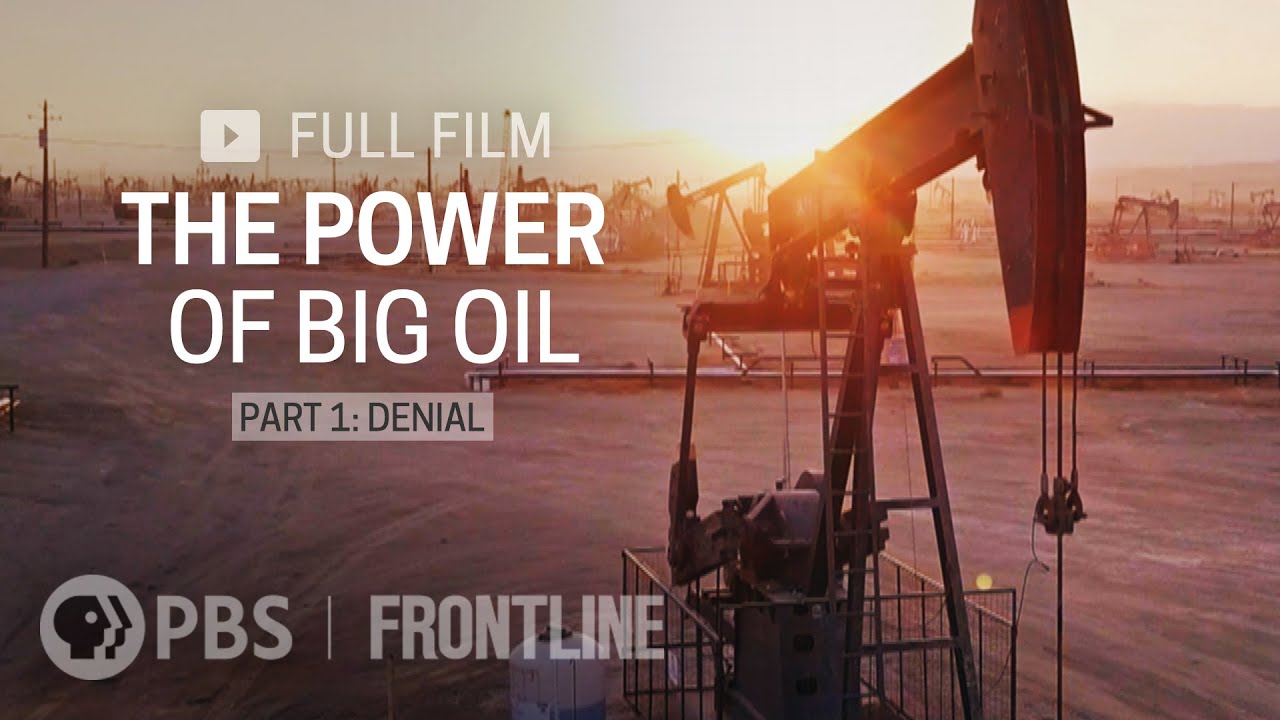
Fossil fuel companies have historically cast doubt on climate change science, delaying critical action and contributing to the escalating environmental crisis.
The Rock of Gibraltar stands 400 meters tall and separates Africa from Europe by just 14 kilometers, marking a key point for animal migration in the Mediterranean.
A 50-mile round trip is required to catch king crab in Alaska's remote waters, where traditional practices guide survival amid environmental changes.
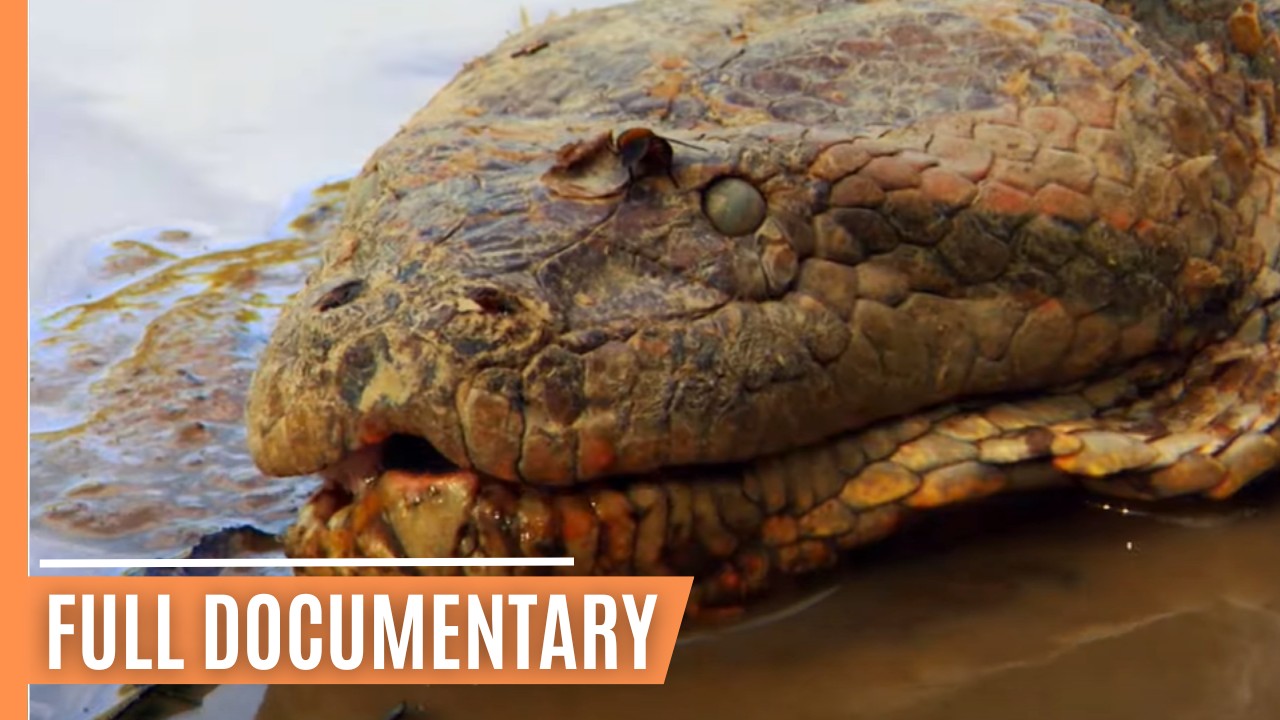
Anacondas, often mischaracterized as killers, exhibit unique behaviors that reveal their peaceful nature and vital role in their ecosystem, highlighting the need for habitat protection.