From over 100,000 films, discover the handful you'll love.
Free or premium access to the world's largest documentary library.
7535 films(Page 86 of 157)
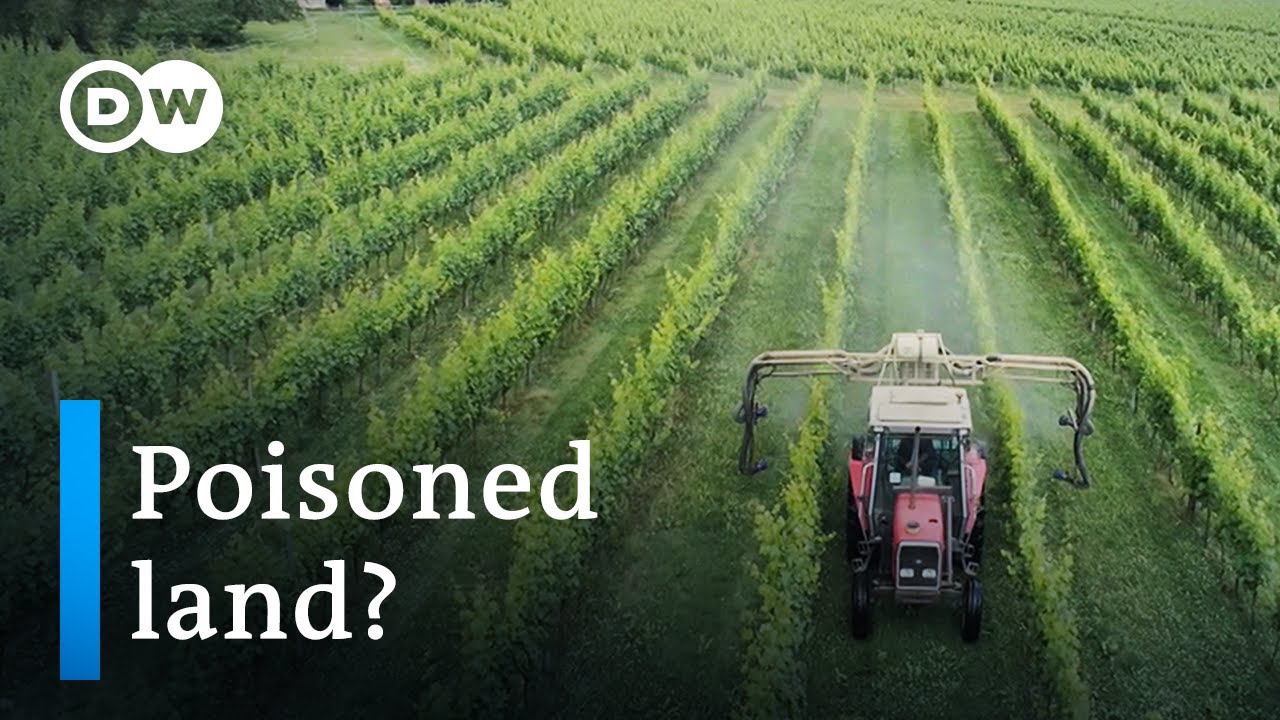
2,280 aircraft sprayings of pesticides were recorded in Paraguay last year, impacting the health of local families living near soybean fields.
In January 2022, the Hunga Tonga-Hunga Haʻapai volcano erupted violently, causing a tsunami that devastated Tonga and sparked investigations into future threats.
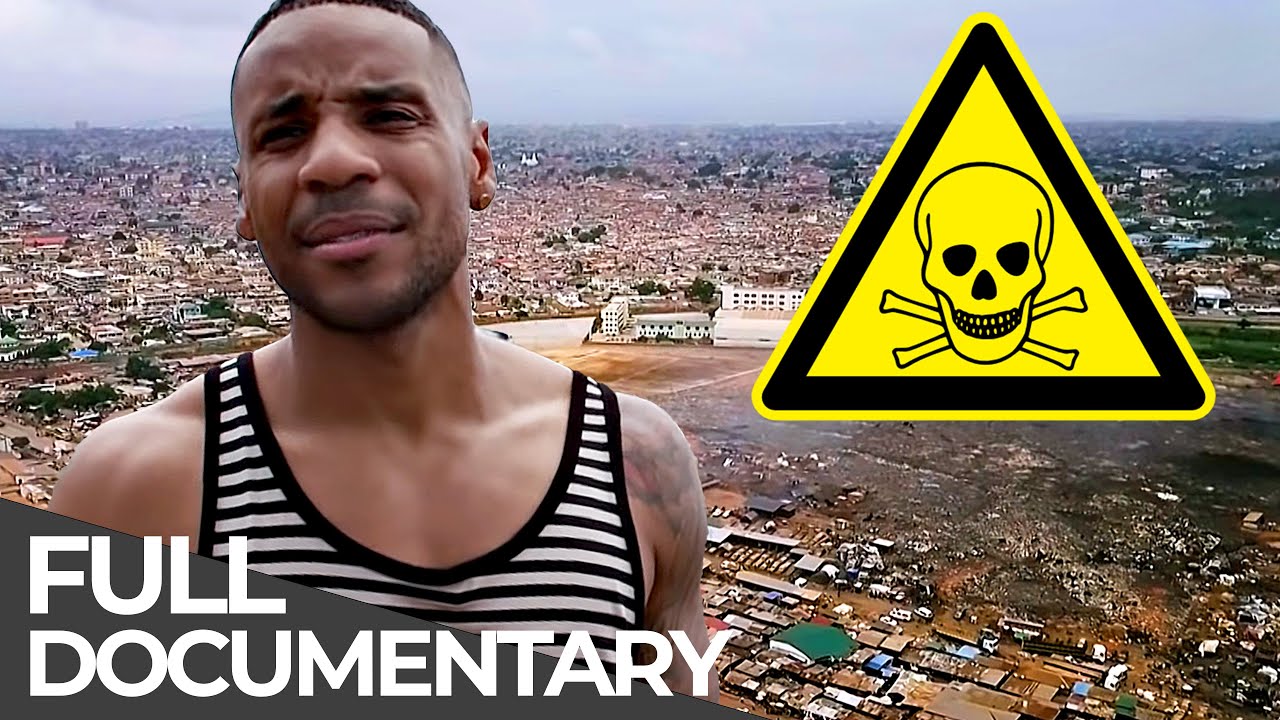
In Accra's Agbogbloshie, one of the world's largest e-waste dumps, Reggie Yates experiences the harsh realities faced by workers amid toxic conditions.
Rates of Parkinson's disease are rising faster than any other neurological condition worldwide, with environmental factors like pesticide exposure under scrutiny.
Dirk Nienhaus raises 6,500 pigs each year on his factory farm, where he faces growing concerns about animal welfare and the ethics of meat production.
Globally, 70% of water is used for irrigation, yet many regions face severe shortages as climate change intensifies the water crisis.
Los Angeles residents use almost 1.5 billion gallons of water daily, prompting a need for urgent conservation efforts amid a severe water crisis.
Eighteen out of 23 provinces in Chad are underwater, displacing thousands and disrupting food supplies as families struggle to survive.
Illegal logging, a multi-billion dollar global industry, is scrutinized by Alexander von Bismarck of the Environmental Investigation Agency to promote ethical practices.
Michael Moore critiques the failures of the environmental movement and calls for urgent changes in leadership and strategy to combat climate change and its consequences.
In 2019, 2,691 people died on Mumbai's railway system, averaging seven deaths each day amid overcrowded trains and dangerous conditions.
Time bombs from World War II vessels threaten to cause the biggest oil spill in history.
By 2050, projections indicate that oceans could contain more plastic than fish, a crisis stemming from decades of unchecked pollution.
One in four fish caught in Indonesian waters is taken illegally, contributing to severe environmental damage and threatening local fishing communities.
A solar energy project in China's Tengger Desert will supply electricity to over two million homes, marking a significant shift towards renewable energy.
Climate change is forcing millions to migrate from critical hotspots like the Sahel, where Lake Chad has shrunk by 90 percent, and Indonesia due to severe environmental challenges.
Scoresby Sound, the world’s largest fjord system, is now more accessible due to melting ice, raising concerns about geopolitical tensions in the Arctic.
Every year, an association collects around 60 tons of plastic and fishing nets from the beaches of Cape Verde, but lacks the means to dispose of them properly.
Seventy percent of copper must be extracted from mines, with the largest operations located in South America, particularly Chile and Peru.
Michael Moore hosts Jeff Gibbs and Ozzie Zehner to discuss the implications of Max Blumenthal's investigation into the suppression of "Planet of the Humans" and the broader environmental crisis linked to capitalism.
Jeff Gibbs and Ozzie Zehner discuss the censorship campaign that led to the removal of their documentary from YouTube after it garnered over 8.3 million views.
Hamburg chefs Marianus and Aaron challenge the need for constant economic growth in their restaurant.
More than 34 million tourists visit Thailand each year, contributing to severe pollution and damage to coral reefs along the country's coast.
One third of the world's fish catch is used as fish meal and animal fodder, raising questions about sustainable food production and resource use.
Nearly 200 Soviet nuclear submarines are deteriorating in Northern Russia, posing significant environmental and safety risks.
Michael Moore's podcast episode addresses the impact of climate change through solar storms and rising ocean temperatures while critiquing conspiracy theories from RFK, Jr.
Ten to fifteen new mines are projected to open in Europe over the next decade to support the electric vehicle industry and reduce dependency on imports.
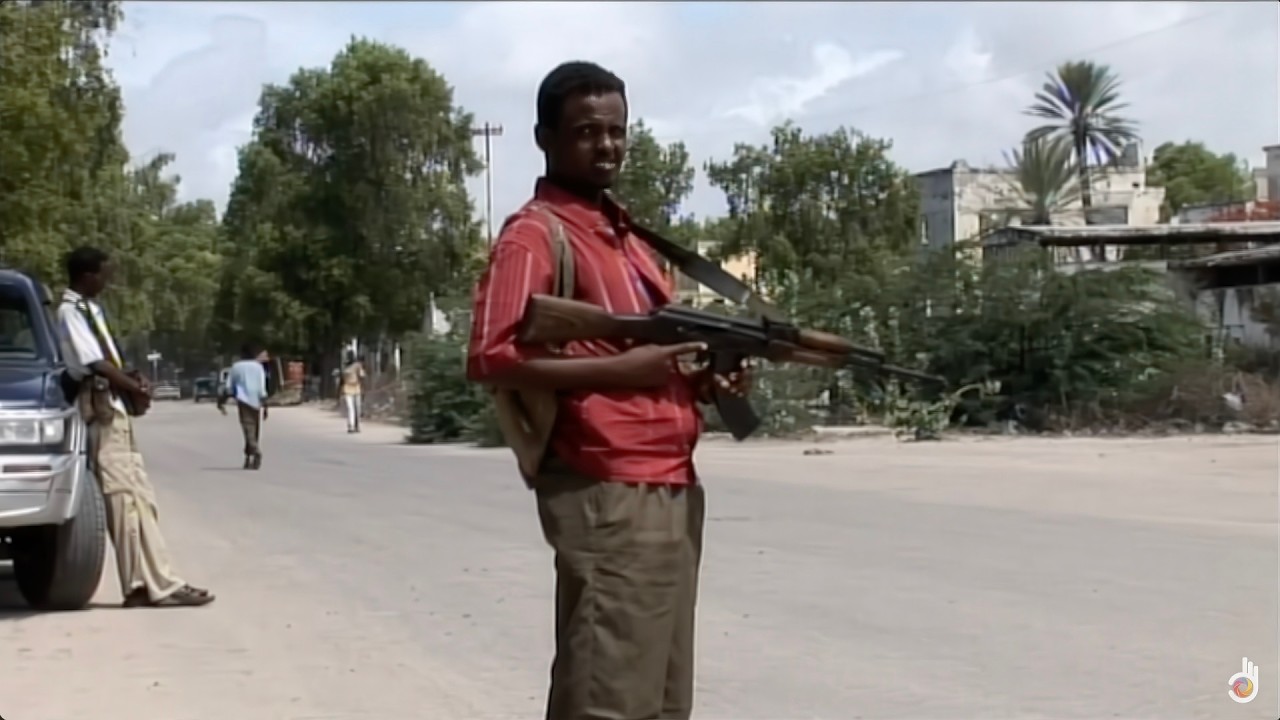
Somalia becomes a dumping ground for toxic waste, harming local communities and ecosystems.
In the Amazon, Mariana van Zeller investigates the criminal networks responsible for a series of murders and the illegal destruction of the rainforest.
Suriname's $10.5 billion offshore oil development led by TotalEnergies highlights the tension between energy transition and the reliance on fossil fuels amid global supply disruptions.
On July 4, 2025, floods in central Texas killed more than 130 people, marking the deadliest inland flooding in the United States in nearly 50 years.
30% of global seafood is caught illegally, generating a black market worth over $20 billion and threatening marine ecosystems worldwide.
In the Southern Philippines, illegal economies threaten unique marine ecosystems as local communities, led by Efren Balladeres' PARA Enforcers, confront wildlife trafficking and subaquatic gold mining.
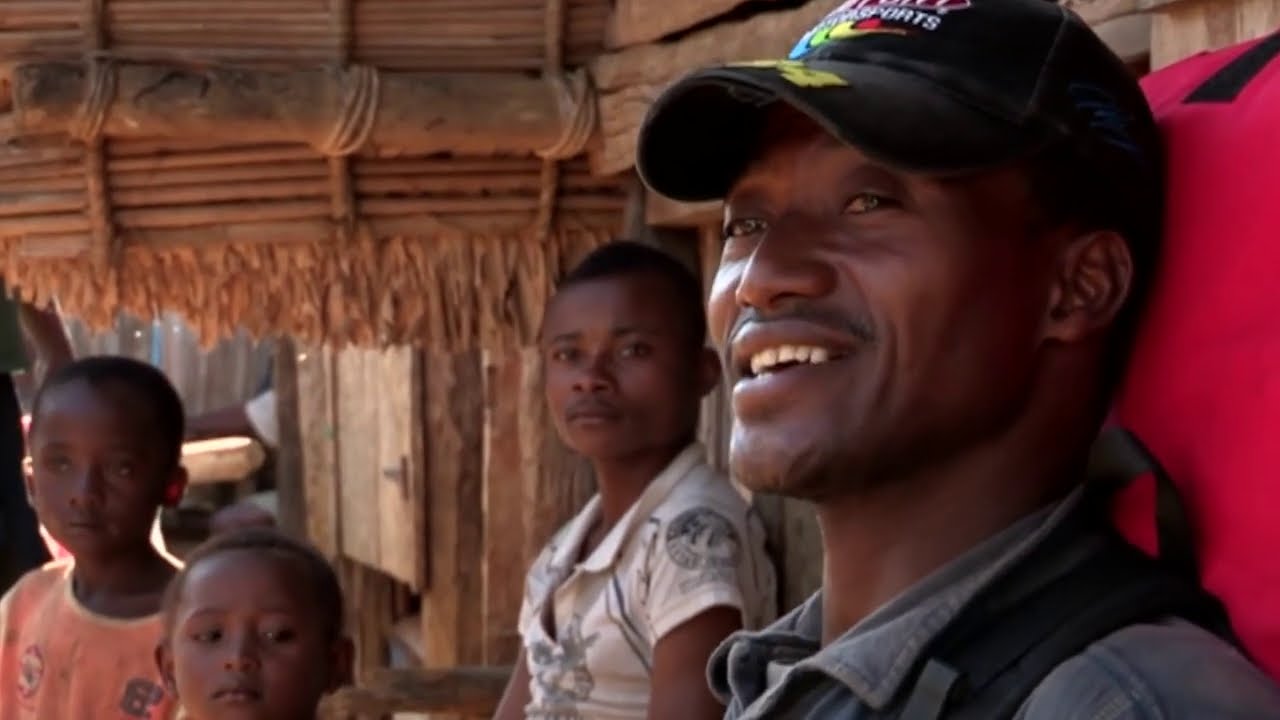
3,000 rosewood logs have been seized in Madagascar in recent weeks as illegal logging threatens the country's forests and the livelihoods of local communities.
Thousands in Arica suffer from illnesses due to Boliden's toxic waste dumping in Northern Chile.
Approximately 4,000 oil fields are currently in production, but half of the global oil supply relies on just 120 giant fields.
Mass tourism in Venice brings 30 million visitors yearly, impacting local residents and resources.
More than 1,000 people rallied in Hobart, demanding protection for the Tarkine, a region threatened by mining leases and deforestation.
20,000 liters of diesel fuel are transported through the Amazon rainforest to support illegal gold mining operations that devastate the forest.
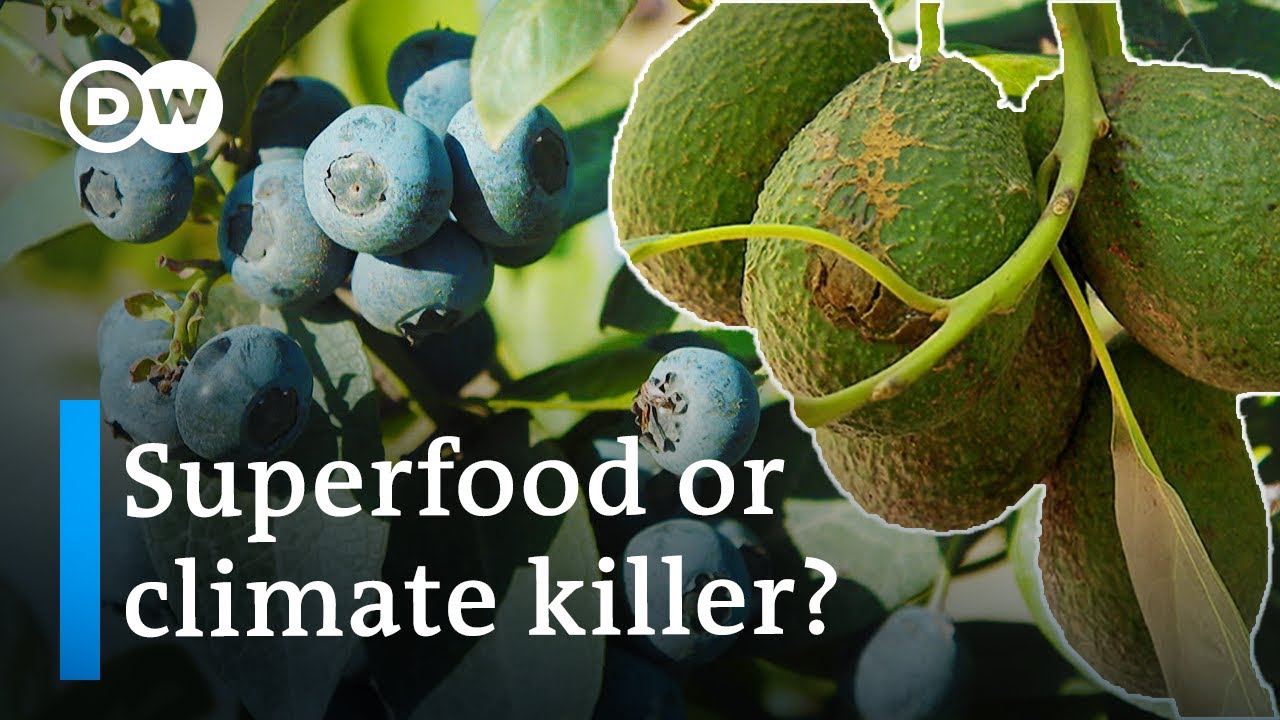
More than 150 families in the Petorca region of Chile rely on water trucks for survival due to severe water shortages linked to avocado farming.
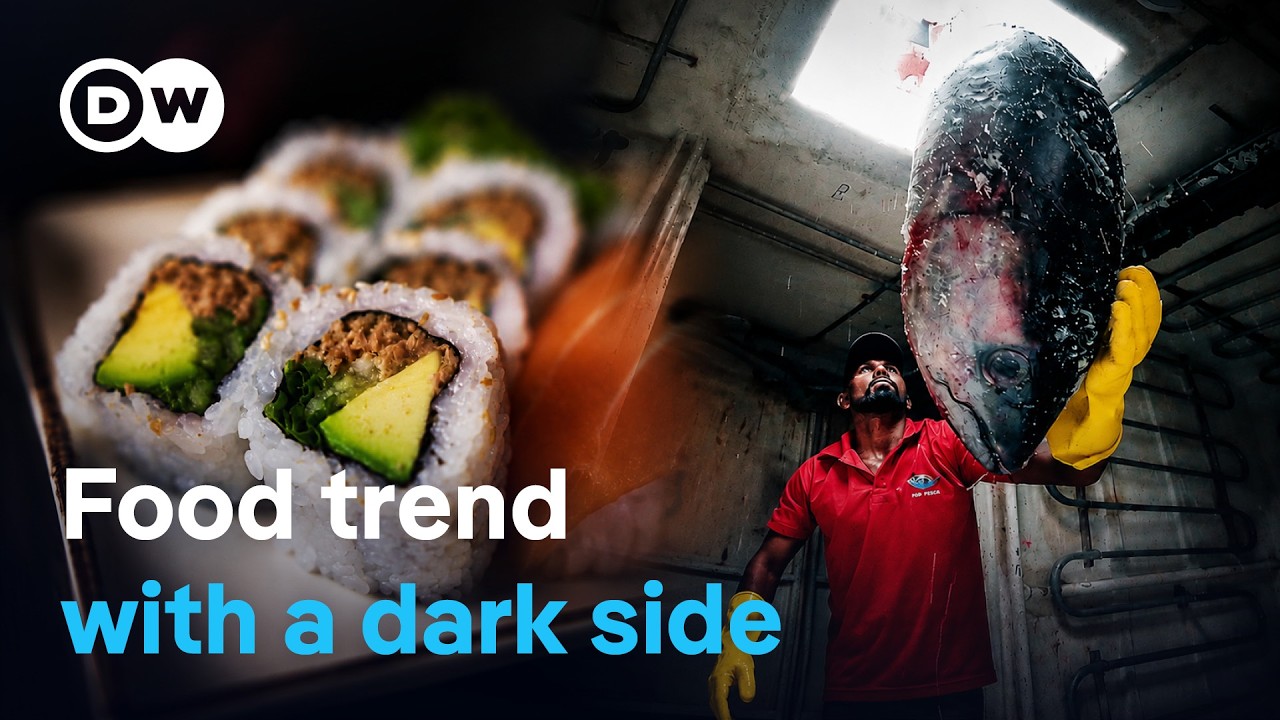
Sushi's rise as a global fast-food phenomenon raises concerns over the sustainability of yellowfin tuna and salmon, with overfishing and labor exploitation threatening these species.
In 2018, an estimated 3.8 million people in the Philippines fled from storms and natural disasters exacerbated by climate change.
Each morning, Casadi Kasango descends 30 meters into a poorly secured mine shaft in the Democratic Republic of the Congo to extract cobalt for electric vehicles.
Illegal gold panning in the Amazon, particularly in Peru's Madre de Dios region, poses significant environmental challenges amid ongoing government crackdowns.
Pollsters predict a right-wing shift in Europe affecting the EU Parliament and policies.
Dozens of species in Kenya's caves create an environment where viruses can spread, posing a risk for future global pandemics.
Since 2010, Western Australia's coastline has experienced 64 shark attacks, prompting investigations into the causes behind this alarming trend.
Bangalore faces a water shortage of around 500 million liters per day, impacting its 14 million residents and threatening the city's future.