From over 100,000 films, discover the handful you'll love.
Free or premium access to the world's largest documentary library.
7535 films(Page 38 of 157)
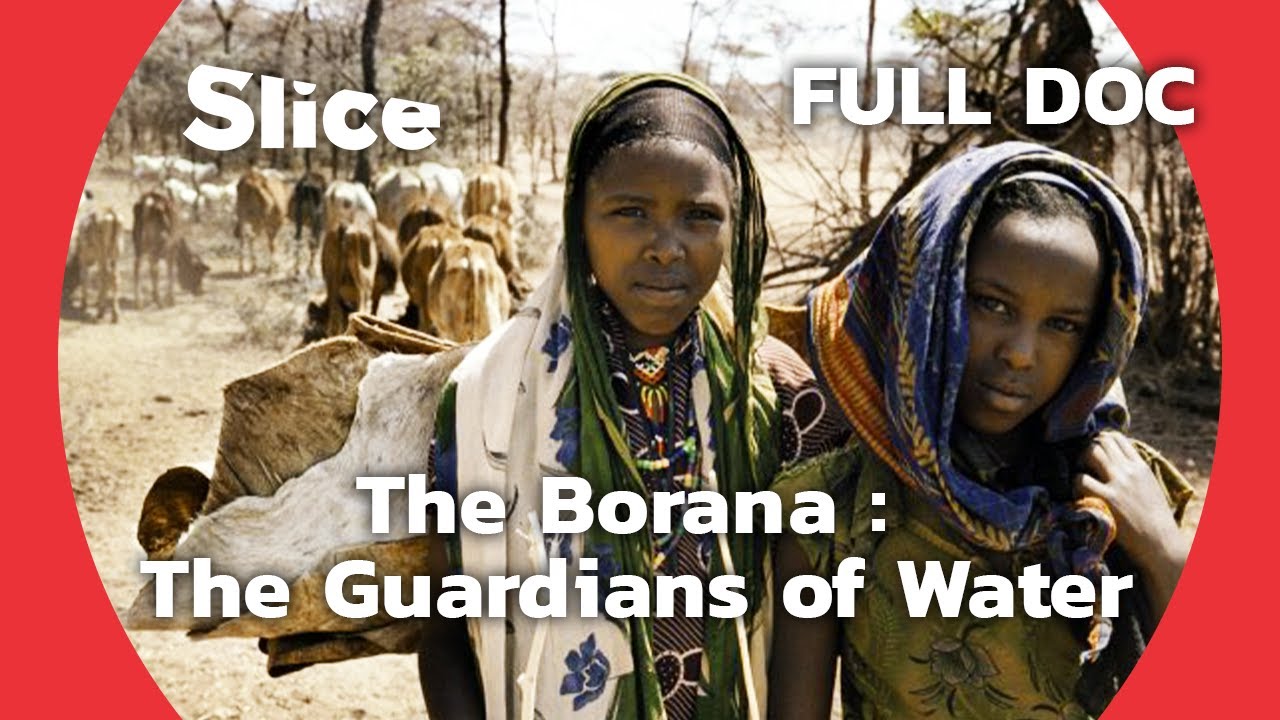
Only 14 of the original 30 singing wells remain operational in the Oromia region of Ethiopia, vital for the survival of the Borana herders and their livestock.
Giju, a female moose, may deliver and raise more than 15 calves over her lifetime while facing the challenges of seasonal changes in the wild.
In Fukushima, Japan, the lingering effects of the 2011 earthquake, tsunami, and nuclear disaster have resulted in a population decline of 180,000 residents.
As darkness envelops various landscapes, eagle owls, barn owls, and little owls emerge as silent hunters, showcasing the intricate balance of nocturnal life.
California's diverse landscapes, including sandy beaches, rugged coastlines, vast deserts, and expansive forests, showcase the state's unique natural beauty.
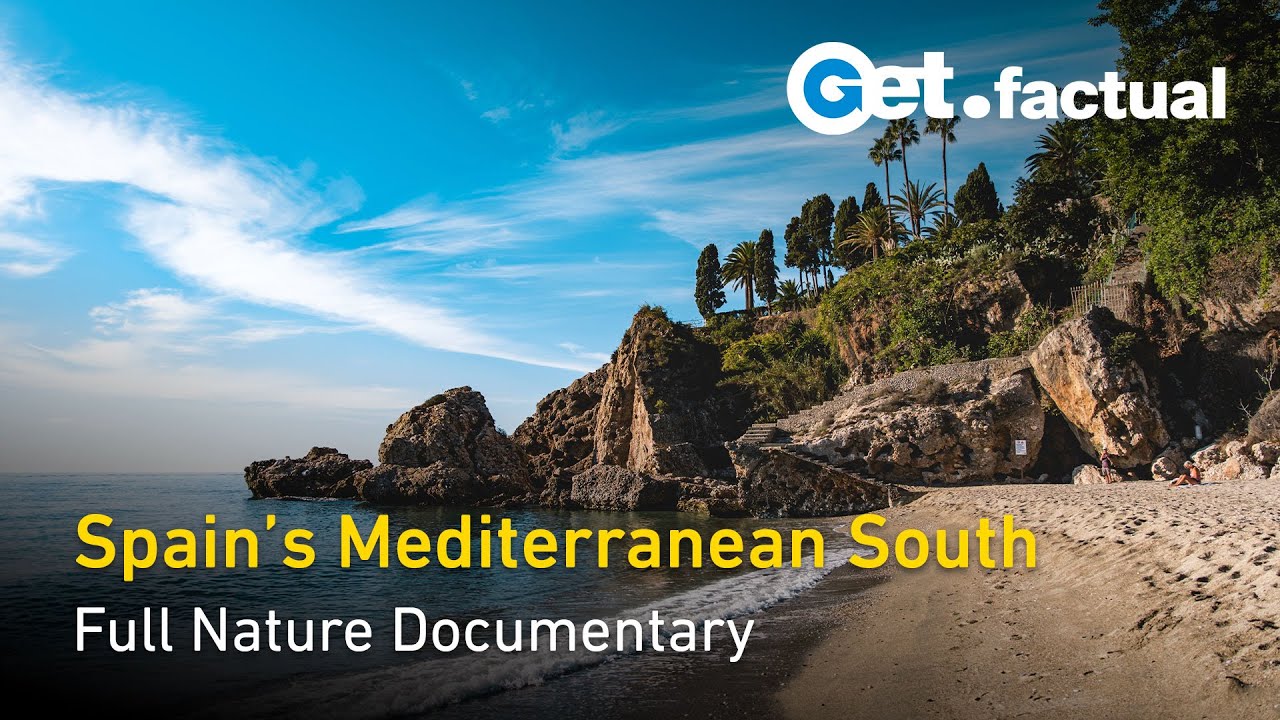
Thirty thousand greater flamingos gather at the lagoon of Fuente de Piedra, Spain's largest breeding colony and one of the largest in Europe.
Tohoku, Japan's northern peninsula, features a rugged coastline, volcanic landscapes, and local traditions shaped by its harsh winters and natural environment.
In December 1952, London experienced a catastrophic smog event that led to thousands of deaths, widespread illness, and significant changes in air quality legislation.
Marty Stouffer showcases the diverse wildlife of the United States, highlighting various species and their natural behaviors within their ecosystems.
Madeira, Portugal's autonomous island, features protected landscapes rich in unique ecosystems, rare species, and dense forests, highlighting its natural beauty and biodiversity.
Nearly 600 grizzly bears live in Yellowstone National Park, where a mother faces the challenge of raising her cubs in a harsh environment.
Lake Constance serves as a crucial hub for over 300 migratory bird species in Western Europe, with more than a quarter of a million birds passing through annually.
The Galapagos Archipelago, located 1000 km west of South America, is home to unique species such as diving iguanas and giant tortoises, highlighting its evolutionary significance.
Droughts cause crop failures and water shortages, threatening survival and economies worldwide.
Alpine Zoo Innsbruck showcases the diverse gene pools of native Alpine species, highlighting their adaptation and conservation in a changing environment.
In the ancient rainforests of Malaysia, a new survey using thousands of camera traps reveals the alarming decline of the Malayan tiger due to poaching.
Guadalquivir, once known as Wadi al Kabir, flows 650 kilometers from the Sierra de Cazorla to the Atlantic Ocean, showcasing the biodiversity of Doñana National Park.
Autumn showcases the vibrant colors and survival strategies of wildlife as they prepare for the impending challenges of winter.
Wildlife photographer Todd Gustafson returns to his childhood home in Tanzania and Kenya, sharing insights on photography while exploring diverse landscapes and animal life.
Steller sea lion populations along the North Pacific coast have decreased by over 80% since the 1970s, leading to conservation efforts by scientists at the University of British Columbia and Vancouver Aquarium.
In Germany's Ruhr District, the Emscher River is being transformed from Europe's most polluted waterway into a thriving natural ecosystem through extensive restoration efforts.
In Kenya's Maasai Mara National Reserve, the great wildebeest migration shapes the interactions between herbivores and their predators, highlighting the balance of life and death in the savanna.
Daintree National Park in Queensland serves as a vital link to Earth's ancient past, where biologist Peter Byrne and his team explore its unique biodiversity from a giant crane.
Fakarava Atoll, a UNESCO Biosphere Reserve, is home to diverse marine life, where Prof. Serge Plane studies coral reef communication to aid conservation efforts.
Three otter cubs learn to navigate their harsh environment in the Shetland Islands, where winter storms and food scarcity pose constant challenges.
Royal Chitwan National Park in Nepal is home to about 375 one-horned Indian rhinos, a significant increase from just 80 two decades ago.
Less than 250 mm of rain falls annually on the Valdez Peninsula, where marine mammals like southern right whales come to breed each year.
In the Himalayas, snow leopards and wolves navigate extreme conditions while competing for food and territory amidst the challenges posed by human encroachment.
Over 1.2 million wildebeests migrate from the Serengeti into Kenya's Masai Mara, creating one of the largest wildlife spectacles on Earth.
In the Gobi Desert, Mongolian scientists have confirmed the existence of the critically endangered Gobi bear, initiating a research and preservation program.
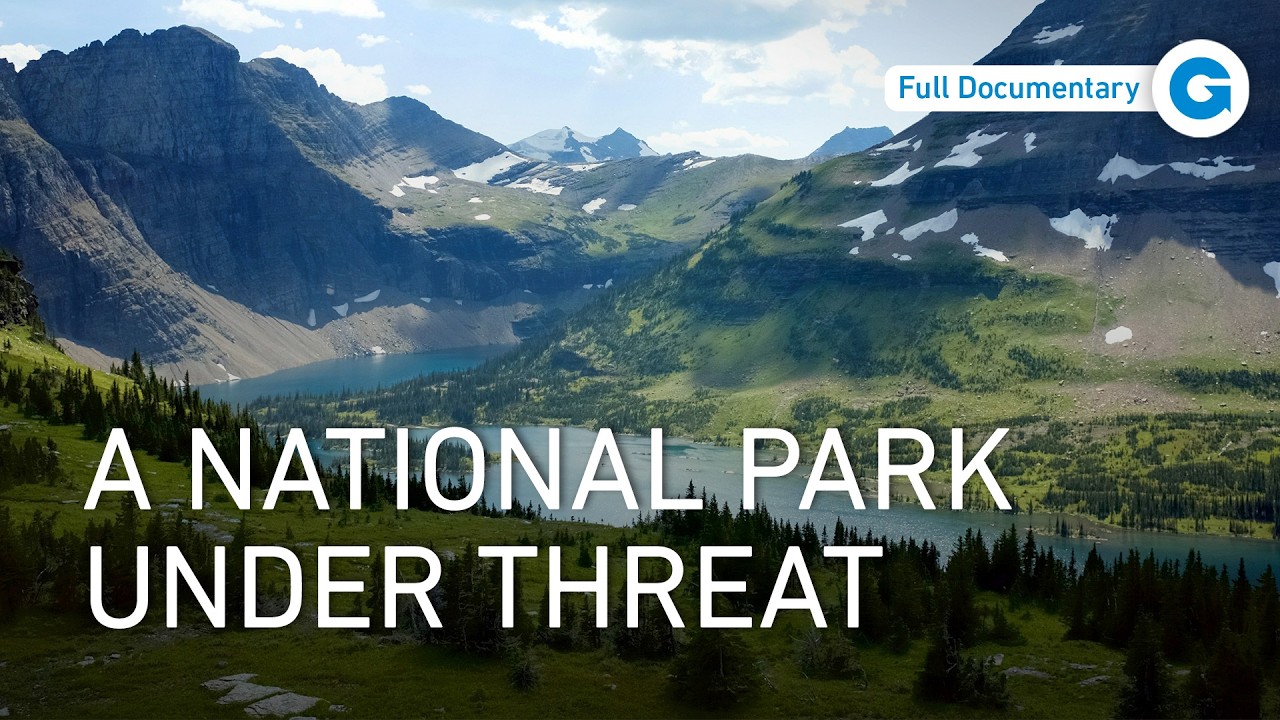
A 4,600 square kilometer sanctuary, formed by merging American Glacier National Park and Canadian Waterton Lakes Park, faces threats from unprotected land nearby.
In European forests, a shy and elusive animal thrives at night, relying on its keen sense of smell and extraordinary hearing to navigate its habitat.
Benoît Bringer investigates how dietary practices in various communities can mitigate climate change by promoting sustainable food models and recipes.
Florida's Everglades face ecological threats from invasive species like Burmese pythons and green iguanas, with experts like Sean Heflick and Greg Gratziani leading the response.
In Addo Elephant National Park, South Africa, a unique herd of elephants has thrived after being protected from extinction since 1931.
Gobi bears, one of the rarest species with only about 30 individuals remaining in Mongolia's Gobi Desert, are the focus of a new research and preservation initiative.
The ice around the North Pole has shrunk by seven percent over the past 30 years, threatening the survival of polar bear populations.
In Forillon National Park of Gaspésie, Quebec, a young black bear navigates the challenges of motherhood while raising her cubs over three years.
The Ruhr Valley, once Europe's industrial heart, has transformed into a thriving ecosystem where peregrines, natterjack toads, and blue-winged grasshoppers flourish.
Humanity faces existential threats from climate change, planetary collapse, and the eventual demise of Earth, prompting discussions on survival through space colonization and AI evolution.
In the Iberian Peninsula, a technical team from Acajú faces challenges while filming wolves in their natural habitat, highlighting their ecological importance and coexistence with livestock.
Catalina Island, located off the coast of Los Angeles, is home to unique wildlife, including the Catalina Island Fox and American Bison, alongside smaller species like the California Ground Squirrel.
Three million shipwrecks exist around the world, with an estimated thousand ships lost each year, many containing valuable cargoes.
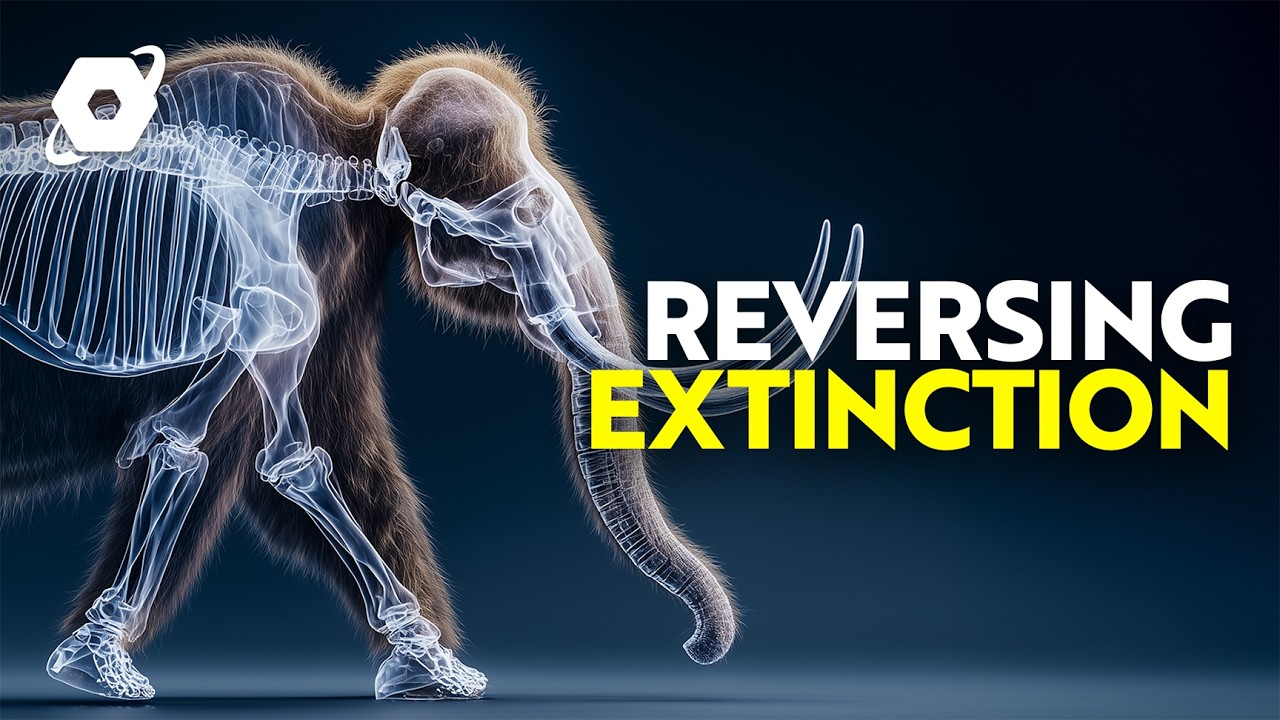
In a world facing accelerating extinction rates, scientists are utilizing advanced genetic technologies to revive species like the Przewalski's horse and address conservation challenges.
Extreme habitats around the globe, from polar regions to deserts, showcase the unique adaptations of wildlife that survive in the harshest environments.
Gucci generates 74% of its total revenue from leather goods, revealing the hidden costs behind luxury fashion brands.
Ingrid Wiesel, a German biologist from the Zoological Institute of the University of Hamburg, studies the brown hyena's interactions with seals in Namibia's Namib Desert.
The Bissagos Islands in Guinea Bissau, a UNESCO Biosphere Reserve, host a unique ecosystem rich in biodiversity, attracting biologists like Raúl León.




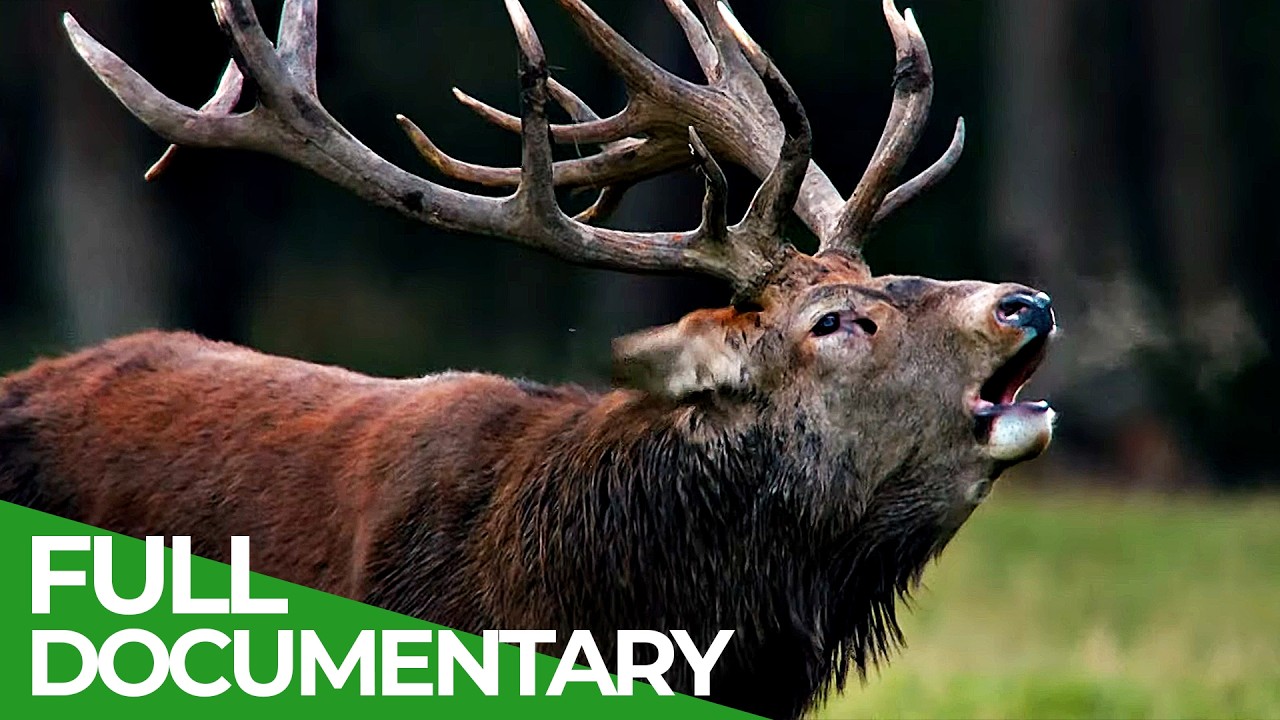


![Documentary backdrop image for Asia's Astonishing Animal Kingdom [4K] | Art Wolfe's Travels To The Edge (2021)](https://i.ytimg.com/vi/TcH16Z42FtI/maxresdefault.jpg)


![Documentary backdrop image for Africa's Breathtaking Animal Kingdom [ 4K ] | Art Wolfe's Travels To The Edge (2021)](https://i.ytimg.com/vi/Cm_1QCT5Nhs/maxresdefault.jpg)



![Documentary backdrop image for Catalina Island's Stunning Wildlife [4K Documentary] (2021)](https://i.ytimg.com/vi/pefLlQ3iHaU/maxresdefault.jpg)