From over 100,000 films, discover the handful you'll love.
Free or premium access to the world's largest documentary library.
7535 films(Page 16 of 157)
Power plants across the United States utilize coal, oil, and nuclear reactions to generate energy, significantly impacting food production and manufacturing processes.
On November 15, 1944, the German U-boat U-479 disappeared without a trace in the Baltic Sea during a secret mission.
During a heatwave, thousands of exiles, including wildebeests and buffaloes, invade Savannah Lane, leading to fierce competition among wildlife.
Every year, life expectancy increases by three months, yet many electronic devices are designed to fail within a few years, prompting consumers to buy replacements.
The changing relationship between humans and sharks is examined through interviews with attack survivors and footage of both shark hunts and encounters.
Gates of the Arctic National Park and Preserve in Northern Alaska protects diverse wildlife, including brown bears and migrating caribou, within the largest contiguous wilderness in North America.
The Great Barrier Reef stretches 2,300 kilometers long and is built by billions of tiny coral polyps working together over half a million years.
The Salton Sea faces an environmental crisis that threatens the health of millions in Southern California, risking $70 billion in damages if unaddressed.
Frank Harsch recalls the catastrophic flooding on 29 May 2016 amid changing weather patterns.
In the mid-80s, zoologists underestimated the adaptability of the European otter, which has since reclaimed its habitat in Austria and other parts of Europe.
The Galapagos Islands, located about 600 miles off the South American coast, are home to unique species like the marine iguana, which can hold its breath for up to 30 minutes.
Earth's 23-degree axial tilt significantly influences global weather patterns and seasonal changes, shaping climates and ecosystems over 4.5 billion years.
At least 14 active volcanoes are found in Katmai, more than any other national park in the United States.
Grand Canyon National Park in Arizona showcases its 277-mile canyon, diverse ecosystems, and wildlife while highlighting the importance of conservation efforts.
Madagascar's unique wildlife showcases intense chameleon battles and lemurs seeking refuge from predators in their natural habitat.
Permafrost in the Arctic Circle contains twice the amount of carbon found in the atmosphere, posing risks as it melts and releases greenhouse gases.
Mountains without water would become deserts, but they create their own water from clouds.
A harpy eagle chick weighs about 80 grams at birth and will rely on its mother for food for the next 10 months in the Guyanese rainforest.
In Kyrgyzstan, Muscat Boruchev works to revive the nearly extinct Kygyrz horse breed, while Bastien Chaix leads environmental education expeditions for youth.
Every autumn, millions of Florida mullet migrate from freshwater inlets to the ocean, facing threats from predators, algal blooms, and hurricanes.
In the Caribbean, powerful natural forces such as volcanoes, storms, and ocean currents shape the islands' wildlife, culture, and ecosystems.
300 gallons of ice are needed to provide drinking water for a family living in the harsh winter conditions of Alaska.
Natural wonders around the globe, from remote landscapes to hidden gems, are showcased in stunning 4K visuals that highlight Earth's extraordinary beauty.
Shark attack survivors and scientists in Hawaii and California discuss strategies to minimize shark attacks while showcasing the creatures' behavior from a surfboard perspective.
Hana Stitfall searches for wild hamsters in Vienna's Central Cemetery, a green space of over 500 acres, where urban wildlife thrives alongside humans.
928 large-scale nuclear weapons were tested at the Nevada Test Site from 1951 to 1992, exposing nearby communities to harmful radiation.
Animal behaviourist Kevin Richardson relocates 27 lions and 14 hyenas to a new sanctuary, navigating complex logistics while ensuring their safety and comfort.
Elephants in various habitats are shown in remarkable moments, highlighting maternal care and herd movements captured by BBC Earth.
Bill, a 67-year-old coal miner, has worked alone for four to five years in a small anthracite mine, hoisting five or six bogies of coal each day.
Sir David Attenborough reflects on his influential career in natural history broadcasting, highlighting his contributions to environmental awareness and the climate crisis.
In the remote forests of Canada, numerous sightings of Sasquatch, a massive gorilla-like creature, continue to fuel public intrigue and debate.
Nyiragongo, located in the Democratic Republic of Congo, poses a constant threat to Goma's one million residents due to its active lava lake and potential eruptions.
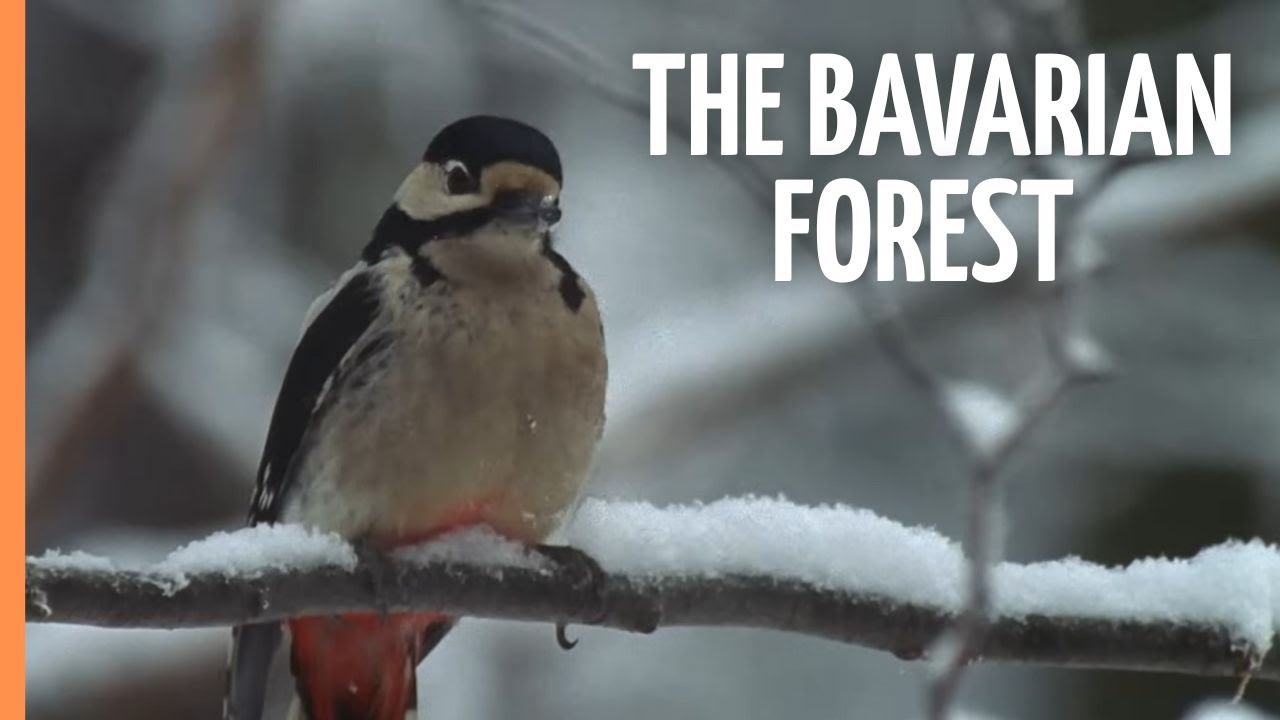
Over a dozen lynx, once absent from Bavaria for more than 150 years, now roam the Bavarian Forest National Park as it recovers from past ecological damage.
On January 12, 2019, a dead sperm whale carcass was towed eight miles offshore near Oahu, attracting various shark species, including tiger sharks.
In Indonesia's Batanta Island, two men investigate the existence of the Tree Crocodile, a giant lizard feared by locals and reported to exceed 3 metres in length.
The Sado River in Portugal has been revitalized into a biodiverse habitat through the efforts of local environmentalists and fisherwomen, enabling the reintroduction of Portuguese oysters.
PFAS chemicals, commonly found in household products, are contaminating drinking water sources, prompting communities to address health risks and cleanup efforts.
Maria Garcia founded an organization that protects 500 hectares of rainforest in Belize, which is threatened by bushfires and environmental changes.
Bangladesh faces a future where 20% will disappear beneath rising waters due to climate change.
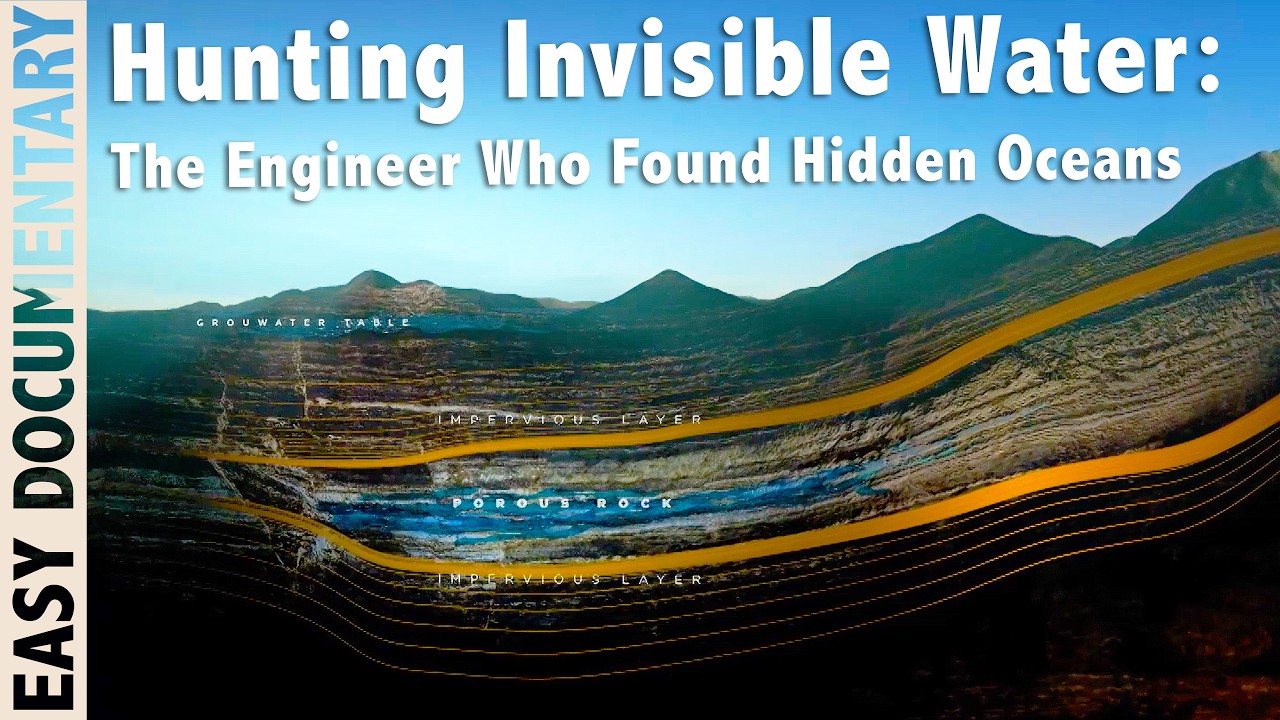
Alain Gachet's innovative technology reveals vast underground aquifers, providing clean water solutions in drought-stricken regions like Kenya and Iraq.
Only eight or nine Scottish wildcats remain in the Western Highlands, prompting urgent conservation efforts to save the species from extinction.
Twin tiger cubs Spot and Stripe grow up in a UK wildlife sanctuary, showcasing their playful development and first swimming experience under expert care.
A team of local adventurers faces low water levels while dragging their boats through the Rewa River in the jungles of Guyana.
In the Gaza Strip, Four Paws rescue undertakes a perilous mission to save two orphaned lion cubs from a family's home where they were kept as pets.
Over 200,000 turtles lay their eggs on a beach in India, with only one in a thousand hatchlings expected to survive to adulthood.
Eight million people live in New York City, and three preppers plan their escape routes in case of a catastrophic event.
Shark divers, including conservationists and thrill-seekers, engage with various species like great whites and tiger sharks, challenging misconceptions about these marine predators.
In the Arctic, walruses utilize their massive teeth as tools for survival while Australian specialist Jason Roberts studies their behavior and family hierarchy in Spitzbergen.