From over 100,000 films, discover the handful you'll love.
Free or premium access to the world's largest documentary library.
7535 films(Page 9 of 157)
Whales exhibit complex social structures and communication methods that reveal their unique adaptations to life in the ocean.
The United States aims for a 50% reduction in greenhouse gas emissions by 2030 as part of its goal to achieve net-zero carbon emissions by 2050.
After two decades of drought, Botswana's Boteti River has returned to flow due to significant rainfall in the Angolan highlands, revitalizing the local ecosystem.
Swansea was known as Copperopolis, a center of copper smelting that employed thousands and generated immense wealth during the Industrial Revolution.
The Red Sea hosts over 1,200 fish species and diverse coral reefs, highlighting the importance of these ecosystems for marine health and biodiversity.
Over 100,000 male giant cuttlefish compete to mate in a single bay as summer ends in Australia.
A hippo's aggressive behavior can result from human encroachment into its habitat, leading to dangerous encounters in the wild.
800,000 acres of Big Bend National Park provide a habitat for diverse species, including black bears and roadrunners, in a unique desert ecosystem.
In the forests of Gabon, mandrills engage in fierce battles for dominance as alpha males compete to lead their large troops of up to 200 individuals.
In the Philippines, Zoe D’Amato explores five islands, highlighting the cultural significance of boats, local fishing practices, and the vibrant Maskarra festival.
Over half a million tonnes of chicks crowd onto a remote atoll in the Indian Ocean during the dry season as they learn to fly and find food.
Each wind turbine in the new offshore wind farm stands nearly 150 meters tall and will generate 1.4 billion kilowatt hours of electricity annually.
Yosemite National Park showcases its towering cliffs, giant sequoias, and diverse wildlife, including coyotes, black bears, and elusive bobcats.
A supervolcano beneath Yellowstone has the potential to cause catastrophic destruction, with eruptions 1,000 times more powerful than Mount St. Helens.
About 80% of the trees have died due to climate change, leading to severe water shortages and ecological collapse in various regions.
The PIONEER, a floating oil rig designed to access deep sea reserves over two and a half kilometers below the surface, represents a $600 million recycling project.
Bert Dausip, a forest guide in Sabah, Borneo, forms a close bond with the unique pygmy elephants, revealing their gentle nature and advocating for their protection.
In Tanzania's Serengeti Plains, two families of African golden wolves navigate the challenges of survival, showcasing their social bonds and cooperative hunting strategies.
Puffins feeding their chicks and sharks hunting in deep waters highlight the daily challenges faced by wildlife, narrated by Sir David Attenborough for BBC Earth.
Average global temperatures have risen about one degree Celsius since the industrial revolution, raising concerns about the future of Earth's ice sheets.
577 solar systems and over 3,400 exoplanets have been discovered since the first observation of a planet outside our solar system just over 20 years ago.
Seventy-five miles of treacherous roads challenge truckers in Brazil's Northeast region, where drought and poverty threaten daily survival.
More than 500 oil fields and over 7,000 kilometers of pipelines run through the Niger Delta, where local communities face violence and poverty.
In the Mongolian Altai, an archaeological expedition examines a 2,300-year-old tomb of an Eastern Scythian warrior, highlighting the effects of climate change on ancient burial practices.
Costa Rica's diverse ecosystems, including rainforests and coastlines, support an array of wildlife, featuring 90 species of mammals, birds, and reptiles.
Five meters of snow melted in the Alps over the summer of 2018, revealing alarming signs of glacier retreat and increasing risks for local communities.
Around 600 beavers now populate the Netherlands, thriving in canals and contributing to the unique ecosystem of the region.
La Paz, Bolivia, grapples with the challenges of its extreme altitude while showcasing its resilience alongside contrasting environments like Hammerfest, Norway.
Colombia's diverse ecosystems are showcased through 150 hours of footage, highlighting 38 species across 20 habitats, including jaguars and silver arowana fish.
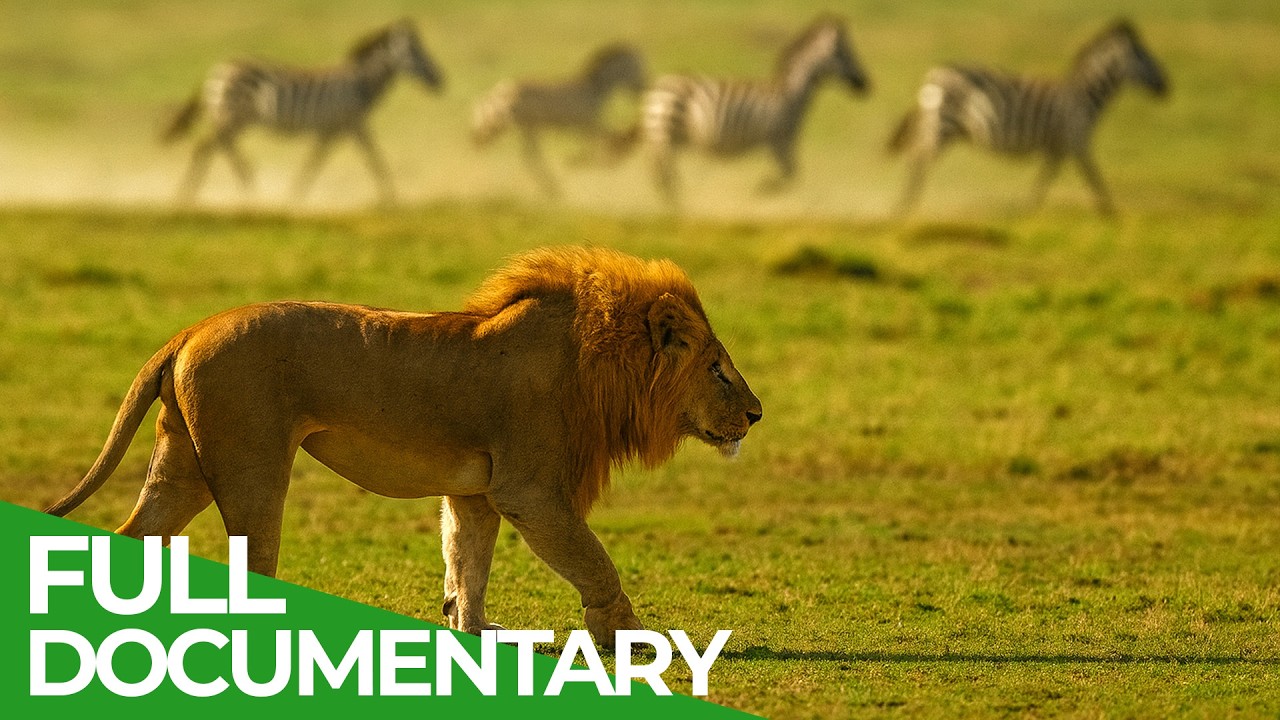
Seventeen lions, imported from South Africa, are reintroduced to Akagera National Park, altering the ecosystem and triggering instinctual fear among herbivores.
Beavers, ranging from Argentina to Alberta, are studied for their unique engineering behaviors and their vital contributions to ecosystem health.
On Jeju Island, South Korea, the Haenyos, women aged 45-85, continue a 2000-year-old tradition of free diving for abalone and octopus, facing the dangers of the sea.
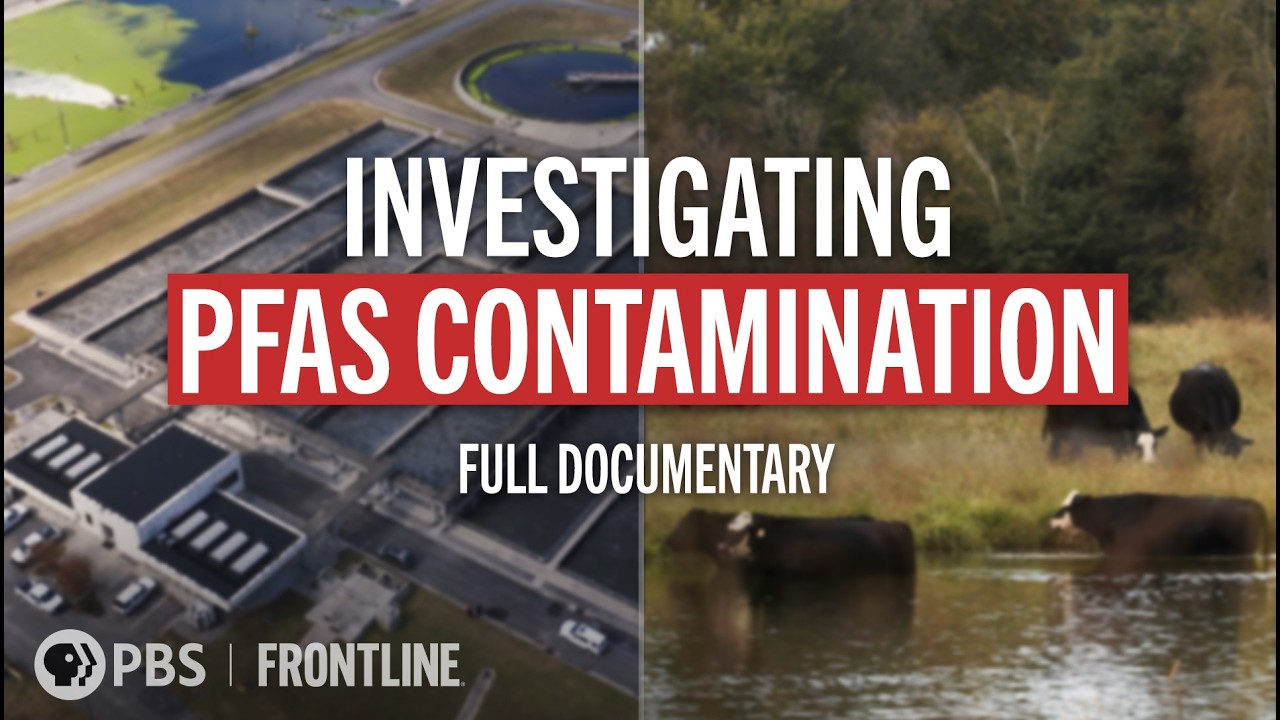
PFAS chemicals, once integral to stain-resistant carpets, have contaminated drinking water and the environment in Georgia and Alabama, raising serious health concerns.
Water has not reached the bti channel in Botswana for the last seven years, forcing wildlife and local communities to rely on dwindling resources.
The Canary Islands, home to over 2 million residents and 15 million tourists annually, rely on desalination plants to meet their freshwater needs.
Rachel Carson's "Silent Spring" sparked a national debate on pesticide dangers, influencing President John F. Kennedy's investigation and environmental legislation.
Steve Irwin captures and relocates a nuisance crocodile in Far North Queensland, Australia, while promoting wildlife conservation efforts.
There is a place on Earth that we have never seen, crucial for our survival.
Seventy percent of Earth's fresh water is stored in glaciers and ice caps, primarily located in the Arctic and Antarctic regions.
In the Arctic Circle, Siberia’s Ice Trains operate under extreme conditions, transporting gas from Novy Urengoy to Labytnangi while navigating harsh winter landscapes.
Bioluminescence in marine environments showcases the remarkable adaptations of various organisms, as narrated by Sir David Attenborough in celebration of his 100th birthday.
AIDAnova measures 337 meters long and 42 meters wide, making it longer than three soccer fields and capable of carrying over 6,600 passengers.
In the Bohemian and Bavarian Forests, lynxes exhibit their hunting and playful behaviors, captured in stunning 4K footage of their natural habitat.
A Finnish scientist aims to create artificial rain in the arid deserts of the United Arab Emirates, raising questions about ambition and environmental manipulation.
Coral reefs worldwide are showcased through underwater footage that highlights their vibrant ecosystems and emphasizes the need for marine conservation.
Stefan Palmer, an organic farmer in Germany, must harvest his fennel earlier to avoid contamination from pesticides that can travel for kilometers.
Red kangaroos can weigh up to 90 kilos and stand taller than 2 meters, adapting to survive in Australia's harsh Outback.
A six-gill shark measuring 5 meters swims past Florian Grana while he films marine life in the Salish Sea near Puget Sound.