From over 100,000 films, discover the handful you'll love.
Free or premium access to the world's largest documentary library.
7535 films(Page 22 of 157)
Millions of gnus migrate annually across the Serengeti from Tanzania to Kenya, facing predators and harsh conditions while giving birth in the world's largest maternity room.
Oman's diverse landscapes feature the capital Muscat, the ship-building city of Sur, the Al Hajar Mountains, and the desert expanses of Sharqiyya Sands.
For every one human, there are an estimated 1.4 billion insects on Earth, making up at least 80% of all known animal species.
Otters, members of the weasel family found on every continent except Australia and Antarctica, showcase their swimming skills and hunting prowess in a collection of memorable moments.
Up to 20 European moor frogs can gather in a single square meter during their mating season, creating a chaotic scene of splashing and chirping.
Over 1.5 million wildebeests, zebras, and gazelles cross the Mara River during the great migration, facing predators waiting to strike.
Uranium mining in Niger generates toxic waste and high radioactivity levels, impacting local communities and sparking political debate in Europe.
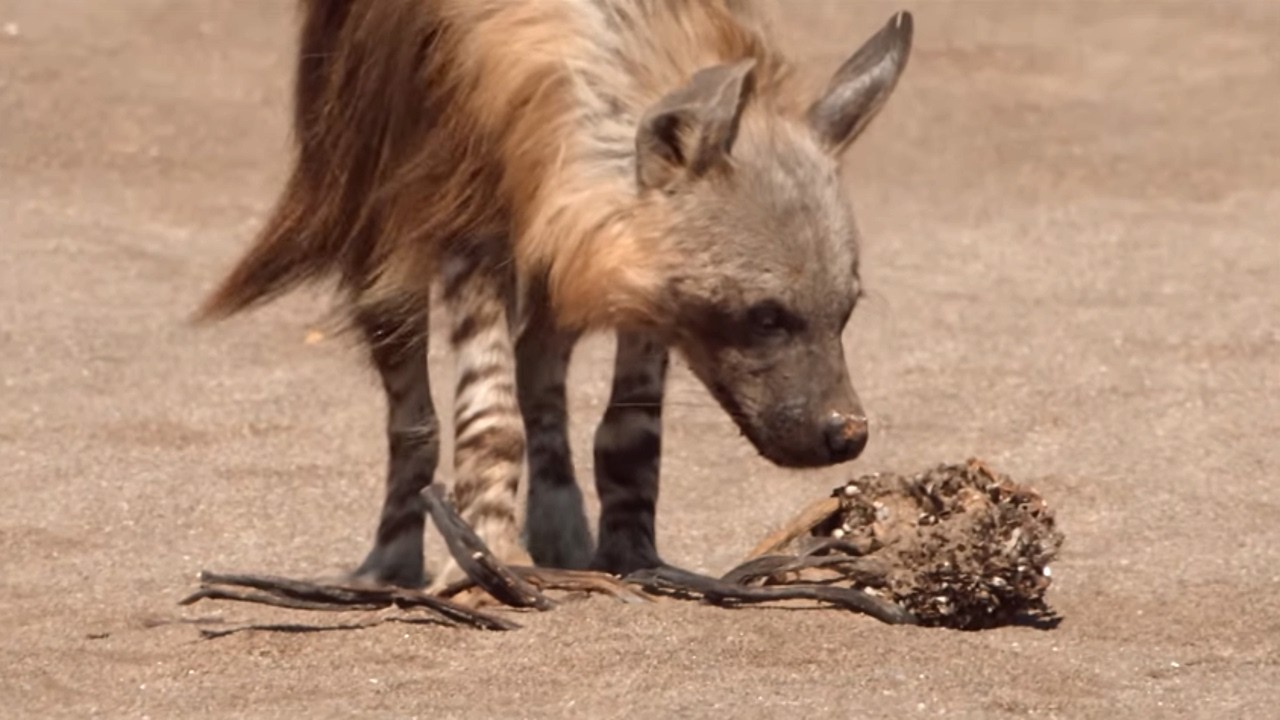
Only eight thousand brown hyenas remain in the wild, with many finding refuge along Namibia's Skeleton Coast, a harsh and arid environment.
Morocco currently imports about 90% of its total energy, relying heavily on coal and oil while seeking to transition to renewable sources.
Earth's population surge to nearly 8 billion raises urgent questions about resource sustainability, urban pressures, and the need for global family planning efforts.
A 3-meter-high house on stilts in Inle Lake is home to a family of farmers and fishermen who adapt their lives to the changing water levels.
In Brandenburg's Falkenthal, the construction of a 179-meter wind turbine aims to supply electricity to 5,000 households, highlighting Germany's commitment to renewable energy.
Dave Cowburn breeds turbot in a WWII bunker while Jersey's potatoes thrive.
Two million wrinkly bats emerge from their cave at dusk, while raptors wait to prey on them, illustrating the region's rich biodiversity.
Route 132, a perilous 1,612-kilometer stretch from Montreal to the Gaspé Peninsula, poses significant dangers due to sudden snowstorms and high winds.
300 people died in the 2009 earthquake that devastated the medieval city of L'Aquila in Italy, leaving 60,000 homeless.
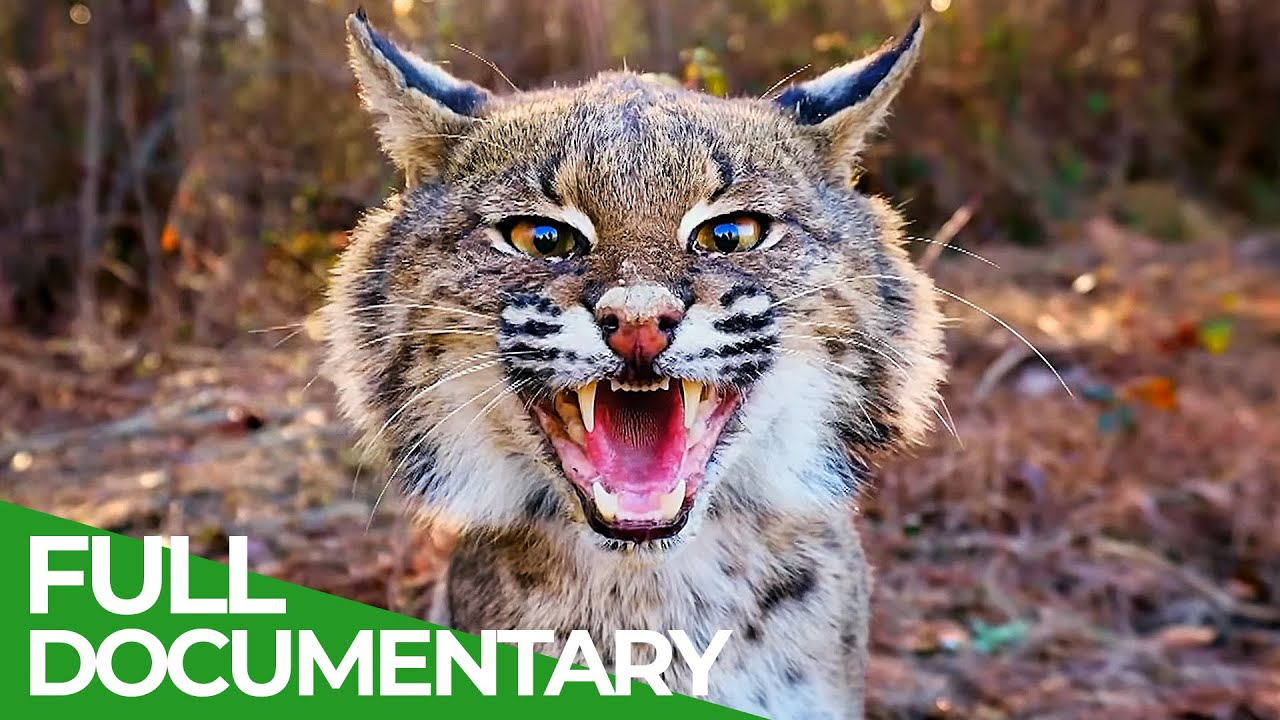
Wild cats, including Cheetahs, Pumas, Jaguarundis, Ocelots, and Bobcats, are explored for their unique behaviors and adaptations beyond the well-known big cats.
As urban populations surge from 10 percent in the early 20th century to 50 percent today, cities face challenges like pollution and resource scarcity while offering opportunities for sustainable building solutions.
A hurricane can unleash as much energy in a day as 10,000 nuclear bombs, causing catastrophic damage to low-lying areas when they make landfall.
North and South America, rich in biodiversity, are home to 14 wild cat species that face significant challenges in their fight for survival.
Kanga Pan in Mana Pools National Park serves as a vital water source for diverse wildlife, while a hidden predator poses a threat to the gathering animals.
On August 6, 2002, the discharge of the Vltava River in Prague reached an alarming 1,500 cubic meters per second during a catastrophic flood event.
Paul Nicklen and Cristina Mittermeier conduct a four-year mission to stop oil drilling in the Bahamas using their photography and social media reach.
More than 100 million monarch butterflies take to the air in Mexico each spring, beginning the longest insect migration on Earth.
Renowned sculptor Andy Goldsworthy creates natural art installations using materials like ice, stone, and leaves in various landscapes across the world.
Avalanche blasters, cold weather workers, tornado hunters, iceberg cowboys, and airspace surveillance systems highlight some of the world's most challenging and dangerous jobs.
In Dry Tortugas National Park, scientists conduct a comprehensive fish census while exploring the health of bottlenose dolphins and the importance of seagrasses and mangroves.
Asteroids, climate change, and planetary phenomena pose significant threats to Earth's future, prompting scientists to analyze potential scenarios for global extinction.
Around 800 brown bears inhabit the Tatra Mountains, where they coexist with domestic animals and face legal hunting limits of 70 to 80 bears each year.
A mother bear with three cubs, just 8 months old, forages for food in autumn to build fat reserves before winter hibernation.
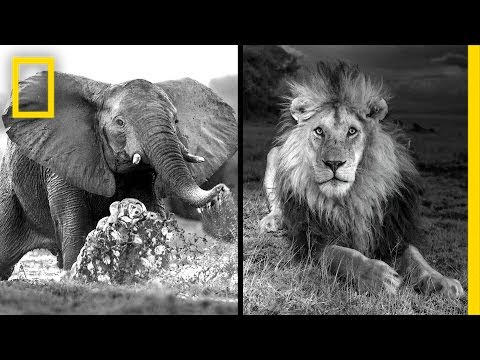
Michael "Nick" Nichols employs advanced technologies to photograph lions and elephants in Africa, aiming to reduce human-animal conflict and prevent extinction.
1,800 kilometers of lagoons and natural lakes in Kerala provide the Malayalis with a vital means of livelihood and cultural expression.
In the Gobi Desert, Mongolian scientists document the rare Gobi bear, one of the world's most elusive species, as part of a new conservation effort.
In the icy waters surrounding the Crozet Islands, a young female killer whale named Delphine learns essential survival skills, including hunting techniques and navigation.
A 400-year-old tree is chopped down by a lumberjack in British Columbia, where 90 percent of the wood is exported to other countries.
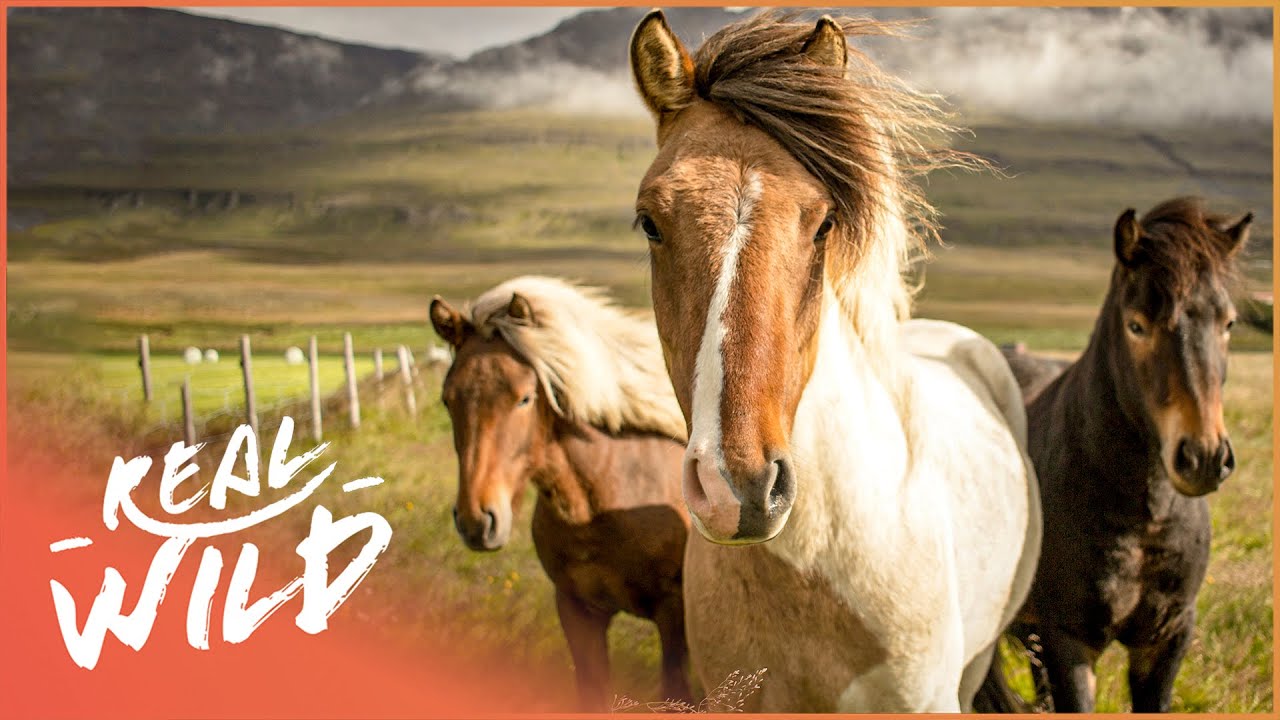
In the North American West, only a few hundred wild mustangs remain, while many in captivity experience severe psychological distress.
In the Florida Everglades, an unprecedented cold snap challenges the invasive Burmese python population, prompting Python Hunters to study and manage their impact.
The Caribbean archipelago showcases diverse wildlife, including nesting leatherback turtles, humpback whales, and resilient island reptiles, shaped by its unique geography.
In Vienna, the birth of Fu Long, a giant panda cub, marked a historic moment for European zoos, showcasing the early life of this endangered species.
In the Straits of Gibraltar, migratory animals, including over 300 million birds and orcas, navigate a complex ecosystem shaped by historical and contemporary challenges.
In the cold steppe of China's wild west, the endangered Wild Yak, a resilient species thriving at 6,000 meters, faces challenges amid rapid development.
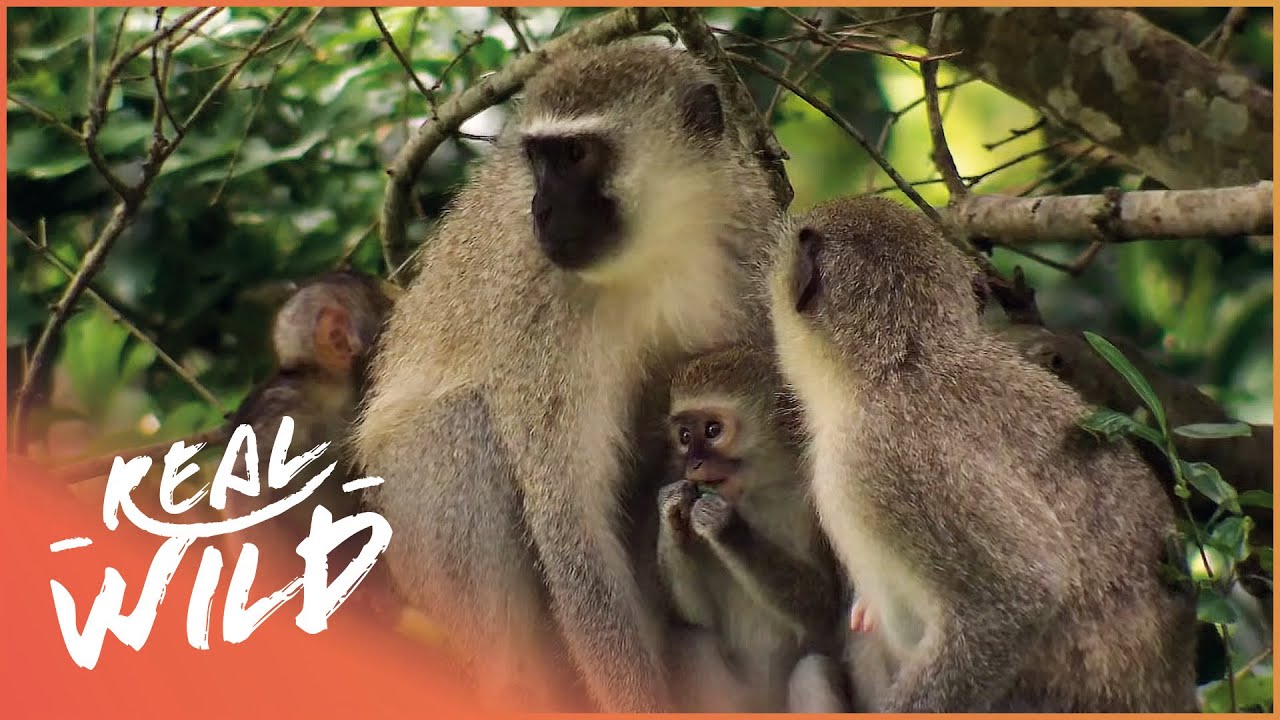
In a luxury golfing estate in South Africa, Vervet Monkeys contend with the encroaching Sugar Cane Gang during the critical Mating Season.
The 2016 Disaster Diaries captures La Nina's powerful impact on global weather in Ultra High Definition.
In Öland, Sweden, a moose detective investigates the mysterious deaths of moose calves, linking potential causes to climate change and food shortages.
In Uganda's Rwenzori mountains, brothers Makumbi and Musa guide a group of foreigners through a surreal landscape of giant bamboo forests and diverse wildlife.
In small farm towns across the United States, farmers like Adam Fox and high school student Clay Althoff face life-threatening risks while working in grain silos.
The M545 X walking excavator weighs 13.5 tons, costs €400,000, and can extend its working arm up to 8 meters while lifting up to 9.5 tons.
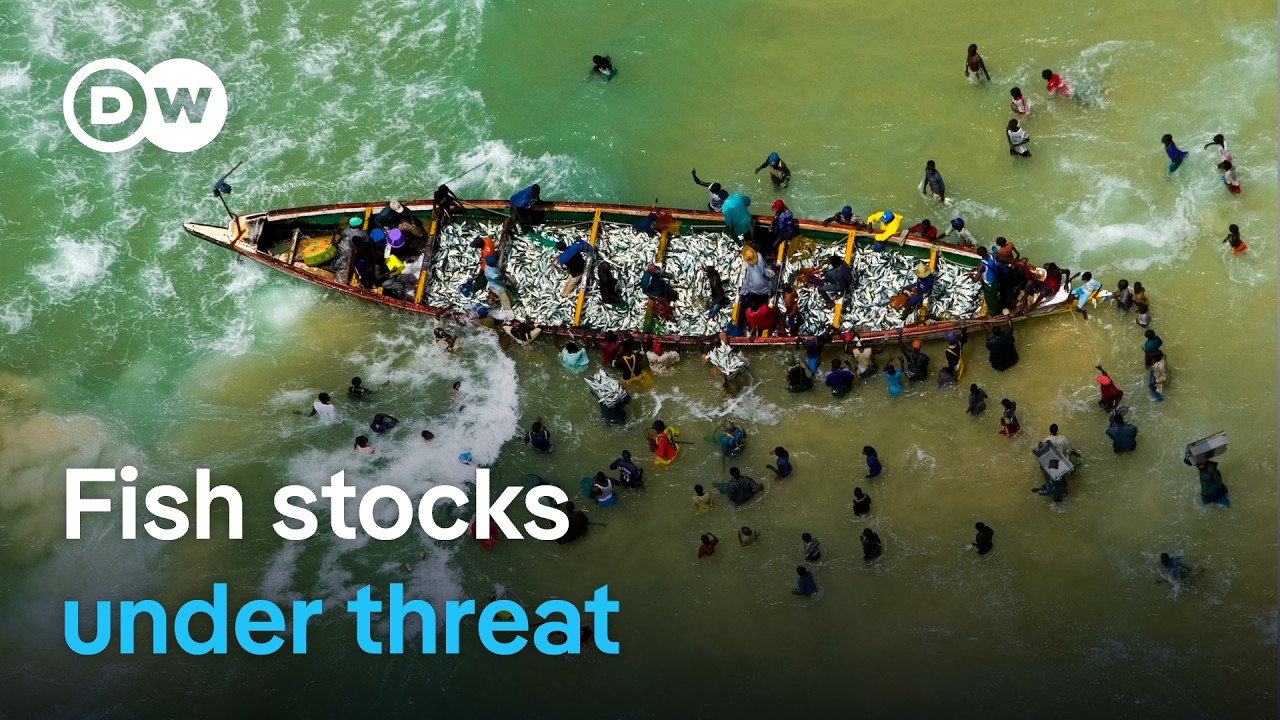
In Senegal, local fishermen face economic instability and cultural loss as overfishing by foreign fleets depletes once-abundant marine resources.