From over 100,000 films, discover the handful you'll love.
Free or premium access to the world's largest documentary library.
7535 films(Page 6 of 157)
Chesapeake Bay has seen a decline from 2 million bushels of oysters caught annually to just 100,000 in recent years due to pollution.
By 2030, continued fossil fuel consumption could trigger irreversible climate events, threatening humanity's survival and prompting global calls for change.
The Upper Middle Rhine Valley, a UNESCO World Heritage site, showcases a rich biodiversity and stunning landscapes, featuring unique flora and fauna along its banks.
A brown bear, one of only 1,500 left in Finland's forests, must protect her cubs from a large male looking for a mate.
Bicycles have transformed transportation for 200 years, promoting climate-friendly travel, inspiring equality movements, and shaping societal change.
Prajwal, the mayor of a remote village, must travel 100 kilometers through the high mountains to deliver essential medicine to 1,500 residents.
A whale shark, nearly 20 meters long, interacts with fishermen in Indonesia, where hunting of the species has been banned to promote conservation.
Frank R Bowerman Landfill in California, the 9th largest in the U.S., processes massive amounts of waste daily using advanced technology and generates significant revenue.
350 people live in Ittoqqortoormiit, a remote Greenland village 800 kilometers from its nearest neighbor, surrounded by towering icebergs and drifting ice.
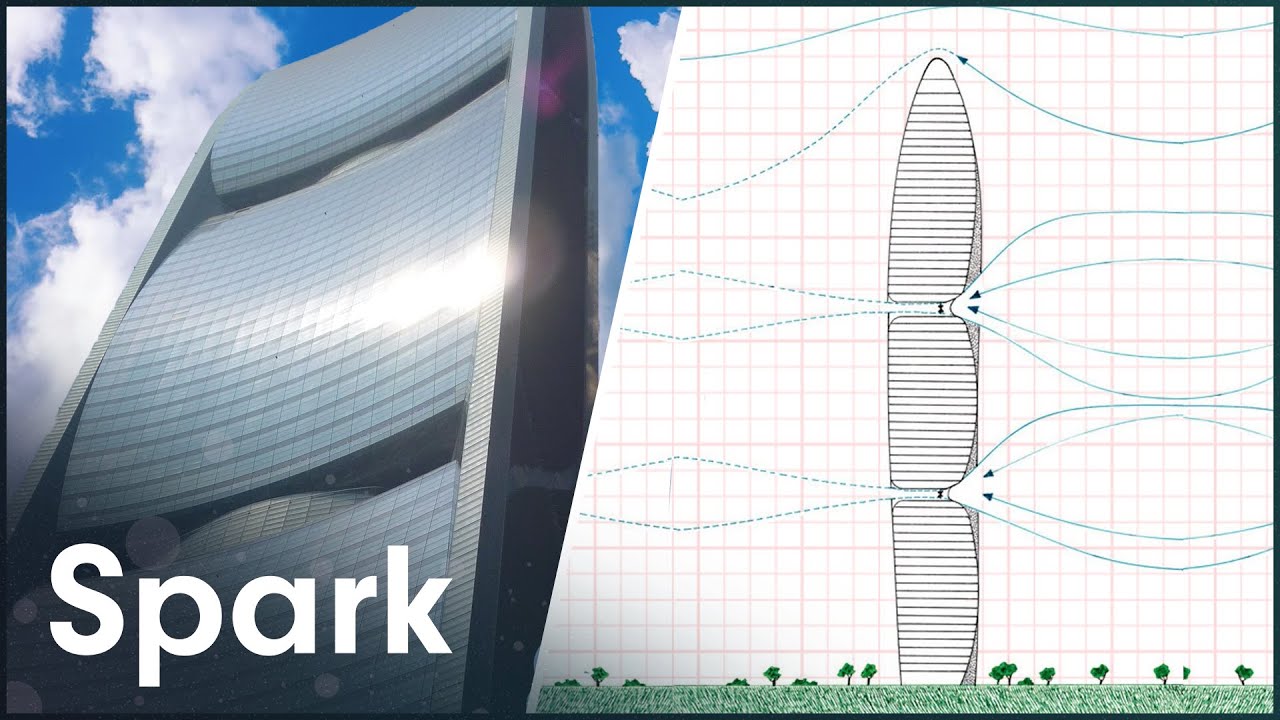
71 stories high, the Pearl River Tower will generate all its own electricity and use 60% less energy than a typical building of its size.
Seven artificial fishing lakes in the region between Cologne and Frankfurt serve as a man-made nature paradise for various bird species, including mute swans and red kites.
In the Great Lakes region, Holly Morris explores the historical significance of these waterways, from Detroit's rum-running trade to modern shipping practices.
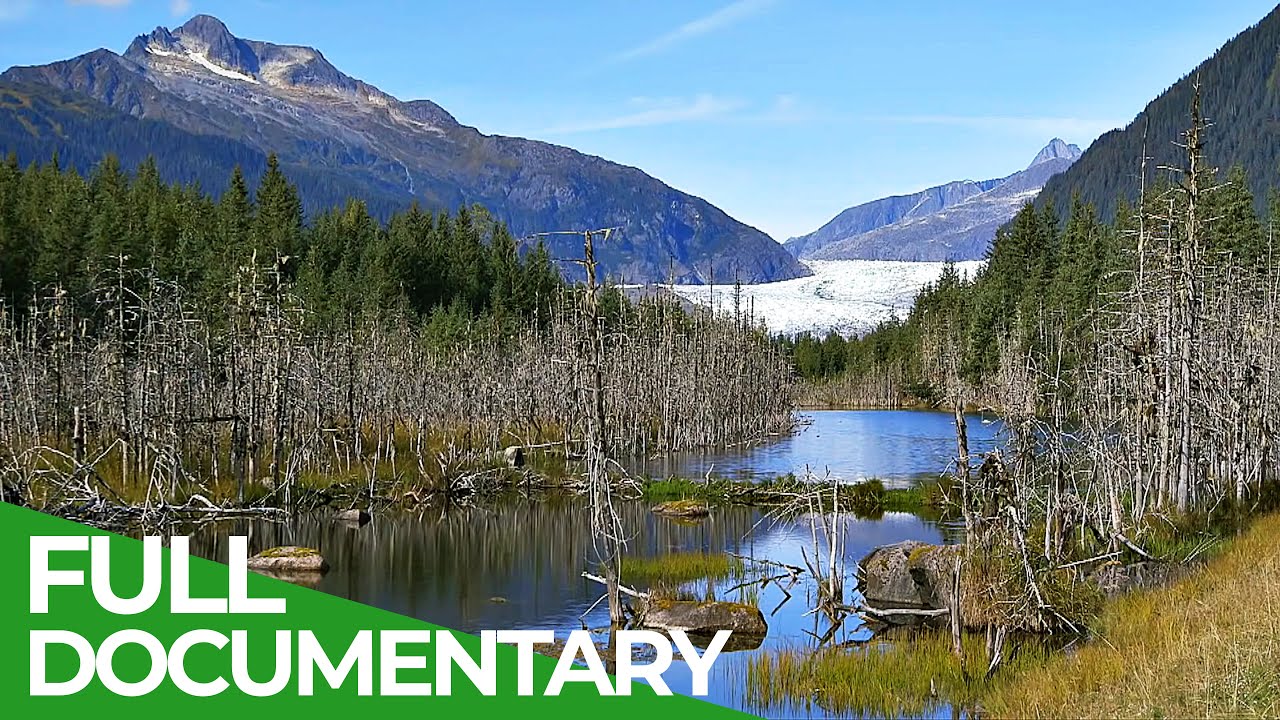
In Alaska's southern region, the vast wilderness between Juneau and the Canadian border features gigantic fjords and over 5,000 small islands.
A female orangutan constructs a nest each night, using her knowledge of branch strength to create a safe sleeping platform 20 meters above the ground.
Five percent of global atmospheric CO2 comes from concrete production, prompting researchers to investigate algae as a climate-neutral alternative.
Switzerland's glaciers lose about 2% of their mass each year, threatening the water supply for millions in central Europe.
Water, essential for life and covering 71% of Earth, remains a mystery in its origins, raising questions about how this vital resource came to be.
In a panda sanctuary in China, conservation efforts focus on breeding and rehabilitating the endangered giant panda to ensure its survival.
A thousand wild horses roam the snowy peaks of Australia, facing predators and harsh conditions in their struggle for survival.
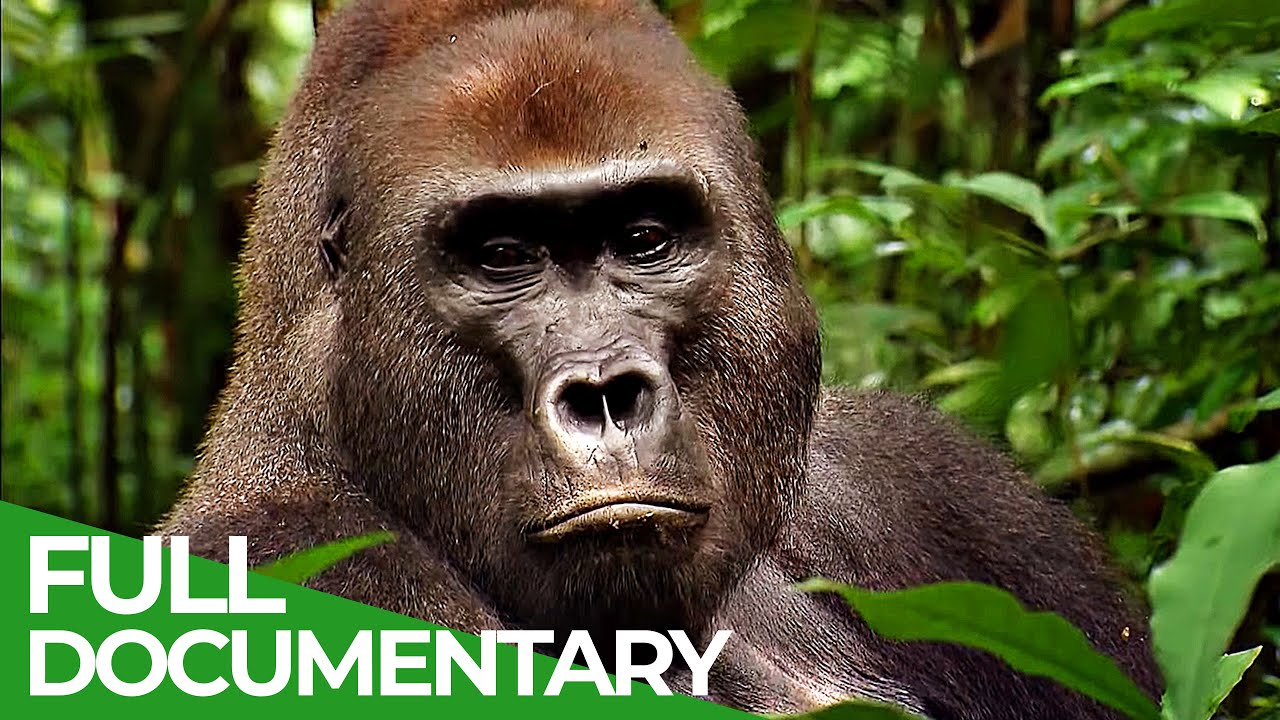
A 200 kg silverback gorilla named Makumba leads his family through a woodland region one-third the size of Manhattan, searching for food and safety.
Ocean surface ecosystems are explored in a 10-hour visual loop showcasing the diverse marine life and environments of the world's oceans.
A mother polar bear must travel over 50 meters with her cubs to reach the nearest seal kill, facing significant challenges in their harsh environment.
California's escalating wildfire crisis prompts young activists and farmers in Chico to support the Green New Deal as a potential solution.
Coastlines showcases a continuous 10-hour loop of serene ocean landscapes, highlighting the beauty of coastal environments in collaboration with BBC Earth and OceanX Media.
In Kosovo, Brown Bears are rescued from captivity by Four Paws and relocated to a sanctuary, while efforts are made to protect a threatened herd of wild horses.
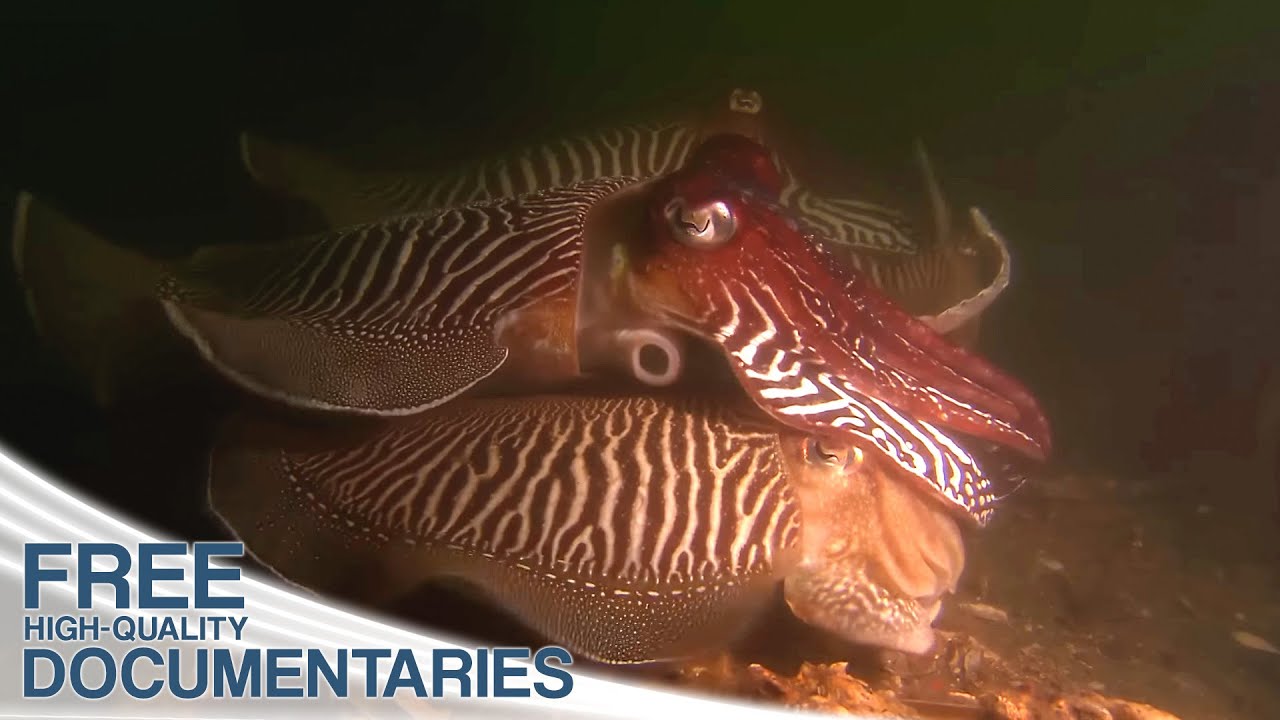
Coral reefs serve as giant submerged metropolises, home to millions of different inhabitants that communicate through sounds, body language, and color patterns.
Temperatures in Yakutsk can drop as low as -70 degrees Celsius, raising concerns about the stability of buildings built on permafrost.
Germany generates around 1.8 million tons of electronic scrap each year, with old devices often discarded despite their potential value as raw materials.
On May 18, 1980, Mount St. Helens erupted, killing 57 people and drastically altering the environment in Washington State.
Three thousand inhabitants rely on tractor deliveries, as it takes over 30 hours to cover just 30 kilometers on Madagascar's treacherous roads.
Extreme weather events in the U.S. are multiplying, with meteorologist John Morales stating, "I don't think meteorologists have lived through an era that's worse than this."
An adult bear can gain up to 180 kilos during the summer months as it feeds on plants and prepares for hibernation.
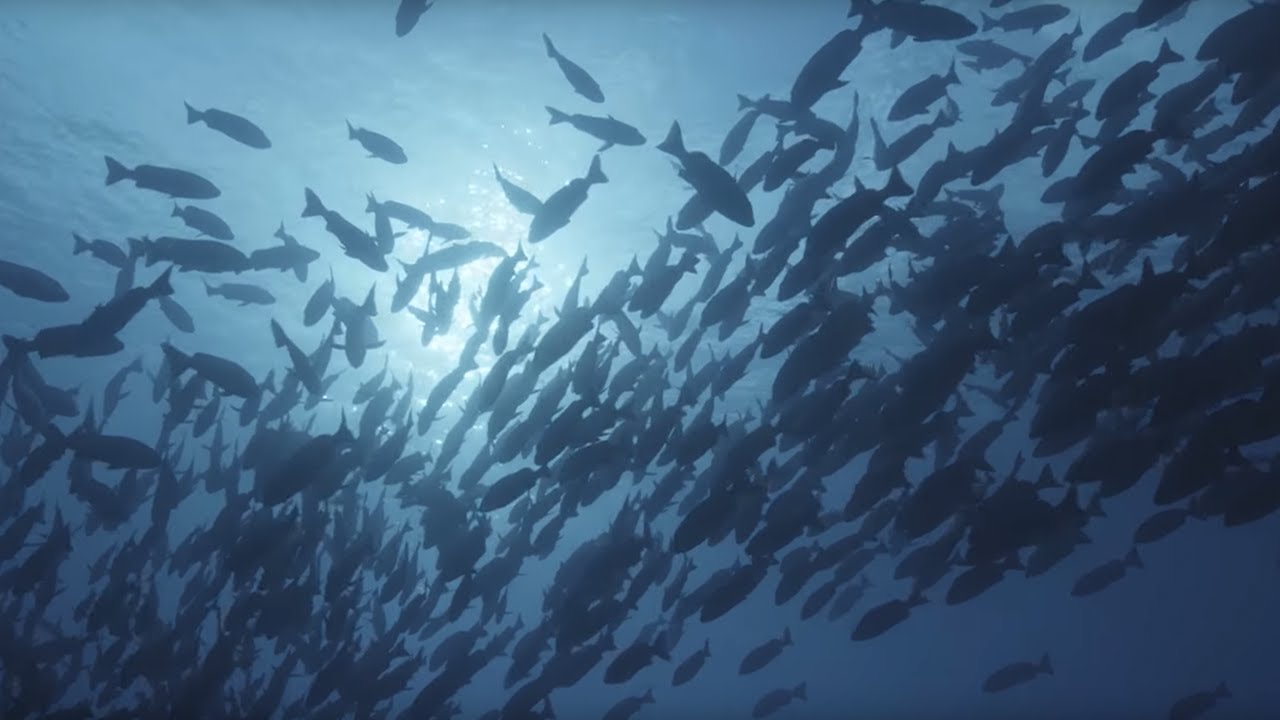
Roca Partida, a long extinct volcano rising 30 meters from the water, attracts large numbers of fish and marine predators, creating a unique underwater ecosystem.
A desert hedgehog can survive long periods without water by relying on juicy grubs to quench its thirst in extreme heat.
Mobile phones, produced under harsh conditions in Chinese factories and dangerous mines in Africa, reveal the hidden human and environmental costs of the industry.
In Brandenburg, Germany, the construction of a 179-meter wind turbine in Falkenthal aims to supply electricity to 5,000 households annually.
Forever chemicals, found in 97% of Americans' blood, contaminate farmland and food supply, raising urgent questions about government inaction on toxic sludge.
Yosemite National Park showcases diverse ecosystems, from lush valley floors to towering alpine peaks, highlighting the wildlife that thrives in this iconic landscape.
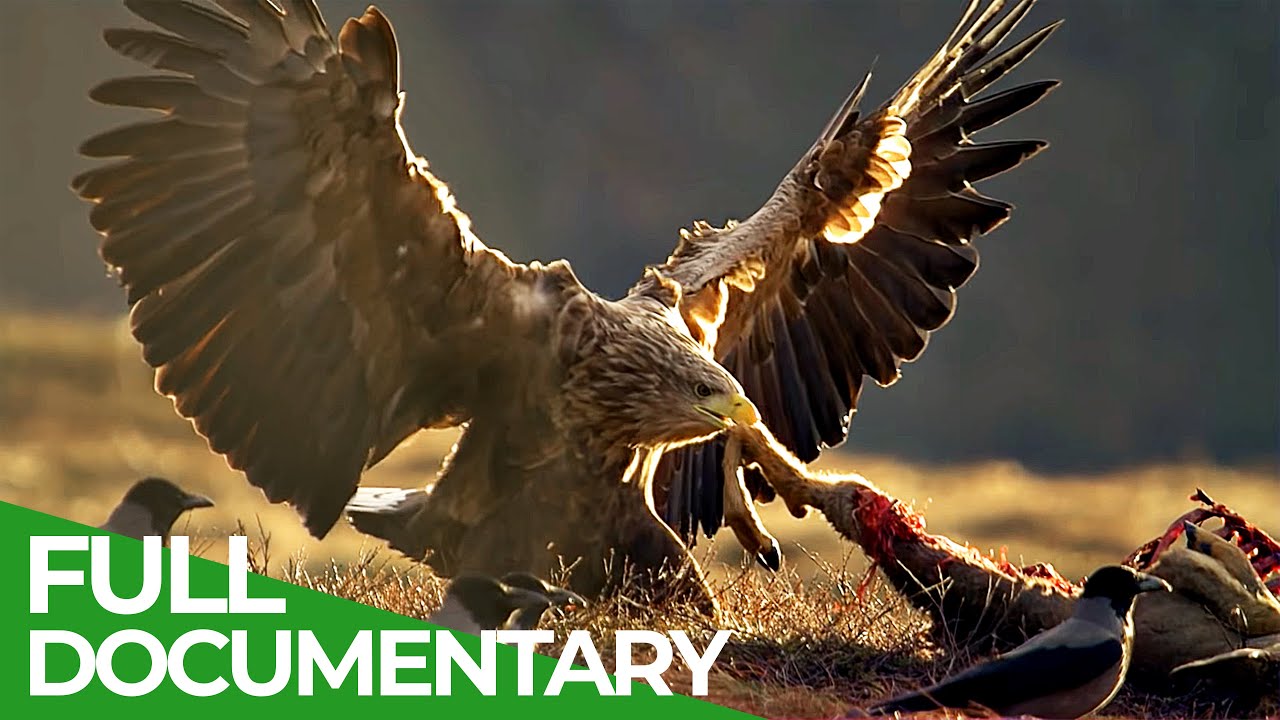
Half a kilo of fish per day is enough for a sea eagle, which relies on the hunting successes of orcas and humpback whales for its meals.
Freediver Frederic Buyle and underwater cameraman Christian Petron dive to depths exceeding 50 meters to study marine life, including great white sharks.
The ITER project, the largest fusion research initiative in the world, aims to create a Tokamak reactor that will weigh 23,000 tons.
Melting glaciers in the Alps reveal World War I relics, a WWII Nazi aircraft, a 4,500-year-old mystery box, and a tragic love story from 1942.
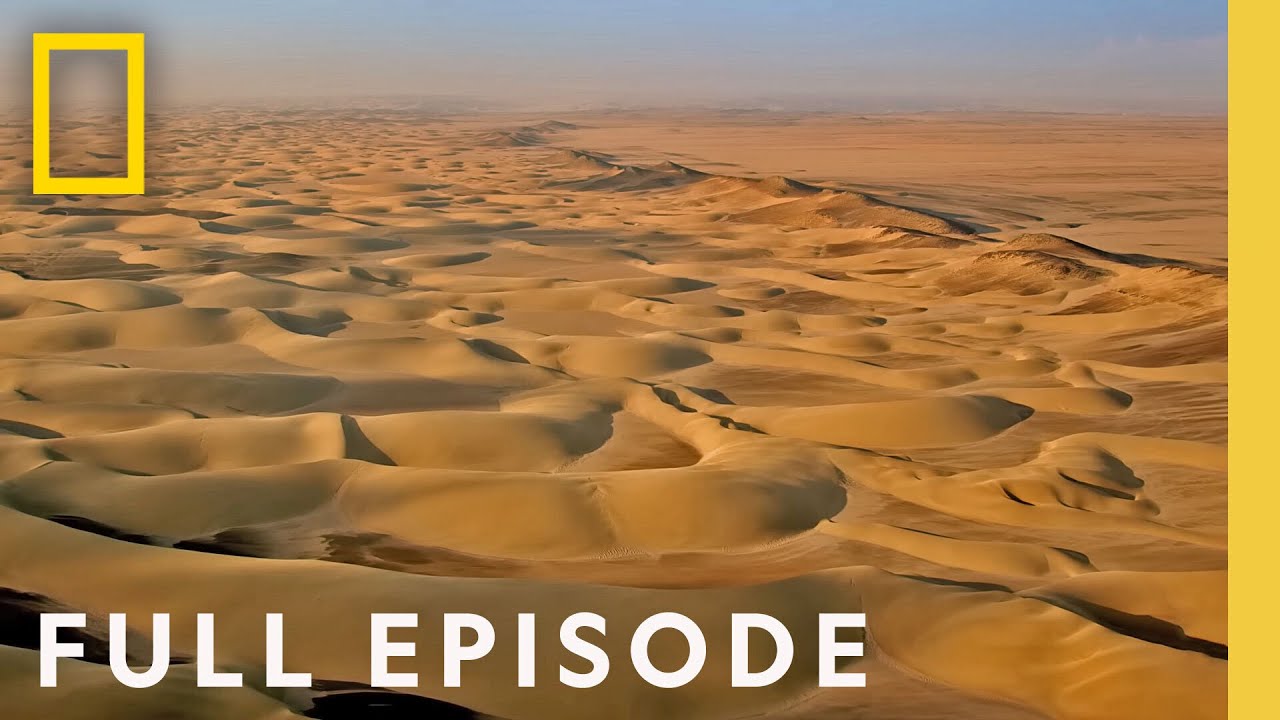
Global temperatures are rising three times faster than the average, forcing desert animals to adapt to increasingly harsh conditions.
Approximately 100,000 residents were left behind in New Orleans as Hurricane Katrina approached in August 2005, facing a chaotic evacuation.
1,000 Northern gannets breed on Helgoland, a vital habitat threatened by erosion and storm floods in the North Sea.
Snowflakes form unique six-pointed crystals as winter transforms landscapes, while animals adapt to survive harsh conditions and find food.
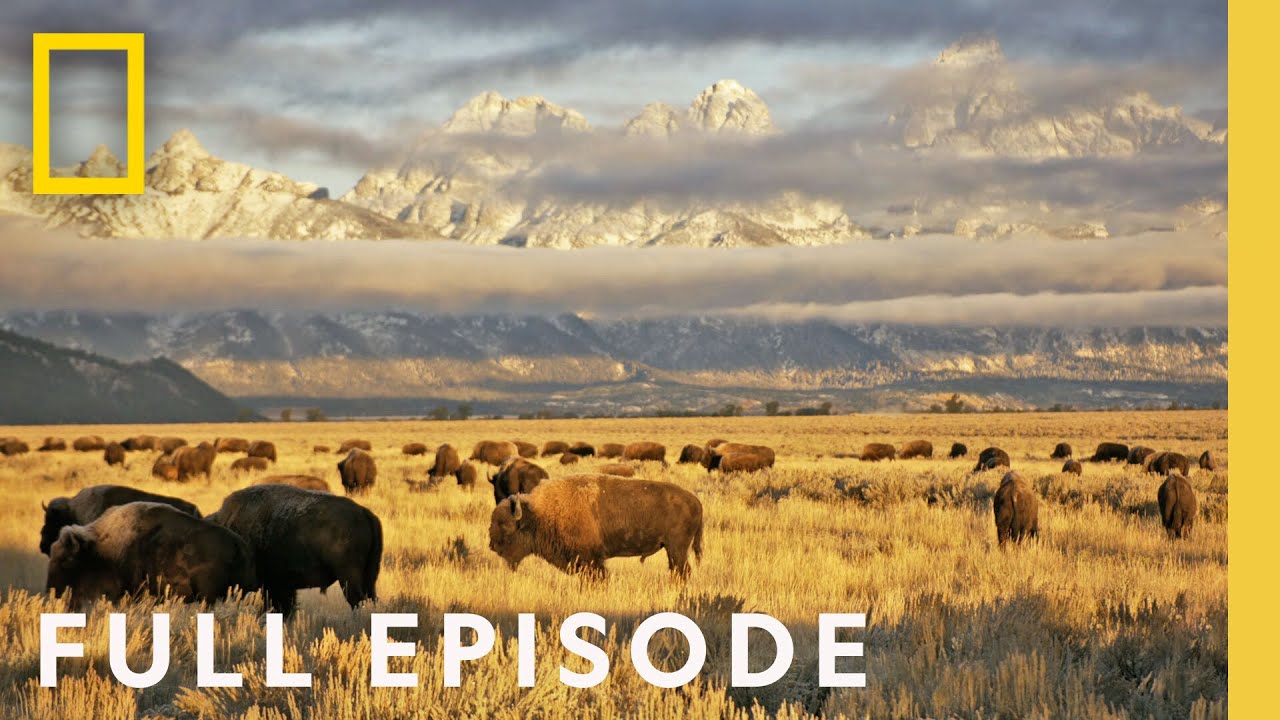
America's public lands face significant threats from extractive industries and political interests, highlighting the urgent need for their protection.
Nausicaá's expansion includes a giant tank with a capacity of 2.6 million gallons, equivalent to four Olympic-sized swimming pools.