From over 100,000 films, discover the handful you'll love.
Free or premium access to the world's largest documentary library.
7535 films(Page 62 of 157)
Cunning capuchin monkeys in Brazil, pink dolphins in the Amazon, and majestic jaguars highlight the diverse wildlife of Latin America.
Environmental illnesses affect many, as illustrated through the lives of three families grappling with debilitating sensitivities to everyday substances.
Half a million birds from over 350 species rely on Keoladeo National Park for habitat and sustenance, making it a critical sanctuary for wildlife.
A mile-deep chasm formed between Africa and Arabia created the Red Sea, which is home to diverse marine life and unique coral ecosystems.
1 gram of mercury can make the fish in a 20-acre lake unsafe to eat for a year, illustrating the widespread dangers of mercury pollution.
Autumn showcases how wildlife and plants prepare for winter, highlighting the Red Deer rut, migrating Cranes, and the survival strategies of hedgehogs and squirrels.
The Modulo Sperimentale Elettromeccanico (MOSE) system features mobile gates designed to protect Venice from flooding, showcasing advanced engineering and technology.
Coral reefs around the world face severe threats from climate change, pollution, and overfishing, leading to significant ecological decline.
Peter and Angelika respond to a call to rescue two black bear cubs orphaned by a car accident while also managing a second rescue mission.
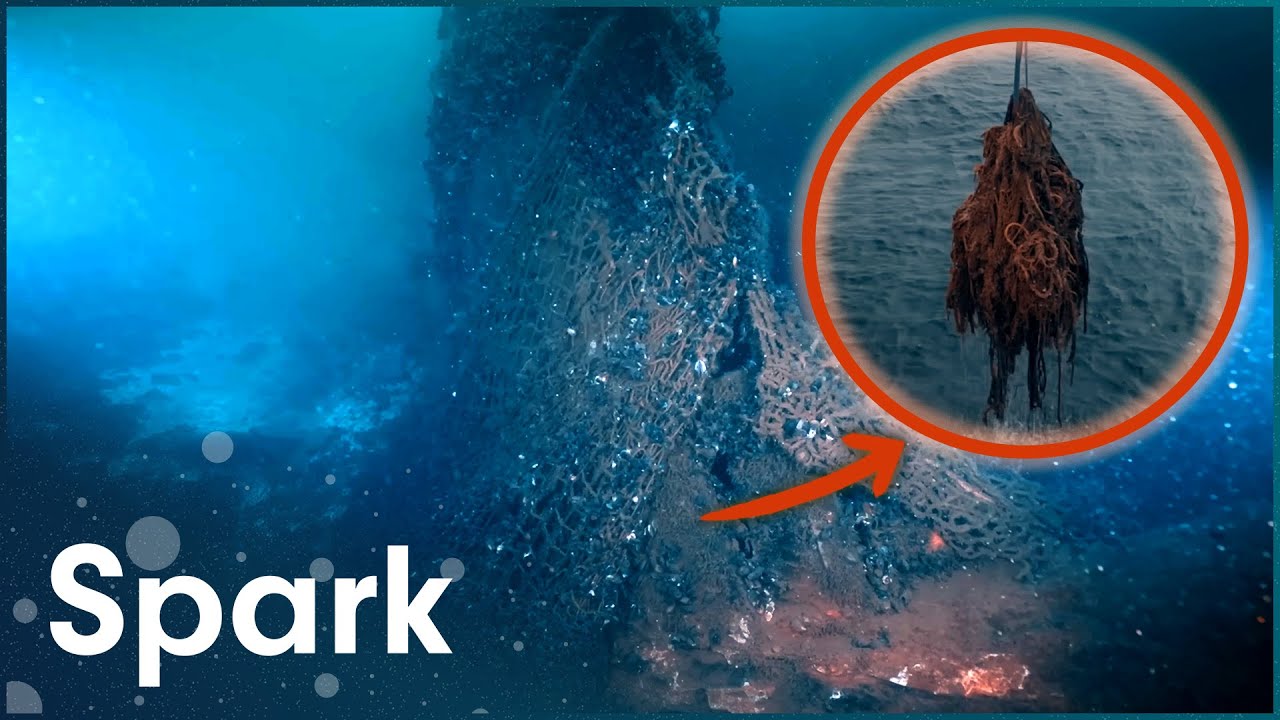
Baltic Sea Divers team, led by biologist Lena Platt, conducts high-stakes salvage operations to remove hazardous ghost nets from the wreck of the Friedrich Engles.
With 13,000 active volcanoes worldwide, experts assess the imminent threats posed by Mount Rainier and Mount Vesuvius, focusing on eruption predictions and potential impacts.
Lithium, crucial for electric vehicle batteries, could make Europe self-sufficient, but responsible mining practices are essential to preserve local cultures.
Asteroids, often seen as remnants from the solar system's formation, are the focus of recent robotic missions by NASA and other space agencies to retrieve samples and enhance understanding of their origins.
Two thousand years ago, cats were revered on the island of Cyprus for their ability to control snake populations, challenging modern superstitions about their nature.
In the Australian Alps, the survival of unique wildlife like the Wombat and the endangered Mountain Pygmy Possum is threatened by ecological challenges and the overpopulation of Brumbies.
Coral reefs off the Australian Northern Coast support diverse marine life and highlight the ecological importance of these underwater ecosystems.
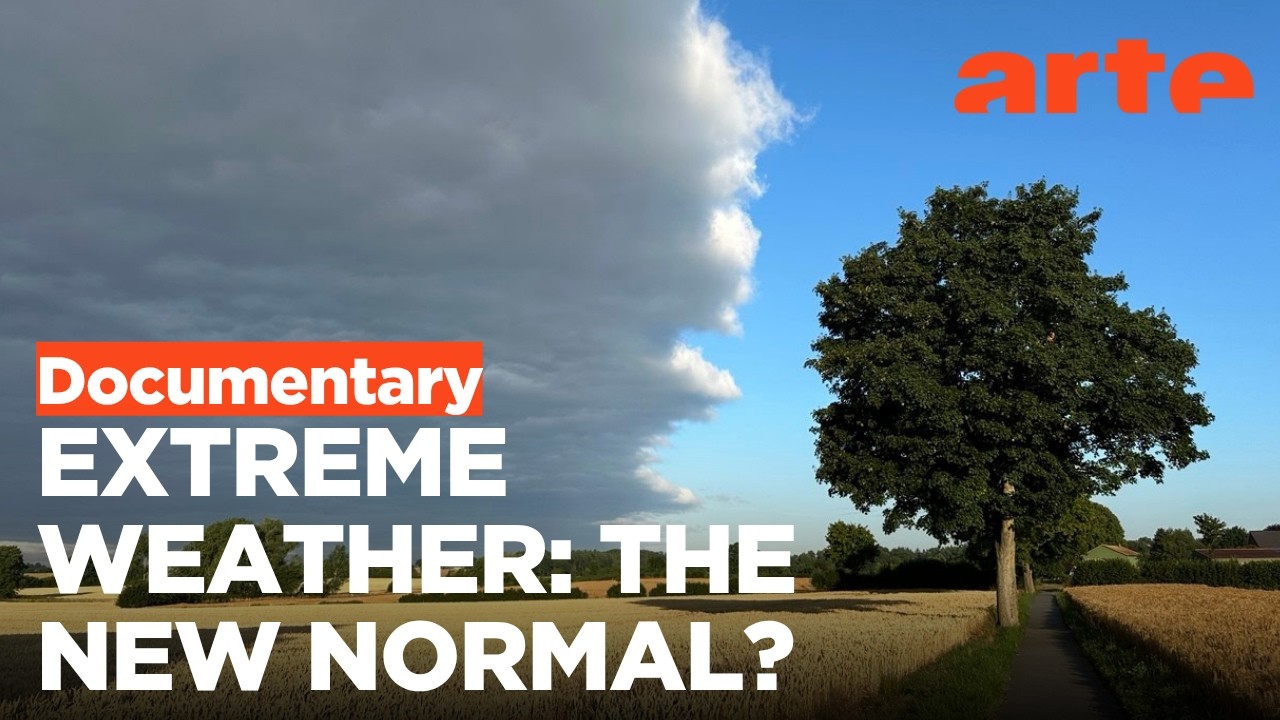
Extreme weather events, driven by climate change, threaten ecosystems and food security as scientists and local stakeholders confront the challenges of drought and heavy rainfall.
Canary pine forests thrive on volcanic cones, showcasing unique adaptations that support diverse wildlife, including the blue finch and Barbary falcon.
In the Mongolian Gobi Desert, a team of experts employs thermal technology and satellite tracking to document the elusive behavior of snow leopards.
Nick Nirut investigates reports from villagers in the Tenasserim forest of Thailand and Myanmar about mysterious snake eggs believed to belong to a blood python.
The financialization of water is creating monopolies and new power dynamics, as banks like Goldman Sachs and Deutsche Bank invest billions in this vital resource.
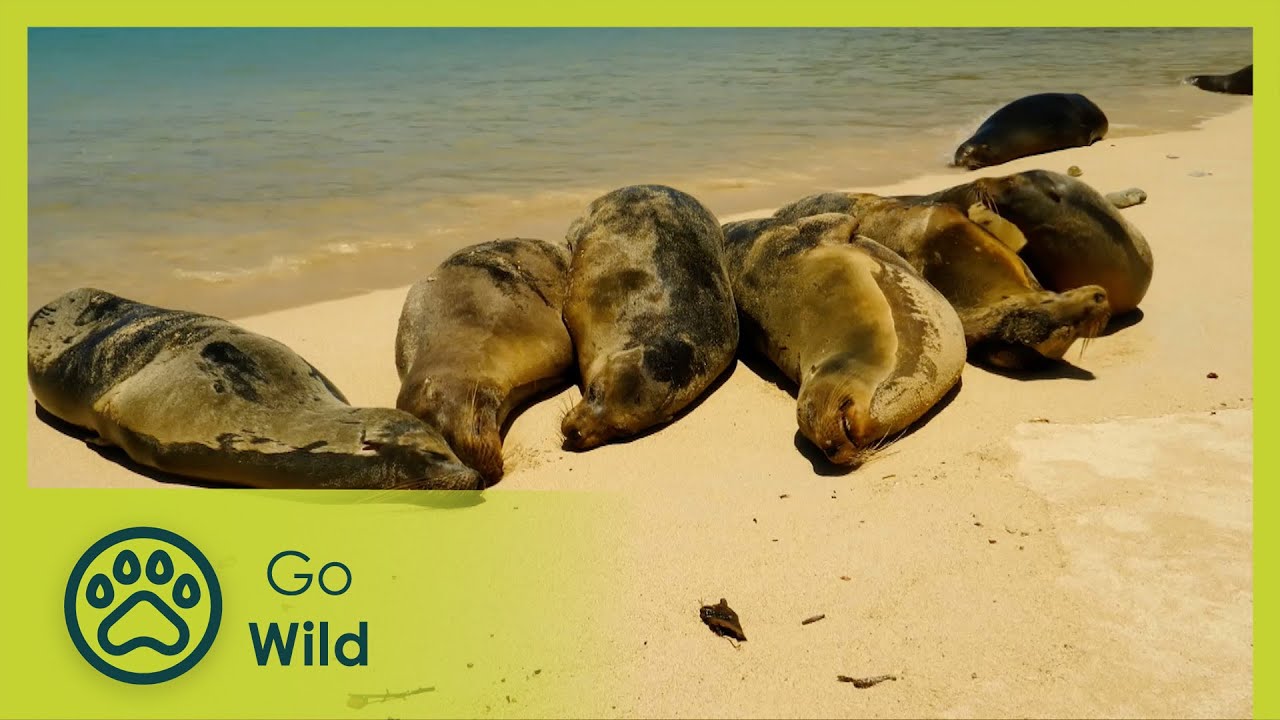
In the Galapagos Islands, the garua season transforms the landscape with fog and rain, revealing both barren volcanic isles and lush tropical rainforests.
2012 was the hottest year on record in the United States, marked by extreme weather events and rising sea levels linked to climate change.
Food production practices threaten the environment, as highlighted by Kate Winslet, Anthony Robbins, and Richard Branson in this urgent documentary.
Abruzzi's chamois, an ancient species endemic to the Apennines, face serious threats alongside the last snowfinches and the rare Ursini's viper in Central Italy.
At the annual Open House event at the Northern Lights shelter, Angelika attempts to rescue a fawn injured by dogs while Kim manages the crowd's impact on a shy bear cub.
Angelika faces a crisis when two bear cubs escape due to an unlocked cage, while Peter attempts to capture a clever wolf named Odin.
Scipio, the lion king, forms a coalition to reclaim his territory as Jorge Alesanco reflects on his 3,000 nights spent with the pride.
Wapiti, also known as elk, inhabit Yellowstone National Park, where they thrive in a diverse ecosystem covering 9,000 square kilometers.
Since 2003, climate warming in the Alps has led to changes in weather patterns, resulting in more rain and less snow for local communities.
American beavers are highlighted as crucial allies in combating drought and restoring ecosystems in Yellowstone National Park amid rising environmental challenges.
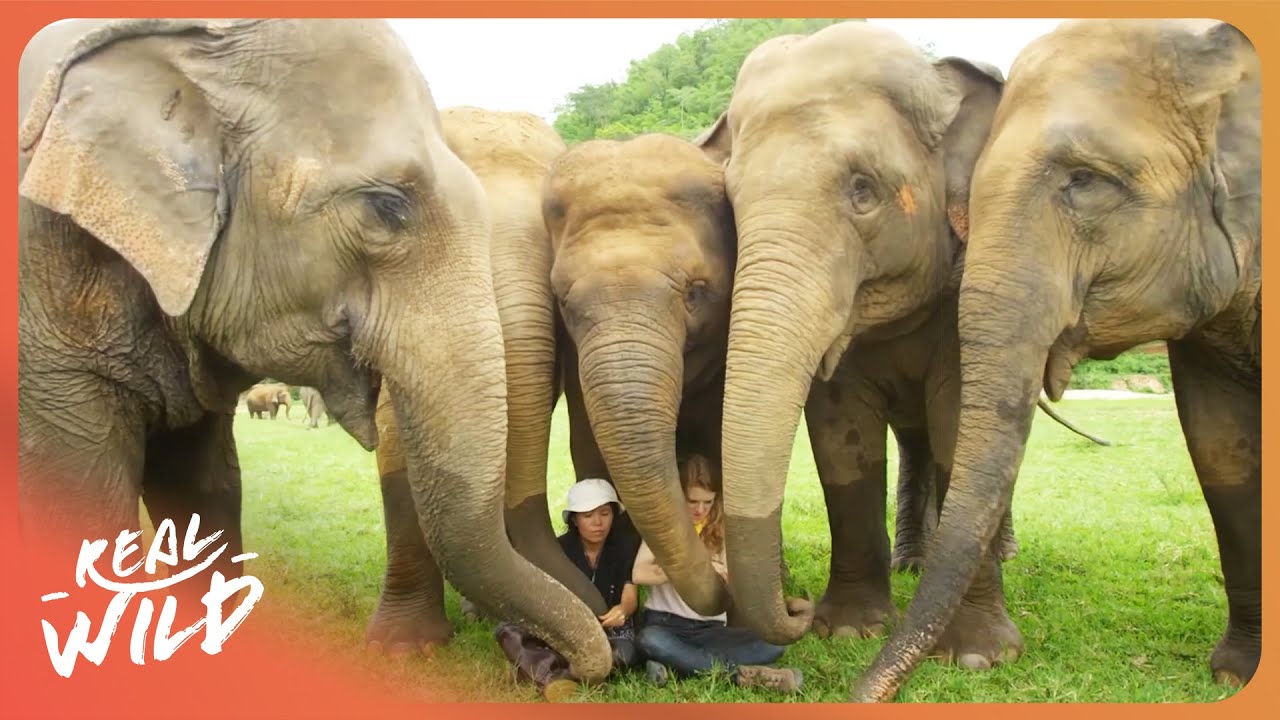
Lek Chailert's mission to rescue Noina, a blind Asian elephant from the trekking industry in Thailand, highlights the brutal realities of elephant captivity and tourism.
According to tradition, entire families join in for the harvest, which takes weeks to pick, sort, and process the fruit in the orchard.
Sardinia's unique wildlife, including endemic red deer and vultures, offers insight into the island's ancient history and the mythical Tyrrhenia.
In Costa Rica, conservationists and marine biologists work to protect endangered sea turtles from habitat loss, poaching, and climate change along the Pacific coast.
Brown bears, American black bears, and polar bears are examined for their survival strategies and ecological importance amid environmental challenges.
Rising sea levels and stronger storms are prompting cities like New York and Louisiana to adopt innovative infrastructure strategies for climate resilience.
In the Andes Mountains of Ecuador, local communities and conservationists are working to protect the cloud forest ecosystem from deforestation while promoting sustainable tourism.
Alaska's Arctic National Wildlife Refuge faces a contentious debate over oil drilling, pitting local subsistence lifestyles against potential economic benefits.
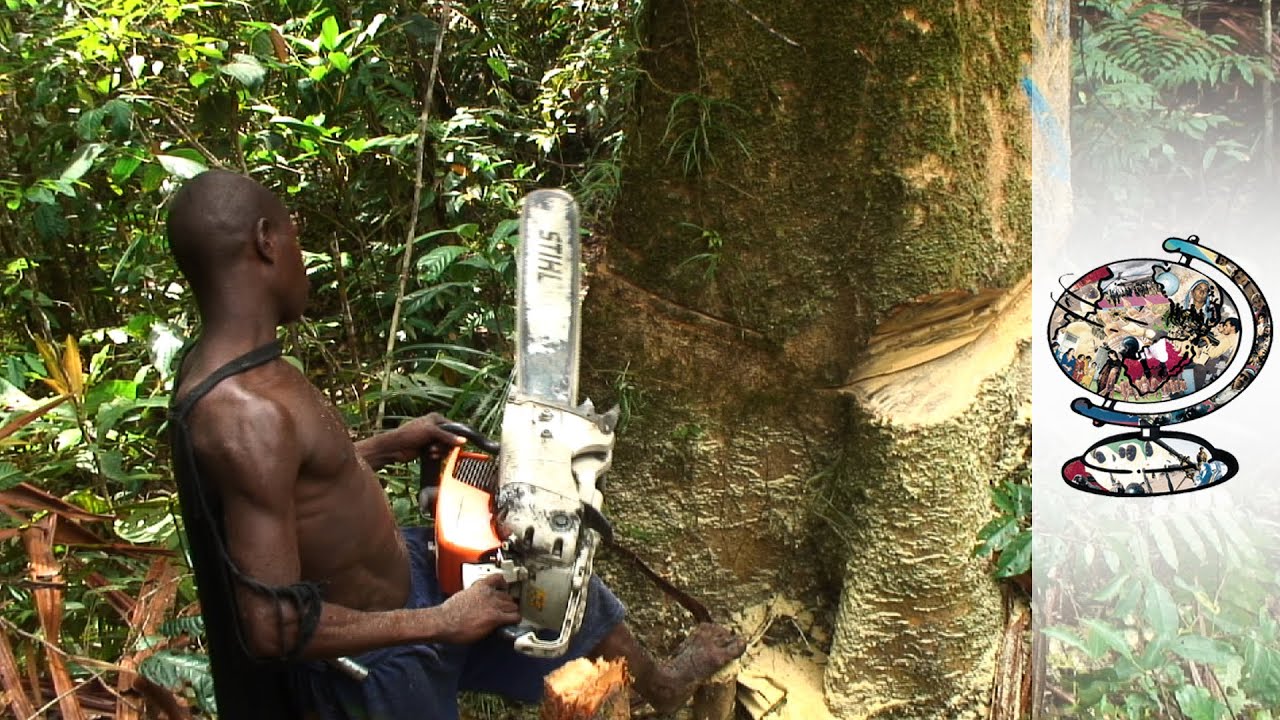
Indigenous communities in Papua New Guinea face dire consequences from deforestation, relying on exploitative companies for survival amid broken promises and environmental degradation.
In the sand forest of Africa, Brittany, Anga, and Bruce search for elusive leopards while waiting in the bush after a punctured tire leaves them stranded.
The US produces nearly 25% of the world's carbon dioxide emissions, despite having only 5% of the global population.
Dr. Francis Lajara de los Reyes discusses wastewater management processes at the North Cary Water Reclamation Facility in North Carolina.
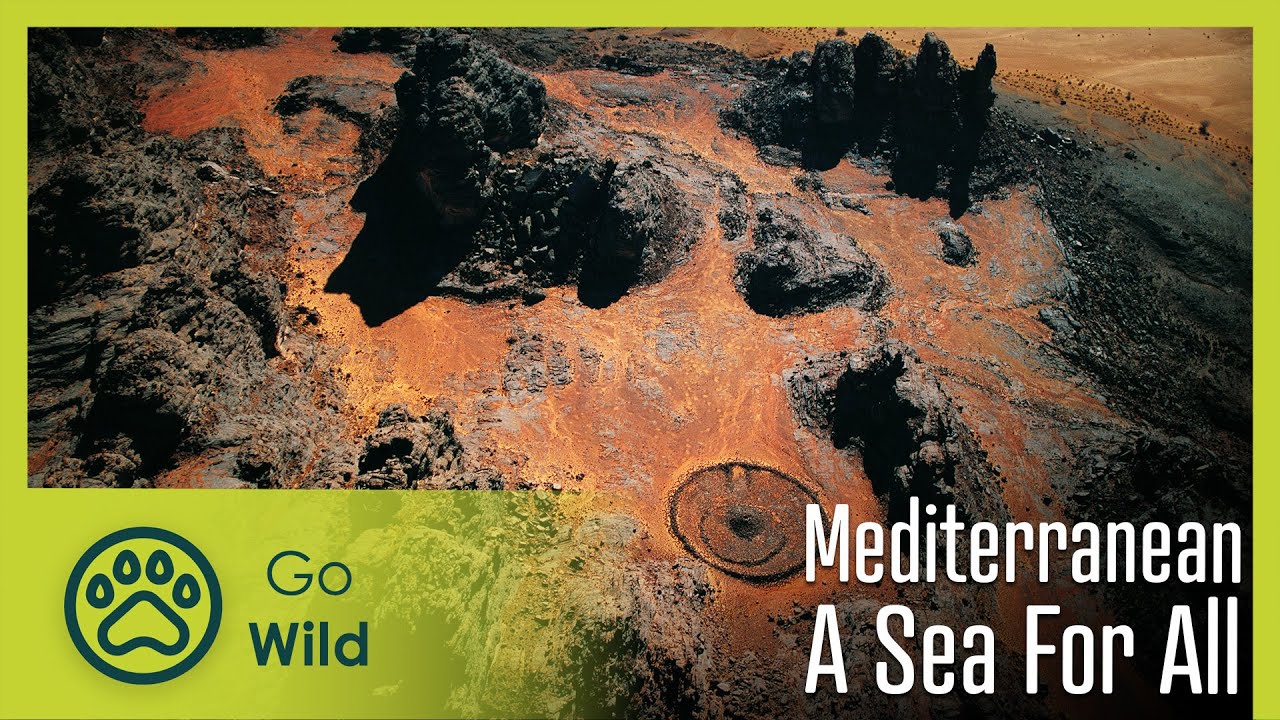
The Mediterranean region, a cradle of civilization and birthplace of Judaism, Christianity, and Islam, is explored through its natural landscapes and human history.
A large beaver dam serves as a habitat for diverse wildlife, including damselflies, black terns, purple herons, and white-tailed eagles.
95% of all species disappeared during past mass extinctions, with human activities now threatening the survival of many more.
Rising water levels along the Mississippi and Missouri Rivers threaten local communities, contaminate drinking water, disrupt shipping, and impact businesses.
Germany aims for 50% of its energy to come from renewable sources by 2050, driven by the landmark EEG law mandating above-market rates for renewable electricity.