From over 100,000 films, discover the handful you'll love.
Free or premium access to the world's largest documentary library.
7535 films(Page 71 of 157)
In the Colorado Rockies, Sarah's team faces snowstorms and freezing temperatures while constructing her dream container home as they strive to create a cozy sanctuary.
Menstrual blood, totaling approximately 100 million litres disposed of monthly, is explored for its potential uses in regenerative medicine and sustainable agriculture.
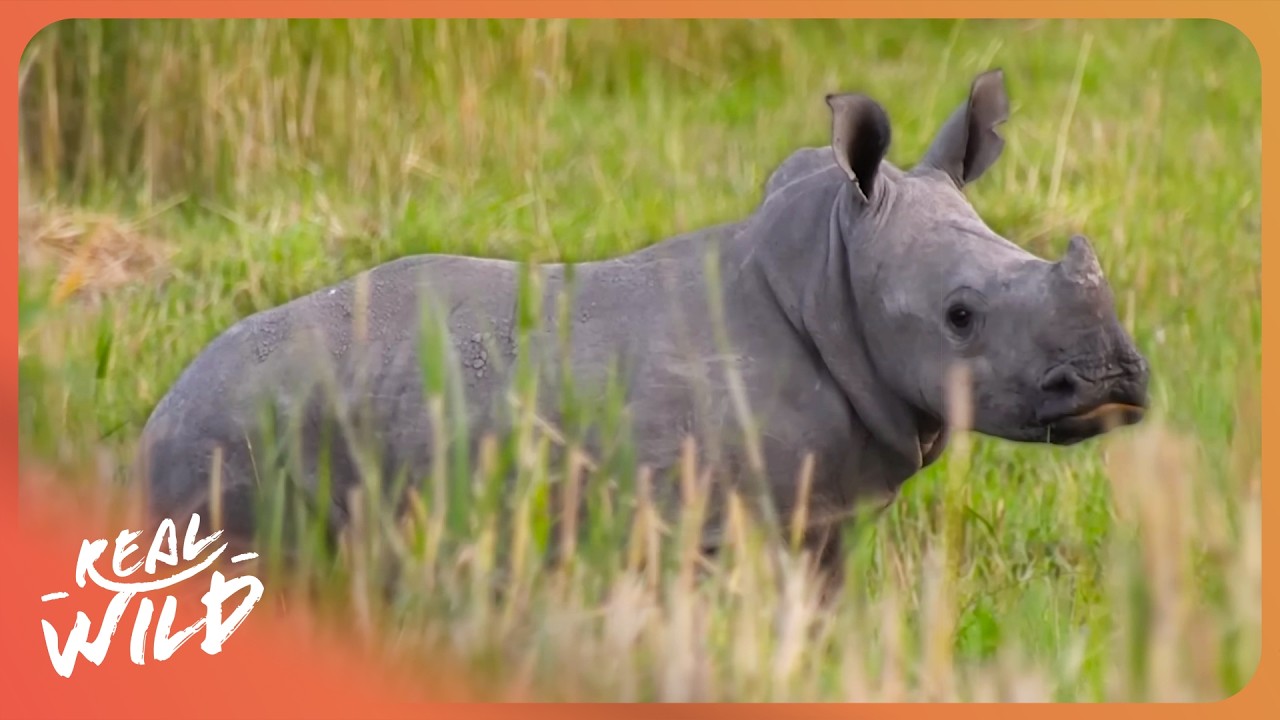
In Matobo National Park, Zimbabwean conservation efforts focus on dehorning white rhinos to protect them from poaching and ensure their survival.
Botanist Peter Latz studies the fire sensitivity of plants in the West MacDonnell Ranges, revealing how fire has shaped Australia's arid landscape.
A 20-minute lecture by feminist theologian Elizabeth Dodson Gray addresses the global environmental crisis and its roots in patriarchal beliefs.
Nick Nirut and Seri Nakboon explore limestone mountains in Kanjanaburi province to locate a rare snake species found only in this region.
The Syr Darya, a nearly 3,000-kilometer river flowing from Kyrgyzstan through Kazakhstan and Uzbekistan, remains the last source of water for the dwindling Aral Sea.
In the humid lowlands of Cameroon and the misty peaks of Uganda, the survival of the last 800 mountain gorillas and other wildlife is explored in their natural habitats.
The peaks of Ecuador's volcanoes experience extreme temperature shifts, with nights resembling polar winters and days reaching hot equatorial summer.
In Yellowstone National Park, a mother river otter navigates the challenges of winter survival while raising her pups amidst threats from coyotes and other predators.
Lake Lure, NC features Nick Kessler and Brian Fulmer as they explore Chimney Rock State Park, dine at Medina’s Village Bistro, and cruise the lake made famous by Dirty Dancing.
Lake Lugano, straddling the border of Switzerland and Italy, showcases a unique ecosystem where ancient traditions of fishing and winemaking coexist with diverse wildlife and geological history.
In the rugged mountains of Nevada, a partnership between hunters and biologists is expanding the range of Bighorn sheep through innovative conservation efforts.
In the frozen Baltic Sea and Scandinavian forests, young animals like gray seal pups and goldeneyed ducklings face deadly predators and harsh climates.
In Kenya's western Mara, hippos and crocodiles interact in the Mara River, showcasing their social dynamics and survival strategies in a vital ecosystem.
Impoverished oil-producing communities in Nigeria face environmental devastation and corporate neglect, leading to escalating tensions and demands for justice against Shell.
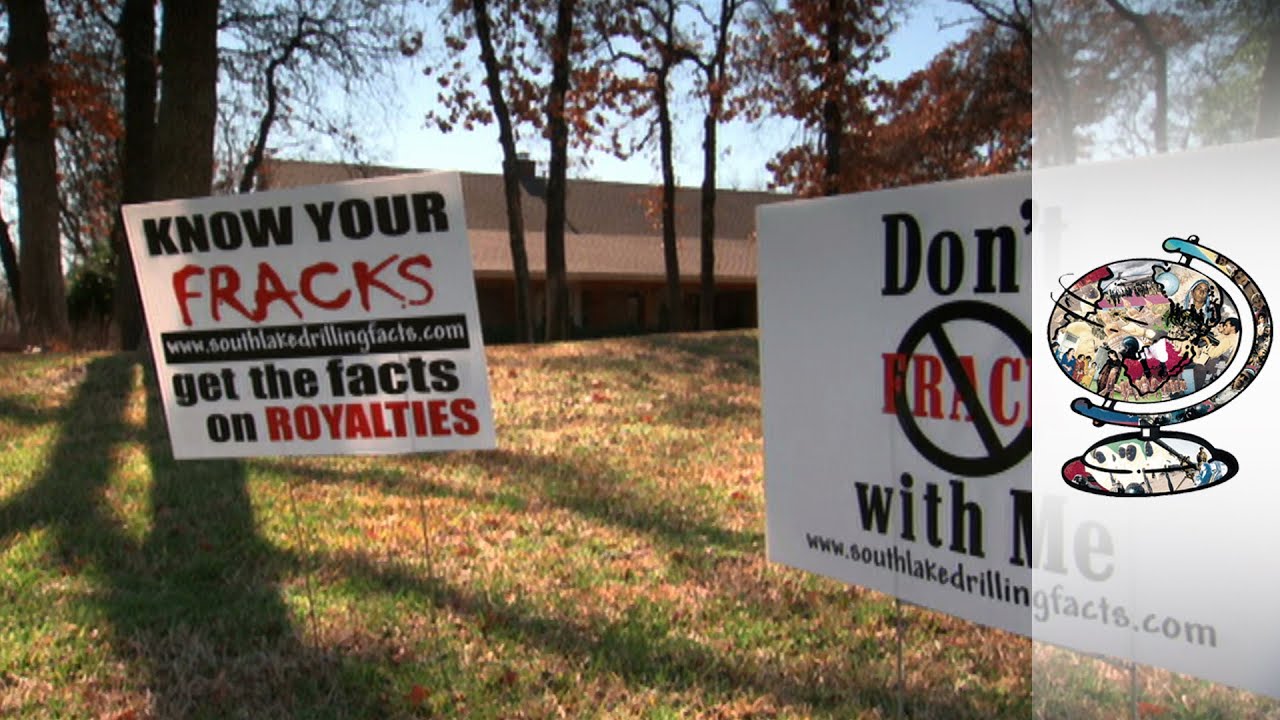
Fracking, a controversial method of extracting oil and gas from shale, raises significant environmental and health concerns as it transforms residential areas into industrial zones.
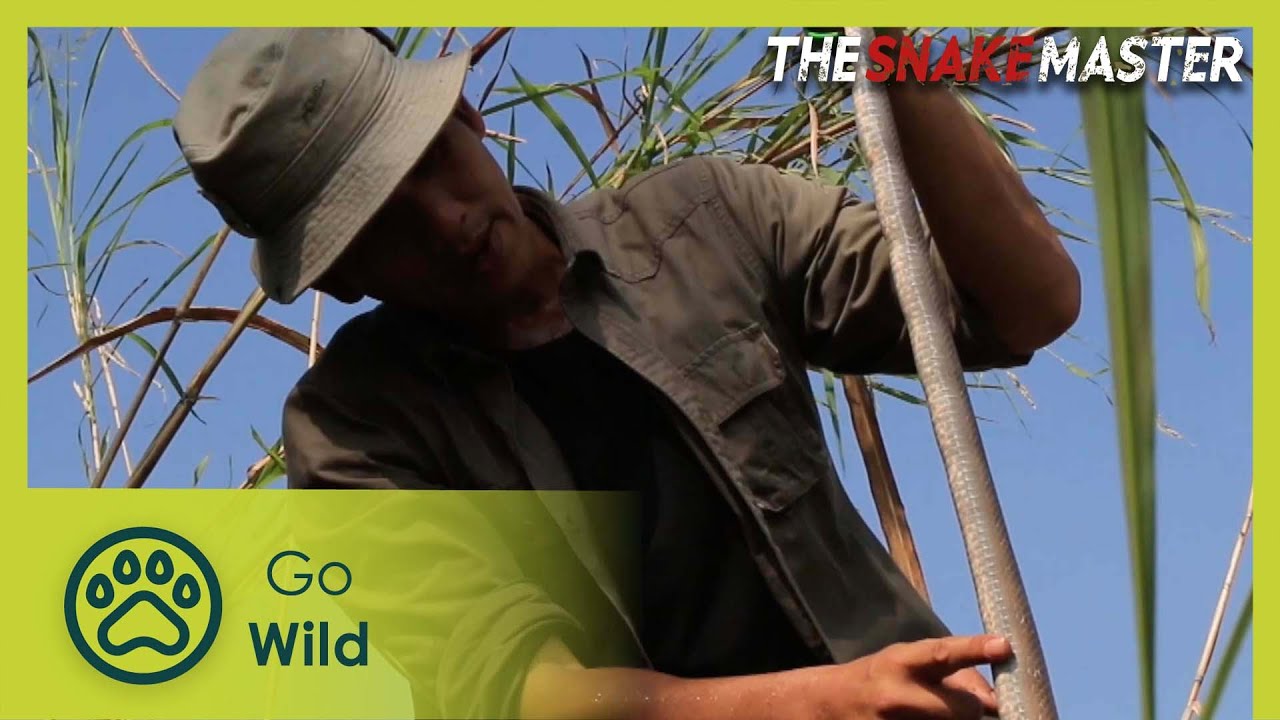
Nick Nirut Chom-ngam explores the snake-hunting techniques of local communities in Sukhothai, Thailand, while addressing snake-related issues and conservation efforts.
In the frozen heartlands of South Dakota, Ivan Carter and a team of biologists use helicopter-mounted net guns to capture white-tailed deer for population management.
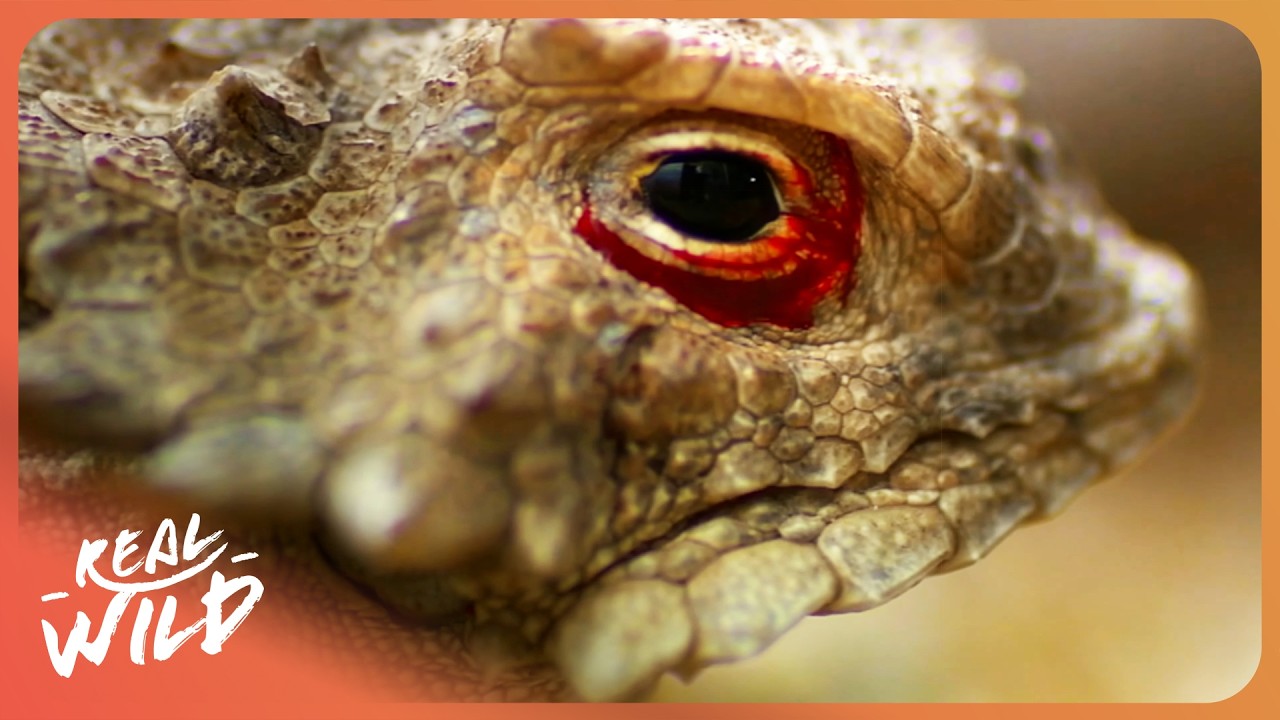
In the Sonoran Desert, diverse species like pelicans, pronghorns, and horned lizards exhibit unique adaptations to survive in an extreme environment.
In the Iranian desert, sophisticated irrigation technology has enabled the flourishing of world-famous gardens, influencing garden culture across the Islamic World.
Hurricanes like Irma and Katrina are examined for their destructive power and the role of global warming in intensifying these violent storms.
Two Tanzanian villages illustrate contrasting fates in cotton production, with one relying on chemical agriculture facing debt, while the other thrives through organic practices.
In the central African jungle, the Baka Pygmies, Tibetan bee keepers, Bahau water nomads, and Darkhad nomads of Mongolia exemplify diverse traditional lifestyles.
Madagascar's Masoala Peninsula hosts unique species like lemurs and tomato frogs, shaped by ancient tribal traditions and a fragile ecosystem facing modern threats.
In the French Alps, the rapid melting of Glacier Blanc reveals new ecosystems while posing risks of floods and rockfalls in the changing landscape.
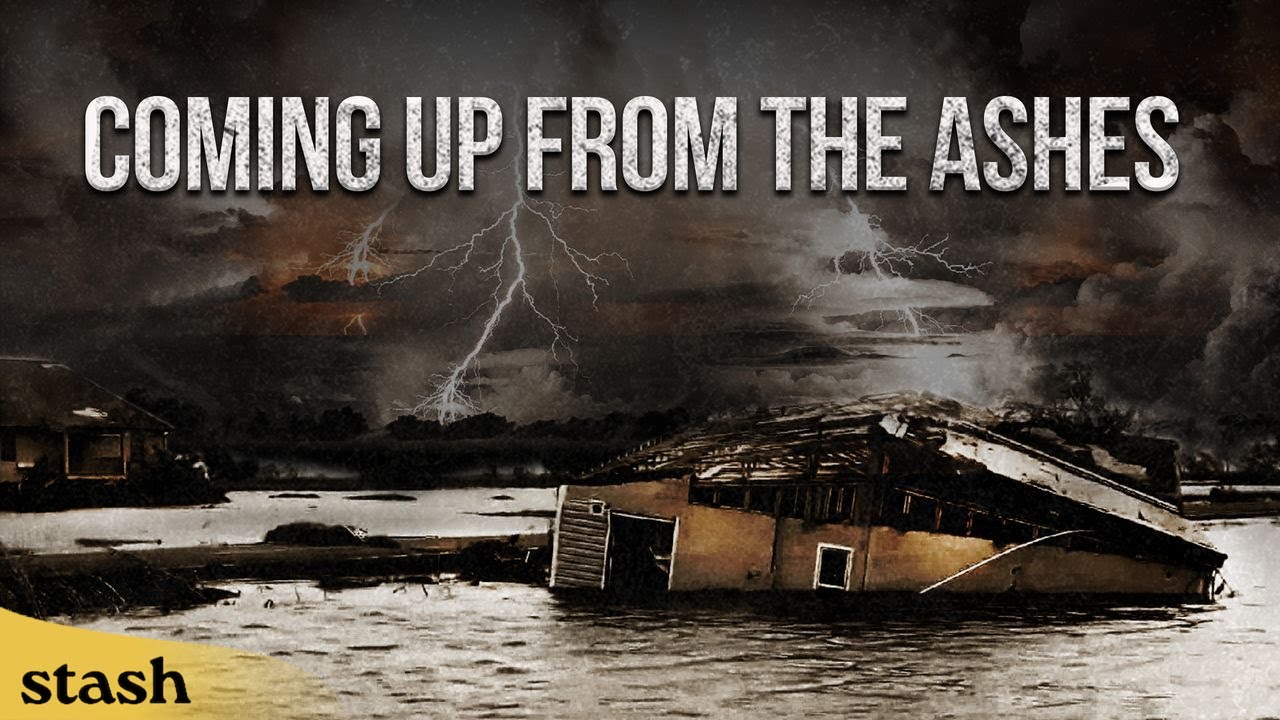
Southwest Louisiana went over 365 days without supplemental disaster relief funds from the US government after Hurricane Laura struck on August 27, 2020.
In Puerto Rico, a young man seeks a return to primitive living in the forest, but Hurricane Maria forces the entire island to confront survival in a new reality.
In South Africa, the hunting industry raises ethical questions as private game farms breed rare species like the Golden Wildebeest for profit amid biodiversity loss.
Water, essential for life, is increasingly contaminated and wasted through industrial practices, threatening countless species and ecosystems worldwide.
Climbing has surged in popularity across Europe, particularly in national parks like the Franconian Jura in Bavaria, raising concerns among conservationists.
The River Spey runs for about 100 miles northeast into the Moray Firth, known for its fine malt whiskies and salmon fishing.
In the Luangwa Valley and Serengeti, hippos and Nile crocodiles navigate fierce competition and survival strategies in Africa's most perilous river ecosystems.
In the depths of the ocean, sperm whales like newborn Lana and her clan navigate complex social structures defined by memory, care, and survival.
Greater flamingos in southern Spain face severe weather, land loss, and predators as they undertake perilous journeys to raise their young.
Grindavik, a town in southern Iceland, faces ongoing challenges as residents choose to remain despite the dangers posed by six volcanic eruptions and government evacuation orders.
Plastic pollution in the oceans creates new habitats for microorganisms, prompting researchers to assess their impact on marine ecosystems and human health.
Six young Canadians in Fort McMurray face the aftermath of wildfires that destroyed homes and disrupted their lives in a city reliant on oil.
Indigenous women from the Amazon, Congo Basin, and Borneo share their stories about the significance of rainforests and the threats of socio-ecological destruction.
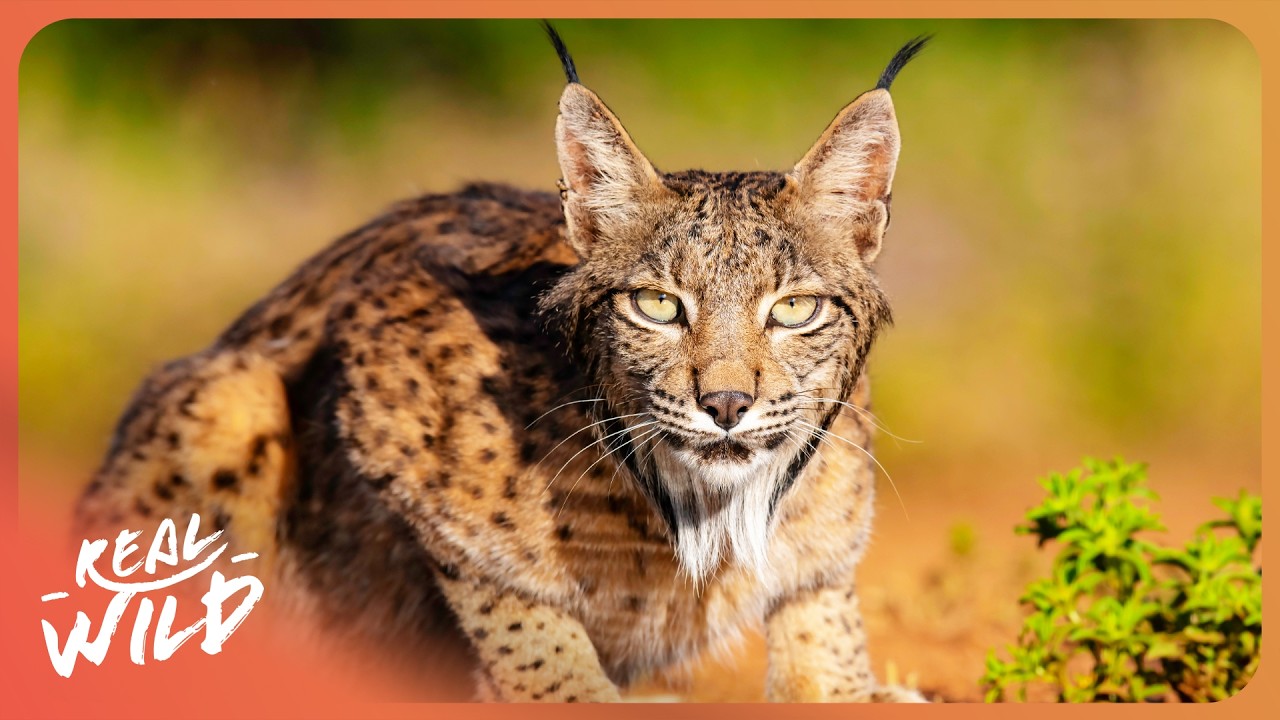
In the Sierra Morena and Doñana National Park, conservation efforts are revitalizing the Iberian lynx population, once on the brink of extinction.
In the Okefenokee Swamp, ancient alligators thrive in a unique ecosystem shaped by fire and water, showcasing the intricate balance of this black water habitat.
In Chiang Mai, Snake Master Nick Nirut responds to a king cobra nest sighting in a village, highlighting the importance of nest location and maternal behavior.
Adrenaline ecotourism at locations like Tiger Beach in the Bahamas and Guadalupe Island in Mexico raises concerns about safety and conservation as thrill-seekers swim with sharks.
In Texas, the Ogallala Aquifer faces severe depletion, prompting conflicts among farmers and communities reliant on its vital water resources.
Nick Nirut, a herpetologist, conducts a rescue mission for rat snakes and copperhead rat snakes in Bueng Boraphet during the flooding season.
Ocean circulation has significantly declined since the 1950s, raising concerns among scientists about potential climate consequences linked to human activities.
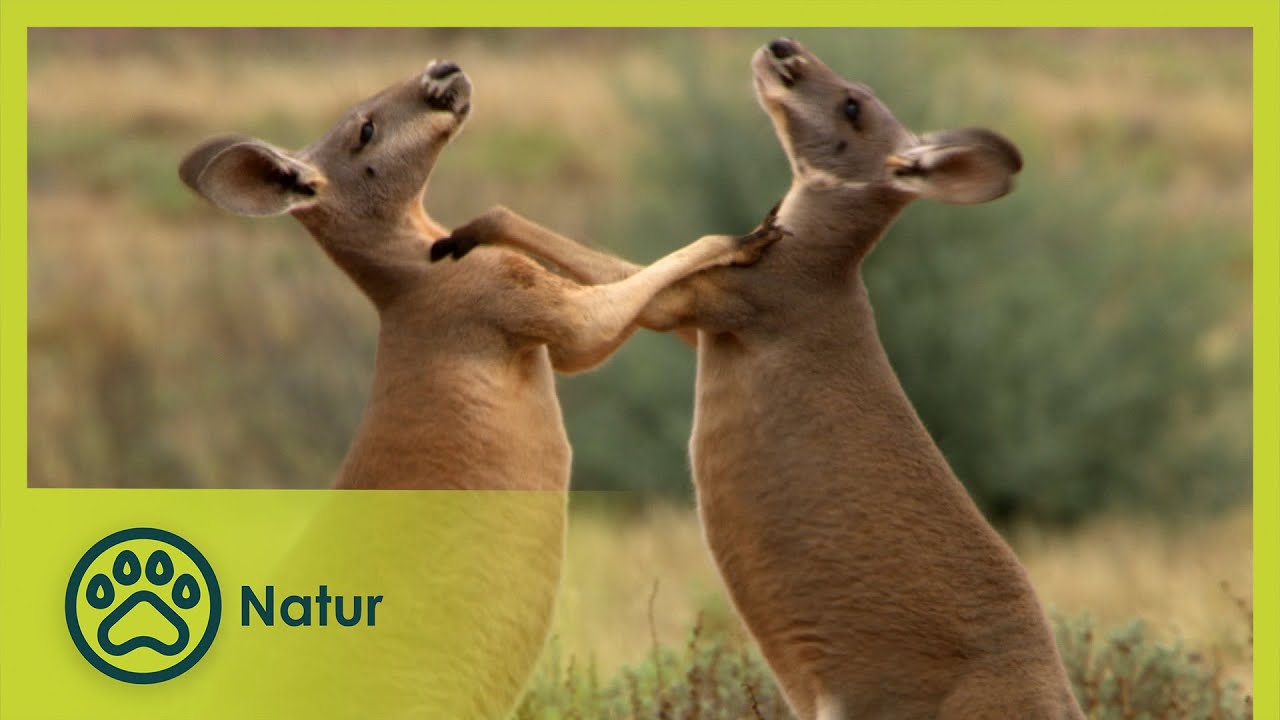
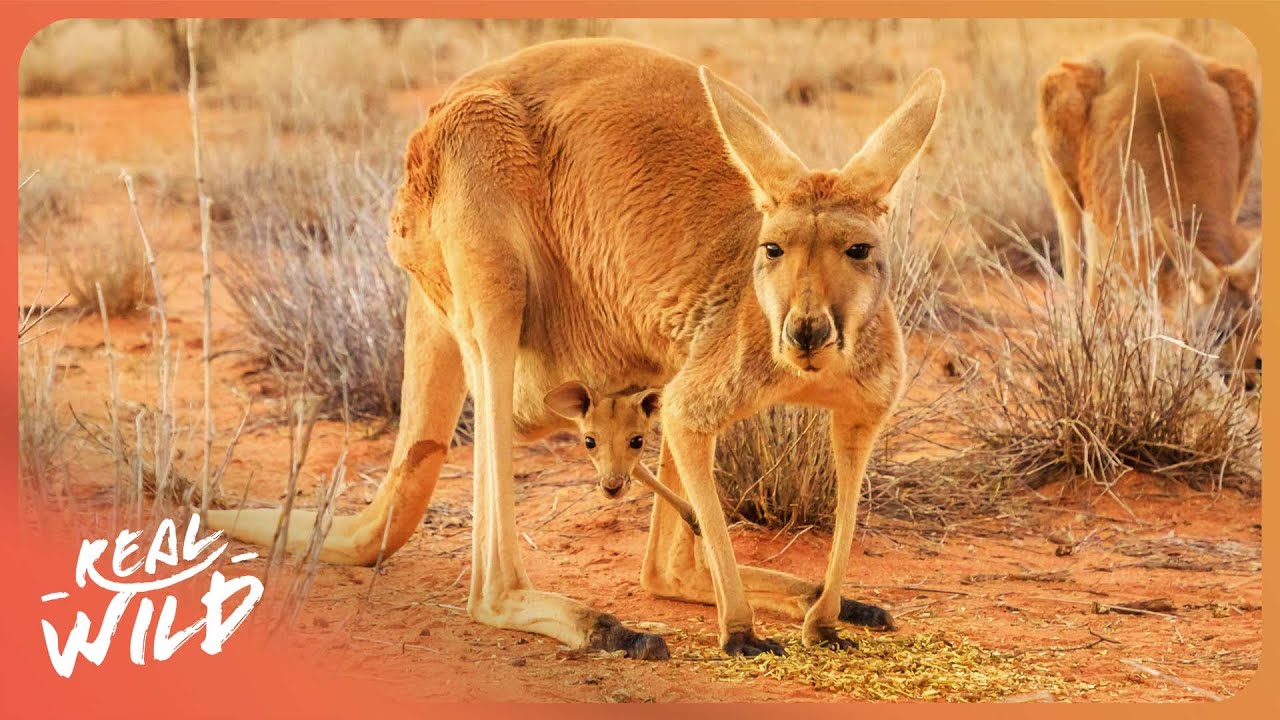
Australia's outback, a land of extremes, showcases unique species like the thorny devil lizard and massive monitor lizard, adapted to its harsh climate.
In Andalusia's Costa Tropical and Axarqua region, the shift from olive cultivation to water-intensive tropical fruits like mangoes and avocados exacerbates the water crisis.