From over 100,000 films, discover the handful you'll love.
Free or premium access to the world's largest documentary library.
7520 films(Page 108 of 157)
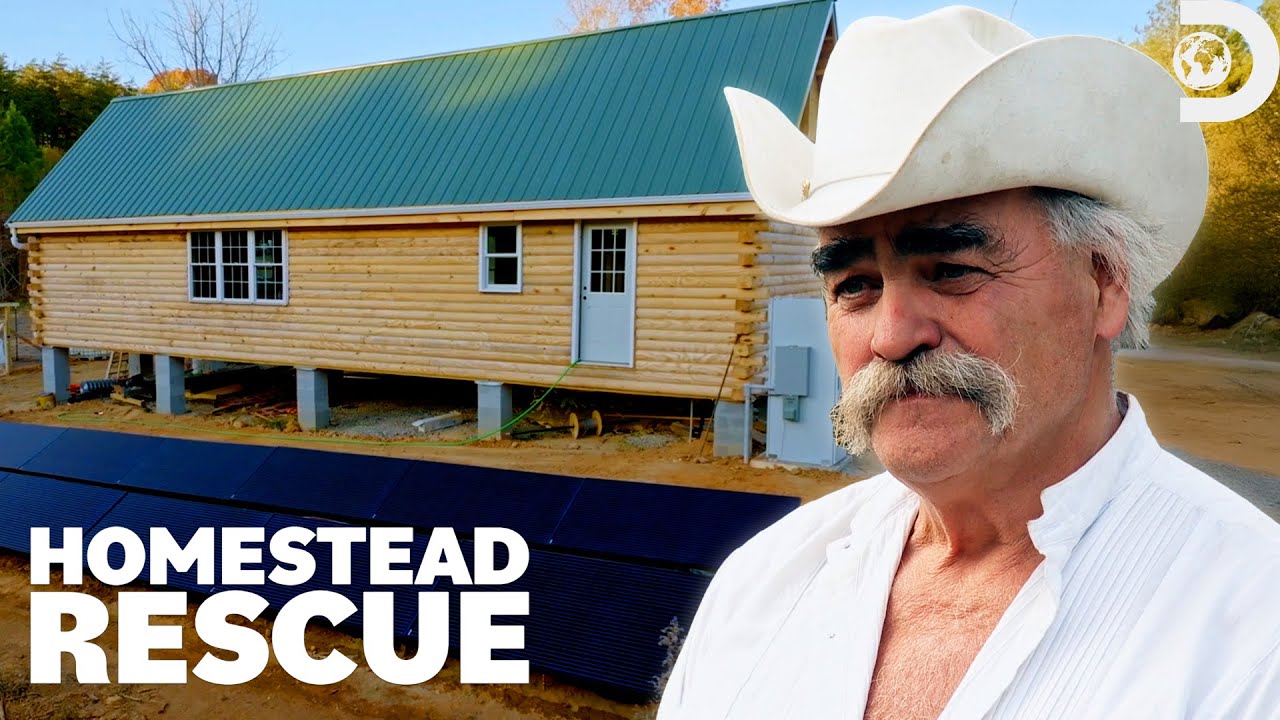
A Virginia homestead thrives off-grid thanks to the Raneys' expertise and renewed water supply.
Insects such as butterflies, bees, and spiders play vital roles in ecosystems through pollination and decomposition, highlighting the need for their conservation.
NASA's Kepler telescope observes Neptune's rotation and cloud movements in this video.
Half of packaged products contain palm oil, driving deforestation in Indonesia and Malaysia.
Nuclear meltdowns at Three Mile Island and Fukushima have raised public fears, yet the increasing demand for energy may lead to a renewed interest in nuclear power.
The world needs nuclear power to achieve net zero electricity grids and combat climate change.
Up to 96 percent of spent nuclear fuel is recyclable, yet only a few countries are reusing it despite the potential benefits.
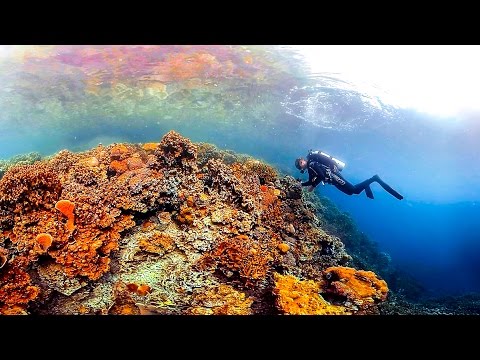
Lukas Isall discusses Palau's vibrant corals and their role in combating climate change.
In December 2015, 195 countries agreed to a legally binding climate deal to reduce carbon emissions, putting pressure on fossil fuel companies to adapt.
Tens of thousands of old wind turbines need replacement each year, prompting companies to refurbish and resell them in a growing second-hand market.
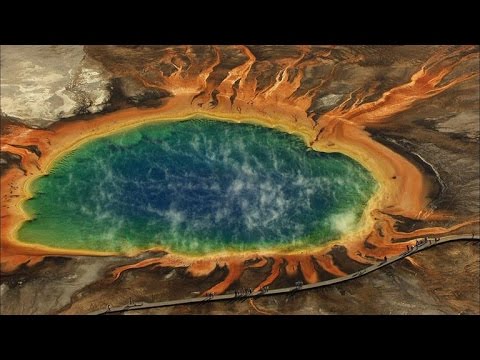
The Grand Prismatic Spring in Yellowstone National Park features vibrant colors and is home to some of Earth's earliest life forms, attracting many visitors.
In Amboseli National Park, Kenya, a unique orphanage cares for young elephants, with the Masai people playing a vital role in their protection and rehabilitation.
Some marine life is exposed to noise levels that can destroy their sense of hearing, leading to stress and reduced reproductive success.
Overfishing threatens marine ecosystems and raises questions about sustainable seafood consumption, prompting discussions on whether to continue eating fish.
68% of palm oil is used for food, while 27% is found in cosmetics and industrial products, reflecting its widespread demand and versatility.
Filmen tager publikum med til Borneo for at vise bæredygtig palmeolieproduktion.
Parker showcases a super-sized excavator that enhances his gold mining operations while reflecting on the industry's shift towards processing rare minerals.
Lyndon, Nicholas, and Kristen discuss mid layers, fleece, and insulation types for warmth.
Unifi recycles plastic soda bottles into new polyester fiber in Yadkinville, North Carolina.
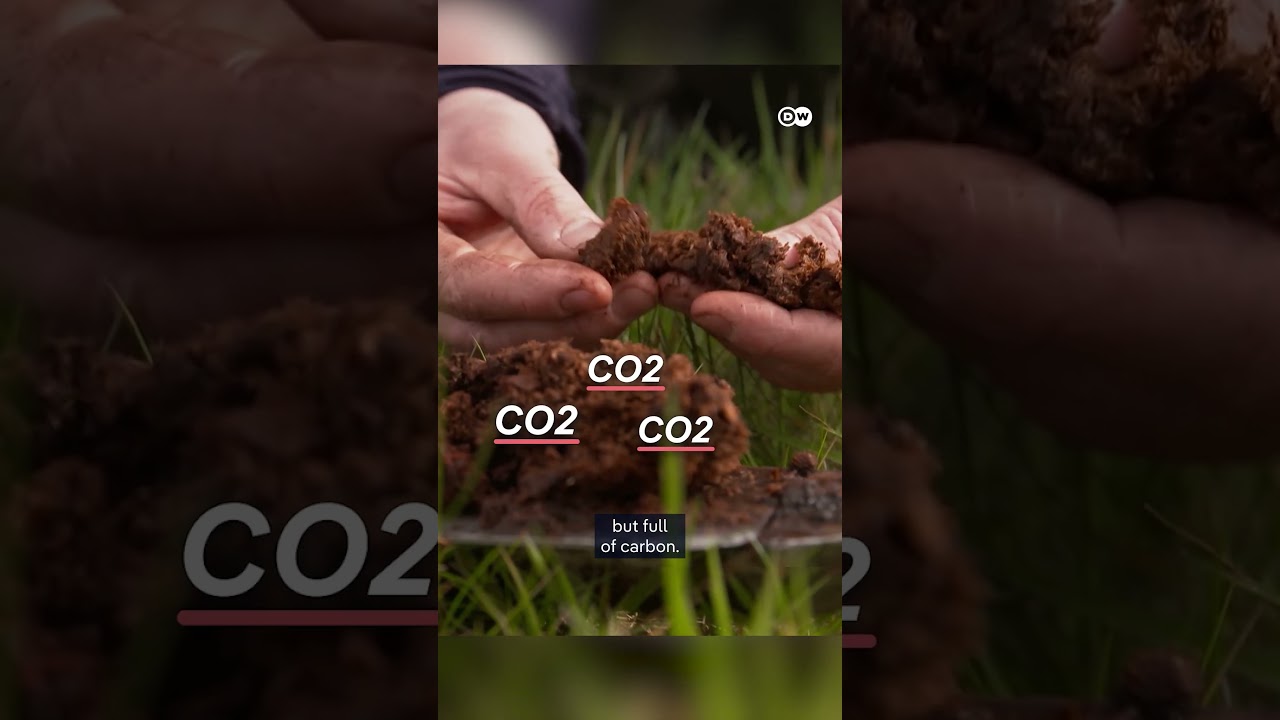
Peatlands are vital ecosystems that store more CO2 than forests and play a key role in regulating the climate by limiting organic matter breakdown.
Falk Gärtner transformed a dry, sandy plot into a profitable permaculture farm, using no machines or toxins while growing multiple crops.
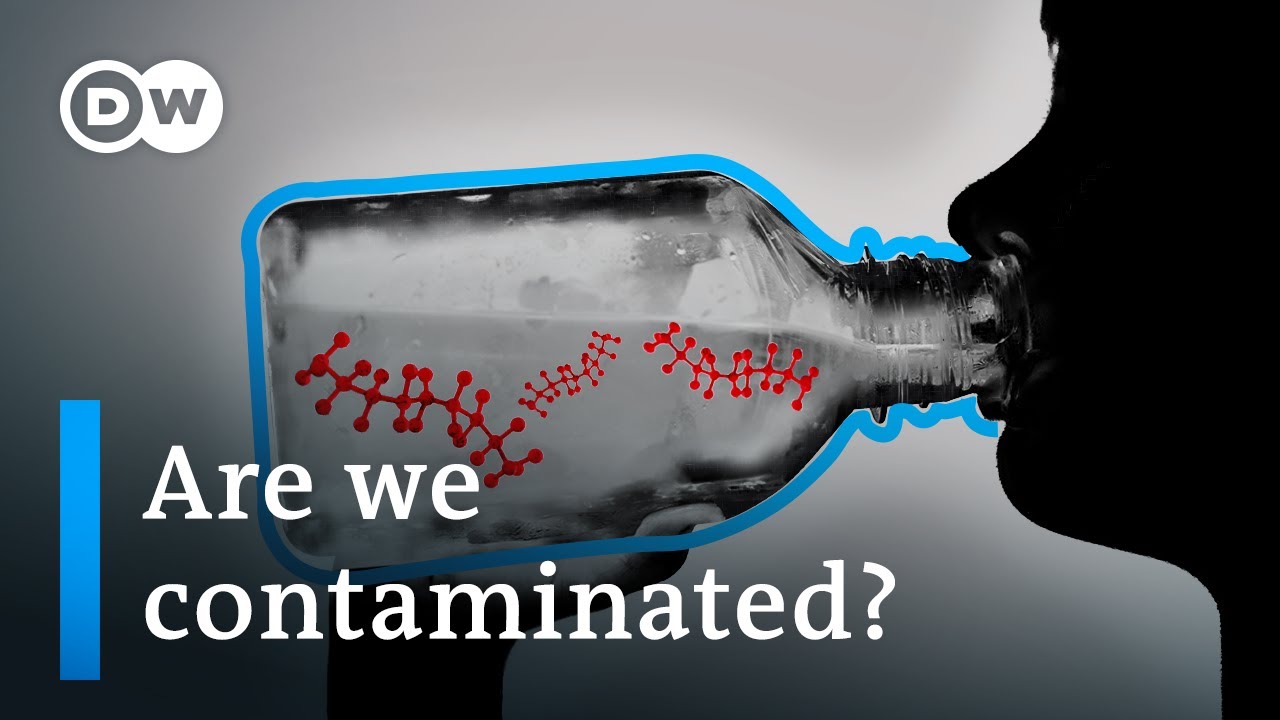
More than 2,000 contaminated sites in the U.S. pollute the drinking water of an estimated 200 million people with PFAS, or "forever chemicals."
The trailer highlights the vast diversity of insects, estimating 5 to 10 million species and showcasing their unique lives on Earth.
A young bumblebee learns from more experienced bees, including those of different species, as she prepares to join her new team.
NASA public service announcements featuring James Cameron are blended with imagery from Avatar to emphasize the urgent need for environmental action and awareness.
A bean plant grows a couple centimeters and repeatedly throws itself toward a pole, demonstrating its ability to sense and respond to its environment.
Nine in ten Europeans worry about plastic's environmental impact and waste management practices.
The polecat is a courageous mustelid thriving in riparian forests, hunting diverse prey.
Nat Geo Photographer Jonathan Irish captures the vibrant colors of autumn during leaf peeping, highlighting the beauty of nature and the need for environmental preservation.
Maria Garcia protects medicinal plants and forests vital to Maya descendants in Belize.
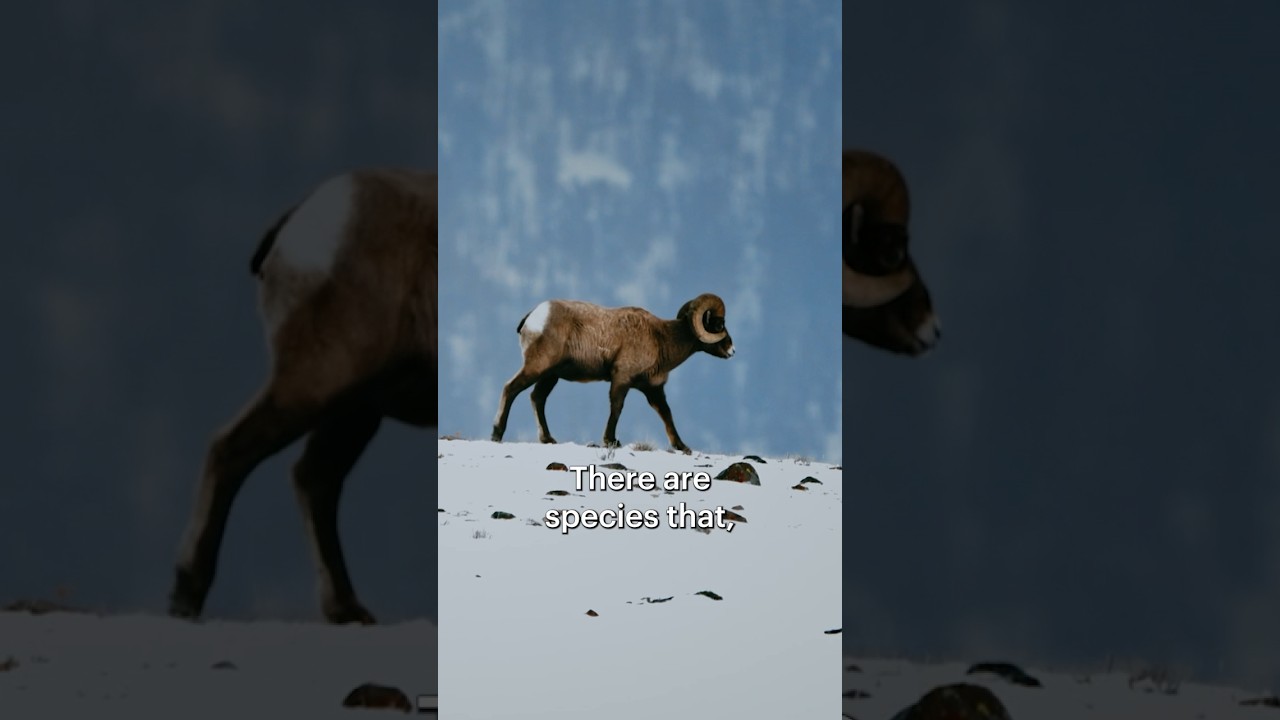
Bighorn Sheep are among the largest hoofed animals, but Bison are the largest overall.
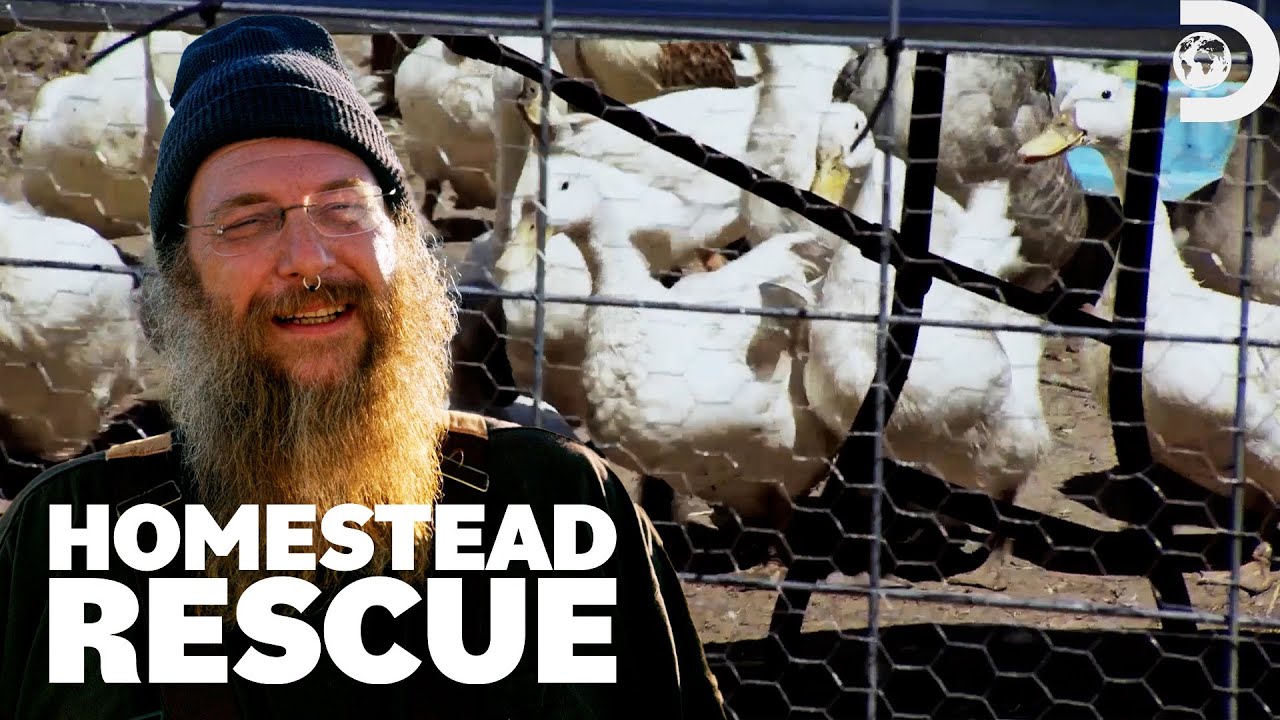
Marty returns to help the Black family protect their chickens and ducks from severe weather.
Upwards of 80 million pounds of DDT were sprayed annually in the U.S., leading to significant environmental and health concerns.
In 1995, the federal government reintroduced gray wolves to Yellowstone National Park, leading to significant ecological changes and social conflict.
Marty and Misty finish building a treehouse for a young homesteader, creating a special place for relaxation after chores.
Harita Nickel, one of the largest nickel mining companies, contaminated waters on Obi Island with toxic heavy metals while misleading investors during a $660 million IPO.
Environmental campaigner George Monbiot investigates innovative agricultural methods in Helsinki that aim to produce food sustainably and address environmental challenges.
Southern right whales migrate to the Atlantic coast of Patagonia, Argentina, where they give birth and nurture their calves in the vital breeding ground of Peninsula Valdes.
Rio, Brazil's second largest city, faces pollution and seeks harmony with its forest.
120 litres of water is loaded onto camels for a three-day trek across the Sahara Desert, where temperatures exceed 50 degrees Celsius.
In Dubai, entrepreneurs restore coral reefs to combat climate change and protect our planet.
The Cabrera National Park in Spain is a vital sanctuary for endangered Mediterranean species.
Young seagulls navigate the world's largest Atlantic waves, showcasing their resilience as they hunt for prey amidst the tumultuous ocean foam.
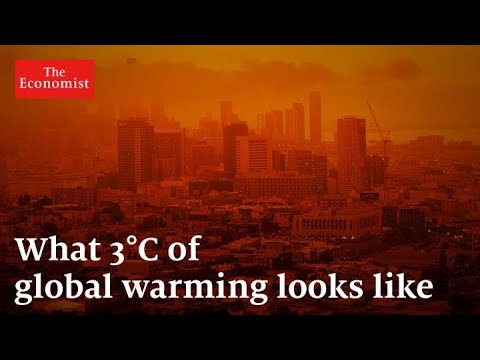
A one in four chance exists that global temperatures could rise by three degrees Celsius by the end of the century under current policies.
The debate between animal welfare and animal rights highlights differing perspectives on the legal protection of animals from exploitation and suffering.
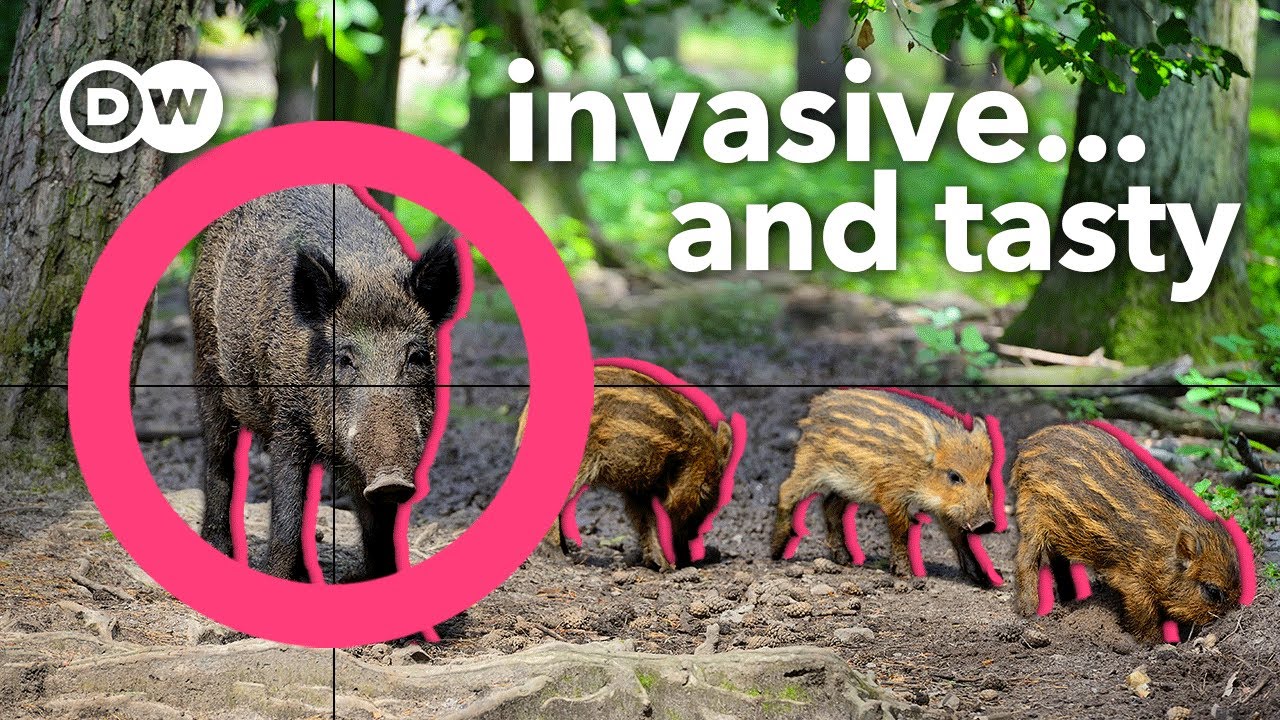
An estimated six million feral hogs in the United States, with nearly half in Texas, cause over $500 million in damage annually to agriculture and property.
Bumble bees use buzz pollination to efficiently dislodge pollen from plants.
A young diver describes a whale shark as being bigger than his arm span while snorkeling in the Great Barrier Reef.