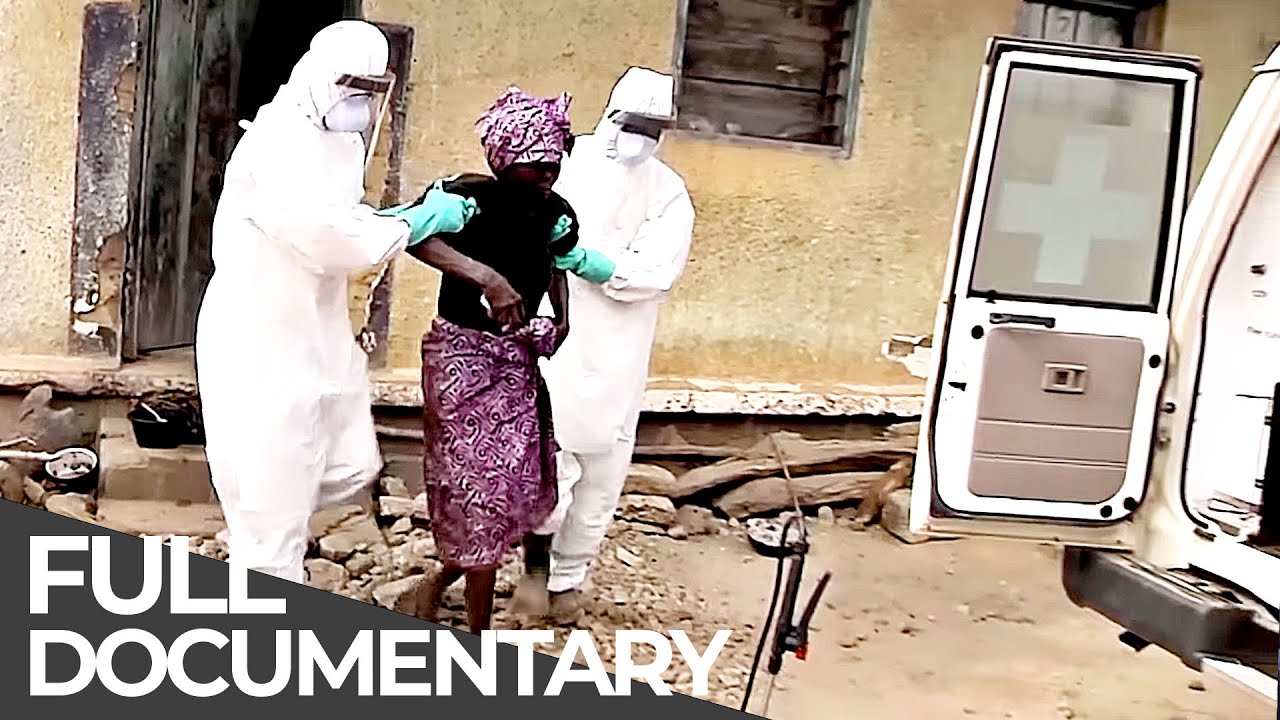
Deadly Disasters: Pandemics
Synopsis
At least 75 million people died from the Black Death in the 14th century, illustrating the devastating potential of pandemics throughout history.
Synopsis
Mother Nature's stealthiest killer is the pandemic. Public health experts warn that the world population could reach 11 billion by 2100, increasing the risk of widespread disease. The documentary discusses the emergence of new viruses from wild animals, as seen in historical outbreaks like the Black Death, which killed over 30 million Europeans by 1400. It examines how climate change affects disease spread, with examples such as the West Nile Virus. The film emphasizes the need for global preparedness against future pandemics.
Deep Dive
Why Watch
- Find out how the Black Death affected Europe's population.
- See how global warming impacts disease spread.
- Learn why pandemics are more likely today than ever.
Did You Know
- The Black Death killed at least 75 million people in the 14th century.
- By 1400, the Black Death had killed over 34 million Europeans, about 50% of the population.
- The global population could reach 11 billion by the next century.
- Global warming allows mosquitoes to spread diseases to new areas, like the West Nile Virus in the US.
Perfect For
Frequently Asked Questions
What is a pandemic?
A pandemic is a worldwide spread of infectious disease that typically involves new diseases emerging from wild animals and spreading among humans.
How many people did the Black Death kill?
The Black Death killed at least 75 million people throughout the 14th century, with over 34 million deaths in Europe by 1400.
How does global warming affect the spread of infectious diseases?
Global warming allows mosquitoes to extend their range, which can lead to the spread of diseases like the West Nile Virus to new areas.
What are people saying?
Play More Like This





Where else to watch





Related Films
Is this your film?
If you made this film or hold the rights to it, we'd like to talk. We can license it and pay you a share of what it earns.
Comments