From over 100,000 films, discover the handful you'll love.
Free or premium access to the world's largest documentary library.
56 films(Page 1 of 2)
In Indonesia, French scientists investigate the Rinjani-Samalas supervolcano, believed to be the source of the largest volcanic eruption in human history, which disrupted global climate and societies.
In February 2011, the Christchurch earthquake devastated the city, prompting survivors to share their harrowing experiences of loss, survival, and resilience.
On May 18, 1980, Mount St. Helens erupted, killing 57 people and drastically altering the environment in Washington State.
Approximately 100,000 residents were left behind in New Orleans as Hurricane Katrina approached in August 2005, facing a chaotic evacuation.
On May 18, 1980, Mount St. Helens erupted in Washington State, resulting in 57 fatalities and raising questions about volcanic monitoring and disaster preparedness.
Pompeii, a prosperous Roman town, was preserved in time by the catastrophic eruption of Vesuvius in 79 AD, revealing the lives of its everyday inhabitants.
A massive cataclysm is said to have destroyed Atlantis, an advanced civilization, approximately 11,000 years ago, leaving its fate a mystery.
88,000 residents of Fort McMurray, Alberta, were forced to evacuate as a massive wildfire engulfed the city on May 3, 2016.
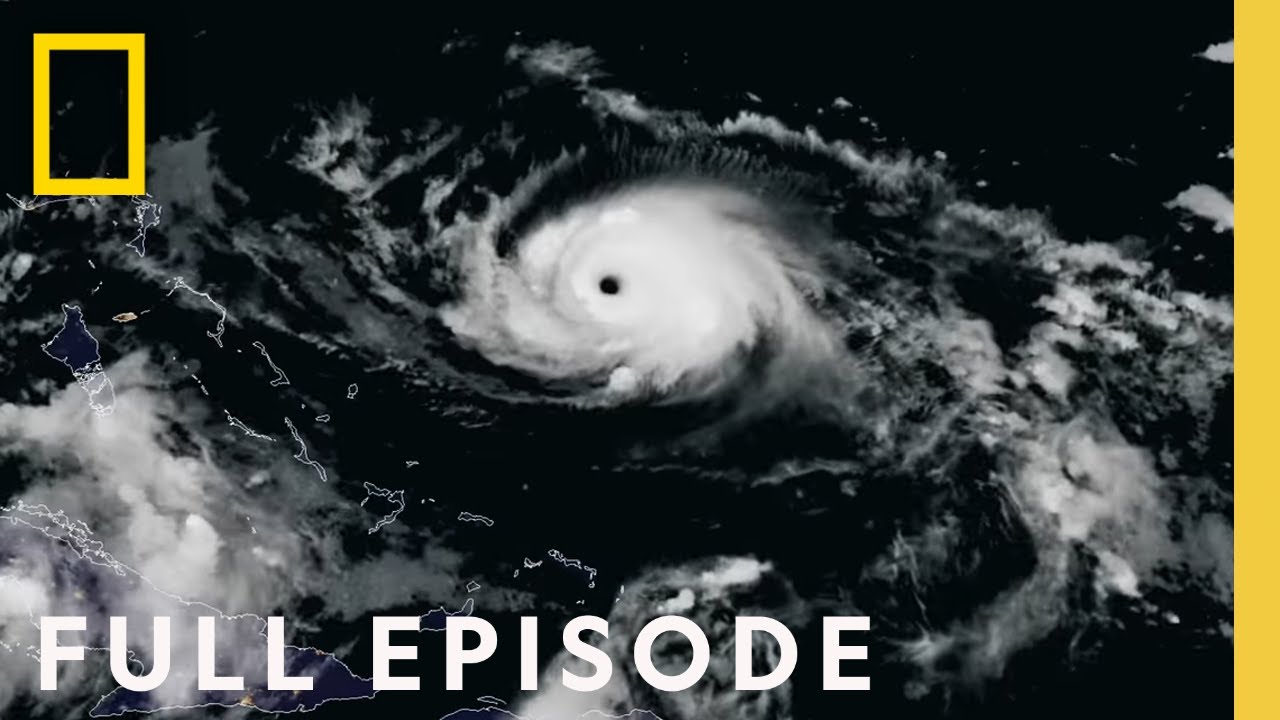
Hurricane Dorian formed in the Atlantic and made landfall in the Bahamas, causing 90 mph winds and a 20-foot storm surge that devastated local communities.
On May 18, 1980, Mount St. Helens erupted in Washington State, resulting in 57 fatalities and marking one of the most destructive volcanic events in U.S. history.
A 9.1 magnitude earthquake off the coast of Sumatra triggered a tsunami that killed approximately 250,000 people across 14 countries on December 26, 2004.
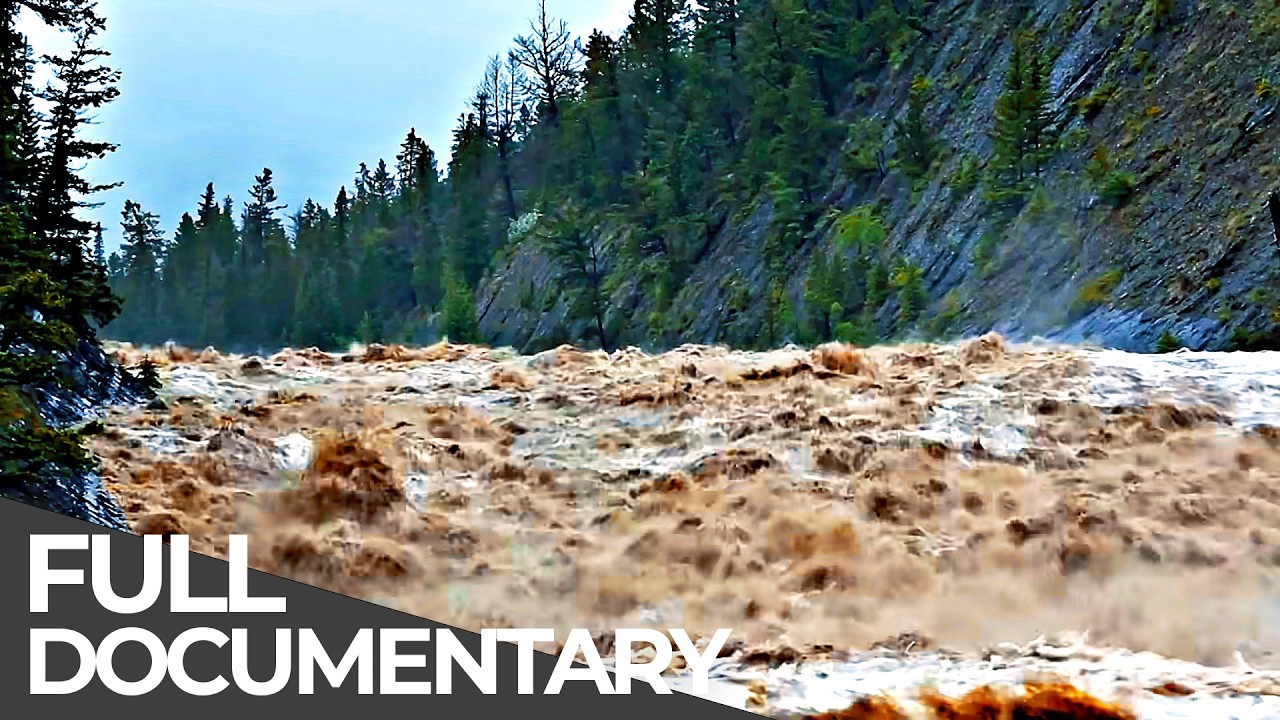
In 2013, relentless torrential rains in Alberta, Canada, caused the “Flood of Floods,” displacing over 100,000 residents and resulting in billions in damages.
A solar storm in March 1989 caused a blackout in Quebec, leaving 6 million people without power for 12 hours due to a massive explosion on the sun.
At least 75 million people died from the Black Death in the 14th century, illustrating the devastating potential of pandemics throughout history.
On August 6, 2002, the discharge of the Vltava River in Prague reached an alarming 1,500 cubic meters per second during a catastrophic flood event.
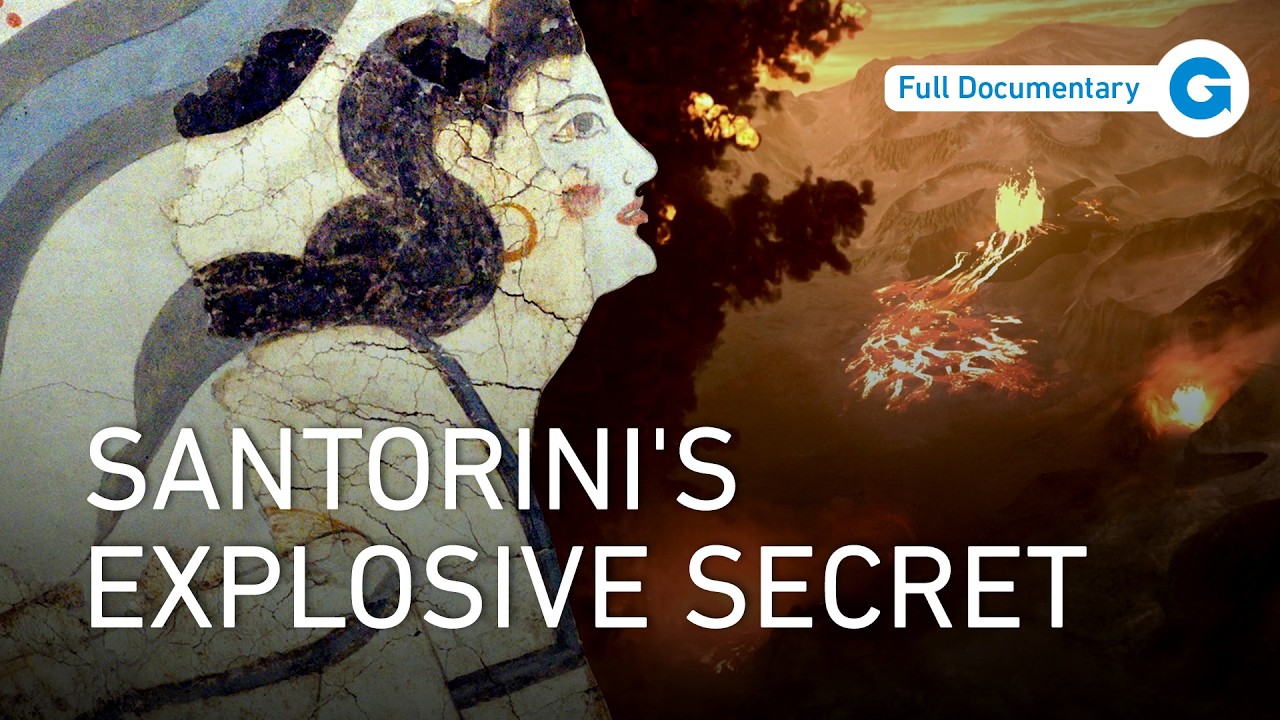
Santorini's explosive volcanic eruption around 3,600 years ago devastated the Minoan civilization, prompting researchers to explore its geological history and future risks.
On May 22, 1960, a massive earthquake in Valdivia, Chile, triggered ocean waves up to 25 meters high, leaving two million people homeless.
A 20-meter wall of water struck the coast of Thailand on December 26, 2004, leaving hundreds of thousands fighting for their lives.
Mount Pinatubo erupted on June 14, 1991, resulting in 850 fatalities and significant global climatic impacts, prompting ongoing scientific analysis of the volcano.
The May 18, 1980, eruption of Mount St. Helens in Washington's Gifford Pinchot National Forest is recounted through reenactments and personal recollections.
On August 24, AD 79, the eruption of Mount Vesuvius buried Pompeii and Herculaneum under ash, preserving a unique snapshot of life in ancient Rome.
In February 2011, the Christchurch earthquake devastated the city, leading to heroic rescue efforts and poignant survivor testimonies amid chaos and loss.
Hurricane Katrina devastated the Gulf Coast in 2005, exposing the failures of government response and leaving lasting scars on New Orleans and its residents.
In the mid-1800s and again nearly a century later, Hilo, Hawaii, experienced devastating tsunamis that reshaped the city and its community.
Australia's January 2011 floods caused widespread devastation, with powerful footage highlighting the profound impact on lives and communities across the nation.
In France's Caribbean and Indian Ocean territories, approximately 850,000 residents live in proximity to active volcanoes like La Soufrière and the submerged volcano in Mayotte, facing constant eruption risks.
The August 2006 Indonesian earthquake resulted in widespread devastation, leaving countless people affected and communities struggling to recover.
The 2002 "500-Year Flood" devastated Prague and Central Europe, leading to mass evacuations and testing the limits of medieval engineering and modern forecasting.
Aceh, once united in the aftermath of the tsunami, now faces rising unrest and the resurgence of extremism as promises of development remain unfulfilled.
With 13,000 active volcanoes worldwide, experts assess the imminent threats posed by Mount Rainier and Mount Vesuvius, focusing on eruption predictions and potential impacts.
An 8.8 magnitude earthquake in February 2010 propelled the Cabo de Hornos research ship hundreds of meters inland, leaving it stranded on a beach.
An earthquake with a magnitude of 6.8 to 6.9 could strike the French Riviera, potentially causing devastation comparable to six to seven times the Hiroshima atomic bomb.
Over 56,000 people died in the February 6, 2023 earthquakes that struck the Turkey-Syria border, raising questions about earthquake prediction capabilities.
A stagnant high-pressure system over Europe in 2003 led to the deadliest natural disaster in French history, claiming over 70,000 lives across the continent.
A group of scientists investigates animal behavior, including snakes and elephants, to determine if these creatures can predict earthquakes and save lives.
Southwest Louisiana went over 365 days without supplemental disaster relief funds from the US government after Hurricane Laura struck on August 27, 2020.
A cliff collapse in Niscemi, Sicily, forced the evacuation of over 1,600 residents, raising questions about the long-known risks of landslides in the area.
In June 1964, the U.S. Air Force provided critical assistance to Niigata citizens following a devastating earthquake that caused extensive damage and an oil refinery fire.
Super Typhoon Yuttu in the Philippines and Hurricane Willa in Mexico illustrate the devastating effects of extreme weather, highlighting the growing threat of superstorms globally.
A 6.9 magnitude earthquake struck the San Francisco Bay Area at 5:04 p.m. on October 17, 1989, just 25 minutes before Game Three of the World Series.
A peaceful Bali holiday turns chaotic when a monsoon causes a flood in their hotel room.
Nine Dalit families in Piner Palum Village faced increased tensions with their neighbors after the Boxing Day tsunami in 2004 disrupted their livelihoods.
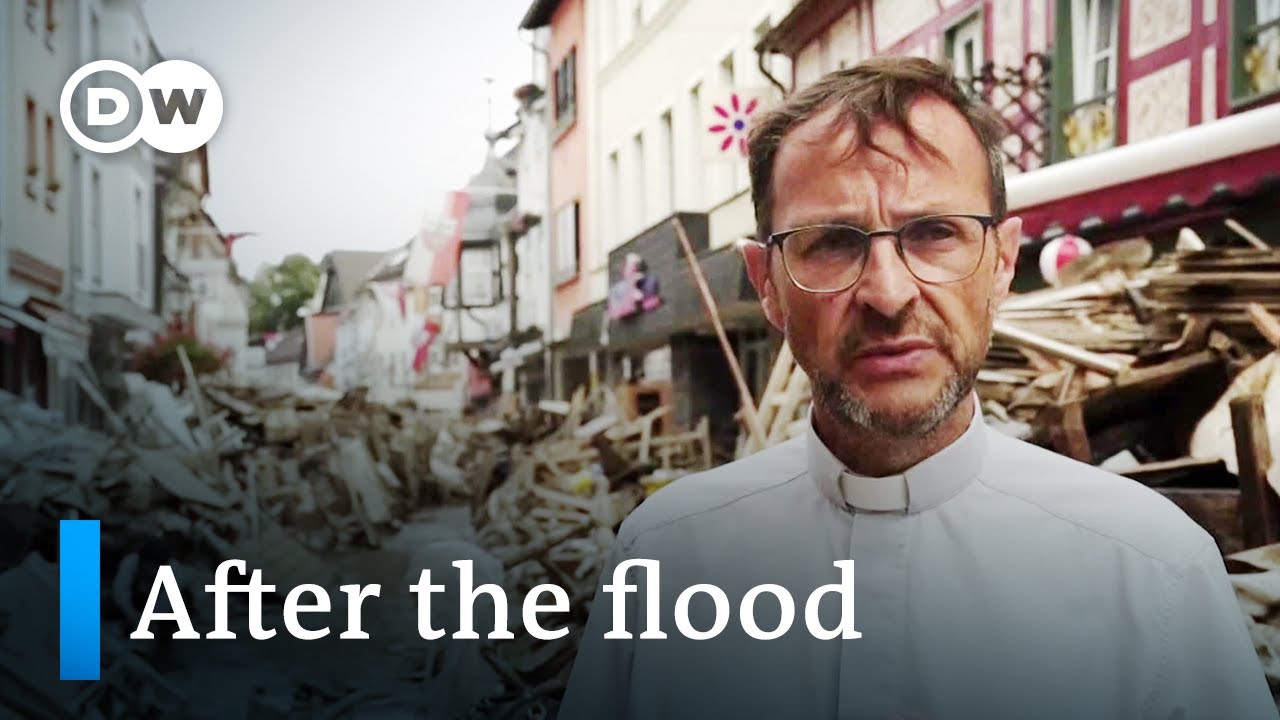
More than 160 people lost their lives as heavy rain caused rivers to overflow, leading to widespread destruction in towns across western Germany.
At least 150 people died in Germany due to severe flooding on July 15, 2021, with entire villages destroyed and hundreds missing.
In Gujarat, the Agariva community endures extreme conditions as they labor in India's salt deserts, supplying a vital seasoning for global consumption.
A mud lake in East Java has swallowed a dozen villages since the disaster began in 2006, with experts divided on its cause.
Pompeii, buried under volcanic debris from Mount Vesuvius in 79 AD, reveals its tragic story through Pliny the Younger's eyewitness account and archaeological findings.