From over 100,000 films, discover the handful you'll love.
Free or premium access to the world's largest documentary library.
3994 films(Page 66 of 84)
About 2,500 people live on Komodo and Rinca, where Komodo dragons hunt and the islands transform into a wild state at night.
The duckbill platypus is a unique monotreme mammal found in eastern Australia.
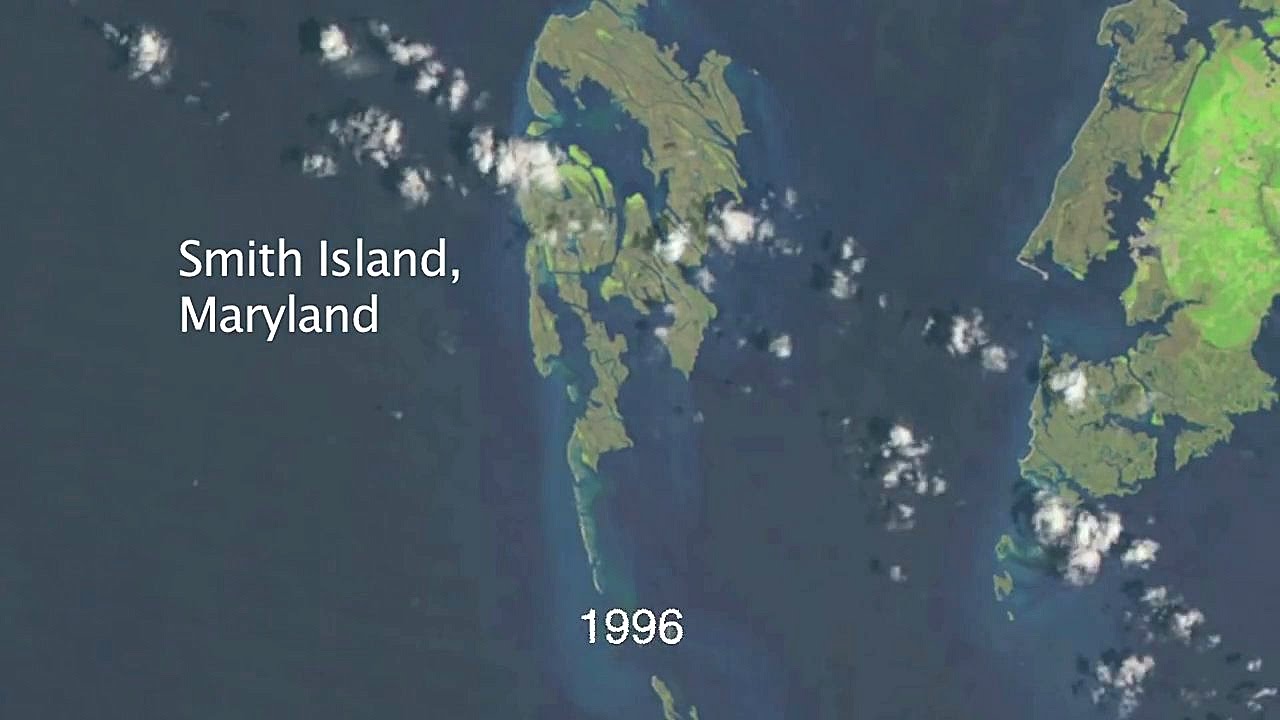
Landsat imagery and NASA's Scientific Visualization Studio illustrate Earth's rapid transformations due to natural and human influences.
Earth's transformation from the supercontinent Pangea to its current landscapes is explored through the theory of plate tectonics and geological processes.
Tropical islands host a diverse array of wildlife, showcasing the survival strategies of species like chameleons and Bornean sun bears.
The Ebro River Delta in Spain is vital for migratory birds and biodiversity.
The Ebro delta in Spain transforms from estuary to delta, vital for migratory birds.
55% of the global population hears unpleasant sounds daily, contrasting with the harmonious natural soundscape of La Gomera in the Canary Islands.
28 years of daily life with elephants shaped Chris Gallucci's understanding of their needs and the challenges of captivity.
The Valdés peninsula's coast supports diverse marine life, including elephant seals and sea lions.
By the middle of the century, the global human population is projected to increase by 3 billion, intensifying pressures on ecosystems and wildlife.
95% of the elephants in Uganda's Queen Elizabeth National Park were slaughtered during a violent military regime, leaving many to fend for themselves.
Chester and Colchester Zoos showcase the daily lives of their animals and keepers, featuring interactions with species like Komodo Dragons and Amur Leopards.
In West Yellowstone, wildlife ecologist Arthur Middleton discusses elk migration and the Greater Yellowstone ecosystem during a live event hosted by .
700 elk currently inhabit Elk Island National Park, which serves as Canada's first federal wildlife sanctuary established in 1907.
In 1936, Civilian Conservation Corps workers engaged in various conservation tasks in Great Smoky Mountains National Park, including construction and fire monitoring.
400,000 hectares of forest were burned during the Black Saturday bushfires, prompting discussions on the need for stronger conservation efforts.
Soudah Peaks in Saudi Arabia features diverse wildlife and lush forests, with the Soudah Development Project focused on preserving its unique ecosystem and promoting sustainable tourism.
Enric Sala explores the Pitcairn Islands' waters, revealing that its delicate ecosystem faces significant threats despite its reputation for being pristine.
Olivier Behra conducted the first census of crocodiles in Africa, capturing hundreds of reptiles and marking them for study before releasing them.
Photographer Pete McBride and writer Kevin Fedarko undertake a challenging sectional thru-hike of the Grand Canyon, facing physical obstacles and environmental concerns.
In South America's Gran Chaco region, conservation biologist Erika Cuéllar collaborates with local communities to protect biodiversity from unsustainable development.
Chile's salmon industry, the second largest, faces criticism for its environmental impact.
Everest grows a quarter of an inch each year, despite the intense erosion caused by the summer monsoon and other natural forces.
Sifakas and over 150,000 species uniquely belong to Madagascar's evolutionary isolation.
San Diego Zoo showcases the diverse wildlife, including giant pandas, African elephants, snow leopards, and the birth of a rhino calf, highlighting their unique behaviors and milestones.
Over two years, Explorers Thomas Peschak, Fernando Trujillo, Thiago Silva, and Julia Tavares studied the Amazon River Basin across six countries.
30 horses and llamas carry 1,500 pounds of food and gear for a team of scientists aiming to install a weather station at 20,000 feet in Peru.
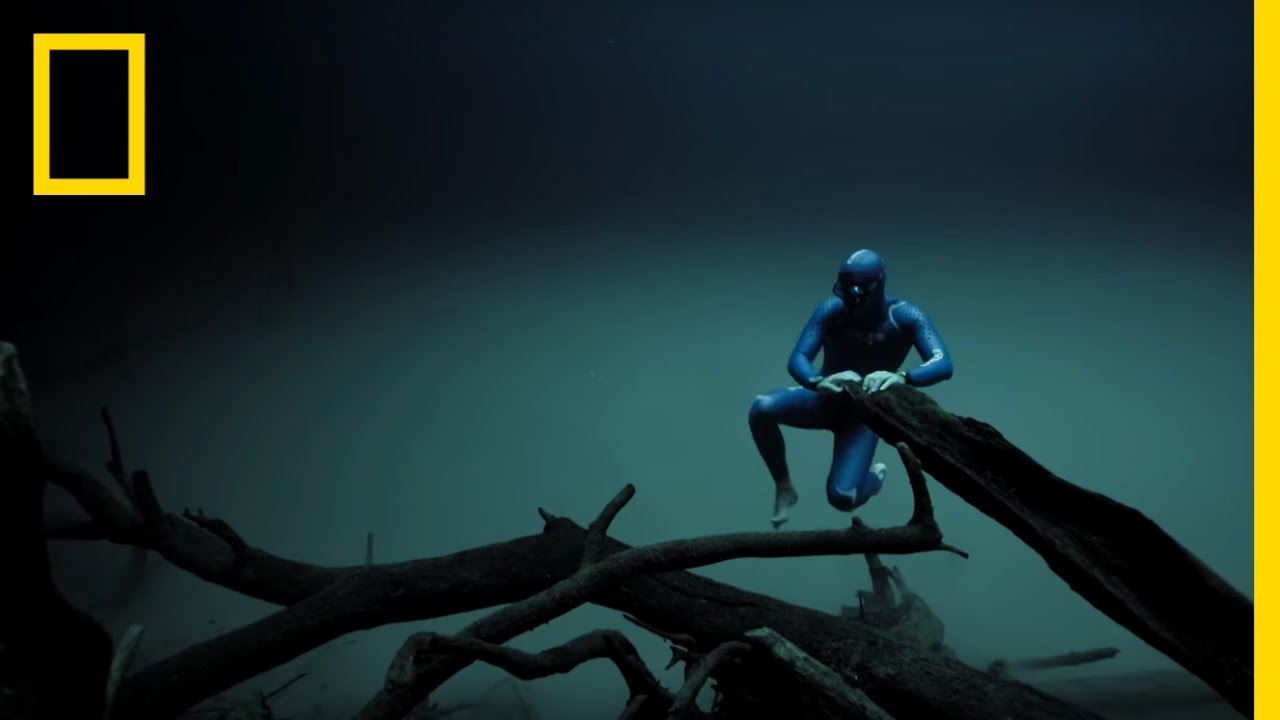
Guillaume Néry showcases free diving techniques in stunning underwater environments, including ice sheets in Finland and the waters of the Philippines, Mexico, and Japan.
Baja California's coastal deserts feature unique ecosystems, including diverse cacti, rattlesnakes, and marine turtles, highlighting the region's biodiversity.
17,000 known caves exist in the Tennessee, Alabama, and Georgia area, making it the highest concentration of caves in the United States.
In remote regions such as the Namib Desert and Patagonia, ecosystems thrive in their natural state, largely untouched by human activity.
's Explorers Festival on June 15, 2017, featured discussions and presentations by renowned scientists and innovators, including Lee Berger and Sarah Parcak.
Mauna Loa, the largest active volcano on Earth, provides a dramatic setting for chef Melissa King and volcanologist Andrés Ruzo to gather local ingredients.
Advancements in technology and research reveal the complex interconnections of the deep sea food web, highlighting the roles of photoautotrophs, consumers, and unique ecosystems like whale-falls.
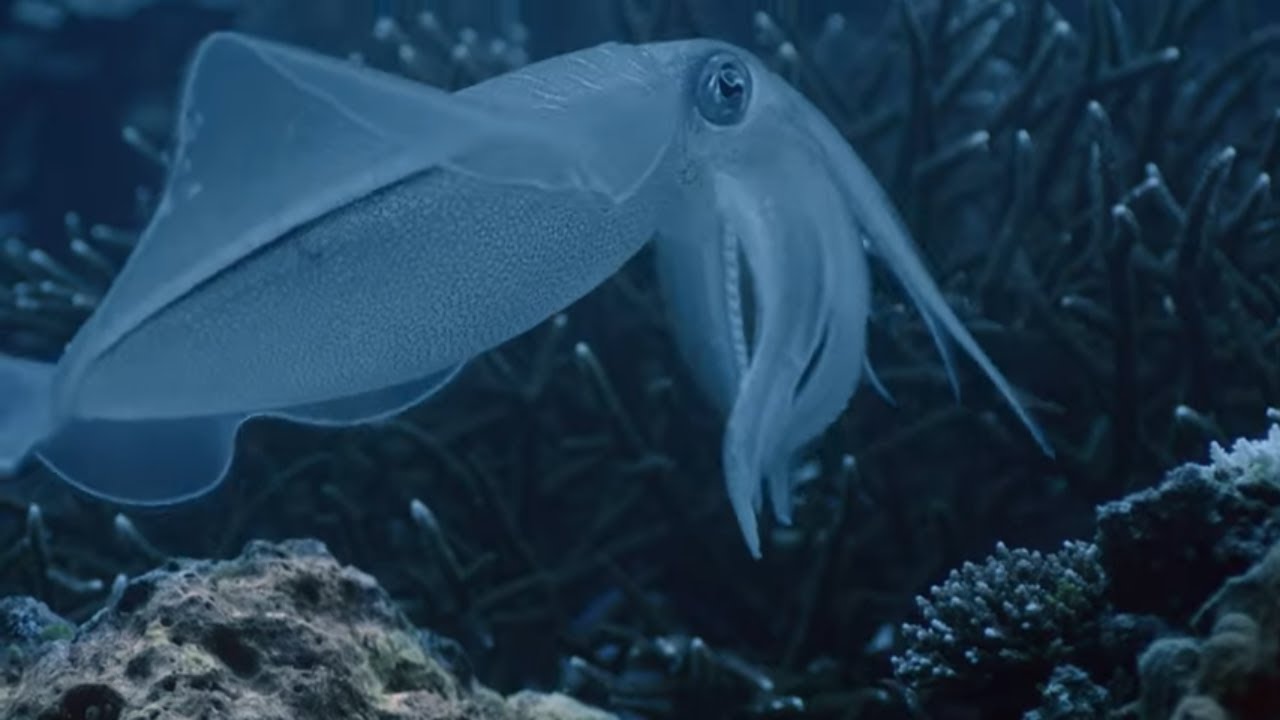
Squids, remarkable cephalopods known for their beauty and complexity, can consume over 30% of their body weight daily, primarily feeding on fish and crustaceans.
Ten years ago, John and Molly Chester purchased a 200-acre lemon grove in Ventura County, California, with the goal of creating a biodiverse farm.
Puffin fathers hunt fish to feed their families while seahorse dads protect their eggs, showcasing the diverse roles of male parenting in the animal kingdom.
Billions of migratory birds across the Western Hemisphere are being tracked through DNA analysis from feathers, enhancing conservation efforts led by the Bird Genoscape Project.
Fiddler crabs in the Land of Dragons exhibit unique behaviors, using their oversized claws for territory marking and attracting mates in mangrove swamps.
An ephemeral river in Savute flows only 20 years out of every 100, creating challenges for local wildlife like lions and leopards.
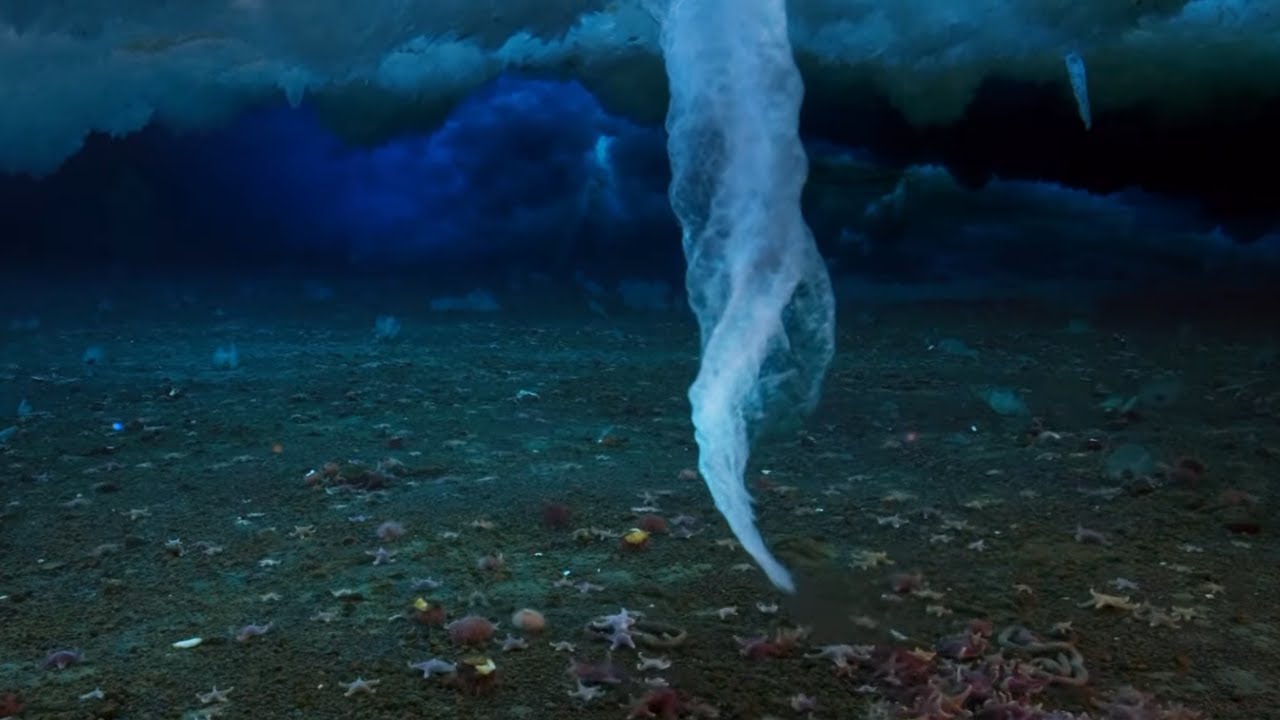
In Antarctica, Kathryn Jeffs discusses the challenges of filming the rare phenomenon known as 'The Brinicle' beneath the ice.
Over two and a half years, wildlife camerawomen filmed various species, including bears and elephants, using advanced technology to capture their natural behaviors.
Ryland Bell reflects on his Alaskan upbringing while tackling challenging lines in the remote wilderness, highlighting the thrill and isolation of the terrain.
Planet hunters, including Swiss astronomers Michel Mayor and Didier Queloz, utilize advanced techniques to identify exoplanets and assess their potential for life.
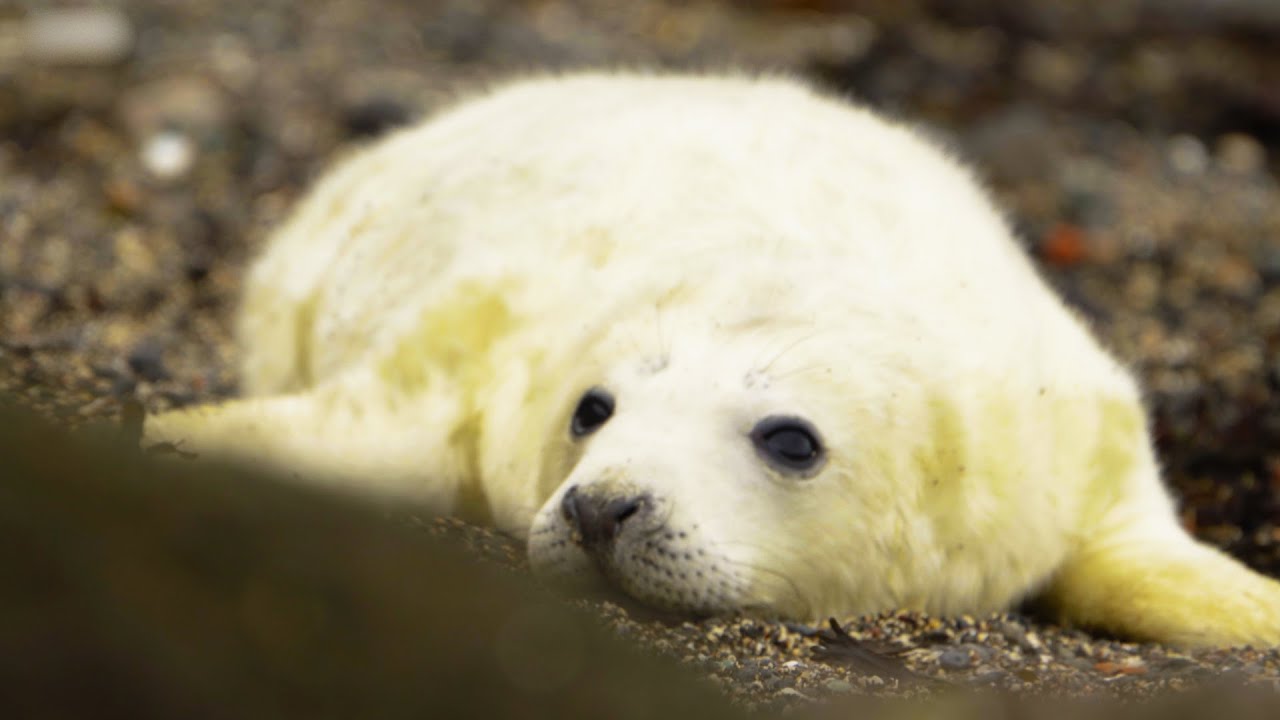
An abandoned private island in Scotland serves as a habitat for baby seals, cave spiders, and long-eared owls, showcasing nature's resilience after human abandonment.