From over 100,000 films, discover the handful you'll love.
Free or premium access to the world's largest documentary library.
3995 films(Page 34 of 84)
Insects are vital to ecosystems, and their unique perspectives reveal significant insights into their environmental impact.
On March 28, 2005, the first litter of Iberian lynxes was born in captivity, marking a significant step in efforts to prevent their extinction.
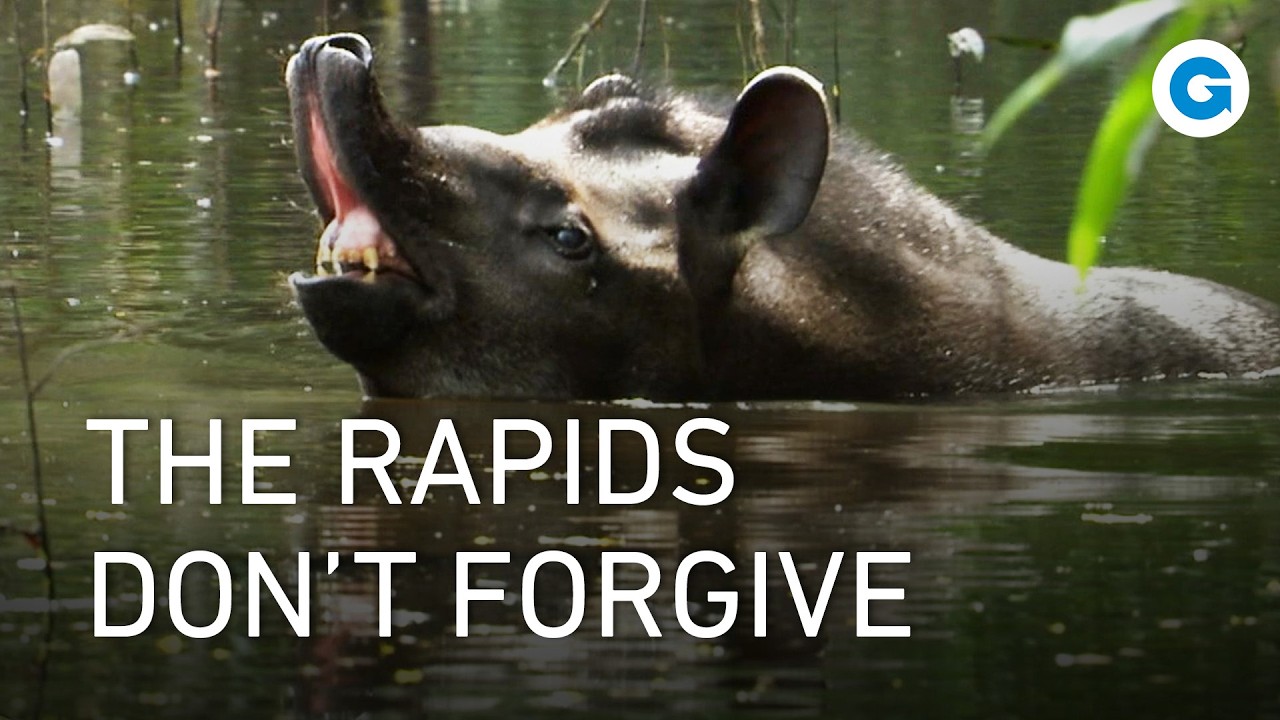
A team of 14 people carries enough food and supplies for several weeks while traveling 400 kilometers on rough dirt roads to reach the Essequibo's source.
More than 200 million years ago, the first crocodile appeared, inspiring legends and beliefs across various cultures, from worship to fear.
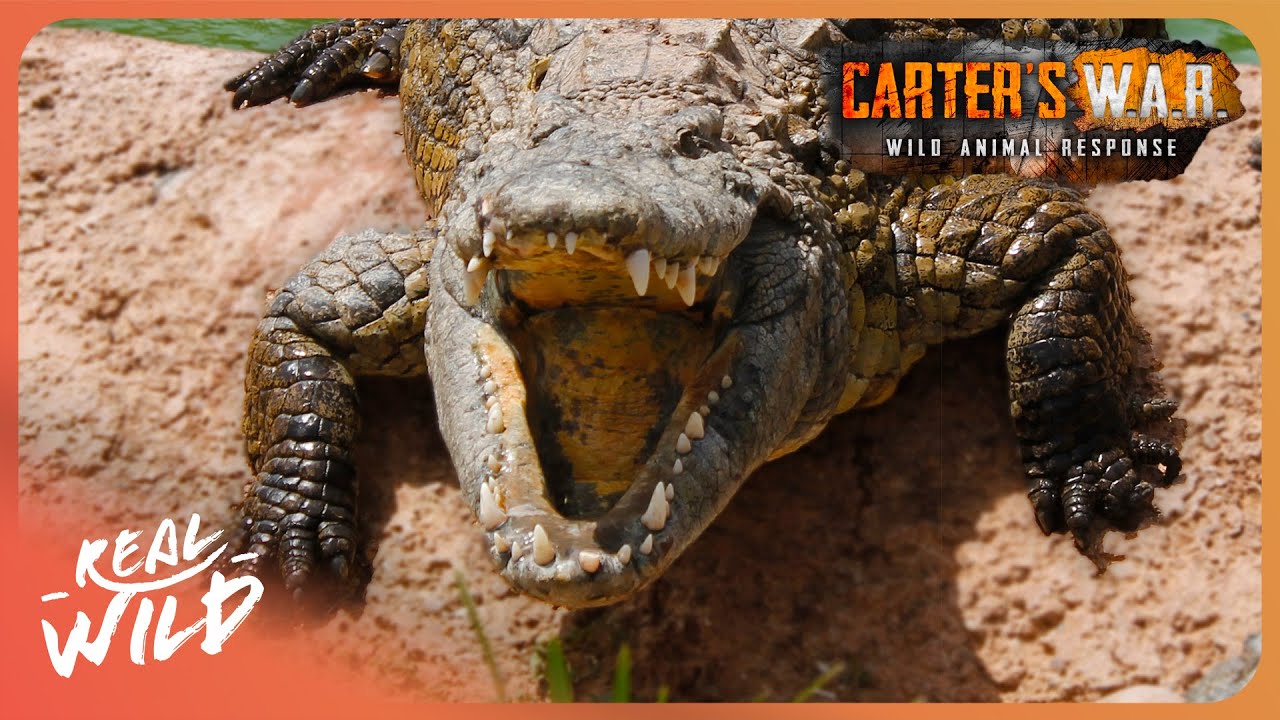
Wildlife investigator Ivan Carter examines various African animals, including the black rhino, elephant, lion, hippo, and Nile crocodile, to determine which is the most dangerous.
North America's diverse ecosystems are explored through the lives of wild animals, including bobcats, polar bears, and cutthroat trout, showcasing their survival strategies.
Eric and Matthew track gorillas in Gabon, release giant pandas in China, and follow Andean Condors in Argentina, highlighting 30 years of wildlife reintroduction efforts.
64,660 hectares of the Picos de Europa National Park in northern Spain protect diverse ecosystems and wildlife, including the endangered Iberian bear.
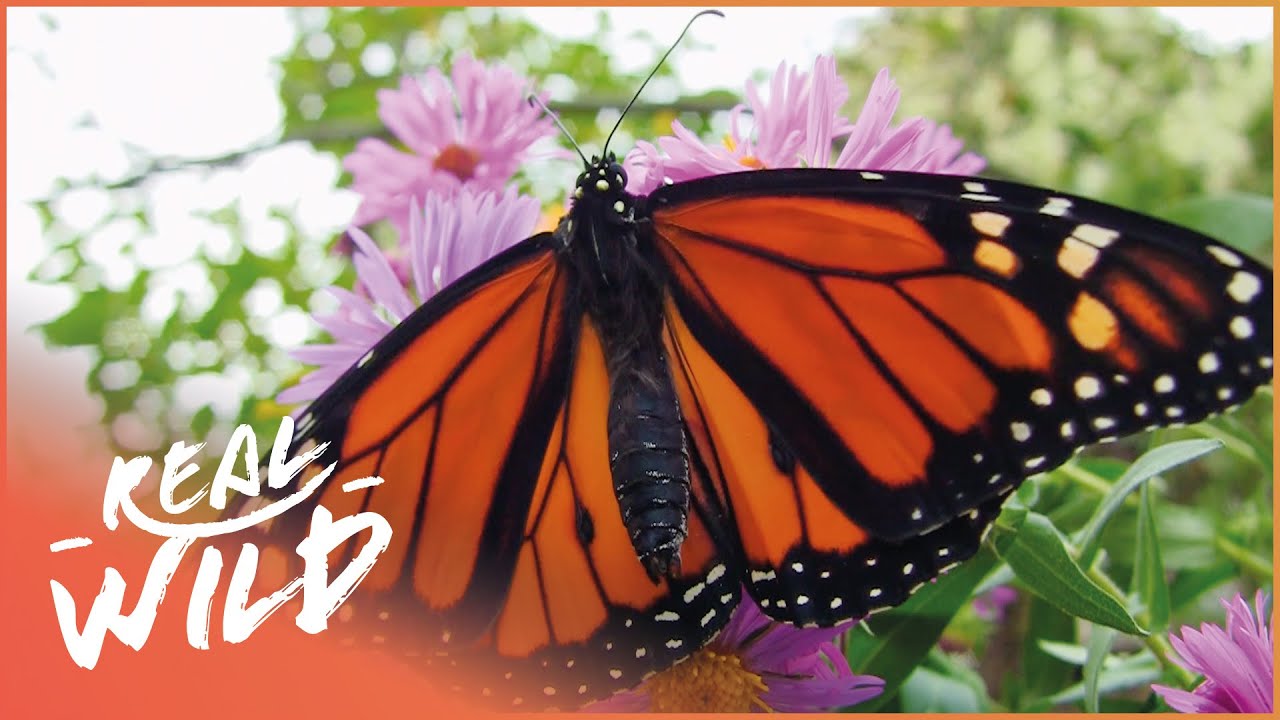
The Monarch Butterfly's lifecycle and ecological connections between Massachusetts and Mexico highlight its vital role in various habitats, from migration to pollination.
2000 species of fireflies use chemical signals to create light displays that attract mates, illustrating the diverse mating rituals in the animal kingdom.
In 2014, a storm caused 100 percent mortality of harp seal pups in the Arctic, illustrating the severe impact of climate change on marine life.
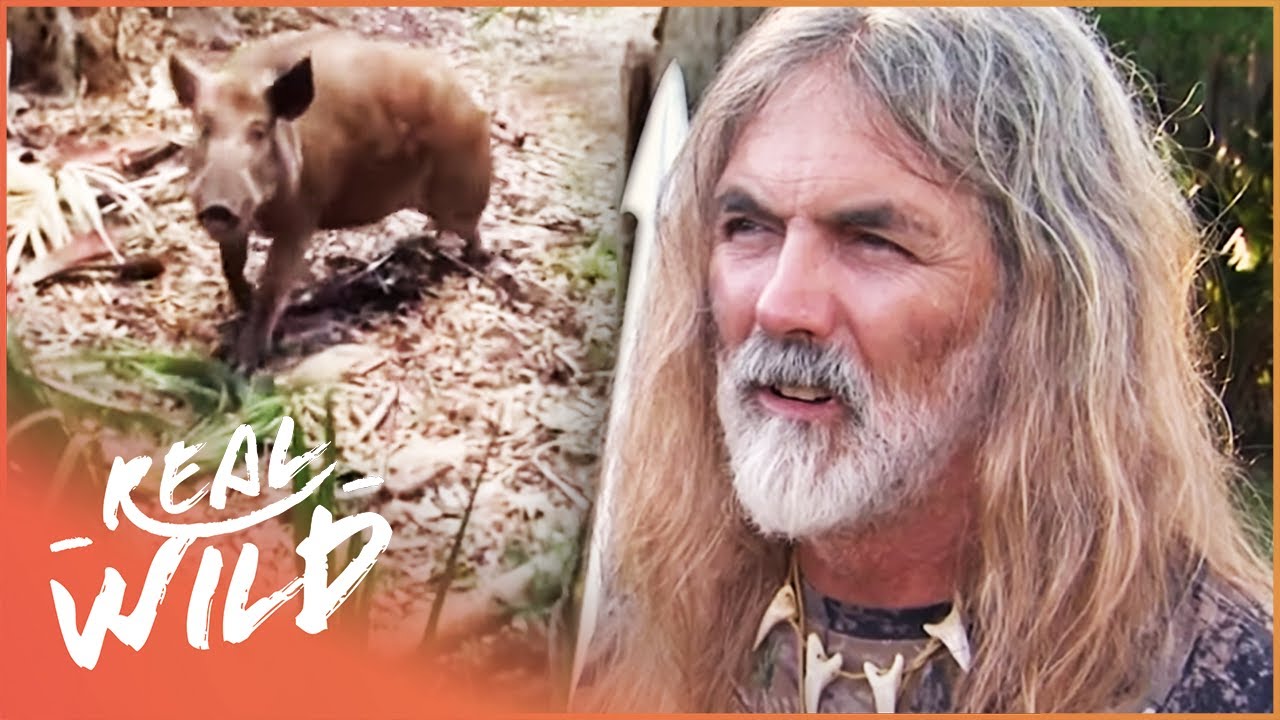
Manny confronts the challenges posed by wild boars in their natural habitat during an episode of Savage Wild set in a dense forest.
A French biologist searches for the nearly extinct black caiman in French Guiana's Kaw river swamp.
A flea and a Laysan Albatross travel the Pacific Ocean until landing on Midway to mate.
Rob Stewart and Rita Banerji highlight ocean conservation and Olive Ridley turtles in India.
Dwarf goats and miniature ponies showcase the fascinating world of the smallest animals, highlighting their unique characteristics and care needs.
A million years ago, Italy was a battlefield of erupting volcanoes that shaped the land and created new ecosystems for plants and animals.
A Martian dust storm can reach speeds of over 160 km an hour, posing a suffocating threat to life on Earth if it were to occur here.
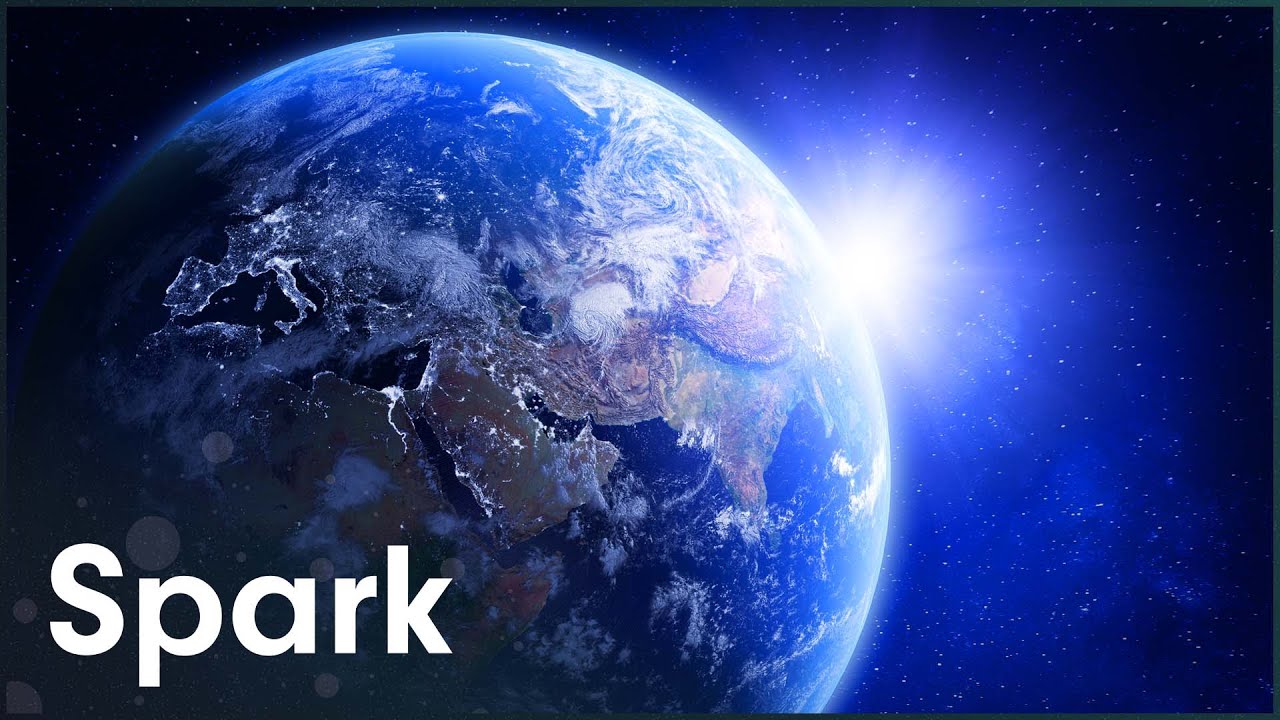
Earth's unique features and optimal position in the Milky Way are illustrated through stunning visuals from NASA and the Hubble Space Telescope Institute.
Freshwater ecosystems host unique wildlife, including the platypus, hippopotamus, and specialized crocodiles, each adapted to their specific habitats.
On May 18, 1980, Mount St. Helens erupted, killing 26 people and leaving more than 40 missing in a blast zone covering approximately 100,000 acres.
In eastern China, a dense population of seven hundred million people coexists with diverse wildlife, including rare white dolphins and unique bird-filled wetlands.
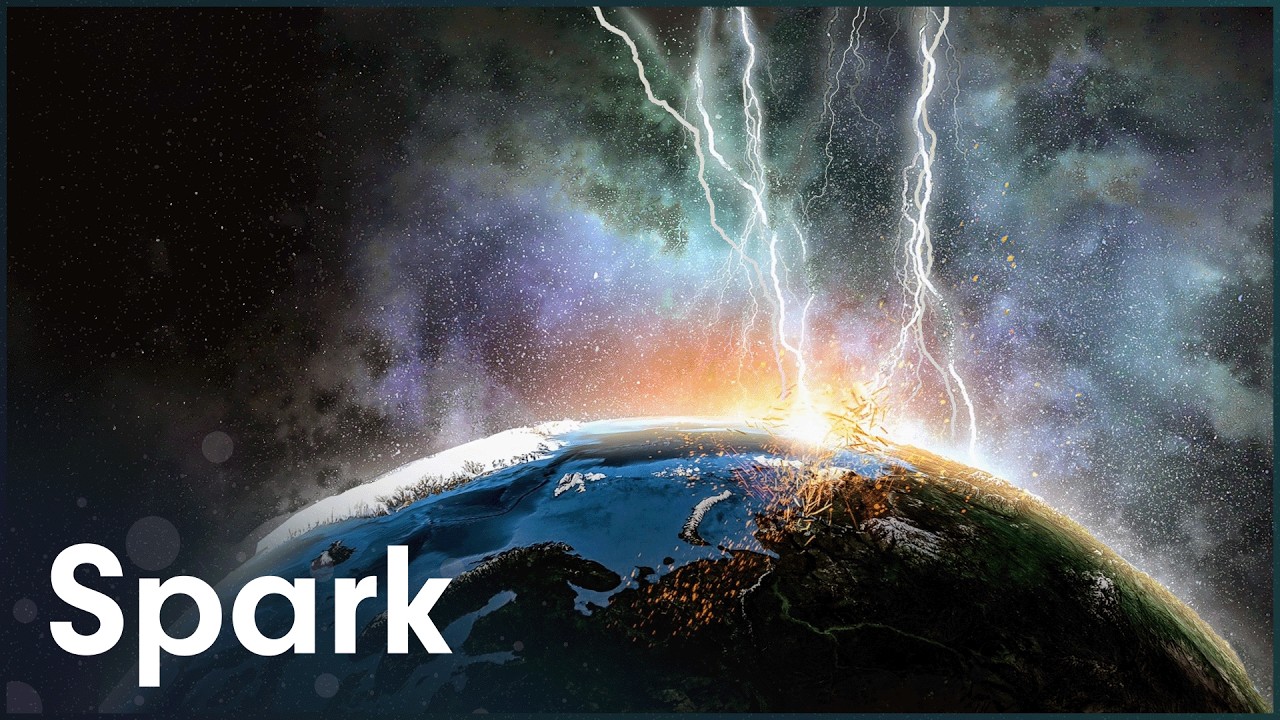
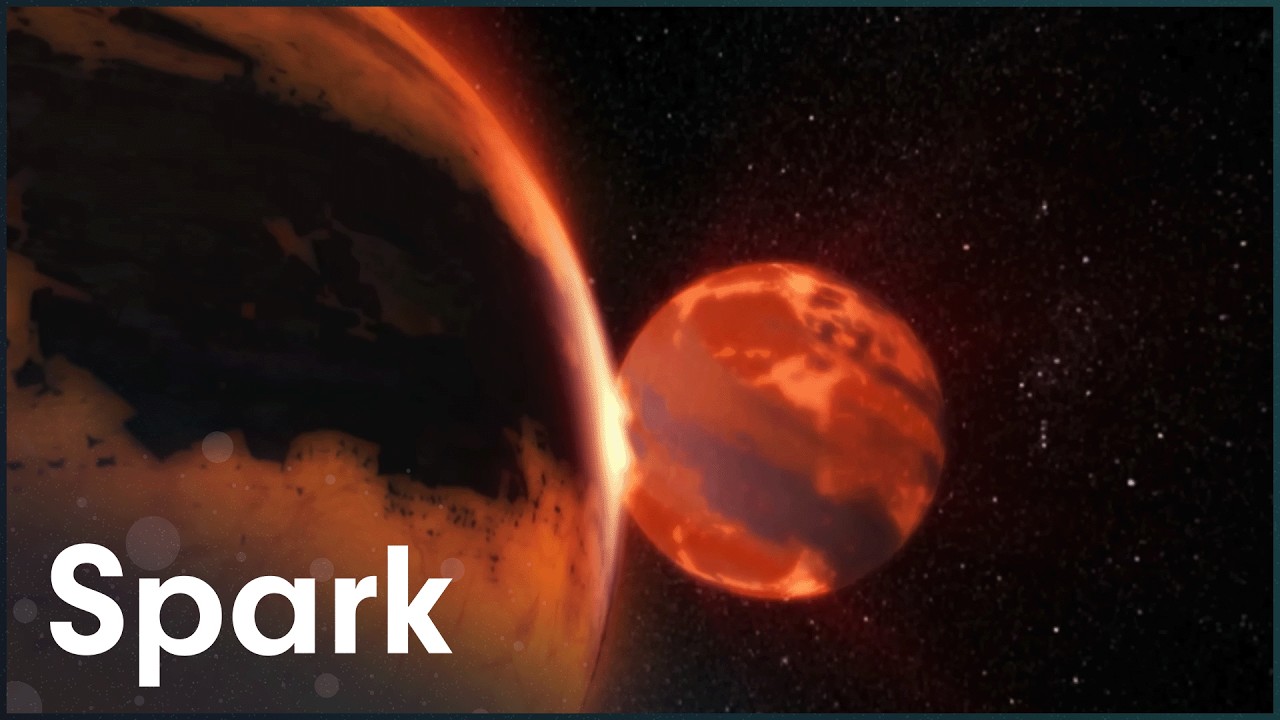
A Mars-sized planet named Thea collided with Earth 4.5 billion years ago, leading to the formation of the Moon and enabling life to thrive.
Burmese pythons in Florida's Everglades pose a significant threat to native wildlife, prompting biologist Sean Heflick and python experts Greg Graziani and Michael Cole to implement eradication efforts.
In the African Bushveld, one of the planet's most perilous ecosystems, wildlife thrives alongside the continent's largest and most formidable species.
Mountain gorillas in the Virunga Mountains face threats from poaching, habitat loss, and the Rwandan refugee crisis, highlighting the urgent need for conservation efforts.
Male Bowerbirds build elaborate bowers, where they perform intricate dances to attract females in the warm temperate rainforests of eastern Australia.
North America's wild Mustangs face extinction due to human expansion, while beavers play a crucial role in shaping ecosystems through their dam-building activities.
In rural Tanzania, travelers navigate challenging roads from the Indian Ocean to Lake Victoria, encountering wildlife and the lives of local communities along the way.
A morrocoy tortoise escapes from danger and travels across 300,000 square kilometers of harsh plains to find safety in the jungle.
The African Plains are inhabited by a wide variety of wildlife, each exhibiting distinct adaptations and behaviors essential for survival in their ecosystems.
Sumba is home to one of the last megalithic civilizations on Earth, where residents entomb their dead in dolmens and practice ancestor worship.
Killer Jellyfish, the most venomous creature, are spreading across oceans and posing dangers.
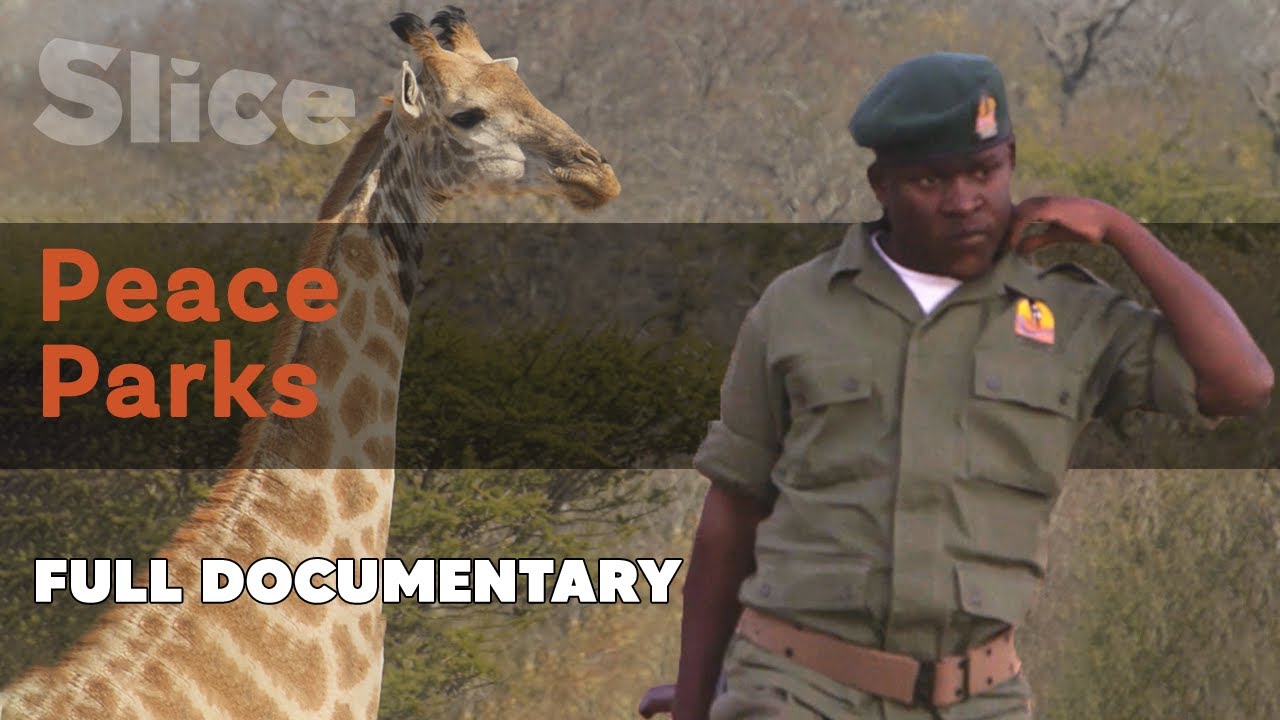
Sixty peace parks have been established worldwide, with more than half located in Africa, aiming to promote cooperation and protect nature across borders.
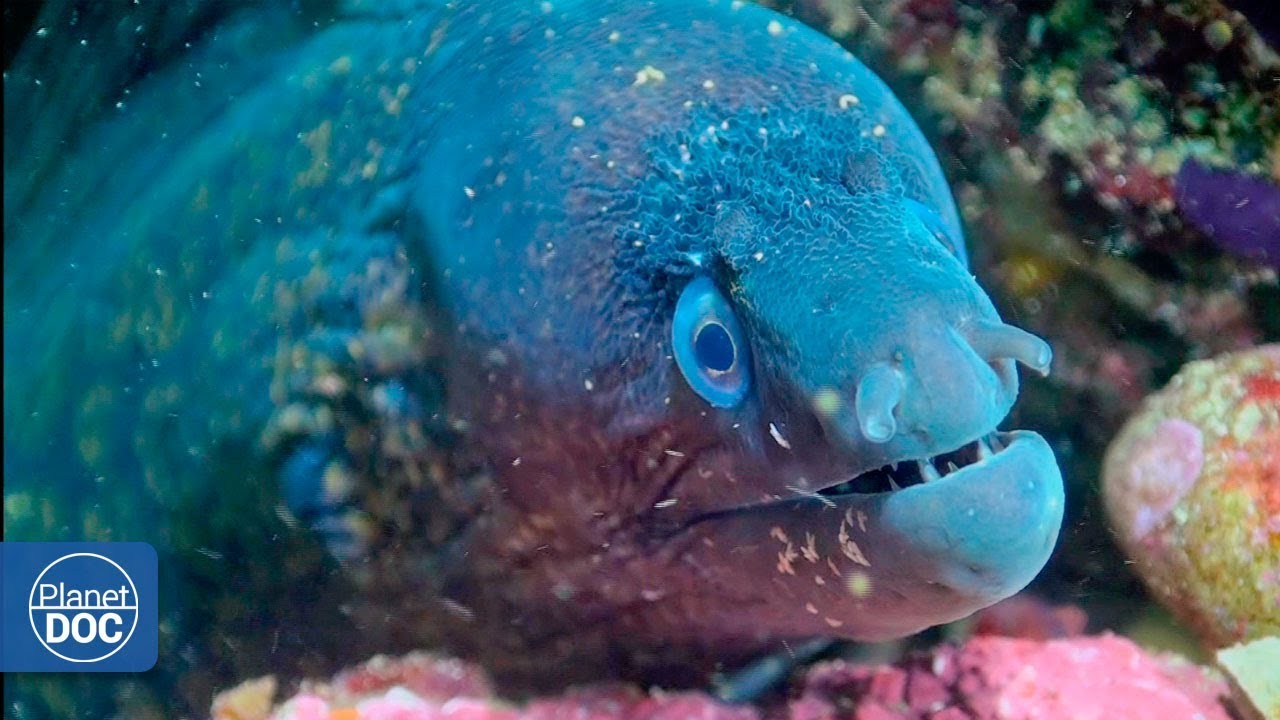
Freediver Frederic Buyle and marine biologist Professor Serge Planes study the coral reefs of Moorea, French Polynesia, documenting marine species and conservation challenges.
Kaieteur Falls, with its enormous drop, is one of the great natural wonders in the river system of the Essequibo, which stretches 1,000 kilometers.
At Hamburg Zoo, various animal babies engage in playful adventures while being cared for by dedicated keepers, highlighting their unique bonds and challenges.
Baby animals from various natural, domestic, and cultural environments around the world are highlighted for their daily lives and charming behaviors.
Mark Moffett describes finding an entire ecosystem within an acorn, revealing the complex interactions of life that often go unnoticed in nature.
In various natural and domestic environments, baby animals display their daily routines, highlighting their charm and playful behaviors.
Courtship rituals and competitive behaviors in the animal kingdom reveal how attraction and reproduction drive the legacy of future generations.
Lake Manyara National Park spans 330 square kilometers, with the lake itself covering 390 square kilometers and supporting a variety of ecosystems.
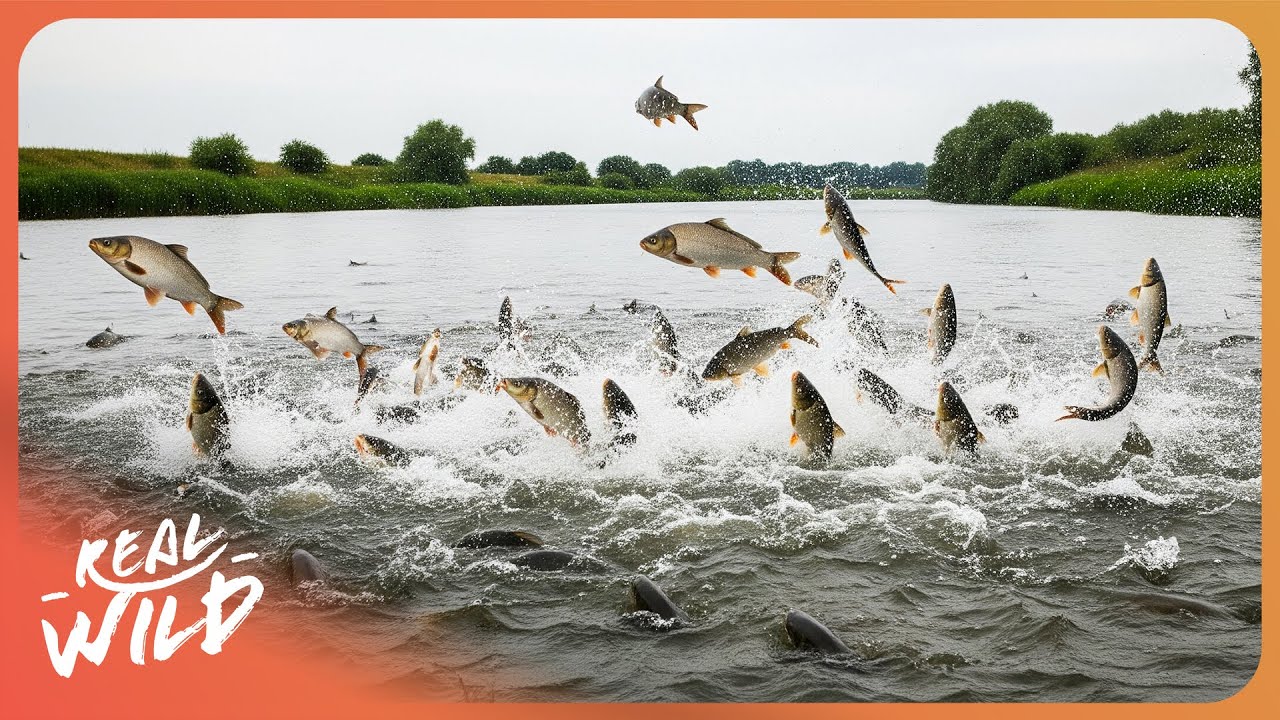
Asian carp, originally introduced to America for pond maintenance, now threaten the Mississippi River ecosystem and the Great Lakes through their invasive spread.
The Mediterranean Sea evolved from a desert valley into a vibrant marine ecosystem after the collapse of the rock dike in the Strait of Gibraltar over 5 million years ago.
In the diverse landscapes of Africa, gazelles, lions, hippos, rhinos, elephants, gorillas, and giraffes confront daily challenges in their struggle for survival.
This full documentary highlights Alaska's vast landscapes and unique regions in America.
There are only 22,000 African penguins left in the world, a decline from over a million a century ago, raising concerns about their survival.
Kaieteur Falls marks the starting point of an expedition along the Essequibo River, where an experienced team navigates rapids, interacts with indigenous cultures, and explores remote landscapes in Guyana.