From over 100,000 films, discover the handful you'll love.
Free or premium access to the world's largest documentary library.
3994 films(Page 42 of 84)
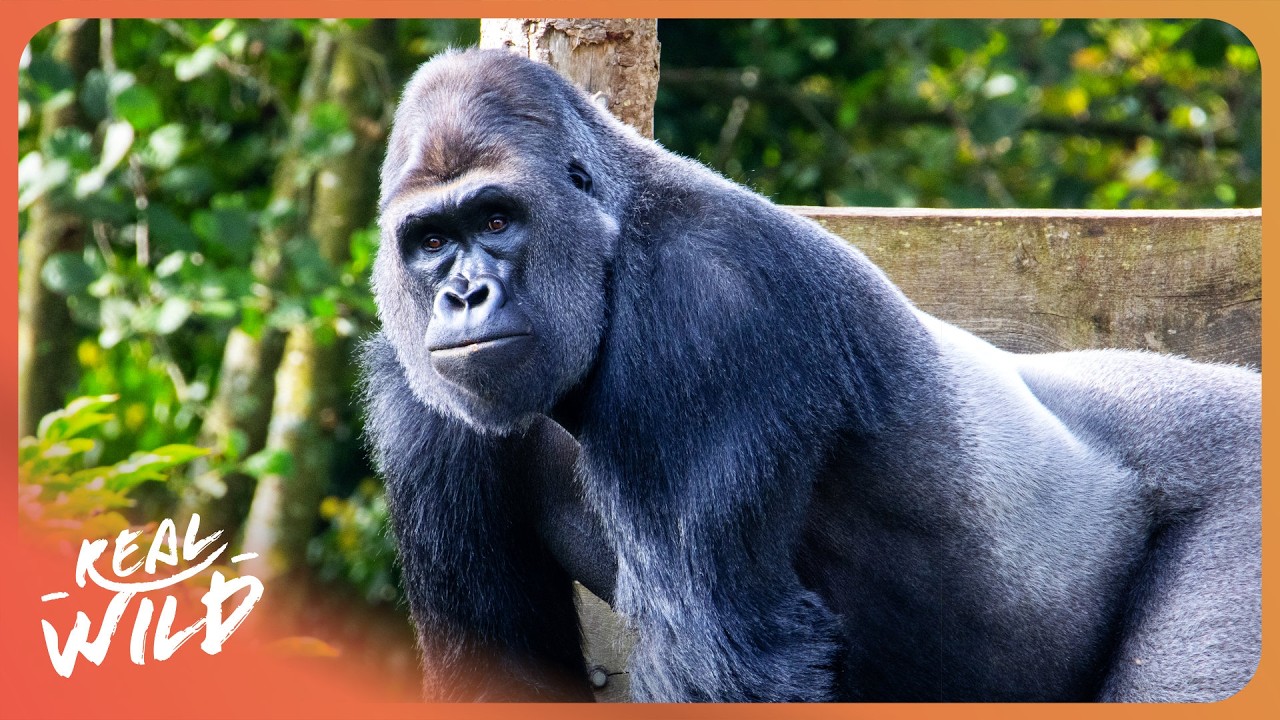
In the northern Republic of the Congo, a unique partnership between local communities and commercial logging has led to the thriving population of 70,000 western lowland gorillas.
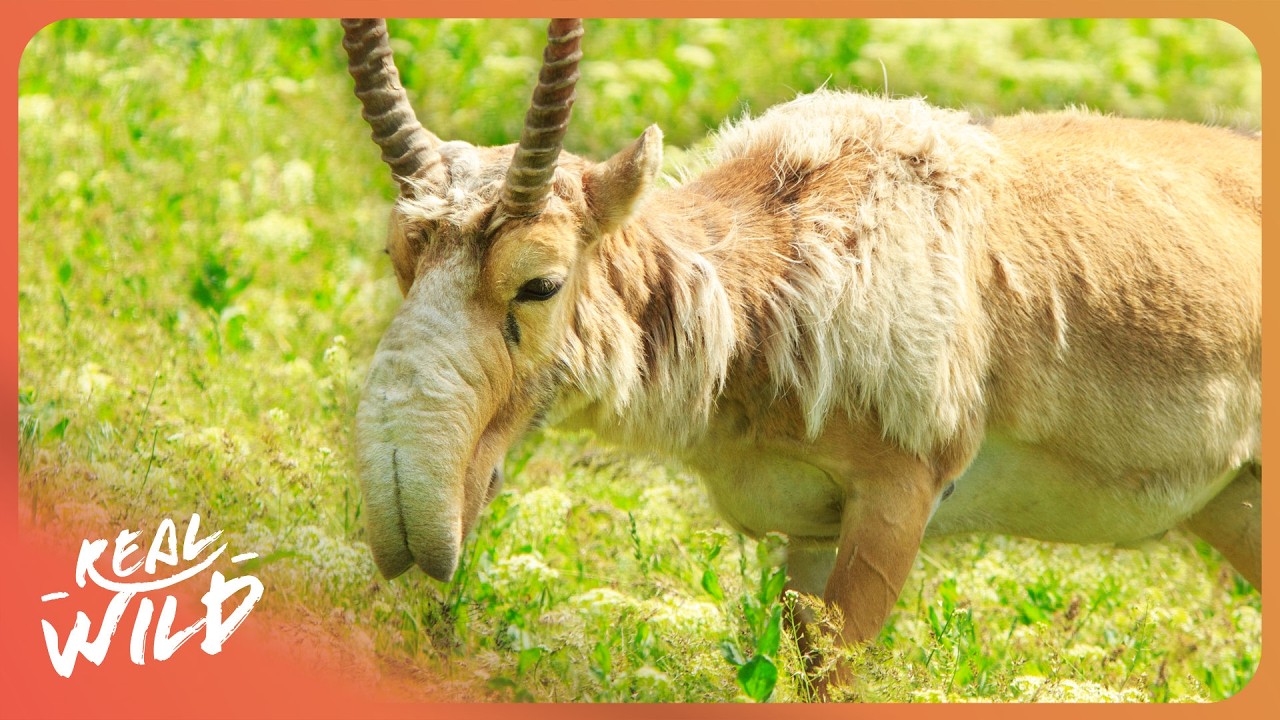
The Saiga antelope, an ancient species in Central Asia, faces extinction due to human activity, prompting scientists and conservationists to protect its remaining herds.
Stunning visuals of wildlife in their natural habitats provide a calming environment for relaxation and stress relief.
In the dark jungles of Tamil Nadu, the Irulas, an ancient tribe of hunter-gatherers, continue their millennia-old tradition of snake hunting.
In the equatorial region, diverse wildlife such as gibbons, orangutans, cheetahs, and lions adapt to extreme conditions shaped by the sun's intensity.
Juarez and the Munduruku people face existential threats to their language and culture due to the construction of a hydroelectric power station in the Amazon basin.
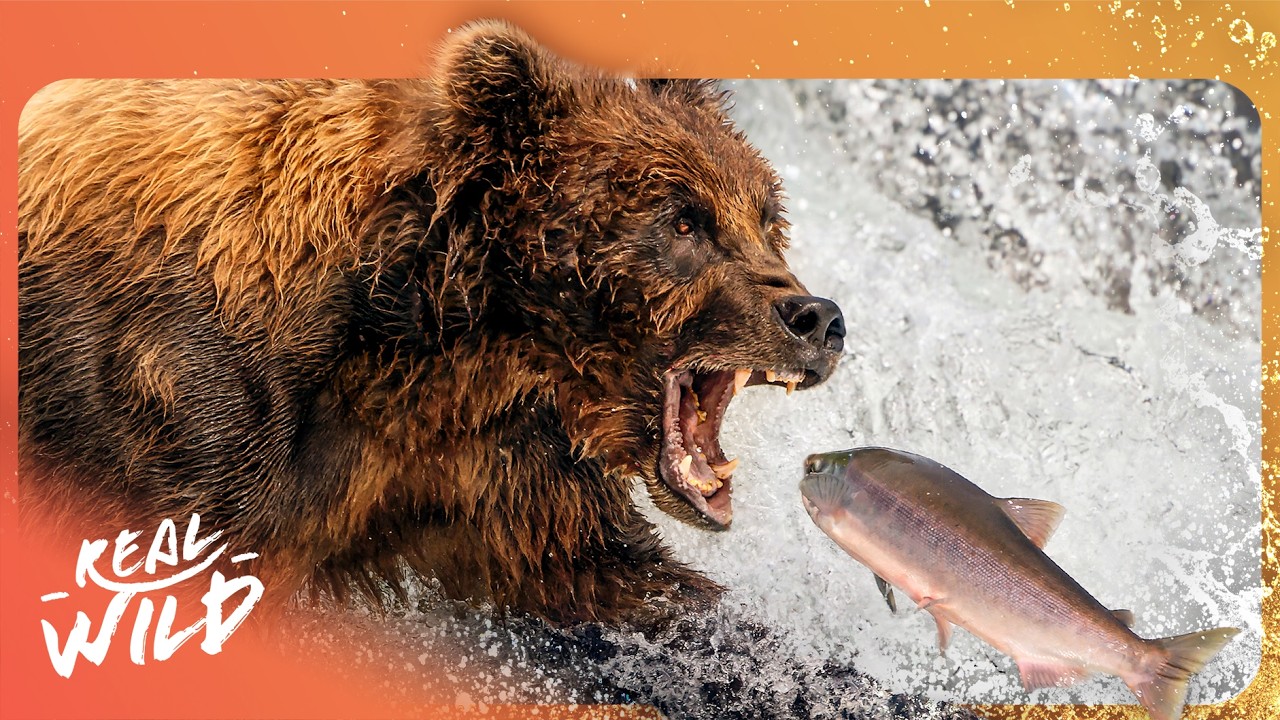
In British Columbia's Great Bear Rainforest, over 100,000 salmon return to spawn each autumn, attracting apex predators like bears that consume vast quantities to prepare for winter.
In Greenbrier County, West Virginia, Nick Kessler and Brian Fulmer explore Cold War secrets, local wildlife, and scenic river trails.
Moose are increasingly appearing in urban areas of Poland, adapting to human environments and expanding their range into the Berlin region since their protection in 1995.
Lake Constance faces a wildlife crisis as conservationists, led by ornithologist Peter Berthold, implement ambitious projects to restore bird populations and ecosystems.
In Florida's Ocilla River, Manny Puig tracks alligators navigating a unique ecosystem where fresh and saltwater converge, revealing diverse wildlife interactions.
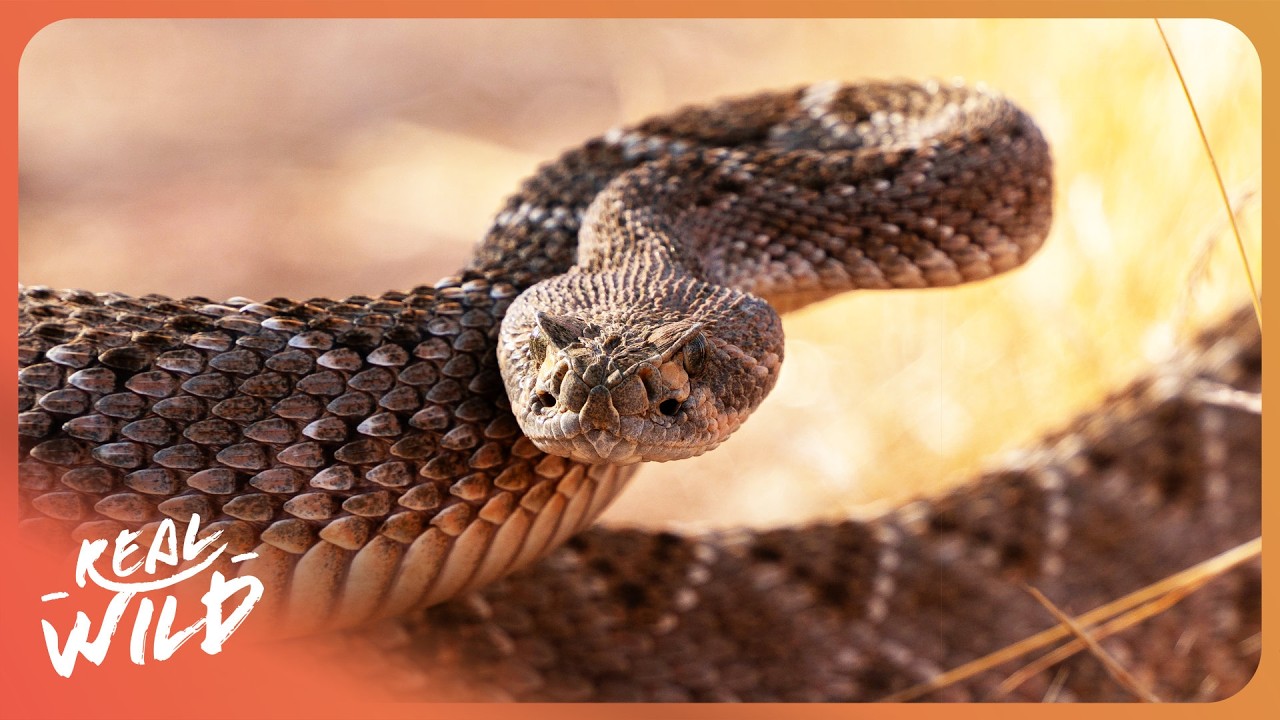
In the deserts of the American Southwest, a female Western Diamondback rattlesnake uses heat-sensing pits to hunt prey while navigating threats from predators.
In the context of the illegal wildlife trade, conservation experts like Dr. Jane Goodall examine the connections between crime cartels, child soldiers, and corrupt officials.
Inle Lake, a vital ecosystem in Myanmar, faces ecological threats from modern agricultural practices as local farmers use pesticides and fertilizers on floating gardens.
Wrangel Island, a UNESCO World Heritage Site in the Russian Arctic, hosts a unique ecosystem with around 400 female polar bears and numerous endemic species, now threatened by climate change.
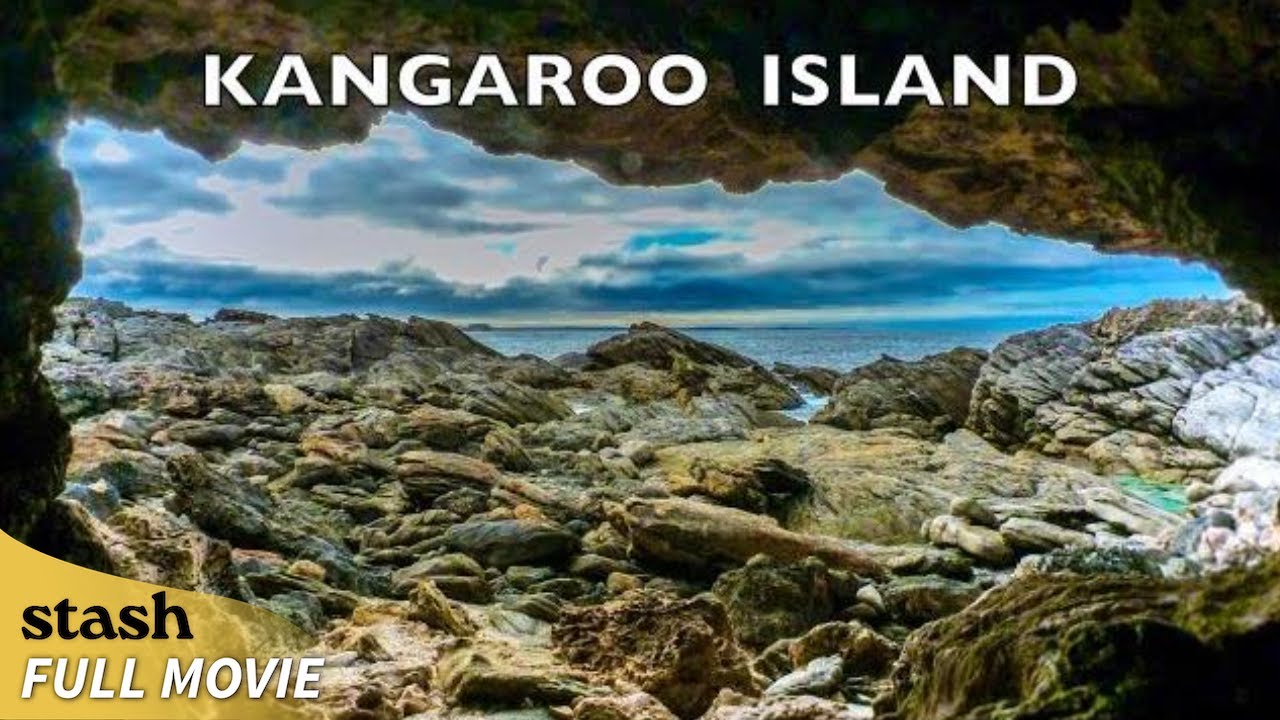
Kangaroo Island, an Australian destination known for its pristine beaches and diverse wildlife, showcases extraordinary landscapes through stunning photography and narration.
Sir David Attenborough celebrates his 100th birthday in 2026, reflecting on his influential career in natural history broadcasting and conservation efforts.
Dr. Ruth Patrick received the National Medal of Science in 1996 for her work on freshwater ecology and the effects of pollution on river systems.
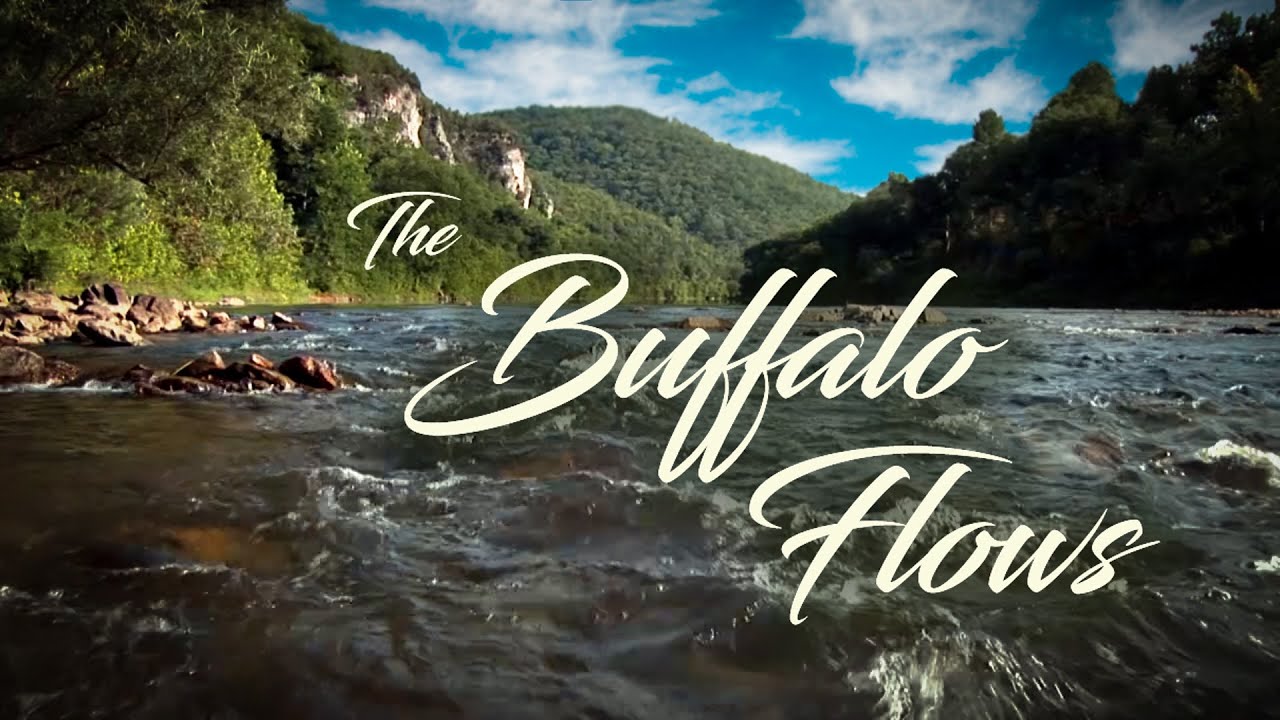
In the Ozarks, environmental advocates successfully fought to protect the Buffalo River, a 135-mile stream renowned for its canoeing and natural beauty.
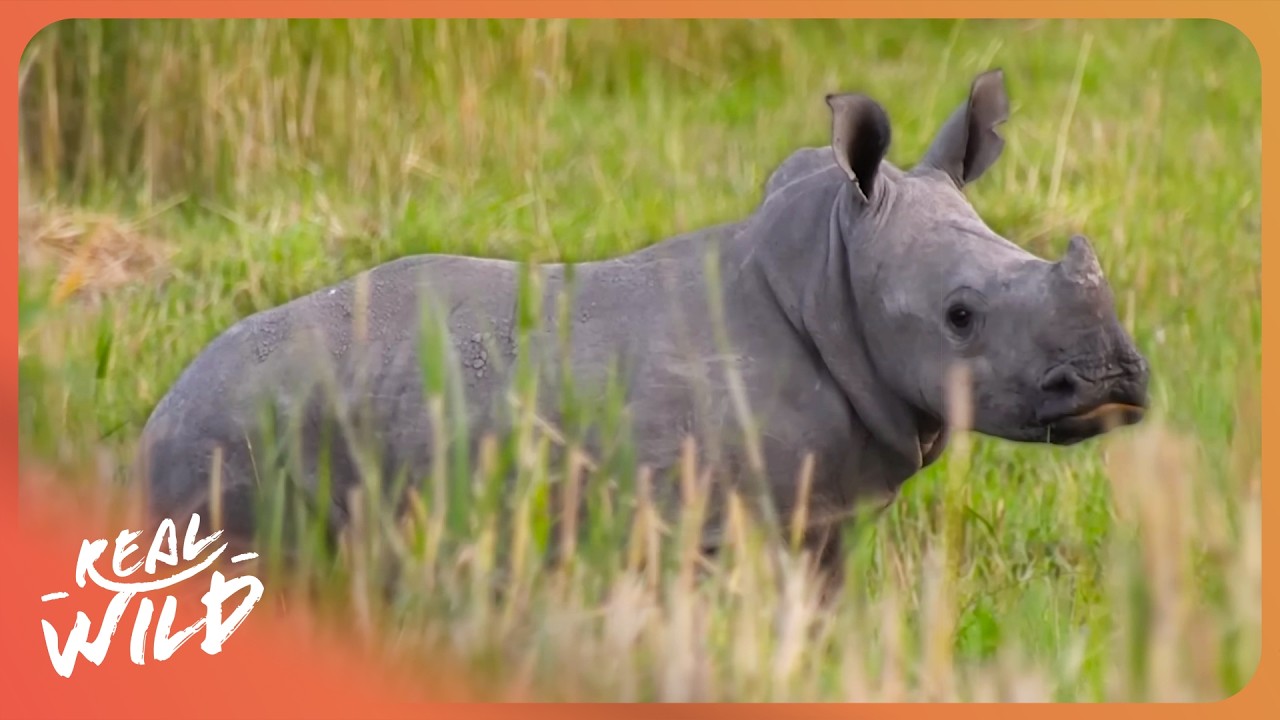
In Matobo National Park, Zimbabwean conservation efforts focus on dehorning white rhinos to protect them from poaching and ensure their survival.
The Syr Darya, a nearly 3,000-kilometer river flowing from Kyrgyzstan through Kazakhstan and Uzbekistan, remains the last source of water for the dwindling Aral Sea.
In the humid lowlands of Cameroon and the misty peaks of Uganda, the survival of the last 800 mountain gorillas and other wildlife is explored in their natural habitats.
In Yellowstone National Park, a mother river otter navigates the challenges of winter survival while raising her pups amidst threats from coyotes and other predators.
In the wild, newborn animals from elephants to tiny predators face universal challenges as their parents strive to ensure their survival and independence.
Lake Lugano, straddling the border of Switzerland and Italy, showcases a unique ecosystem where ancient traditions of fishing and winemaking coexist with diverse wildlife and geological history.
In the rugged mountains of Nevada, a partnership between hunters and biologists is expanding the range of Bighorn sheep through innovative conservation efforts.
In the frozen Baltic Sea and Scandinavian forests, young animals like gray seal pups and goldeneyed ducklings face deadly predators and harsh climates.
Two baby fox cubs find themselves stranded on an island in a swollen stream while their mother barks nearby, prompting a rescue effort.
In Kenya's western Mara, hippos and crocodiles interact in the Mara River, showcasing their social dynamics and survival strategies in a vital ecosystem.
Research on smaller body sizes in the animal kingdom suggests that humans could benefit from reduced size, similar to successful species like mosquitoes.
In the frozen heartlands of South Dakota, Ivan Carter and a team of biologists use helicopter-mounted net guns to capture white-tailed deer for population management.
In the central African jungle, the Baka Pygmies, Tibetan bee keepers, Bahau water nomads, and Darkhad nomads of Mongolia exemplify diverse traditional lifestyles.
Jane Goodall's pioneering research on wild chimpanzees in Gombe Stream National Park reshaped primate studies and sparked global conservation initiatives.
In the Luangwa Valley and Serengeti, hippos and Nile crocodiles navigate fierce competition and survival strategies in Africa's most perilous river ecosystems.
Human microbiomes, consisting of 30 billion microorganisms, are affected by urbanization and modern diets, impacting health and diversity in contemporary life.
Plastic pollution in the oceans creates new habitats for microorganisms, prompting researchers to assess their impact on marine ecosystems and human health.
In the Okefenokee Swamp, ancient alligators thrive in a unique ecosystem shaped by fire and water, showcasing the intricate balance of this black water habitat.
Five hours pass as the sun rises over America, revealing diverse landscapes from the mountains to the coasts.
In the wild, the jaw serves as a critical weapon for predators like lions, crocodiles, and sharks, showcasing their evolutionary adaptations for survival.
Australia and New Zealand's unique wildlife, including Tuatara, Dingo pups, and Humpback whale calves, face survival challenges in their isolated environments.
In the Austrian Alps, a family of Alpine Marmots navigates threats from Golden Eagles and cunning foxes while defending their burrow from intruders.
In the Chennai region of India, the Irulas capture venomous snakes for pharmaceutical use, passing down their dangerous expertise through generations.
In South Africa, Ben Fogle examines the escalating conflict between armed security forces and illegal poachers targeting the endangered white and black rhinoceros.
In Asia's diverse habitats, young Amur Leopard cubs, Bengal Tiger cubs, and other species learn survival skills while facing the challenges of the wild.
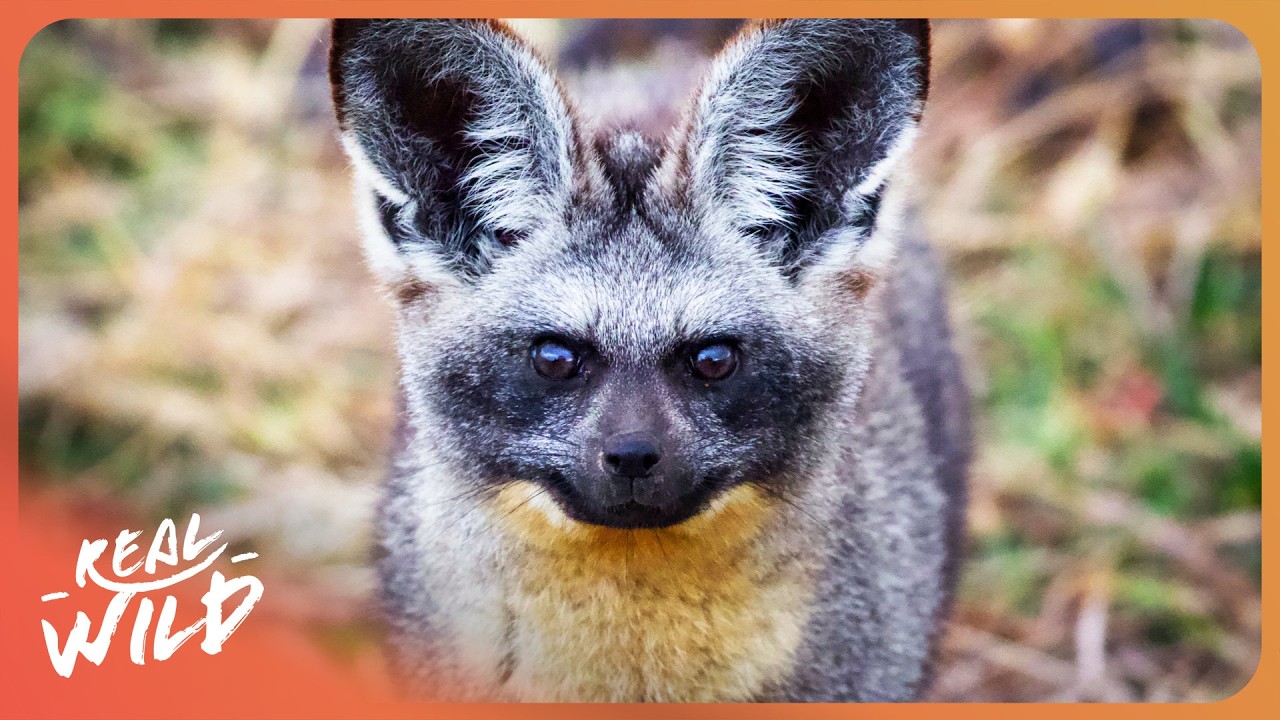
In the Namib Desert, a bat-eared fox named Fanta showcases the resilience of smaller wildlife and the efforts to protect them amid environmental challenges.
In the Kalahari Desert, unique wildlife adaptations enable survival in one of the harshest environments on Earth, as narrated by Pal Aron and directed by Peter Lamberti.
In Sri Lanka, gemology student Shina explores the origins of sapphires and rubies, while monk Dhamma Dassi seeks spiritual enlightenment on Sri Pada.
In the Great Bear Rainforest, 800-pound grizzly bears compete for salmon along the riverbanks, showcasing their hunting skills in a thriving ecosystem.