From over 100,000 films, discover the handful you'll love.
Free or premium access to the world's largest documentary library.
3995 films(Page 73 of 84)
Killer whales on the Valdés Peninsula use unique hunting techniques on steeply sloped beaches.
Pátzcuaro Lake in Michoacán serves as a vital resource for the Purepechas, who honor their cultural practices and relationship with death each year.
A male stag beetle spends six years underground before emerging to find a mate in England's New Forest, a habitat rich with diverse insect life.
On the Valdés Peninsula, over half a million Patagonian and Magellanic penguins return to breed after months at sea, showcasing their unique behaviors and adaptations.
Since 1983, the Valdés Peninsula has served as a sanctuary for southern right whales, allowing their populations to gradually rise after near extinction.
In 1980, a single large male grizzly bear mauled four people in Banff, prompting communities to address the dangers of human-wildlife interactions.
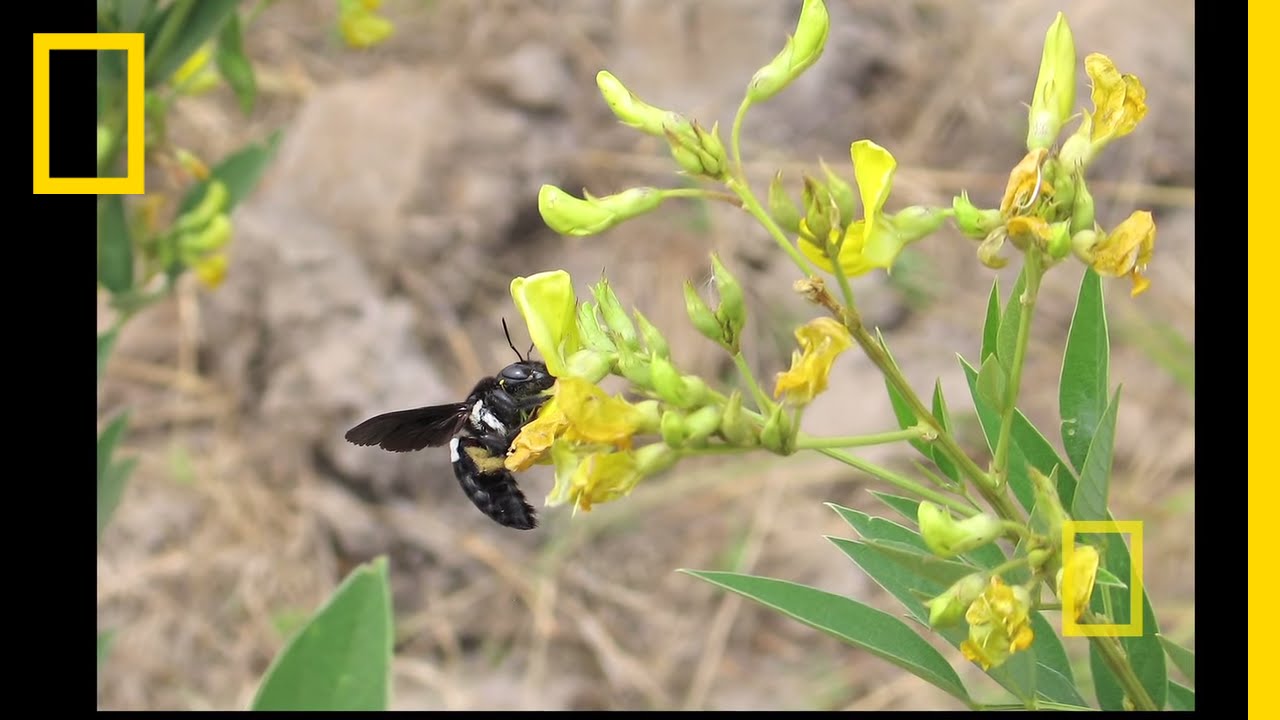
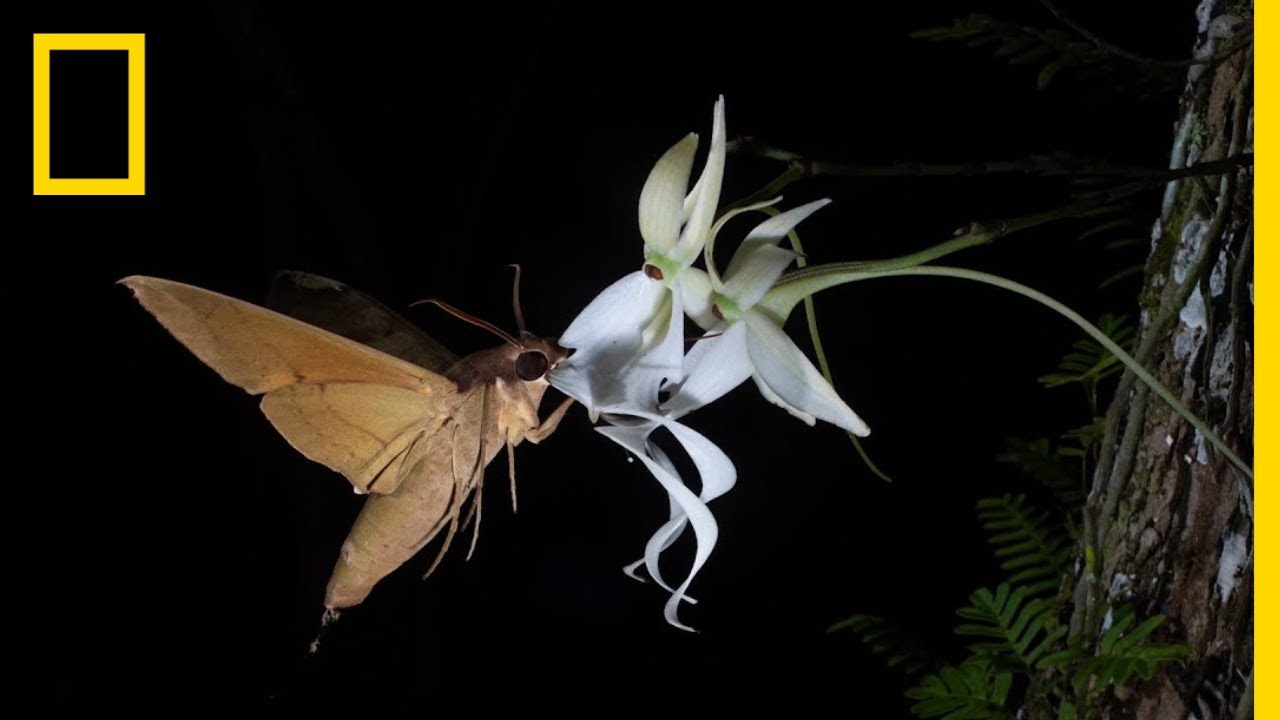
Emerging Explorer Dino Martins highlights the crucial role of pollinators, such as long-tongued bees and hawk moths, in sustaining ecosystems worldwide.
Red crabs migrate to the sea, facing predators and environmental threats, while highlighting the need for conservation efforts to protect their habitats.
Marine biologist Thomas Peschak photographs sharks and sardines off South Africa's coast to promote understanding and conservation of these often-misunderstood species.
64,660 hectares of the Picos de Europa National Park in northern Spain protect diverse ecosystems and wildlife, including beech forests and alpine meadows.
Females lay up to 7,000 eggs in the ponds of Picos de Europa National Park during the mating season from March to April.
Over 300 million years ago, limestone deposits formed the foundation of the Picos de Europa mountain range in northern Spain.
Less than 90 bears remain in the Picos de Europa National Park, with some experts considering this number the minimum viable population for survival.
In Indonesia, the Komodo dragon captivates with its legendary status, while Western Sahara's magical lizards highlight the region's unique culture and environment.
Only 1% of the plastic that enters the ocean is visible, while the remaining 99% remains unseen, impacting even the remote Galápagos Islands.
In 2009, lionfish reached the coast of Honduras, quickly colonizing the seabed and threatening local marine life within three years.
A premature giraffe calf at a British zoo shows signs of recovery after weeks of concern from the animal care team.
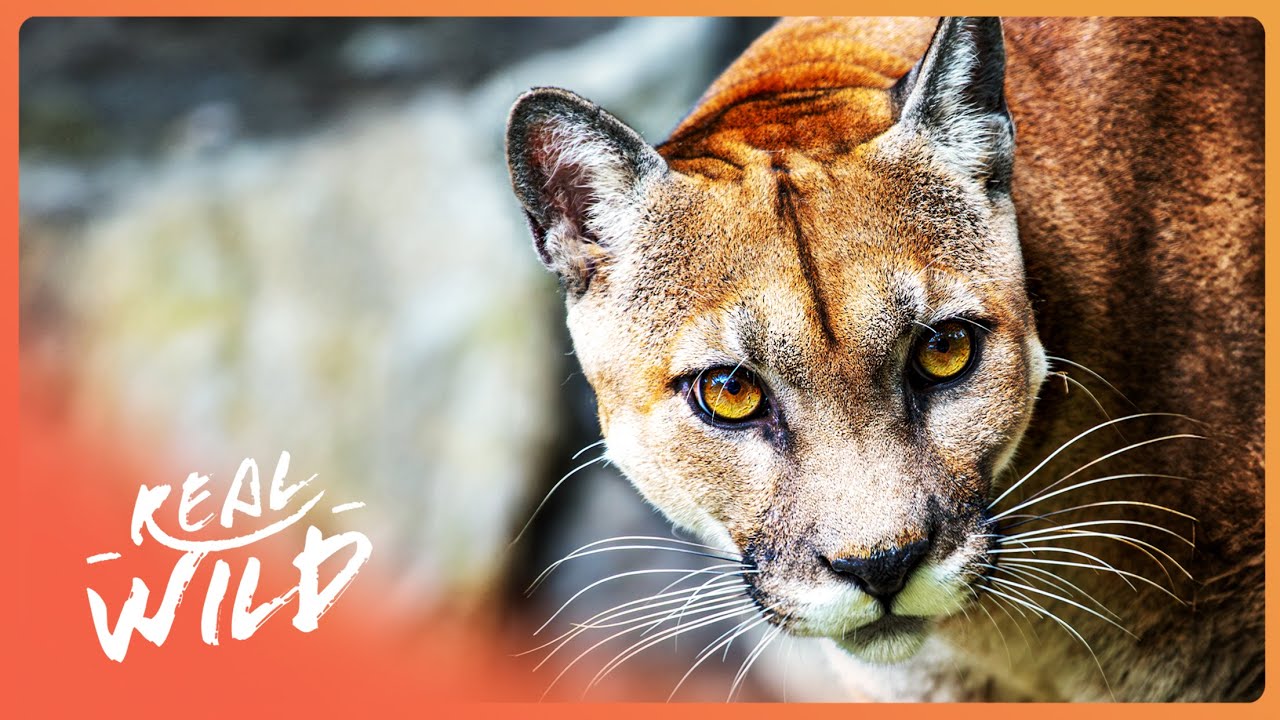
San Diego Zoo Safari Park showcases the vital relationships between keepers and animals, highlighting the recovery of orphaned mountain lions and a cheetah cub.
Three flat tires delay a group traveling through the Congo to observe wild bonobos, a species known for their unique social behaviors and matriarchal structure.
Only about 3,000 wild Cuban crocodiles remain, primarily found in the Zapata Swamp, which is the only place they can live in the wild.
Tisno, a 24-year-old botanist, patrols 65,000 hectares of Yujong Kulong National Park to protect endangered species from poachers.
Rangers in the Ussuriskii State Nature Reserve in eastern Russia are combating logging and poaching to protect the endangered Siberian tiger population.
In the Cocora Valley, the wax palm, Colombia's national tree, faces extinction threats despite government protection measures established since 1985.
Modiki, a former poacher turned protector, leads a ranger team in Dzanga-Sangha to combat poaching and safeguard Africa's endangered elephants.
In remote Florida swamps, researchers Carlton Ward Jr.
In Penang, Malaysia, a farm breeds butterflies to reintroduce species into the wild.
Lewa Wildlife Conservancy in Kenya showcases its rich biodiversity, featuring elephants, giraffes, rhinos, and lions while emphasizing wildlife conservation efforts.
Birds from the Iberá Wetlands to the Atlantic Rainforest are showcased to promote relaxation and highlight the benefits of nature on mental and physical wellbeing.
In a calming exploration of nature, snails, frogs, and wild animal families are showcased to highlight their behaviors and the benefits of nature on wellbeing.
Rivers such as the Danube, Yukon, and Zambezi serve as vital ecosystems, supporting diverse wildlife and human communities across the globe.
Giant Redwood Forests, a unique and endangered ecosystem, is showcased in a co-production by BBC Earth and The Listening Planet, highlighting its natural beauty.
Adelina anesthetizes a spider monkey named Pepe to transfer him to a final cage before his release into the wild, ensuring he can integrate with other monkeys.
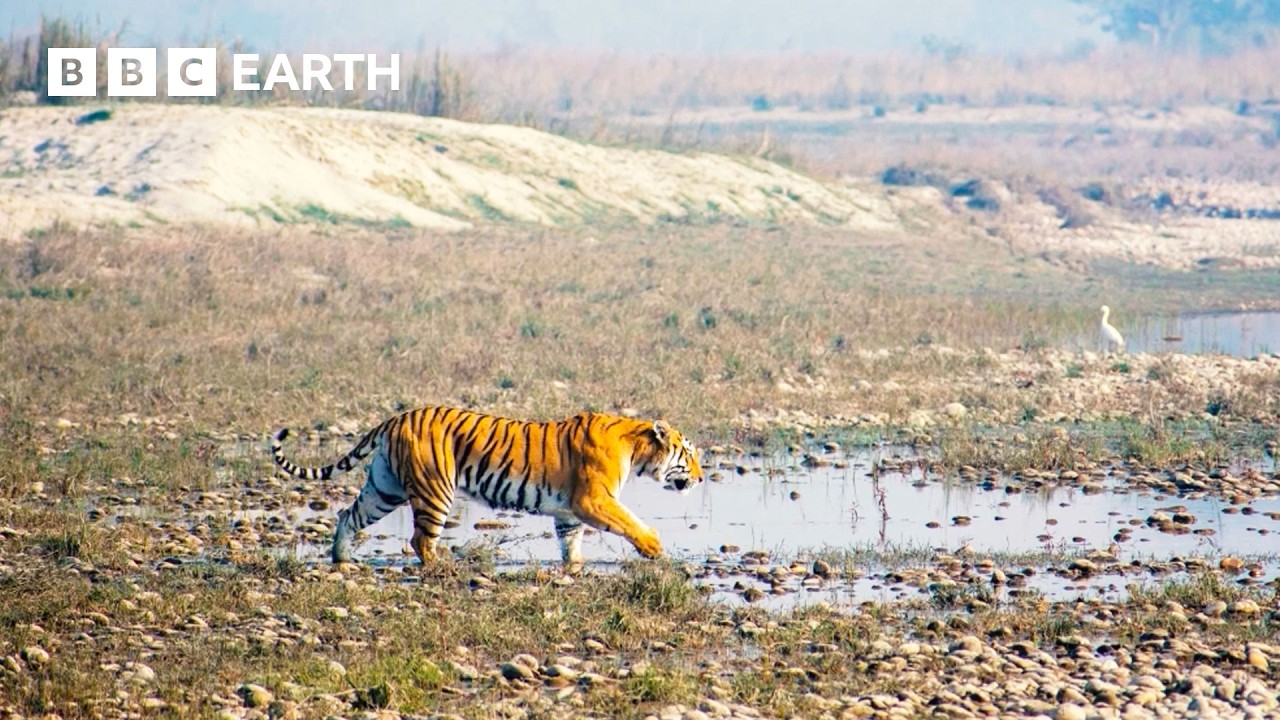
Wildlife biologist Dan O'Neill presents new insights into tiger behaviors filmed in Nepal for the series Tiger Island.
In the grasslands of Camargue, France, gardians maintain traditional practices of managing wild horses and bulls, emphasizing conservation and ecosystem balance.
Herpetologist Zoltan Takacs, despite being allergic to snake venom, captures deadly snakes in pursuit of potential lifesaving medicines.
Extreme kayaker Trip Jennings faces life-threatening challenges during his first descent of the Pandi River in Papua New Guinea.
A gray shark bites a diver's mask strap at a depth of 80 meters, prompting a critical response to a life-threatening situation.
The Kijas Aboriginal tribe and Iatmul people perform crocodile rituals to become men.
Innovations in remote-operated vehicles and sampling systems by the Schmidt Ocean Institute enhance the study of midwater biodiversity in the deep ocean.
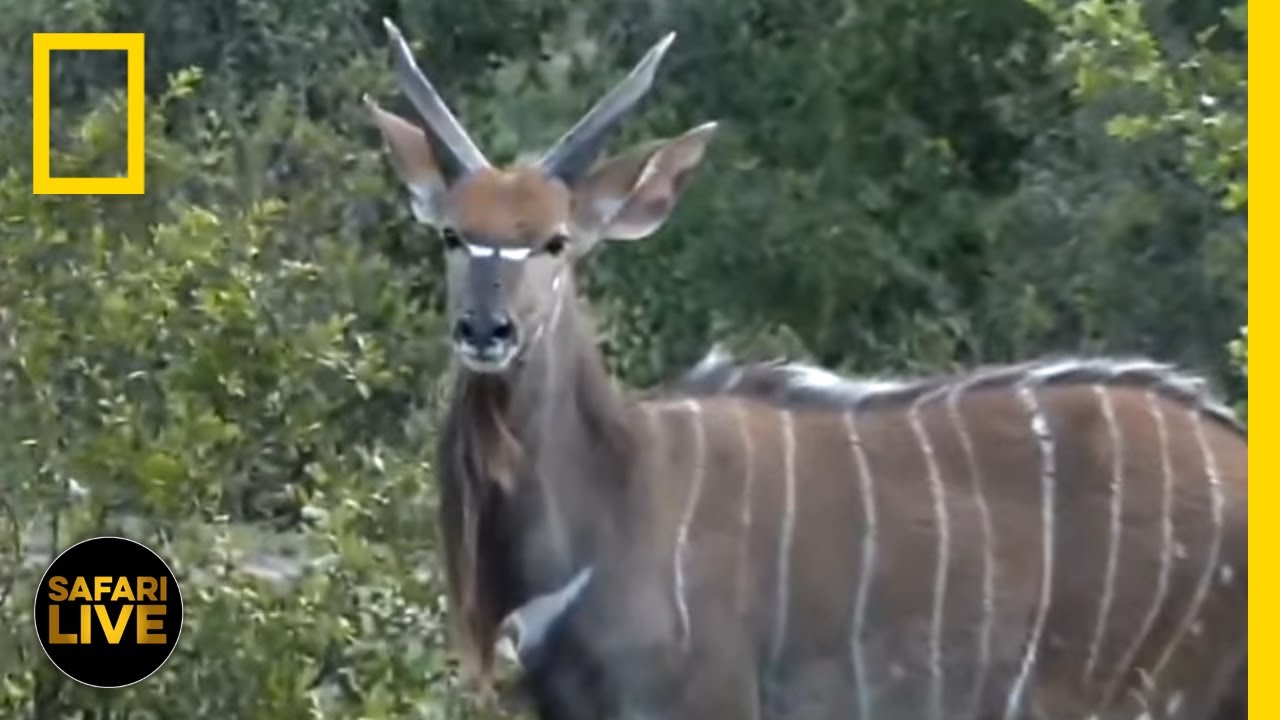
33 degrees Celsius marks a warm day in Sabi Sands as guides track wildlife, including elephants and leopards, during a live safari broadcast.
Two humpback whales dance gracefully around a marine biologist, who describes their movements as piouettes of ballerinas in the water.
Wildlife filmmaker Sandesh Kadur highlights remote ecosystems and endangered species, aiming to inspire conservation efforts through his visual storytelling.
Sandra Postel advocates for sustainable water practices and highlights the importance of freshwater conservation through everyday actions.
The sanema tribe in Venezuela lives naturally, showcasing their culture and rituals every Tuesday and Thursday.
Sarah and Eric McNair-Landry kite-ski over 2,000 miles through Canada's Arctic archipelago, facing polar bears and extreme weather conditions.
More than 10,000 animals have been photographed for Joel Sartore's Photo Ark project, but during the pandemic, he turns his lens to insects in his backyard.
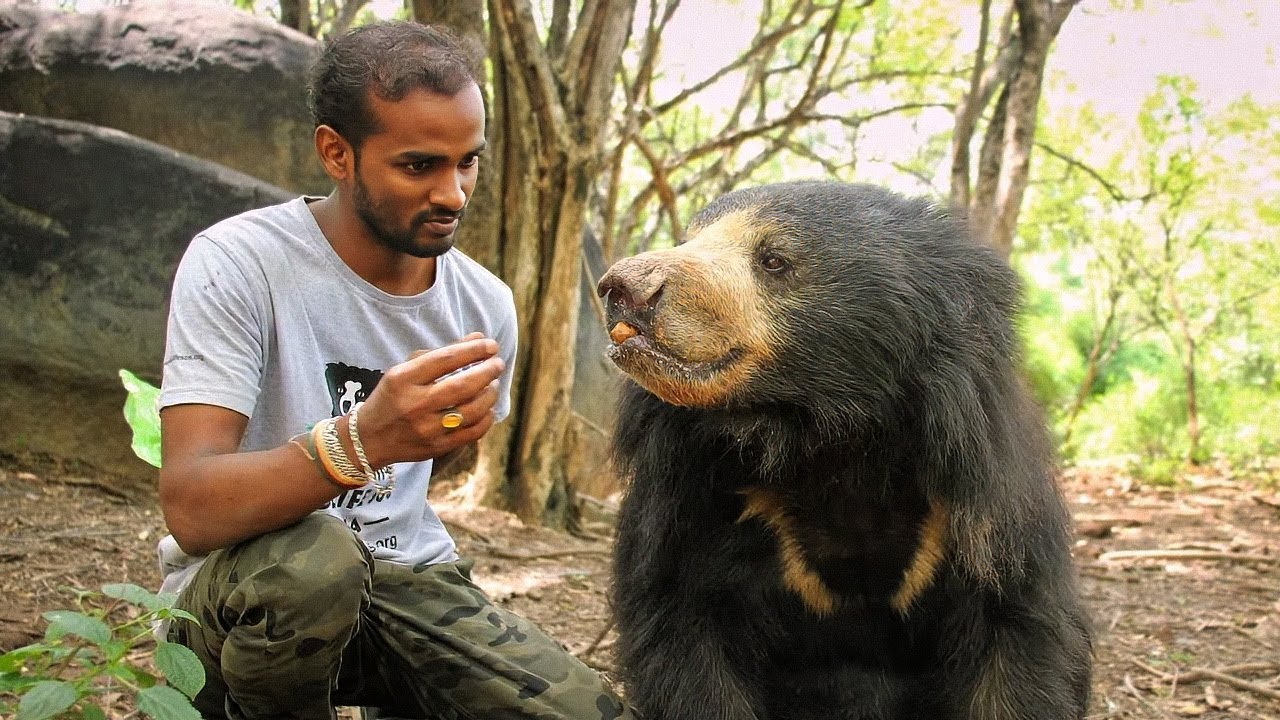
Over 400 years, sloth bears in India have been exploited for entertainment, with 628 bears rescued from captivity by Kartick Satyanarayan and Geeta Seshamani.
In Spiti Valley, local rangers are working to change perceptions of snow leopards as threats, highlighting their crucial role in the ecosystem.