From over 100,000 films, discover the handful you'll love.
Free or premium access to the world's largest documentary library.
3995 films(Page 40 of 84)
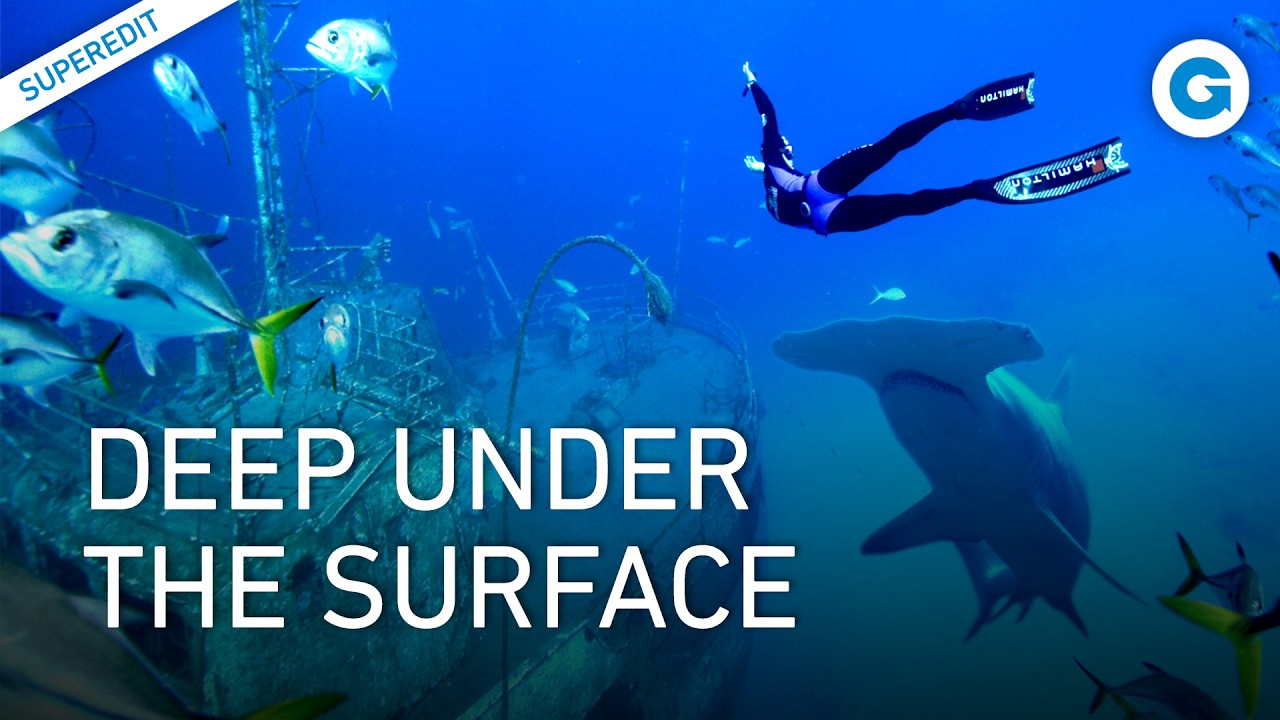
In Guadalupe Island, world-class freedivers Frederic Buyle, William Winram, and Pierre Frolla collaborate with marine biologist Dr. Mauricio Hoyos to tag great white sharks without protection.
High on the Tibetan plateau, wildlife photographer Vincent Munier and novelist Sylvain Tesson search for the elusive snow leopard in remote valleys.
The ocean absorbs nearly a quarter of the carbon dioxide emitted each year, playing a vital role in regulating the planet's climate.
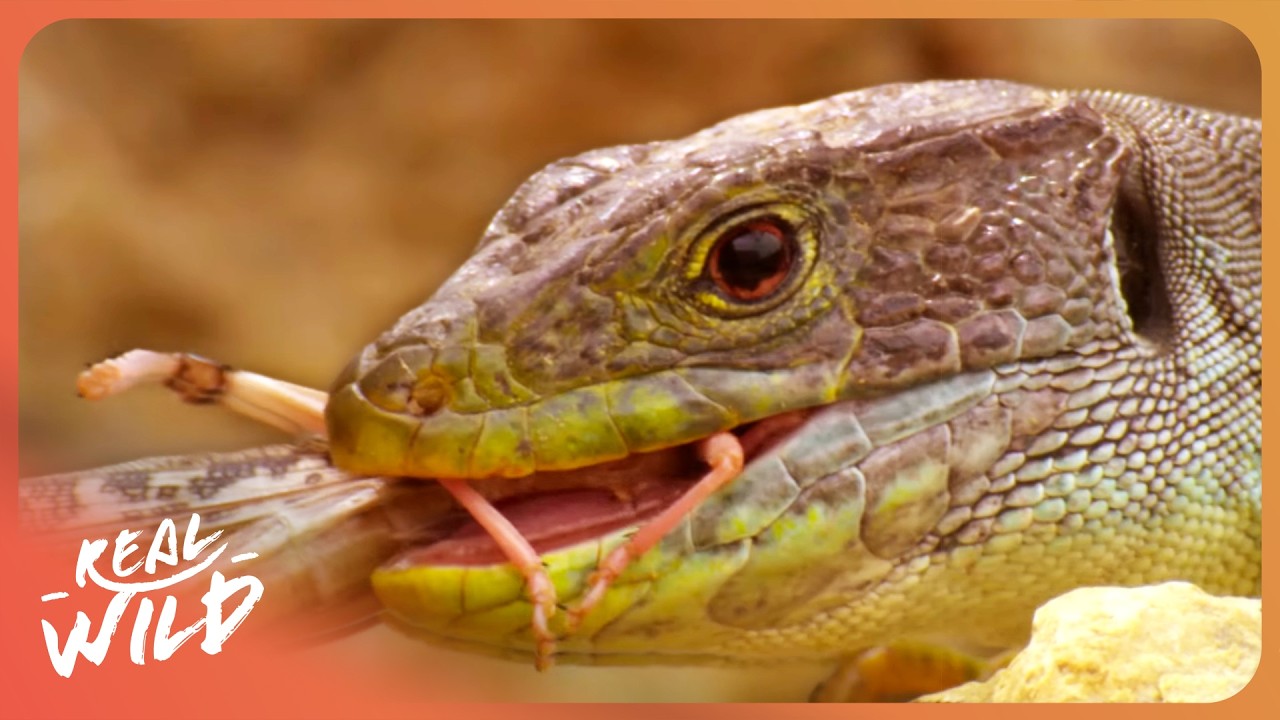
Gonarezhou National Park in Zimbabwe hosts nearly 12,000 elephants and showcases the diverse wildlife of southern Africa, including buffalo herds and monitor lizards.
Polar bears in Hudson Bay face increasing challenges for survival as climate change delays sea ice formation, threatening their population and habitat.
More than 4.5 million visitors come to Yellowstone each year, putting pressure on its ecosystems and prompting scientists to study the area's wildlife.
In cities like San Diego and Austin, as well as future projects in Malmö, Copenhagen, and Paris, urban nature and sustainability are explored through civil engineering.
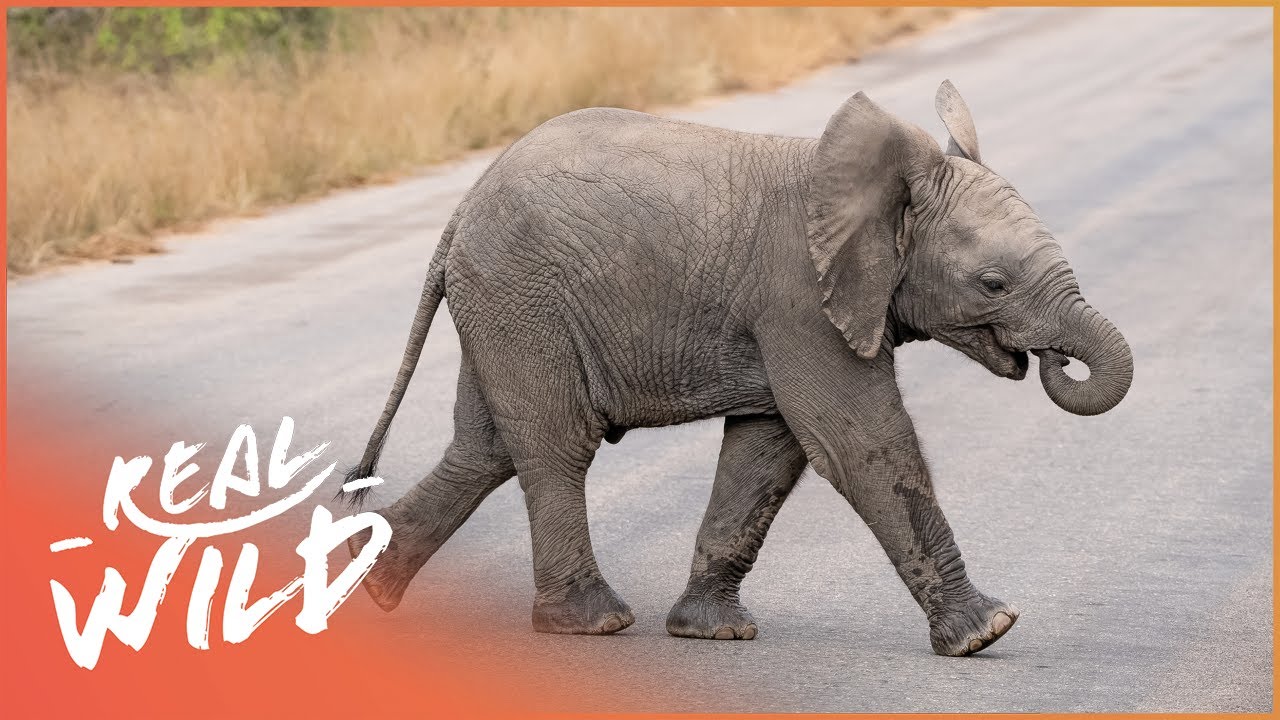
In Kenya's Maasai Mara, Brittany Bristow and ranger Bruce Hedges observe elephant herds with young calves learning to use their trunks and interacting with baboons.
Botswana's Okavango Delta, home to the largest elephant population on Earth, was recently designated as UNESCO's 1,000th World Heritage Site.
Elephants are viewed as competitors for land in Africa, where habitat loss and poaching threaten their survival and could lead to extinction within 50 years.
In extreme environments from the Arctic to the Amazon, animals like meerkats and mountain goats exhibit remarkable survival strategies that showcase nature's resilience.
In South Africa's KwaZulu-Natal region at the Pinda Reserve, zebras are studied for their unique behaviors and the various challenges they encounter in the wild.
A male common frog clasps a female for three days until she lays her eggs, illustrating the cycle of life in the Oostvaardersplassen ecosystem.
In eastern Botswana, the Swapong Hills serve as a sanctuary for diverse wildlife, including black eagles and Cape vultures, protected by local tribal traditions.
In Texas, a population of African Black Rhinos and Asian Axis Deer highlights the complex consequences of introducing exotic species, leading to ecological and economic challenges.
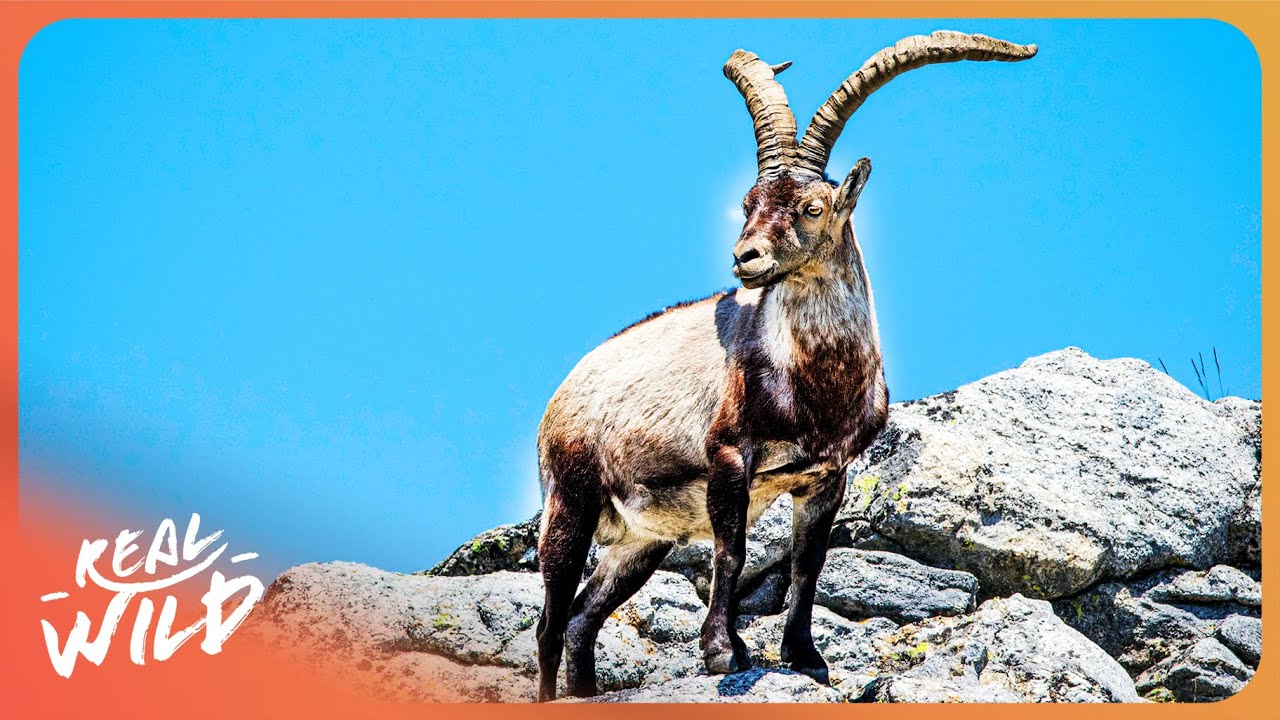
In the Jerte Valley of southwest Spain, two million cherry trees bloom annually, supporting diverse wildlife including Iberian mountain goats and Potoka wild horses.
In South Africa's Kruger National Park and Alaska, wildlife interactions reveal the fierce territorial battles among elephants, grizzly bears, lions, orcas, and crocodiles.
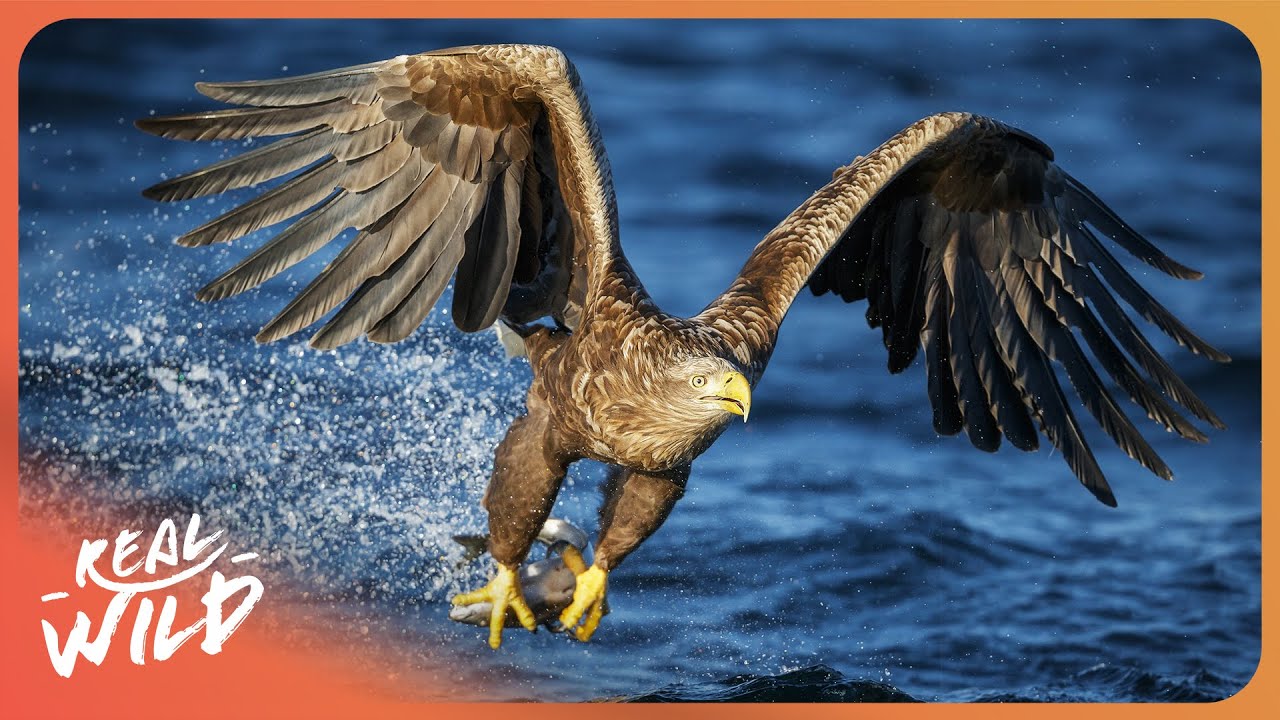
Golden Eagles, apex predators of the European wilderness, navigate harsh winters and intense breeding seasons while influencing their ecosystem from mountain heights to forest floors.
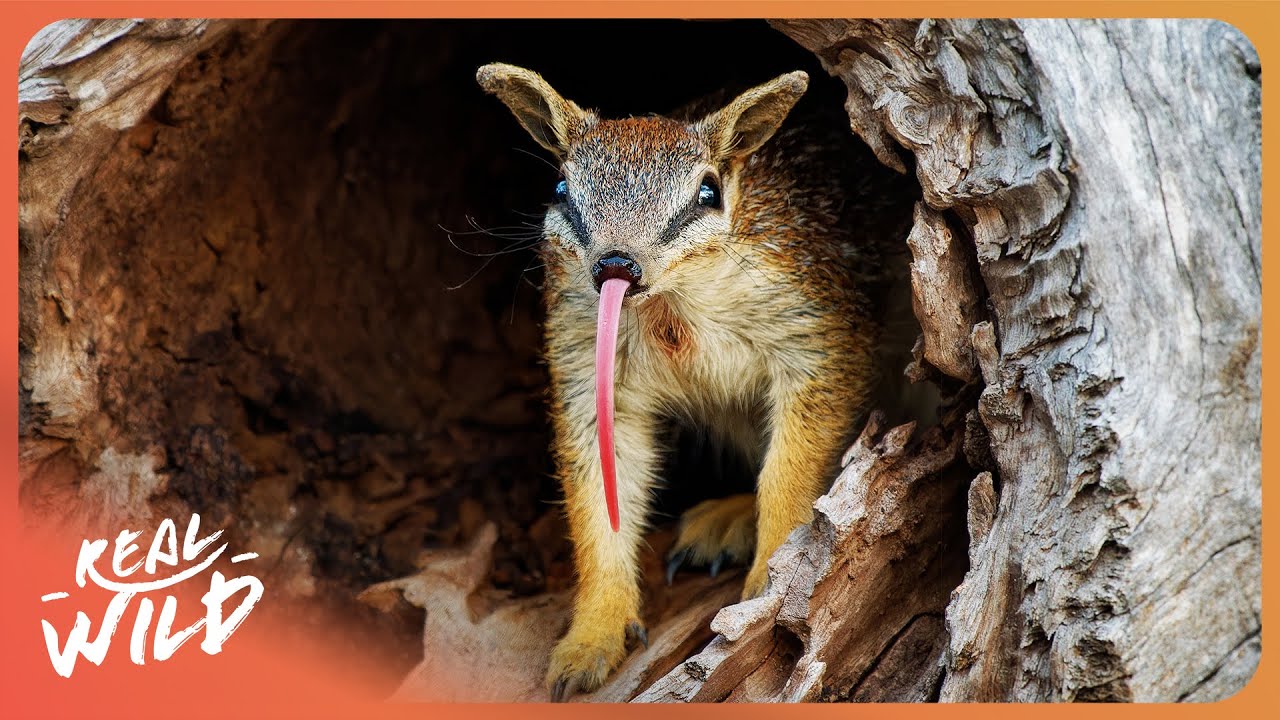
Carnivorous marsupials like numbats, quolls, and dibblers in Australia face extinction due to invasive species such as feral cats and foxes, prompting urgent conservation efforts.
Humpback whales, along with monarch butterflies and snow geese, exhibit remarkable migration patterns and behaviors in their natural habitats.
In Michigan's breeding grounds, a pair of sandhill cranes exemplifies the intricate relationship between wildlife advocacy and the natural behaviors of these ancient birds.
In Morocco, the lives of the last free-roaming Barbary apes and the country's rarest reptiles are observed across diverse habitats, from the Atlas cedars to the southern desert.
Nicole Stott spent over 100 days aboard the International Space Station, where she gained insights on Earth's interconnectedness and environmental stewardship.
Tubbataha Park in the Philippine Archipelago is highlighted for its exceptional coral reef preservation, featuring Prince Albert II's efforts in marine conservation and turtle research.
In the Masai Mara, complex animal behaviors are showcased, from lion courtship to elephant maternal care, highlighting the intelligence and social dynamics of wildlife.
After decades of legal battles, the Stellat'en and Saik'uz Nations seek to reclaim the Nechako River in British Columbia, aiming to restore its flow and protect their way of life.
11 million kilos of meat are consumed by vultures in the Serengeti each year, illustrating their crucial role in the park's ecosystem.
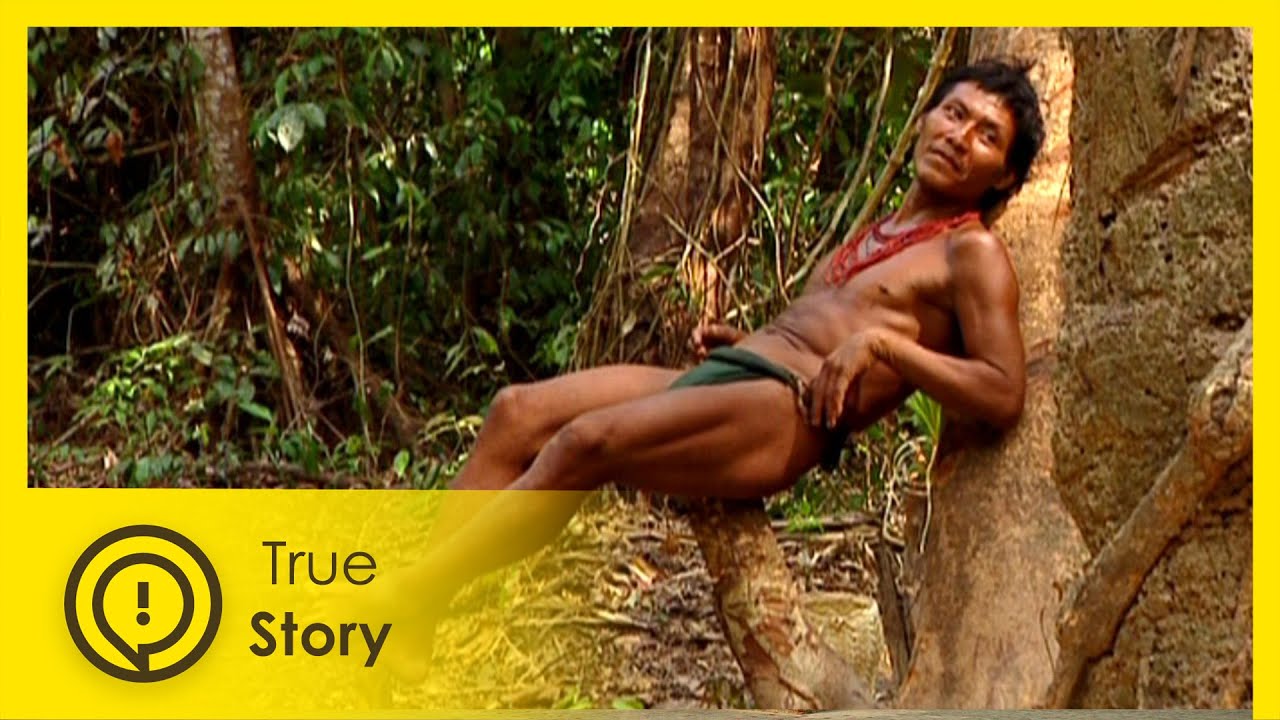
In the African Sahel, the Peul or Fulani, known as "the Men of oxen," are explored alongside the Hoti Indians of Venezuela, the Tsaatan nomads of Mongolia, Australian Aborigines, and the Khamba.
Germany's rivers, streams, and lakes host a diverse array of aquatic life, including exotic jellyfish, freshwater turtles, and the formidable Wels catfish.
David Suzuki investigates the alarming issue of forest dieback in Canada caused by acid rain and discusses potential solutions to this environmental crisis.
Rambo, a male tiger rescued from Florida, faces numerous challenges during his transport to England, highlighting the plight of captive tigers in America.
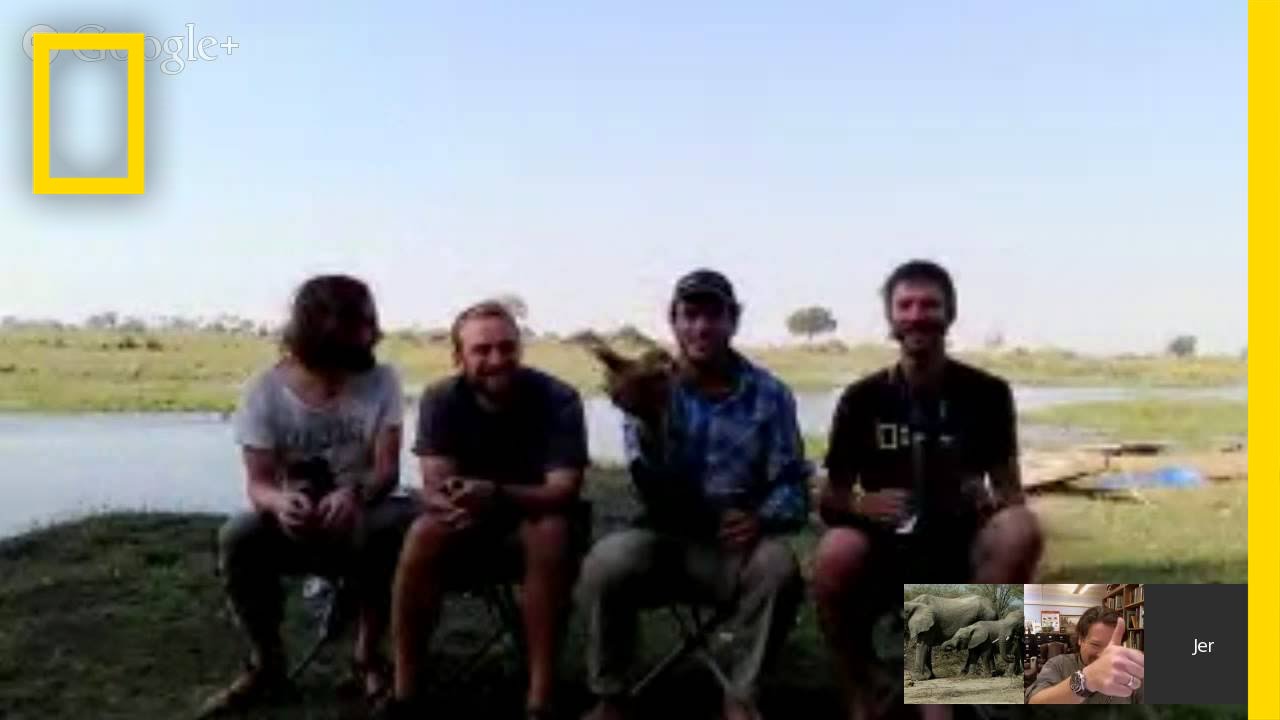
Canada's forests are examined in a live Q&A featuring director Kevin McMahon and experts Dr.
Leopards, zebras, and African buffalo are examined for their unique behaviors, survival strategies, and conservation challenges across the Serengeti and Maasai Mara.
Africa's diverse ecosystems host over 2,500 bird species, showcasing unique behaviors and evolutionary adaptations across its skies, wetlands, and savannahs.
Off the coast of Corsica, a team of scientists led by Laurent Ballesta investigates mysterious circular formations discovered at a depth of one hundred metres.
In the Amira Game Ranch of Zimbabwe, a 6,000lb African elephant named Enzo leads a herd of Cape buffalo, highlighting the complexities of interspecies relationships.
Hwange National Park in Zimbabwe showcases the dramatic interactions between predators like lions, leopards, and wild dogs as they hunt and defend their territory at night.
South Africa's Route 27 features unspoilt beaches, vibrant wildflower carpets, and encounters with humpback whales along the country's wild west coast.
In shallow waters off New Zealand, marine biologist Ian Gordon studies the elusive prickly shark, a species recently observed by scientists.
At Pinda Reserve in South Africa's KwaZulu-Natal region, hosts Anga Makobalo and Brittany Bristow track leopards and interact with cheetah cubs.
In the waterways of Guyana, the green anaconda faces challenges from the black caiman and a changing environment while showcasing its unique reproductive behaviors.
In Southeast Asia's jungles, rare Sumatran tiger cubs, Asian elephant calves, and Borneo orangutans navigate survival challenges in their unique ecosystems.
In the frozen wilderness of the Arctic Tundra, apex predators like the Arctic Wolf, Snowy Owl, and Polar Bear showcase their survival strategies and adaptations.
Endurance swimmer Adam Walker attempts to cross perilous straits while encountering dolphins and exploring the intelligence and culture of orcas.
In diverse ecosystems, animals engage in complex relationships characterized by predation, competition, and cooperation, highlighting the intricate social dynamics of nature.
Mana Pools National Park hosts a diverse array of wildlife, including elephants, hippos, and wild dogs, as observed during a safari with Zambezi Expeditions.
In remote landscapes and urban centers, Simonette Rossi explores extraordinary destinations and peculiar customs that highlight the planet's unique diversity.
Andreas Kieling travels from the Amazon rainforest to Siberia and China in search of rare animals, including the giant anaconda and the endangered Siberian tiger.